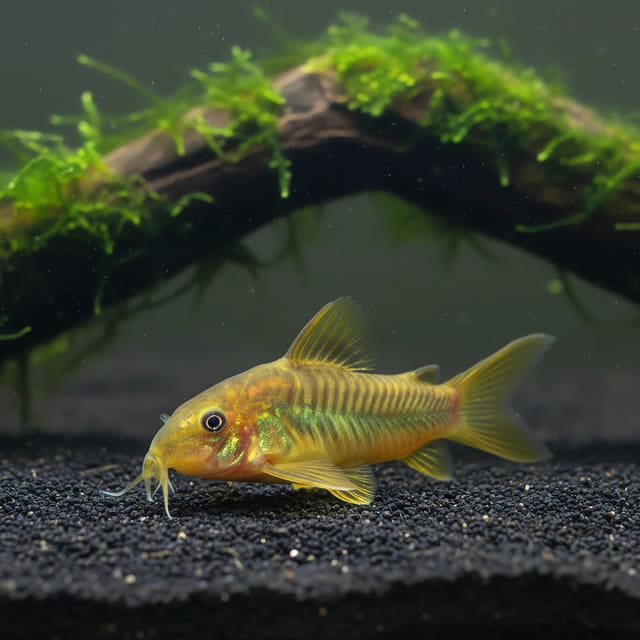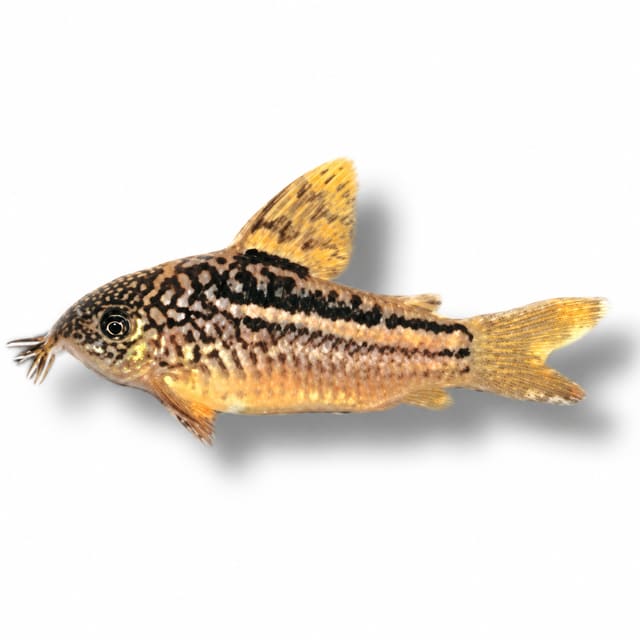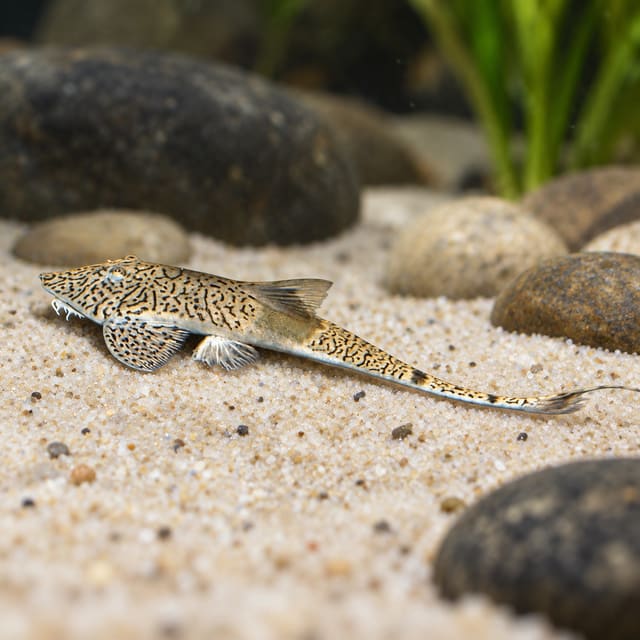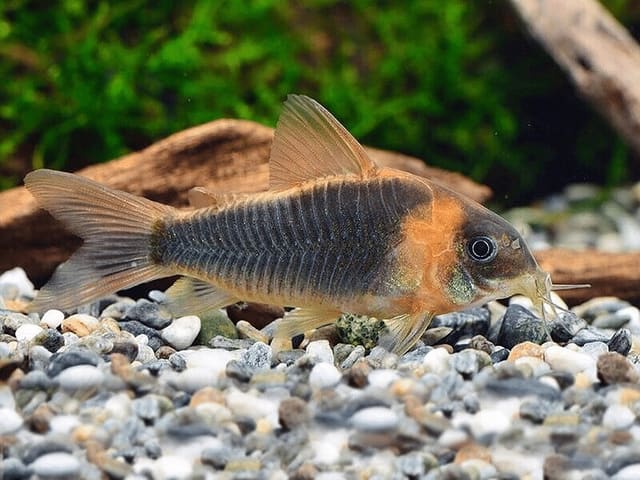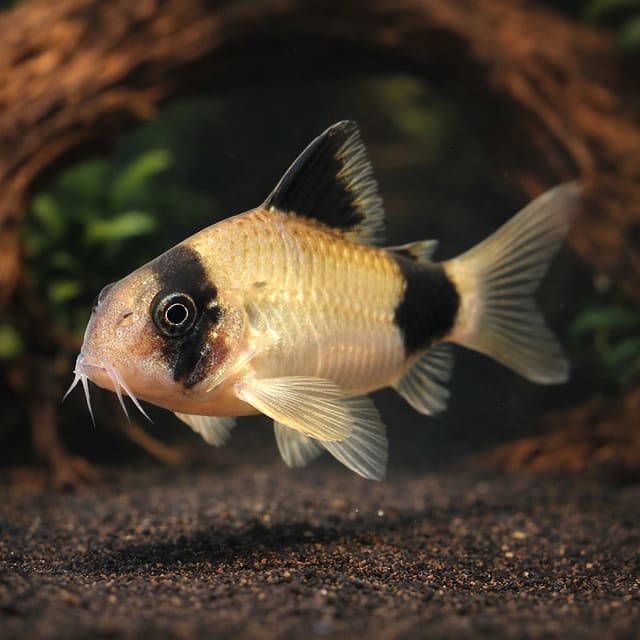
Panda Cory Catfish (Corydoras panda)
22–25°C · pH 6–7.4
£7.29

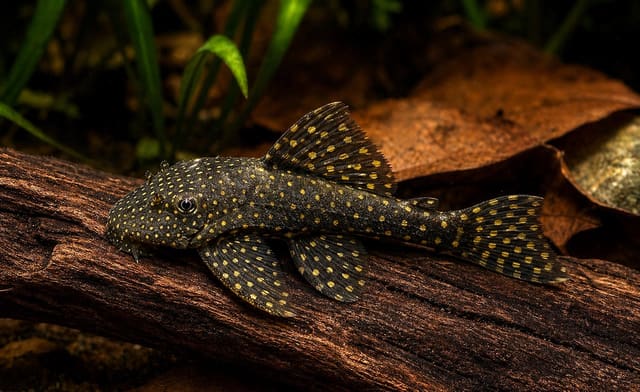
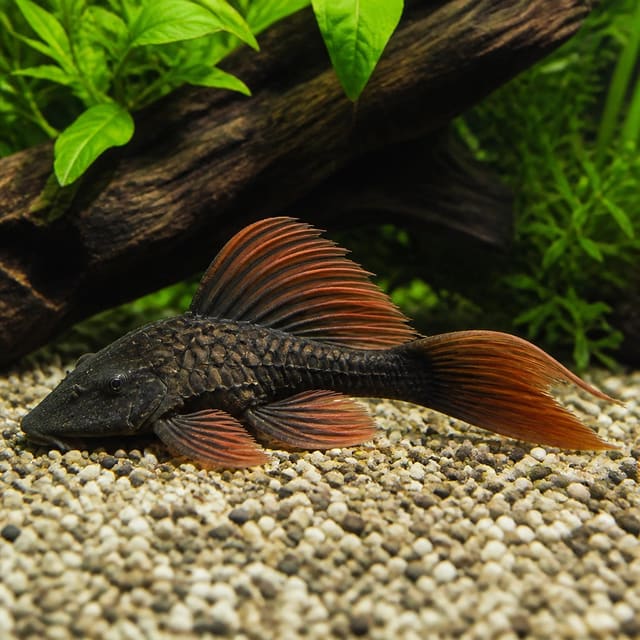
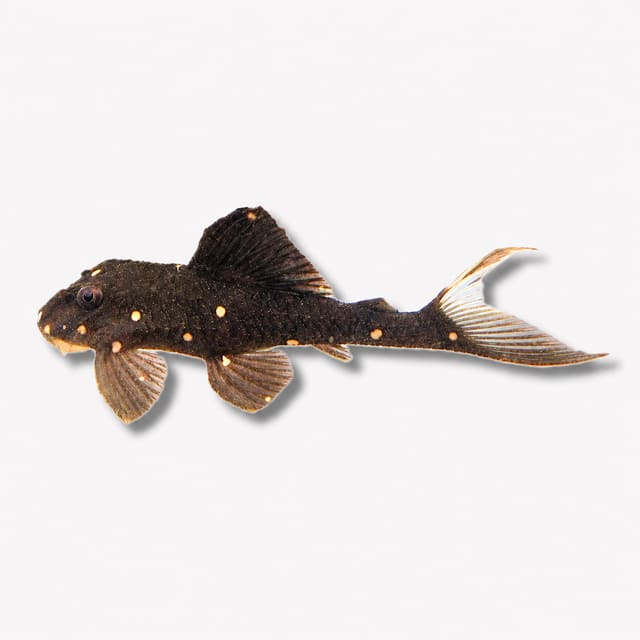
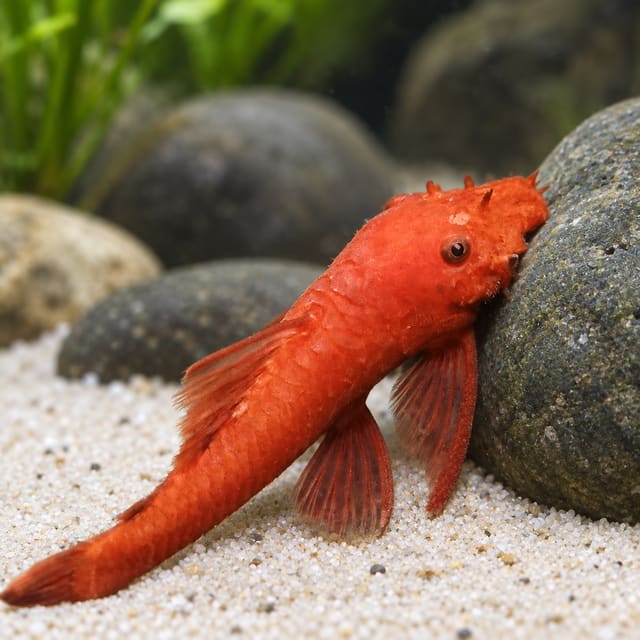
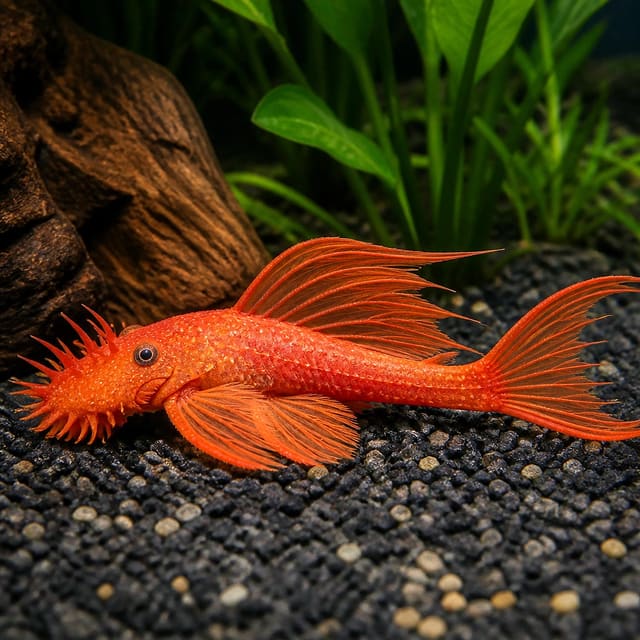
L178 Red Eye Pleco (Lasiancistrus sp.) is a genus-level South and Central American loricariid offer for established freshwater aquariums. One purchase supplies one fish in the chosen 4–5 cm or 5–7 cm dispatch size; these are not adult-size claims. Plan conservatively around a mature filter, stable tested water, cover, grazing surfaces and individual compatibility assessment.
Lasiancistrus sp.
L178 Red Eye Pleco (Lasiancistrus sp.) is a genus-level South and Central American loricariid offer for established freshwater aquariums. One purchase supplies one fish in the chosen 4–5 cm or 5–7 cm dispatch size; these are not adult-size claims. Plan conservatively around a mature filter, stable tested water, cover, grazing surfaces and individual compatibility assessment.
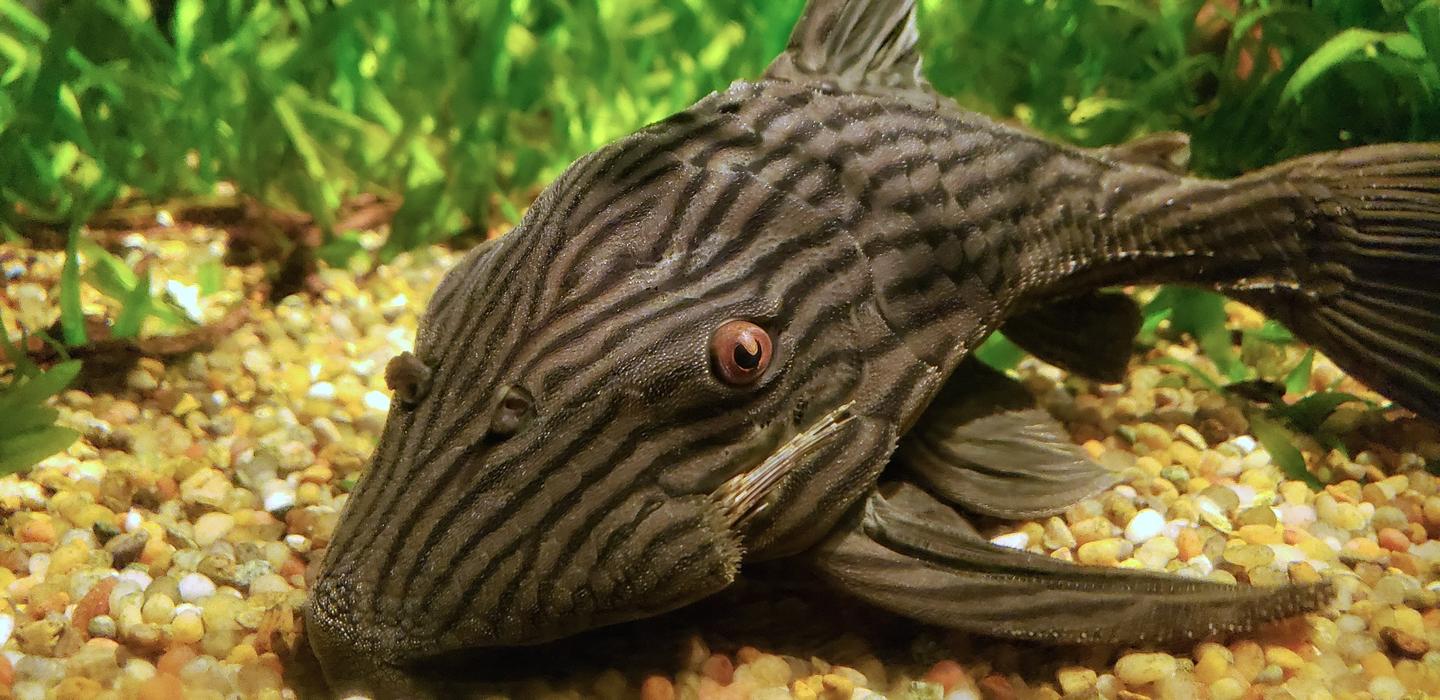
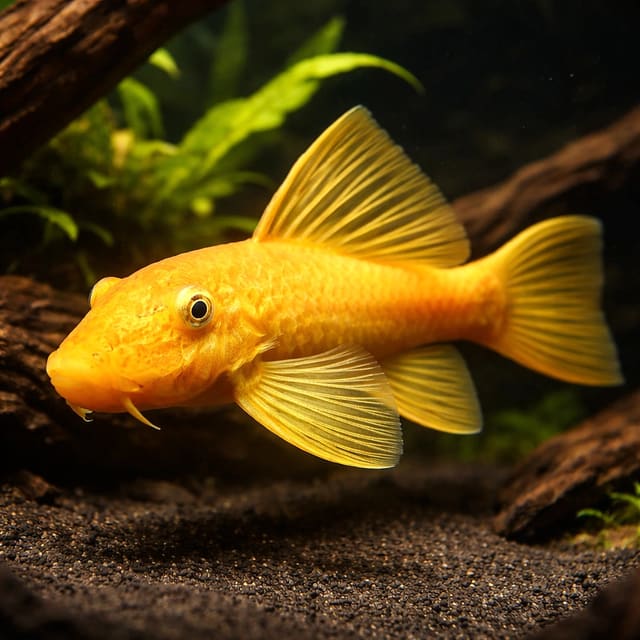
‘Pleco’ is a loose aquarium-trade label, not one species or one care sheet. Before buying, confirm the scientific name or defensible L-number, adult size and measurement method, required footprint, temperature and water, diet, social plan and source. No universal pleco tank size, menu or algae result is honest.
Maintain these water conditions for optimal health and vibrant colors
The L178 Red Eye Pleco is offered under the honest scientific scope Lasiancistrus sp.. That wording matters: Lasiancistrus is an accepted genus of suckermouth armoured catfishes in the family Loricariidae, but this trade animal has not been resolved to a named species. The exact species has not been identified, so the care advice here follows the genus Lasiancistrus and its care group. It is therefore better suited to a keeper who is comfortable planning cautiously than to someone who wants a species profile built around a single claimed adult length.
One purchase supplies one live fish in the size chosen at checkout. The two genuine dispatch sizes are 4–5 cm and 5–7 cm. The size you select is the size supplied, not the adult size. A dispatch measurement describes the animal sent; it does not tell you how large an unidentified member of the genus will ultimately become. Keep both ideas separate when judging aquarium capacity, shelter and long-term compatibility.
The trade name “Red Eye Pleco” and L-number are useful ways to recognise the offer, while Lasiancistrus sp. sets the biological limit of what can be stated confidently. The genus is freshwater and occurs across southern Central America and South America. That broad geography is natural-history context, not a locality claim for the individual fish supplied. The page does not assign a river, country, lineage or species that has not been established for this stock.
This is a choice for an established tropical freshwater aquarium with functioning biological filtration, regular testing and enough room to adapt as the fish develops. If you are still building the aquarium, use the first tropical tank guide before ordering livestock. A clear record of ammonia, nitrite, nitrate, pH and temperature is more useful than relying on the water looking clean.
The strongest reason to choose this fish is not the idea of a universal aquarium cleaner. It is an unusual loricariid identity for a keeper who enjoys watching a bottom-oriented grazer and is prepared to feed and maintain it as an animal in its own right. Algae-eating fish can browse natural growth, but OATA warns that they do not replace routine maintenance or appropriate stocking. They still require prepared food and a stable aquarium.
| Suits | Not suited to |
|---|---|
| A mature, filtered tropical freshwater aquarium with tested water | A new or uncycled tank bought at the same time as the fish |
| A keeper willing to use broad group guidance cautiously while the species remains unresolved | A plan that depends on a promised adult size, lifespan or exact species temperament |
| A layout with secure cover, smooth surfaces and accessible feeding areas | A bare setup that expects the fish to live only on nuisance algae |
| A household able to observe feeding, body condition and water results over time | An overcrowded community chosen only because all animals are described as peaceful |
Sex is guaranteed only when the selected option explicitly states male or female. This Pleco red eye listing has no sex-guaranteed option. Do not infer sex from size, colour, body shape or a gallery view. Breeding pairs and male-versus-female behaviour are not part of this offer.
Gallery images have been digitally enhanced to improve image quality. Natural colour, pattern, size and maturity can vary between live animals.
For other loricariids and catfish, browse the catfish and plecos collection. Treat that collection as a comparison route, not as a list of automatic tank mates. Each animal still needs its own adult-size, water, social and feeding assessment.
Lasiancistrus sits within Loricariidae, the armoured suckermouth catfish family. The genus identity supports a freshwater, bottom-oriented loricariid interpretation, while the lack of a species name prevents precise promises about maximum length, a home range, sexual differences or a fixed social recipe. This is an important husbandry distinction rather than a technical detail.
The dispatch size is useful for receiving and settling the fish, but not for choosing the smallest tank that might contain it today. Long-term planning should allow more floor area, shelter and filtration capacity than a 4–7 cm juvenile appears to need. Choose an aquarium with room to revise the layout and stocking as the fish grows. Avoid building a fully stocked community around a speculative final length.
The trade name “pleco” covers many loricariids with very different adult sizes and diets. Advice for a bristlenose, clown pleco, zebra pleco or common pleco should not be transplanted automatically to this animal. Some OATA algae-eater examples use wood, some need groups, and others are best kept alone; those differences are exactly why a genus-only fish deserves conservative care.
This approach gives the fish a safer margin. It also gives the keeper a clearer decision: choose it for the documented offer and your ability to accommodate uncertainty, not for a speculative number that makes the purchase seem easier.
A filter is not simply a device that moves visible debris. Its biological media supports bacteria that convert toxic ammonia to nitrite and then to the less immediately toxic nitrate. The RSPCA describes a properly set up and maintained filter as essential for fish. That process needs time and a suitable ammonia source before livestock is added.
Cycle the aquarium before the Red Eye Pleco arrives. Test rather than infer readiness from clear water. Ammonia and nitrite should remain at zero under the intended feeding load, while nitrate and other readings should be tracked against the aquarium’s normal pattern. A filter can move water yet still lack enough mature biological capacity for a newly increased stock load.
Choose filtration with the real aquarium volume, planned stock, feeding and maintenance access in mind. The objective is steady waste processing and circulation without leaving neglected zones around decor. Flow must also allow the fish to rest and feed. There is no packet-backed turnover multiplier for this unresolved species, so size the equipment by the manufacturer’s instructions and confirm performance through water tests and observation.
A stable aquarium is one that the keeper understands. Results taken over time reveal whether the system is genuinely processing waste or merely looks tidy. If either ammonia or nitrite is detectable, investigate the cause before adding another animal. The same applies when temperature or pH changes abruptly between tests.
Maintenance should protect the established biological colony. Rinse reusable filter media gently in removed aquarium water when cleaning is needed, rather than sterilising all media at once. Replace only what the filter manufacturer requires and avoid changing every biological component together. The goal is continuity, not a visually spotless filter.
The available OATA algae-eater care sheet is broad group guidance rather than a species-specific optimum for this Lasiancistrus. Across several commonly kept algae-eating fish in that sheet, 22–27°C, pH 6.0–8.0 and soft-to-medium hardness around 4–12 dGH recur as practical aquarium figures. They are useful for screening a tropical setup, but they do not prove that every unidentified Lasiancistrus should be held at every point in those ranges.
Stability, oxygen and clean water matter alongside the headline numbers. Pick a temperature within the group range that also suits the other residents, then keep it steady with a thermostatic heater and separate thermometer. Warm water carries less dissolved oxygen, so watch circulation and surface movement rather than assuming a heater setting completes the task.
Use the aquarium water-parameters guide to understand what each result means, then compare your measured values with the water matcher. Test the aquarium itself. UK tap water varies, and pH or hardness can differ after standing, conditioning or passing through domestic treatment equipment.
| Check | How to use it |
|---|---|
| 22–27°C | An OATA group-level starting range, not proof of an exact species optimum |
| pH 6.0–8.0 | A broad screening range; avoid rapid correction towards a fashionable midpoint |
| 4–12 dGH | Soft-to-medium group guidance; compare the aquarium with the fish’s established holding water |
| Ammonia and nitrite | Both should remain at zero in a functioning mature aquarium |
| Nitrate | Track the trend and control it through stocking, feeding and routine maintenance |
Make changes gradually. A number within a published span is not automatically safe after a sudden swing. If the aquarium is far from the holding conditions, the sensible response is to plan a careful transition rather than forcing the fish through a rapid chemical adjustment.
OATA’s general aquarium advice calls for substrate, live or aquarium-safe artificial plants, and suitable ornaments that provide shelter. For a small loricariid, translate that into a layout with secure shaded retreats, smooth surfaces and clear routes between shelter and food. Arrange decor so that it cannot shift onto the fish and so that the keeper can inspect the areas where waste collects.
Wood can be valuable as structure, shade and a surface on which natural growth develops. Use it as optional aquarium structure while recognising that nutritional wood requirements differ among pleco species. Aquarium-safe wood does not replace a complete supplementary diet.
Choose substrate and decor by touch as well as appearance. Sharp edges, narrow holes and unstable stacks create avoidable injury or trapping risks. Smooth sand or rounded gravel is easier to manage around a bottom-oriented fish than jagged material. Leave enough open area to place sinking food where it can be seen and removed if uneaten.
Observe how the fish actually uses the aquarium. A retreat that looks attractive to a person may sit in a bright or turbulent position the fish avoids. If food consistently disappears into inaccessible crevices, alter the feeding route. If another resident controls the only sheltered feeding area, add separation or rethink the stocking plan.
Light should support plants and viewing without removing every shaded choice. A predictable day-and-night cycle can make observation easier. There is no need to force algae by over-lighting; nuisance algae often points to an imbalance, and an algae-eating fish is not a substitute for correcting the underlying cause.
OATA’s algae-eater guidance is direct: fish that graze algae still need supplementary prepared foods. Algae-based wafers or flakes and suitably prepared fresh vegetables are examples within that broad care context. Natural biofilm and soft growth can add grazing opportunity, but their presence cannot show that the animal is receiving a complete diet.
Offer food where this fish can reach it without being displaced. Sinking formats are practical for a bottom-oriented catfish, while vegetables should be washed thoroughly and removed before they deteriorate. Follow the food maker’s portion guidance, then adjust from observed consumption and body condition. A fixed wafer count would be misleading because products differ in size and energy density.
Vegetables are optional variety within the group guidance, not a reason to turn the aquarium into a tray of uneaten produce. Wash them carefully, especially when pesticide residues may be present. Replace spoiled pieces promptly. Prepared food remains important because it offers a more consistent nutritional base than whatever algae happens to grow.
Do not buy this fish to repair an algae problem. Persistent algae can reflect lighting, nutrient, stocking or maintenance conditions that need their own correction. Adding another animal also adds feeding and waste. Choose the Red Eye Pleco because you can meet its needs and value the animal, then manage algae through the whole aquarium routine.
If the fish is not feeding, first check access, competition, temperature and water quality. Hiding alone is not a diagnosis. Compare the animal with its normal pattern and seek experienced aquatic-health help when reduced feeding, breathing changes, injury or declining condition persists.
A repeatable maintenance routine makes changes visible. Test on the same schedule, record results and look beneath wood and ornaments where waste can collect. The best interval and water-change volume depend on the aquarium’s stocking, feeding, source water and nitrate trend, so results should drive the routine.
Prepare replacement water before it enters the aquarium. Treat chlorine or chloramine with an appropriate conditioner, match temperature closely and avoid a rapid pH or hardness change. Siphon waste from accessible dead spots while leaving useful cover intact. Clean enough filter media to restore flow without stripping the whole biological system.
| Observation | Useful response |
|---|---|
| Food remains each morning | Reduce the portion, check access and remove decomposing leftovers |
| Ammonia or nitrite appears | Treat it as a filtration or loading problem and pause further stocking |
| The fish is repeatedly displaced | Add a protected feeding route or revise incompatible stocking |
| Breathing or posture changes | Check temperature, oxygenation and water results before guessing a disease |
| Waste builds behind decor | Improve access or circulation without removing every secure retreat |
Take a baseline photograph or written note after the fish has settled. Changes in abdominal profile, fins, eyes, breathing and grip can then be compared with its own normal appearance. Colour alone is affected by light, background and stress and should not be used as a diagnosis.
There is no justified lifespan promise for this unresolved species. Plan for a long-term commitment and for the possibility that the aquarium layout or capacity will need to change. The durable decision is to maintain spare filtration, floor space and husbandry capacity rather than fitting the animal to an optimistic estimate.
The aquarium, testing kit, heater, filter and sheltered feeding area should all be ready before delivery day. Someone must be present to receive live fish. Keep the current delivery and Live Arrival Guarantee policy available because it owns the exact claim and acclimatisation terms.
Arrival is a poor time to improvise the aquarium. Confirm in advance that the water is stable, the lid and equipment are working, and aggressive residents can be separated. Place the fish where it can reach cover without having to compete immediately for the only retreat.
Feed according to condition and the store’s arrival guidance rather than trying to force an immediate meal. Observe breathing and posture, then recheck the aquarium if anything changes. A prepared, low-disturbance introduction protects both the new fish and the established biological system.
No species list can guarantee compatibility for an unidentified Lasiancistrus. Begin with practical overlap: the same stable tropical water, enough long-term space, calm access to food, and separate shelter. Then examine what each resident does at the bottom of the tank rather than relying on broad labels such as peaceful or community fish.
Use caution with other plecos, catfish and dedicated grazers because they may want the same caves, surfaces or sinking foods. The risk rises when the aquarium has one preferred retreat or a single feeding point. A larger footprint and multiple broken sight lines can reduce pressure, but space does not turn a poor match into a safe one.
Avoid boisterous, aggressive or predatory animals that prevent this fish from feeding or resting. Also avoid a community whose adult size or waste load already uses the aquarium’s margin. A quiet fish can still be a poor companion if it occupies the same shelter or consumes the same food before the Red Eye Pleco can reach it.
Panda and Bronze Corydoras are supplied as alternative catfish choices in the related-products field, not as endorsed companions for this fish. Alternatives help a buyer compare different animals; they do not establish that two products belong in one aquarium.
This listing supplies one fish per purchase and offers no sex choice. There is no justified group-size promise for the unidentified species. Beginning with one animal avoids creating a guessed pair or same-sex territorial combination, and it lets the keeper learn feeding and shelter use before considering another bottom-dweller.
If more than one loricariid is contemplated, plan around adult capacity rather than juvenile dispatch size. Provide several retreats of suitable shape, more than one feeding location and enough filtration for the combined waste load. Watch for blocking, chasing, loss of condition or one fish monopolising a cave. Separation equipment should be available before conflict appears.
Small invertebrates also require caution. The material for this offer does not establish shrimp or snail safety. Do not turn either into a universal clean-up companion. Screen their water, food, size and defence requirements independently and assume that vulnerable young may be at risk around opportunistic fish.
Compatibility remains an observation task after introduction. Reassess when animals grow, breeding condition changes, decor is moved or a preferred retreat is lost. A combination that appears calm at dispatch size may use the aquarium very differently later.
The L178 Red Eye Pleco is sold as Lasiancistrus sp., an unidentified species within an accepted South and Central American freshwater loricariid genus. The name is deliberately genus-level: it does not add a species, locality or adult-size promise.
Choose a mature aquarium with generous floor area, shelter and spare filtration capacity rather than sizing it around a 4–7 cm juvenile. Because the fish is identified only to genus, plan conservatively and retain room to increase capacity as its growth and behaviour become clear.
It best suits a keeper who already understands cycling, water testing, bottom-feeder access and cautious stocking. A conscientious newer keeper can prepare those skills, but this genus-level identity is less straightforward than a fish with a complete species care profile.
Use a suitable complete sinking food and supplement it with algae-based foods and carefully washed vegetables within OATA’s broad algae-eater guidance. Natural algae and biofilm add grazing opportunity but cannot replace deliberate feeding or aquarium maintenance.
OATA’s broad algae-eater guidance repeatedly uses 22–27°C and pH 6.0–8.0, with soft-to-medium hardness around 4–12 dGH. Treat those as a cautious group-level starting screen, keep conditions stable and compare them with the fish’s established holding water.
Start with one. The exact species, sex and social requirements are not defined for this offer, so a claimed pair or group would be guesswork. Any later loricariid addition needs extra shelter, feeding access, floor area and a separation plan.
No universal temperament promise is safe at genus level. Screen for competition around bottom food and shelter, avoid aggressive or predatory residents, and monitor actual behaviour. This animal’s mouth and body position do not by themselves prove compatibility.
Consider animals with overlapping tropical water needs that will not dominate caves or sinking food, then assess adult size and waste load. No named species is an automatic companion. Alternative catfish products are choices to compare, not a tank-mate list.
Tropical Fish Co hand-packs live fish in an insulated box for a licensed live-animal courier. Be present for delivery and record a continuous unboxing video from the sealed parcel through opening to the fish in its sealed bag. Float the sealed bag for 20–30 minutes, and contact the shop the same day with the order number and video if anything is wrong.
The genus record establishes identity but not a species-level adult length, lifespan, sex diagnosis, breeding method or universal compatibility list. Broad husbandry figures above remain explicitly scoped to the care group.
No reviews for this item yet. Bought one? Honest reviews only, good or bad.
What customers say about ordering from us
I have a small group of long finned mountain minnows. So was delighted to be able to order ten of this variety to increase the genetics in my tank . The ones I recieved are healthy but it’s to early to give a verdict on wether they are of a long finned type since they are small currently.
Gordon Walker · 23 Sept 2026
100% success travel and "installation". Pleased with quality of purchase. The Siamese fighter a bit "shy" so have not yet seen him at his best yet but looking good. Happy customer. GG
George E Garratt · 21 Sept 2026
Reviews of our shop, collected by Judge.me, an independent third-party review collector. Newest first.