
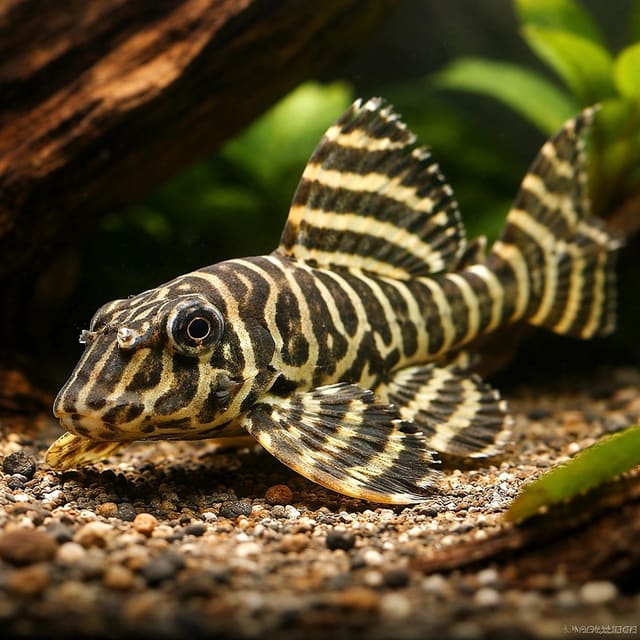
Moderate
L333 Hypancistrus sp. cb porto de mos
26–30°C · pH 6–7.5 · 100L
£48.99
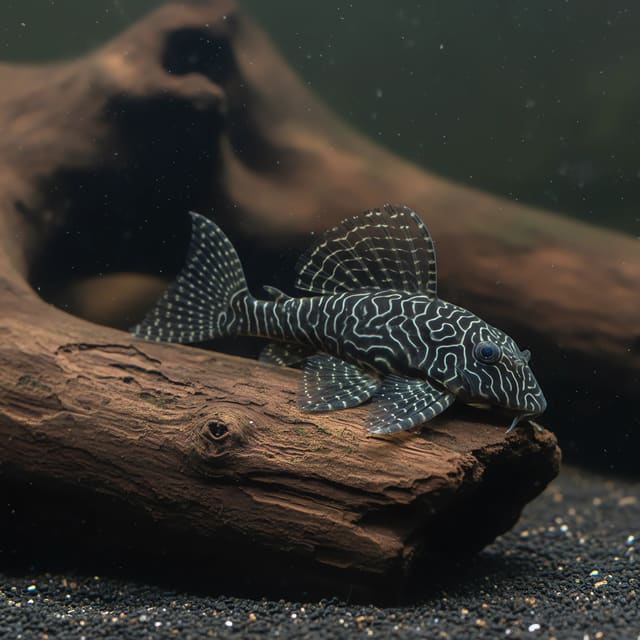
Specialist L260 Queen Arabesque Pleco with fine white-on-dark patterning for warm, cave-rich aquariums. A compact Hypancistrus for keepers who can provide clean, oxygen-rich water and meaty sinking foods.
Adult size is the maximum length this species reaches at full maturity (scientific sources). The livestock you receive will be younger and smaller — pick a size variant above for the actual shipping size. Product-photo provenance and any image-specific limitations are stated on the listing.
Hypancistrus sp.
Confirm your email, then we’ll send an availability message for this exact item if it returns within 180 days.
This request is only for this product—no newsletter or other promotions. A mail-provider retry may very rarely duplicate the same availability message. Unconfirmed addresses are removed after 48 hours. See our privacy policy.
Specialist L260 Queen Arabesque Pleco with fine white-on-dark patterning for warm, cave-rich aquariums. A compact Hypancistrus for keepers who can provide clean, oxygen-rich water and meaty sinking foods.
Adult size is the maximum length this species reaches at full maturity (scientific sources). The livestock you receive will be younger and smaller — pick a size variant above for the actual shipping size. Product-photo provenance and any image-specific limitations are stated on the listing.
26–30°C · pH 6–7.5 · 100L
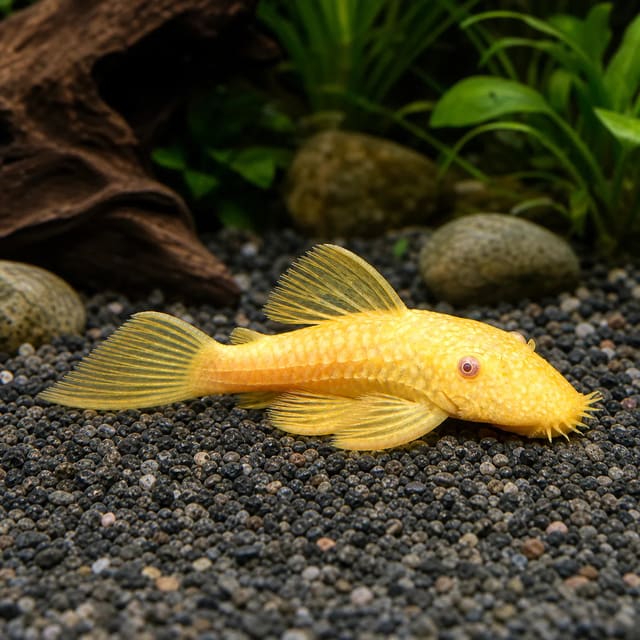
22–27°C · pH 6.5–7.8 · 100L
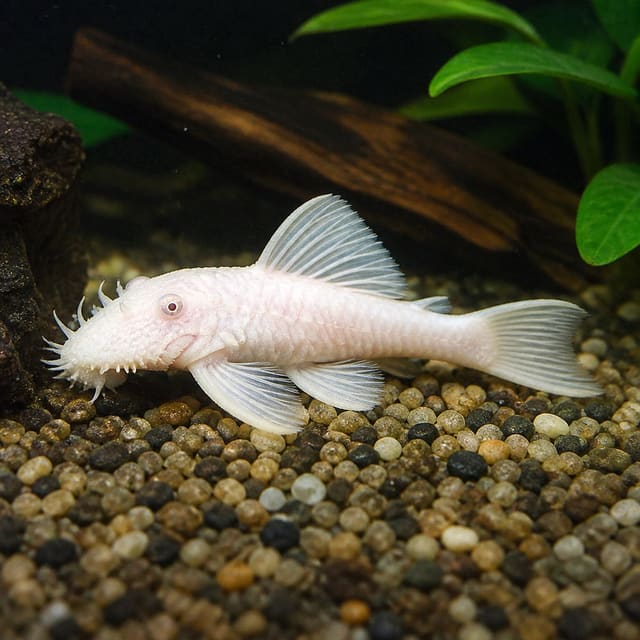
23–29°C · pH 6–7.5 · 80L
18–26°C · pH 6.5–8 · 30L
Maintain these water conditions for optimal health and vibrant colors
If you are searching for a standout pleco that aquarists can keep in a warm, well-structured tropical setup, the L260 Queen Arabesque Pleco is one of the most rewarding choices available. Known scientifically as Hypancistrus sp., this striking zebra-type pleco combines compact size, intricate maze-like patterning, and a generally peaceful nature that suits many carefully planned community aquariums. Unlike bulky common plecs, this species stays around 9 cm, making it a smart option for keepers who want a specialist Loricariid without needing the space required for a large pleco search. It is not a cold water pleco species, though; its pleco temperature requirements are firmly tropical, with best results at 26-30°C.
Use the product gallery to compare L260 Queen Arabesque Pleco (Hypancistrus sp.) visually before ordering. Look at colour, body shape, patterning, fin condition and overall posture, then compare those details with the care notes on this page.
The L260 belongs to the armored catfish family Loricariidae, a huge South American group that includes bristlenose plecs, panaques, panaqolus species, and many sought-after L-number plecos. Within the hobby, Hypancistrus species are known for bold line patterns, cave spawning, and a diet that is usually more meaty than many new keepers expect. The Queen Arabesque sits among the most recognisable zebra-type plecos in the trade and is often compared with species such as the L333 Maze Zebra Pleco - Hypancistrus because of its labyrinth-like markings and compact adult size.
The L260 Queen Arabesque Pleco comes from South America, with aquarium literature generally placing it in Brazil, associated with the Rio Tapajós system. In the wild, this is a warm, oxygen-rich environment with seasonal variation, rocky margins, submerged wood, and shaded crevices where small catfish can shelter during the day. Understanding that natural setting helps explain nearly every part of successful pleco aquarium requirements: high oxygen, clean water, secure caves, and a protein-rich feeding routine.
Many shoppers looking up algae eating fish for ponds, algae eater fish for a pond, or algae eater fish for ponds uk are really trying to solve an algae problem with a hardy scavenger. The L260 is not that fish. It is a tropical river pleco, not an algae eater fish for outdoor pond, algae eater fish for outside pond, or algae eater fish for cold water ponds option. It should never be treated as an algae eater fish in pond or algae eater fish freshwater pond species. In fact, discussions around why algae eating fish for ponds are bad often come down to using the wrong species in the wrong climate. The Queen Arabesque belongs indoors, in heated aquaria with stable tropical conditions.
In nature, these catfish spend much of the day tucked under stones or inside narrow hollows, emerging at dusk to browse biofilm, tiny invertebrates, and protein-rich morsels trapped among surfaces. That is why the L260 should not be bought as a simple algae solution. While some keepers ask what are some algae eating fish or what eats hair algae freshwater, this species is better described as an opportunistic omnivore with a carnivorous slant rather than a dedicated algae grazer.
Their native waters are typically soft to moderately soft and warm, with plenty of dissolved oxygen. Replicating this habitat in the aquarium improves colour, feeding response, and long-term L260 Queen Arabesque Pleco health. It also reduces stress-related problems that often appear when these fish are kept in bare tanks with low flow or too few retreats.
Mimicking the natural habitat with several snug caves, directional flow, dimmer lighting, and warm, clean water usually makes new L260s settle much faster. In our experience, fish that can claim a secure cave within the first 24 hours begin feeding more confidently and show better body weight within the first week.
A successful pleco tank setup for L260 starts with understanding that this is a small but specialist catfish. The L260 Queen Arabesque Pleco minimum tank size is 80 litres for a single specimen, but 100-120 litres is a better working volume if you want more décor, stronger filtration, and compatible tank mates. When hobbyists search phrases like L260 Queen Arabesque Pleco tank size or pleco for small aquarium, the answer is that this species is compact, but it still needs floor space, caves, and stable water rather than just raw litre capacity.
For one fish, 80 litres is the baseline. For a pair or small group, increase space and provide more caves than fish. This avoids conflict and lets weaker individuals retreat. If you are comparing with unrelated searches such as siamese algae eater fish tank size, siamese algae eater tank size, siamese algae eater minimum tank size, or true siamese algae eater tank size, remember that those are active midwater grazers with different swimming needs. The L260 uses the bottom zone and hardscape much more intensively.
The best l260 queen arabesque pleco water parameters are warm and stable: 26-30°C, pH 6.0-7.5, hardness 2-12 dGH. The ideal L260 Queen Arabesque Pleco water temperature sits around 27-29°C for routine care. If you are asking about l260 queen arabesque pleco water temperature for breeding, many keepers maintain the upper-middle part of the range with strong oxygenation and excellent cleanliness. These values also answer common questions about pleco temperature requirements and general pleco aquarium requirements.
This species appreciates clean, oxygen-rich water. Use a mature filter with enough turnover to prevent dead spots around caves and wood. Sponge pre-filters are useful because they stop food collecting in intakes and add biofiltration. A spray bar or circulation pump can help create the kind of moving water these fish enjoy. If you are building a specialist pleco setup, pair the fish with a reliable heater, high-surface-area biological media, and regular weekly water changes.
Fine sand or smooth rounded gravel works well. Sharp gravel can damage the belly and fins when the fish wedges itself under décor. Add multiple pleco caves, slate, rounded stones, and bogwood or branchwood to create territories. The L260 can work as a pleco for planted tank displays because it is less destructive than larger wood-chewing species. Hardy plants such as Anubias, Java fern, Bucephalandra, and floating cover are all useful. If you like other compact plecos for decorated aquariums, compare this fish with the L134 Leopard Frog Pleco - Peckoltia or the more beginner-friendly Lemon Bristlenose Pleco - Ancistrus Sp.
Moderate to low lighting suits this species best. Bright lighting is not harmful by itself, but fish remain more visible and relaxed when caves and shaded zones break up the light. A day length of 7-9 hours is usually enough for plants without making the pleco feel exposed.
Always cycle the aquarium for 4-6 weeks before adding an L260. New keepers sometimes compare unrelated Similar species such as what temperature do siamese algae eaters like, siamese algae eater temperature, siamese algae eater temperature range, or siamese algae eater minimum temperature, but the key point here is stability: Queen Arabesque Plecos dislike sudden swings far more than they dislike a specific number within their safe range.
The l260 queen arabesque pleco diet surprises many first-time pleco keepers. Although people often buy plecs expecting strong algae control, the Queen Arabesque is much more interested in meaty foods than in scraping glass all day. In the wild it browses biofilm, tiny invertebrates, and protein-rich organic material. In the aquarium, the best results come from a varied omnivorous diet with a clear carnivorous emphasis.
Use quality sinking carnivore or omnivore pellets as the staple. Choose foods rich in fish meal, krill, insect protein, or shrimp. Offer them after lights-out or at dusk, when the fish is most active. This is the core of good algae eater fish care for L260, even though it is not the same style of care used for true algae specialists.
Frozen bloodworm, brine shrimp, mysis, chopped blackworm, and occasional daphnia all work well. Rotate foods to maintain condition and reduce fussiness. A small amount of algae wafer or spirulina-based pellet can be included, but do not rely on plant-only foods. If you are asking broad questions like what are some algae eating fish or what causes algae in fish ponds, the answer is different here: this species should not be expected to solve algae problems by itself.
For breeding or conditioning thin fish, increase frozen foods 3-4 times per week. Rich foods should be balanced with strong filtration and prompt removal of leftovers. This is especially important in warm water, where waste breaks down quickly.
Feed once daily for adults, ideally in the evening, with a smaller second feeding for growing juveniles. Offer only what is eaten within a few hours. Many keepers ask timing-based questions such as what time algae eating fish for ponds, what time algae eating fish for ponds in texas, what time algae eating fish for ponds in missouri, or what time algae eating fish for ponds in florida. For L260, the practical answer is simple: feed when the fish is naturally active, usually around dusk or lights-out.
| Time | Food | Amount |
|---|---|---|
| Morning | Optional small sinking pellet for juveniles | Very small portion |
| Evening | Carnivore pellet + frozen food rotation | What is consumed overnight |
Overfeeding causes ammonia spikes, bacterial blooms, and poor water quality very quickly in warm pleco tanks. Remove uneaten frozen food the next morning, especially from behind caves and wood where waste can rot unseen.
If you enjoy the feeding response and cave behaviour of L260, the L333 is another Hypancistrus that thrives on a similar protein-led diet.
For keepers who want to compare different pleco feeding styles, L226 offers a contrasting wood-associated Panaqolus profile.
The L260 is one of the most attractive small plecos in the hobby. Adults usually reach around 9 cm, though exceptionally well-grown specimens may appear slightly larger in body mass. Its body is dark brown to black, overlaid with fine white to cream lines that form a maze, net, or arabesque pattern across the head, body, and fins. This is why it is often grouped with zebra-type plecos in appearance discussions.
Many search terms online revolve around unrelated species, such as what size tank does a siamese algae eater need, what size tank for siamese algae eater, siamese algae eater size, albino siamese algae eater size, 6 inch siamese algae eater, what day siamese algae eater size, what time siamese algae eater size, and when siamese algae eater size. For L260, the key point is that it stays much smaller and more compact than many common algae-eating fish sold to beginners.
Males are usually broader in the head, with more pronounced odontodes along the pectoral area and body margins once mature. Females tend to look fuller through the abdomen, especially when carrying eggs. Juveniles can be harder to sex accurately, so cave ownership and body shape become more useful as the fish matures.
Our photos show the bold contrast and crisp line detail that hobbyists look for when choosing a high-grade specimen. Pattern intensity is often best when fish are kept over darker substrate, fed a varied diet, and given shaded retreats rather than bright, exposed décor. If you like patterned plecos, compare the L260 with the similarly eye-catching Blue Phantom Pleco - Hemiancistrus Sp. or the highly sought-after L333 Maze Zebra Pleco - Hypancistrus.
The L260 is generally peaceful, which makes it one of the more appealing L260 Queen Arabesque Pleco for community tank choices among specialist plecos. It is not a schooling fish, and it does not need companions of its own species to feel secure. In fact, adults can become mildly territorial over caves, especially males. That means compatibility is less about aggression toward the whole tank and more about competition for bottom-level shelters.
Small to medium peaceful tetras, rasboras, pencilfish, hatchetfish, and many Corydoras all work well. If you want other bottom fish, choose species that do not constantly invade caves. This is where L260 Queen Arabesque Pleco tank mates should be selected carefully. Good options include calm shoaling fish in the upper and middle levels, leaving the pleco to use the hardscape below.
Among plecos, mixing species can work in larger aquariums with enough territories. For example, a spacious setup may house an L260 alongside a Lemon Bristlenose Pleco - Ancistrus Sp. or a Super Red Long Fin Bristlenose Pleco if caves and feeding stations are spread out. In larger display tanks, advanced keepers sometimes compare it with a Blue Phantom Pleco - Hemiancistrus Sp. or L134 Leopard Frog Pleco - Peckoltia, but crowding multiple cave fish into a small footprint is a common mistake.
Avoid aggressive cichlids, boisterous bottom-feeders, and other territorial plecos in cramped tanks. Questions like siamese algae eater with cichlids, siamese algae eater with african cichlids, or can siamese algae eaters live with african cichlids come up often online because people want one algae fish to fit every setup. The same logic does not apply here. L260s do best in peaceful tropical communities, not rough cichlid tanks.
Likewise, hobbyists often ask are siamese algae eaters community fish, are siamese algae eaters schooling fish, are siamese algae eaters aggressive, are siamese algae eaters territorial, can siamese algae eaters be aggressive, are siamese algae eaters aggressive to other fish, why is my siamese algae eater aggressive, or when do chinese algae eaters become aggressive. Those concerns mostly relate to different species. The Queen Arabesque is usually peaceful with other fish but can defend its cave from another pleco.
In an 80-100 litre tank, one L260 can live with a small group of peaceful nano or midwater fish. In a 120-litre setup, one L260 plus 8-12 tetras and 6 Corydoras can work well if the floor plan is open and caves are secure. In larger aquariums, a pair may be possible if each fish has multiple hideouts.
Most adult shrimp are usually ignored, but tiny shrimplets may be at risk simply because the pleco is opportunistic at feeding time. Questions like are siamese algae eaters safe with shrimp, can siamese algae eaters live with shrimp, can siamese algae eaters live with cherry shrimp, and can siamese algae eaters live with corydoras show how often buyers worry about mixed communities. For L260, the safest answer is that it can live with larger shrimp and snails in a structured tank, but it is not the best choice if your main goal is maximising baby shrimp survival.
| Species | Compatible? | Notes |
|---|---|---|
| L134 Leopard Frog Pleco - Peckoltia | ⚠️ Caution | Possible in larger tanks with many caves; both use bottom territories. |
| Corydoras | ✅ Yes | Good peaceful companions if floor space is not overcrowded. |
| Aggressive cichlids | ❌ Avoid | Stress, fin damage, and feeding competition are common. |
Always quarantine new arrivals for 2-4 weeks before adding them to an established pleco tank. This reduces the risk of introducing parasites into a warm, cave-rich setup where catching fish later can be difficult.
If you want a specialist pleco display, other interesting comparisons include the wood-grazing L226 Iquitos Tiger Pleco - Panaqolus and the larger-bodied L090 Papa Panaque - Panaque Bathyphilus. For mixed communities, L260 Queen Arabesque Pleco with other fish works best when those fish occupy different levels and do not challenge the pleco for caves.
L260 Queen Arabesque Pleco breeding is achievable for experienced home aquarists, but it is not usually considered a beginner project. Like many Hypancistrus, the species is a cave spawner. Mature males claim a tight cave and entice a female to enter. Once spawning occurs, the male typically guards the eggs.
Use a dedicated tank or a quiet species setup with warm, clean water, strong oxygenation, and several snug caves of different dimensions. A mature pair is best kept in a tank of at least 80-100 litres, though more space makes management easier. Conditioning with high-quality frozen foods and sinking carnivore pellets helps bring fish into breeding condition.
The male will often take possession of one cave and become more defensive around its entrance. The female enters, eggs are deposited, and the male remains to fan and protect them. This is very different from broad internet searches such as siamese algae eater breeding, siamese algae eater breeding behavior, siamese algae eater how to breed, how do siamese algae eaters breed, do siamese algae eaters lay eggs, when siamese algae eaters lay eggs, siamese algae eater laying eggs, or siamese algae eater eggs. L260 breeding is cave-based and male-guarded rather than open scattering.
Eggs are usually left with the male unless he proves unreliable. Good water movement and oxygenation are critical. Depending on temperature, hatching often occurs within about a week, with fry absorbing their yolk sacs over the following days.
New fry need immaculate water and very small, frequent feedings once free swimming. Crushed carnivore pellets, baby brine shrimp, microworms, and fine prepared foods can all be used. Keepers searching siamese algae eater baby, siamese algae eater fry, siamese algae eater male and female, how to tell if a siamese algae eater is male or female, do siamese algae eater eat guppy fry, or siamese algae eater eat guppy fry are usually dealing with very different reproductive behaviour. With L260, sexing is based more on head shape, body width, and odontodes than on easy colour differences.
Many breeders trigger spawning by combining heavy conditioning with slightly cooler, larger water changes that mimic seasonal influxes of fresh rainwater. The change should be modest, not dramatic, and only attempted in a mature, stable setup with excellent oxygen levels.
Choosing between small plecos often comes down to pattern, diet, and temperament. The L260 is ideal for aquarists who want a compact zebra-type pleco with a specialist look and manageable adult size. It sits between beginner-friendly Ancistrus species and more demanding, higher-priced collector plecos.
| Feature | L260 Queen Arabesque | L333 Maze Zebra Pleco |
|---|---|---|
| Max Size | About 9 cm | About 12-15 cm |
| Care Level | Moderate | Moderate |
| Temperature | 26-30°C | 26-30°C |
| Price | £101.61 | Varies by size and grade |
| Best For | Compact specialist pleco tanks | Larger zebra-type displays |
| Feature | L260 Queen Arabesque | Lemon Bristlenose Pleco |
|---|---|---|
| Max Size | About 9 cm | 10-12 cm |
| Care Level | Moderate | Easy |
| Diet | Protein-led omnivore | More algae and vegetable accepting |
| Price | £101.61 | Usually lower |
| Best For | Collectors and patterned pleco fans | Those wanting the best pleco for beginners |
If you want a fish with stronger collector appeal than a standard bristlenose, the L260 is a great step up. If you want one of the best pleco for beginners options, an Ancistrus may be easier. If your focus is line pattern and compact size, the Queen Arabesque is hard to beat. Keepers comparing catfish, pleco fish price, specialist pleco options, and bristlenose pleco often choose L260 when they want something more unusual than a common shop plec but still practical for a home aquarium.
Good L260 Queen Arabesque Pleco health starts with water quality, oxygenation, and correct feeding. This species is hardy once settled, but it is less forgiving of poor maintenance than many beginner fish. Warm water speeds up metabolism and waste breakdown, so neglected tanks can go downhill quickly.
A healthy L260 has a rounded but not bloated belly, clear eyes, intact fins, and a strong grip on surfaces. It should claim a cave, emerge to feed, and maintain crisp contrast in its pattern. Newly imported or recently moved fish may hide a lot at first, but they should still show interest in food within a reasonable settling period.
The most frequent problems are starvation from incorrect diet, bacterial issues linked to dirty substrate, and stress caused by unstable temperature or bullying tank mates. Some keepers broadly search terms like siamese algae eater disease, which algae eating fish for ponds are safe, which algae eating fish for ponds in florida, algae eating fish for ponds in michigan, algae eating fish for ponds michigan, how big algae eating fish for ponds in michigan, and who algae eating fish for ponds in michigan when trying to diagnose livestock problems online. For L260, the practical issues are usually simpler: poor acclimation, poor feeding, or poor water.
Start with large, frequent water changes, increased aeration, and review of diet. Quarantine is important because catching a sick pleco in a decorated display can be difficult. Use medications carefully and research whether they are safe for catfish and any invertebrates in the tank. Avoid sudden pH swings and do not expose the fish to cold temperatures during transport or acclimation.
Never use strong medications casually in a pleco tank, and never use copper-based treatments if shrimp or sensitive invertebrates are present. Warm, low-oxygen water combined with heavy medication can stress plecos badly.
l260 queen arabesque pleco behaviour is one of the reasons this species is so appealing. It is usually shy by day, more active at dusk, and strongly attached to caves and tight retreats. Rather than cruising the glass constantly, it spends much of its time resting under cover and making short feeding trips once the tank quiets down.
This is not a social shoaling fish. A single specimen does very well, and groups need careful planning because mature fish may dispute caves. That said, it remains one of the better peaceful bottom dwellers for aquarium setups when housed with calm midwater species. The fish is intelligent in a subtle way: it learns feeding times, recognises secure routes through hardscape, and often returns to the same cave repeatedly.
If you want to see more natural behaviour, reduce bright overhead light, add current, and give the fish several cave choices. Customers who move an L260 from a sparse tank into a more realistic pleco habitat often report a stronger feeding response and more confident evening activity within days.
When comparing L260 Queen Arabesque Pleco (Hypancistrus sp.) with similar livestock, focus on clear identification, settled feeding, accurate care guidance, careful packing and a realistic match for your aquarium.
Our L260s are selected for body weight, intact fins, and clear pattern contrast rather than just headline size. Before dispatch, they are held in warm, oxygen-rich systems with caves so they can settle properly and maintain normal behaviour. We do not treat them as generic algae eaters; they are fed as the specialist carnivorous-leaning plecos they are. That matters because a well-started fish is easier for the customer to acclimate successfully.
For UK delivery, fish are packed in insulated boxes with professional fish bags, secure padding, and seasonal heat packs when required. Tracked delivery helps minimise transit time, and each order is packed with the needs of a warm-water pleco in mind. We also include practical acclimation guidance so buyers know how to match temperature, reduce stress, and get the fish feeding quickly after arrival.
This is a heated tropical pleco, not a pond algae eater. It needs warm stable water, caves, clean flow and targeted feeding, so it should not be chosen for outdoor algae control or cold-water ponds.
Order your L260 Queen Arabesque Pleco today with confidence if you want a genuine collector-style pleco that stays manageable in size, suits warm community aquariums, and offers the kind of pattern detail that ordinary shop plecs simply cannot match.
If you enjoy the L260, you may also like the similarly patterned L333 Maze Zebra Pleco - Hypancistrus for a larger zebra-type alternative, or the colourful L134 Leopard Frog Pleco - Peckoltia for another compact show pleco. For a more beginner-friendly route, the Lemon Bristlenose Pleco - Ancistrus Sp. and Long Fin Guama Bristlenose Pleco are excellent community choices. If you prefer bolder, larger catfish, compare the Blue Phantom Pleco - Hemiancistrus Sp. or the wood-focused L090 Papa Panaque - Panaque Bathyphilus. For collectors building a varied Loricariid display, the L226 Iquitos Tiger Pleco - Panaqolus offers a very different body shape and feeding style.
