Easy
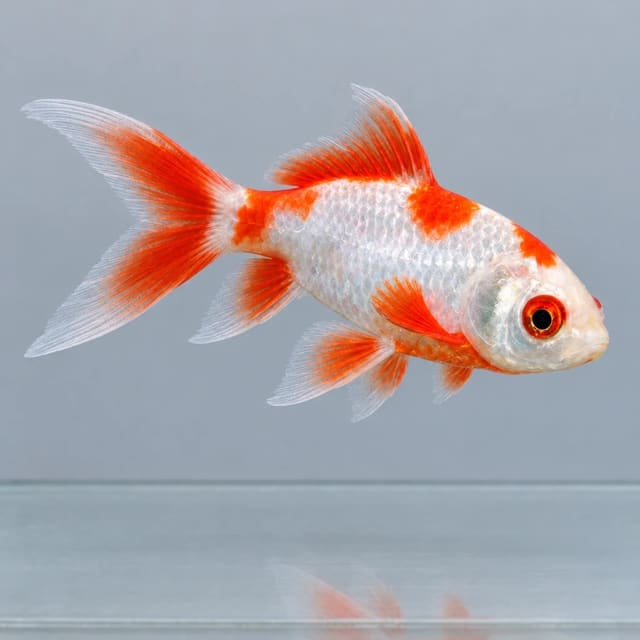
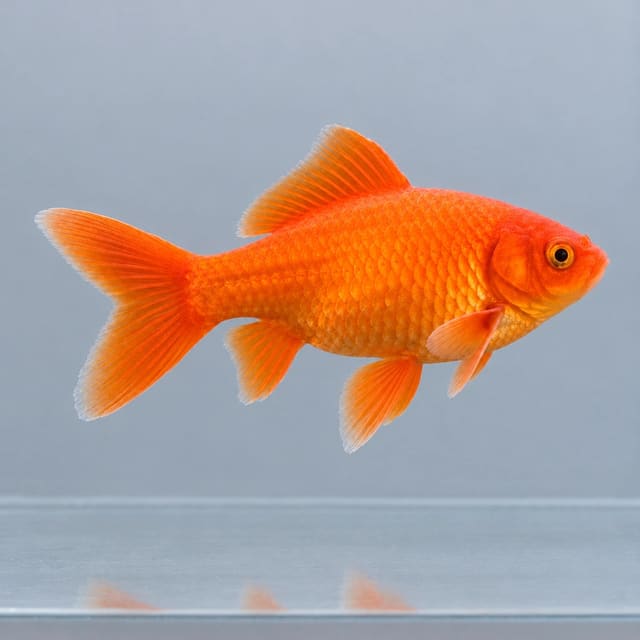
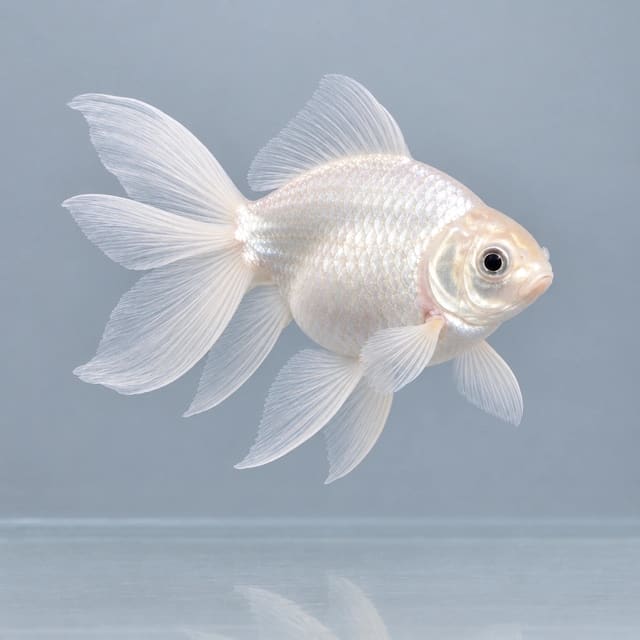
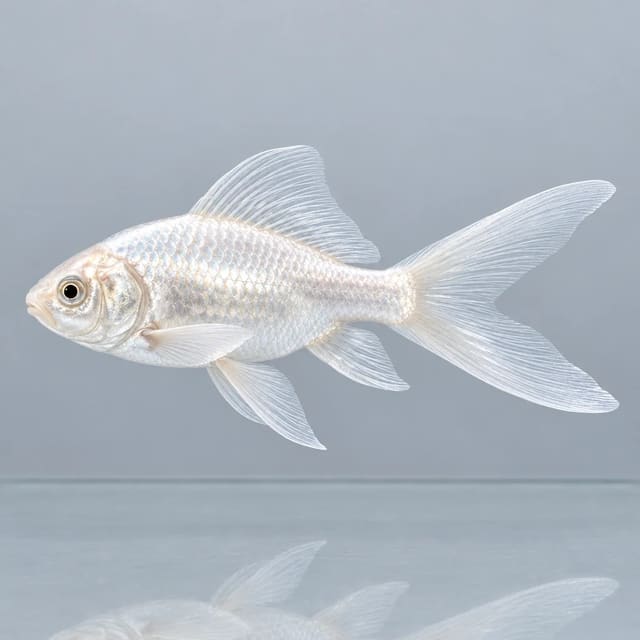
White Comet Goldfish (Carassius auratus)
£6.49
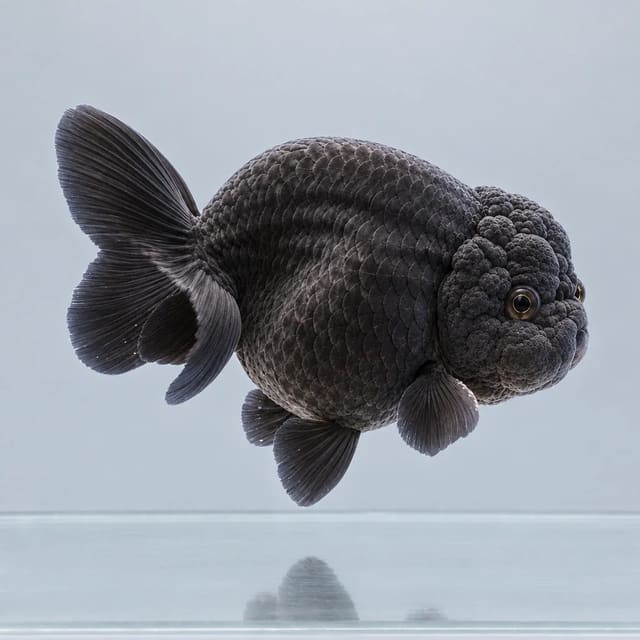
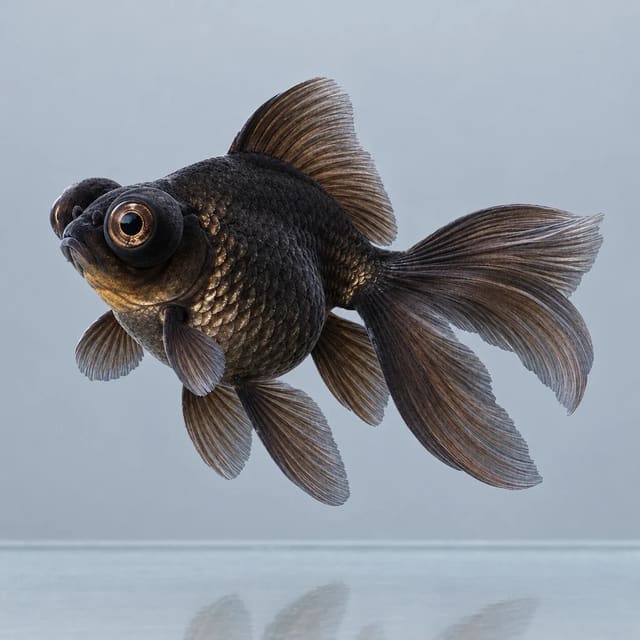
The Black Comet Goldfish is a dark form of the comet, a slim, single-tailed goldfish (Carassius auratus) with a long, deeply forked tail and bronze-gold tones on the lower flanks. It is a hardy pond fish that grows to about 30 cm; black colour in goldfish often fades with age, so it may lighten over time. Sold individually as one live fish at 2–3 in.
Adult size is the maximum length this species reaches at full maturity (scientific sources). The livestock you receive will be younger and smaller. Product-photo provenance and any image-specific limitations are stated on the listing.
Carassius auratus
The Black Comet Goldfish is a dark form of the comet, a slim, single-tailed goldfish (Carassius auratus) with a long, deeply forked tail and bronze-gold tones on the lower flanks. It is a hardy pond fish that grows to about 30 cm; black colour in goldfish often fades with age, so it may lighten over time. Sold individually as one live fish at 2–3 in.
Adult size is the maximum length this species reaches at full maturity (scientific sources). The livestock you receive will be younger and smaller. Product-photo provenance and any image-specific limitations are stated on the listing.
The Black Comet Goldfish is a dark form of the comet goldfish, Carassius auratus. It has the comet's slim body and long, deeply forked tail, with a deep brown-black back and head, warm bronze-gold tones along the lower flanks and belly, an amber eye and long, smoky fins. In a pond full of red and orange fish, a black comet adds depth and contrast, and in sunlight the bronze underside glows. It is hardy, quick and long-lived, and it stays outdoors all year in a well-kept pond.
Practical Fishkeeping defines a comet by its tail, not its colour: any goldfish with the comet tail is a comet, and a good one is forked and well spread, without drooping or overlapping lobes. Wikipedia's comet goldfish article, drawing on Johnson and Hess's Fancy Goldfish and Chris Andrews's guide, records that the comet was developed from the common goldfish in the United States in the 1880s and is slightly smaller and slimmer than its ancestor. The goldfish itself is native to East Asia, according to FishBase.
| Fish | Key differences |
|---|---|
| Black comet | Single long forked tail, normal eyes, slim body; a pond fish |
| Black moor | Twin tail and telescope eyes (Wikipedia: Telescope goldfish); a fancy goldfish for aquariums |
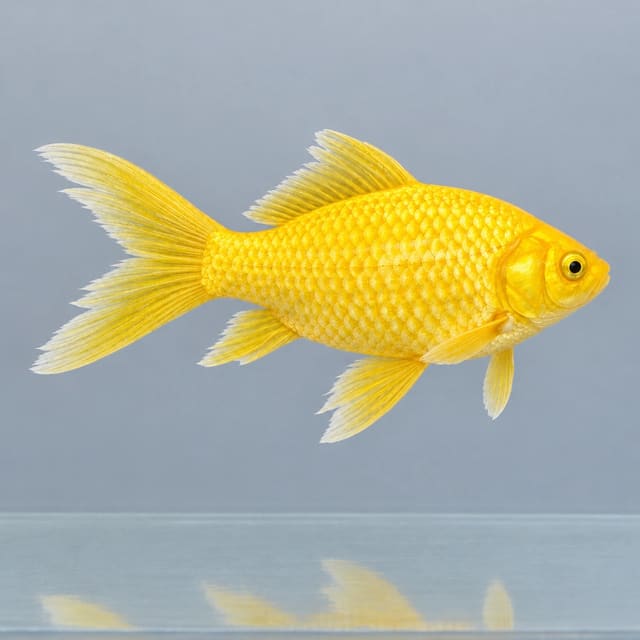
| Bronzed comet | The same comet shape in metallic bronze all over |
| Common goldfish | Deeper body and a shorter tail than a comet |
Compare it with our Bronzed Comet Goldfish, browse the whole goldfish range, or read our comet goldfish guide for the differences between comets and fancy goldfish.
Black is the least predictable colour in goldfish. In a Practical Fishkeeping answer, Paul Green explains that black is not a dominant colour gene in goldfish and will often disappear over time, and that fish kept in warmer water tend to lose it faster. Wikipedia's telescope goldfish article describes the same thing in black telescopes, where young fish can lose black pigment as they grow. Some dark goldfish keep their colour for years; others turn bronze, gold or orange. We cannot promise that a Black Comet Goldfish will stay black, and a gradual change is a normal part of growing up, not a sign of illness.
Each purchase supplies one live Black Comet Goldfish at 2–3 in, about 5–8 cm. It is a young fish with most of its growth ahead of it. Sex is not chosen or guaranteed. The depth of black and the amount of bronze vary from fish to fish, so the photographs show the colour form rather than the individual you will receive. The Maidenhead Aquatics fish database recommends keeping goldfish in groups, with mixed varieties if you like, so plan several fish rather than one.
A dark fish in a dark pond is easy to lose sight of. Feed in the same place each day so the fish learn to come up, count them at feeding time, and mix in lighter fish such as bronze comets so the group is easy to follow. Keep a net handy for health checks, because problems are harder to see on a dark body. Read our delivery information before ordering.
Comets grow large. OATA gives up to 30 cm as the most common maximum body length of pond goldfish, Practical Fishkeeping says comets reach 35 cm and regularly 30 cm, and FishBase records 48 cm total length for the species. OATA reports goldfish living up to 20 years in a healthy pond, and FishBase records a reported age of 41 years.
| Route | What it needs |
|---|---|
| Garden pond (best) | At least 45–60 cm deep (OATA), a filter, and a pump or fountain |
| Growing on indoors | At least 100 litres for one goldfish plus 50 litres per extra adult (OATA), filtered |
| Keeping indoors long term | A tank at least 120 cm long, 150–180 cm better (Practical Fishkeeping) |
To size a pond, the Maidenhead Aquatics pond guide suggests 25 cm of fish per 455 litres, counted at adult size. Three adult comets at 30 cm come to 90 cm of fish, which needs about 1,640 litres. Work out your volume with our tank volume calculator and check the whole stock with our stocking calculator.
Depth gives stable temperatures: OATA describes a cool zone at the bottom in warm spells and a warmer area in freezing winters, which matters for a fish whose black may fade faster in warm water. The OATA garden pond guide asks for at least 60 cm in some parts, a level site with four to six hours of sun, and some shade. Add shallow ledges for marginal plants and a mix of submerged and floating plants, which add oxygen, take up pollutants and give shelter. The Maidenhead Aquatics pond guide aims for about 33–50% of the surface covered. Keep the pond away from overhanging trees, or fit an autumn net.
| Area | Purpose |
|---|---|
| Deepest zone, 60 cm or more | Cool in summer, frost-free at the bottom in winter |
| Open water near a feeding spot | Where you count and check dark fish each day |
| Floating plants and lilies | Shade and cooler water |
| Shallow planted shelf | Spawning area and cover for young fish |
| Net over the surface | Keeps herons off and stops new fish jumping out |
Comets tolerate a wide range, but sources draw it differently: OATA gives pond fish 4–24°C, pH 6.5–8.5 and 8–18 dGH; Practical Fishkeeping says comets are happiest at 10–20°C in slightly hard, alkaline water of pH 7.5–8.5; and the Maidenhead Aquatics database gives pH 7.0–8.0 and up to 25 dH. The targets below satisfy all three.
| Reading | Target | Why |
|---|---|---|
| Temperature | 4–24°C, best 10–20°C | Outdoor range and comfort band |
| pH | 7.5–8.0 | Where all three sources overlap |
| General hardness | 8–18 dGH | OATA pond fish range |
| Carbonate hardness | 5–15 dKH | Holds the pH steady |
| Ammonia and nitrite | 0 mg/l | Both are toxic |
| Nitrate | No more than 20 mg/l above tap water | OATA pond fish sheet; the garden pond guide allows up to 50 mg/l |
OATA advises treating all new tap water with a conditioner to remove chlorine or chloramine. Check your water company's report for hardness and pH, compare the numbers in our water matcher, and read the water chemistry guide for what each test means. Test kits and conditioners are in our water care and treatment range.
OATA says any pond holding fish needs a filter to stop toxic ammonia and nitrite building up, and that adding fish too fast causes new pond syndrome, when the filter bacteria cannot keep up with the waste. Run a new pond with conditioned water and working equipment for at least 24 hours before fish go in; a full fishless cycle takes several weeks, according to the OATA garden pond guide. Our nitrogen cycle guide explains the process.
Goldfish are omnivores: FishBase records wild fish eating plankton, bottom-living invertebrates, plants and detritus, and Practical Fishkeeping says comets take a wide range of dried and frozen foods. For a dark comet, the main difference is to leave out colour-enhancing foods, which Practical Fishkeeping advises against if you want to keep black.
Other foods are in our fish food range.
The OATA garden pond guide advises against adding fish to a pond in winter, when their immune system is inactive. From spring to early autumn, follow OATA's floating-bag method: keep the bag out of bright light, float it for 10 minutes, add small amounts of pond water, then release the fish with as little bag water as possible. Our guide on how to acclimatise new fish covers each step. If the fish arrives in the cold months, grow it on in a mature, filtered aquarium of 100 litres or more: the Maidenhead Aquatics database suggests starting small comets indoors and moving them to a pond as they grow, and OATA says non-fancy goldfish can be moved to an outdoor pond.
| Checkpoint | What to do |
|---|---|
| Before arrival | Test for zero ammonia and nitrite; fit a net, as new fish may jump |
| Arrival | Float for 10 minutes, mix in water, release gently |
| Next day | Feed a pinch at your chosen spot and watch the new fish come up |
| Days 2–7 | Check fins are held open and the fish swims with the group |
| End of week | Retest the water before adding more fish |
OATA advises against keeping comets with fancy goldfish, because comets swim faster and often outcompete them for food, and some boisterous fish nip the fins of fancies; Practical Fishkeeping gives the same warning about twin-tailed goldfish. Wikipedia notes that comets are often kept with koi, and OATA says most pond fish are compatible, though needs differ.
| Suits | Avoid |
|---|---|
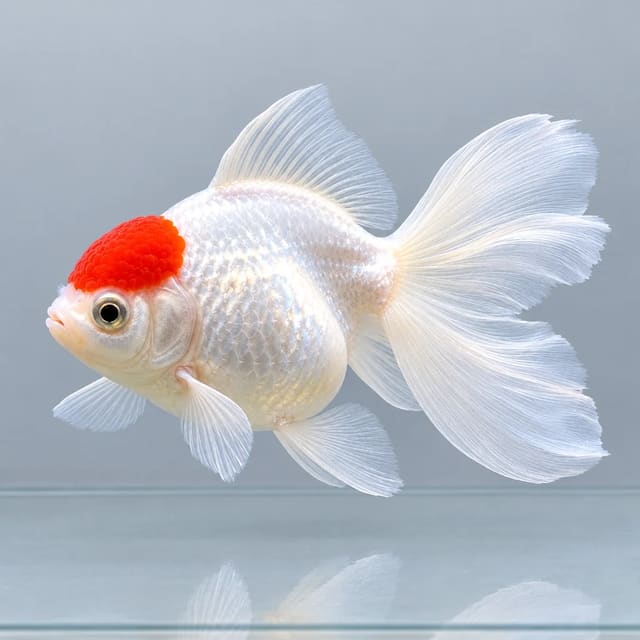
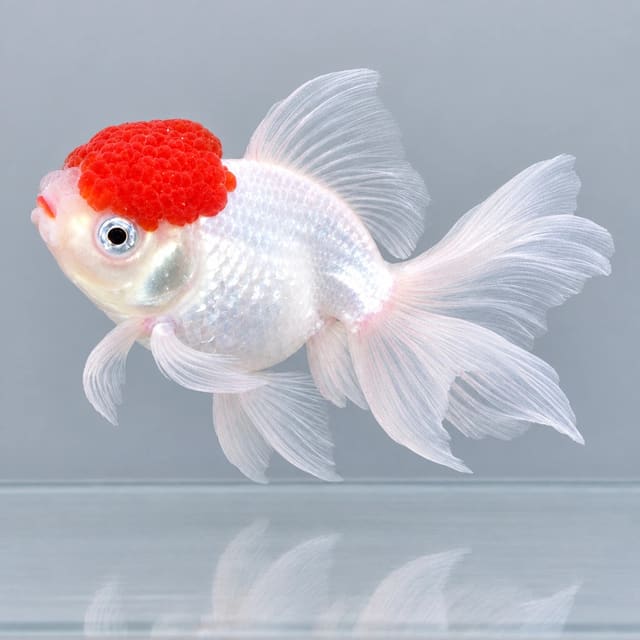
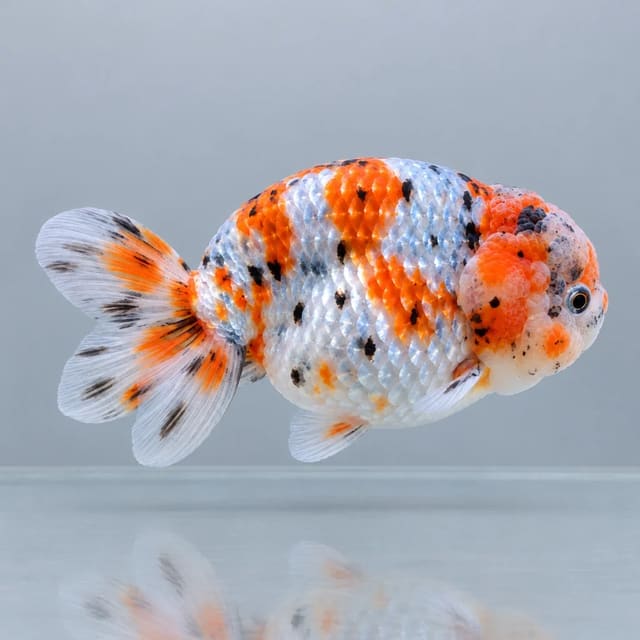
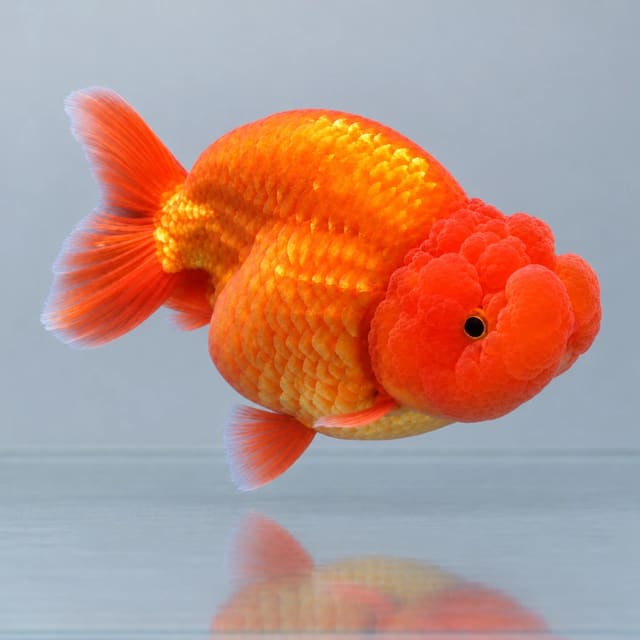
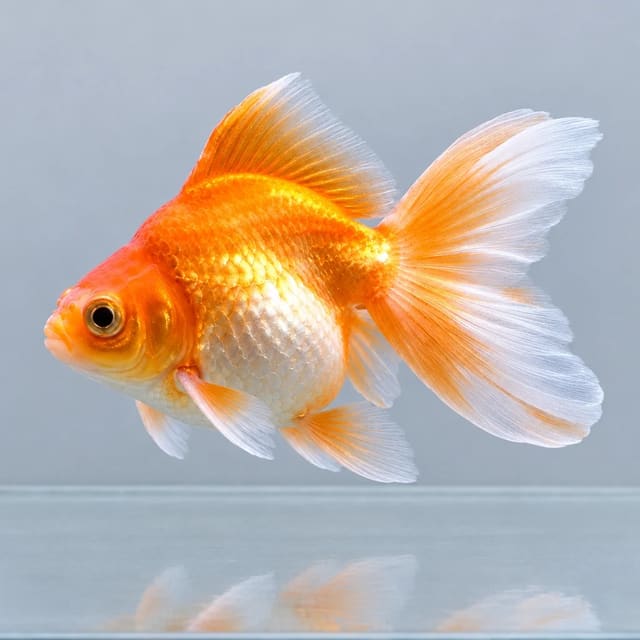
| Other comets such as the Bronzed Comet Goldfish | Twin-tailed fancies such as black moors or the Red Oranda Goldfish |
| Koi such as the Banana Koi in a larger pond | Tropical fish that need heated water |
| The Golden Orfe in a pond of 4,500 litres or more | Very large orfe or koi while the comet is small |
| The bottom-dwelling Golden Tench | More fish than the stocking rule allows |
Check a mix in our tank mates tool, browse goldfish and coldwater fish and our koi and carp, or read the cold water fish buying guide.
OATA lists the signs of a healthy fish as clear, bright eyes, undamaged fins, intact scales with no ulcers or bumps, normal swimming and steady breathing. Its watch-list includes hanging at the surface, sitting on the bottom, turning darker or paler than normal, faster or slower breathing, white spots or fluffy growths, lost scales or fins and loss of appetite. White spots stand out on a black body, but reddening is harder to see, so look at the fins in good light. Practical Fishkeeping advises against buying comets with visible blood in the fins.
| Sign | First action |
|---|---|
| Slow fade from black to bronze over months | Normal colour change; no action needed |
| Sudden colour change with clamped fins | Test ammonia, nitrite and nitrate at once |
| Frayed or shrinking fin edges | Check water quality and read our fin rot guide |
| White spots, flicking or fluffy patches | Test the water and seek treatment advice promptly |
| Missing at feeding time | Search the margins and check the net for predator damage |
OATA says goldfish are the pond fish most likely to spawn, especially when males outnumber females and the temperature is right, and suggests a shallow, heavily planted area because adults eat eggs and fry. The Maidenhead Aquatics database gives 15°C and above for spawning chases and 48–72 hours for the eggs to hatch, and notes that young goldfish start out brown. Practical Fishkeeping describes white breeding tubercles on the gill covers of males and plump, lopsided females, and notes that comets cross freely with common goldfish and shubunkins.
No licence is needed to keep goldfish in England and Wales, according to government guidance. OATA states that releasing fish into the wild is illegal, and FishBase lists the goldfish as a potential pest where it has been introduced. Rehome surplus fish through another pond keeper or a local aquatic shop.
It is a dark colour form of the comet goldfish, Carassius auratus: a slim, single-tailed goldfish with a long, deeply forked tail. Ours shows a deep brown-black body with bronze-gold tones on the lower flanks. It is a hardy pond fish.
Not necessarily. Practical Fishkeeping explains that black is not a dominant colour in goldfish and often disappears over time, faster in warmer water. Many dark goldfish keep some black, others turn bronze or orange; we cannot guarantee the colour will last.
No. A black moor is a twin-tailed fancy goldfish with telescope eyes, kept in aquariums. A black comet has a single forked tail, normal eyes and a slim body, and lives in ponds.
Usually to about 30 cm. OATA gives up to 30 cm as the most common maximum for pond goldfish, Practical Fishkeeping says comets grow to 35 cm, and FishBase records 48 cm for the species.
Yes, in a filtered pond at least 45–60 cm deep. Keep part of the surface free of ice in winter, and reduce or stop feeding as the water falls towards 8–10°C.
Only while young, or in a very large tank. OATA asks for at least 100 litres for one adult goldfish plus 50 litres for each extra adult, and Practical Fishkeeping recommends a tank of at least 120 cm, ideally 150–180 cm.
It is better not to. OATA and Practical Fishkeeping both advise keeping comets apart from twin-tailed fancy goldfish, which are slower and lose out at feeding time.
One live Black Comet Goldfish at 2–3 in (about 5–8 cm). Sex is not chosen or guaranteed.
No reviews for this item yet. Bought one? Honest reviews only, good or bad.
What customers say about ordering from us
Easy website plenty of info on fish your buying great to pick a time slot
TRACEY DURRANT · 7 Oct 2026
Got some lovely fish thank you
Kevin Mackie · 7 Oct 2026
Reviews of our shop, collected by Judge.me, an independent third-party review collector. Newest first.
Moved by UK carriers licensed to handle live animals
Hand-packed with oxygen bags, poly box, heat pack
Email photos the same day; an optional unboxing video helps us review problems faster — claim terms apply
Klarna & PayPal Pay in 3 at checkout