Tropical Pond Pellet Mix for Healthy Fish UK
£5.99

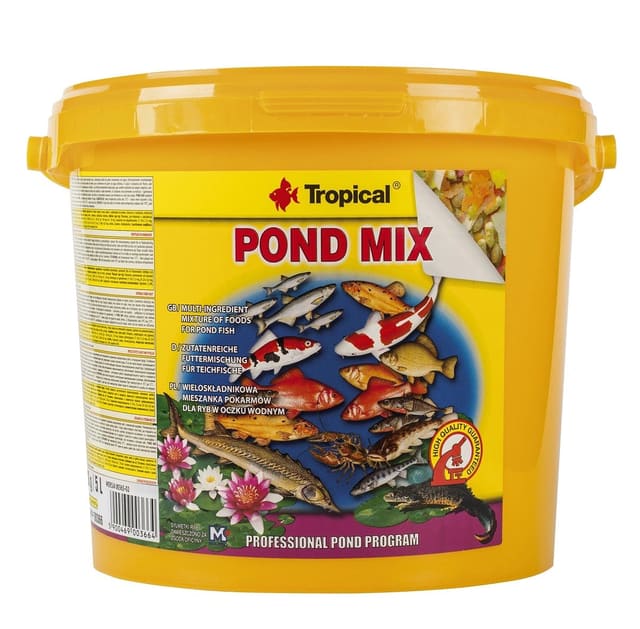
Tropical pond sticks mixed in a handy 1000ml bag, ideal for everyday feeding. Great value pond fish food UK with fast delivery—order today.
Minimum of 2 per order.
Tropical pond sticks mixed in a handy 1000ml bag, ideal for everyday feeding. Great value pond fish food UK with fast delivery—order today.
Tropical Pond Sticks Mixed 1000ml Bag is a practical, everyday floating pond fish food UK staple for mixed ponds containing goldfish, small koi and other surface-feeding pond fish. This floating pond sticks bag suits regular feeding in garden ponds where you want fish to come up confidently, feed cleanly and leave less waste behind than household scraps. If you are comparing pond food UK options for a seasonal routine, a 1000ml bag is an easy starting point for spring and summer use, especially in smaller, lightly stocked ponds.
These mixed pond fish sticks are made for fish that feed at the surface, which makes it easier to watch appetite, spot shy fish and avoid overfeeding. Keepers searching for pond sticks UK, goldfish food UK or general garden pond supplies usually want one food that is simple, economical and suitable for a mixed collection — which is exactly where this floating staple fits. The buoyant sticks turn feeding time into a daily health check as well as a routine.
This product sits in the core staple-food category used by UK pond keepers who want an easy daily diet for mixed ornamental ponds. It is a sensible choice for hobbyists comparing the best pond fish food UK options for routine feeding without moving straight to very large sacks.
This food is aimed at pond keepers who want visible feeding, simple portion control and a manageable pack size. In many home ponds, floating sticks are easier to use than fine flakes because they stay on the surface long enough for fish to find them. That makes this mixed pond food especially useful for beginners, families and anyone feeding in a preformed pond or a lined wildlife-style feature where fish are viewed from above.
Compared with bulk sacks, a 1000ml bag is easier to store in a shed, garage or utility room and is often a better fit for seasonal use. It offers a low-commitment way to see how well your fish take to the food before stepping up to larger volumes, and it is a practical answer if you are unsure whether you need specialist pond fish food pellets or a more general floating staple.
Tropical Pond Sticks Mixed 1000ml Bag suits mixed ponds of koi and goldfish, especially where fish are medium sized and actively feeding at the surface. It works well as an everyday food for common goldfish, shubunkins, sarasa comets and smaller koi in mixed ornamental ponds, making it a good match if you want mixed floating sticks for koi and goldfish.
For a broader feeding plan it can sit alongside lighter seasonal foods such as Tropical Pond Sticks Light or finer options like Tropical Pond Flakes for smaller-mouthed fish. In ponds with strong filtration from a pond filter and steady circulation from a pond pump, floating sticks are easy to manage because uneaten food stays visible rather than disappearing into the water column.
A common question is how much pond sticks to feed. The safest rule is to offer only what your fish will clear in around 2 to 3 minutes. In warm weather, active fish may take two small feeds per day. In cooler conditions, one lighter feed is usually enough, and in very cold water feeding may need to stop altogether depending on species, pond depth and water temperature.
A simple feeding guide is to start small, observe and adjust. Fish in a lightly stocked, well-maintained pond may eat more consistently than fish in a heavily stocked pond with fluctuating oxygen levels. Always let appetite guide you rather than feeding by habit. This matters most during the spring pond feeding season, when fish become active again but digestion is not yet at full summer speed.
| Season | Feeding Frequency | Portion Guide |
|---|---|---|
| Spring | Once daily | Small amount eaten in 2-3 minutes |
| Summer | 1-2 times daily | Moderate amount, split into smaller feeds |
| Cool autumn | Reduce gradually | Light feed only if fish remain active |
Too much floating food can break down quickly, burden your pond filter and raise ammonia. If food is still visible after a few minutes, you are feeding too much. In small ponds, overfeeding is one of the fastest ways to spoil water quality.
This product is best matched to active feeding periods. During the spring pond feeding season, start with small portions once fish are moving freely and showing interest in food. As temperatures rise, summer pond fish feeding can become more regular — often once or twice daily in stable conditions. The floating format helps you judge appetite accurately because you can see exactly how much is taken.
For winter pond fish feeding, standard floating sticks are usually not the first choice. Fish metabolism slows sharply in cold water, especially in goldfish and koi, so feeding should be reduced or stopped based on water temperature and fish activity. If you want a seasonal rotation, consider keeping Tropical Pond Sticks Light available for periods when you want a lighter feeding approach.
In shallow ponds, water temperature can swing quickly between day and night. Feed based on actual fish behaviour, not just sunny weather. A warm afternoon after a cold night does not always mean the fish are ready for a heavy meal.
Floating sticks are popular because they turn feeding time into an inspection point. You can check whether all fish are present, whether any fish are hanging back and whether there are early signs of stress or disease. For many hobbyists buying garden pond supplies, that visibility is a major reason to choose sticks over sinking foods.
They are also practical in mixed systems with a pond pump, skimmer and pond filter, because you can feed in a calm area and keep food from being swept away too quickly. In a shallow preformed pond, this can help timid fish compete more fairly. In a larger pond-liner pond, it helps spread food over a wider surface area so dominant fish do not monopolise every feed.
Buyers often compare formats before choosing, and it usually comes down to three things: stick size, float time and value for the amount you actually use. This product is a sensible everyday staple for keepers who want a straightforward floating feed rather than a specialist growth or colour-enhancing formula.
For fish that prefer a lighter texture or smaller mouths, Tropical Pond Flakes may be the better companion product. For a reduced-ration seasonal option, Tropical Pond Sticks Light is worth considering. A 1000ml bag also makes it easy to test acceptance before moving to larger packs.
| Feature | Tropical Pond Sticks Mixed | Tropical Pond Sticks Light |
|---|---|---|
| Format | Mixed floating sticks | Lighter floating sticks |
| Best For | General daily feeding | Lighter seasonal feeding |
| Pond Type | Mixed koi and goldfish ponds | Ponds needing a gentler feeding approach |
The 1000ml bag is ideal if you have a modest stock level, a smaller pond, or you prefer fresher food used over a shorter period after opening. It is a strong fit if you want a value pond-sticks pack for a small garden pond. Smaller bags are also easier to keep dry and sealed, which matters because pond food loses quality when stored damp or warm.
If you have a large koi pond with heavy stocking, you may eventually move up to bulk sizes. For many home users, though, a manageable bag is more practical than a giant sack that sits open for months — especially if you alternate between foods like Tropical Pond Sticks Light and Tropical Pond Flakes during the year.
When customers ask about the ingredients in mixed pond sticks, they are usually trying to work out whether the food is suitable as a staple and whether fish will accept it readily. With mixed floating sticks, the key practical points are buoyancy, texture and digestibility in active feeding conditions. This product is intended as an everyday floating diet for ornamental pond fish rather than a specialist breeding, medicated or winter formula.
As a feeding style, it suits ponds where fish are accustomed to coming to the surface, which makes it useful for regular observation and controlled feeding. If your fish are small, shy or recently introduced, you can combine it with Tropical Pond Flakes until they feed more boldly. In established ponds, many keepers use mixed sticks as the main food and adjust the quantity according to weather, water quality and fish size.
A useful companion food for lighter seasonal feeding or ponds where fish need a gentler daily ration.
Ideal for smaller pond fish or mixed ponds where flakes are easier for timid fish to take.
Any food can cause problems if overused, but floating sticks make mistakes easier to spot. Because the food remains visible, you can see whether fish are eating properly and whether leftovers need to be netted out. That can reduce strain on your pond equipment, especially the biological section of the pond filter. In warm weather that matters, because high feeding rates and low oxygen can put extra pressure on the whole system.
For the cleanest results, feed little and often rather than dumping in one large handful. Keep pumps and filtration maintained, and use a suitable pond water conditioner such as Tropical Blue Guard Pond when appropriate as part of your wider pond care routine. This is one reason many hobbyists buying garden pond supplies prefer to order food and water-care items together.
When you are choosing pond fish food in the UK, the practical questions are pond size, storage space and feeding season. This product stands out because it is a practical middle ground between tiny trial packs and oversized sacks — a manageable floating staple you can use up while it is still fresh.
A 1000ml bag is often the smarter option for casual or moderate use, especially if you rotate foods through the year. It is a good answer for anyone looking for the best mixed pond sticks for a small to medium garden pond without overbuying.
Experienced keepers often say the biggest benefit is not just nutrition but observation. Fish that normally hide may come out to feed, making it easier to assess condition, body shape and confidence. Switching from random kitchen scraps to a structured pond stick diet tends to reduce cloudiness and makes feeding more predictable, and a 1000ml bag is an easy way to trial acceptance before committing to a larger seasonal order.
That is why many pond owners settle on a manageable floating staple first, then refine their feeding plan later. In practical pond care, consistency usually matters more than chasing the biggest bag or the loudest label claim.
Open pond food should be kept tightly sealed in a cool, dry place. Avoid leaving the bag in a damp shed or in direct sun beside the pond, as moisture and heat can reduce freshness and make the sticks soften too quickly.
We list this food for pond keepers who want a clear, practical option for mixed ornamental ponds rather than a confusing wall of oversized bulk feeds. It is especially useful for customers building a regular seasonal routine with staple food, lighter food and water-care essentials in one order. If you are already buying pond equipment, adding a manageable staple food at the same time makes sense.
It also pairs naturally with key pond maintenance lines. For example, you can build a simple care bundle with Tropical Blue Guard Pond for water care, Tropical Pond Sticks Light for lighter seasonal feeding and Tropical Pond Flakes for smaller fish. For anyone shopping general garden pond supplies and pond food UK, this product gives a straightforward answer: an easy-to-store, easy-to-feed staple for active pond fish.
Build a more flexible pond-feeding routine with Tropical Pond Sticks Light for lighter seasonal use and Tropical Pond Flakes for smaller pond fish or timid feeders. For wider pond care, Tropical Blue Guard Pond is a useful companion in your maintenance cupboard.
These products work well together as part of a simple feeding and water-care setup for ornamental ponds.
No reviews for this item yet. Bought one? Honest reviews only, good or bad.
What customers say about ordering from us
I have a small group of long finned mountain minnows. So was delighted to be able to order ten of this variety to increase the genetics in my tank . The ones I recieved are healthy but it’s to early to give a verdict on wether they are of a long finned type since they are small currently.
Gordon Walker · 23 Sept 2026
100% success travel and "installation". Pleased with quality of purchase. The Siamese fighter a bit "shy" so have not yet seen him at his best yet but looking good. Happy customer. GG
George E Garratt · 21 Sept 2026
Reviews of our shop, collected by Judge.me, an independent third-party review collector. Newest first.