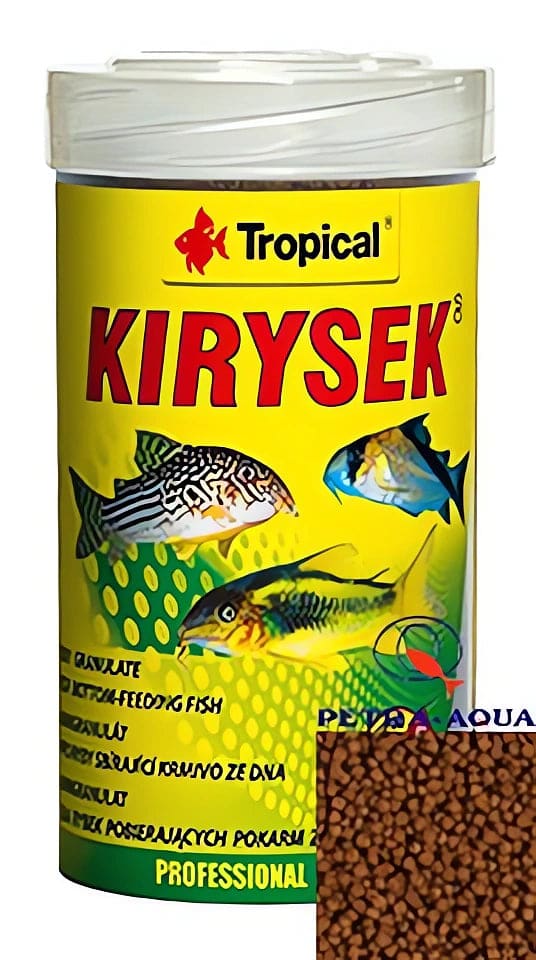
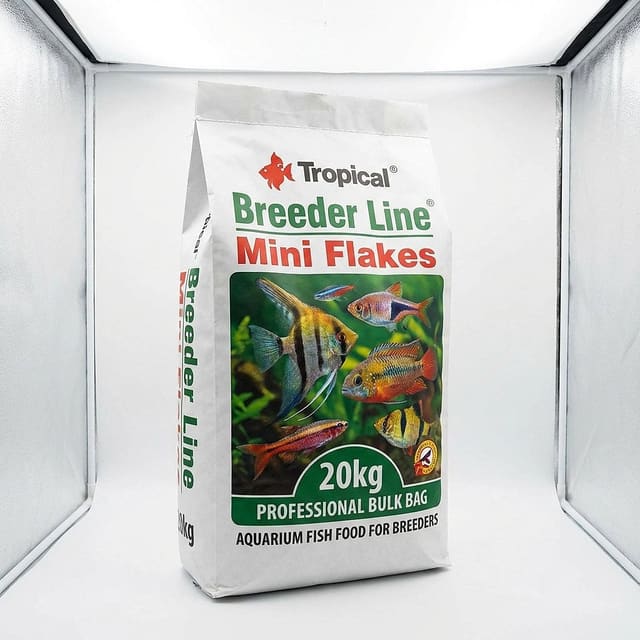
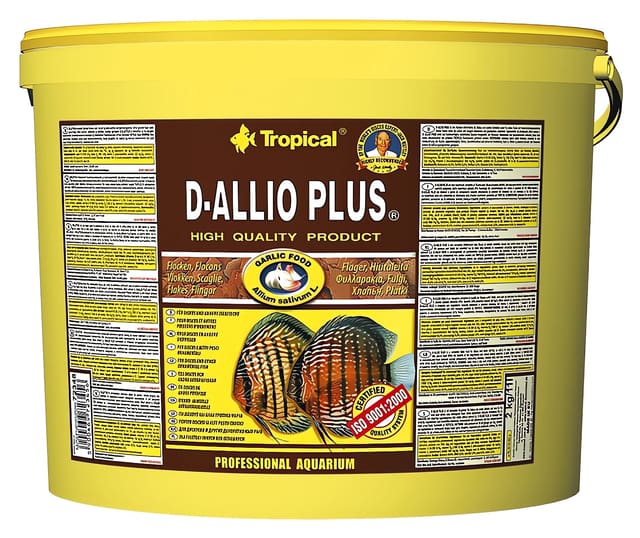
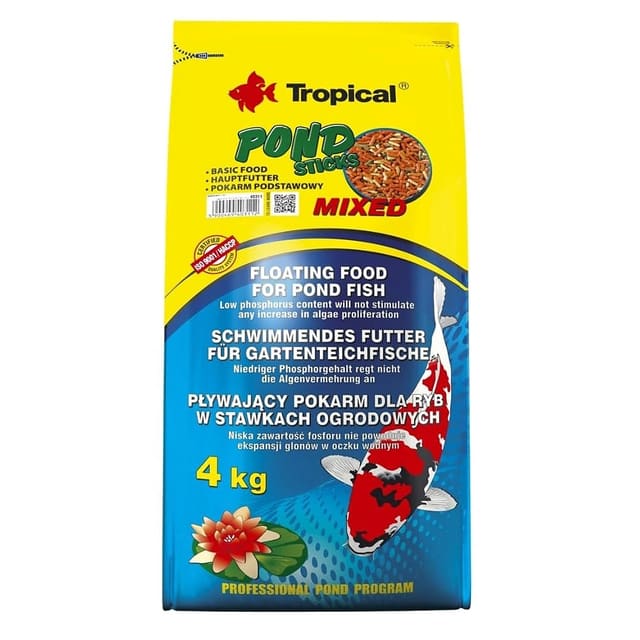
has koi wheat germ sticks for sale
Yes, koi wheat germ sticks are sold as a cool-weather pond food for koi and goldfish. Wheat germ supports easy digestion below 15°C, while garlic helps palatability. Check pack size, floating format, and feeding guidance before buying.
did koi wheat germ sticks get discontinued
No recall or discontinuation is indicated here, but availability can vary by season and supplier. Always confirm the current label, expiry date, and storage advice before purchase, especially for wheat germ and garlic pond food lines.
did koi wheat germ sticks go out of business
Product lines can change without the food itself disappearing, so check the current retailer listing first. Focus on formula details like floating sticks, wheat germ digestibility, and garlic inclusion rather than older packaging or naming.
can koi wheat germ sticks be eaten
No, these sticks are formulated for koi and goldfish, not people. They are designed to float, soften in pond water, and support fish digestion in cooler temperatures, so store them safely away from food cupboards and children.
are koi wheat germ sticks healthy
Yes, wheat germ sticks are a healthy seasonal option when water cools and digestion slows. They are typically easier for koi and goldfish to process in spring and autumn, especially below about 15°C, compared with heavier summer foods.
how many koi wheat germ sticks per gallon
Do not feed by gallons of pond water; feed by fish appetite and temperature instead. Offer only what koi or goldfish finish within 2-3 minutes, once or twice daily, and reduce feeding sharply when water drops below 10°C.
how many koi wheat germ sticks per gallon of water
There is no fixed sticks-per-gallon rule for pond fish food. Feed a small amount based on stock level and water temperature, removing leftovers promptly; uneaten floating sticks can soften fast and affect water quality in smaller ponds.
how much koi wheat germ sticks per day
Feed only what your koi and goldfish clear in 2-3 minutes per meal. In cool water around 10-15°C, many keepers feed once daily; below 10°C, feeding is often reduced or paused depending on fish activity and pond conditions.
how long koi wheat germ sticks in water
Koi wheat germ sticks should be eaten within a few minutes, not left floating for long periods. If they remain after 5 minutes, remove them to prevent softening, nutrient loss, and extra waste that can raise ammonia in pond water.
have koi wheat germ sticks in water
Yes, they are meant to be fed on pond water surfaces as floating sticks. Floating food lets you monitor appetite, spot leftovers quickly, and adjust portions for koi and goldfish during spring and autumn when digestion is slower.
does koi wheat germ sticks need to be refrigerated
No, unopened koi wheat germ sticks do not usually need refrigeration. Store them sealed in a cool, dry place away from heat and moisture, and use opened food promptly to preserve vitamins, aroma, and floating texture.
can koi wheat germ sticks go bad
Yes, fish food can go bad after opening if exposed to air, heat, or damp. Discard sticks that smell rancid, look dusty, or crumble excessively; stale wheat germ food loses nutritional value and may be refused by koi or goldfish.
are koi wheat germ sticks gluten free
Not always. Wheat germ comes from wheat, so these sticks should not be assumed gluten free unless the manufacturer states it clearly on the label. Always check the ingredients and allergen panel before handling or storing near food.
are koi wheat germ sticks good for chickens
No, koi wheat germ sticks are formulated for pond fish, not poultry. Chickens need a balanced feed with species-specific protein, calcium, and vitamin levels, so fish sticks should not replace proper layers pellets or growers feed.
how long koi wheat germ sticks last
Most fish foods keep best for several months after opening if stored cool and dry, but freshness matters more than maximum shelf life. For best nutrition, use wheat germ sticks promptly and keep the lid tightly sealed after each feed.