Easy
White Comet Goldfish (Carassius auratus)
£6.49
The Canary Yellow Goldfish is a lemon-yellow, single-tailed goldfish (Carassius auratus) for the garden pond. It lives outdoors all year in a filtered pond at least 45–60 cm deep, in water from 4 to 24°C. Choose from four sizes, 2–3 in to 5–6 in; the price is for one fish.
Adult size is the maximum length this species reaches at full maturity (scientific sources). The livestock you receive will be younger and smaller — pick a size above for the actual shipping size. Product-photo provenance and any image-specific limitations are stated on the listing.
Carassius auratus
The Canary Yellow Goldfish is a lemon-yellow, single-tailed goldfish (Carassius auratus) for the garden pond. It lives outdoors all year in a filtered pond at least 45–60 cm deep, in water from 4 to 24°C. Choose from four sizes, 2–3 in to 5–6 in; the price is for one fish.
Adult size is the maximum length this species reaches at full maturity (scientific sources). The livestock you receive will be younger and smaller — pick a size above for the actual shipping size. Product-photo provenance and any image-specific limitations are stated on the listing.
Read the full care guidance when planning conditions for your aquarium.
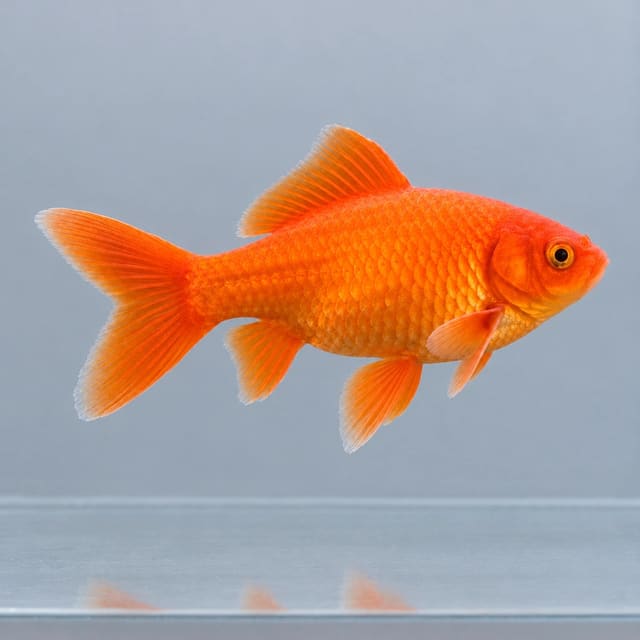
The Canary Yellow Goldfish is a lemon-yellow colour form of the goldfish, Carassius auratus, the domesticated member of the carp family Cyprinidae. OATA records that goldfish were first kept in bowls in China in the third century and reached Europe in the 1700s, and it lists yellow among today’s goldfish colours alongside red, orange, white, black and blue. This yellow goldfish is a single-tailed type, with a long, streamlined body built for swimming rather than the short, round shape of the fancy varieties, which is why it suits an outdoor pond.
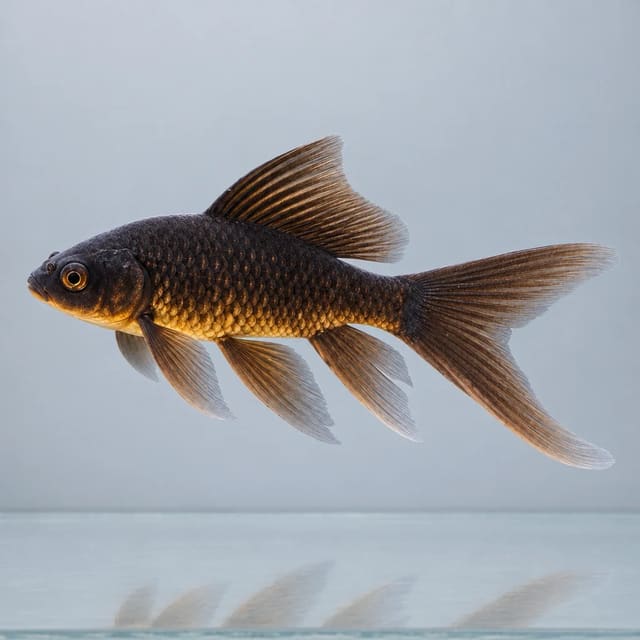
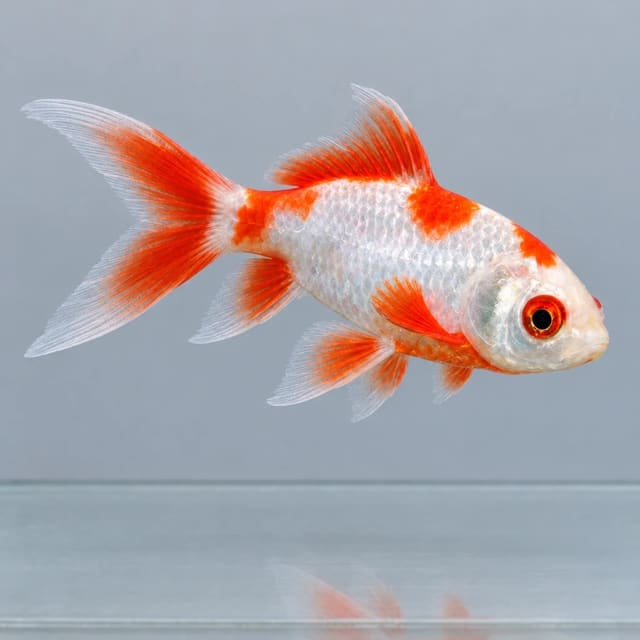
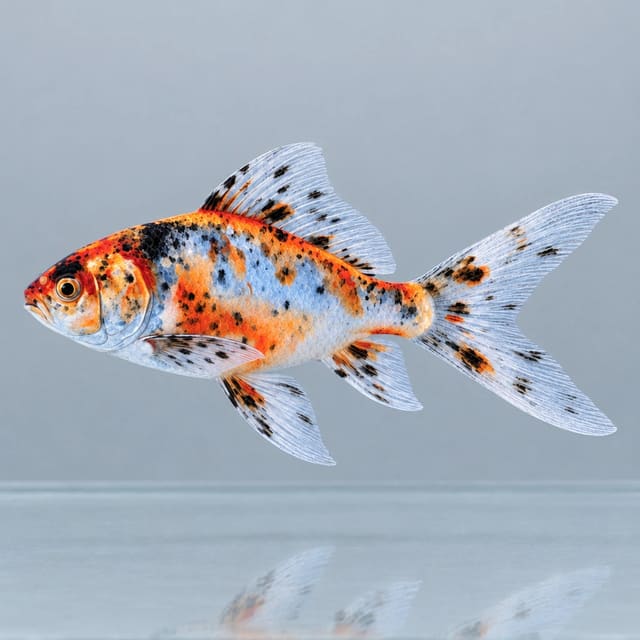
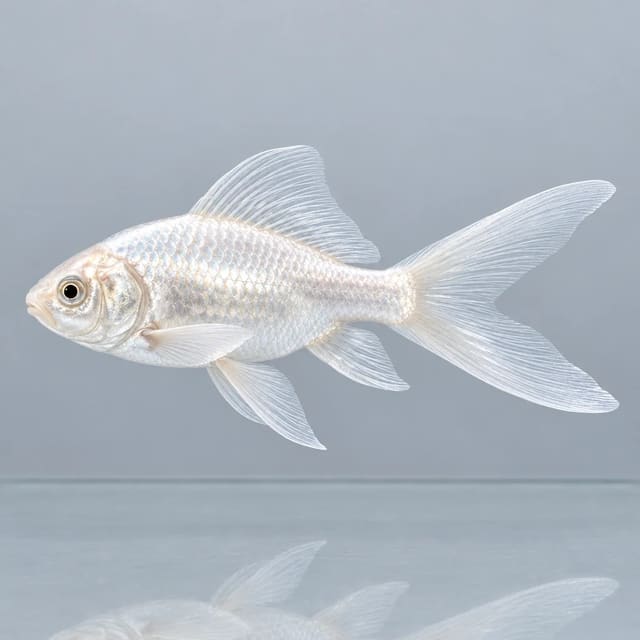
The fish in our photographs has the long fins and deeply forked tail of a comet-type goldfish. Comets were developed in the United States in the 1880s from the common goldfish; they are slimmer than commons, very active and often described as the goldfish best suited to ponds. Fin length varies between individuals of this colour form, so we sell it as a single-tailed yellow goldfish and do not promise comet finnage.
| Feature | Canary Yellow (single-tailed) | Fancy goldfish |
|---|---|---|
| Body | Long and streamlined | Short, deep and rounded |
| Tail | One tail | Divided double tail |
| Swimming | Fast and active | Slower |
| Adult size | Commonly up to 30 cm in ponds (OATA) | Unlikely to exceed 20 cm (OATA) |
| Best home | A filtered pond, or a very large aquarium | Indoor aquariums only (OATA) |
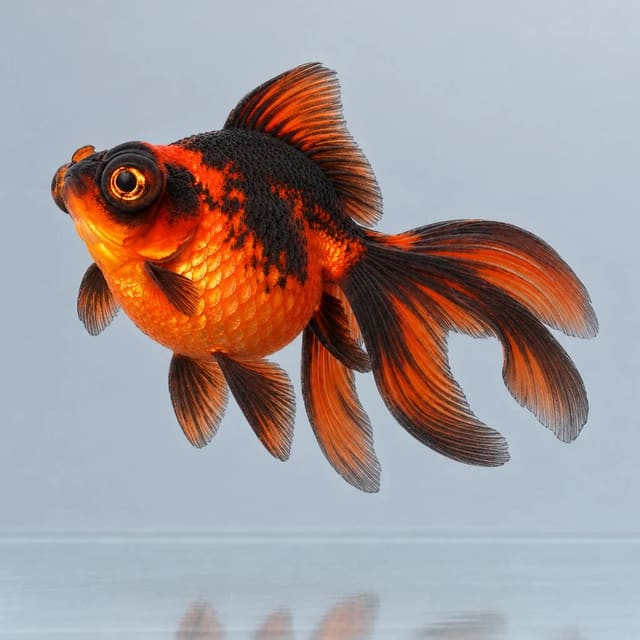
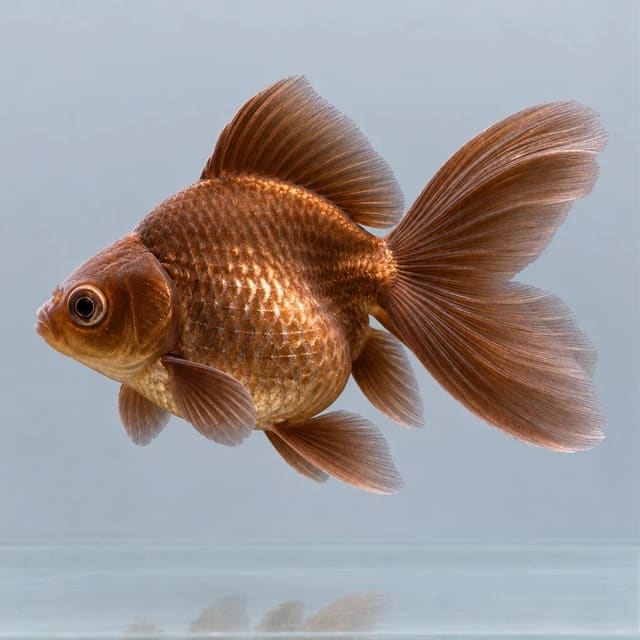
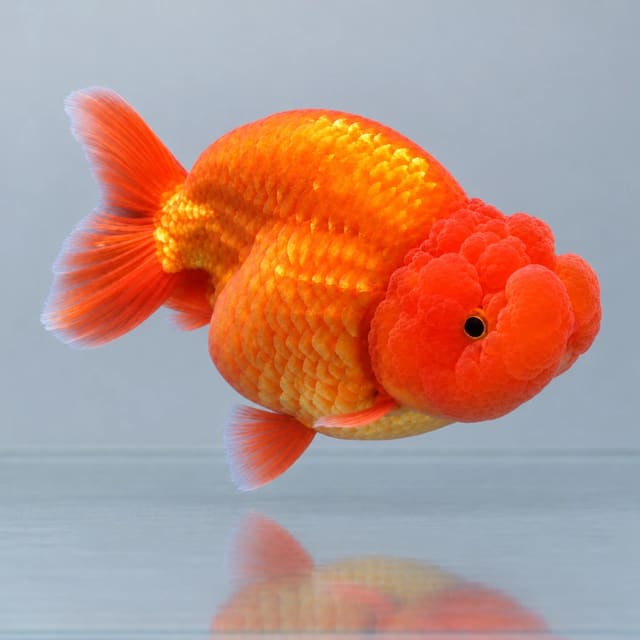
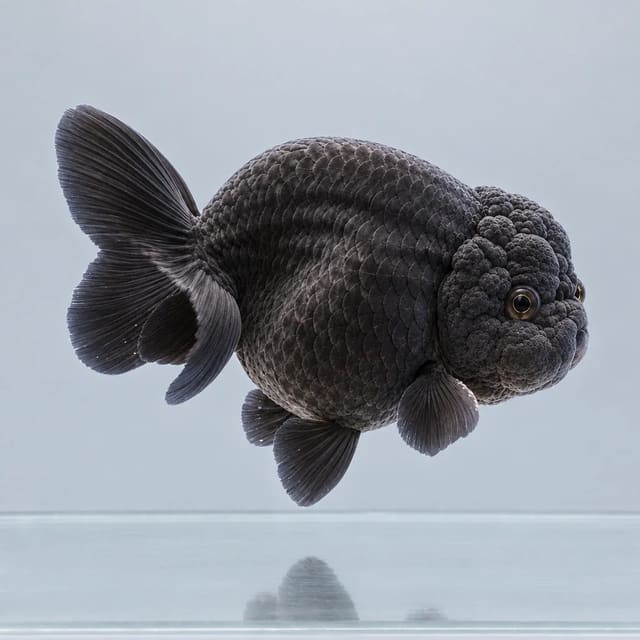
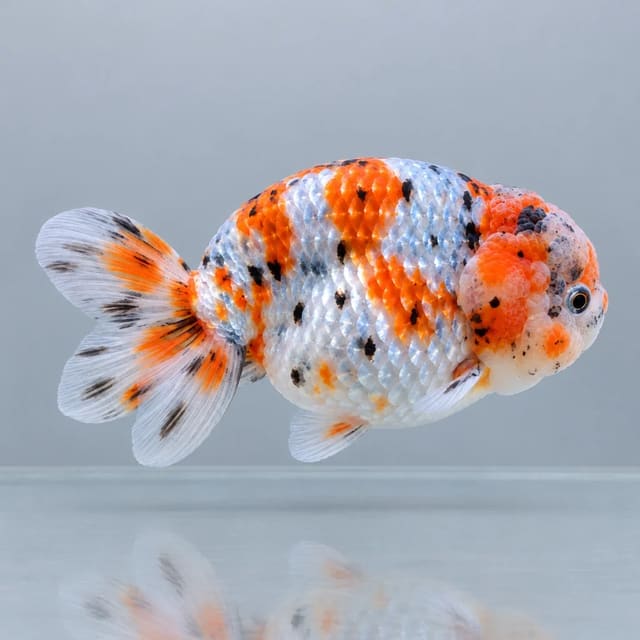
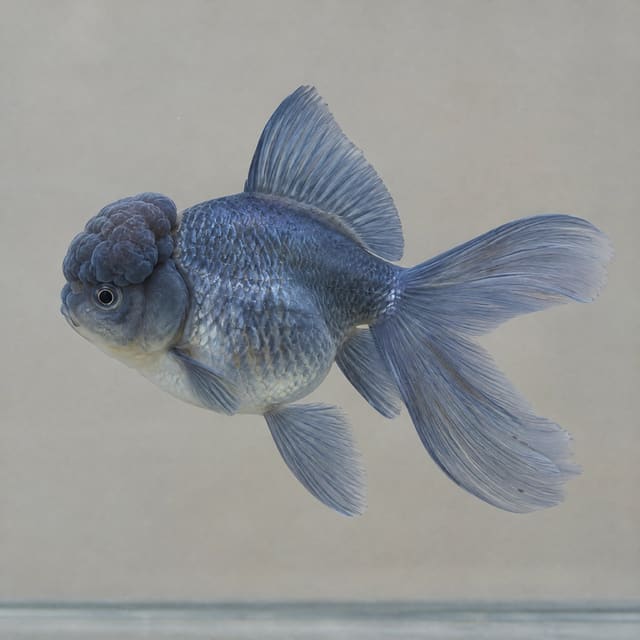
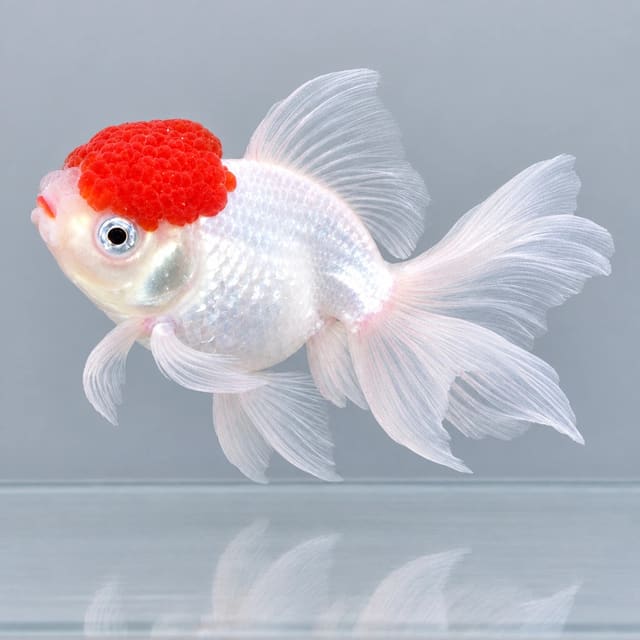
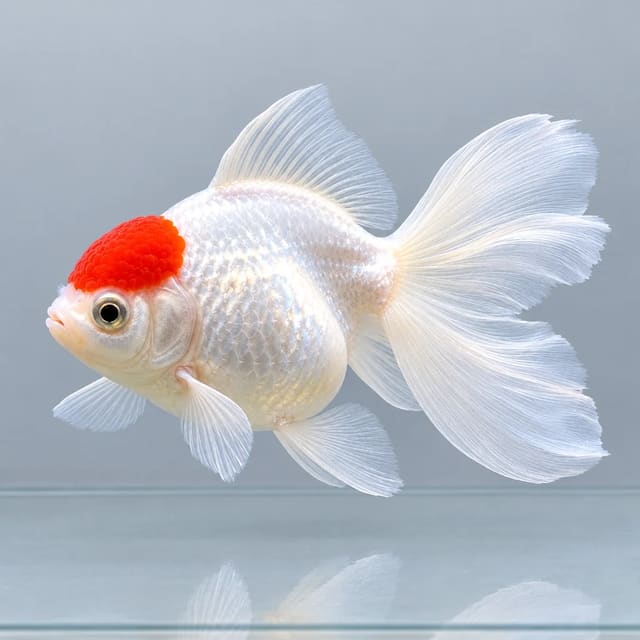
Compare it with the other single-tailed goldfish in our Goldfish category and the wider goldfish and coldwater fish range, and read our comet goldfish guide for more on how single-tailed goldfish grow. The gallery photographs are representative of the colour form; none shows the exact fish you will receive.
One purchase quantity supplies one live goldfish of the size you select: 2–3 in (about 5–8 cm), 3–4 in (about 8–10 cm), 4–5 in (about 10–13 cm) or 5–6 in (about 13–15 cm). Sizes are approximate, and shade, fin length and body shape vary from fish to fish. Every size grows into the same adult: OATA’s pond fish care sheet gives a most common maximum body length of up to 30 cm for goldfish.
| Size | Good for |
|---|---|
| 2–3 in (about 5–8 cm) | The smallest and lowest-priced size; ideal for growing on indoors first |
| 3–4 in (about 8–10 cm) | A young fish for a mature, filtered pond in the warmer months |
| 4–5 in (about 10–13 cm) | A larger fish, closer in size to goldfish already established in a pond |
| 5–6 in (about 13–15 cm) | The largest size, giving an immediate display from above |
Young goldfish cannot be sexed by eye, so sex is not specified. In spring and summer, OATA notes, males develop small white tubercles on the gill covers and pectoral fins and females become deeper-bodied.
Colour can change with age. In a Practical Fishkeeping answer, Paul Green notes that goldfish colours shift as fish mature and that many become whiter with age, though the rate varies from fish to fish. A canary yellow fish may become paler or deeper over the years; the photographs show the colour form when it is sold, not a guarantee for life.
Goldfish stay smaller than koi, orfe and tench, which is why OATA describes them as suitable for most smaller pond systems. Plan for an adult of up to 30 cm, and remember that goldfish can live for many years: OATA cites reports of goldfish living up to 20 years, and FishBase records a maximum reported age of 41 years.
Depth is the most important measurement. OATA advises a fish pond at least 45–60 cm deep: deeper water keeps temperatures more stable, gives a cool zone at the bottom in hot spells and a warmer refuge at the bottom in freezing winters.
| Requirement | Why it matters |
|---|---|
| At least 45–60 cm deep | More stable temperatures in summer and winter |
| A filter sized for the pond | Prevents the build-up of toxic ammonia and nitrite |
| A pump or fountain | Circulates and oxygenates the water |
| Live plants, with shallow ledges for marginals | Add oxygen, remove pollutants and provide food and cover |
| Some sun, but not all day | Helps plants grow; too much sun overheats the water and drives algae |
| No overhanging trees, or an autumn cover net | Stops leaves falling in and rotting |
| A net over the pond | Protects fish from birds and other predators, especially in winter |
| A water test kit | Weekly checks catch problems early |
If you plan to add bigger fish later, OATA recommends a pond of 4,500 litres or more for koi, tench and orfe, which can reach 75 cm. Goldfish on their own do not need that volume, but stock slowly so the filter keeps up, and ask us if you are unsure how many fish your pond can hold.
Young single-tailed goldfish can spend their first months in an aquarium. OATA gives at least 100 litres for one goldfish plus 50 litres for each further adult, a filter in every tank and no heater unless the room is very cold, and notes that non-fancy goldfish can later move to an outdoor pond. In aquariums OATA says up to 25 cm is the more common size, with reports of goldfish passing 40 cm, so a single-tailed goldfish will outgrow most home aquariums in time.
If your fish arrive in deep winter, when a pond may be close to freezing and OATA suggests feeding may stop below about 8°C, growing them on indoors until spring is a sensible option. A fish moved from a warm room into near-freezing water faces a much larger temperature change than it would in late spring.
OATA notes that pond fish tolerate a range of conditions, but ponds are exposed to weather and other outside changes, so frequent testing is essential. Its values for pond fish are below; OATA’s aquarium goldfish sheet gives 4–25°C and pH 6.0–8.0 for goldfish kept indoors.
| Reading | Keep it at |
|---|---|
| Temperature | 4–24°C |
| pH | 6.5–8.5 |
| General hardness | 8–18 °dH (medium-hard) |
| Carbonate hardness | 5–15 °dKH (medium-hard) |
| Ammonia | 0 mg/l |
| Nitrite | 0 mg/l |
| Nitrate | No more than 20 mg/l above your tap water level |
FishBase records goldfish in the wild across 0–41°C, but that is a survival range, not a target: stable water inside OATA’s range is what keeps pond fish healthy. Nitrate and phosphate also feed blanketweed and green water, so keeping them low improves the view as well as the fish’s health.
UK tap water varies from soft to very hard by region. Test yours and compare it with these values in our water matcher; our aquarium water parameters guide explains each reading. Treat tap water used to top up the pond with a conditioner that removes chlorine and chloramine.
Goldfish metabolism and appetite follow the water temperature, so pond care changes with the seasons. These tasks come from OATA’s pond care sheet.
| Season | What to do |
|---|---|
| Spring | Restart feeding slowly as the water warms, because filter bacteria take time to recover; watch closely for disease, as immunity can be weaker after winter |
| Summer | Feed for growth but avoid overfeeding in very warm weather; keep the pump or fountain running |
| Autumn | Net the pond or clear falling leaves; change to a lower-protein, digestible food such as wheatgerm as the water cools |
| Winter | Remove dead plants and trim marginals; use a pond heater or floating device so ice never seals the surface; keep the net on |
Service the filter according to its type, size and stocking, and watch its flow as a sign it is working. Never rinse filter media under the tap: rinse it lightly in pond water removed during a partial water change so the bacteria survive. If the system has an ultraviolet clarifier, OATA advises replacing the bulb yearly unless the manufacturer says otherwise.
Most pond fish are omnivores; in the wild FishBase records goldfish eating plankton, bottom-living invertebrates, plant material and detritus. OATA advises feeding pond fish only what they eat within a few minutes, once a day, and notes that goldfish may prefer a balanced floating food.
| Water conditions | Food |
|---|---|
| Warm summer water | A balanced floating pond food such as Tropical Pond Flakes or Tropical Pond Sticks Mixed |
| Cooling autumn water | A lower-protein, easily digested wheatgerm food such as Koi & Goldfish Wheat Germ & Garlic sticks |
| Below about 8°C | OATA: it may be better not to feed at all |
| Warming spring water | Restart with small amounts and increase gradually |
| Young fish growing on indoors | A small goldfish food once a day |
Overfeeding is the most common pond mistake: uneaten food breaks down and releases toxic waste, and OATA warns against over-feeding in very warm summers. Colour-enhancing foods are available if you want to bring out the yellow, but a varied, measured diet matters more.
Before the fish arrive, check that ammonia and nitrite are zero and that the pond is filtered and mature. Add fish gradually: every addition increases the waste the filter bacteria must handle, and stocking too fast can cause what OATA calls new pond syndrome, with rising ammonia and nitrite that can make fish ill or kill them.
Fish often try to jump out in their first couple of weeks in a new pond, so OATA suggests netting it after adding fish. Our guide to acclimatising new fish covers the method in more detail, and our delivery information explains delivery days and the Live Arrival Guarantee.
OATA describes most pond fish as compatible with one another, but their needs differ. Single-tailed goldfish of similar size are the simplest companions. Larger species need a bigger pond: koi, tench and orfe can reach 75 cm and are best in 4,500 litres or more, and orfe should be kept in groups of four or five. Rudd stay smaller, rarely over 40 cm, and also benefit from a group.
| Suits | Avoid |
|---|---|
| Other single-tailed goldfish such as the Bronzed Comet Goldfish | Slow fancy goldfish such as orandas and ryukins: OATA says comets outcompete fancies for food, and boisterous goldfish may nip fins |
| The pond-hardy Wakin Goldfish | Sturgeon, which need cool, highly oxygenated water unlike a goldfish pond |
| A group of Pearl Roach Rudd | Tropical fish of any kind |
| In ponds of 4,500 litres or more: a group of Golden Orfe, Golden Tench or koi | More fish than the filter can handle |
Our tank mate checker screens other species, and our cold water fish buying guide compares the main pond and coldwater fish. Never release goldfish or any pond fish into the wild: OATA points out that it is illegal, and survivors can harm native wildlife.
OATA describes healthy pond fish as having clear, bright eyes, undamaged fins, intact scales, no ulcers or bumps, normal swimming and steady breathing. Check them at feeding time, when they gather at the surface.
| If you see | Do this |
|---|---|
| Fish gasping at the surface, especially in warm weather | Test the water and increase circulation with the pump or fountain |
| Fish sitting on the bottom or swimming erratically | Test ammonia, nitrite and pH |
| Clamped fins, flicking or shimmying | Test the water; OATA lists these as common signs of disease |
| White spots or fluffy growths | Test the water and ask us or your vet for fish-health advice |
| Reduced appetite in warm water | Check water quality and oxygen before changing the food |
| A fish missing after a few days | Check the net: birds and other predators take pond fish |
Do not diagnose from a single sign. If a problem continues after the water checks, contact us with the pond volume, depth, temperature, pH, ammonia, nitrite and nitrate readings and the other fish in the pond.
OATA describes goldfish as the pond fish most likely to breed. Spawning is likeliest when there are more adult males than females and the water warms in late spring. FishBase notes that females lay sticky eggs on submerged plants, and OATA’s aquarium sheet says the eggs hatch within three days, with dark-coloured fry visible within a few days.
Yes. It is a single-tailed goldfish, and single-tailed goldfish can live outdoors all year in the UK in a filtered pond at least 45–60 cm deep, with part of the surface kept free of ice in winter.
OATA gives a most common maximum of up to 30 cm for goldfish in ponds; in aquariums up to 25 cm is more common. Every size we sell grows to the same adult size.
Many years in good water. OATA cites reports of goldfish living up to 20 years, and FishBase records a maximum reported age of 41 years.
Young fish can be grown on in an unheated, filtered aquarium of at least 100 litres, plus 50 litres for each further adult, but a single-tailed goldfish eventually needs a pond or a very large aquarium.
It is better not to mix them. Single-tailed goldfish swim faster and take most of the food from slower fancy varieties, and some boisterous goldfish nip their fins.
Switch to a lower-protein wheatgerm food as the water cools in autumn. Below about 8°C it may be better not to feed at all; restart slowly in spring.
Goldfish colours can change with age, and many goldfish become whiter as they mature, so the yellow may pale or deepen over the years.
2–3 in, 3–4 in, 4–5 in or 5–6 in, roughly 5 to 15 cm. One purchase quantity is one fish.
No reviews for this item yet. Bought one? Honest reviews only, good or bad.
What customers say about ordering from us
Easy website plenty of info on fish your buying great to pick a time slot
TRACEY DURRANT · 7 Oct 2026
Got some lovely fish thank you
Kevin Mackie · 7 Oct 2026
Reviews of our shop, collected by Judge.me, an independent third-party review collector. Newest first.
Moved by UK carriers licensed to handle live animals
Hand-packed with oxygen bags, poly box, heat pack
Email photos the same day; an optional unboxing video helps us review problems faster — claim terms apply
Klarna & PayPal Pay in 3 at checkout