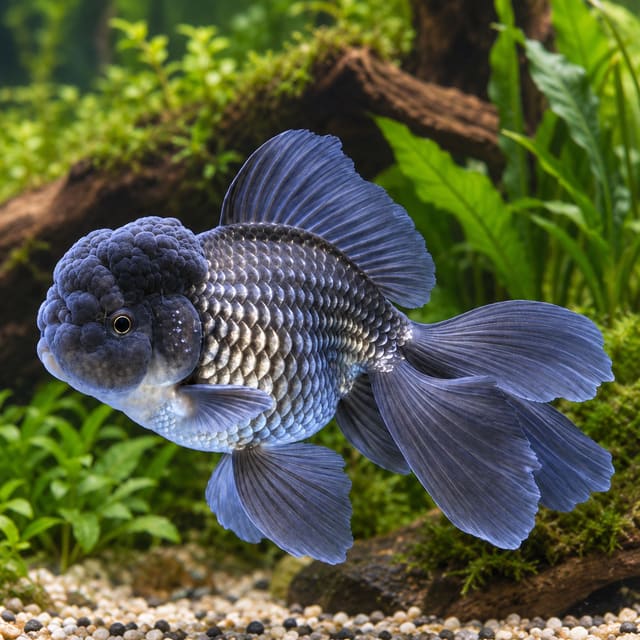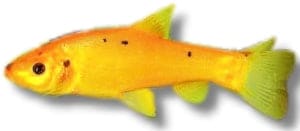
Golden Tench (Tinca tinca)
£34.99
Striking golden coldwater fish for ponds or very large aquaria. Active, elegant and hardy when kept in spacious, well-filtered conditions.
Adult size is the maximum length this species reaches at full maturity (scientific sources). The livestock you receive will be younger and smaller. Product-photo provenance and any image-specific limitations are stated on the listing.
Leuciscus idus (golden orfe form)
Confirm your email, then we’ll send an availability message for this exact item if it returns within 180 days.
This request is only for this product—no newsletter or other promotions. A mail-provider retry may very rarely duplicate the same availability message. Unconfirmed addresses are removed after 48 hours. See our privacy policy.
Striking golden coldwater fish for ponds or very large aquaria. Active, elegant and hardy when kept in spacious, well-filtered conditions.
Adult size is the maximum length this species reaches at full maturity (scientific sources). The livestock you receive will be younger and smaller. Product-photo provenance and any image-specific limitations are stated on the listing.
Maintain these water conditions for optimal health and vibrant colors
The Ide, also known as the Golden Orfe, Leuciscus idus orfus, is a stunning coldwater cyprinid prized for its shimmering gold colour, graceful swimming style and lively personality. Offered here at 12-15cm, these juveniles are already impressive and will continue to grow into large, powerful fish with plenty of space and excellent water quality.
This is a species best suited to large aquaria, indoor ponds or outdoor ponds rather than standard community tanks. Golden Orfe are active shoaling fish that thrive when kept in groups, and they are at their best in cool, clean, oxygen-rich water. With the right setup, they become long-lived, rewarding fish that add constant movement and a bright flash of colour to a coldwater collection.
At Tropical Fish Co, all live fish are packed with care and dispatched using fast UK delivery, backed by our live arrival guarantee for peace of mind. Please note that this species grows large and needs serious long-term planning before purchase.
| Attribute | Details |
|---|---|
| Common name | Ide, Golden Orfe |
| Scientific name | Leuciscus idus (golden orfe form) |
| Care level | Moderate |
| Temperament | Peaceful |
| Adult size | Up to around 80cm in ideal conditions |
| Minimum tank/pond volume | Very large system; pond recommended |
| Temperature | 5-20°C |
| pH | 7.0-7.8 |
| General hardness | 10-25 dGH |
| Diet | Omnivore |
| Life expectancy | 10-20 years or more |
| Tank region | Middle |
The Ide is native to parts of northern and eastern Europe and western Asia, where it inhabits slow-moving rivers, lakes, floodplains and large, well-oxygenated waters. The wild form is typically silver-grey, while the golden orfe is a selectively bred ornamental colour form developed for display in ponds and large aquatic systems.
In nature, these fish are adapted to broad open waters with plenty of swimming room, seasonal temperature changes and high oxygen levels. That natural history is important when keeping them in captivity: they do not suit cramped, warm or stagnant environments. Instead, they flourish in spacious, stable conditions with strong filtration and regular maintenance.
Because Golden Orfe grow into large, active fish, they should be housed in a very large aquarium only when young, and ideally moved to a pond or specialist large system as they mature. A long, open swimming area is essential. Avoid overcrowding and do not keep them in small ornamental tanks.
For indoor systems, aim for powerful filtration, excellent oxygenation and a secure lid. These fish are energetic and may jump when startled. Smooth substrate, open water space and a few hardy plants or pond-safe features are ideal, but leave the centre of the tank or pond clear for swimming. In outdoor ponds, provide adequate depth for seasonal temperature changes and ensure the water remains clean and well circulated.
Recommended parameters: temperature 5-20°C, pH 7.0-7.8, hardness 10-25 dGH. They are cool-water fish and should not be kept in tropical temperatures for prolonged periods. Stable, clean water is more important than chasing exact numbers, but ammonia and nitrite must always remain at zero.
Regular partial water changes are essential, especially in indoor systems. As these fish produce a significant bioload, filtration should be sized generously. If kept in a pond, ensure there is enough space for the group to swim comfortably and that the pond is mature before stocking.
Golden Orfe are omnivores with a strong appetite. In the wild they feed on insects, small crustaceans, plant matter and other available foods. In captivity, offer a varied diet that includes quality coldwater pellets or sticks, frozen and live foods such as bloodworm, daphnia and brine shrimp, plus occasional vegetable matter or algae-based foods.
Feed small amounts once or twice daily, only what they can consume quickly. Overfeeding can quickly foul the water, particularly in smaller systems. A varied diet supports colour, growth and overall condition. Juveniles may benefit from more frequent feeding, while adults should be fed carefully to avoid excess waste.
Golden Orfe are peaceful but their size, speed and appetite mean they are best kept with other robust coldwater species that enjoy similar conditions. Suitable companions include large goldfish varieties, koi in ponds, tench, rudd and other sizeable cool-water fish where space allows. They are shoaling fish, so keeping several together is strongly recommended.
They should not be mixed with small fish, delicate species or anything that could be outcompeted at feeding time. Their active nature and adult size can also stress timid tank mates. In a pond, choose companions carefully and ensure all fish have enough room to avoid crowding and competition.
Good husbandry tip: keep Golden Orfe in a group, provide lots of open water and feed in a way that all fish can access food evenly.
When you order live fish from Tropical Fish Co, you can expect careful packing, expert handling and fast UK delivery to help your fish arrive in the best possible condition. Our live arrival guarantee gives added confidence when buying sensitive livestock online.
We only recommend species that are properly matched to their care requirements, and Golden Orfe are no exception: they are beautiful, rewarding fish for customers with the right space and setup. If you are planning a coldwater pond or a large specialist system, this species offers exceptional movement, colour and long-term interest. Order with confidence and build a habitat that lets these elegant fish thrive for years to come.
No reviews for this item yet. Bought one? Honest reviews only, good or bad.
What customers say about ordering from us
Easy website plenty of info on fish your buying great to pick a time slot
TRACEY DURRANT · 7 Oct 2026
Got some lovely fish thank you
Kevin Mackie · 7 Oct 2026
Reviews of our shop, collected by Judge.me, an independent third-party review collector. Newest first.