Moderate
Golden Tench
pH 6.5–8
£34.99
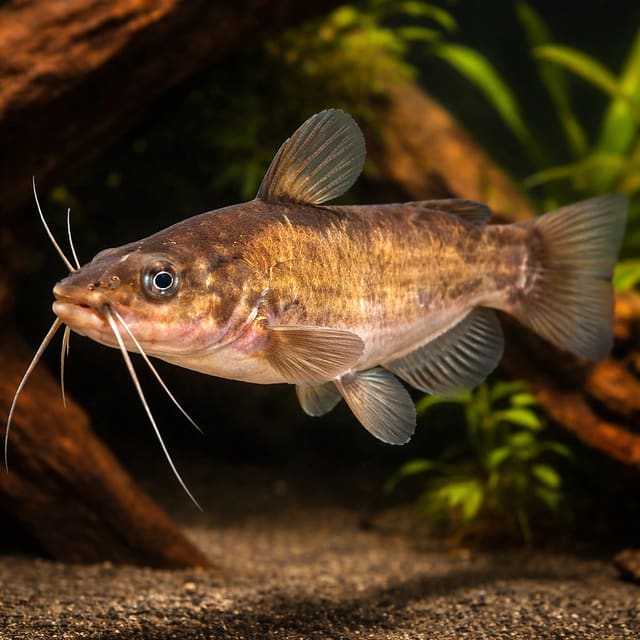
Hardy Brown Bullhead catfish, 15-20 cm. A robust coldwater species for very large tanks or ponds.
Adult size is the maximum length this species reaches at full maturity (scientific sources). The livestock you receive will be younger and smaller — pick a size variant above for the actual shipping size. Product-photo provenance and any image-specific limitations are stated on the listing.
Ameiurus nebulosus
Hardy Brown Bullhead catfish, 15-20 cm. A robust coldwater species for very large tanks or ponds.
Adult size is the maximum length this species reaches at full maturity (scientific sources). The livestock you receive will be younger and smaller — pick a size variant above for the actual shipping size. Product-photo provenance and any image-specific limitations are stated on the listing.
Maintain these water conditions for optimal health and vibrant colors
The Brown Bullhead (Ameiurus nebulosus) is a hardy North American catfish known for its broad head, whisker-like barbels and nocturnal habits. This 15-20 cm specimen is a young fish with plenty of growing to do, as the species can reach a much larger adult size in suitable conditions. It is best suited to experienced keepers with very large aquaria or, more commonly, outdoor ponds where its coldwater nature and robust build can be properly accommodated.
Brown Bullheads are adaptable, tough and fascinating to observe, especially after lights-out when they become more active and begin foraging along the substrate. They are not a community fish for small or delicate setups, but in the right environment they make an impressive and characterful addition. We offer fast UK delivery and a live arrival guarantee for peace of mind when ordering your fish online.
Please note that this species is a powerful predator and a substantial waste producer. It should only be kept where filtration, space and stocking plans are appropriate for its adult size and feeding behaviour.
| Attribute | Details |
|---|---|
| Scientific name | Ameiurus nebulosus |
| Common name | Brown Bullhead |
| Care level | Moderate |
| Temperament | Semi-aggressive |
| Adult size | Up to 50 cm |
| Minimum tank size | 800 litres+ |
| Temperature | 6-22 °C |
| pH | 7.0-8.0 |
| Diet | Omnivore with strong carnivorous tendencies |
| Tank region | Bottom |
Brown Bullheads are native to eastern and central North America, where they inhabit lakes, slow-moving rivers, ponds, reservoirs and marshy backwaters. In the wild they are often found in soft-bottomed areas with plenty of cover, including submerged roots, logs, aquatic vegetation and muddy margins. They are highly adaptable and can tolerate a wide range of conditions, including cooler water and lower oxygen levels than many other fish species.
This resilience is one reason they have become established outside their native range in some regions. Their natural history explains much of their care: they are bottom-dwelling scavengers and opportunistic predators that prefer dimmer conditions, soft substrates and secure hiding places. Understanding this behaviour is key to keeping them successfully in captivity.
Because Brown Bullheads grow large and are active bottom feeders, they need a very spacious aquarium or pond with excellent filtration and plenty of floor area. A long, wide footprint is more important than height. For juveniles, a large tank may be used temporarily, but long-term accommodation should be planned around the species’ adult size and messy feeding habits.
Use a soft sand or very smooth fine gravel substrate to protect their barbels and delicate underside. Sharp stones should be avoided. Provide caves, driftwood, rock piles and shaded areas so the fish can retreat during the day. Strong aeration is beneficial, especially in warmer weather, and regular maintenance is essential to keep water quality high.
Recommended parameters are a pH of 7.0-8.0, hardness around 5-25 dGH and temperatures between 6-22 °C. They are a true coldwater species and do not require tropical heating. In fact, prolonged high temperatures should be avoided. Stable, clean water is more important than chasing exact numbers, but ammonia and nitrite must always remain at zero.
As a large catfish, this species produces significant waste. Oversized biological filtration, routine partial water changes and careful feeding are all necessary. If kept in a pond, ensure it is secure from predators and deep enough to provide stable conditions through seasonal changes.
Brown Bullheads are omnivorous but strongly inclined towards meaty foods. In captivity they should be offered a varied diet that includes quality sinking catfish pellets, carnivore pellets, earthworms, chopped prawns, mussels, bloodworms, insect larvae and other suitable frozen or live foods. They will also take some plant matter and algae-based foods, but these should be supplementary rather than the main diet.
Feed in the evening or after lights dim, as this matches their natural activity pattern. Juveniles may eat more frequently, while adults should be fed sensibly to avoid obesity and excess waste. Remove any uneaten food promptly. A varied diet helps support growth, colour and overall condition.
Do not rely on feeder fish, which can introduce disease and poor nutrition. Instead, choose high-quality prepared foods and wholesome frozen options. Because the species is opportunistic, it may also consume smaller tank inhabitants if given the chance.
Brown Bullheads are not ideal for standard community aquariums. They can be territorial, especially towards other bottom-dwelling fish, and will readily eat very small tank mates. Suitable companions are limited to robust, similarly sized coldwater species that can hold their own and do not fit into the bullhead’s mouth.
Good companions may include large, hardy pond fish in appropriately sized systems, provided there is enough space and the setup is designed around the bullhead’s needs. Even then, compatibility is never guaranteed, and careful observation is essential. Avoid small fish, shrimp, snails, delicate species, long-finned fish and any tank mate that could be viewed as food.
For best results, keep Brown Bullheads either singly or in a very large, carefully planned species-specific setup. Their temperament is best described as semi-aggressive: generally not overly combative, but capable of defending territory and eating tank mates that are too small.
At Tropical Fish Co, we focus on supplying healthy livestock with clear, honest care information so you can plan the right home before you buy. Our Brown Bullhead fish are selected with quality and welfare in mind, and we support your purchase with fast UK delivery and a live arrival guarantee.
We know that unusual coldwater species require careful preparation, so we aim to make the process straightforward with accurate sizing, practical advice and reliable service. Whether you are building a large coldwater display or a specialist pond setup, you can shop with confidence knowing your fish will be packed and dispatched with care.
If you are unsure whether this species is suitable for your aquarium or pond, please plan conservatively and seek expert advice before ordering. A well-prepared environment is the key to long-term success with this impressive catfish.
pH 6.5–8
5–20°C · pH 7–7.8 · 1000L
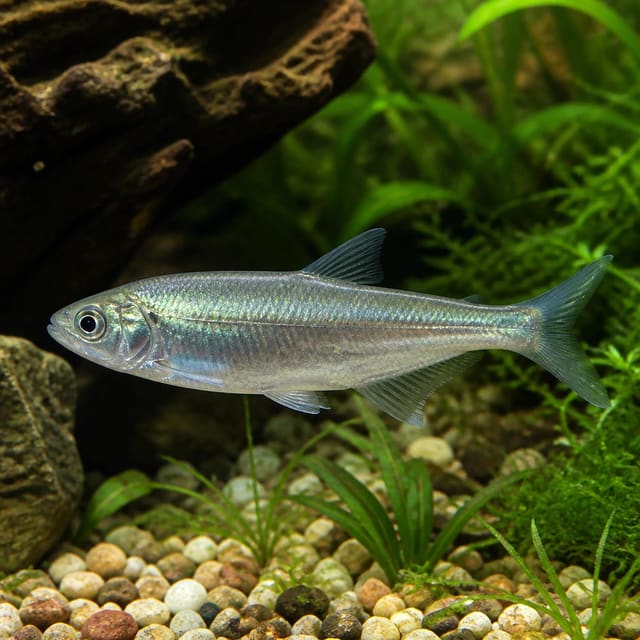
10–20°C · pH 6.5–8 · 250L
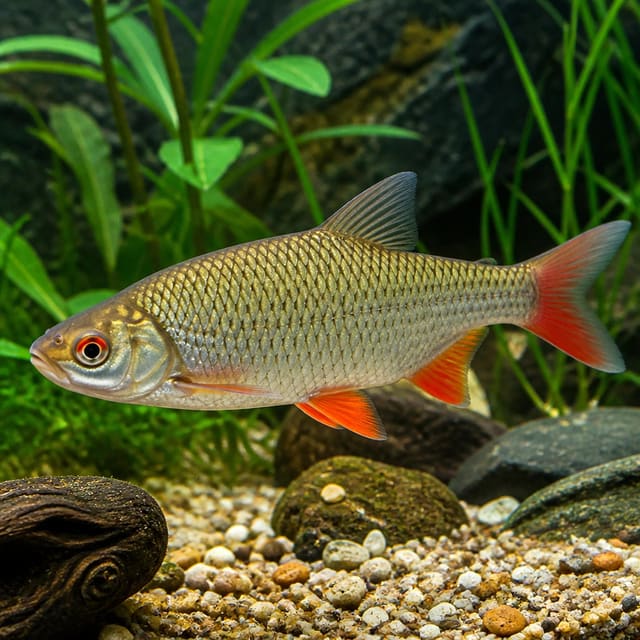
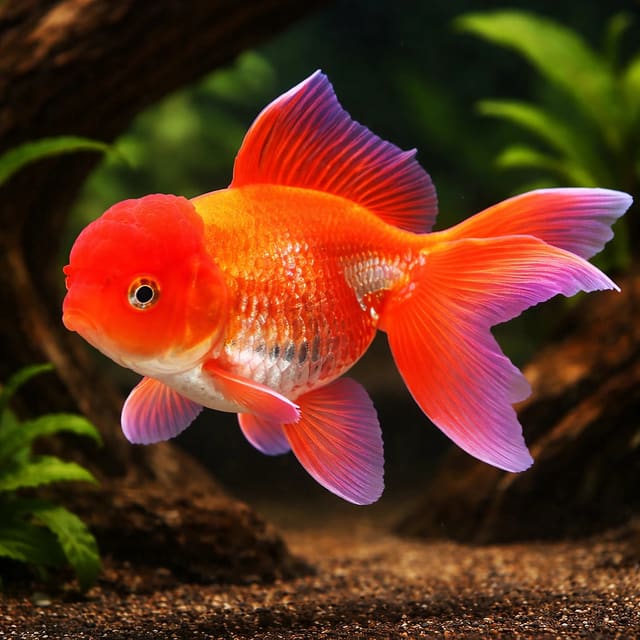
15–25°C · pH 6.5–8 · 110L

15–25°C · pH 6.5–8 · 120L

15–25°C · pH 6.5–8 · 100L

15–25°C · pH 6.5–8 · 110L
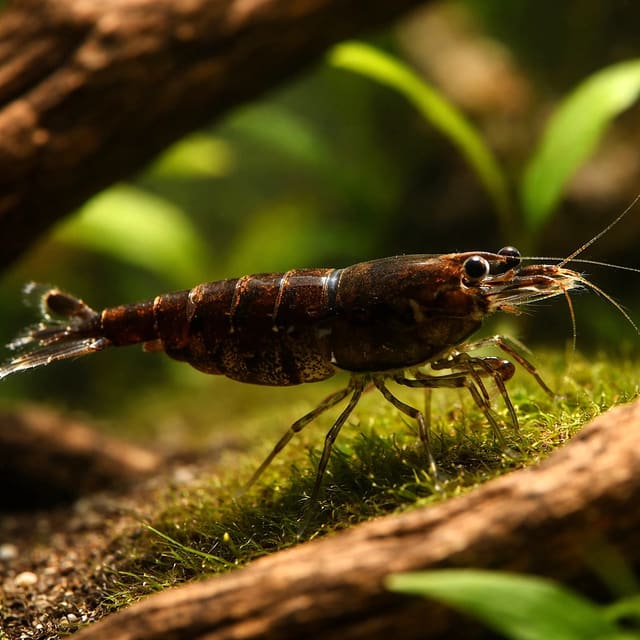
18–26°C · pH 6.5–8 · 30L
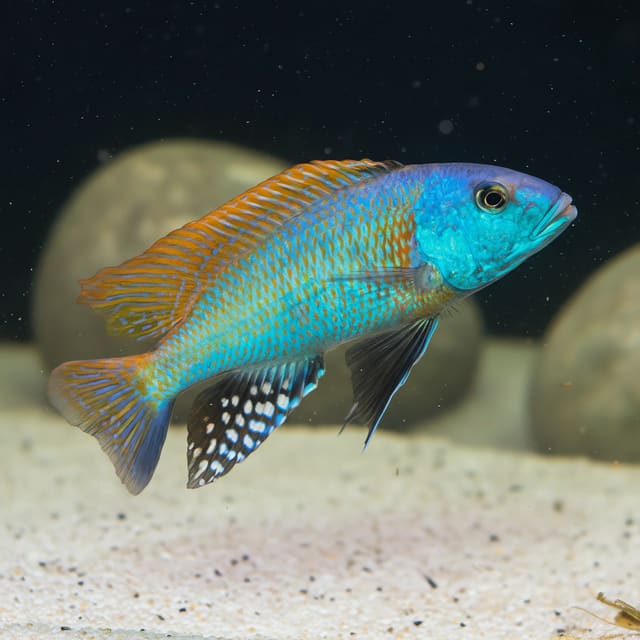
23–27°C · pH 7.4–8.4 · 1000L
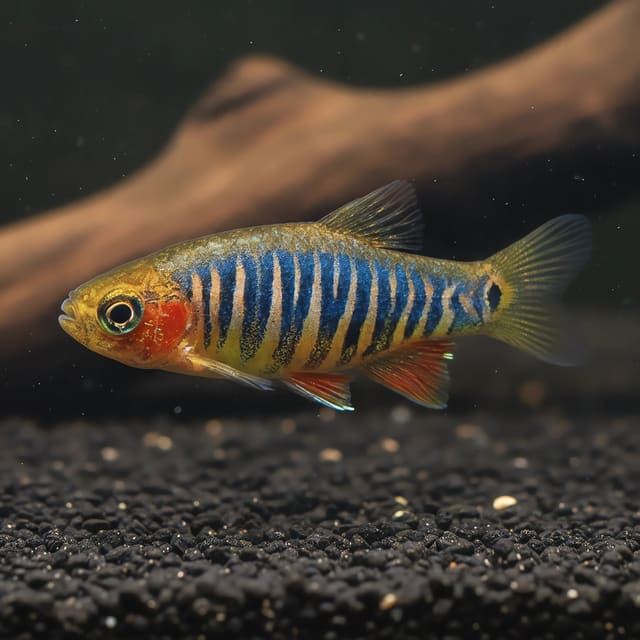
20–24°C · pH 7–8 · 45L
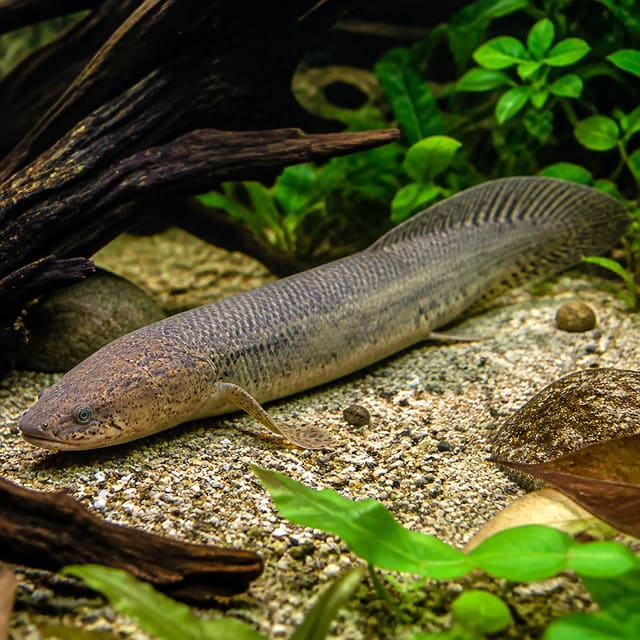
24–28°C · pH 6.5–7.5 · 2000L
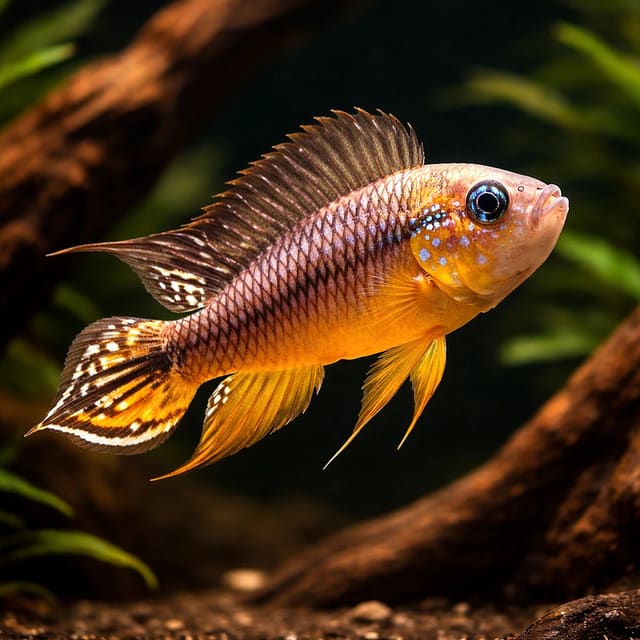
24–28°C · pH 5.5–7 · 60L
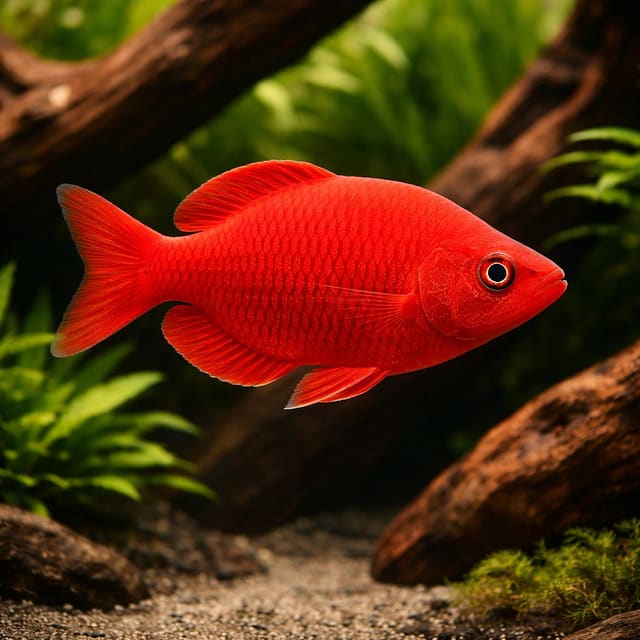
24–28°C · pH 7–8 · 120L
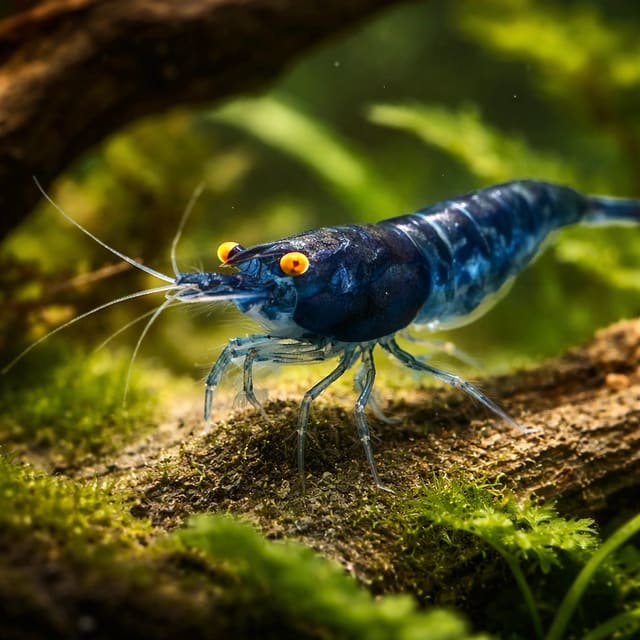
18–28°C · pH 6.5–8 · 20L
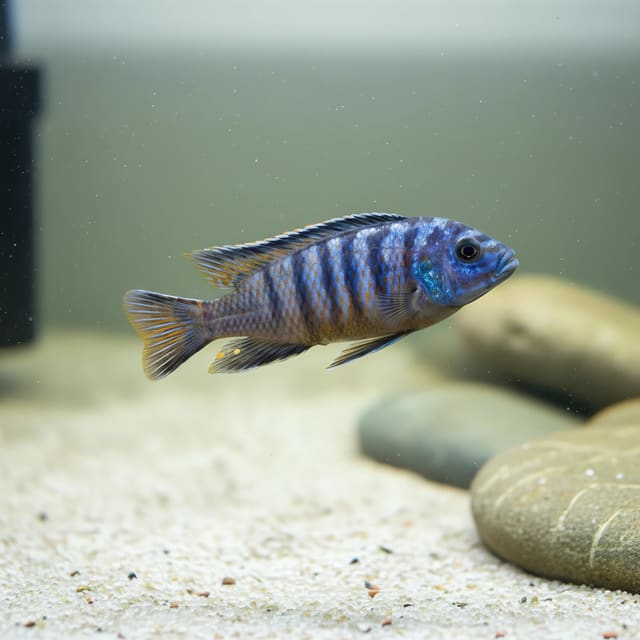
24–27°C · pH 7.5–8.8 · 150L