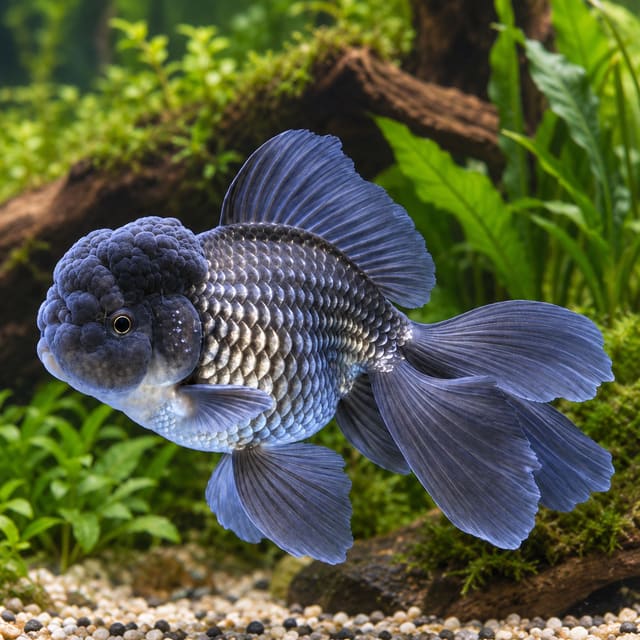
Carassius auratus l.f. blue oranda
4–25°C · pH 6–8
£10.99
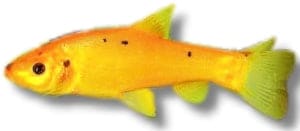
Bronzed Comet Goldfish, a long-bodied Carassius auratus form for large cold-water aquariums or suitable ponds.
Adult size is the maximum length this species reaches at full maturity (scientific sources). The livestock you receive will be younger and smaller — pick a size above for the actual shipping size. Product-photo provenance and any image-specific limitations are stated on the listing.
Carassius auratus
Confirm your email, then we’ll send an availability message for this exact item if it returns within 180 days.
This request is only for this product—no newsletter or other promotions. A mail-provider retry may very rarely duplicate the same availability message. Unconfirmed addresses are removed after 48 hours. See our privacy policy.
Bronzed Comet Goldfish, a long-bodied Carassius auratus form for large cold-water aquariums or suitable ponds.
Adult size is the maximum length this species reaches at full maturity (scientific sources). The livestock you receive will be younger and smaller — pick a size above for the actual shipping size. Product-photo provenance and any image-specific limitations are stated on the listing.
Maintain these water conditions for optimal health and vibrant colors
Bronzed Comet Goldfish is a long-bodied domestic form of Carassius auratus for large cold-water aquariums or suitable ponds. This is an active, strong-swimming goldfish, so the listing is written around adult size, filtration and long-term space rather than small starter-tank care.
Keep Bronzed Comets with similar cold-water fish where space, oxygen and filtration are strong enough. Avoid small tropical community setups and avoid tiny tank mates. Regular water changes and a varied diet are more important than chasing warm temperatures.
Livestock is packed for a licensed live-animal courier service and covered by our Live Arrival Guarantee when the product is available and delivery conditions are suitable.
No reviews for this item yet. Bought one? Honest reviews only, good or bad.
What customers say about ordering from us
Easy website plenty of info on fish your buying great to pick a time slot
TRACEY DURRANT · 7 Oct 2026
Got some lovely fish thank you
Kevin Mackie · 7 Oct 2026
Reviews of our shop, collected by Judge.me, an independent third-party review collector. Newest first.