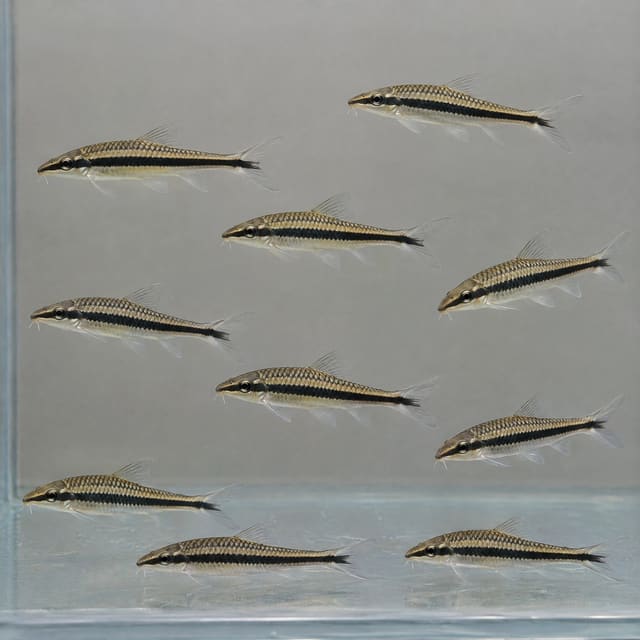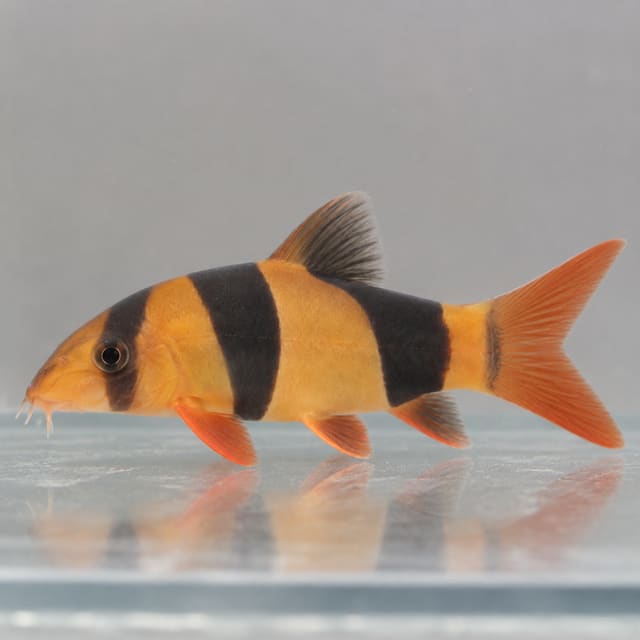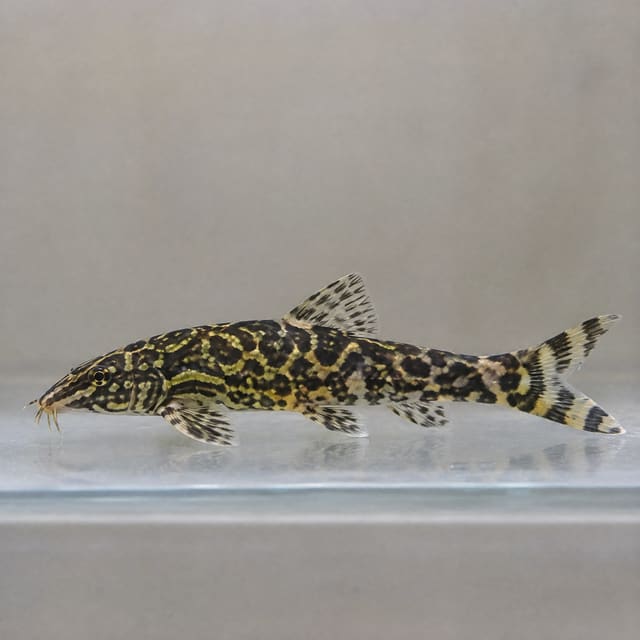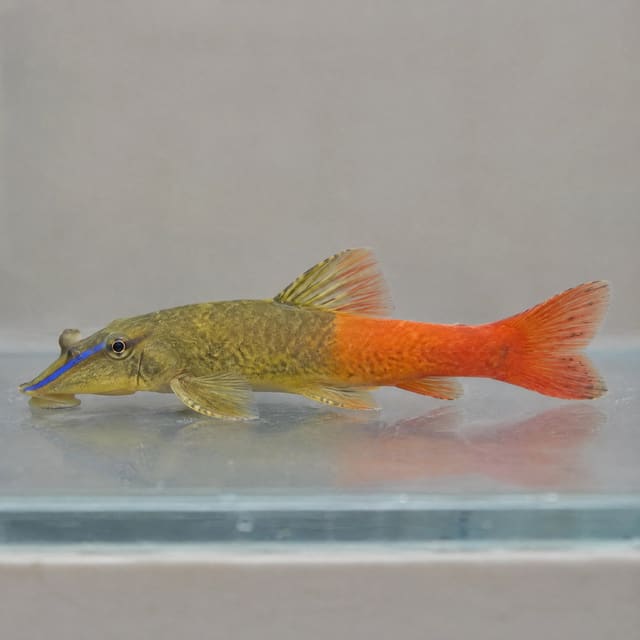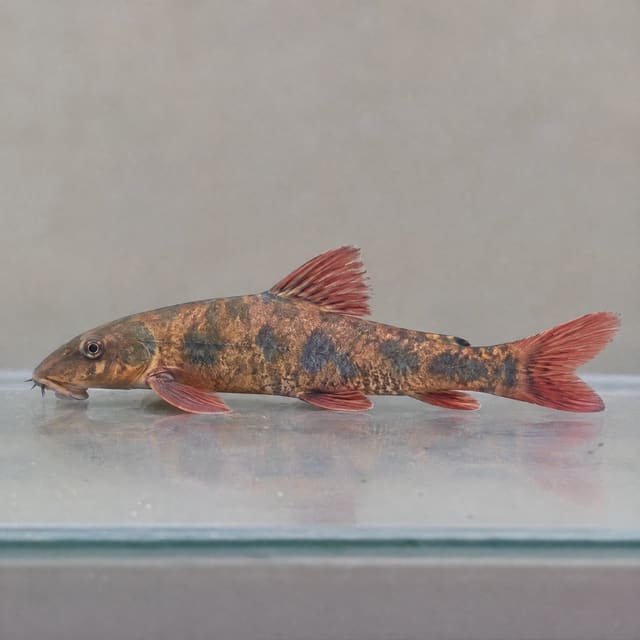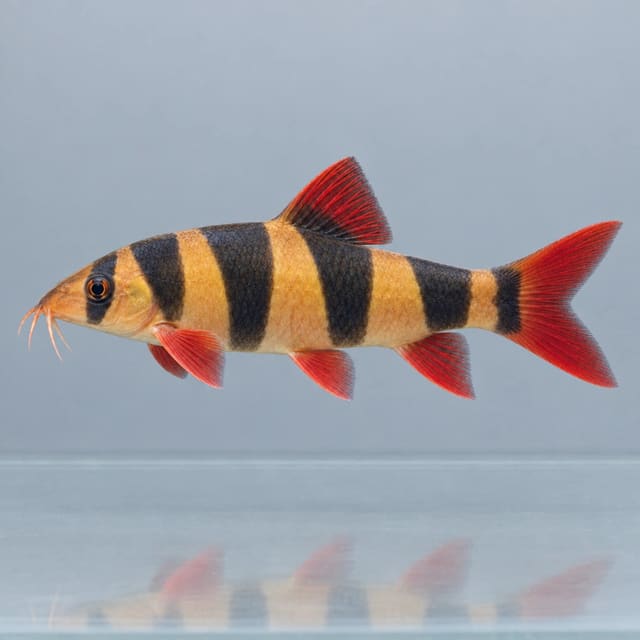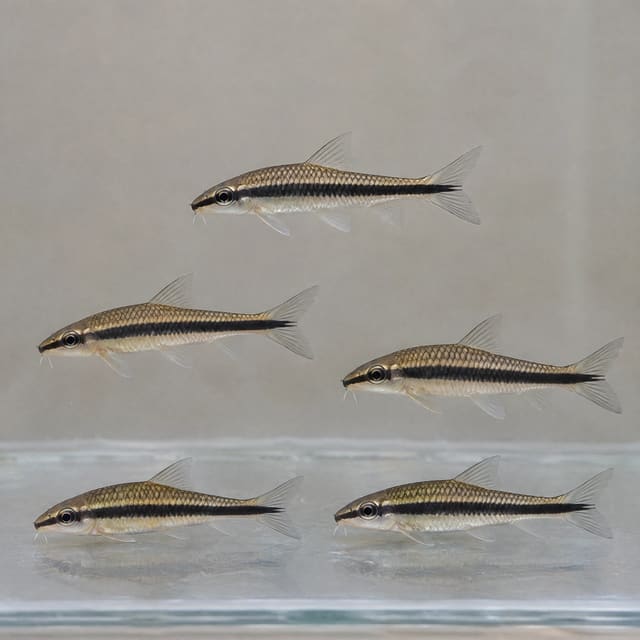
5 × Siamese Algae Eaters (Crossocheilus cf. langei)
£19.49
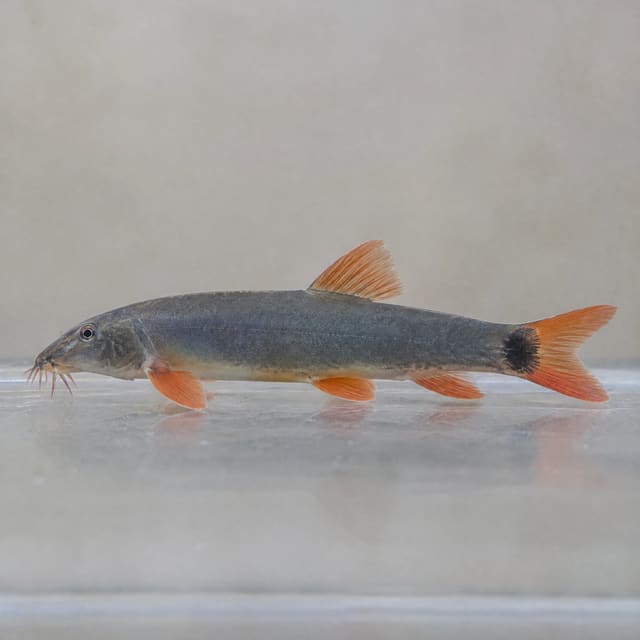
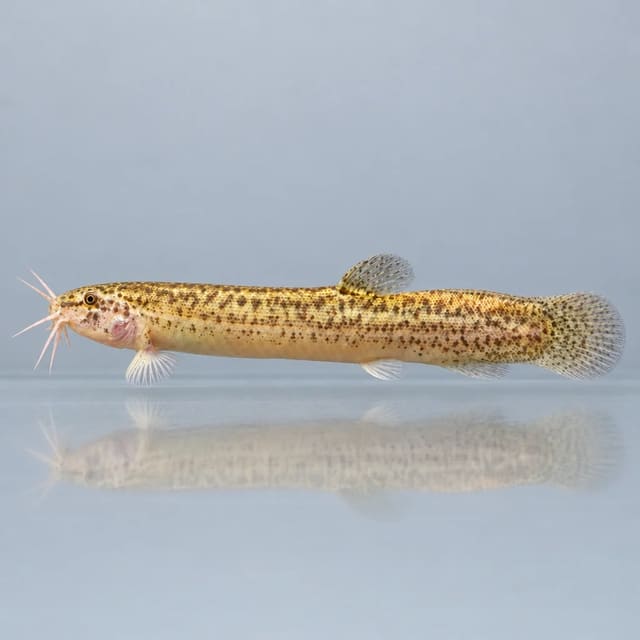
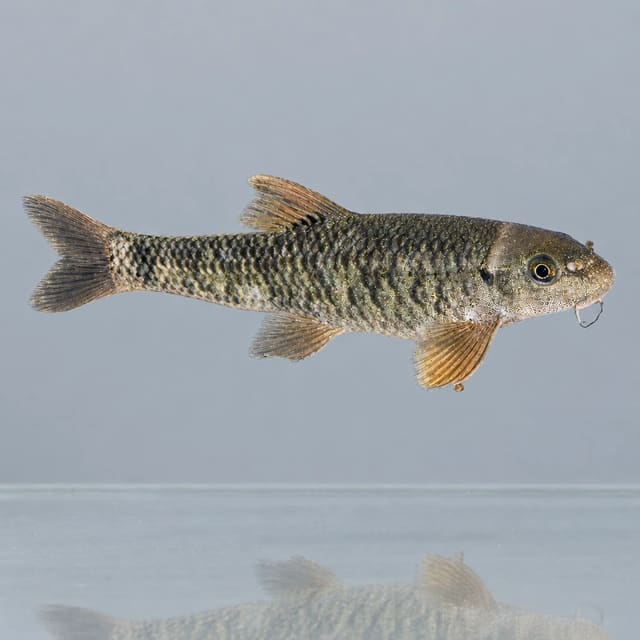
The Gangetic Latia (Tariqilabeo latius, formerly Crossocheilus latius) is a plain olive-grey grazing cyprinid from Himalayan hill streams, not a true loach. It grows to about 15 cm standard length and needs a river-style aquarium of at least 150 × 45 cm with strong flow, high oxygen, very clean water and a low-protein, plant-rich diet. Sold individually as one live fish in a medium size.
Tariqilabeo latius
Quantity discounts are pricing offers, not a group-size recommendation. Check the full care guidance and your existing animals before choosing a quantity.
The Gangetic Latia (Tariqilabeo latius, formerly Crossocheilus latius) is a plain olive-grey grazing cyprinid from Himalayan hill streams, not a true loach. It grows to about 15 cm standard length and needs a river-style aquarium of at least 150 × 45 cm with strong flow, high oxygen, very clean water and a low-protein, plant-rich diet. Sold individually as one live fish in a medium size.
Read the full care guidance when planning conditions for your aquarium.
The gangetic latia (Tariqilabeo latius) is a slim, grazing fish from the hill streams of the Himalayan foothills, best known to fishkeepers by its former name, Crossocheilus latius. It spends its day working over rocks and wood for algae and biofilm, and it suits a cool, fast-flowing, river-style aquarium rather than a warm, still community tank.
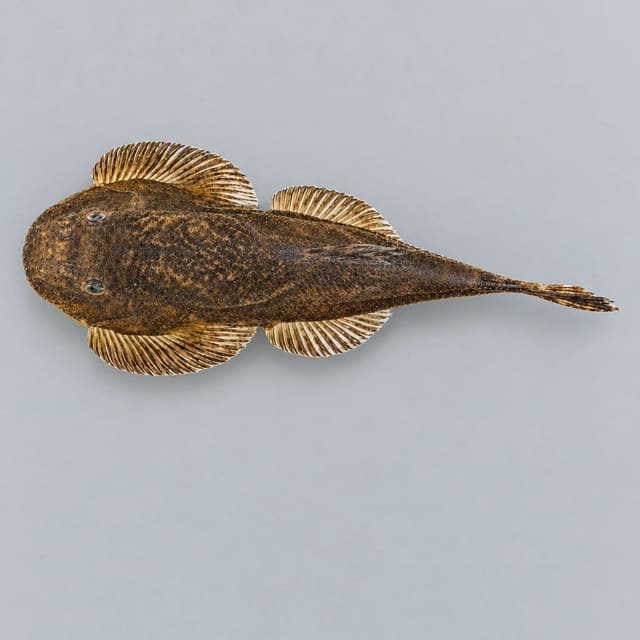
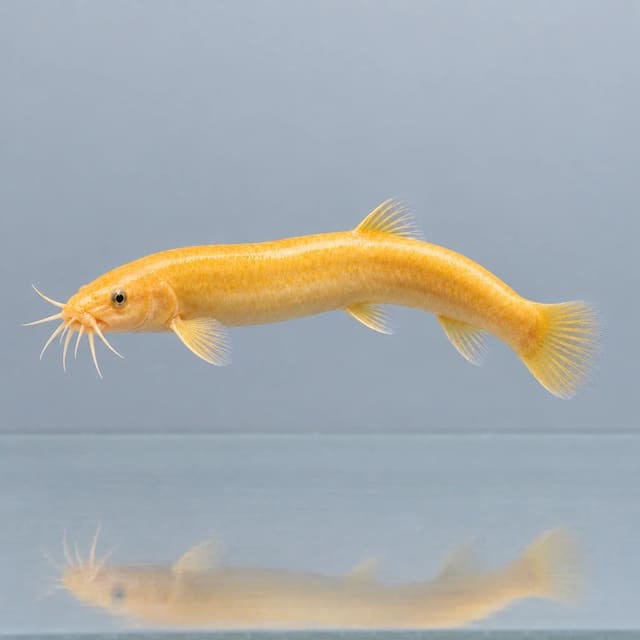
Despite labels such as "rock loach" (you may see it offered as the Gara Gara Rock Loach), it is not a loach. It belongs to the carp family, Cyprinidae, in the subfamily Labeoninae. The Seriously Fish species profile explains that Kullander and colleagues concluded in 1999 that it is not a true Crossocheilus, and Kottelat moved it to Tariqilabeo in 2016. Older names include Cyprinus latius, Cyprinus sada and Cyprinus gohama, all published by Hamilton in 1822.
| Suits | Not suited to |
|---|---|
| A river-style tank with a base of at least 150 × 45 cm | Small or tall, narrow tanks |
| Strong current and high oxygen | Still, warm or poorly filtered water |
| Cool water, ideally 18–24°C | Tanks kept at the warm end of the tropical range all year |
| A low-protein, plant-rich diet | A diet of meaty foods |
| Peaceful companions from similar streams | Aggressive or predatory fish |
Seriously Fish rates it moderate to keep and notes that it needs a well-established aquarium. It describes the species as an excellent alternative to the more commonly sold Crossocheilus algae eaters for keepers who can give it the conditions it needs.
One purchase supplies one live gangetic latia in our Medium size. That is a supplied size, not the adult size, so plan for a fish of about 15 cm. Seriously Fish notes that young fish cannot be sexed reliably from the outside; mature females are normally thicker-bodied than males. Choose the quantity in the basket to buy a group in one delivery, and read our delivery information before ordering.
This is not a common fish in the trade. Seriously Fish says it occasionally arrives mixed into shipments of Indian Garra species such as G. mullya and G. gotyla, which look similar, and that most aquarium specimens probably come from India. Its colour pattern is relatively plain, so it is unlikely to be confused with the striped Crossocheilus species sold as algae eaters.
| Feature | What to look for |
|---|---|
| Body | Long and slim, rounded in cross-section towards the front |
| Colour | Plain olive-grey to brownish above, paler below, with darker scale edges giving a faint net pattern; no bold black side stripe |
| Mouth | Set underneath a rounded snout, suited to scraping rock surfaces |
| Fins | Clear to amber-tinted, with a forked tail |
The colour notes above reflect the photographs of wild fish on FishBase. Our pictures show the species; each fish varies slightly in shade and speckling. If you keep Indian Garra, compare it with our Suckerhead Garra and browse the Garra category page to see the difference.
Seriously Fish gives a maximum of 150 mm standard length (measured to the base of the tail); FishBase records 17.9 cm total length (including the tail). The two figures describe much the same fish measured in different ways, so plan for an adult of roughly 15–18 cm overall.
Seriously Fish recommends a base of at least 150 × 45 cm, about 304 litres, or larger. Length matters because this is an active grazer that moves along the bottom and through the current. Our tank volume calculator converts dimensions into litres.
In the wild, Seriously Fish describes lower Himalayan hill streams with boulders, pebbles, gravel and sand, as well as slower, silt-laden tributaries and pools with muddy bottoms, and now some permanent waters created by dams. FishBase adds gravel and stony mountain-stream beds, with a preference for pools in a headwater stream of the Ganges basin. It was described from the Teesta River in the Darjeeling Himalayas and is widespread in India, with records from Nepal, Bhutan, Bangladesh, Pakistan, Afghanistan, eastern Iran, China and Myanmar, although some of those records may refer to other species.
Seriously Fish recommends a river-style set-up with rocks of various sizes, gravel, large water-worn boulders and driftwood to create shaded spots. Bright lighting encourages the algae it grazes. Hardy plants such as Java fern (Microsorum), Bolbitis and Anubias can be tied to the décor; most other plants struggle in these conditions.
| Area | Purpose |
|---|---|
| Smooth boulders and flat stones in the flow | Grazing surfaces where algae and biofilm grow |
| Gravel and pebbles between the rocks | A natural stream bed that is easy to siphon |
| Driftwood towards the back | Shade and resting places out of the strongest current |
| Epiphytic plants on wood and stone | Greenery that survives strong flow and grazing |
A tight-fitting lid is sensible for any fish kept in strong flow, and OATA's algae-eater guidance asks for a well-fitting lid on the Siamese algae eater, a fish of similar habits. Our hillstream loach guide has more ideas for building a fast-flowing stream tank.
The published temperature ranges do not agree, so we show them side by side:
| Value | Seriously Fish | FishBase | OATA (tropical algae eaters, general) |
|---|---|---|---|
| Temperature | 18–24°C for long-term care; about 15–25°C tolerated briefly | 22–27°C | 22–27°C |
| pH | 6.0–7.5 | From 8.0 (no upper figure) | 6.0–8.0 |
| Hardness | 2–15 dGH | Not given | 4–12 °dH (GH); 3–10 °dKH (KH) |
Seriously Fish's cooler range fits its Himalayan hill-stream origin. If you want a temperature that satisfies both species sources, 22–24°C sits inside both. In a hot UK summer, room temperature can push a tank above 25°C, so watch the thermometer and add extra surface movement on warm days.
UK tap water varies from soft to very hard by region, so check yours against the 2–15 dGH range with a test kit or our water matcher, and read our water chemistry guide if pH and hardness are new to you.
Seriously Fish describes this fish as intolerant of organic waste and says it needs spotless water. Whatever the temperature and hardness, keep ammonia and nitrite at zero and nitrate no more than 20 mg per litre above your tap water, the targets OATA gives for algae eaters.
This species needs high dissolved oxygen and strong water movement, which Seriously Fish suggests achieving with external filters or powerheads. Its own page disagrees on how much turnover is needed: the quick-facts panel gives eight to twelve times the tank volume per hour, while the equipment section suggests four to five times. Because the fish comes from fast streams and needs a strong current, aim for the higher figure, with powerheads adding flow along the length of the tank.
OATA reminds keepers that algae eaters are not a substitute for regular maintenance and correct stocking, and that persistent algae can point to a water chemistry problem. Our algae control guide explains the causes.
Diet is where this fish differs most from many community fish. Seriously Fish warns against high-protein foods: the fish cannot efficiently digest some of their components, and eating them for long periods can cause fat deposits and organ damage. FishBase lists aquatic plants, algae and diatoms as its natural food.
Seriously Fish recommends a good-quality dried staple food containing Spirulina or similar, plus fresh vegetables such as shelled peas, blanched courgette and spinach, and chopped fruit. It browses biofilm on the rocks and is reported to eat black brush algae (also called beard algae). OATA adds that algae alone is never enough for an algae eater and that vegetables should be organic or washed thoroughly to remove pesticide residues.
Because FishBase lists aquatic plants in its wild diet, soft-leaved plants may be grazed; the tough Java fern, Bolbitis and Anubias are the safer choice.
Seriously Fish says this fish needs a well-established tank. OATA adds that ammonia and nitrite must read zero before any fish are added, and that fish should be added gradually so the filter bacteria keep pace. Use OATA's floating-bag method: switch the lights off, float the sealed bag for about 10 minutes, add small amounts of tank water over up to 20 minutes, then net the fish into the tank without the bag water. Our guide to acclimating new fish covers each step.
| When | Check | Action |
|---|---|---|
| Day 1 | Fish resting among rocks or wood | Keep the lights off for the rest of the day |
| Days 2–3 | Grazing on rocks and interest in a small vegetable meal | Offer a small portion and remove leftovers |
| Days 3–5 | Ammonia and nitrite | Change water if either is above zero |
| Day 7 | Full water test, body condition and behaviour | Move to the normal routine if all readings are on target |
Seriously Fish describes it as generally peaceful. Juveniles are gregarious and active; adults become more sedentary and solitary, but stay peaceful with each other. It suggests tank mates from northern India where possible, such as the loaches Acanthocobitis botia, Botia dario, B. almorhae, B. rostrata and Lepidocephalichthys guntea, the hillstream loach Balitora brucei, and small cyprinids.
| Suits | Avoid |
|---|---|
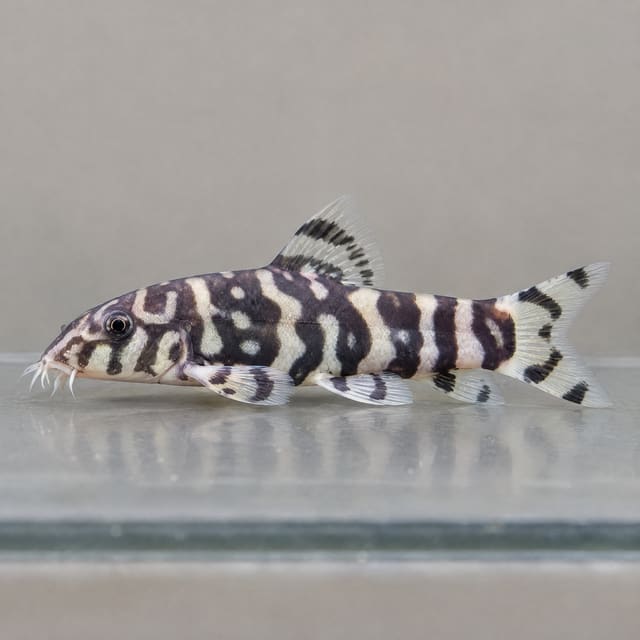
| The Zipper Loach (Paracanthocobitis botia), the fish Seriously Fish lists under its older name Acanthocobitis botia | Fish that need warm, still water |
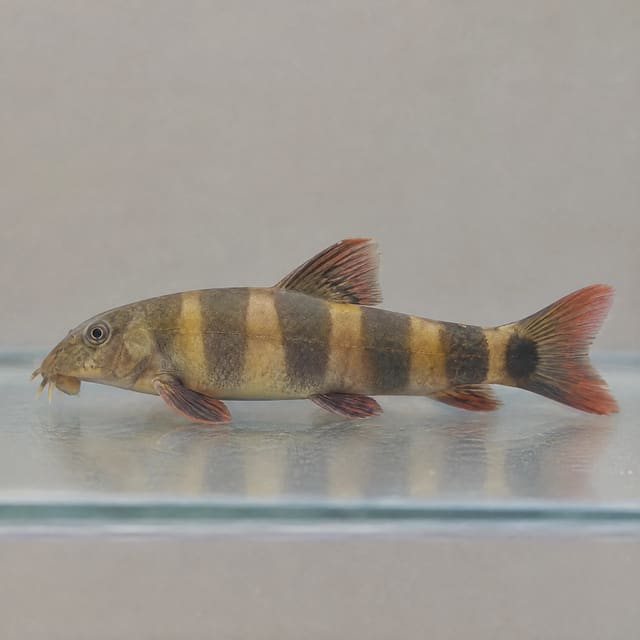
| The YoYo Loach, a Botia from the same part of South Asia | Large predators |
| Small, active cyprinids that like cool, fast water | Small, weak swimmers that cannot cope with strong current |
Our tank mates tool checks a mix for you. For other grazers, compare our Siamese Algae Eater, read our Siamese algae eater guide, and browse the Crossocheilus category page, our algae eaters, our loaches and oddballs and the full Loaches and Algae Eaters category.
OATA lists the signs of a healthy fish as clear, bright eyes, undamaged fins, intact scales, no ulcers or bumps, normal swimming and steady breathing. Warning signs include clamped fins, flicking against objects, white spots or fluffy growths, sitting on the bottom more than usual, faster gill movement and a reduced appetite.
| Observation | First action |
|---|---|
| Fast breathing or fish crowding into the strongest flow | Test ammonia and nitrite, check the temperature and increase aeration |
| Fish becoming fat and sluggish | Cut out protein-rich foods and return to vegetables and Spirulina |
| Fish thin and not grazing | Check for competition at feeding time and offer vegetables after lights out |
| White spots or fluffy growths | Identify the problem before choosing any treatment |
Breeding is not thought to have happened in aquariums, according to Seriously Fish. FishBase reports that a Himalayan population spawns from July to September, possibly triggered by the high turbidity and fast water of the seasonal rains, and describes the species as potamodromous, migrating within rivers. Seriously Fish notes that related Crossocheilus species migrate upstream in the dry months and return downstream as water levels rise. FishBase lists it as Least Concern on the IUCN Red List (assessed 2009).
Yes. Crossocheilus latius is its former name; Kottelat moved it to Tariqilabeo in 2016.
No. Despite "rock loach" labels, it is a member of the carp family, Cyprinidae, that grazes rocks the way many loaches do.
Seriously Fish gives 150 mm standard length and FishBase 17.9 cm total length, so plan for about 15–18 cm overall.
A base of at least 150 × 45 cm, about 304 litres, with strong flow and high oxygen.
Seriously Fish gives 18–24°C for long-term care and FishBase 22–27°C. 22–24°C sits inside both ranges.
It grazes biofilm and is reported to eat black brush algae, but it still needs feeding, and no algae eater replaces regular maintenance.
A Spirulina-based dried food with vegetables such as peas, blanched courgette and spinach. Avoid high-protein foods, which Seriously Fish links to fat deposits and organ damage.
Peaceful fish that like cool, fast, clean water, ideally from northern India, such as zipper loaches, Botia species and small cyprinids.
Yes. Seriously Fish says young fish are gregarious; adults become more solitary but stay peaceful with each other.
No reviews for this item yet. Bought one? Honest reviews only, good or bad.
What customers say about ordering from us
Easy website plenty of info on fish your buying great to pick a time slot
TRACEY DURRANT · 7 Oct 2026
Got some lovely fish thank you
Kevin Mackie · 7 Oct 2026
Reviews of our shop, collected by Judge.me, an independent third-party review collector. Newest first.
Moved by UK carriers licensed to handle live animals
Hand-packed with oxygen bags, poly box, heat pack
Email photos the same day; an optional unboxing video helps us review problems faster — claim terms apply
Klarna & PayPal Pay in 3 at checkout