Easy
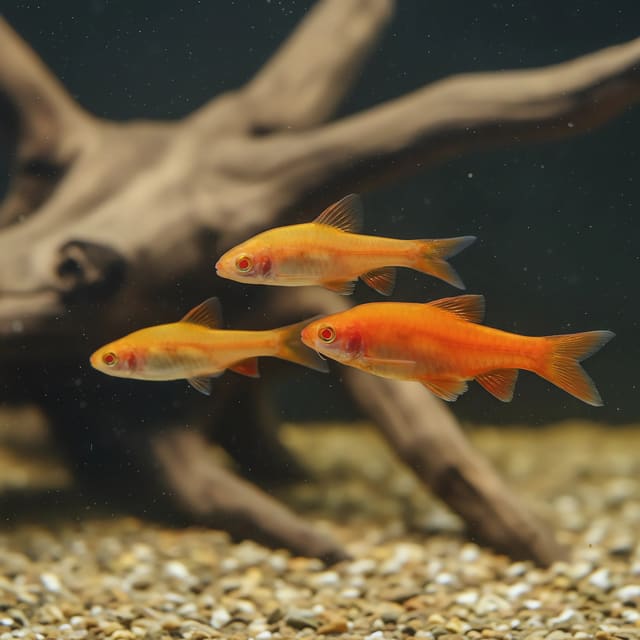
Albino Cherry Barb (Rohanella titteya)
20–27°C · pH 6–8 · 54L
£2.99

A small, peaceful, bottom-dwelling loach from Assam that thrives in clean, well-oxygenated aquariums with fine substrate and plenty of cover. Moderate care, peaceful. 20-26C, pH 6.0-7.5.
Paracanthocobitis botia
Shoaling fish: kept in a group they feel safer, stay calmer and show their best colour.
Confirm your email, then we’ll send an availability message for this exact item if it returns within 180 days.
This request is only for this product—no newsletter or other promotions. A mail-provider retry may very rarely duplicate the same availability message. Unconfirmed addresses are removed after 48 hours. See our privacy policy.
A small, peaceful, bottom-dwelling loach from Assam that thrives in clean, well-oxygenated aquariums with fine substrate and plenty of cover. Moderate care, peaceful. 20-26C, pH 6.0-7.5.
Maintain these water conditions for optimal health and vibrant colors
The freshwater fish uk, scientifically known as Paracanthocobitis botia, a small, peaceful, bottom-dwelling loach from assam that thrives in clean, well-oxygenated aquariums with fine substrate and plenty of cover.. Paracanthocobitis botia also known as the mottled zipper loach is a species of ray-finned fish in the genus Paracanthocobitis. This species is known from the mainstem, and possibly tributaries of the
Native to Brahmaputra River basin, Assam, India; likely mainstem and possibly tributaries, this moderate-care species belongs to the Nemacheilidae family and has earned a loyal following among UK aquarists for its unique characteristics and manageable requirements.
The Acanthocobitis botia 4 - reaches an adult size of approximately 7 cm and displays coloration that varies with mood, diet, and water conditions. Peaceful by nature, this species makes an interesting addition to appropriately stocked aquariums.
At Tropical Fish Co, we select only the healthiest specimens with vibrant coloration and active behavior, ensuring you receive premium quality fish for your aquarium.
In the wild, Paracanthocobitis botia inhabits brahmaputra river basin, assam, india; likely mainstem and possibly tributaries. Understanding their natural environment helps us replicate optimal conditions in the home aquarium.
Asian freshwater habitats vary from fast-flowing hill streams to slow-moving lowland rivers and rice paddies. Seasonal monsoons create dramatic changes in water levels and flow rates.
A minimum tank size of 75 litres is essential for housing Acanthocobitis botia 4 -. Larger aquariums provide more stable water chemistry and greater swimming space, both critical for long-term health.
Provide appropriate hiding places, suitable substrate, and decorations that match their natural habitat preferences. Good filtration and stable water parameters are essential for all freshwater species.
Invest in quality filtration capable of turning over the tank volume 4-6 times per hour, and perform regular 25-30% water changes weekly to maintain pristine conditions.
Take time to acclimate new fish slowly (1-2 hours drip acclimation) to prevent shock. Patience during introduction pays dividends in long-term health and survival.
Maintaining correct water parameters is crucial for the health of Acanthocobitis botia 4 -:
This species prefers soft, acidic water. Use RO water remineralized to appropriate GH/KH, add Indian almond leaves or alder cones for tannins, and avoid calcareous decorations that raise pH.
Invest in quality test kits and check parameters weekly. Stability is more important than hitting exact numbers - avoid sudden changes that stress fish.
As a omnivore / micro-predator, Acanthocobitis botia 4 - requires a carefully balanced diet to maintain optimal health and coloration.
Offer a varied diet of sinking micro-pellets, frozen and live small invertebrates such as bloodworms, daphnia, and brine shrimp, plus occasional quality frozen foods. They also appreciate some...
Vary the diet between quality flakes/pellets, frozen foods (bloodworms, daphnia, brine shrimp), and occasional fresh vegetables. Nutritional variety promotes vibrant colors, strong immunity, and natural behavior.
Remove uneaten food after 3-5 minutes to prevent water quality degradation. A single weekly fasting day can benefit digestion and overall health.
The Acanthocobitis botia 4 - is classified as peaceful, though individual personality can vary with age, tank size, and stocking density.
This peaceful species thrives in community setups with similarly sized, non-aggressive tankmates. Calm demeanor and gentle nature make it ideal for planted aquariums.
Provide a soft sand or very fine substrate, plenty of hiding places, and strong filtration with good oxygenation. This species is best kept in a small group and may become stressed in bare, brightly...
Choose tankmates carefully to ensure a harmonious community aquarium:
Compatible species include:
Avoid housing with:
Always research specific compatibility and introduce new fish gradually, monitoring behavior closely during the first few weeks.
Breeding is not commonly reported in home aquaria. Like many small loaches, spawning likely involves soft, clean, well-oxygenated water and fine substrate or spawning media; eggs and fry would need...
Provide flat rocks, caves, or smooth surfaces for spawning. Parent fish typically guard eggs and fry, though behavior varies. Excellent water quality and frequent small water changes support fry development.
When you choose Tropical Fish Co for your freshwater fish uk purchase, you benefit from:
With decades of combined experience in the UK aquarium trade, we understand what makes healthy, thriving fish. Our Acanthocobitis botia 4 - specimens are among the finest freshwater fish uk available online today.
Order with confidence knowing you're purchasing from a trusted UK specialist. We're passionate about connecting aquarists with exceptional fish for sale UK wide.
No reviews for this item yet. Bought one? Honest reviews only, good or bad.
What customers say about ordering from us
I have a small group of long finned mountain minnows. So was delighted to be able to order ten of this variety to increase the genetics in my tank . The ones I recieved are healthy but it’s to early to give a verdict on wether they are of a long finned type since they are small currently.
Gordon Walker · 23 Sept 2026
100% success travel and "installation". Pleased with quality of purchase. The Siamese fighter a bit "shy" so have not yet seen him at his best yet but looking good. Happy customer. GG
George E Garratt · 21 Sept 2026
Reviews of our shop, collected by Judge.me, an independent third-party review collector. Newest first.