Easy
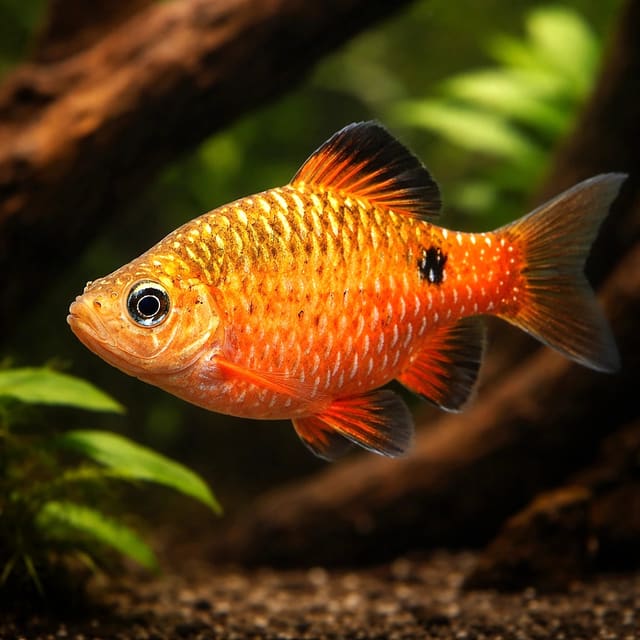
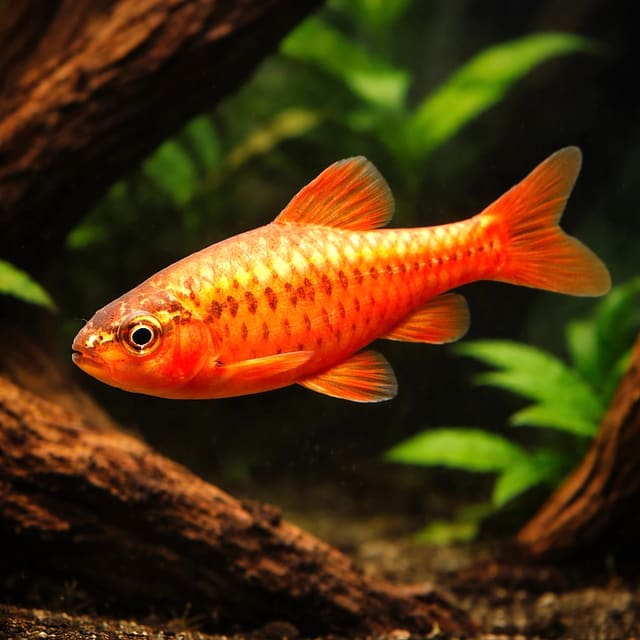
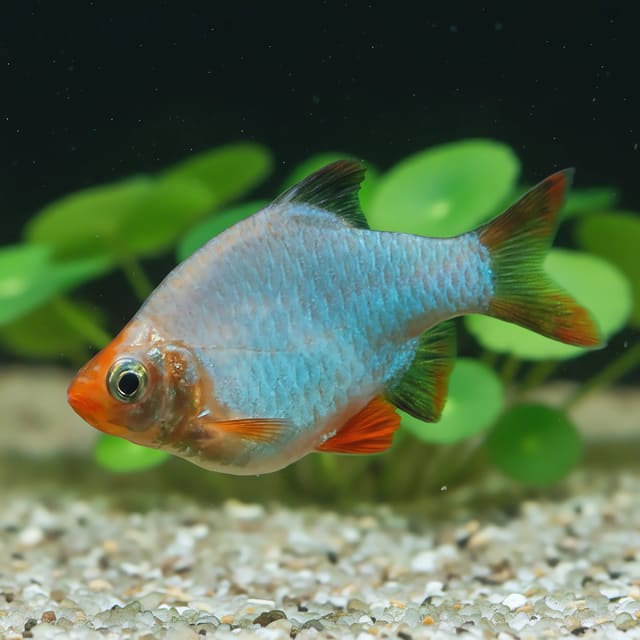
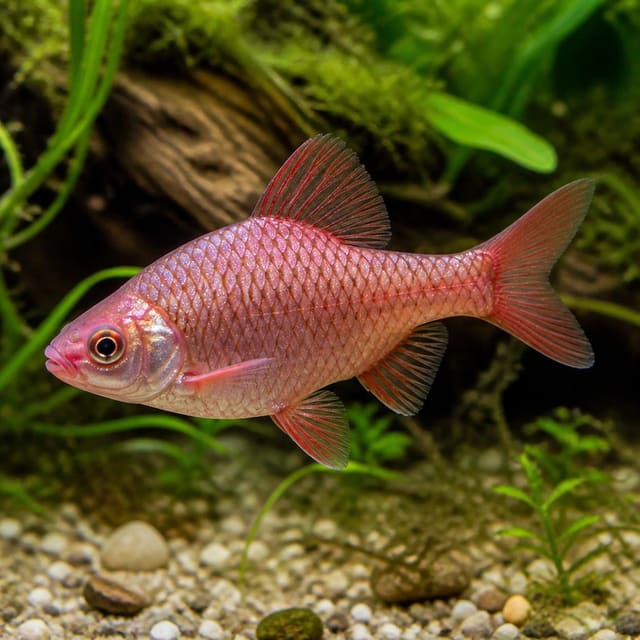
Albino Cherry Barb (Rohanella titteya)
20–27°C · pH 6–8 · 54L
£2.99

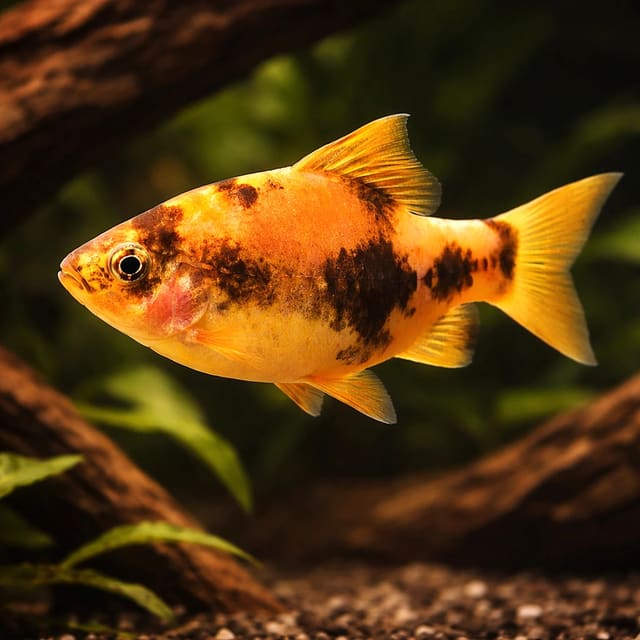
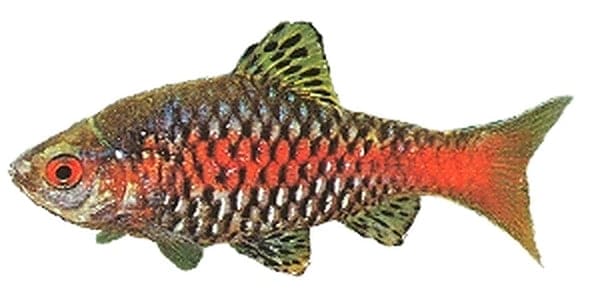
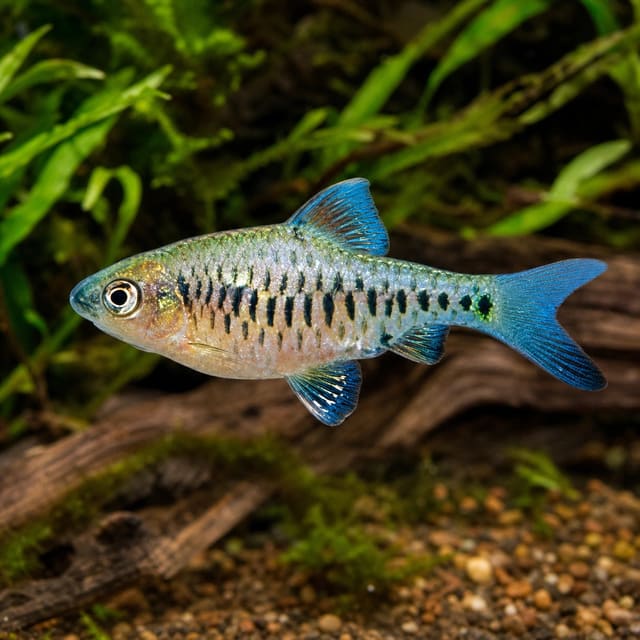
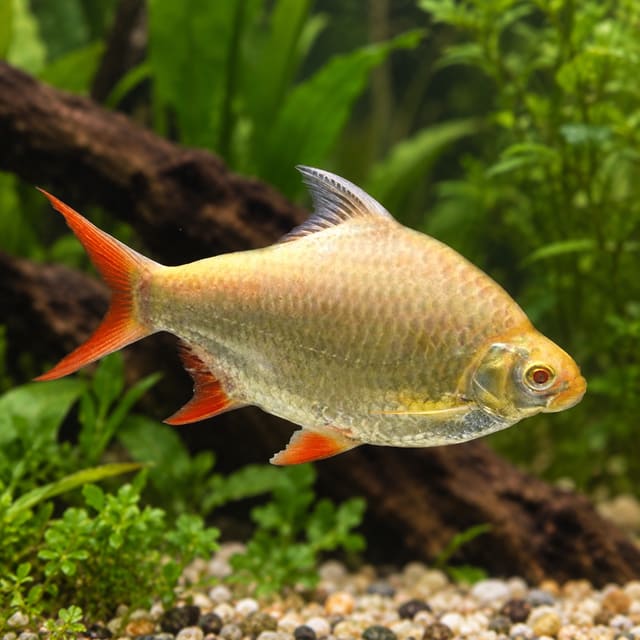
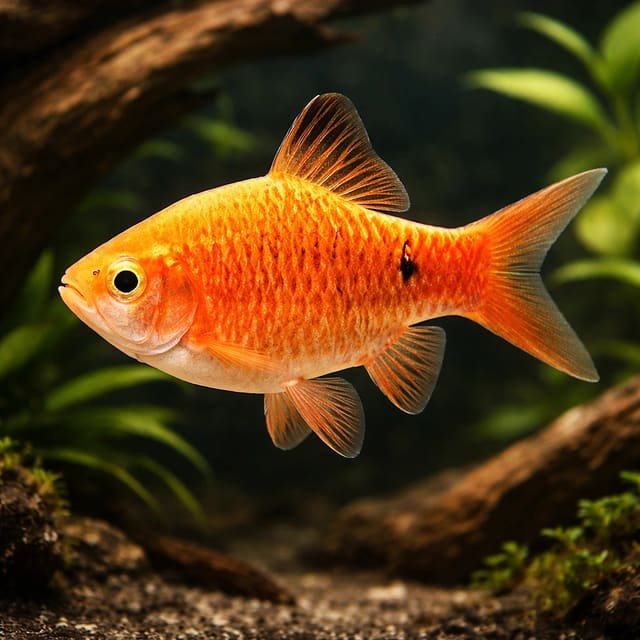
One Mahecola Barb, supplied under the Barbus mahecola trade name, with three size choices. Exact species is unconfirmed. Plan a mature aquarium with room for a group, stable water and carefully chosen companions.
Barbus mahecola (trade name; exact species unconfirmed)
Shoaling fish: kept in a group they feel safer, stay calmer and show their best colour.
One Mahecola Barb, supplied under the Barbus mahecola trade name, with three size choices. Exact species is unconfirmed. Plan a mature aquarium with room for a group, stable water and carefully chosen companions.
Maintain these water conditions for optimal health and vibrant colors
The Mahecola Barb is supplied under the trade name Barbus mahecola. This is a freshwater barb offer, with the practical appeal of a group of active fish in a carefully planned aquarium. The exact scientific species is unconfirmed: the trade name alone does not establish true Puntius mahecola, Dawkinsia filamentosa or another similarly traded barb. If a particular species, adult maximum or breeding identity is essential to your plans, establish it before ordering.
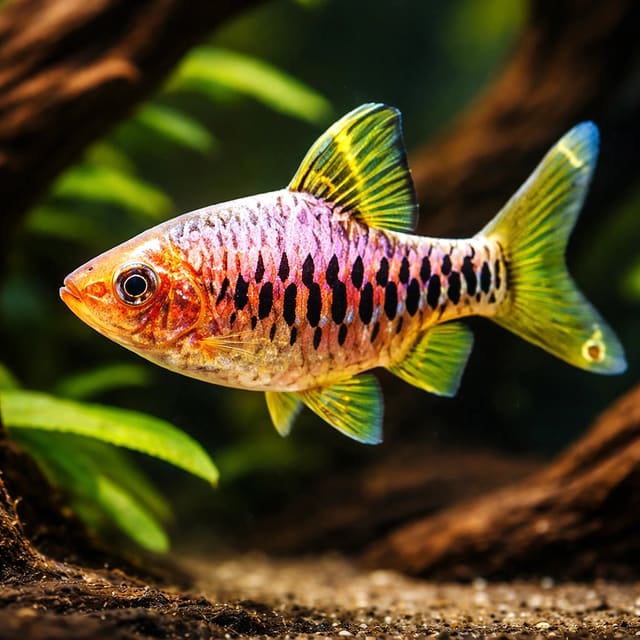
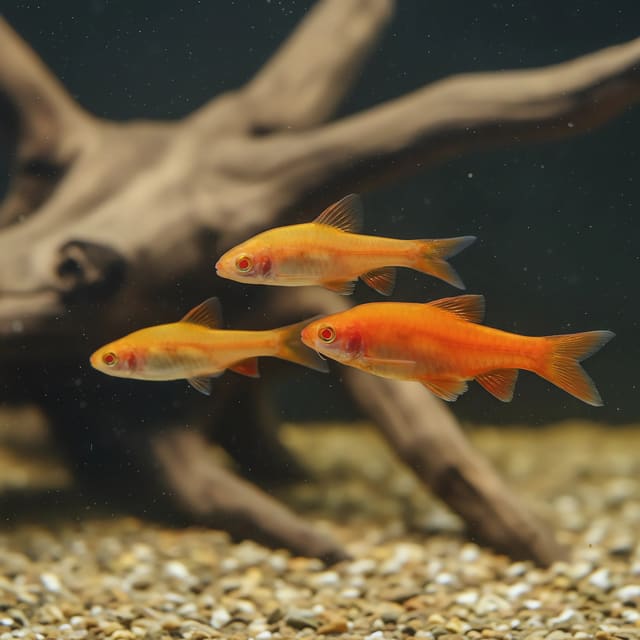
One purchase supplies one live fish of the selected size. The size choices are 3–4 cm, 4–5 cm and 5–7 cm. The size you select is the size supplied, not the adult size. Use the live selector to choose your fish and plan the complete group separately. A photo containing two fish does not change the number supplied by one purchase.
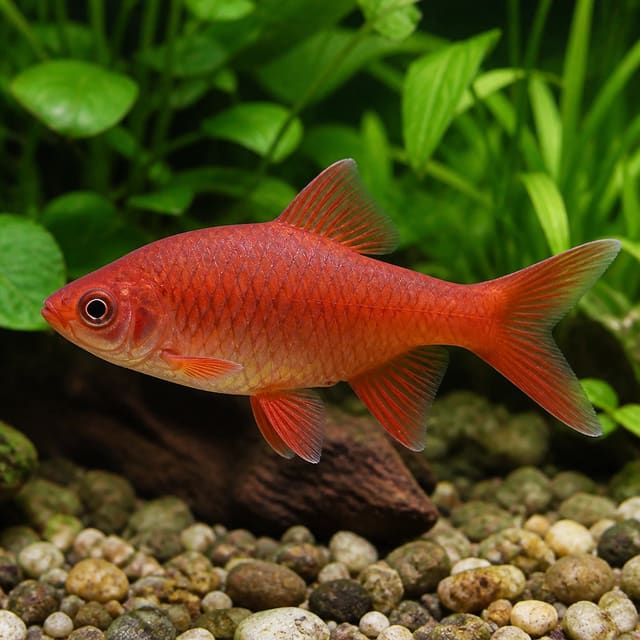
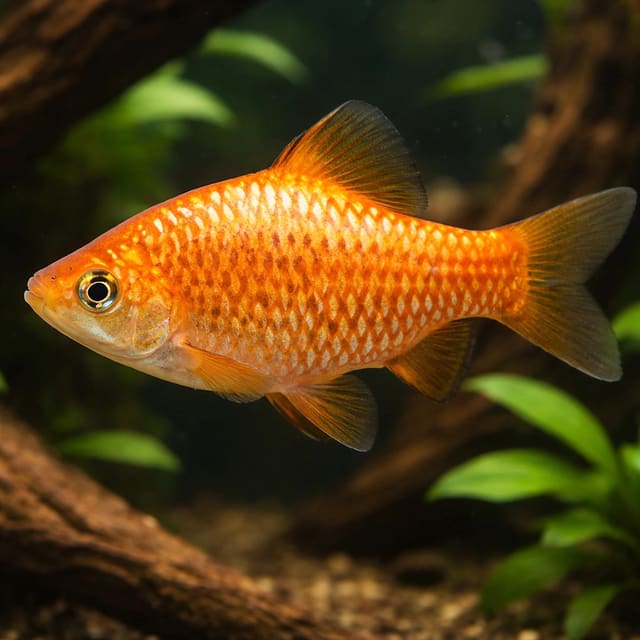
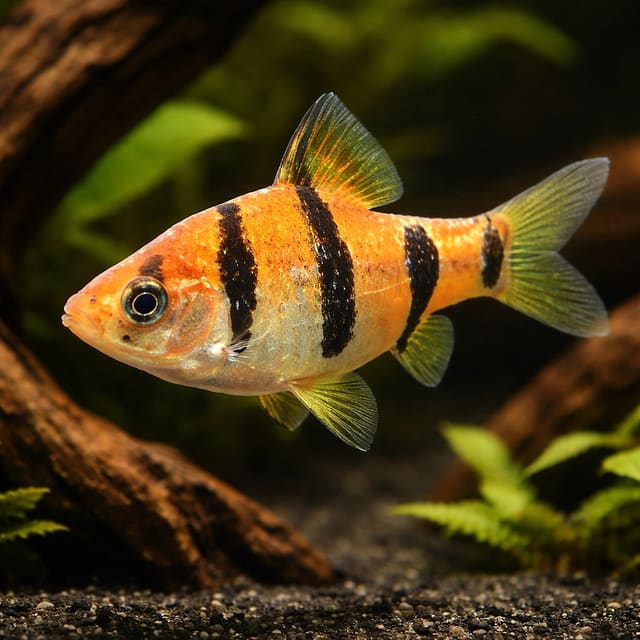
Sex is guaranteed only when the selected option explicitly states male or female. This Mahecola Barb listing has no sex-guaranteed option. The gallery is a visual guide, not a guarantee of the exact fish, colour or sex supplied.
Barbs need consideration as active, social aquarium inhabitants. A suitable home combines open swimming room, shelter, established filtration and a compatible community. Buying a small fish only works when its future accommodation is already planned. Plan for growth beyond the dispatch measurement: a tank that currently looks spacious may become crowded as its inhabitants mature.
| Suits | Needs resolving first |
|---|---|
| A prepared keeper with a mature aquarium, a group plan and time to observe feeding and behaviour. | The actual stock's adult-space needs and suitability for the proposed companions. |
| An aquarium with usable swimming space, cover and regular testing. | Any plan relying on a guaranteed species, sex or precise adult maximum. |
The barb collection is useful when comparing fish for the same aquarium role. Compare each offer's identity and adult needs as well as appearance. A shared common-name group does not mean two fish require the same space or have the same temperament.
Names in the aquarium trade can outlast changes in scientific understanding. The primary revision by Pethiyagoda and Kottelat established that true Puntius mahecola is distinct from the fish historically called Puntius filamentosus. That matters when choosing care information: a page about one cannot automatically become a care sheet for the other simply because an older name record connects them.
This offer retains the supplier's Mahecola name. The following advice concerns barbs as a group and the general work of keeping an aquarium; it is not a confirmed species-specific prescription. No precise adult maximum or minimum aquarium volume is assigned here. In particular, the size of the fish supplied should never be used as a permanent space allowance.
For a stocking decision, bring together your tank dimensions, current inhabitants, water readings and intended group. An identity-sensitive breeding project needs more than a trade label or an attractive photograph. Confirmed stock information is more useful than trying to choose between conflicting species pages yourself.
OATA's barb care sheet gives broad guidance of 20–27°C, pH 6.0–7.5, general hardness 4–12 dGH and carbonate hardness 3–10 dKH. OATA notes that some barbs need cooler water and asks keepers to check species-specific requirements. Treat these figures as a starting framework for discussion about the actual stock, not a verified optimum for this Mahecola trade fish.
| Measurement | General barb guidance from OATA |
|---|---|
| Temperature | Usually 20–27°C; some species need cooler water |
| pH | 6.0–7.5 |
| General hardness | 4–12 dGH |
| Carbonate hardness | 3–10 dKH |
| Ammonia and nitrite | Zero mg per litre |
| Nitrate | No more than 20 mg per litre above the normal tap-water level |
Measure both the aquarium and the water used for changes. Clear water can still contain harmful waste, and a heater dial does not establish the actual water temperature. Keep a thermometer and suitable test kits accessible so these checks become part of ordinary care. Write down readings alongside water changes, feeding changes and additions to the aquarium.
The water chemistry guide explains what the measurements mean. The water matcher can help compare readings with guidance, but matching measurements are only one part of assessing compatibility. Space, behaviour and feeding still need their own assessment.
Use tap-water conditioner as directed to address chlorine or chloramine before adding replacement water. Plan how you will maintain suitable conditions over repeated water changes, rather than making an adjustment only on the day the fish arrive. If your source water is difficult to use consistently, resolve the preparation method before purchasing livestock.
Unexpected readings are easier to investigate when you have a record. Check that the test was performed correctly, inspect equipment and obtain advice with the results available. Avoid making several unrelated changes at once without understanding what is wrong. The aim is a suitable environment you can maintain reliably.
OATA describes barbs as active fish needing swimming space as well as cover. Its examples range from small species to much larger barbs, so there is no single aquarium volume that works for every fish carrying the name. Finalise the space needed for the actual Mahecola stock and its adult group before using this listing to fill a particular gap in an aquarium.
Look at usable horizontal space, not just the litres on the tank label. Decoration should allow fish to pass one another and withdraw from attention. A narrow route controlled by one individual may be less useful than it appears when the aquarium is empty. Leave room to observe the animals and reach the substrate during cleaning.
Sand or aquarium gravel can support a layout with plants or suitable ornaments offering shelter. OATA notes that some barbs eat plants, so planting is not automatically protected from every member of the group. Select decoration for the fish and keep clear routes through the aquarium. Check that any gaps remain safe and usable as the inhabitants grow.
A lid is recommended in OATA's general barb guidance because these fish may jump. Fair water movement and additional aeration also feature in that guidance. Choose and position equipment for the whole aquarium, checking that the flow, heating and access for maintenance work together. Site the tank away from direct sunlight, draughts and other avoidable sources of disturbance.
The RSPCA explains that fish produce toxic ammonia. In a working biological filter, bacteria process ammonia into nitrite, which is also toxic, and then into the less harmful nitrate. A newly installed filter must mature before it can reliably process the aquarium's waste. Suitable test results and a mature filter are essential before stocking.
The first tropical tank guide helps organise preparation. Read it before ordering if the aquarium is new. Allow the system to mature and verify its condition rather than relying on an arbitrary number of days since filling. A tank can look ready while still being unable to cope with fish waste.
Adding fish and increasing food both raise the waste load. OATA warns against stocking too quickly because the filter's bacterial population must adjust. Plan additions with the social needs of the fish and the filter's capacity considered together. A group-oriented species should not become an excuse to overload an immature system.
OATA recommends a partial water change of 25% at least weekly for barbs and water testing at least once a week. This is general guidance; the actual aquarium and its results determine whether additional work is needed. Use the change to remove settled waste and inspect areas where debris gathers around decoration.
Check filters for blockages and follow the equipment instructions when servicing them. OATA advises lightly rinsing biological media in water removed from the aquarium rather than under the tap, where chlorine or chloramine can damage the useful bacterial population. Cleaning should restore flow while preserving the filter's biological function.
After maintenance, confirm that filtration, heating and aeration are running correctly. Check the actual temperature, look for trapped fish and make sure decoration remains secure. A finishing check is a useful safeguard when equipment has been unplugged or items moved. Record the work and any unexpected observations with your test readings.
During everyday observation, look at each fish rather than only the most visible members of the group. OATA highlights changes in swimming, breathing, appetite, colour, fins, scales and body condition. A fish staying away from food or hiding much more than usual deserves attention even when the other inhabitants seem normal.
If something changes, test the water and seek appropriate advice. Note when the problem began, whether other fish are affected and what your readings show. These details are more useful than selecting a treatment from a single symptom. This guide does not prescribe medicines or a disease treatment schedule.
OATA describes most barbs as omnivorous and recommends a suitable good-quality flake or granule, with appropriate live or frozen foods contributing variety. Some barbs have different dietary needs. Confirm the food accepted by this stock and an appropriate staple before purchase; the trade name does not justify a precise species diet or a feeding recipe.
Food size matters as well as the label on the packet. Watch whether each fish can take and swallow the food comfortably. A fish joining the rush at feeding time may still lose out to faster or larger neighbours. Observing the quieter individuals helps reveal whether the routine is working for the whole group.
OATA's general barb guidance is to offer what the fish can consume within a few minutes once daily. Apply feeding advice suitable for the actual stock and food, and observe the result. Uneaten food falling behind decoration becomes waste; it is not evidence that the fish have had a successful meal. Remove leftovers and adjust the portion when necessary.
Diet and compatibility meet at feeding time. A community with very different food requirements or feeding speeds can be awkward to maintain even when the water values overlap. Check that every inhabitant can eat suitably without repeated displacement. Simply adding more food may increase waste while leaving the same fish excluded.
Follow changes in appetite together with body condition and behaviour. If a new arrival misses meals, check its access to food and the attention it receives from other fish, as well as water quality. Clear observations help distinguish a feeding-access problem from something requiring further investigation.
OATA recommends keeping barbs in groups of at least five, with larger groups often preferable where the aquarium supports them. This is broad barb guidance, not a verified exact group requirement for this trade fish. Finalise a suitable group and space plan for the actual stock. One fish is the retail unit; it is not a recommendation to keep the animal alone.
Some barbs are assertive or nip fins, so a blanket peaceful-community promise would be misleading. Until the stock's behaviour and adult needs are established, use particular caution with slow-swimming, timid or long-finned fish. Larger barbs also need assessment against companions small enough to fit into their mouths. An aquarium must meet the needs of its most vulnerable inhabitant as well as its most confident one.
Check maintained water conditions, adult space and feeding needs before deciding on companions. Similar present size does not ensure similar growth, and a common label such as community fish does not describe every interaction. Introductions need observation and a suitable response if an individual is repeatedly pursued, prevented from eating or unable to rest.
If you are considering a different barb for a quiet community, OATA specifically names cherry barbs among the generally peaceful smaller species. The Cherry Barb listing is a useful alternative to research for that purpose. This comparison offers a different stocking choice; it does not recommend mixing the two.
Keep any breeding plan separate from an ordinary community purchase. The offer does not guarantee sex, a pair or a verified breeding identity. A deliberate breeding project needs confirmed animals and appropriate accommodation, with a plan for adults and offspring. A photograph showing two fish cannot establish any of those conditions.
Read the current delivery and Live Arrival Guarantee policy before arrival. Tropical Fish Co hand-bags fish with pure oxygen, uses insulated packaging and adds heat packs when conditions require them. A licensed live-animal courier carries the parcel. The confirmed Thursday or Friday delivery date and tracking are sent by email; someone must be there to receive live fish.
For a Live Arrival Guarantee claim, make a continuous video showing the parcel still sealed, its opening and the fish still inside the sealed bag. Open and inspect the parcel on its arrival day. If something is wrong, contact the team that day with the order number and video. This records arrival condition for the claim.
Have the prepared aquarium ready and follow the supplied acclimatisation instructions. The store guidance includes floating the bag for 20–30 minutes and keeping transport water out of the aquarium. If the fish appears distressed or you are uncertain how to proceed, contact the team promptly. Observe the fish after introduction and through its early meals, checking both water quality and how established inhabitants respond.
An adult maximum is not confirmed for this trade-named fish. Establish the actual stock's adult-space needs before choosing it for an aquarium with limited room. The supplied size is not a reliable guide to its final space requirement.
Plan a mature, filtered aquarium with swimming room and shelter for an appropriate group. There is no verified exact minimum volume for this offer. Check the actual stock and complete adult community before settling on a tank size.
OATA recommends groups of at least five for barbs generally, with more where space permits. That is group guidance, not a verified exact requirement for this trade fish. Agree a suitable group and aquarium plan before purchase.
A beginner needs a mature aquarium, reliable testing and a clear plan for the actual fish's adult size, group and companions. The unresolved trade identity makes checking those details especially important. No simple care rating is assigned here.
Confirm an appropriate staple and the food accepted by the actual stock. OATA recommends suitable flake or granules for most barbs, with appropriate variety, and portions eaten within a few minutes once daily as general guidance. Remove leftovers.
OATA's broad barb guidance is usually 20–27°C, pH 6.0–7.5 and general hardness 4–12 dGH; some species need cooler water. These are not verified species-specific targets for this trade fish. Confirm the actual stock's needs before finalising the aquarium.
Barbs vary in temperament. Use caution with timid, slow-swimming or long-finned companions, and with fish small enough to be swallowed. Check adult space, water, feeding and the actual stock's behaviour rather than relying on a blanket peaceful label.
Tropical Fish Co uses oxygenated bags, insulated packaging and heat packs when required, with a licensed live-animal courier. Be present on the confirmed delivery day. A Live Arrival Guarantee claim needs same-day contact and a continuous unboxing video showing the sealed parcel being opened and the fish in its sealed bag.
OATA's barb care sheet covers the general care framework. The RSPCA aquarium environment guide explains filtration. For the scientific naming issue, see Pethiyagoda and Kottelat's revision of Puntius mahecola; it does not identify the fish supplied under this trade name.
No reviews for this item yet. Bought one? Honest reviews only, good or bad.
What customers say about ordering from us
I have a small group of long finned mountain minnows. So was delighted to be able to order ten of this variety to increase the genetics in my tank . The ones I recieved are healthy but it’s to early to give a verdict on wether they are of a long finned type since they are small currently.
Gordon Walker · 23 Sept 2026
100% success travel and "installation". Pleased with quality of purchase. The Siamese fighter a bit "shy" so have not yet seen him at his best yet but looking good. Happy customer. GG
George E Garratt · 21 Sept 2026
Reviews of our shop, collected by Judge.me, an independent third-party review collector. Newest first.