Moderate
Bristlenose Pleco (Ancistrus sp.)
22–27°C · pH 6–8
£3.99
The L149 Bristlenose Pleco is a small Ancistrus from the middle Orinoco in Venezuela, listed by Planet Catfish as the Red Seam Bristlenose and sometimes traded as Ancistrus brevifilis. It grows to about 10–12 cm, grazes algae and biofilm, and suits a 100 cm aquarium at a steady 25–26°C with caves and wood. Sold individually as one live fish.
Ancistrus sp. (L149)
The L149 Bristlenose Pleco is a small Ancistrus from the middle Orinoco in Venezuela, listed by Planet Catfish as the Red Seam Bristlenose and sometimes traded as Ancistrus brevifilis. It grows to about 10–12 cm, grazes algae and biofilm, and suits a 100 cm aquarium at a steady 25–26°C with caves and wood. Sold individually as one live fish.
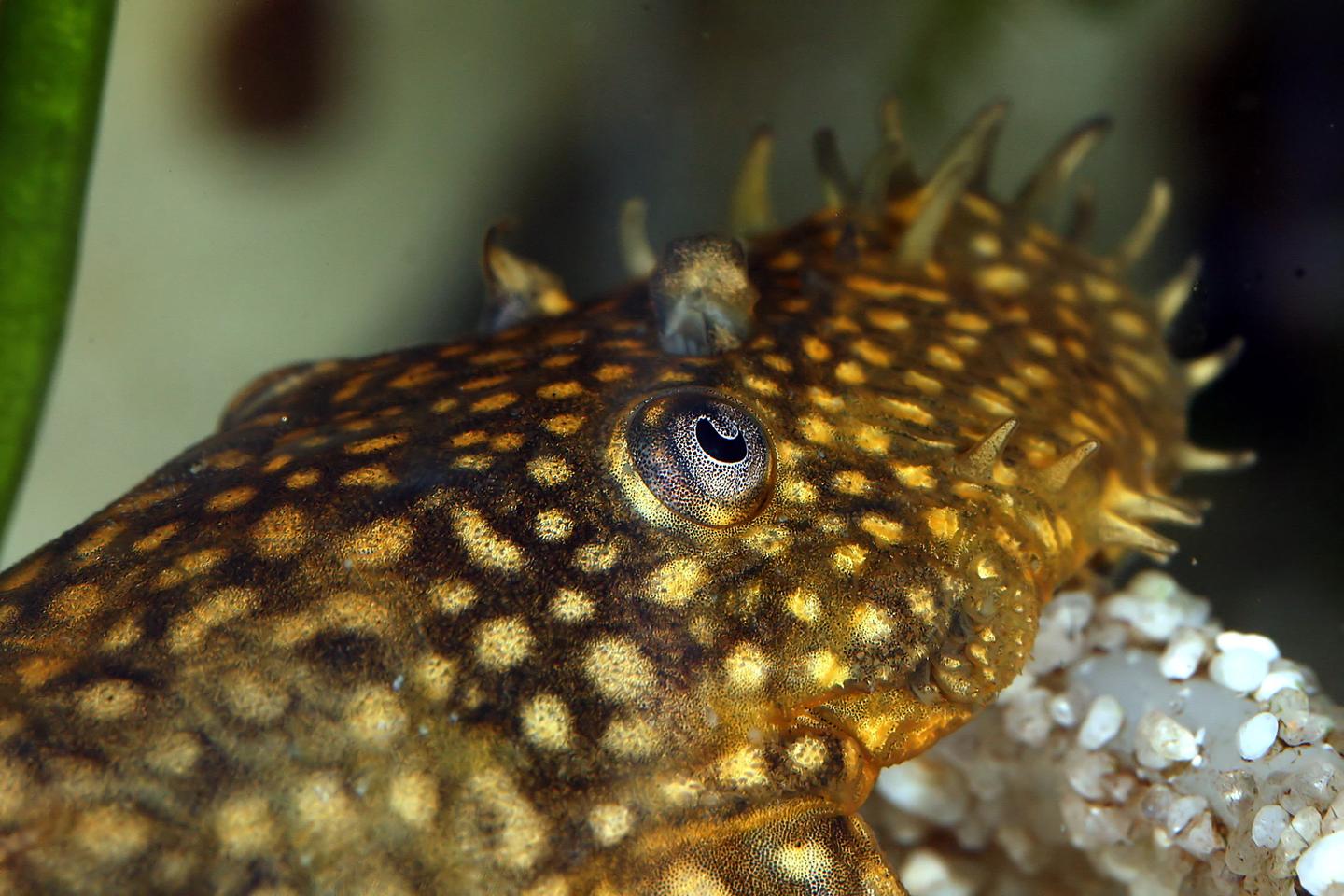
For one typical common bristlenose, start with a mature, filtered aquarium of at least 90 litres, useful floor area, wood and cover. OATA reports about 15 cm adult length, 22-27°C, pH 6-8 and 4-12 dGH. Confirm the exact trade identity before applying species-level claims.
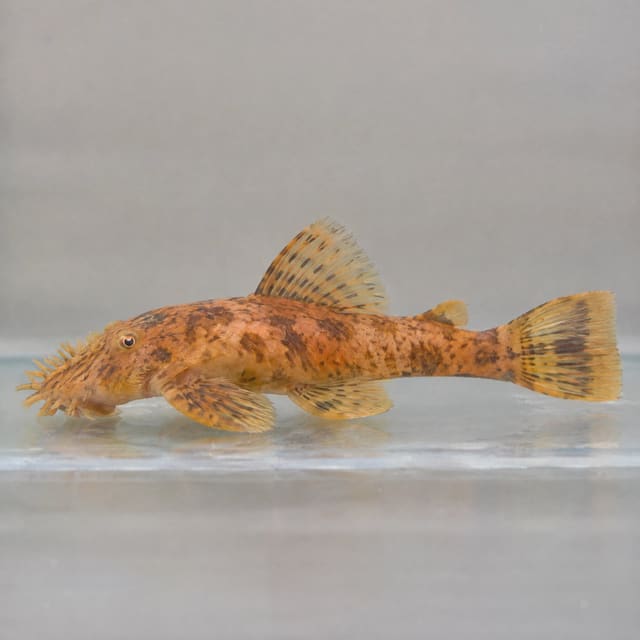
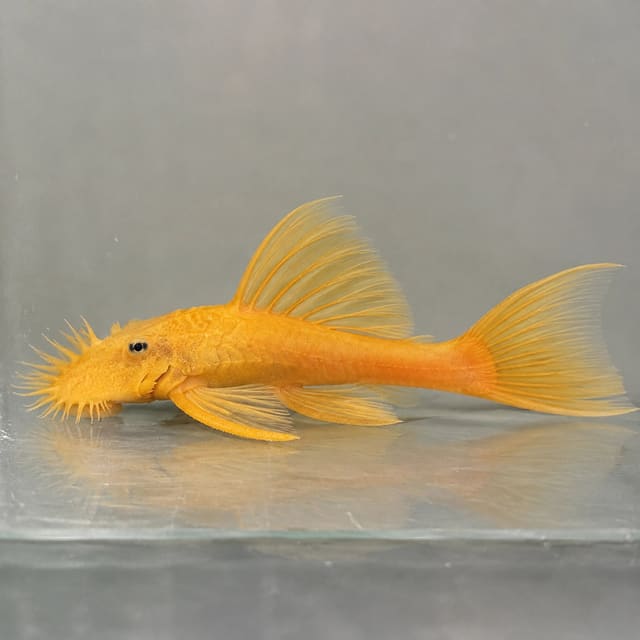
The L149 Bristlenose Pleco is a small, undescribed species of Ancistrus, the genus of bristlenose or bushynose plecos. Planet Catfish lists it as Ancistrus sp. (L149) with the English name Red Seam Bristlenose and places it in the Orinoco, and the Welsfans L-number database gives its home more precisely as the middle Río Orinoco basin near Puerto Ayacucho, in Amazonas state, Venezuela. It is a compact grazer of about 10–12 cm, and mature males grow the soft, branching tentacles on the snout that give bristlenoses their name.
Like other bristlenoses it spends its day on wood, rock and glass, rasping off algae and biofilm, and it shelters in a cave or crevice. That makes the L149 bristlenose pleco a useful, peaceful bottom dweller for a mature community aquarium of 100 cm, provided it gets its own vegetable-rich food as well as what it grazes.
| Name | What the sources say |
|---|---|
| L149 / Ancistrus sp. (L149) | Planet Catfish: Red Seam Bristlenose, Orinoco, 100 mm SL. Welsfans: middle Orinoco near Puerto Ayacucho, about 12 cm |
| Ancistrus brevifilis | A described species (Eigenmann, 1920) from the Tuy river basin on the Caribbean coast of Venezuela; Planet Catfish lists it separately, at 118 mm SL |
| Bristlenose / bushynose pleco | The common names for the whole genus, from the males' snout tentacles |
This fish reaches the trade under both names, so here is what we know. The reference sources do not link them: Planet Catfish keeps L149 and A. brevifilis as two separate fish from two different river systems. Planet Catfish describes A. brevifilis as light brown with a darker net-like pattern over the body and fins and white tips to the upper and lower tail lobes in all but the largest adults, and its name refers to its short tentacles. Both are small Venezuelan bristlenoses with very similar care, and this page gives the values for both wherever they differ. Browse more bristlenoses in our Ancistrus bristlenose plecos category, our bristlenose plecos collection, every coded catfish in our L-number plecos range, the wider South American catfish category and our full catfish and plecos range.
One purchase supplies one live L149 Bristlenose Pleco at the standard size offered on this listing, usually a young fish below adult size. Sex is not specified, and young fish are hard to sex until the males' tentacles start to grow.
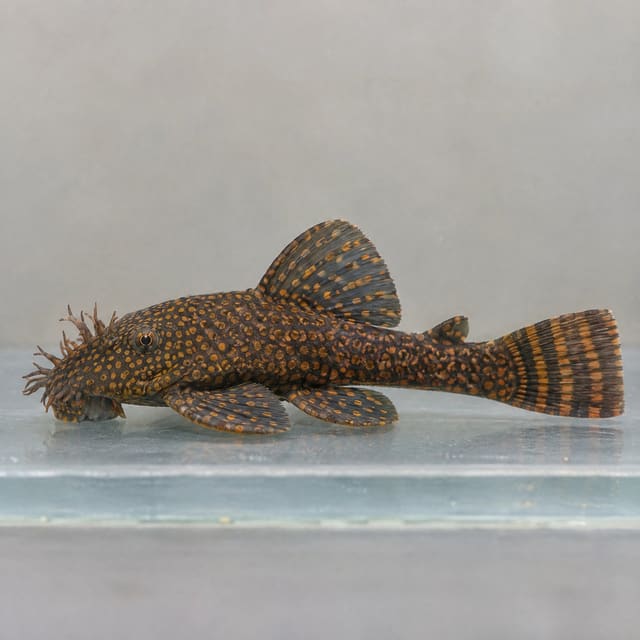
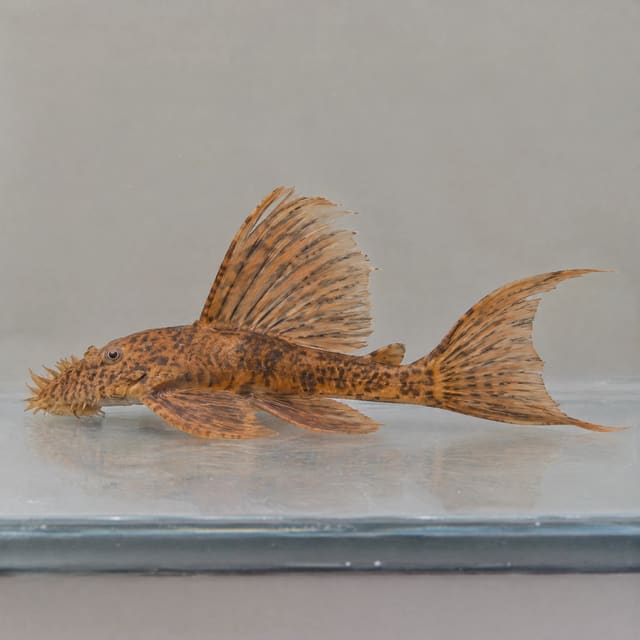
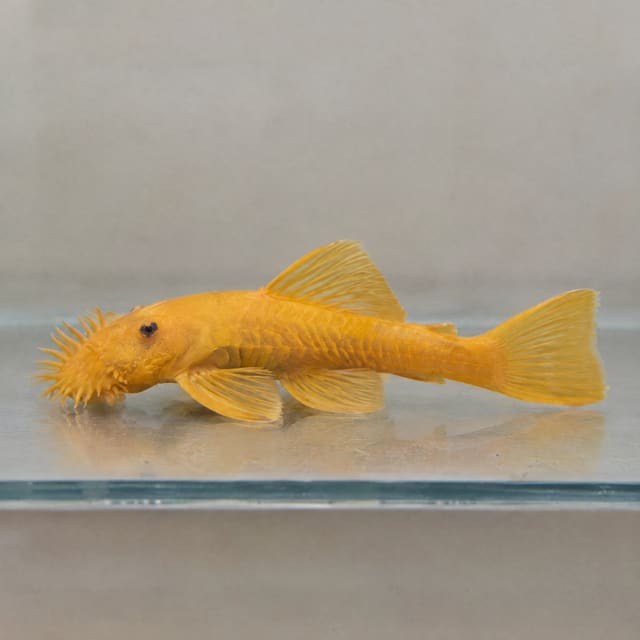
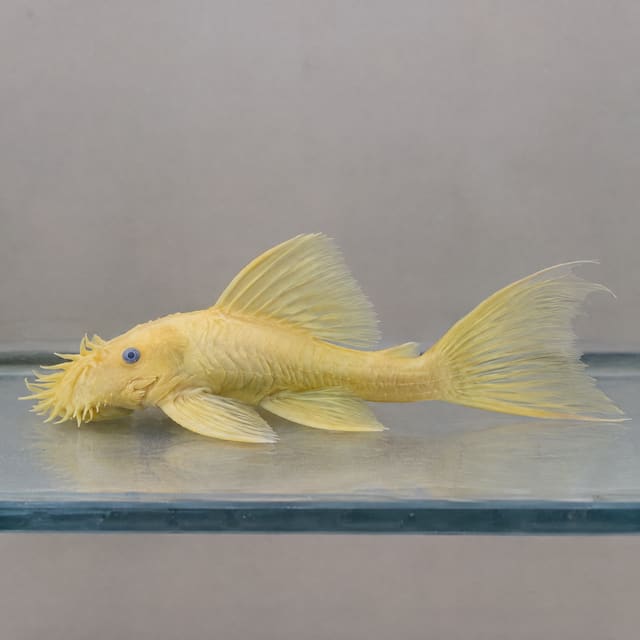
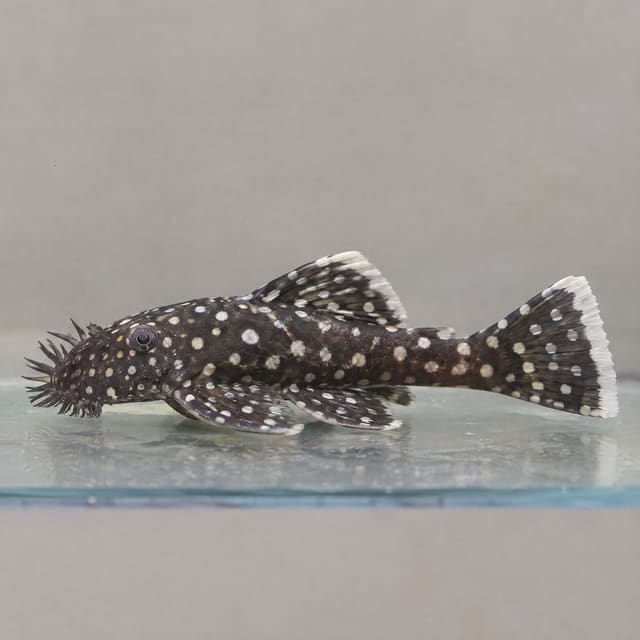
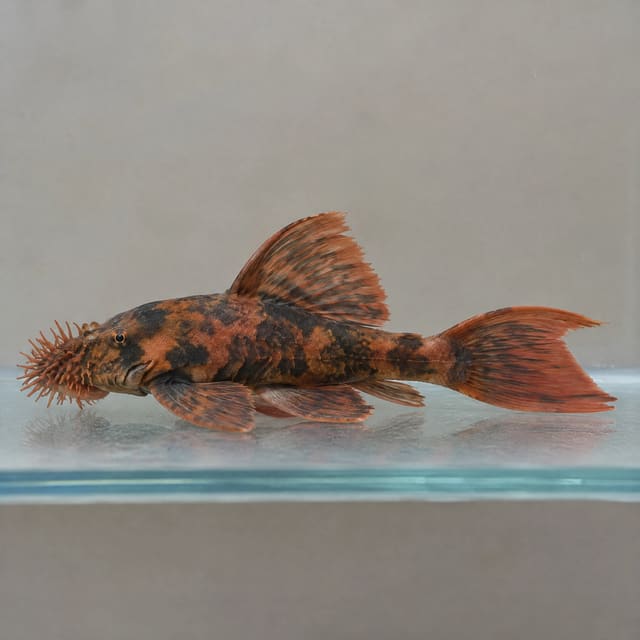
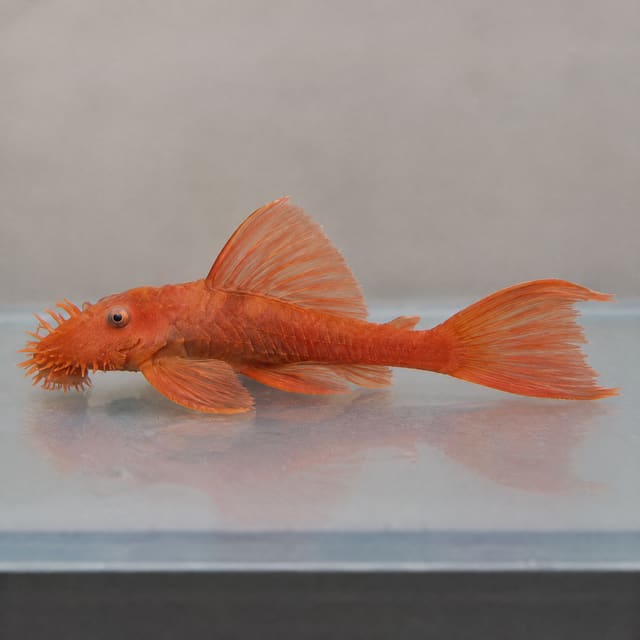
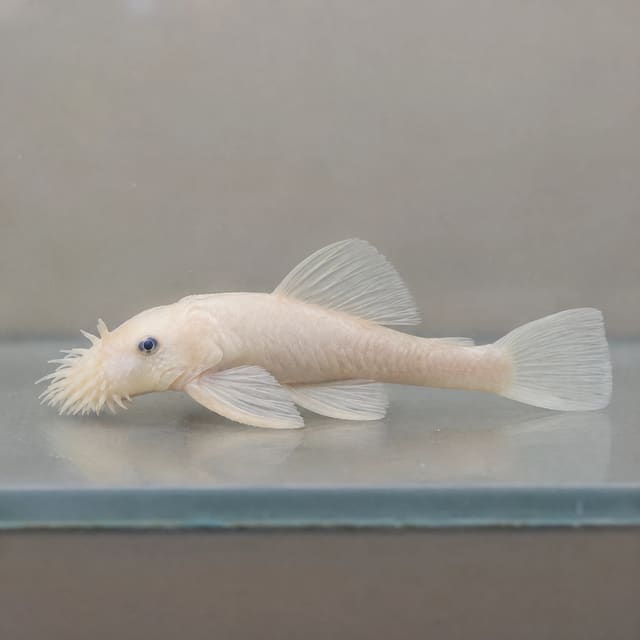
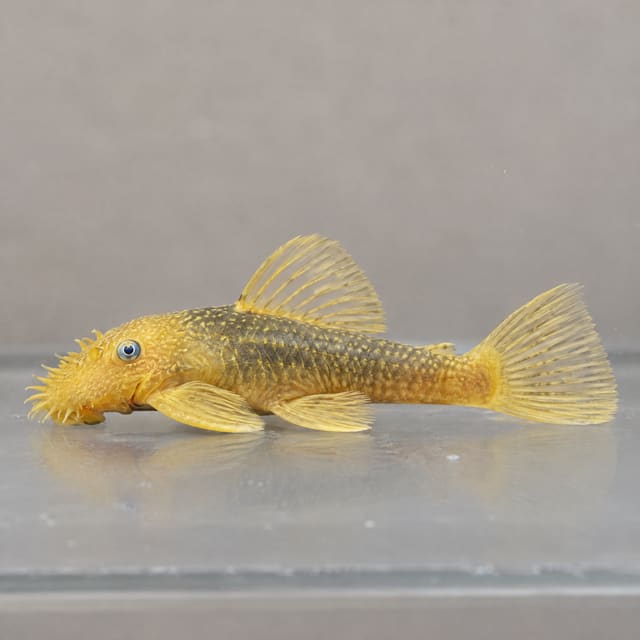
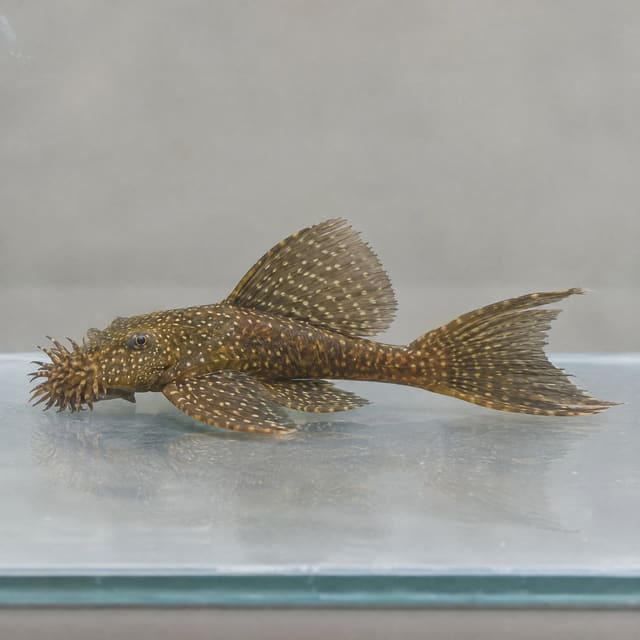
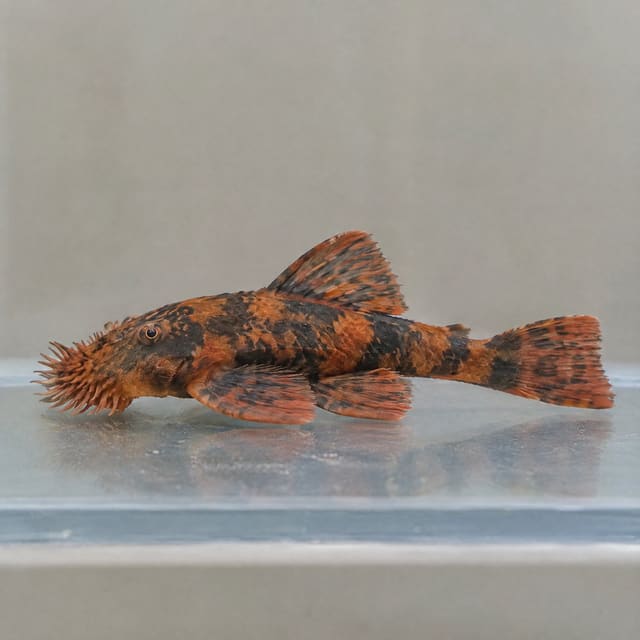
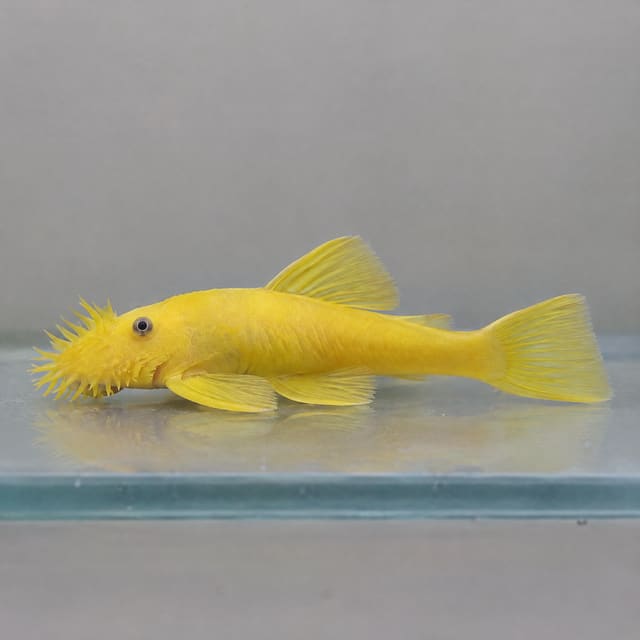
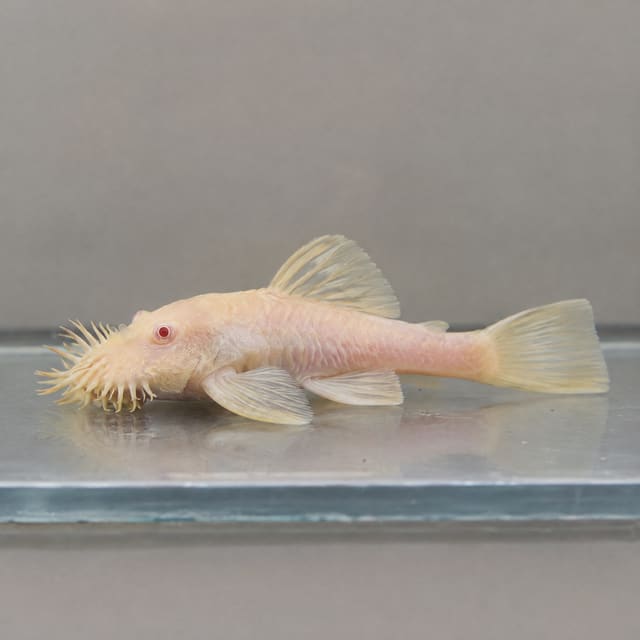
The photographs show the type of fish, not the individual you will receive. Spotting, background colour and fin markings vary from fish to fish and change with age and mood, so expect some difference from the pictures.
Before ordering, read our delivery and Live Arrival Guarantee information and make sure the aquarium is fully cycled and at temperature.
Welsfans recommends a tank of 100 cm for L149. Bristlenoses are small, but they are territorial about caves and produce a fair amount of waste, so a longer tank gives each fish its own corner and keeps water quality more stable. OATA's catfish care sheet suggests at least 80 litres even for the smaller plecos and advises buying the largest aquarium you reasonably can, because bigger tanks hold temperature and water quality more steadily.
Our stocking calculator helps you check how many fish your tank can carry, and our bristlenose pleco care guide and Ancistrus pleco guide cover the basics shared by the whole genus.
Planet Catfish describes a good furnishing for A. brevifilis: a sand floor, rocks arranged into a few caves, and driftwood forming an imitation river bank, with clear water and a fairly strong current. The same layout suits L149. Wood is useful for any bristlenose, giving shelter, a grazing surface and a place where biofilm grows. Robust plants such as Java fern and Anubias grown on the wood work well, because the fish grazes over them without uprooting them.
| Area | Purpose |
|---|---|
| Sand or fine gravel floor | Protects the mouth and barbels, as OATA recommends for all catfish |
| Rock caves or clay tubes | Daytime shelter and, later, spawning sites; one per fish plus a spare |
| Driftwood roots | Grazing surface, cover and broken lines of sight |
| Plants on the wood | Cover for mid-water fish and more surface for biofilm |
| Open front area | A feeding spot where you can see that the pleco eats |
Place rocks and caves on the glass before adding sand so they cannot shift, and check that every opening is just large enough for an adult to enter.
Because two names reach the trade, here are both sets of values. For L149, Welsfans gives 25–29°C and a pH of 5.5–7.5. For A. brevifilis, Planet Catfish gives 21–25°C and pH 6.5–7.5, with clear, neutral, soft to medium-hard water, and ScotCat gives 22–27°C and pH 6.0–7.5. A steady 25–26°C and a pH of 6.5–7.5 suit both names, so we suggest them.
| Reading | Target |
|---|---|
| Temperature | 25–26°C, held steady |
| pH | 6.5–7.5 |
| General hardness | Soft to medium-hard |
| Ammonia | Zero mg/l |
| Nitrite | Zero mg/l |
| Nitrate | No more than 20 mg/l above your tap water |
The waste limits come from OATA. They answer a different question from pH and hardness: water can be inside the right pH range and still unsafe because ammonia or nitrite has built up.
Many UK supplies sit near neutral, which suits this fish well. Very hard, alkaline tap water, common in much of southern and eastern England, can be blended with reverse-osmosis water to bring it closer to 7.0; your water company publishes the hardness for your postcode. Always treat tap water with a conditioner that removes chlorine and chloramine. Our water matcher compares your readings with this range, and our water chemistry guide explains each reading.
Planet Catfish's notes on A. brevifilis ask for clear water with a fairly strong current, and good oxygen suits all bristlenoses. Use a filter rated for the full tank volume with an outlet that moves water along the length of the tank, and fit a heater guard so the fish cannot rest against the heater.
If ammonia or nitrite reads above zero, test again and review how much you are feeding before changing anything else.
Planet Catfish says Ancistrus should be fed mainly on vegetarian foods: algae wafers and spirulina-based sinking foods, with courgette and cucumber as excellent additions and the odd small amount of meatier food. Welsfans also describes L149's diet as mostly vegetarian. For A. brevifilis, Planet Catfish suggests vegetables and algae wafers, with frozen or live food once a week.
Grazing in the tank is a bonus, not a meal. A bristlenose living on algae alone in a clean aquarium soon goes hungry, so check that the belly stays rounded. Our algae control guide explains why a pleco helps with algae but cannot replace good lighting and maintenance.
Add your L149 only to a fully cycled aquarium at 25–26°C, with ammonia and nitrite at zero and the caves already in place. OATA recommends the floating-bag method: switch the aquarium lights off, float the sealed bag for about 10 minutes so the temperatures match, then add small amounts of tank water to the bag over up to 20 minutes before releasing the fish with as little bag water as possible. Catfish should be double-bagged because their spines can puncture a bag, and the hooked cheek spines of Ancistrus snag in nets, so guide the fish into a container instead. Our guide on how to acclimatise new fish walks through each step.
| Checkpoint | What to do |
|---|---|
| Before release | Test ammonia, nitrite, temperature and pH; make sure the caves and wood are in place |
| First evening | Lights off; drop half an algae wafer near the caves |
| Days 2–3 | Look for it at dusk and for fresh grazing trails on the glass |
| Day 4 | Retest ammonia and nitrite |
| End of week | Do a water change and check the belly is rounded |
Expect it to hide for the first few days. Refusing food, heavy breathing or a hollow belly after the first week are reasons to test the water and contact us.
Planet Catfish calls L149 a good complement to most aquariums and not aggressive to other species, suitable with most community fish that are not overly big or aggressive. The one warning is about its own kind: males may fight over territory if the tank is too small. Welsfans recommends keeping it in small groups, although a single fish is also fine.
Good companions share 25–26°C and leave the floor to the plecos. Small Amazonian characins such as the Cardinal Tetra and the Rummy Nose Tetra fill the mid-water, and a peaceful warm-water cory such as the Sterbai Cory shares the floor without competing for caves. Check every combination with our tank mates tool.
| Suits | Avoid |
|---|---|
| Small to medium tetras and pencilfish | Large or aggressive fish that can harass a small pleco |
| Peaceful Corydoras that share the warmth | Several males in a small tank |
| Dwarf cichlids in a tank with enough caves | Other cave-dwelling plecos without spare caves |
| Gouramis and rasboras that share 25–26°C | Fish that need cool water |
Compare it with other bristlenoses we sell: the classic Bristlenose Pleco, the L144 Lemon Bristlenose Pleco, the L213 Bristlenose Pleco and the L059 Bristlenose Pleco.
Bristlenoses are generally hardy once settled. Most problems start with water quality or hunger. OATA lists the warning signs to watch for in catfish: clamped fins, flicking against gravel or décor, shimmying, changes in breathing, colour or appetite, and hiding more than normal.
| If you see | Do this |
|---|---|
| Hollow belly | Feed vegetable-rich food after lights-out near its cave |
| Fast breathing or resting high on the glass | Test ammonia and nitrite and increase surface movement |
| Clamped fins, flicking or shimmying | Test the water, do a water change and look for parasites |
| White spots on body or fins | Test the water and treat for white spot with a catfish-safe medicine |
| Torn fins on males | Add caves or reduce the number of males |
| Pale colour and hiding all day | Check the temperature and water quality first |
Do not diagnose from one sign alone. Test first, then change one thing at a time, and read every medicine's label for warnings about catfish.
Planet Catfish lists breeding of L149 as unreported in the aquarium, and Welsfans lists it as unknown, so there is no published account for this fish. Bristlenoses as a group are the catfish most likely to breed at home, according to OATA, and they follow a well-known pattern that ScotCat describes for A. brevifilis: the male chooses and cleans a cave, the female lays a cluster of eggs inside, and the male guards them. After hatching, the fry cling to the cave walls and live on their yolk sac for around four to seven days, then need tiny foods such as infusoria, vegetable matter, brine shrimp nauplii or microworm.
Not according to the reference sources. The trade sometimes sells L149 under the name Ancistrus brevifilis, but Planet Catfish keeps them as two separate fish: Ancistrus sp. (L149) from the Orinoco, and A. brevifilis from the Tuy river basin on the Caribbean coast of Venezuela. Both are small Venezuelan bristlenoses with very similar care.
Planet Catfish gives 100 mm standard length (body length without the tail) and Welsfans about 12 cm total length. For A. brevifilis, Planet Catfish gives 118 mm and ScotCat 10.5 cm. Expect an adult of roughly 10–12 cm.
Welsfans recommends a tank of 100 cm for L149. That length gives room for a cave per fish and enough water to keep conditions stable.
Welsfans gives 25–29°C for L149. A. brevifilis is a cooler fish: 21–25°C on Planet Catfish and 22–27°C on ScotCat. A steady 25–26°C suits both names, which is why we suggest it.
It grazes algae and biofilm, but it still needs its own food. Planet Catfish says Ancistrus should be fed mainly on vegetarian foods such as algae wafers, spirulina-based sinking food, courgette and cucumber, with a small amount of meatier food.
Yes, with enough room. Welsfans recommends small groups, although one fish on its own is also fine. Planet Catfish warns that males may fight over territory in a tank that is too small, so give every fish its own cave.
By the tentacles on the head. Planet Catfish and Welsfans say males grow more and longer soft tentacles; females may have short ones along the edge of the mouth, but never to the same extent.
There is no published breeding report for L149. Bristlenose plecos as a group spawn in caves, with the male guarding the eggs and fry, and OATA describes bristlenoses as the catfish most likely to breed in a home aquarium.
No reviews for this item yet. Bought one? Honest reviews only, good or bad.
What customers say about ordering from us
Easy website plenty of info on fish your buying great to pick a time slot
TRACEY DURRANT · 7 Oct 2026
Got some lovely fish thank you
Kevin Mackie · 7 Oct 2026
Reviews of our shop, collected by Judge.me, an independent third-party review collector. Newest first.
Moved by UK carriers licensed to handle live animals
Hand-packed with oxygen bags, poly box, heat pack
Email photos the same day; an optional unboxing video helps us review problems faster — claim terms apply
Klarna & PayPal Pay in 3 at checkout