
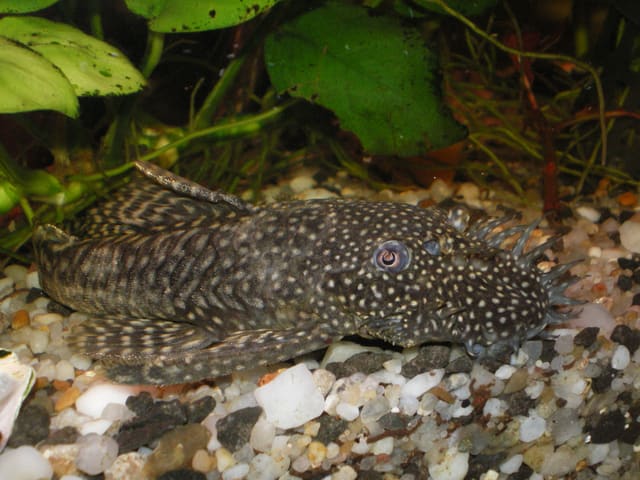
Moderate
Bristlenose Pleco (Ancistrus sp.)
22–27°C · pH 6–8
From £3.51Some sizes on sale
52 products
Explore Snow White, Super Red, longfin and other Bristlenose offers, alongside related L-number plecos. Compare the named fish before choosing a colour or fin form.
52 products
22–27°C · pH 6–8
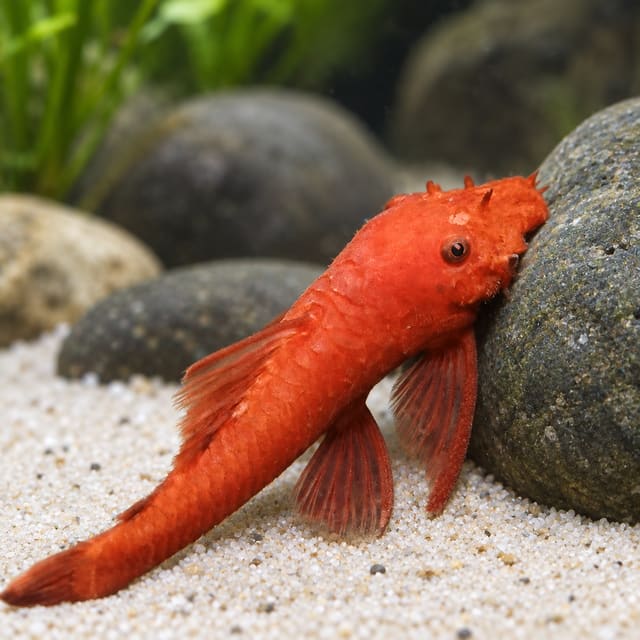
24–27°C · pH 6–7.5 · 90L
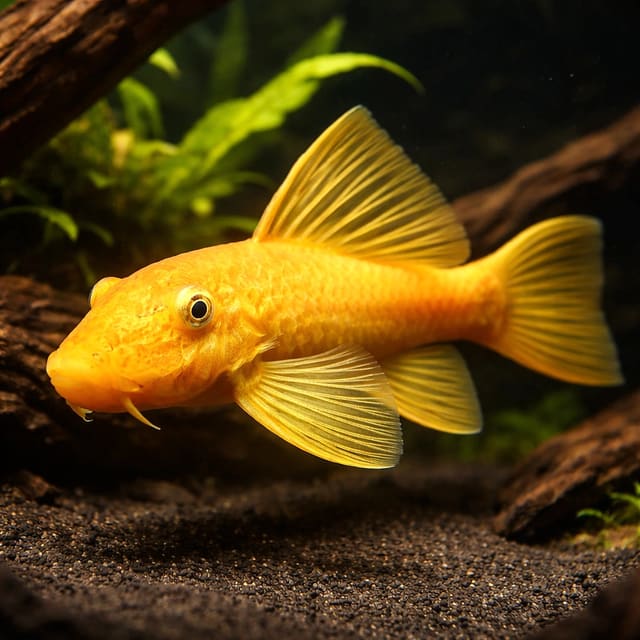
22–27°C · pH 6–8
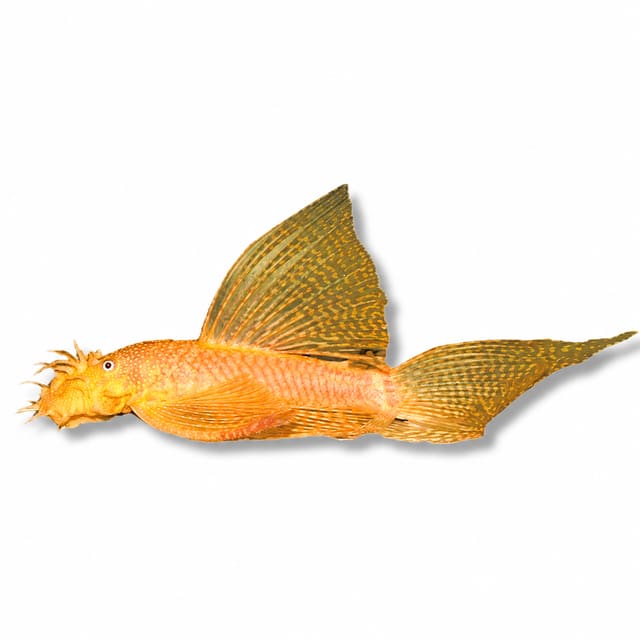
22–27°C · pH 6–8

22–27°C · pH 6–8
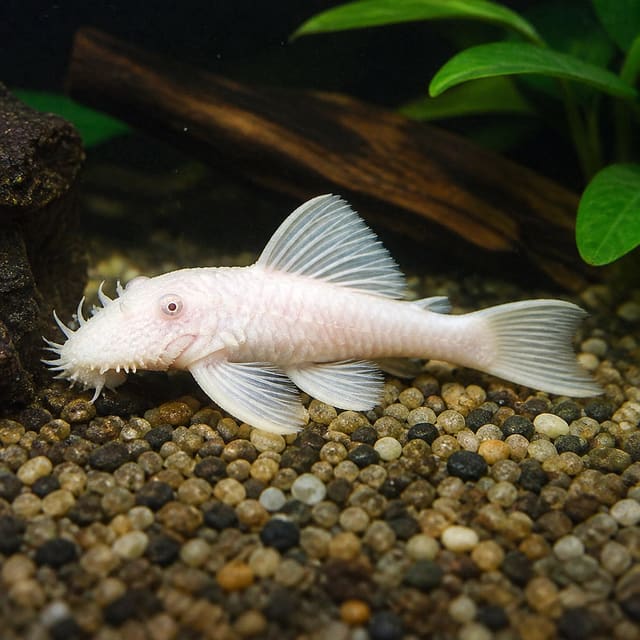
22–27°C · pH 6–8
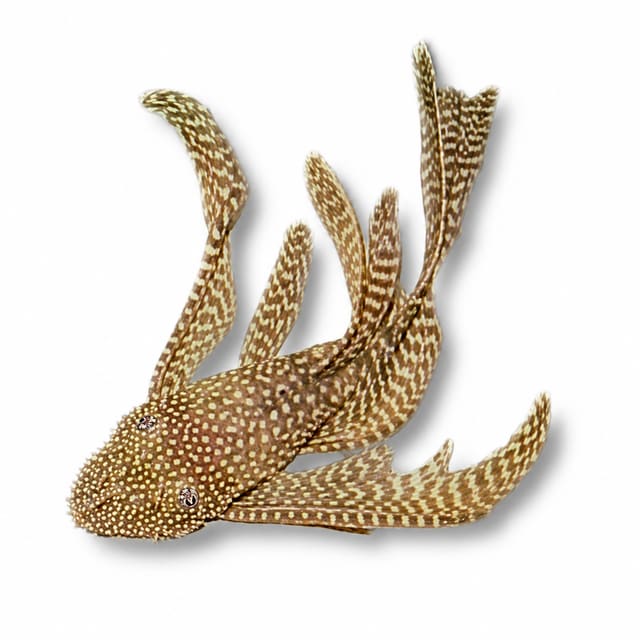
22–27°C · pH 6–8
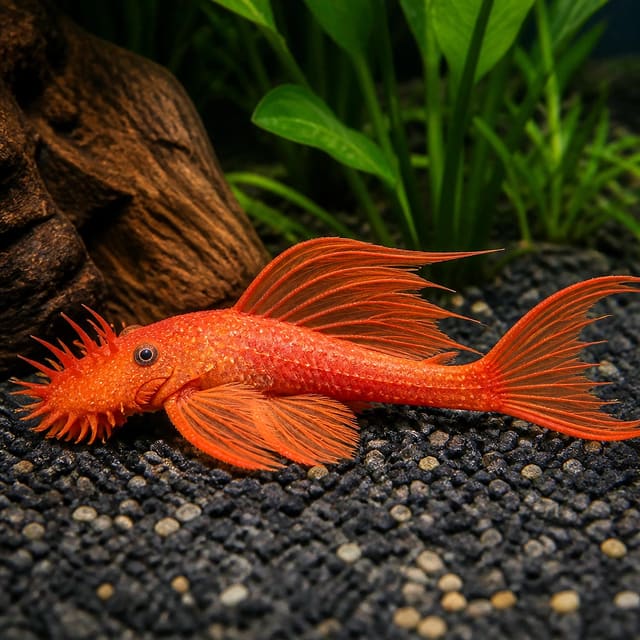
22–27°C · pH 6–8
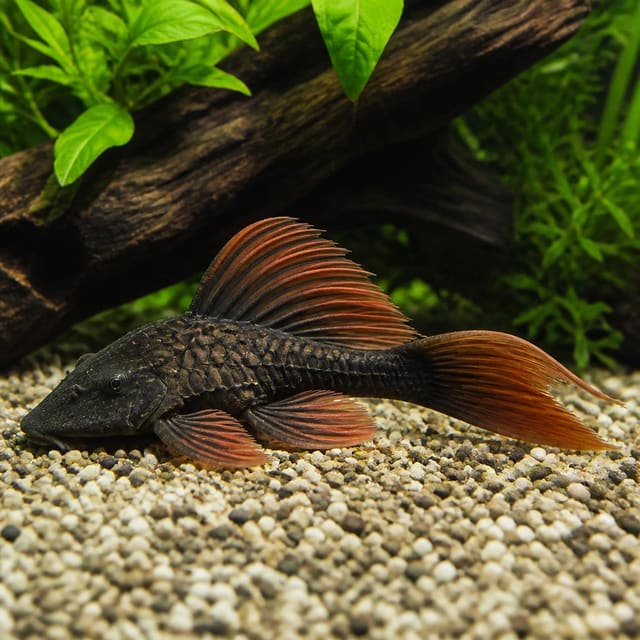
22–27°C · pH 6–8
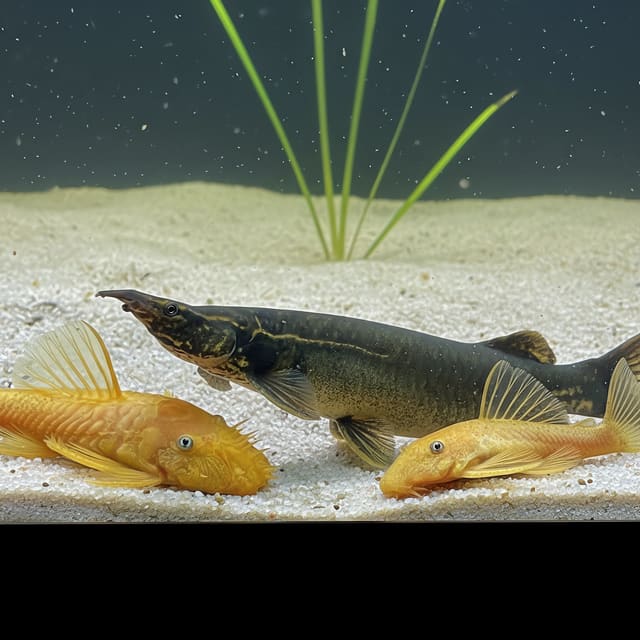
22–27°C · pH 6–8

22–27°C · pH 6–8

24–27°C · pH 6–7.5

22–27°C · pH 6–8

25–28°C · pH 6–7

23–29°C · pH 6–7.5

22–27°C · pH 6–8
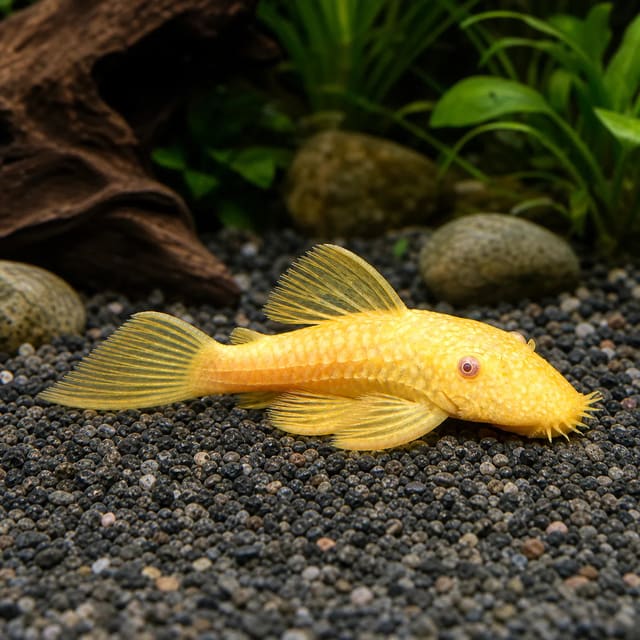
22–27°C · pH 6–8
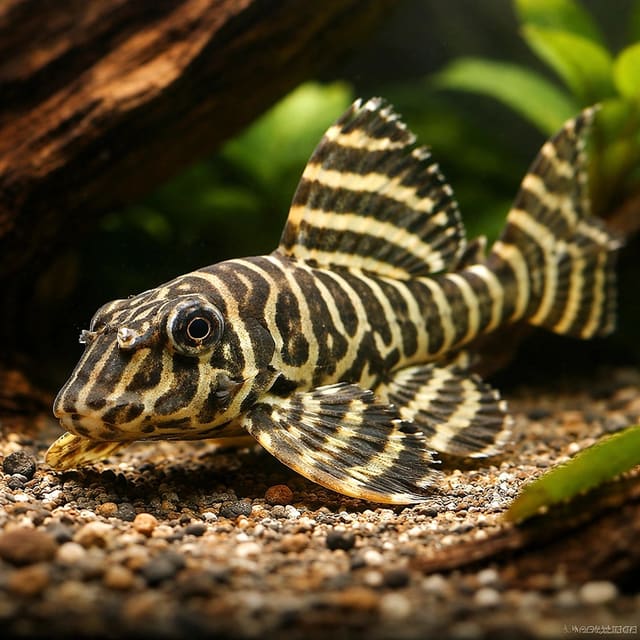
22–27°C · pH 6–8
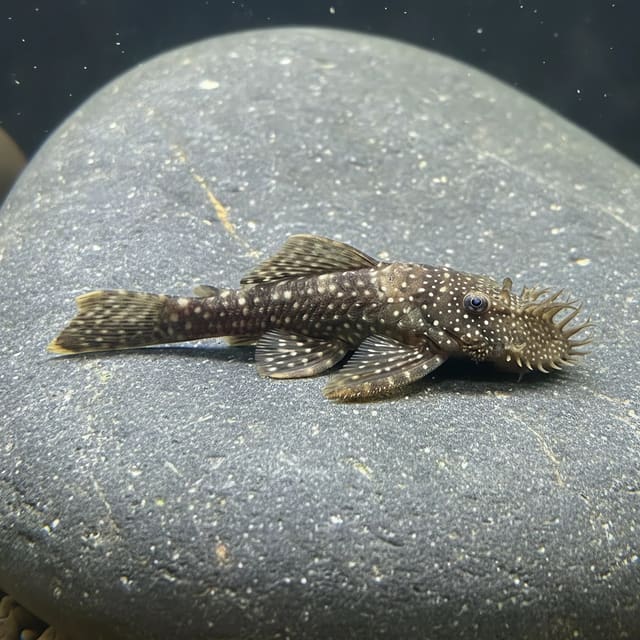
24–28°C
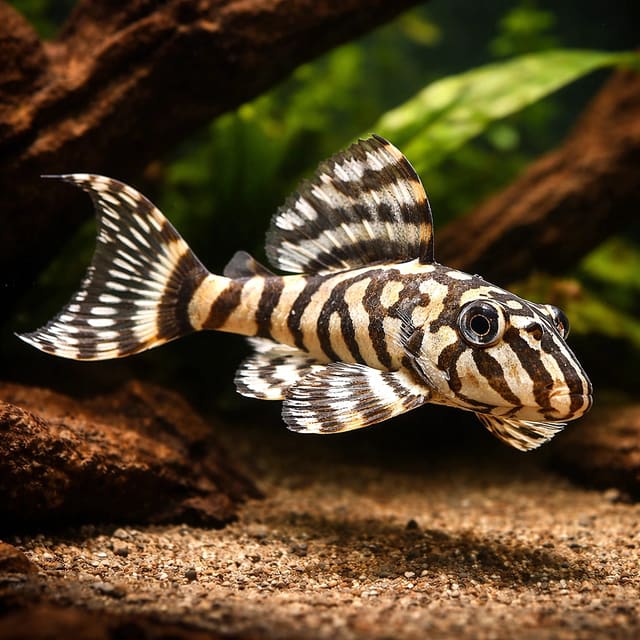
22–27°C · pH 6–8
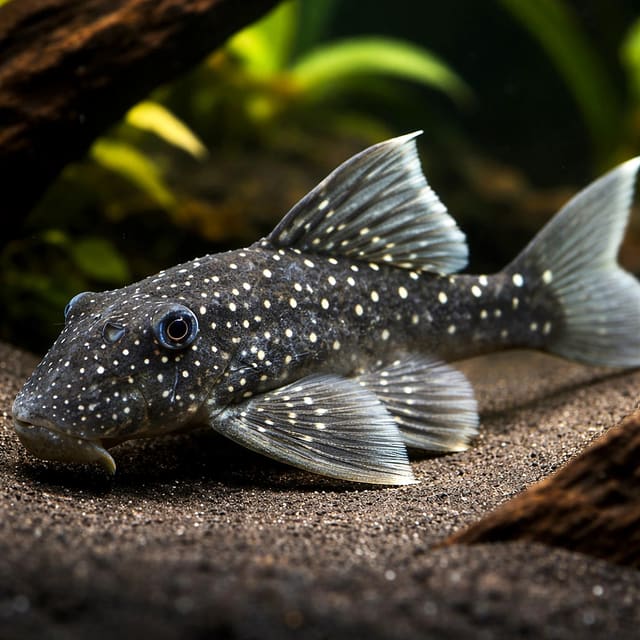
22–27°C · pH 6–8
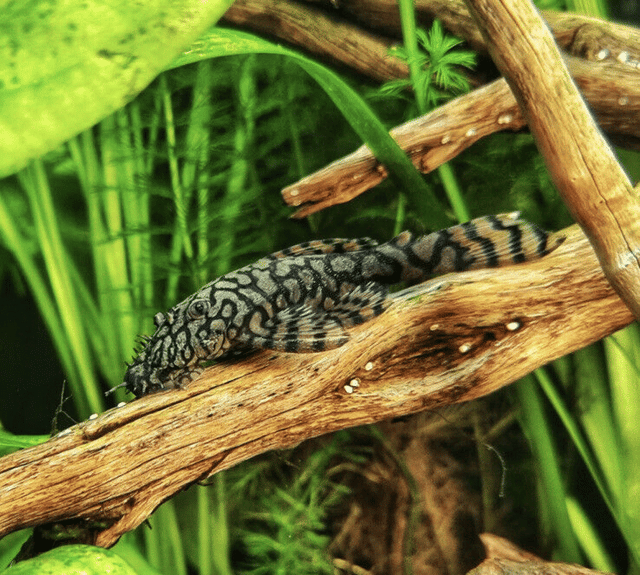
22–27°C · pH 6–8
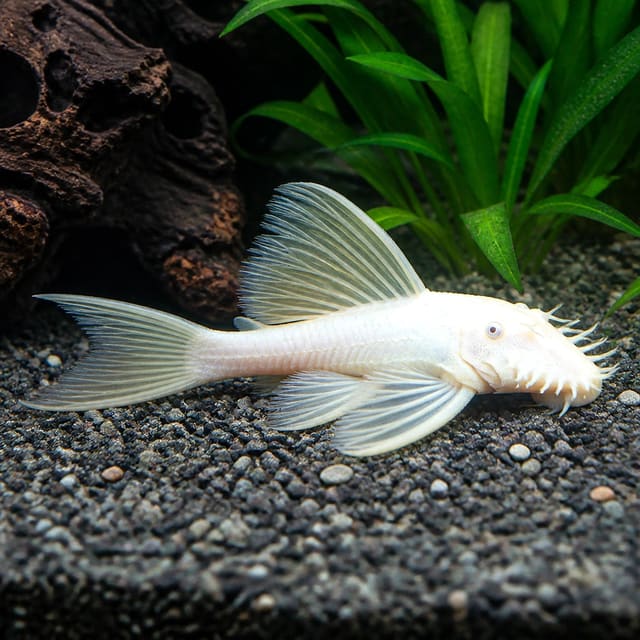
22–27°C · pH 6–8

22–27°C · pH 6–8
Snow White, Super Red, Lemon Blue-Eye and Green Dragon describe different Bristlenose offers; longfin describes a fin form. Other fish here include L066 and L333 Hypancistrus and L128 Blue Phantom Pleco. An L-number does not make every fish an Ancistrus, and a trade colour name does not prove a wild species or locality. Keep the full identity in view when comparing them.
Browse the focused Bristlenose selectionDo not treat this collection as a set of interchangeable algae eaters. L034 Ancistrus ranunculus, for example, needs its own feeding and flowing-water assessment rather than a generic Bristlenose routine. Check the individual diet, adult footprint and shelter needs, especially with other bottom-dwellers. Supplied length and a representative photograph do not establish adult size, sex or a breeding pair.
Read Bristlenose care and feeding