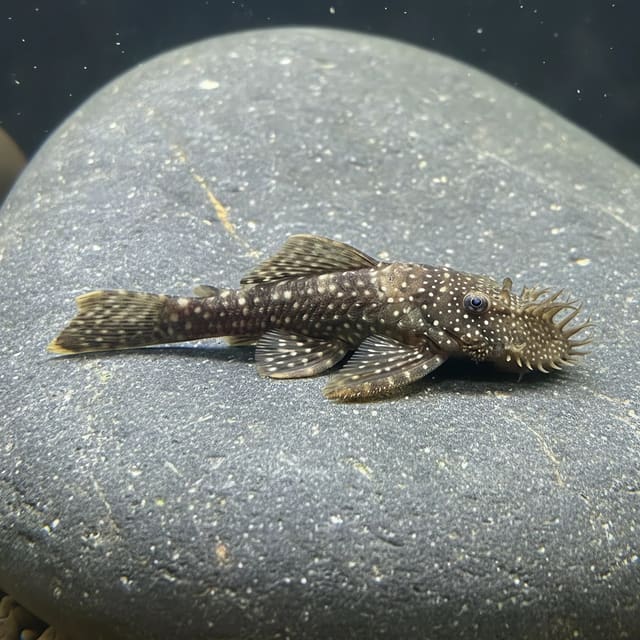
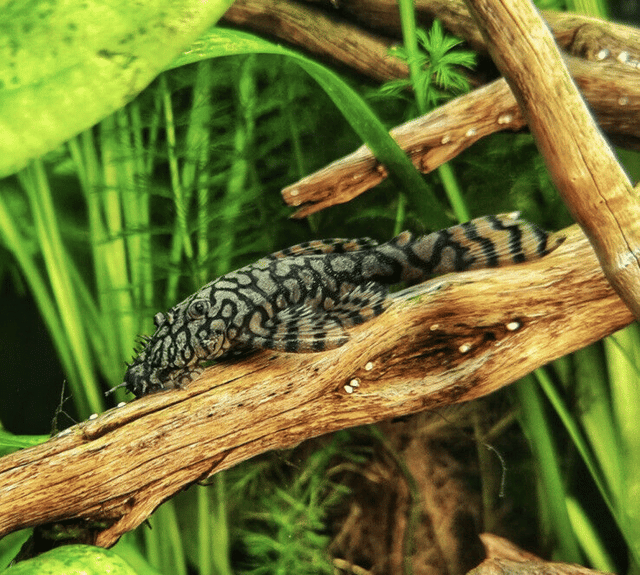
Moderate
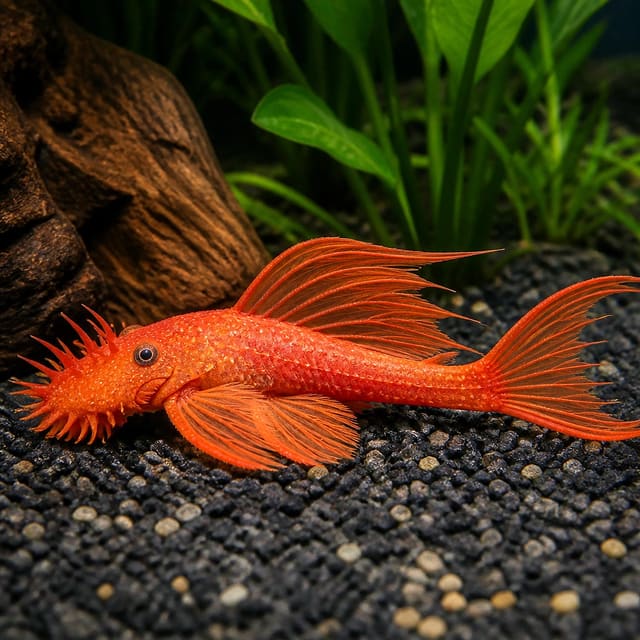
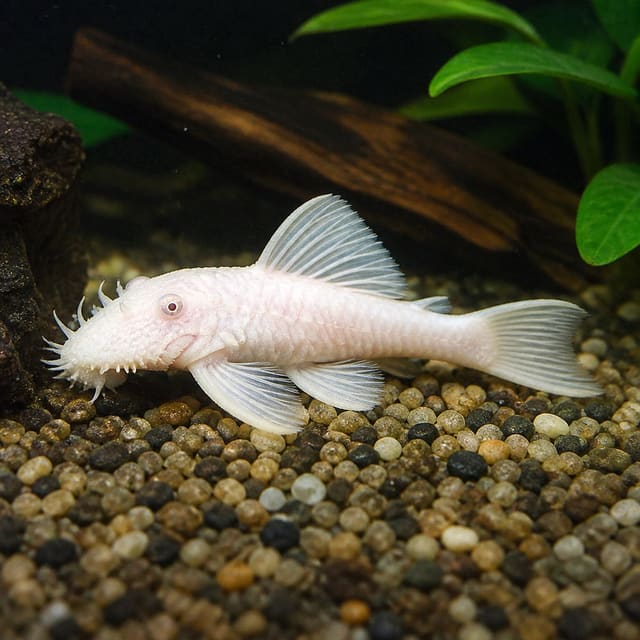
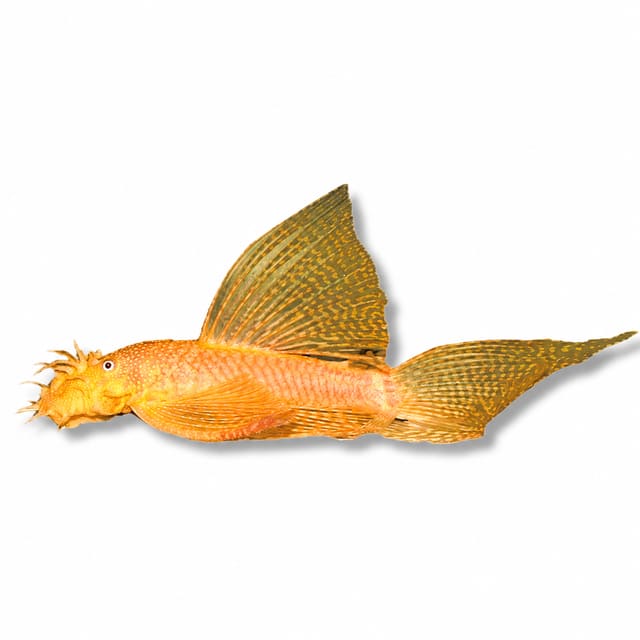
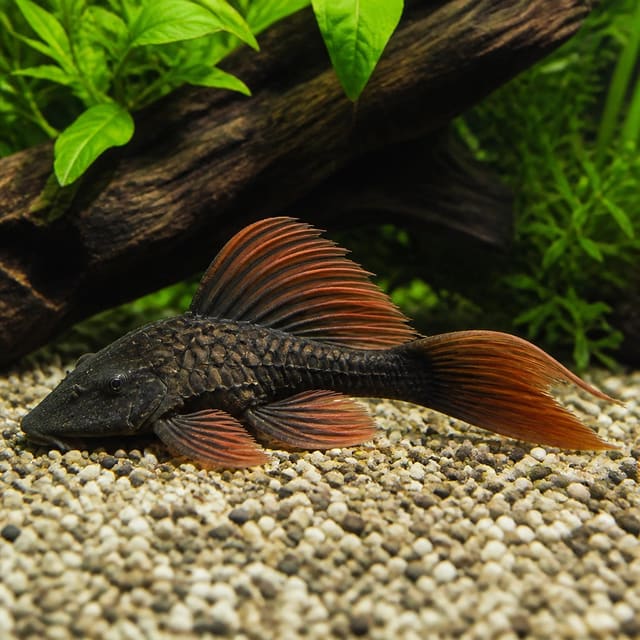
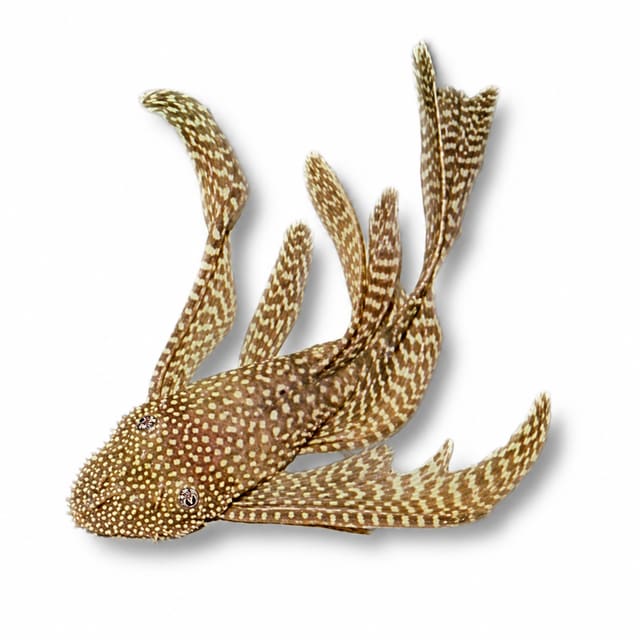
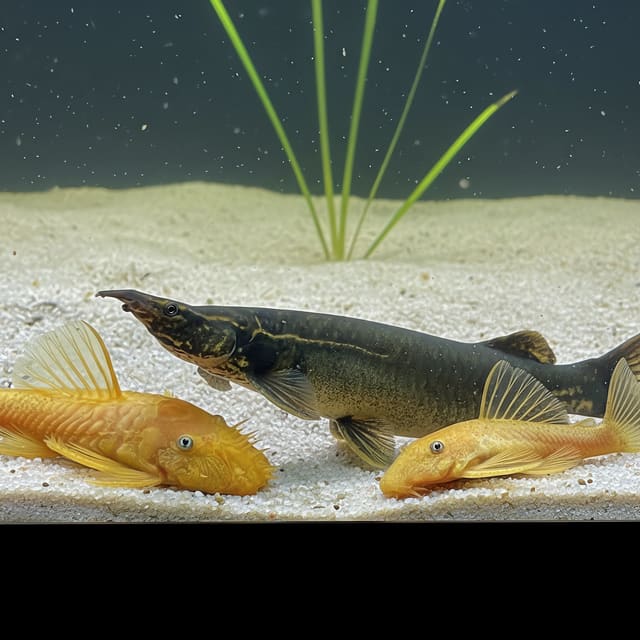
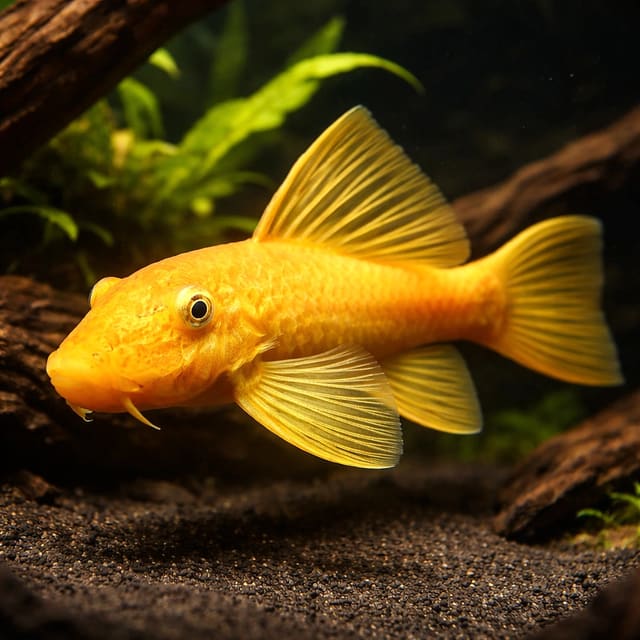
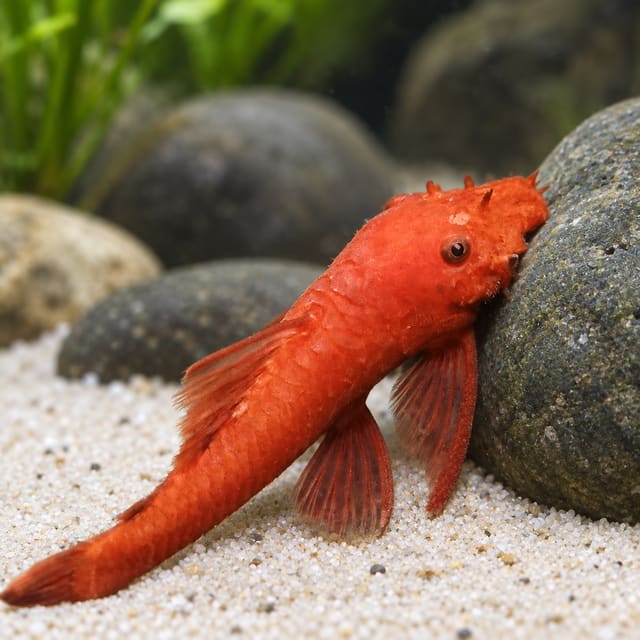
Bristlenose Pleco (Ancistrus sp.)
22–27°C · pH 6–8
From £3.51Some sizes on sale
LDA 16 Bristlenose Pleco (Ancistrus sp.), supplied as one live fish without a guaranteed sex. Choose the size shown for your order and prepare a mature aquarium with shelter, stable water and reliable access to food.
Ancistrus sp.
LDA 16 Bristlenose Pleco (Ancistrus sp.), supplied as one live fish without a guaranteed sex. Choose the size shown for your order and prepare a mature aquarium with shelter, stable water and reliable access to food.
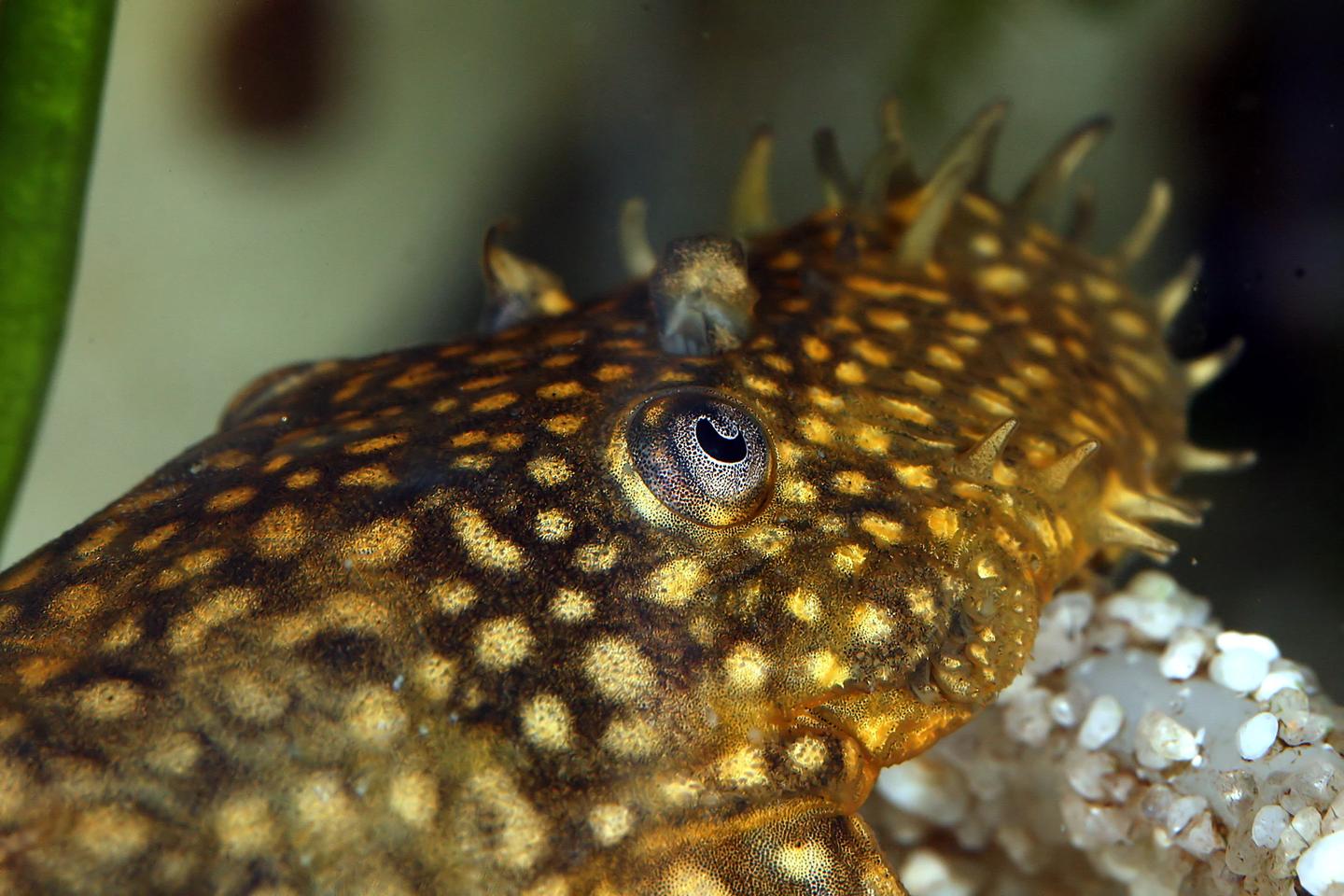
For one typical common bristlenose, start with a mature, filtered aquarium of at least 90 litres, useful floor area, wood and cover. OATA reports about 15 cm adult length, 22-27°C, pH 6-8 and 4-12 dGH. Confirm the exact trade identity before applying species-level claims.
Maintain these water conditions for optimal health and vibrant colors
LDA 16 Bristlenose Pleco (Ancistrus sp.) is supplied as one live fish per purchase. It suits a keeper who can provide a mature aquarium, dependable feeding at the bottom and quiet shelter. Think about how the animal will live in your tank before thinking about what it might graze from the glass. A pleco adds its own care needs and waste to an aquarium; it should have a place in your stocking plan and a proper feeding routine.
This fish is offered under the LDA 16 trade name. Ancistrus sp. identifies the genus while leaving the species unresolved. That is a useful distinction when comparing bristlenose listings: a shared genus or a similar trade label does not establish identical ancestry, adult dimensions or every husbandry detail. Choose this animal for the offer described here, rather than assuming that a name elsewhere describes precisely the same fish.
One purchase is for one fish. The size choices on this listing are 3,5 - 5 cm, 5 - 7 cm and XL. The size you select is the size supplied, not the adult size. The two numbered choices describe different dispatch sizes; XL is a size label rather than a stated measurement. If a particular measurement matters for your aquarium, ask about the current size before ordering XL. Use the live size selector when placing your order.
Sex is guaranteed only when the selected option explicitly states male or female. This LDA 16 Bristlenose Pleco listing has no sex-guaranteed option. Plan a home for the individual you receive rather than building your purchase around a male, female or breeding pair. Size labels do not provide a sex guarantee, and a smaller fish should not be treated as a promise of a particular adult appearance.
Plan the aquarium around its usable footprint, other residents, filtration and the fish's growth. There must be enough room for a full-grown fish to rest, turn and reach food, even after decorations and equipment take up part of the base. A tank's stated volume alone does not tell you whether its bottom area is suitable. Leave scope to improve the arrangement as the animal develops.
The established care outline describes an omnivorous bottom-dweller with a generally peaceful role in the aquarium. Use that as a starting point for observation, rather than a guarantee about every individual or every community. There should be room to rest away from other fish and a feeding place that remains accessible when the more assertive residents have eaten. Peaceful fish can still struggle in crowded surroundings or lose out at meals.
Before choosing a pleco, look beyond open swimming space. Check where food lands, which residents already use the bottom, whether decorations create accessible shelter and how easily you can inspect and clean those areas. A busy upper level does not necessarily prevent a calm bottom area, but the arrangement needs to make that possible. In a tightly stocked aquarium, another fish can place pressure on food access and water quality even when there is no obvious fighting.
A newly filled tank is not ready simply because the water is clear. Biological filtration must be established, and the aquarium should have a routine you can maintain. If you are still learning how your filter behaves, sorting out fluctuating readings or changing the layout repeatedly, finish that preparation first. A settled environment gives both the fish and the keeper a better starting point.
You can browse our bristlenose pleco listings to compare the separately described offers. Read each animal's identity, sold quantity and care notes. A comparison is helpful for deciding which listing you want, but it does not show that different trade forms share a lineage or should be housed together. Make your stocking decision from the conditions and residents in your own aquarium.
If you contact us for advice, include the aquarium's dimensions, measured water conditions, filter setup and current livestock. Say whether other fish feed or shelter at the bottom and whether you can offer a separate feeding position. Those details make a suitability conversation much more useful than the tank volume on its own.
A mature biological filter and clean, appropriate water are the foundations of this fish's care. Have the aquarium running reliably before introducing it. Routine testing should tell you how the system is behaving, rather than being reserved for the day a fish looks unwell. Make sure you know how to use your tests, where to record the results and what action you will take if water quality deteriorates.
For a new setup, our guide to preparing a mature aquarium helps you work through the practical steps before adding livestock. Do not judge readiness by water clarity, a calendar date or the presence of plants alone. A tank can look attractive while its biological filtration is still unable to cope with the load placed on it. Introduce fish gradually so that you can follow the aquarium's response.
Keep filter maintenance in proportion to the problem. A dirty intake or obstructed outlet may need attention, while an established filter's biological function also needs protecting. Follow the equipment instructions and avoid making several major changes at once. If you alter filtration, stocking and feeding together, it becomes harder to see which change affected the water or the fish. Simple records help you spot that connection.
Look closely at the aquarium's usable floor space after ornaments, planting and equipment are in place. A bottom-dwelling fish needs accessible areas to rest and reach food, not just a large volume of water above a crowded base. Allow for growth and for the other animals that share those areas. If the bottom is already fully occupied, review the stocking plan before adding another fish.
Arrange shelter so that the fish can withdraw from activity without becoming impossible to inspect. Cover, open routes and a place to feed should work together. A decoration may look spacious from the front while leaving a narrow access point at the back; inspect the layout from different angles. Avoid sharp edges and gaps where a fish could become trapped as it grows. Secure heavy items before adding livestock.
You do not need to keep changing the display to find the perfect look. Once the fish arrives, a stable layout makes it easier to learn its resting places and feeding habits. If you later move a shelter, check that the new arrangement still leaves a calm route to food and does not put the fish directly beside a resident that guards the area. Make changes for a clear husbandry reason.
Our aquarium-planning guidance for this listing is 23–29°C, pH 6–7.5 and 2–15 dGH; these are store starting ranges rather than a confirmed species-specific optimum. Assess a stable setting that also suits the aquarium's established residents. The highest or lowest number is not automatically the best choice. If the residents' requirements do not reasonably overlap, a different stocking choice is preferable to a compromise that leaves animals uncomfortable.
Read the actual water rather than relying only on a heater dial or an old tap-water result. Check temperature with suitable equipment and measure chemistry consistently. A reading taken after a water change may differ from one taken before it; recording when you tested makes comparisons more useful. If a result is surprising, confirm the method and equipment before making a substantial adjustment.
Our guide to understanding aquarium water chemistry explains what the measurements mean. The aim is a dependable routine, not constant adjustment in pursuit of an exact decimal. Changes should have a reason and should be made with the welfare of all residents in mind. Do not alter pH or hardness abruptly just to make a single test match the middle of a displayed range.
Regular maintenance should reach the places where food and waste gather. Inspect sheltered areas as well as the visible front of the aquarium. Food that disappears behind a decoration may be eaten, but it may also remain there unnoticed. Being able to see or carefully access a feeding area makes it easier to keep the water clean without repeatedly disturbing the whole layout.
Prepare replacement water so that it is suitable for the aquarium, and follow the instructions for any water conditioner and equipment you use. Consider temperature and chemistry before a change. A maintenance routine should improve conditions without creating an abrupt change that the fish then has to cope with. If you are uncertain about a procedure, establish the method before you have a new animal waiting to be introduced.
Watch how water moves around the bottom as well as at the surface. Filtration and circulation should support clean water throughout the aquarium, while shelter should remain usable. A powerful outlet directed into every resting place is not a substitute for a well-arranged tank. Equally, hiding the filter behind dense decoration without checking its function can make maintenance and observation difficult.
Think about ordinary days as well as the day the aquarium is finished. Can you reach the filter, offer food where intended and inspect the fish without dismantling the display? Can someone else follow your routine when you are away? An attractive setup that makes essential care awkward is harder to maintain reliably. Leave access for the tasks that keep the aquarium stable.
A notebook or simple log can include feeding observations, water readings, maintenance and changes to the livestock. This is especially helpful when several people look after the aquarium. It avoids duplicated feeding and makes it easier to recognise when something has changed. The useful record is short enough to keep up, but specific enough to tell you what happened.
The existing diet guidance for this listing is omnivorous. Provide suitable aquarium food that reaches its feeding area, vary the diet appropriately and start with small portions. Grazing around the tank should not be your only plan for feeding it. The amount of visible growth on glass or decorations tells you little about whether the fish receives a balanced and sufficient diet over time.
Read the feeding guidance on the foods you choose, including their intended use and how they behave in water. A food marketed for bottom-dwelling fish is useful only if this individual can reach and eat it. Watch where it settles and whether other residents take it first. Adjust the placement before increasing the amount, because adding more food can worsen water quality without improving the pleco's meal.
A varied diet does not mean offering every food in the cupboard at once. Introduce changes thoughtfully and observe the response. Choose foods suitable for aquarium use, remove uneaten material and keep the routine manageable. There is no need to make a precise ration from the fish's dispatch-size label. Its appetite, access to food and the aquarium's condition are more useful guides to reviewing your approach.
Some of the most important feeding information appears after the initial rush of other fish. Stay long enough to see whether food remains accessible at the bottom and whether the pleco approaches it. A fish that rests out of sight is not necessarily refusing food; equally, an empty feeding spot does not prove that it ate. Learn the individual's routine instead of drawing a conclusion from one brief glance.
If food repeatedly collects where you cannot see it, choose a more observable feeding position. Place the food within reach of shelter while allowing the fish a clear route. Try to reduce crowding at that position, especially if an established resident dominates it. The aim is to give the animal reliable access, then to judge the amount from what is actually consumed and how the aquarium responds.
Do not compensate for uncertainty by feeding heavily. Leftovers place a burden on water quality and can make the original problem harder to understand. Remove uneaten food with as little disruption as possible and review the next meal. If more than one person feeds the aquarium, agree a routine so that concern about a hidden fish does not lead to several extra feeds.
Make observation part of ordinary care. Notice breathing, posture, appetite and how the fish uses its resting area. Compare those observations with its own settled behaviour rather than expecting it to look busy whenever you approach. A consistent pattern gives you a useful reference if feeding, movement or breathing later changes.
A single unusual observation may need a closer look; several changes together deserve more attention. For example, altered breathing alongside poor appetite should prompt a review of water quality and the aquarium's recent history. Check the environment before assuming a disease or choosing a treatment. Make sure filtration and equipment are functioning, and consider recent maintenance, new residents or changes in food access.
Reserve room for growth instead of treating the dispatch size as a final measurement. Individual development needs to be assessed in its care context. Watch that the fish can continue to turn, retreat and feed comfortably as it grows. A shelter or feeding area that becomes cramped should prompt a review of the layout before access is restricted or maintenance becomes difficult.
If the fish is not seen feeding, work through the possible practical obstacles. Is the food suitable? Does it reach the bottom? Does it remain there long enough? Is another animal guarding the access route? Has the layout or water condition changed? This sequence often gives clearer information than trying several foods and several tank changes at the same time.
Do not pull the fish out of shelter repeatedly to make it eat in front of you. Reduce avoidable disturbance and use observation to establish what it does when the aquarium is calm. If appetite stays poor or other concerning signs develop, seek qualified fish-health advice with your water readings and recent care history available. A detailed description is more useful than a guess about a diagnosis.
Medicine, salt and temperature changes should not be improvised from a general pleco anecdote. The fish here is identified at genus level, and a treatment needs to account for the animal, its companions and the actual problem. Use suitable professional advice and the instructions for any recommended product. Maintaining clean, stable water and documenting symptoms are practical steps while you establish the cause.
Decide where the new fish will be introduced and have the aquarium ready in advance. Check equipment, water conditions, shelter and feeding access before the arrival day. Keep the introduction area calm and arrange the tools you will need within reach. This avoids leaving an opened transport bag waiting while you adjust decorations, search for supplies or investigate an unexpected tank reading.
Read our delivery and live arrival information when ordering so that you understand the current arrangements and any steps required if there is an arrival concern. Those requirements serve a different purpose from the animal's introduction into your aquarium. Be ready to care for the fish while also following the store's current instructions where a problem needs to be reported.
Avoid unnecessary activity around the tank during introduction. The existing arrival guidance recommends floating and gradual acclimation. Follow the instructions supplied for the arrival and use an introduction method appropriate to the transport conditions and the receiving aquarium. Do not improvise a prolonged fixed-time routine simply because another keeper used it for a different fish.
Have a safe means of transferring the animal ready and handle it carefully. Avoid repeated catching or moving between containers. Take care around decorations and equipment so that the fish can reach shelter once introduced. A considered transfer is more useful than trying to arrange a photograph of the new arrival while it is still being handled.
Let the aquarium settle after introduction. Avoid feeding heavily on the first day, as the existing care guidance advises, and watch the fish rather than making frequent alterations to tempt it into view. Ensure it can rest without being repeatedly approached by tank mates. If it is immediately pursued or shut out of all shelter, act on that compatibility problem rather than assuming it will resolve through exhaustion.
During the first week, observe breathing, posture, colour and appetite alongside water conditions. A new fish may use a different resting place from the one you expected. Check that the place is safe and that it can reach food from there. Learn where it spends time without repeatedly lifting decorations or chasing it into open water.
Keep your notes factual. Record what you saw, when you saw it and what changed in the aquarium. If the fish seems less interested in food, also note whether other residents were taking it, whether the feeding position changed and whether water readings differed. This makes it easier to distinguish a settling-in question from a developing environmental or health concern.
Contact the store promptly about an arrival issue and seek appropriate fish-health advice for an ongoing concern. Have clear observations, water readings and any information requested by the relevant service ready. Do not allow a policy question to replace an urgent care assessment, or a general care discussion to delay a time-sensitive report under the arrival policy.
As the aquarium develops, revisit shelter size, feeding access and the demands on filtration. Plants grow, decorations move and other residents mature. A layout that worked when the pleco was small may need a careful adjustment later. Make that adjustment while retaining a calm resting area and a practical maintenance route.
For holidays or periods away, give the person caring for the aquarium a simple routine with the food and equipment clearly identified. Explain what normal behaviour looks like and whom to contact if there is a concern. Demonstrate the feeding amount and where it should go. A familiar, manageable routine is preferable to a last-minute change that nobody has tested.
There is no fixed lifespan promise for this listing. Treat the purchase as an ongoing responsibility and prepare for care over the animal's life. Space, stable water, suitable food and consistent observation matter long after the arrival day. Review those basics whenever you change the community, rather than assuming that a settled fish will adapt to every new arrangement.
The existing care outline describes a generally peaceful temperament. That does not make the fish suitable for every tropical community. Begin with the aquarium's water conditions and the needs of its residents, then consider adult space, behaviour and feeding. If any of those do not fit, a peaceful label cannot repair the mismatch.
Look at how your current fish behave at the bottom, not just how they behave in open water. A resident that feeds calmly near the surface may become assertive when food lands beside its shelter. Observe actual interactions around meals and resting places before adding another animal to those areas. The pleco should have a route to both food and cover that is not constantly blocked.
Bottom area is a shared resource. Decorations that create shelter can also concentrate animals around a small number of entrances. Feeding in one place can draw the entire community to the same patch. If the aquarium already feels crowded at those points, review the layout and stocking before adding this fish. Extra volume above the bottom does not always ease that pressure.
Assess feeding competition realistically. Food intended for a pleco may be taken by quicker or more assertive residents. It is not enough to know that you own suitable food; you need a way to deliver it so the intended animal benefits. Separate feeding positions can be considered where the layout permits, but you still need to observe that the arrangement works.
Avoid combining the fish with residents that persistently harass it, make safe resting impossible or present a clear predation risk. Be cautious with communities whose activity or feeding behaviour prevents a quiet bottom area. These are behaviour-based checks, rather than a list of universally safe or unsafe species. The individual animals and the particular aquarium matter.
This offer supplies a single fish, and there is no established mandatory group number for this unresolved trade identity. Do not add several just because there are several size choices or because you have seen a group in another aquarium. Each additional bottom-dweller needs its own feeding access and usable space, and the filter must cope with the increased load.
If you want to house more than one pleco, review the full aquarium plan first. Consider how resting places, feeding positions and retreat routes will be used when the fish develop. More than one shelter does not automatically remove competition if all entrances or meals are concentrated in one corner. Have a practical way to separate animals if persistent conflict develops.
Likewise, two fish purchased together are not a guaranteed pair. There is no sex-guaranteed option on this listing, and peaceful behaviour between small fish should not be treated as a promise about every later interaction. Make the care decision on available space and observations, rather than an expectation of breeding or permanent harmony.
Before adding any later resident, reconsider water needs, adult size, feeding and access to shelter for the pleco already there. The tank should work for existing animals as well as for the new addition. A fish that has been doing well provides useful evidence about your current routine, but not a guarantee that it will remain comfortable after stocking changes.
If a problem emerges, describe the behaviour precisely. Occasional proximity is different from repeated chasing, blocked food access or visible damage. Check whether the problem is linked to a meal, a particular shelter or a wider change in conditions. Use that information to make a practical adjustment, and separate animals when welfare requires it rather than waiting for an unsuitable match to become acceptable.
A related bristlenose listing can help you compare purchases, but it should not be read as a recommended companion for this fish. Compatibility is assessed from the aquarium and the animals, not from being placed near each other in a shop category. If you need advice, provide the complete livestock list and your measured water conditions.
Allow space for a full-grown LDA 16 Bristlenose Pleco rather than treating its dispatch size as its final size. Plan usable bottom area, shelter and turning room, and review the layout as the fish grows. The needs of the other residents and the demands on filtration also belong in that decision.
Assess the aquarium's usable footprint, shelter, filtration and food access alongside its other livestock. The fish needs room to rest, turn and reach its meals as it grows. A large stated volume does not compensate for a crowded base or an unstable filter, so review the whole setup before adding it.
There is no established mandatory group number for this unresolved trade identity. Do not add several without reviewing space, resting places, feeding access and filtration. Each fish must be able to rest and eat without persistent harassment, and you should be able to separate animals if a combination does not work.
A keeper who can maintain mature filtration, test water consistently and observe feeding may be able to provide a suitable home. The LDA 16 Bristlenose Pleco should not be added to a new or unstable aquarium as a shortcut to cleaning it. Prepare the routine and shelter before purchase.
The existing diet guidance is omnivorous. Offer suitable aquarium food that reaches the bottom, vary the diet appropriately and remove uneaten material. Watch that the fish actually has access to its meal; grazing in the aquarium and food disappearing from a feeding spot do not by themselves prove adequate feeding.
Our store aquarium-planning ranges are 23–29°C, pH 6–7.5 and hardness 2–15 dGH, rather than a confirmed species-specific optimum. Choose stable conditions that also suit the other residents and avoid abrupt adjustments in pursuit of a particular number.
The existing care outline describes a generally peaceful fish, but behaviour depends on the individual and its surroundings. Watch resting places and food access, especially with other bottom-dwellers. Persistent chasing, blocked feeding or damage needs a practical response; a peaceful label should not be used to dismiss those signs.
Consider a community only where water needs overlap and the fish has suitable space, shelter and dependable food access. Assess the actual residents for harassment, predation risk and competition at the bottom. There is no universal tank-mate guarantee, so review the whole stocking plan and observe the combination after introduction.
The name on this page keeps the fish at Ancistrus sp. level. LDA 16 is a trade designation rather than a species identification. General welfare guidance supports the care approach; aquarium-planning figures here are explicitly described as store guidance.
No reviews for this item yet. Bought one? Honest reviews only, good or bad.
What customers say about ordering from us
Easy website plenty of info on fish your buying great to pick a time slot
TRACEY DURRANT · 7 Oct 2026
Got some lovely fish thank you
Kevin Mackie · 7 Oct 2026
Reviews of our shop, collected by Judge.me, an independent third-party review collector. Newest first.