Sold Out
Golden Orfe, Ide (Leuciscus idus orfus)
5–20°C · pH 7–7.8 · 1000L
£7.99
The Blue Orfe is a silver-blue colour form of the ide or orfe (Leuciscus idus), a fast, sociable pond fish that grows to 40–60 cm or more. Keep it in a group of four or five in a well-filtered, oxygen-rich pond of 4,500 litres or more. Sold individually as one live fish, 2–3 in or 5–6 in.
Adult size is the maximum length this species reaches at full maturity (scientific sources). The livestock you receive will be younger and smaller — pick a size above for the actual shipping size. Product-photo provenance and any image-specific limitations are stated on the listing.
Leuciscus idus
The Blue Orfe is a silver-blue colour form of the ide or orfe (Leuciscus idus), a fast, sociable pond fish that grows to 40–60 cm or more. Keep it in a group of four or five in a well-filtered, oxygen-rich pond of 4,500 litres or more. Sold individually as one live fish, 2–3 in or 5–6 in.
Adult size is the maximum length this species reaches at full maturity (scientific sources). The livestock you receive will be younger and smaller — pick a size above for the actual shipping size. Product-photo provenance and any image-specific limitations are stated on the listing.
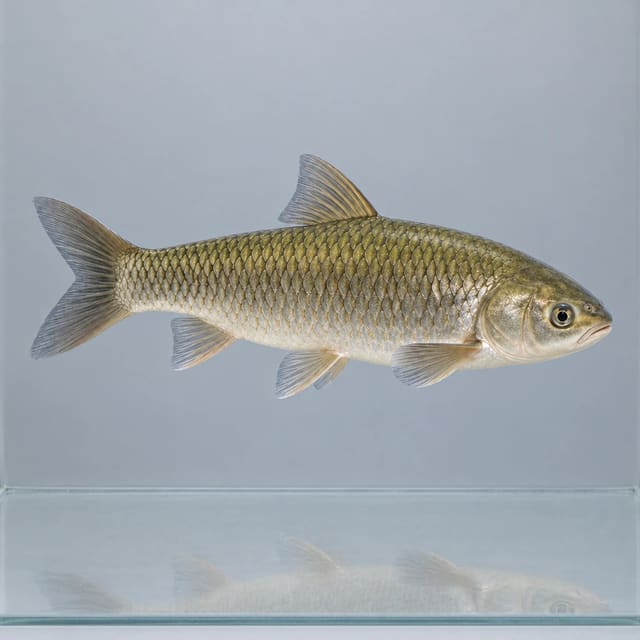
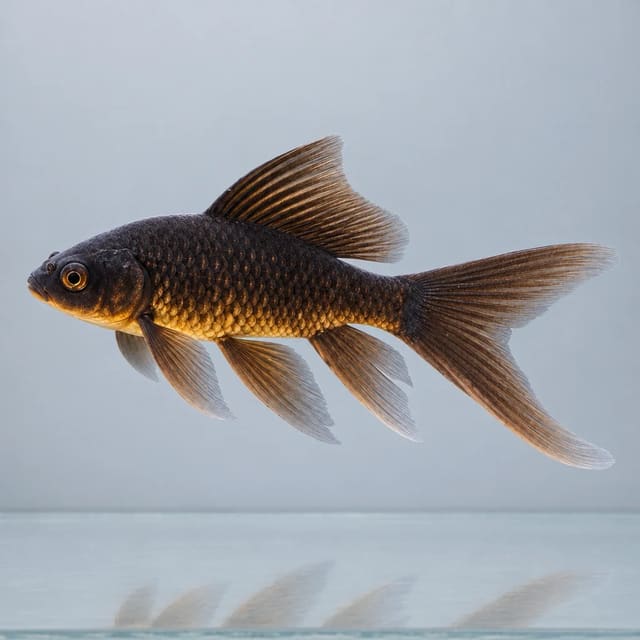
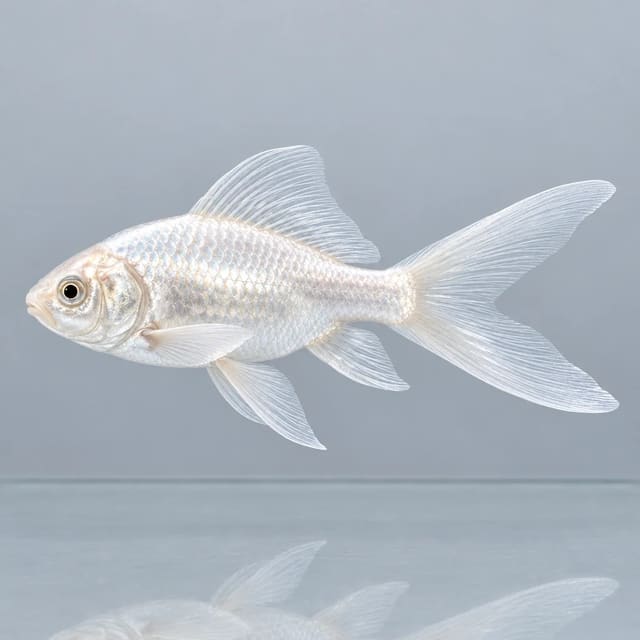
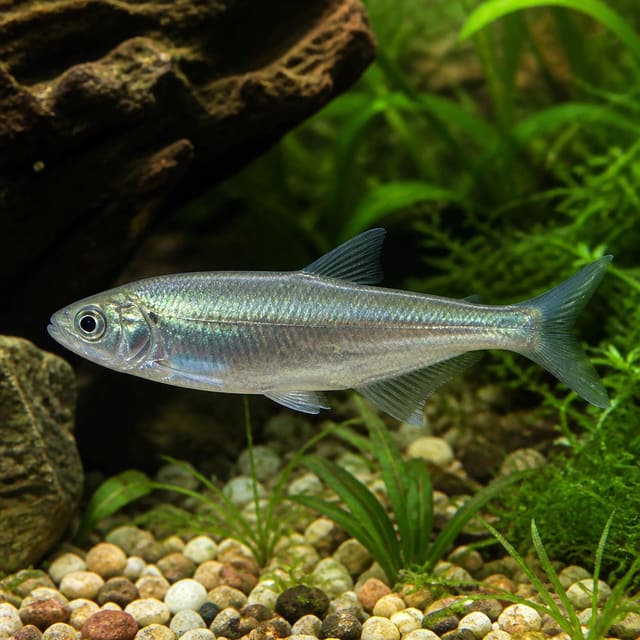
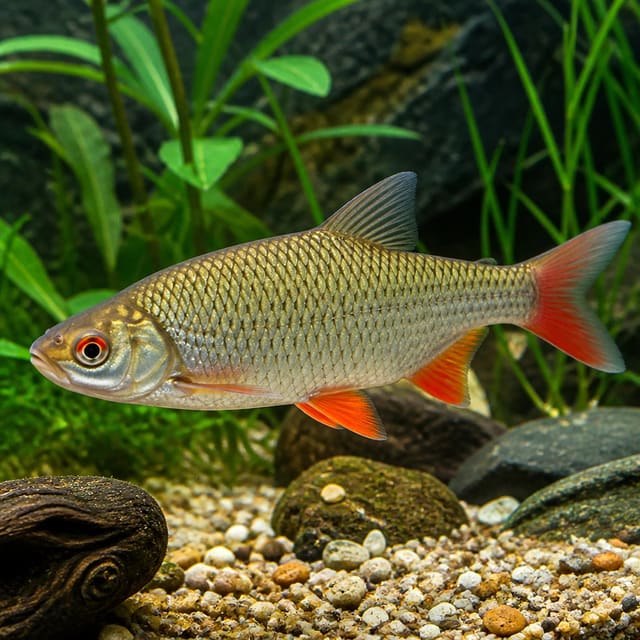
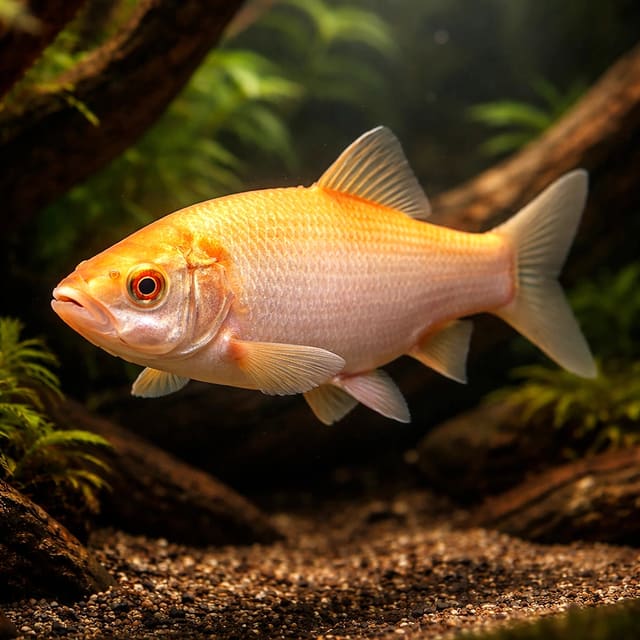
The Blue Orfe is a colour form of the ide, Leuciscus idus, a long, streamlined river fish that has been bred for garden ponds. Its body is silver washed with steel-blue along the back, the scales are fine and evenly set, and the lower fins carry a soft pink tint. A group of blue orfe cruising together just under the surface is one of the liveliest sights a large pond can offer, and the cool colour sits well beside gold and red pond fish. It is not a fish for a small pond or an aquarium: it grows long, swims fast and needs plenty of oxygen.
The wild ide is a European and Asian fish. FishBase gives its native range as the Baltic, Black, northern Caspian and North Sea basins, east as far as the Lena drainage and the Aral basin, where adults live in large lowland rivers and nutrient-rich lakes. It was introduced to Great Britain and has been carried to other countries as an ornamental fish. FishBase places it in the family Leuciscidae; older references, including the OATA pond fish care sheet, still group it with the carps in Cyprinidae.
| Name | What it means |
|---|---|
| Ide | The common name for the species in FishBase and in angling |
| Orfe | The usual pond-keeping name in the UK for the same fish |
| Blue orfe | The silver-blue ornamental colour form sold here |
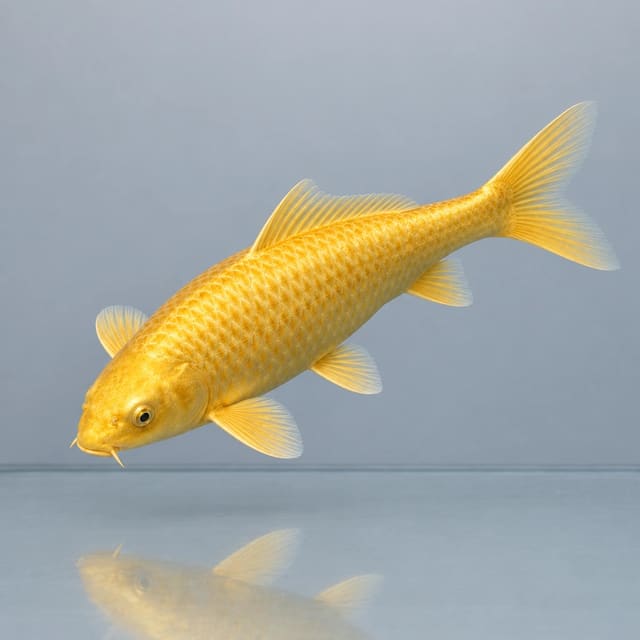
| Golden orfe | The orange-gold ornamental colour form |
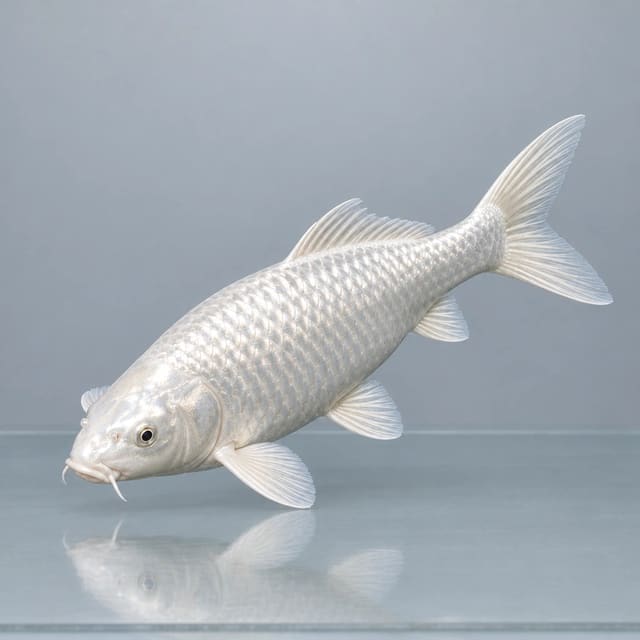
| Silver orfe | The wild-coloured fish, offered less often |
| Leuciscus idus | The scientific name shared by all of them |
The Maidenhead Aquatics fish database describes the blue form as the most recently developed of the three colours, usually sold alongside gold and the rarer wild silver type, and notes that all three can be mixed freely. If you already keep our Golden Orfe, a few blue fish make a natural mixed shoal. Browse more pond species in our golden orfe and golden tench range and the wider coldwater pond fish category.
One purchase supplies one live Blue Orfe in the size you choose: 2–3 in (about 5–8 cm) or 5–6 in (about 13–15 cm). Both are young fish with a long way to grow. The smaller size suits a pond that is still building up its stock, because small fish add little waste at first and settle quickly. The larger size makes an immediate show and is better placed to hold its own in a pond that already has big koi or goldfish. Sex is not chosen or guaranteed; mature females are usually fuller-bodied than males.
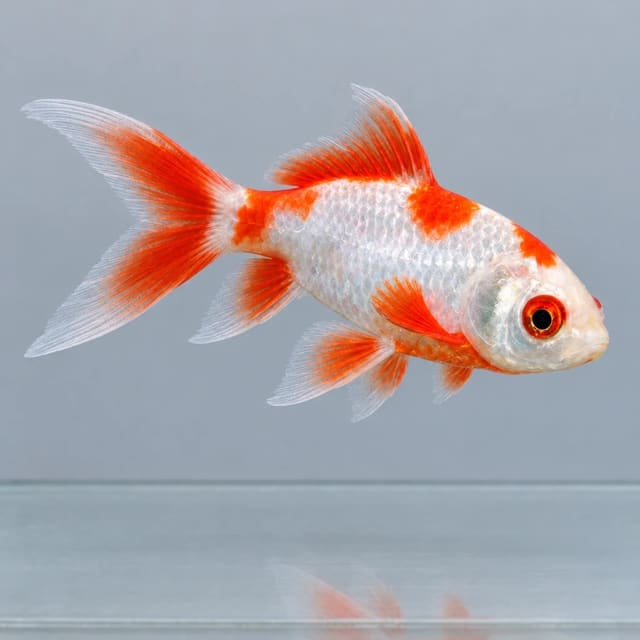
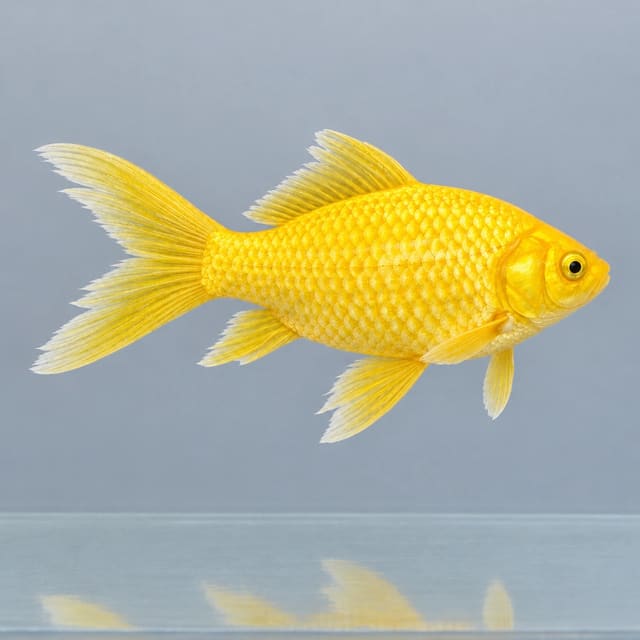
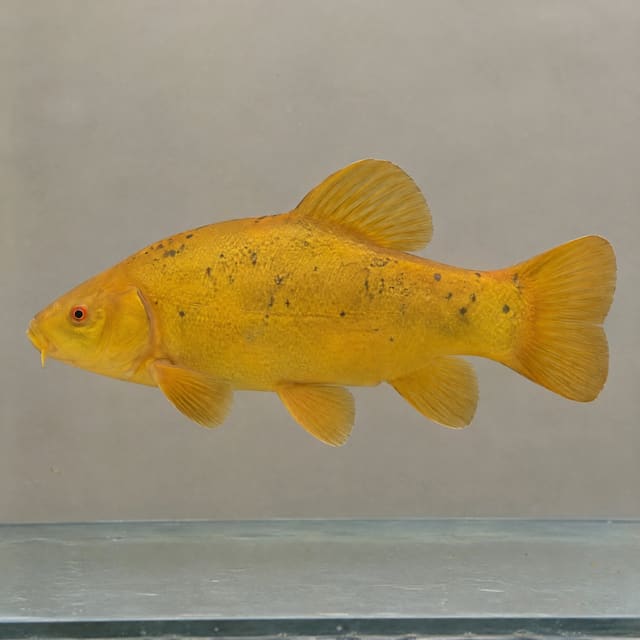
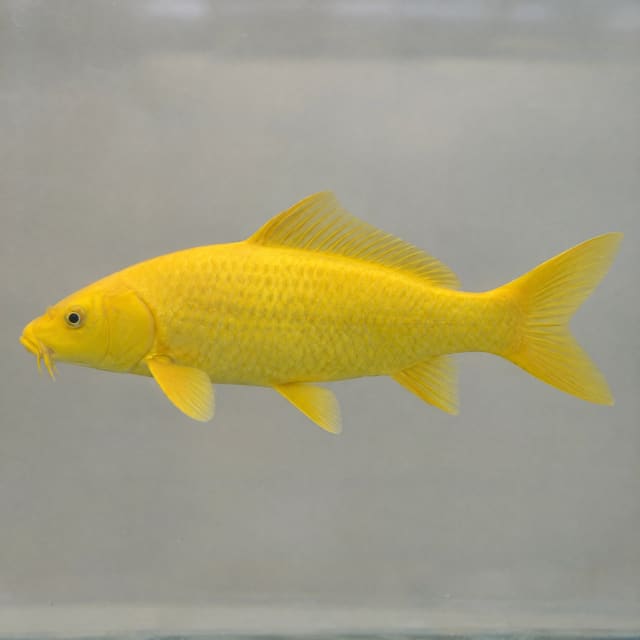
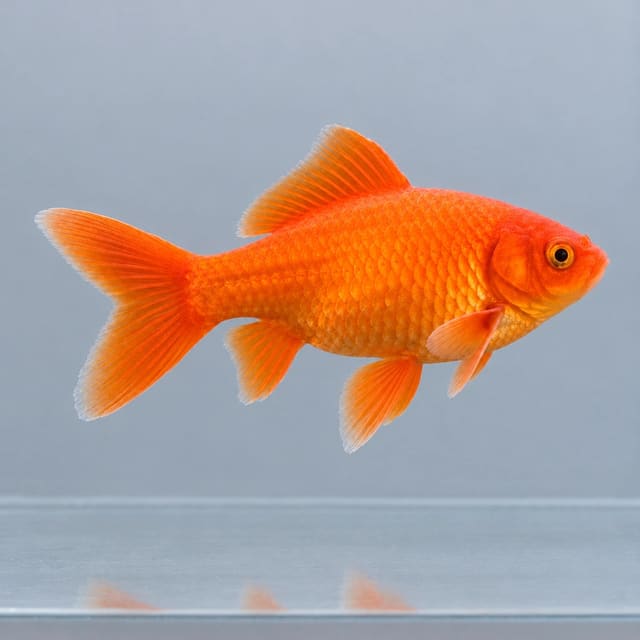
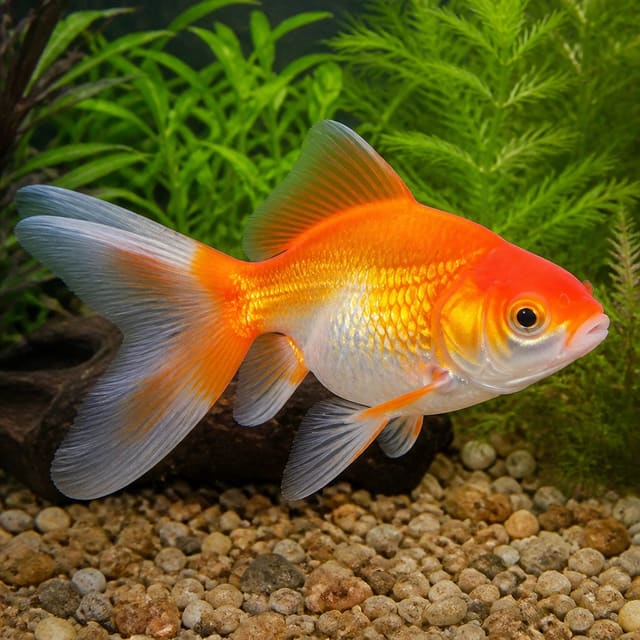
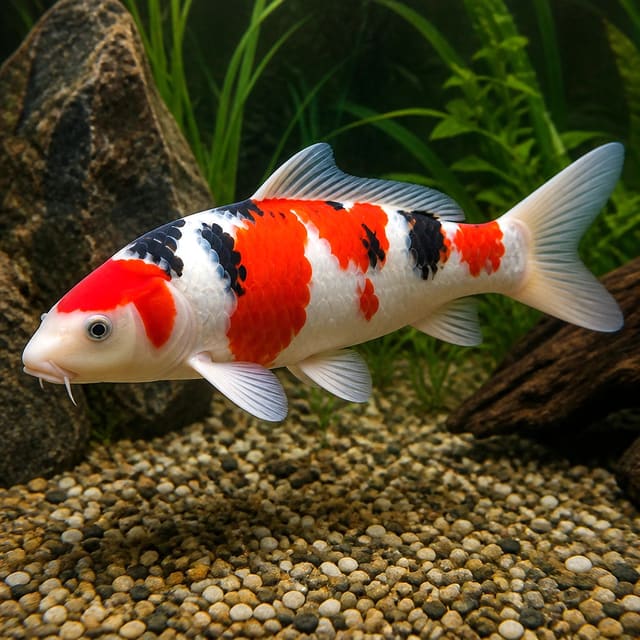
The photographs show the colour form, not the individual fish. Expect some difference in how much blue shows along the back and how pink the fins are, and remember that colour and body shape change as an orfe grows.
Before you order, check our delivery and Live Arrival Guarantee information, so the pond is ready and someone is home when the fish arrive.
Orfe are big fish, and sources give different figures for how big. FishBase records a maximum of 85 cm standard length in the wild, a common length of 30 cm and a published weight of up to 4 kg, with a reported age of 29 years. OATA says orfe, koi and tench can grow up to 75 cm, and the Maidenhead Aquatics database gives 60 cm or more for blue orfe. In a garden pond, plan for a fish of at least 40–60 cm that may live for decades.
That size decides the pond. OATA recommends that koi, tench and orfe are kept in a pond of 4,500 litres or more, and that fish ponds are at least 45–60 cm deep. Depth keeps temperatures steadier, with a cool zone at the bottom during warm spells and a warmer zone in a freezing winter. The Maidenhead Aquatics database adds that orfe suit large ponds with good water movement, including ponds that are too shallow for carp.
An orfe is not an aquarium fish. FishBase states that the species is not recommended for home aquariums and that keeping it indoors would take at least 10 fish in a tank more than 200 cm long.
Oxygen is the most important thing to get right. The Maidenhead Aquatics database says orfe prefer oxygen-rich water and can struggle in small ponds with slow-moving water, and that a waterfall or stream helps keep oxygen levels up overnight. OATA notes that a pump or fountain helps to circulate and oxygenate any pond. The Maidenhead Aquatics pond guide points out that oxygen matters most on hot summer days and at night, when pond plants give off carbon dioxide, and that a rippling surface shows oxygen is going in.
| Area | Purpose for orfe |
|---|---|
| Long stretch of open water | Room for a shoal to cruise and turn at speed |
| Waterfall, stream or fountain | Moves the surface and adds oxygen day and night |
| Deepest zone | Steadier temperatures in heatwaves and hard frosts |
| Planted shelves and margins | Shade, shelter and a home for the insects orfe hunt |
| Net or mesh over the surface | Stops new fish jumping out and keeps herons off |
For the site, the OATA garden pond guide suggests a level spot with roughly four to six hours of sun a day and some shade, away from trees that drop leaves into the water. OATA recommends a mix of marginal, submerged and floating plants, which add oxygen, take up pollutants and give shelter. The Maidenhead Aquatics database notes that orfe do not eat plants, so planting a pond for them is straightforward.
Orfe are fish of cool, temperate water. The three sources below agree on the broad picture but differ on the exact ranges, so the table shows each one.
| Reading | OATA pond fish | FishBase (ide) | Maidenhead Aquatics (blue orfe) |
|---|---|---|---|
| Temperature | 4–24°C | 4–20°C | 4–22°C |
| pH | 6.5–8.5 | 7.0–7.5 | 7.0–8.0 |
| Hardness | 8–18 dGH, 5–15 dKH | 10–15 dH | Up to 25 dH |
The range all three share is about 4–20°C, pH 7.0–7.5 and 10–15 dGH. Waste readings matter even more: OATA asks for ammonia and nitrite at zero, and nitrate no more than 20 mg/l above your tap water. The OATA garden pond guide gives a looser nitrate limit of 50 mg/l above tap water, so treat 20 mg/l as the target and 50 mg/l as the point to act.
UK tap water is treated with chlorine or chloramine, and OATA advises treating all new tap water with a conditioner before it reaches the pond. The Maidenhead Aquatics database adds that orfe are sensitive to heavy metals in tap water, another reason to use a good conditioner every time you top up after evaporation. Your water company publishes hardness and pH for your postcode. Our water matcher compares readings with a fish's range, and the water chemistry guide explains pH, GH and KH. Conditioners and test kits are in our water care and treatment range.
OATA is clear that any pond holding fish needs a filter, because the bacteria that grow on its media break down toxic ammonia and nitrite. Those bacteria take time to build up, so add fish slowly. Overstocking, or stocking too quickly, causes what OATA calls new pond syndrome: there are not enough bacteria for the waste, ammonia and nitrite rise, and fish fall ill or die. Our guide to the nitrogen cycle explains the process, and the filtration guide covers how filters work.
If the pond has a UV unit, OATA suggests replacing the bulb about once a year, following the maker's instructions.
In the wild, FishBase records the ide eating a wide range of aquatic and land animals as well as plant material, with the largest fish feeding mainly on other fish. In the pond, the Maidenhead Aquatics database lists pond flakes, pellets and sticks, live and frozen foods and insects, and notes that young orfe eat large numbers of mosquito larvae. OATA explains that pond fish appetite follows water temperature: summer feeding builds condition, and as the water cools a lower-protein, more digestible food such as wheatgerm is better.
| Water temperature | What to feed |
|---|---|
| Steadily above 10–15°C | Normal staple food, once a day |
| Around 10°C | Wheatgerm food only (Maidenhead Aquatics) |
| Below about 8°C | OATA says it may be better not to feed at all |
| Spring warming | Restart slowly; the filter bacteria need time to recover |
The sources set the cut-off slightly differently, 8°C for OATA and around 10°C for Maidenhead Aquatics, so use a pond thermometer and lean towards feeding less. Browse every food in our fish food range.
The OATA garden pond guide advises against adding fish in winter, when their immune system is inactive, so plan purchases for spring to early autumn. Check that ammonia and nitrite read zero before the fish arrive. OATA's method is to keep the bag out of bright light, float it in the pond for 10 minutes so the temperatures match, then add small amounts of pond water to the bag before releasing the fish with as little bag water as possible. Our guide on how to acclimatise new fish walks through each step.
OATA recommends netting a pond after adding new fish, because fish are more likely to try to jump out during their first couple of weeks somewhere new. Orfe are known jumpers: the Maidenhead Aquatics database notes that they leap out of ponds during summer storms.
| Checkpoint | What to do |
|---|---|
| Before arrival | Test the water, clear the pump intake and fit the net |
| Arrival | Float for 10 minutes, mix in pond water, release gently |
| Day 1 | No food; let the fish find the deep water and cover |
| Days 2–7 | Small feeds; check the new fish join the shoal and eat |
| End of week | Test ammonia and nitrite again; keep the net on for another week |
OATA says most pond fish are compatible with each other, though they may need slightly different conditions. The Maidenhead Aquatics database describes orfe as hardy, active and sociable, but adds two cautions: large orfe will eat small fish, while ignoring fish too big to swallow, and their constant activity can make koi more nervous. The same database notes that orfe can help keep down goldfish egg numbers in larger ponds.
| Suits | Avoid or think twice |
|---|---|
| Golden Orfe, the same species in gold | Small fish and young fry that fit in an adult orfe's mouth |
| Golden Tench, a bottom-dweller that leaves the upper water free | Very nervous koi in a small pond |
| Adult single-tailed goldfish such as the Bronzed Comet Goldfish | Ponds under 4,500 litres or without moving water |
| The Grade A Premium Koi Mix in a large, well-filtered pond | Indoor aquariums of any normal size |
Check a planned mix with our tank mates tool, read the cold water fish buying guide, or browse all goldfish and coldwater fish.
OATA lists the signs of a healthy pond fish: clear, bright eyes, undamaged fins, intact scales with no ulcers or bumps, normal swimming and steady breathing. Signs of trouble include clamped fins, flicking against the sides or décor, shimmying, hanging at the surface, sitting on the bottom, a change of colour, faster or slower gill movement, white spots or fluffy growths, and loss of appetite. OATA also advises watching closely as the water warms in spring, because the immune system can be weak after winter.
The Maidenhead Aquatics database describes orfe as hardy and seldom affected by disease, but sensitive to certain medications. Always read the label before treating a pond that holds orfe, and check that the product is safe for them.
| Sign | First action |
|---|---|
| Gasping at the surface, especially at dawn | Increase aeration at once and test ammonia and nitrite |
| Fish missing, or scrapes along the back | Look for heron or cat damage; fit or repair the net |
| White spots or flicking | Test the water and read our white spot treatment guide, checking any product is safe for orfe |
| Not feeding in cold water | Normal below about 8–10°C; do not force food |
Orfe rarely spawn in garden ponds. FishBase describes wild adults migrating into tributaries to spawn over gravel or submerged plants in moderate current, with each female spawning once a season and attaching sticky eggs to the gravel or plants. The Maidenhead Aquatics database suggests running water is the key trigger, which explains why spawning in still garden ponds is unusual.
In England and Wales, government guidance lists ide or orfe among the non-native fish you do not need a licence to keep. That does not extend to letting them go: OATA states that releasing aquarium or pond animals into the wild is illegal, usually kills the fish and can harm native wildlife. If you need to rehome orfe, pass them to another pond keeper or ask a local aquatic shop.
It is a silver-blue colour form of the ide or orfe, Leuciscus idus, a streamlined fish from the rivers and lakes of Europe and Asia that is kept in garden ponds. It is the same species as the golden orfe, so the care is the same and the two colours can share a pond.
Plan for 40–60 cm or more. The Maidenhead Aquatics fish database gives 60 cm or more for blue orfe, OATA says orfe can reach 75 cm, and FishBase records wild ide up to 85 cm standard length.
OATA recommends a pond of 4,500 litres or more for orfe, at least 45–60 cm deep, with a filter and moving, well-oxygenated water from a waterfall, stream or fountain.
OATA advises groups of four or five, otherwise orfe are likely to become stressed. Blue, golden and silver orfe are one species, so a group can mix the colours.
No. FishBase does not recommend the species for home aquariums and says indoor keeping would need at least 10 fish in a tank more than 200 cm long. It is a pond fish.
The Maidenhead Aquatics database says large orfe eat small fish but ignore fish too big to swallow, and that they do not eat plants. They also take goldfish eggs, which can help keep numbers down in a big pond.
OATA says it may be better not to feed at all once the water falls below 8°C; the Maidenhead Aquatics pond guide switches to wheatgerm food at around 10°C and stops feeding in winter. Restart slowly in spring.
Not in England and Wales: government guidance lists ide or orfe among the non-native fish you can keep without a licence. Never release them into the wild.
One live Blue Orfe in the size you choose, 2–3 in or 5–6 in. Sex is not chosen or guaranteed.
No reviews for this item yet. Bought one? Honest reviews only, good or bad.
What customers say about ordering from us
Easy website plenty of info on fish your buying great to pick a time slot
TRACEY DURRANT · 7 Oct 2026
Got some lovely fish thank you
Kevin Mackie · 7 Oct 2026
Reviews of our shop, collected by Judge.me, an independent third-party review collector. Newest first.
Moved by UK carriers licensed to handle live animals
Hand-packed with oxygen bags, poly box, heat pack
Email photos the same day; an optional unboxing video helps us review problems faster — claim terms apply
Klarna & PayPal Pay in 3 at checkout