Advanced
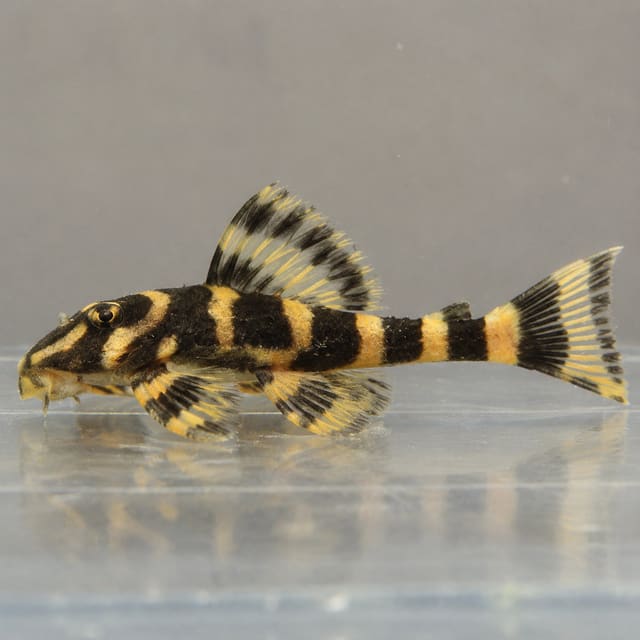
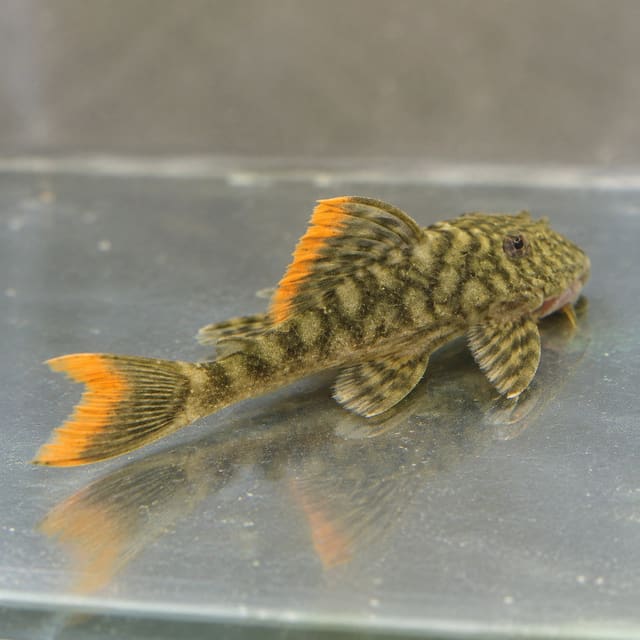
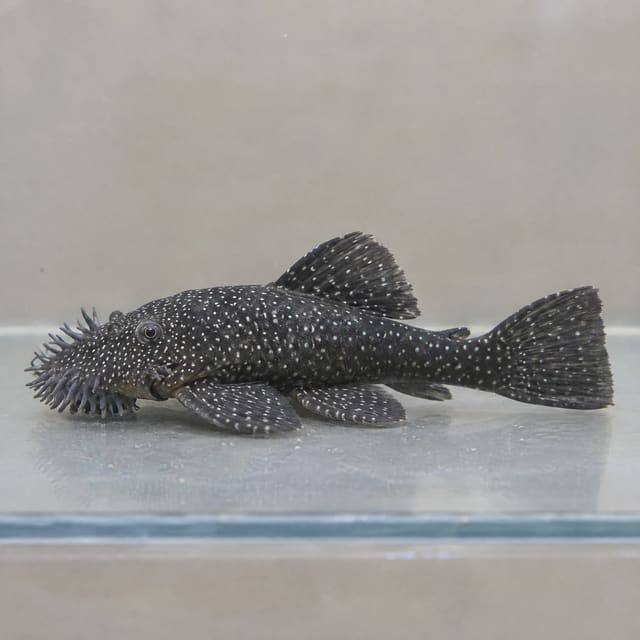
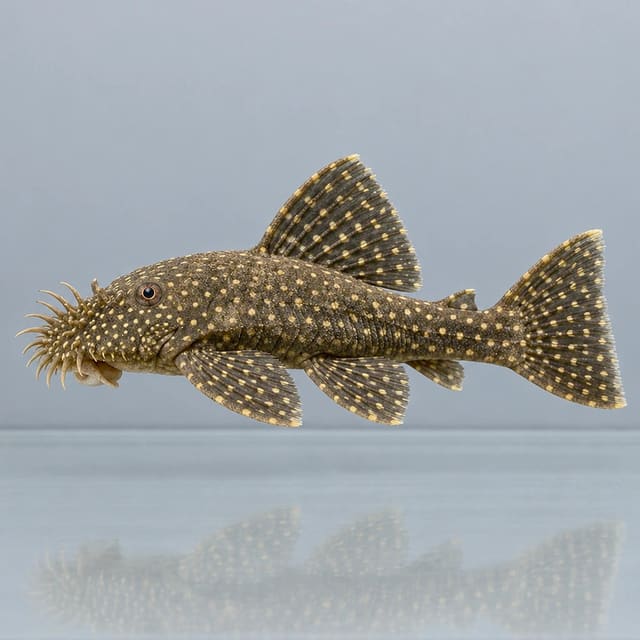
Slate Pleco (Pseudancistrus genisetiger)
26–28°C · pH 6–7
£83.89
The Black Driftwood Catfish (Trachycorystes trachycorystes) is a large, nocturnal, all-black woodcat from northern South America that grows to 35 cm standard length. It is aggressive and predatory, so it suits experienced keepers with a very large species aquarium full of wood. Sold individually as one live fish.
Trachycorystes trachycorystes
The Black Driftwood Catfish (Trachycorystes trachycorystes) is a large, nocturnal, all-black woodcat from northern South America that grows to 35 cm standard length. It is aggressive and predatory, so it suits experienced keepers with a very large species aquarium full of wood. Sold individually as one live fish.
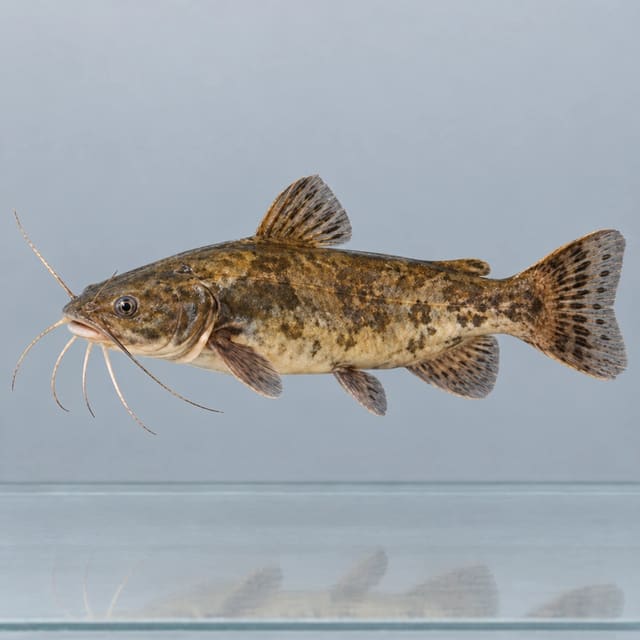
The Black Driftwood Catfish (Trachycorystes trachycorystes) is a large, nocturnal predator from northern South America. Planet Catfish describes it as slender and the same colour all over, usually black, belly included, with a protruding lower jaw that makes the species easy to recognise. It spends the day wedged into wood and comes out after dark to hunt.
It belongs to the driftwood catfish family, Auchenipteridae, subfamily Auchenipterinae. FishBase records it from the Amazon basin, the Essequibo basin in Guyana and the Orinoco basin in Venezuela. The genus name combines Greek words for rough and helmeted, after the rugged bony shield on the head. Planet Catfish notes that it is the Trachycorystes species most often exported, though only now and then.
| Name | Where you see it |
|---|---|
| Black Driftwood Catfish | Common UK trade name |
| Black Woodcat, Iron Head Driftwood Catfish | Other common names |
| Trachycorystes trachycorystes | Current scientific name |
| Auchenipterus trachycorystes, Trachycorystes obscurus, T. typus | Older names, now synonyms |
Some keepers report brown rather than black fish. Planet Catfish and ScotCat both suggest a brown form may turn out to be a separate species.
| Suits | Not suited to |
|---|---|
| An experienced keeper planning for a 35 cm predator | A community tank of small or medium fish |
| A very large species aquarium with big driftwood | A standard off-the-shelf aquarium |
| Water kept at 23–27°C and pH 6.5–7.0 | A tank that cannot be kept stable |
| Feeding meaty frozen and prepared foods at night | A keeper expecting a daytime display fish |
One purchase supplies one live Black Driftwood Catfish. The size option is "Standard": the fish is sent at the size currently available, which will be far smaller than the adult. Sex is not chosen or guaranteed.
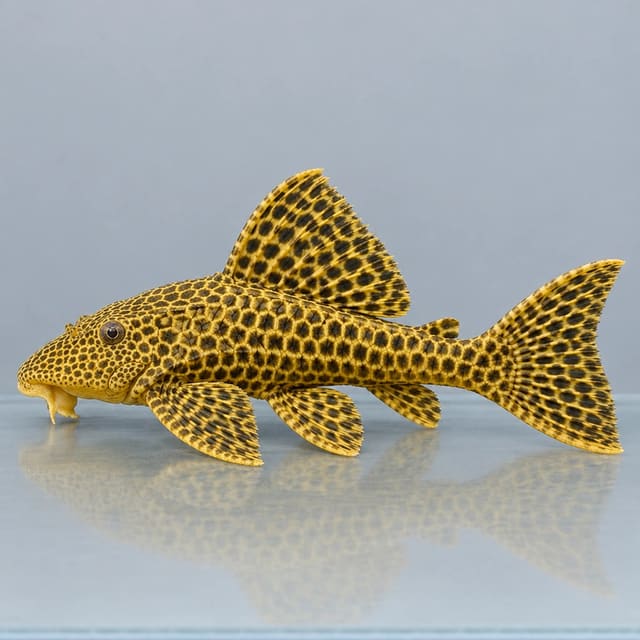
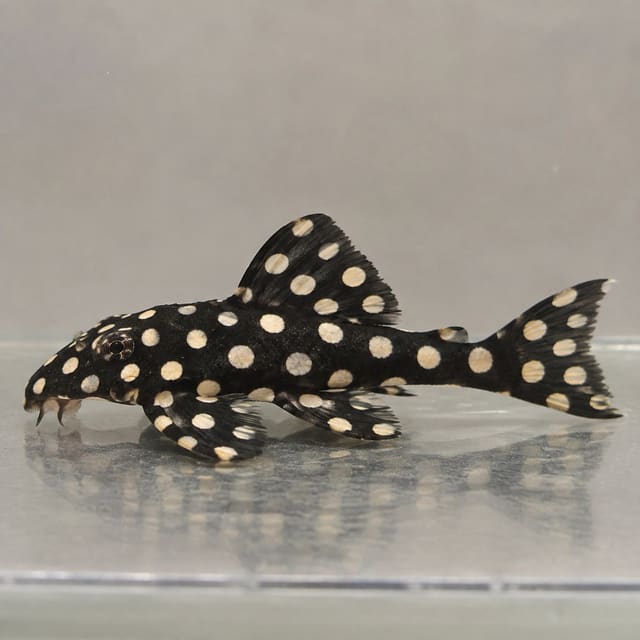
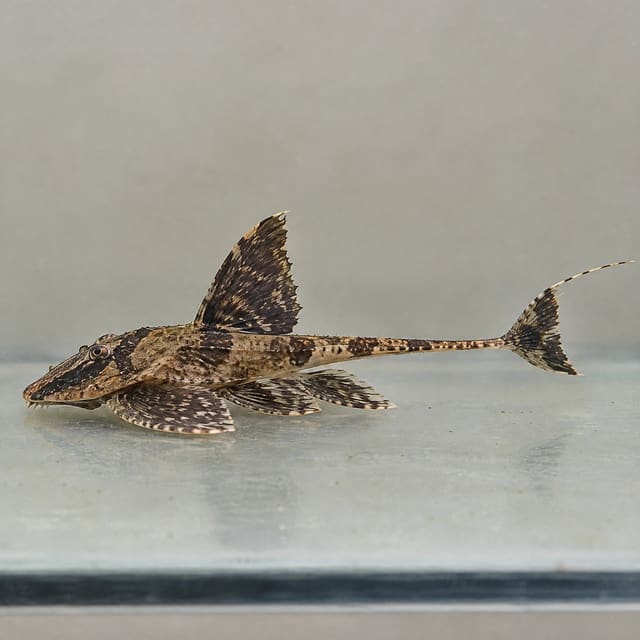
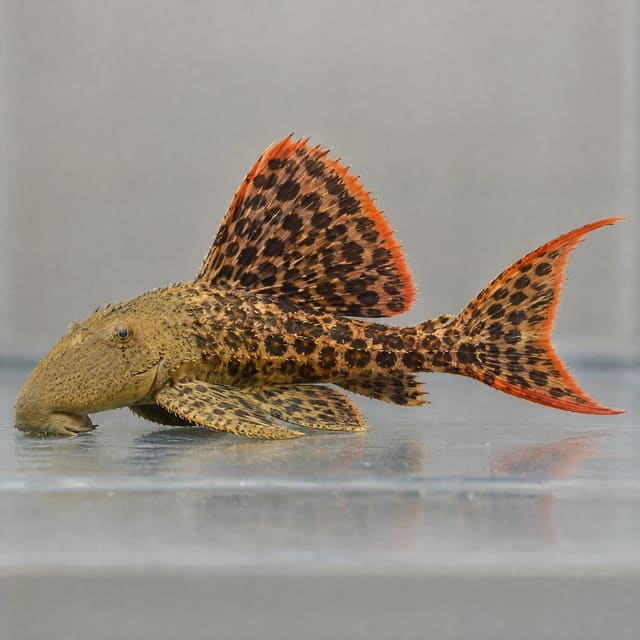
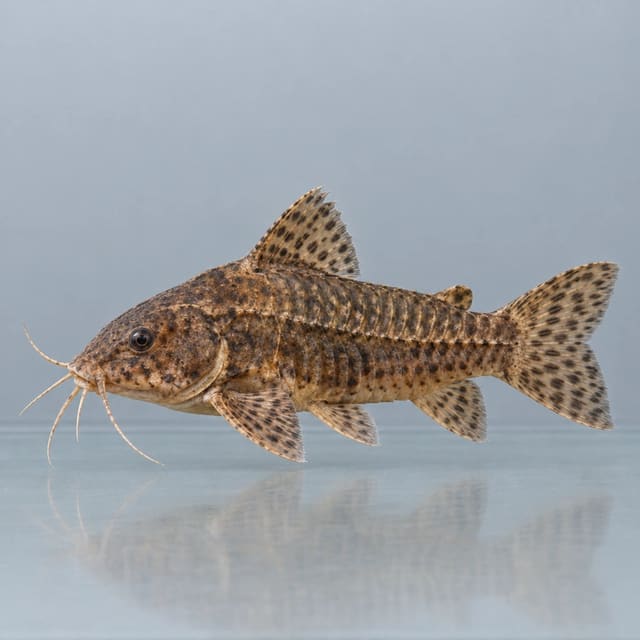
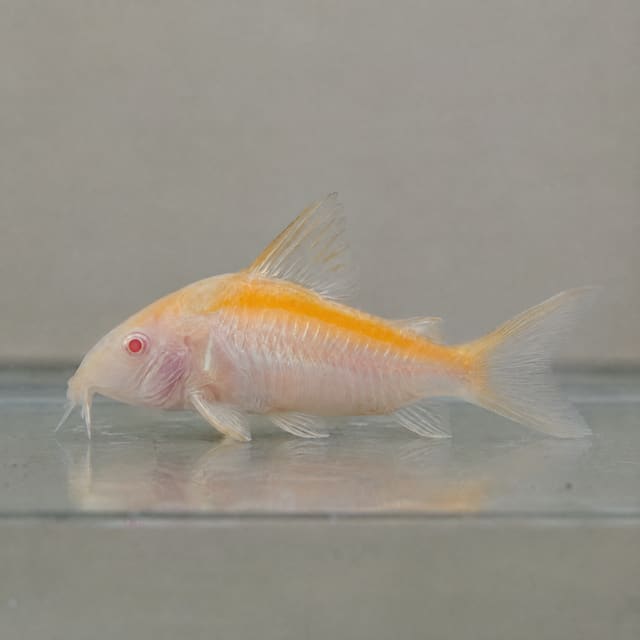
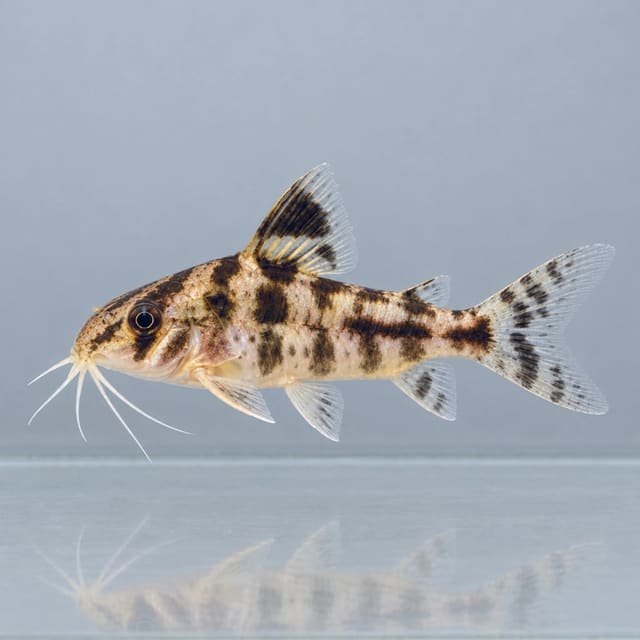
The photographs show the type of fish, not the individual you will receive. Colour can range from black to dark brown, as noted above.
Read our delivery and Live Arrival Guarantee terms and have the aquarium set up and matured before you order.
No source we checked gives a minimum aquarium size for this species, so plan from the adult size and from UK guidance on big fish. OATA's care sheet for very large fish, which includes large catfish, says an exceptionally large aquarium is needed, often over 500 litres. It also notes that sedentary species may not need the same volume as active swimmers. This catfish rests by day, but Planet Catfish stresses that it needs swimming space for its night-time activity as well as large hiding places.
Fit a heavy, secure lid. Planet Catfish warns that this species may jump when first introduced, and OATA notes that large fish are often jumpy in a new home.
Planet Catfish recommends large pieces of driftwood as hiding places, which suits a fish named for living among sunken wood. Give it a cave or root tangle it can wedge into completely, with open sand in front for night patrols. Dim lighting, or a lighting period that ends in the early evening, lets you see it more often.
| Element | Purpose |
|---|---|
| One large driftwood cave or root tangle | The daytime refuge it defends |
| Open floor of smooth sand | Night-time swimming and feeding area |
| Securely placed rocks and wood | Structure that a large fish cannot dislodge |
| Guarded heater and pipework | Protection from a strong fish pushing through décor |
OATA advises securing every rock and ornament and protecting heaters, because large fish disturb décor and can dislodge it. Its catfish care sheet also recommends sand or fine gravel to protect sensitive barbels.
Planet Catfish lists 23–29°C and pH 6.4–7.0 and describes the species as generally undemanding. ScotCat gives 23–27°C and pH 6.5–7.0. We suggest the overlap of the two: 23–27°C and pH 6.5–7.0. Neither source gives a hardness figure; OATA's general catfish range of 4–18 dGH is a reasonable guide.
| Reading | Target |
|---|---|
| Temperature | 23–27°C |
| pH | 6.5–7.0 |
| General hardness | No species figure; OATA's catfish guide gives 4–18 dGH |
| Ammonia | 0 mg/l |
| Nitrite | 0 mg/l |
| Nitrate | No more than 20 mg/l above your tap water |
The pH band is narrow, so check where your tap water sits before you buy. Aim for a stable value close to the range rather than repeated chemical corrections. Use a conditioner at every water change to remove chlorine or chloramine. Our water chemistry guide explains pH, hardness and buffering.
A 35 cm meat-eater produces a lot of waste. OATA notes that very large fish may need several large aquarium filters, or even a pond filter, to control water quality and remove solid waste. Choose filtration for the adult fish from the start rather than upgrading after problems appear. Our filtration guide explains flow and media choices.
Planet Catfish says it eats everything that fits its very large mouth and prefers live food, but it also takes larger frozen foods and happily eats prepared foods; tiny foods such as daphnia are not suitable. ScotCat lists worm foods, frozen shrimp, bloodworm, chunks of frozen fish, tablets and pellets. With that range of frozen and prepared foods accepted, there is no need to offer live feeder fish.
Overfeeding a large predator quickly fouls the water. If food is regularly left, reduce the portion. A fish that stops feeding is a reason to test the water, not to offer richer food.
Add it only to a mature aquarium with zero ammonia and nitrite and the cave already in place. OATA notes that catfish are double-bagged because their spines can pierce a bag, and that most catfish carry spines on the pectoral fins and behind the gills, so take care when handling it. Our acclimatisation guide covers the floating method: lights off, about 10 minutes floating, then small amounts of tank water over up to 20 minutes before release.
| Checkpoint | What to do |
|---|---|
| Before arrival | Test the water, secure the lid and place the cave |
| Arrival | Acclimatise in the dark and leave the lights off |
| First night | Offer a small meaty portion near the cave |
| Days 2–7 | Check breathing, appetite and leftovers each morning |
| End of week | Full water test and the normal change |
This is the most important point on this page. Planet Catfish calls it an aggressive fish that needs a species tank with plenty of refuges, warns that it will attack its own kind, and says smaller fish will eventually be killed even if they can defend themselves well. ScotCat calls it one of the most aggressive catfish in the hobby, says it will quickly kill smaller tank mates as it grows, and concludes that it is basically a fish to keep on its own, though large cichlids may be possible.
| Possible, with care | Avoid |
|---|---|
| Very large, robust fish | Any fish that fits in its mouth |
| Fish that do not need caves or floor refuges | Fish that compete for caves and refuges |
| Large cichlids, according to ScotCat | Slow fish such as adult angelfish |
| A species tank, the safest option | Another Trachycorystes in the same tank |
Driftwood catfishes are close relatives of the thorny or talking catfishes, such as our Striped Raphael Catfish, but that fish is exactly the kind of cave-user this predator would fight. Our Perugia's Woodcat belongs to the same family yet is a small fish that would be eaten, so never mix the two. If you are weighing up big South American catfish, compare the commitment with the Yellowtail Redtail Catfish, and browse our rare and collector fish, our catfish and plecos or the full South American catfish range.
| If you see | Do this |
|---|---|
| Rapid breathing or hanging at the surface | Test ammonia, nitrite and temperature at once |
| Refusing food for several nights | Test the water, check the temperature and look for stress from tank mates |
| Damaged or missing tank mates | Separate the fish at once; this is its normal behaviour, not a phase |
| Rubbed snout or torn fins | Look for sharp décor and check whether it has been jumping |
| White spots, fluffy patches or ulcers | Test the water and seek fish-health advice before treating |
OATA lists clear eyes, intact fins, no ulcers or bumps, normal swimming and steady breathing as signs of a healthy fish. Because this catfish is nocturnal, check it with a dim torch after dark as well as in daylight.
Buyers often weigh this fish against the more widely kept common woodcat, Trachelyopterus galeatus, which also hides in wood by day. The two look and live alike, but they need very different set-ups.
| Trait | Black Driftwood Catfish | Common woodcat |
|---|---|---|
| Adult size | 35 cm standard length | 22 cm standard length; up to 30 cm total length recorded |
| Temperament | Aggressive; a species tank is advised | Boisterous but not aggressive; eats small fish |
| Temperature | 23–27°C | 20–24°C |
| pH | 6.5–7.0 | 6.0–7.5 |
| Aquarium | Very large; no species minimum published | Over 90 cm long for a pair |
The common woodcat figures come from Planet Catfish, FishBase and the ScotCat factsheet for that species. If you want a woodcat that can live with other large, peaceful fish, the smaller species is the easier choice. Choose the Black Driftwood Catfish only if you can give it a tank of its own.
Planet Catfish lists breeding as unreported in the aquarium. FishBase records internal fertilisation, as in other driftwood catfishes: the male's modified anal fin, which ScotCat describes, transfers sperm to the female. Breeding is not a realistic aim for most keepers, and aggression between adults makes keeping a pair risky.
It is Trachycorystes trachycorystes, a large, usually all-black catfish of the driftwood catfish family Auchenipteridae from the Amazon, Essequibo and Orinoco basins. It is also sold as the Black Woodcat or Iron Head Driftwood Catfish.
FishBase, Planet Catfish and ScotCat all give 35 cm standard length. Males stay smaller than females, but plan for a 35 cm fish.
No. Planet Catfish describes it as aggressive and recommends a species tank, and ScotCat calls it one of the most aggressive catfish in the hobby. It kills smaller fish and may attack its own kind.
No source gives a species minimum. OATA says very large fish usually need an exceptionally large aquarium, often over 500 litres, though sedentary fish can need less than active swimmers. Plan the tank around a 35 cm adult, with a cave and room to move at night.
It is a predator with a very large mouth. ScotCat lists worm foods, frozen shrimp and bloodworm, chunks of frozen fish, tablets and pellets, and Planet Catfish says it takes prepared foods readily. Live feeder fish are not needed.
Keep it at 23–27°C and pH 6.5–7.0, where the Planet Catfish and ScotCat ranges overlap, with zero ammonia and nitrite. Planet Catfish describes it as generally undemanding about water.
Only with very large, robust fish, and a species tank is the safer plan. Avoid smaller fish, slow fish such as adult angelfish, and fish that would compete for its hiding places.
One live fish of the standard size currently available.
No reviews for this item yet. Bought one? Honest reviews only, good or bad.
What customers say about ordering from us
Easy website plenty of info on fish your buying great to pick a time slot
TRACEY DURRANT · 7 Oct 2026
Got some lovely fish thank you
Kevin Mackie · 7 Oct 2026
Reviews of our shop, collected by Judge.me, an independent third-party review collector. Newest first.
Moved by UK carriers licensed to handle live animals
Hand-packed with oxygen bags, poly box, heat pack
Email photos the same day; an optional unboxing video helps us review problems faster — claim terms apply
Klarna & PayPal Pay in 3 at checkout