Moderate
Bristlenose Pleco (Ancistrus sp.)
22–27°C · pH 6–8
From £3.51Some sizes on sale
Panaque titan is a freshwater armoured catfish from Ecuador’s Napo River basin that reaches 39.4 cm standard length. It suits a mature, well-filtered tropical freshwater aquarium planned around its full adult size, with ammonia and nitrite at zero mg/l. Sold individually as one live fish per purchase.
Adult size is the maximum length this species reaches at full maturity (scientific sources). The livestock you receive will be younger and smaller. Product-photo provenance and any image-specific limitations are stated on the listing.
Panaque titan
Panaque titan is a freshwater armoured catfish from Ecuador’s Napo River basin that reaches 39.4 cm standard length. It suits a mature, well-filtered tropical freshwater aquarium planned around its full adult size, with ammonia and nitrite at zero mg/l. Sold individually as one live fish per purchase.
Adult size is the maximum length this species reaches at full maturity (scientific sources). The livestock you receive will be younger and smaller. Product-photo provenance and any image-specific limitations are stated on the listing.
Panaque titan is a tropical freshwater armoured catfish from Ecuador’s Napo River basin. It belongs to the Loricariidae family and reaches 39.4 cm standard length. This fish suits a keeper who can provide a mature, well-filtered aquarium planned around that full adult measurement, maintain stable water quality and screen every proposed companion before mixing species.
FishBase identifies Panaque titan as a demersal South American freshwater fish in Loricariidae. Demersal means it is associated with the lower part of its environment, so aquarium planning must include usable bottom space rather than concentrating only on open water higher in the tank. FishBase notes facultative air-breathing in the genus and lists the species as Least Concern on the IUCN Red List.
Wikipedia’s Panaque titan summary records an adult standard length of 39.4 cm and places the species in several rivers within the Napo basin. It was perhaps first encountered in 1975 but was not scientifically described until 2010. Standard length is measured without the tail fin, so the fish is longer overall than 39.4 cm; plan the aquarium with that extra length in mind.
Start with the adult fish, the complete stocking plan and the mature filter when judging suitability. Base aquarium size, food and companions on this species rather than on the broad catfish group it is sold in. To compare other armoured catfish before deciding, browse the catfish and plecos collection and check each species’ adult size separately.
One purchase supplies one live Panaque titan. Plan the aquarium around the recorded adult length of 39.4 cm standard length rather than the size at dispatch, and be prepared to move the fish into a bigger setup before it outgrows a smaller one.
Sex is guaranteed only when the selected option explicitly states male or female. This Panaque titan listing has no sex-guaranteed option.
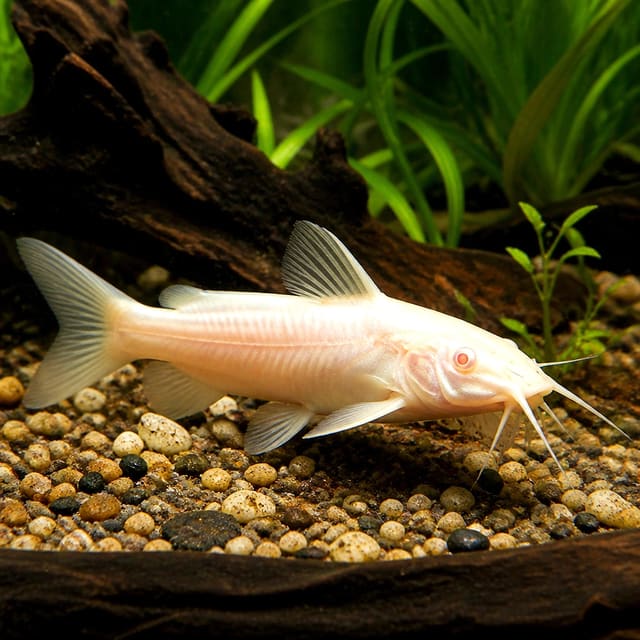
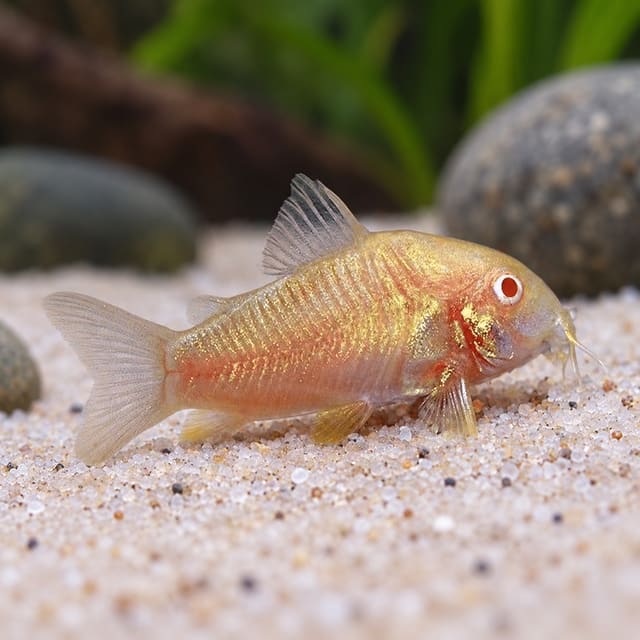
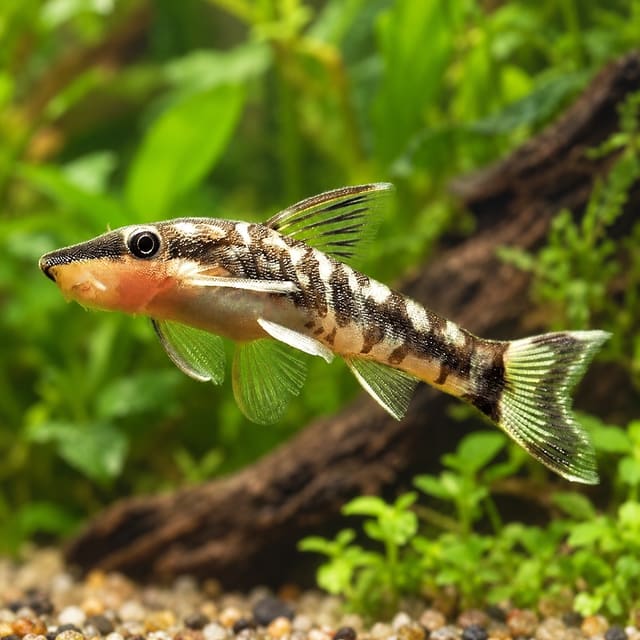
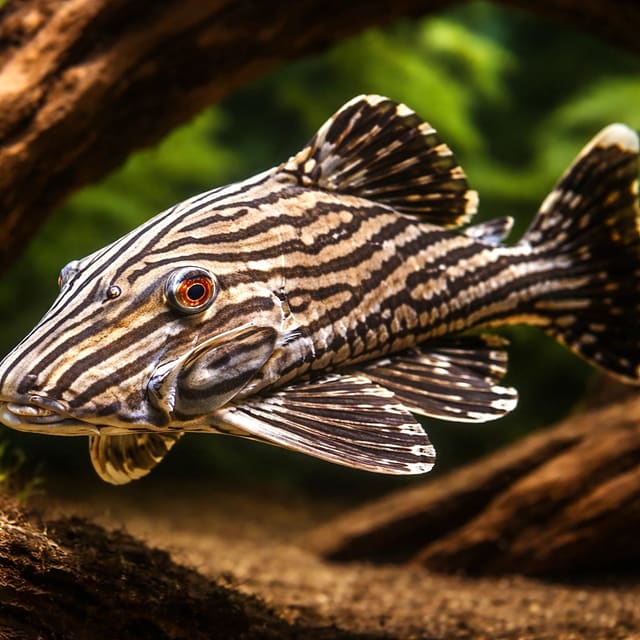
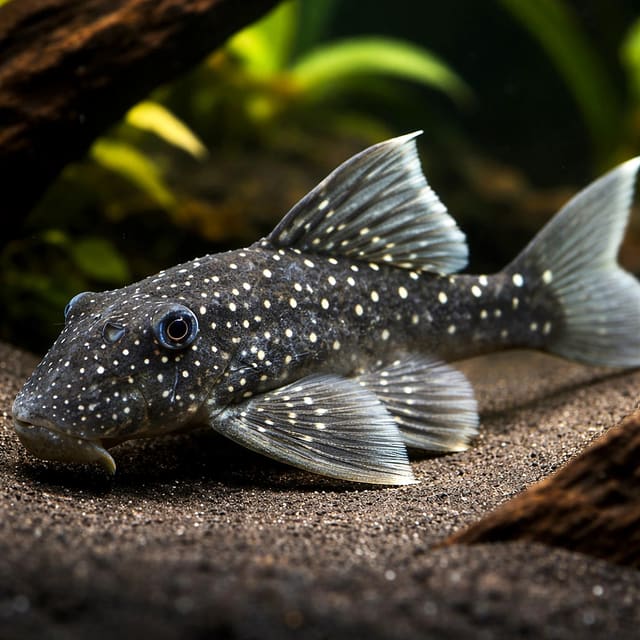
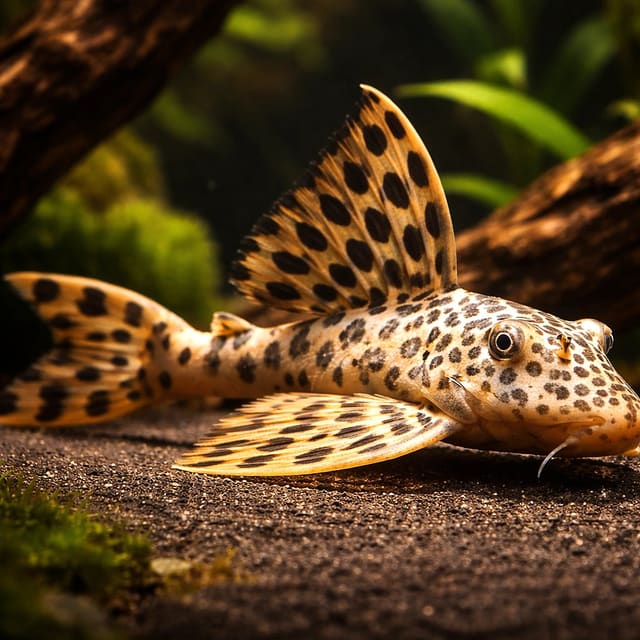
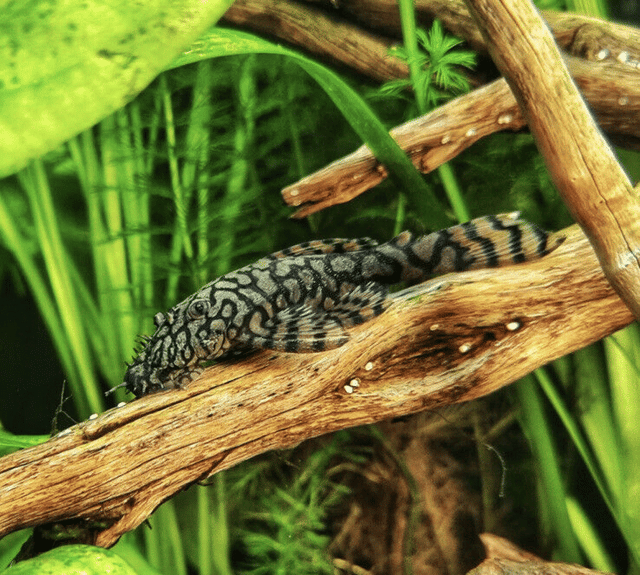
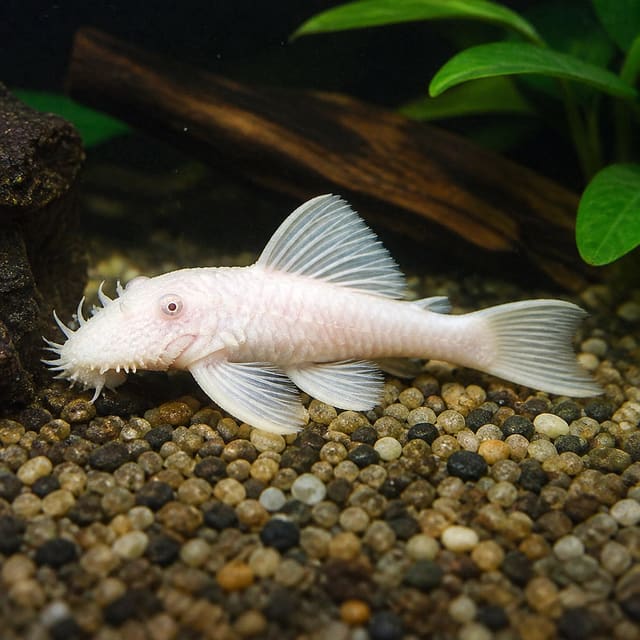
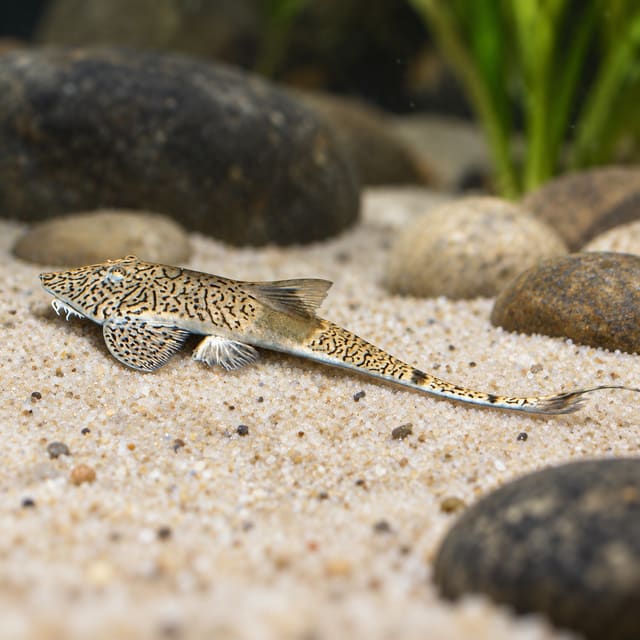
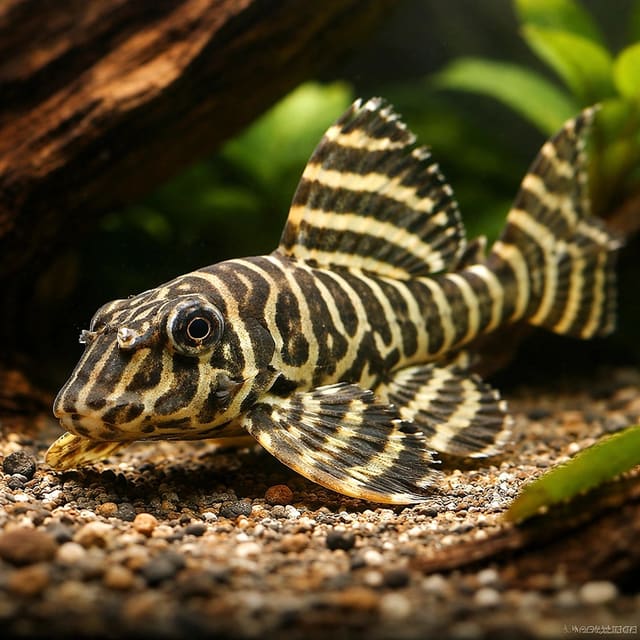
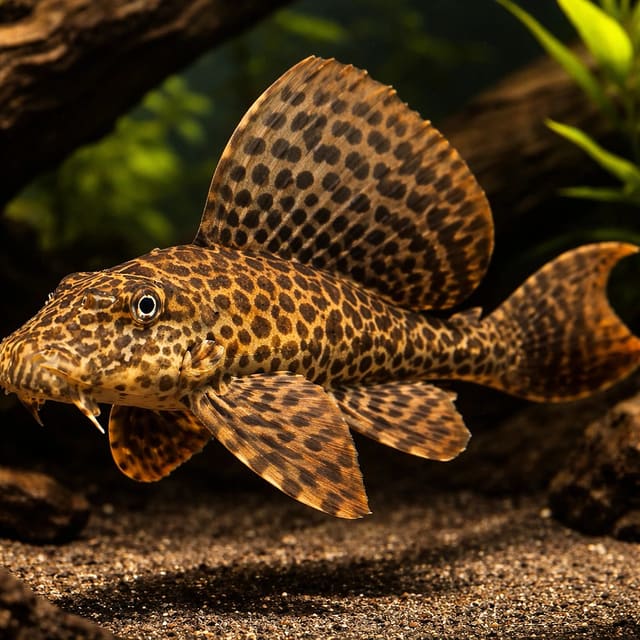
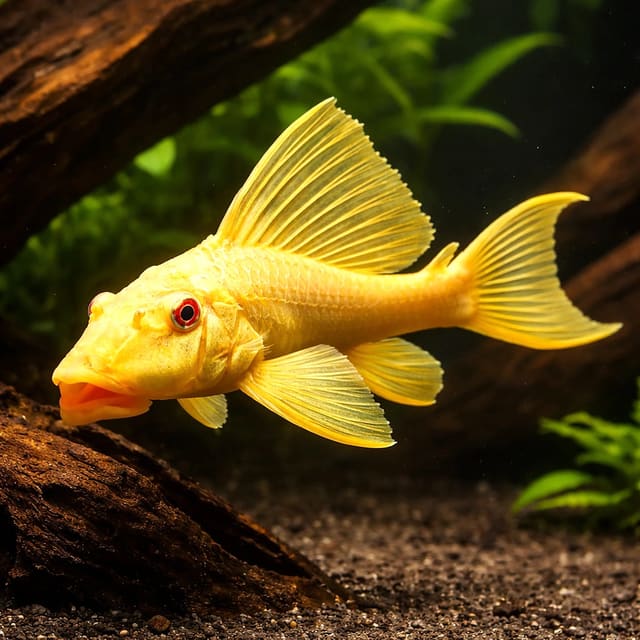
The gallery images are representative of this type of animal rather than photographs of the exact animal supplied, so colours can look slightly different from the live animal.
OATA’s freshwater aquarium guidance says that, within reason, you should buy an aquarium as big as possible, ideally one able to accommodate your chosen fish once fully grown. Larger aquariums contain more water, so they will be more stable and less susceptible to changes in temperature and pH. For this fish, combine that advice with the 39.4 cm adult measurement, the usable footprint after decoration and the demands of the entire stocking plan.
| Suits | Not suited to |
|---|---|
| An aquarium planned around a 39.4 cm standard-length adult | A home chosen only around the fish’s dispatch size |
| Mature biological filtration with ammonia and nitrite held at zero mg/l | An immature aquarium or a tank without a maintained filter |
| A keeper prepared for at least weekly water testing and regular maintenance | A setup where water quality will not be measured routinely |
| A whole-aquarium compatibility assessment covering size, water, flow and behaviour | Mixing species because they share a broad shop category |
| Usable lower-level space retained after adding plants and ornaments | A layout where decoration leaves too little practical space for the adult fish |
Make all five checks together. A large aquarium does not compensate for an immature filter, and a mature filter does not resolve an unsuitable adult layout or incompatible companions. The correct decision is the aquarium plan that accommodates the full-grown fish while keeping water quality stable for every inhabitant.
Make the adult plan before choosing equipment, because plants, ornaments and the complete stock all reduce usable aquarium space.
Plan the permanent aquarium around an adult Panaque titan measuring 39.4 cm standard length. Use that figure before buying the aquarium, stand, filter, plants or ornaments so each component belongs to one coherent adult plan. The fish is longer overall than 39.4 cm because standard length does not include the tail fin.
Work outward from the adult fish rather than inward from a nominal tank volume. Aquarium dimensions determine the physical area the fish can use, while plants and ornaments reduce that space. OATA recommends an aquarium that can accommodate the chosen fish once fully grown and notes that larger aquariums hold more water, making them more stable against changes in temperature and pH.
| Planning question | Decision |
|---|---|
| Does the aquarium account for 39.4 cm standard length? | Use the adult measurement, not the fish’s dispatch size. |
| What space remains after furnishing? | Judge the usable aquarium after plants, ornaments and equipment are in place. |
| Can the lower area remain functional? | Retain practical bottom-level space because FishBase identifies the species as demersal. |
| Can the system support the whole stock plan? | Assess filtration, water stability and every other intended animal together. |
Ideally, choose an aquarium that already accommodates the fully grown fish; if you begin with a smaller one, be prepared to buy a bigger setup as the fish grows. Choosing the final home from the outset reduces repeated moves and ensures that filtration, furniture and stocking decisions are based on the same end point. If an upgrade forms part of an existing plan, complete it before the fish outgrows the usable space rather than waiting for movement or water quality to become restricted.
Use a well-set-up, maintained biological filter and mature it before Panaque titan enters the aquarium. The RSPCA’s aquarium guidance explains that fish release toxic ammonia, which biological filtration converts first to toxic nitrite and then to the safer nitrate through beneficial bacteria. A filter is therefore a life-support system, not simply a way to make the water look clear.
Fill the aquarium, make the water safe and switch on all equipment before beginning maturation. OATA says water can be dechlorinated by allowing it to stand for 24 hours or by using a commercial dechlorinator. It also advises leaving the filled aquarium for 24–48 hours so the correct temperature can be reached and the equipment can be checked. That equipment-settling period is followed by filter maturation; it is not a substitute for demonstrating that the biological filter processes waste correctly.
Do not use elapsed time alone to decide that a filter is ready. The useful decision is whether repeated water tests show that ammonia and nitrite are both at zero mg/l while the equipment operates reliably. Our first tropical aquarium guide explains how to prepare and mature the setup before livestock arrives.
Add livestock slowly after maturation. OATA warns that stocking too quickly or overstocking can cause new tank syndrome because the population of beneficial bacteria must increase as fish numbers and feeding rise. For a fish reaching 39.4 cm standard length, reserve capacity within the complete adult stocking plan rather than filling every apparent gap at the beginning.
Keep Panaque titan in stable tropical freshwater conditions, with ammonia and nitrite at zero mg/l. Establish the intended temperature, pH and water type as part of the whole-aquarium stocking assessment, then measure them rather than relying on appearance. Every proposed inhabitant must fit those same conditions.
Test water quality at least once a week. OATA suggests you may wish to test more often while setting up the aquarium and when adding fish. The core test kit should measure ammonia, nitrite, nitrate and pH, while temperature also needs regular checking. Learn what each result means with our aquarium water chemistry guide, then use the water matcher to compare measured aquarium values with the conditions chosen for the complete stock plan.
| Reading or change | Action |
|---|---|
| Ammonia above zero mg/l | Pause further stocking and correct water quality and biological filtration. |
| Nitrite above zero mg/l | Treat it as toxic, stop adding fish and restore a zero mg/l result. |
| Nitrate accumulating | Use appropriate partial water changes and review the aquarium’s waste load. |
| Temperature or pH drifting | Stabilise the aquarium and check equipment and location before any new introduction. |
| Results stable after adding a fish | Continue monitoring; stability is maintained through routine care rather than assumed permanently. |
Carry out partial water changes of up to 25% every week, adjusting the routine to the aquarium size, species and number of fish. Prepare replacement water at the correct temperature and treat it to make it safe before adding it. Change up to 25% of the water at each weekly change.
Nitrate in tap water can vary widely between areas, so test your tap water as well as the aquarium. Record the result before and after maintenance to understand whether a change has achieved its purpose. The target is a predictable, measured environment with toxic ammonia and nitrite held at zero mg/l.
Position the aquarium away from direct sunlight, heat sources, draughts, loud noises, vibration and sudden movement. Place it on a flat, level surface or stand that can hold the full setup indefinitely. These choices reduce avoidable environmental variation and give the equipment a stable place to operate.
Furnish the aquarium only after accounting for the space each addition occupies. OATA recommends plants and ornaments as enrichment and notes that retreats can help less boisterous or reclusive fish. Live plants also help to remove nitrate. Those benefits still need to fit within an aquarium planned around a Panaque titan reaching 39.4 cm standard length.
Review the finished layout as though the adult fish and every planned companion were already present. If the arrangement only works while the fish is smaller, revise it before stocking. The best layout is not the one with the most decoration; it is the one that combines enrichment, functional lower-level space, stable equipment and enough practical access to maintain water quality.
Recheck the location whenever seasonal sunlight, room heating or draughts change. A position that appears stable at setup can behave differently as the room changes, so let measured aquarium temperature and pH guide whether the location remains suitable.
Choose food specifically matched to Panaque titan and ensure it reaches the lower part of the aquarium where a demersal fish can access it. Diet and feeding needs vary between species, so do not choose a staple food just because another armoured catfish or bottom-dwelling fish eats it.
Follow the directions for the food chosen for this fish, then adjust the amount to observed intake. The practical aim is for the animal to receive its intended ration without leaving uneaten food to decay. OATA explains that leftover uneaten food contributes to ammonia, which together with nitrite is highly toxic to fish.
| What you observe | What to do |
|---|---|
| Food remains after the feeding period | Remove the leftovers and reduce the next portion rather than allowing waste to accumulate. |
| Food stays in upper water | Change the placement so the demersal fish can reach its ration. |
| Other fish reach all food first | Revise distribution and reassess whether the stocking arrangement permits fair access. |
| Interest in food falls | Test water quality and compare the behaviour with the fish’s normal pattern. |
| Ammonia or nitrite rises | Stop increasing food or stock and restore both readings to zero mg/l. |
Keep food choice, portion and placement as three separate decisions. The correct formula cannot help if it never reaches the fish, while accessible food still causes water-quality problems when too much remains uneaten. Observe the result at the aquarium rather than assuming that every portion was consumed.
When several animals share the aquarium, include their feeding positions and dietary needs in the compatibility assessment. OATA notes that fish may feed at the surface, throughout the water column or near the bottom and that some have specific dietary needs. A workable community plan must therefore give each animal access to suitable food without creating a persistent surplus.
Test water quality at least once a week and carry out partial water changes of up to 25% every week. Check temperature regularly, inspect the filter for blockages and keep the equipment operating reliably. A repeatable routine protects the mature biological filter and reveals changes before they become larger welfare problems.
| Checkpoint | Required decision |
|---|---|
| Before adding the fish | Confirm a mature filter, tropical conditions, suitable pH, and ammonia and nitrite at zero mg/l. |
| At least once each week | Measure ammonia, nitrite, nitrate and pH, check temperature and complete the planned partial water change. |
| After livestock is added | Test more frequently while the biological filter adjusts to the increased waste and feeding load. |
Prepare new tap water before it enters the aquarium. Match it to the correct temperature and treat it to make it safe for fish. Avoid making the weekly change an automatic volume detached from the test results: OATA gives up to 25% every week and explains that frequency and size can vary with species, aquarium size, fish numbers and other conditions.
Keep the filter’s biological role central whenever equipment is inspected or maintained. Clear water alone does not demonstrate that toxic wastes are controlled; ammonia and nitrite tests provide that decision. If either appears above zero mg/l, stop further stocking and address the aquarium’s water quality and filtration.
Combine maintenance with a brief behaviour and appearance check. Look for a change in swimming, colour, temperament, breathing, body condition, fins, scales or feeding interest. This turns routine care into an early-warning system without treating every normal variation as illness.
Review stocking whenever waste rises faster than the established routine can manage. OATA warns that overstocking and adding fish too quickly can produce new tank syndrome. A stable aquarium is maintained by matching fish numbers and feeding to the filter’s demonstrated capacity, not by assuming an established setup can absorb every addition immediately.
Prepare the mature aquarium before the parcel arrives. Before the parcel arrives, check that the new fish is compatible with the animals you already keep and that aquarium ammonia and nitrite are zero mg/l. Complete those checks in advance so the arrival procedure can remain simple and uninterrupted.
Tropical Fish Co hand-bags live fish in pure oxygen, uses an insulated poly box and adds a heat pack when the weather calls for it. A licensed live-animal courier carries the parcel. The complete conditions are set out in our delivery and Live Arrival Guarantee policy.
Film every delivery from the sealed parcel onward. The continuous video preserves the full sequence required if a Live Arrival Guarantee claim is needed, including the sealed parcel, the opening and the fish still inside its sealed bag.
If anything has gone wrong, contact us the same day with the order number and short unboxing video. The guarantee requires someone to be at the delivery address to receive the parcel, same-day opening and inspection, and continuous unboxing evidence beginning with the sealed parcel.
After release, keep observation focused on the fish and measured water quality. Arrival does not change the aquarium’s core requirements: the filter must already be mature, ammonia and nitrite must remain at zero mg/l, and the planned tropical conditions must be stable.
Learn the fish’s normal behaviour, appearance and feeding response, then act when that pattern changes. Individual fish can vary, so a change from the established baseline is more useful than judging one isolated posture or colour at a single moment.
Test water quality as the first practical response to any concerning change. Measure ammonia, nitrite, nitrate and pH, check the temperature and compare the results with the aquarium’s established targets. Ammonia and nitrite must be zero mg/l. A visible symptom and an abnormal reading together give a clearer basis for the next action than appearance alone.
Check recent changes to the aquarium as part of the same response. New livestock and increased feeding raise the load on beneficial bacteria, while blocked or unreliable filtration can reduce waste processing. OATA suggests you may wish to test more often when fish are added; test the water straight away if behaviour or appearance changes rather than waiting for the next weekly check.
If you are concerned about the fish’s health, test the water and contact us for further guidance. Share the measured results and the specific change observed so the next decision is based on the aquarium’s condition and the animal’s behaviour.
Treat every proposed pairing with Panaque titan as conditional. Build compatibility from adult space, water type, temperature, pH, flow requirements, feeding access and behaviour rather than relying on a universal tank-mate label. OATA notes that some fish species need to be kept in shoals, while territorial or aggressive species will not live together peacefully, and that each species will have a preferred temperature range and may prefer a different water type and flow rate.
Begin with the 39.4 cm standard-length adult. The aquarium must accommodate that fish after plants, ornaments, equipment and all other intended animals have been counted. Because FishBase identifies Panaque titan as demersal, include usable lower-level space and bottom feeding access in the assessment rather than judging compatibility only by the open water above it.
| Factor | Question to answer |
|---|---|
| Adult space | Can the furnished aquarium accommodate every animal at full size? |
| Water | Can one stable tropical freshwater plan meet every intended animal’s needs? |
| Flow | Do the proposed species share compatible flow requirements? |
| Behaviour | Is any proposed companion territorial or aggressive? Leave it out, because territorial or aggressive species will not live together peacefully. |
| Feeding | Can this demersal fish reach appropriate food without persistent competition or waste? |
| Filtration | Can the mature biological filter keep ammonia and nitrite at zero mg/l after stocking? |
Pause the pairing if any answer remains unresolved. Do not mix species just because they are both freshwater fish or sit in the same shop category; check temperature, pH, flow, adult space and behaviour for each one.
For a stocking and compatibility assessment, contact us with the aquarium dimensions, measured temperature and pH, filter details, existing animals and every proposed addition. Include adult sizes and intended numbers so the assessment reflects the completed aquarium rather than only the next fish.
Add fish slowly after the aquarium has matured. Beneficial bacteria must increase as fish numbers and feeding rise, so each addition changes the biological load even when ammonia and nitrite were previously zero mg/l. OATA warns that stocking too quickly or overstocking can cause new tank syndrome.
Each purchase supplies one fish. Decide how many the aquarium can support through an adult stocking and compatibility assessment that covers space, behaviour, water, flow, feeding and filtration.
| Stage | Decision |
|---|---|
| Before the first addition | Confirm that the filter is mature and ammonia and nitrite are zero mg/l. |
| Before each later addition | Repeat the compatibility screen using adult sizes and the fully furnished aquarium. |
| After an addition | Test more frequently while beneficial bacteria adjust to the new waste load. |
| If ammonia or nitrite appears | Stop adding livestock and restore both readings to zero mg/l. |
| Before increasing feeding | Check actual intake and avoid leaving food to contribute to ammonia. |
Reassess physical space as carefully as water quality. Plants and ornaments occupy room, while retreats and enrichment must remain functional for the fish using them. The final plan must still retain practical lower-level space for a demersal fish reaching 39.4 cm standard length.
Keep compatibility under observation after introduction. Watch for changes in aggression, hiding, swimming, breathing, colour, condition and feeding. A pairing that looked workable on paper still needs stable measured water and normal behaviour in the aquarium. If either changes, stop further additions and reassess the complete stock plan before proceeding.
It reaches 39.4 cm standard length, measured without the tail fin, so it is longer overall. Plan the permanent aquarium around that recorded adult figure rather than the fish’s size at dispatch.
Choose an aquarium that can accommodate a 39.4 cm standard-length adult after plants, ornaments and equipment have reduced the usable space. Assess its dimensions, lower-level area, filtration and complete adult stocking plan together.
Set the number through a whole-aquarium stocking assessment covering adult space, water, flow, behaviour, feeding access and filtration. Some fish species need to be kept in shoals while territorial or aggressive species will not live together peacefully, so set the number from that assessment rather than from buying one fish.
It suits a keeper prepared to plan for a 39.4 cm standard-length adult, mature the biological filter, test water at least weekly, keep ammonia and nitrite at zero mg/l and assess every proposed companion.
Choose food specifically matched to this fish and ensure it reaches the lower aquarium because FishBase identifies the species as demersal. Follow the food directions, observe intake and remove leftovers so they do not contribute to ammonia.
Keep it in stable tropical freshwater conditions, with temperature and pH set through a stocking assessment that checks every intended animal and your measured water. Test pH at least weekly and check temperature regularly.
Do not mix it with territorial or aggressive species, because they will not live together peacefully, and watch for changes in aggression, hiding or fin condition after any introduction. Do not assume behaviour from a broad catfish label.
Choose only freshwater animals whose adult space, tropical water needs, preferred flow, behaviour and feeding access work within the same aquarium plan. Confirm that the mature filter can keep ammonia and nitrite at zero mg/l for the complete stock.
Tropical Fish Co hand-bags live fish in pure oxygen inside an insulated poly box, adds a heat pack when the weather calls for it and uses a licensed live-animal courier. Film every delivery in one continuous take, starting with the sealed parcel and outer box visible and continuing through the opening until the fish is shown still inside its sealed bag. Someone must be at the delivery address to receive the parcel, because live fish cannot be left unattended; open and inspect it the same day, float the bag for 20–30 minutes before releasing the fish and never pour the bag water into the aquarium.
No reviews for this item yet. Bought one? Honest reviews only, good or bad.
What customers say about ordering from us
Easy website plenty of info on fish your buying great to pick a time slot
TRACEY DURRANT · 7 Oct 2026
Got some lovely fish thank you
Kevin Mackie · 7 Oct 2026
Reviews of our shop, collected by Judge.me, an independent third-party review collector. Newest first.