−12%
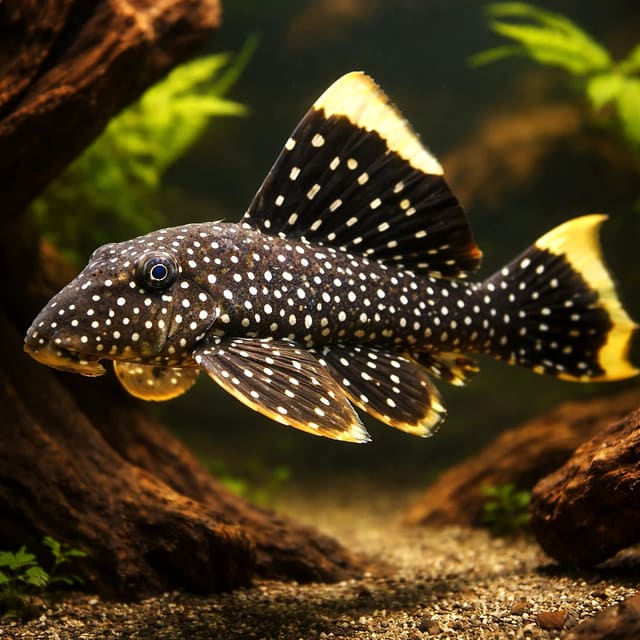
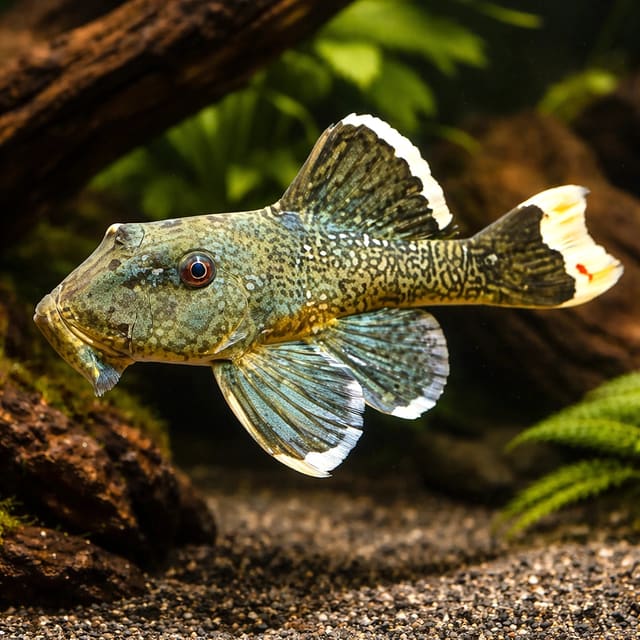
L034 Ancistrus ranunculus
25–28°C · pH 6–7 · 72L
£60.71£68.99

A shy, unusual-looking bottom-dwelling catfish with a distinctive knobbed snout, ideal for peaceful, well-maintained South American community aquariums. Moderate care, peaceful. 24-28C, pH 6.0-7.5.
Adult size is the maximum length this species reaches at full maturity (scientific sources). The livestock you receive will be younger and smaller — pick a size above for the actual shipping size. Product-photo provenance and any image-specific limitations are stated on the listing.
Hemiodontichthys acipenserinus
Confirm your email, then we’ll send an availability message for this exact item if it returns within 180 days.
This request is only for this product—no newsletter or other promotions. A mail-provider retry may very rarely duplicate the same availability message. Unconfirmed addresses are removed after 48 hours. See our privacy policy.
A shy, unusual-looking bottom-dwelling catfish with a distinctive knobbed snout, ideal for peaceful, well-maintained South American community aquariums. Moderate care, peaceful. 24-28C, pH 6.0-7.5.
Adult size is the maximum length this species reaches at full maturity (scientific sources). The livestock you receive will be younger and smaller — pick a size above for the actual shipping size. Product-photo provenance and any image-specific limitations are stated on the listing.
Maintain these water conditions for optimal health and vibrant colors
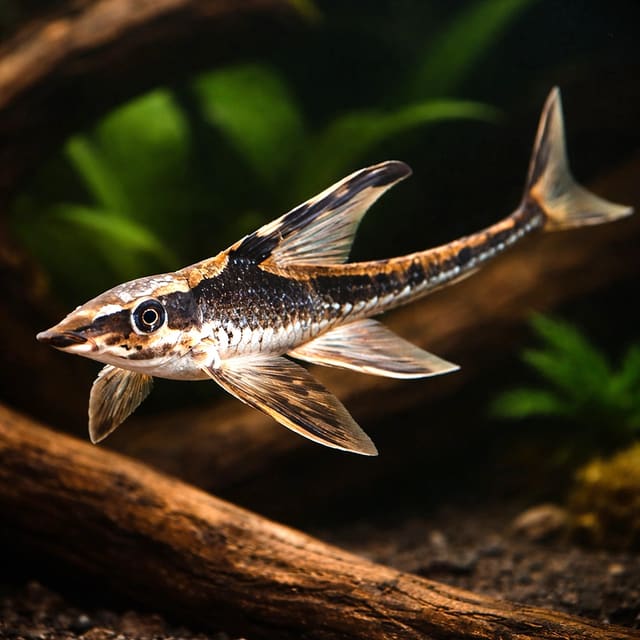
The Knobnose Whiptail Catfish (Hemiodontichthys acipenserinus) is an unusual South American loricariid also known as the Pinocchio Whiptail Catfish. It is a peaceful, shy bottom-dweller with a long pointed snout, flat sandy colouring and a very different lifestyle from the more familiar bristlenose-style plecos. This is a specialist fish for mature aquariums with soft sand, quiet tank mates and stable water quality.
The current listing covers the 5-6 cm size, with a larger sibling size when available. Adults can reach around 10-13 cm, so the fish is compact by whiptail standards but still needs floor space. The key to success is not strong current or bright display lighting; it is a calm sand-bottom aquarium where the fish can rest partly buried and feed without being bullied.
| Scientific name | Hemiodontichthys acipenserinus |
|---|---|
| Common names | Knobnose Whiptail Catfish, Pinocchio Whiptail Catfish, Pinocchio Catfish |
| Adult size | Usually around 10 cm in aquariums; up to about 13 cm standard length is reported |
| Temperament | Peaceful, shy and bottom-dwelling |
| Best setup | Mature aquarium with a large area of fine sand and shaded hiding places |
| Temperature | 24-28C |
| Water | Neutral to soft, slightly acidic conditions are preferred |
| Diet | Small sinking meaty foods, worms, micro-crustaceans, daphnia, brine shrimp and quality carnivore foods |
FishBase records this species from sandy bottoms where it feeds on worms and micro-crustaceans. Aquarium Glaser also stresses its sandy habitat and the need for a sand substrate in captivity. In the aquarium it often rests quietly on or partly in the sand, using its shape and colour as camouflage. It is not a busy algae-grazing pleco; it behaves more like a careful, nocturnal micro-predator that becomes active when the tank is calm.
Because it is shy, the choice of tank mates matters. Fast, boisterous or territorial bottom fish can stop it feeding properly. A settled Knobnose Whiptail will usually be peaceful with other fish, but it should not be expected to compete with assertive cichlids, large plecos or frantic feeding species.
Use a mature aquarium with a broad footprint, clean fine sand and plenty of shaded shelter. For the 5-6 cm size, plan at least 75 litres, but a longer 90-120 cm aquarium is better for long-term adult care and for keeping more than one. Keep the substrate smooth; coarse gravel can damage the belly and barbels and prevents the natural burying/resting behaviour.
| Setup area | Best practice | Reason |
|---|---|---|
| Substrate | Fine soft sand | Lets the fish rest and hide naturally without abrasion |
| Shelter | Driftwood, smooth stones, caves and shaded plant cover | Reduces stress and helps shy fish feed confidently |
| Flow | Gentle to moderate with good oxygenation | Stable, clean water without blasting the sand bed |
| Lighting | Dim to moderate, softened by floating or broad-leaved plants | Bright open sand makes this species nervous |
Keep ammonia and nitrite at zero, nitrate low, and avoid sudden swings. This is not a rough-and-ready clean-up fish. It is best added to an established aquarium where the filter is mature and the keeper can target-feed after lights dim.
Choose small to medium peaceful fish that occupy the middle or upper water and do not harass the bottom. Calm tetras, pencilfish, hatchetfish, gentle rasboras and peaceful dwarf cichlids can work if the aquarium is spacious and not overstocked. Avoid aggressive cichlids, large predatory catfish, nippy barbs, large plecos and very competitive bottom feeders.
It can be kept singly, as a pair or in a small group if the tank has enough sand and cover. Give each fish places to settle, and feed in more than one spot so no individual is pushed away. Small shrimp may be eaten or disturbed, especially after dark, so this is not the safest choice for breeding shrimp tanks.
The Knobnose Whiptail Catfish is often mis-sold as an algae cleaner, but its natural diet is based more on small benthic invertebrates. Offer sinking carnivore pellets, small wafers with protein, frozen bloodworm, daphnia, brine shrimp, blackworm and similar foods. Feed after lights dim or when the aquarium is quiet, and make sure food reaches the sand before faster fish take it.
| Food | How to use it | Notes |
|---|---|---|
| Frozen bloodworm or blackworm | Occasional conditioning food | Good for shy fish that need tempting to feed |
| Daphnia, cyclops or brine shrimp | Small varied feeds | Matches the micro-crustacean part of the natural diet |
| Sinking carnivore pellets | Staple support food | Use small pieces and remove leftovers |
| Algae wafers only | Not enough as the only food | This species is not a dedicated algae grazer |
This species has one of the most memorable breeding behaviours among whiptail catfish. Mature males develop enlarged lips, and the male carries a cluster of eggs attached around the mouth/lip area, ventilating the brood as he moves. FishBase and Aquarium Glaser both describe this lip-brooding style; Glaser reports a brooding period of roughly two weeks under aquarium conditions.
Breeding is possible, but only if the fish are settled, well fed and given the right sand-based environment. Keep disturbance low, maintain clean water and avoid tank mates that will harass a brooding male. Fry are delicate and need small foods and excellent water quality.
Before choosing this fish, check that your aquarium has the right floor space, not just enough litres. A long sand area is more useful than a tall tank with little open substrate. Confirm that current tank mates are peaceful at feeding time, because the Knobnose Whiptail Catfish is slow and deliberate. If you already keep large plecos, assertive cichlids or busy loaches on the bottom, this species may not get enough food. It is best for keepers who enjoy target-feeding, evening observation and a calmer South American-style layout.
This is a sensitive bottom fish, so careful acclimation matters. Orders are packed for UK live fish delivery with oxygen, insulation and seasonal protection as required. Our Live Arrival Guarantee applies when delivery and acclimation instructions are followed, and first-time customers can use WELCOME10 for 10% off eligible first orders.
On arrival, keep the lights low, acclimate gradually and avoid moving the fish into a bright bare tank. Provide sand and shelter from day one. Offer a small sinking feed only after the fish has had time to settle.
Choose Hemiodontichthys acipenserinus if you want a genuinely unusual South American catfish with fascinating behaviour rather than a standard display pleco. Its Pinocchio-like snout, sand-resting habit and male mouth/lip brooding make it a standout species for keepers who enjoy observing subtle natural behaviour. It rewards patience, quiet tank mates and a carefully planned sand-bottom aquarium.
Care notes were cross-checked against FishBase for accepted identity, sandy-bottom feeding and male lip-brooding details; Aquarium Glaser for sand-substrate care, shyness and breeding observations; Fishkeeper/Maidenhead for mature aquarium setup, soft sand, shaded hiding places and diet; and Fishipedia for nocturnal bottom-dwelling behaviour and peaceful temperament.
No reviews for this item yet. Bought one? Honest reviews only, good or bad.
What customers say about ordering from us
I have a small group of long finned mountain minnows. So was delighted to be able to order ten of this variety to increase the genetics in my tank . The ones I recieved are healthy but it’s to early to give a verdict on wether they are of a long finned type since they are small currently.
Gordon Walker · 23 Sept 2026
100% success travel and "installation". Pleased with quality of purchase. The Siamese fighter a bit "shy" so have not yet seen him at his best yet but looking good. Happy customer. GG
George E Garratt · 21 Sept 2026
Reviews of our shop, collected by Judge.me, an independent third-party review collector. Newest first.