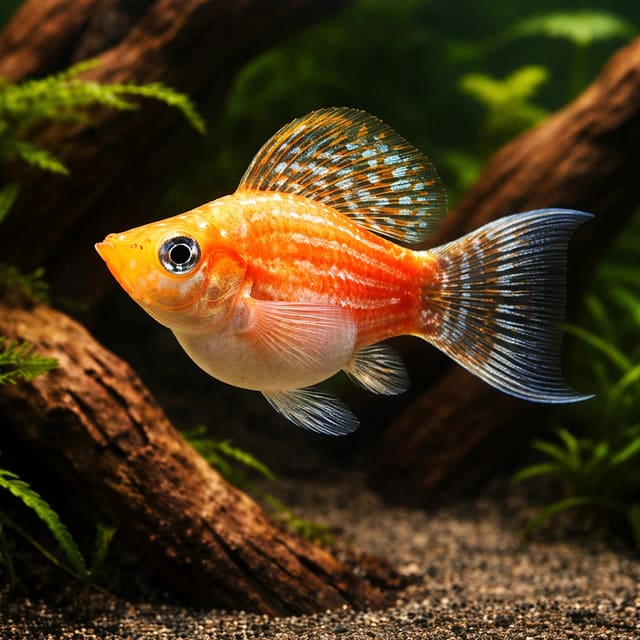
Assorted Balloon Molly (Poecilia cf. latipinna)
20–28°C · pH 7–8
£6.99

One unsexed Calico Balloon Molly per quantity at approximately 3 cm. A domestic short-bodied Poecilia latipinna form for mature, hard-water aquariums.
Poecilia latipinna
Save when buying multiple fish. Each quantity is one fish; sex and pair formation are not guaranteed unless the selected variant explicitly states them.
One unsexed Calico Balloon Molly per quantity at approximately 3 cm. A domestic short-bodied Poecilia latipinna form for mature, hard-water aquariums.
Maintain these water conditions for optimal health and vibrant colors
Calico Balloon Molly is a domestic short-bodied molly sold under the species label Poecilia latipinna. Calico describes a mixed ornamental colour pattern, while Balloon describes the deliberately shortened, rounded body form. Each quantity is one unsexed fish supplied at approximately 3 cm. Exact colour placement, sex, body curvature and the individual dispatched are not selected or guaranteed.
This is a social livebearer for a mature, well-filtered aquarium with stable, mineral-rich water. It is best suited to a keeper who can provide at least an 80 litre starting aquarium for a small compatible group, feed a varied omnivore diet and manage breeding if males and females are present. Browse the wider Molly Fish collection for other forms; this page stays focused on the Calico Balloon listing and its particular evidence boundaries.
| Accepted species label | Poecilia latipinna, the Sailfin Molly |
|---|---|
| Domestic trade form | Calico Balloon Molly |
| Sale unit | One fish per quantity; sex is unspecified |
| Approximate supplied size | 3 cm |
| Adult planning size | Allow for about 10 cm; the exact domestic line and adult outcome are not certified |
| Care level | Moderate |
| Temperament | Social and generally peaceful; courtship and short status chases can occur |
| Social plan | At least three compatible mollies, with deliberate sex-ratio and fry planning |
| Practical aquarium start | At least 80 litres for a small group; increase for a community or fry |
| Temperature | 24-26 C as a stable practical target within a broader 20-28 C evidence range |
| pH | 7.0-8.0 |
| General hardness | 8-18 dGH |
| Carbonate hardness | 5-15 dKH |
| Diet | Omnivorous, with a meaningful plant component |
| Breeding | Livebearer; mixed sexes can produce repeated broods |
| Exact photograph | No product-specific photograph is currently available |
These are planning figures, not a target for maximum stocking. A larger footprint gives the fish more choice, improves social spacing and makes water conditions easier to keep stable. Our Molly care guide covers the wider group, while this listing records the evidence and limits specific to the Calico Balloon form.
NCBI Taxonomy and FishBase recognise Poecilia latipinna as the Sailfin Molly in the livebearer family Poeciliidae. Wild populations occur across parts of the southern United States and Mexico in still or gently moving freshwater, vegetated backwaters and some coastal or brackish environments.
The product is a domestic ornamental fish, not a wild-type specimen or a fish from a certified collection locality. The source label identifies it as P. latipinna, but there is no breeder pedigree or genetic test for the individual supplied. Domestic mollies have a long breeding history, so this page does not claim genetic purity or a closed wild line.
Calico is an aquarium-trade description for a multicoloured or mottled appearance. The balance and placement of pale, orange, gold, grey and dark areas can vary from fish to fish. It is not a measured colour standard and does not promise a particular number, size or position of markings.
Colour can look subdued after transport and become clearer as the fish settles. Age, sex, lighting, background, health and food also affect appearance. Expect the named pattern family while allowing natural variation rather than expecting an identical copy of a photograph.
Balloon is not a separate species. It is the trade name for a domestic dwarf or short-bodied phenotype with a more compact outline than a normally proportioned Sailfin Molly. A peer-reviewed study of white dwarf P. latipinna, also called balloon-belly mollies by the authors, found that the studied dwarf fish had a short and dysplastic spine compared with normally shaped fish.
That research supports honest description of the form, but it does not diagnose this individual, measure its degree of curvature or prove a fixed health outcome. This listing therefore explains the selected morphology without asserting that every Balloon Molly is unhealthy, that every individual swims poorly or that a specific lifespan reduction is inevitable.
A rounded body is expected in a Balloon Molly, but the label should never be used to dismiss abnormal function. After arrival, look for coordinated swimming, stable buoyancy, normal respiration, an ability to reach food and the freedom to rest without being repeatedly displaced. Compare behaviour over time rather than judging one brief moment after transport.
Persistent rolling, sinking, floating, laboured breathing, inability to feed, severe curvature with impaired movement or rapid deterioration is not simply a decorative trait. Test water promptly, separate the fish safely if tank mates are interfering and seek qualified aquatic-veterinary or experienced specialist advice.
Balloon Mollies already have a shortened, deeper-bodied outline, so visual pregnancy guesses are less reliable than in a normally proportioned fish. Sex is not guaranteed, and a rounded abdomen by itself does not prove that a fish is female, gravid, constipated or ill.
Assess the anal fin when the fish is mature, watch appetite and waste, compare both sides of the body and note whether swelling changes suddenly. Pineconing scales, loss of balance, respiratory change or a rapid asymmetric swelling needs attention rather than an assumption of pregnancy.
The compact form may be less well suited to very fast, turbulent or competitive aquariums. Provide calmer feeding points and avoid tank mates that monopolise every meal. A fish that can swim normally in gentle flow may struggle when the whole aquarium is driven by a powerful outlet.
More space, broken sightlines and several feeding positions are practical welfare tools. They allow a fish to move away from courtship, rest without being pinned into a corner and approach food by more than one route.
OATA recommends an aquarium of at least 80 litres for a small group of Sailfin Mollies. Use that as the starting floor for this listing rather than treating the shortened body as permission to use a nano aquarium. Choose a long footprint, ideally around 75 cm or more, because usable swimming length and social spacing matter as much as the litre figure.
Increase volume for additional species, repeated broods, persistent males or a group larger than the minimum. A taller but very narrow aquarium can hold the same litres while offering less opportunity to move around another fish. Floor area, route choice and filter capacity all belong in the stocking decision.
Each quantity is one fish. OATA advises keeping at least three guppies or mollies for companionship. A small compatible group is therefore the correct social plan, provided the aquarium can support the adult biomass and the fish are not simply added to dilute harassment.
Mollies do not need to move in a tight, synchronised school. They often spread through the aquarium, graze, investigate and regroup. Social housing should give each fish both companions and the ability to move out of another fish's direct line of sight.
If males and females are deliberately mixed, OATA suggests at least two females per male to reduce pressure on females and other tank inhabitants. That is a starting ratio, not a guarantee that courtship will remain harmless. Plant cover, space and observation are still essential.
Because this fish is unsexed, ordering several does not guarantee the intended ratio. Females can also store sperm and may produce fry after purchase. Keepers who cannot accommodate or rehome offspring should decide how they will manage mixed sexes before adding the group.
| Parameter | Working target | Action point |
|---|---|---|
| Temperature | 24-26 C | Keep stable; the evidence envelope is 20-28 C |
| pH | 7.0-8.0 | Avoid sudden chemical correction |
| General hardness | 8-18 dGH | Do not keep long term in very soft, mineral-poor water |
| Carbonate hardness | 5-15 dKH | Use measured buffering, not guesswork |
| Ammonia | 0 mg/L | Any detected level needs immediate investigation |
| Nitrite | 0 mg/L | Any detected level needs immediate investigation |
| Nitrate | Low and stable | Track against tested source water and the aquarium's normal trend |
FishBase and OATA both support a broad 20-28 C envelope. For a domestic Calico Balloon Molly, a stable 24-26 C is a practical home-aquarium target that overlaps many peaceful tropical companions. It is not necessary to move between the ends of the range, and a daily swing is not the same as tolerance.
Check the water with a reliable thermometer across the day and season. Do not assume an unheated UK room will remain suitable in winter, and do not place the aquarium next to a radiator, sunny window or draught where temperature can change rapidly.
OATA recommends pH 7.0-8.0, 8-18 dGH and 5-15 dKH for guppies and mollies. These fish are generally a better fit for neutral-to-alkaline, medium-hard to hard water than for a very soft, acidic aquarium. Many UK tap-water areas suit them naturally, but the actual household supply should be tested.
Do not chase a number with repeated doses of pH adjuster. If source water is too soft, use a measured remineralisation plan and verify GH and KH after mixing. Our water chemistry guide explains pH, GH, KH and stable adjustment.
Wild P. latipinna occurs in freshwater and brackish environments, but that does not mean every community aquarium should receive salt. A stable freshwater setup with suitable mineral content is appropriate. Salt can harm plants, invertebrates and soft-water tank mates and can conceal the real cause of a problem.
Use salt only when the whole system and the specific clinical purpose have been considered. It is not a substitute for cycling, filtration, dechlorination, correct hardness or diagnosis.
A mature biological filter should keep ammonia and nitrite at zero. Test weekly, after adding livestock and whenever breathing, appetite or behaviour changes. Clear water is not proof that dissolved waste is safe.
Control nitrate and dissolved waste with sensible stocking, measured feeding and regular dechlorinated, temperature-matched partial water changes. The right change schedule depends on source-water nitrate, aquarium volume, plants, feeding and real test results; one fixed percentage cannot replace monitoring.
Plant the rear and sides while leaving clear routes through the middle. Fine-leaved and floating plants give females and lower-ranking fish somewhere to pause and can provide shelter for fry. Open water lets the group feed and move without squeezing through one narrow gap.
Use smooth wood, rounded stone and decor without sharp edges. Several paths around the aquascape are more useful than one dense wall of ornament. A secure lid reduces escape risk and evaporation, which can otherwise concentrate minerals between water changes.
Size the filter for the expected adult group and community, not just the fish at 3 cm. Aim for steady circulation and visible surface movement without a jet that pushes the fish continuously. Baffle a strong outlet or divide the flow if necessary.
A sponge pre-filter protects fry and prevents small fish being drawn against the intake. Clean filter media in removed aquarium water when flow drops, and do not replace all mature media at once. If the aquarium is new, follow the first tropical aquarium guide before livestock is ordered.
Use a regular day-night schedule and include shaded areas under plants or decor. Very bright, unbroken light can leave fish exposed and can encourage algae beyond what the aquarium can manage. Darkness at night is part of normal rest.
Keep the tank away from repeated vibration, loud impact and sudden movement. A calm location, stable routine and cover help newly arrived fish settle more reliably than constant inspection with the lights at full brightness.
FishBase records algae as an important natural food for P. latipinna, alongside rotifers, small crustaceans and aquatic insects. Use a complete quality flake or small granule with a meaningful plant or algae component rather than an animal-protein-only diet.
Choose food small enough for the fish to swallow easily. Crush large flakes when necessary and watch the least assertive individual. A product can be nutritionally complete but still fail the group if one fish cannot reach it.
Offer small portions of suitable frozen or live food, such as daphnia or Artemia, as variety rather than the whole diet. Quality foods containing spirulina or other plant ingredients support the grazing side of molly nutrition. Avoid using one rich treat every day.
Colour-enhancing ingredients may support normal pigmentation, but they cannot guarantee a fixed calico pattern. Genetics, maturity, health, lighting and background all contribute to appearance.
Spread a measured portion over two or more areas so slower fish can approach without challenging the quickest feeder. Confirm that every fish eats and remove obvious leftovers before they decay. A slightly smaller complete portion is safer than repeated excess that destabilises water quality.
Adjust feeding to body condition, temperature and real appetite. A rounded Balloon body should not be used as an excuse to overfeed, and a suddenly enlarged abdomen should not automatically be interpreted as normal shape.
Mollies use much of the aquarium, often moving through the middle and upper water while also grazing surfaces. Healthy behaviour includes swimming, browsing, feeding, brief social interaction and periods of rest. The exact activity level varies with temperature, time of day and recent transport.
Continuous glass surfing, frantic dashing, surface gasping, clamped fins or prolonged isolation is not simply a lively personality. Check water first, then review flow, tank mates, cover and signs of disease.
Short display or courtship chases can occur, particularly where males are present. The important distinction is whether every fish can disengage, feed and rest. Repeated cornering, fin damage or exclusion from food requires intervention.
Break lines of sight and provide multiple feeding zones before assuming more fish will solve the problem. Increasing group size in an already crowded aquarium can make social pressure and water quality worse.
Fast normally proportioned mollies may reach food before a compact-bodied individual. Observe the full group at meals and create a calmer feeding area when needed. Similar species and similar colour do not guarantee equal swimming ability.
Function matters more than a label. A Balloon Molly that swims, feeds, rests and interacts normally can be managed as an active social fish; one that repeatedly struggles needs an adjusted environment and assessment.
| Fit | Examples | Checks before mixing |
|---|---|---|
| Often suitable | Compatible mollies and robust peaceful hard-water community fish | Adult size, social needs, water overlap, feeding pace and total biomass |
| Conditional | Guppies, platies, swordtails, selected rainbowfish, selected Corydoras and adult shrimp | Exact species chemistry, breeding, fin-nipping, predation on fry and swimming competition |
| Usually unsuitable | Large predators, aggressive cichlids, persistent fin nippers and soft acidic-water specialists | Predation, harassment, incompatible water or excessive flow |
Guppies, platies and swordtails often overlap with molly water requirements, but they still add social and breeding pressure. Many tetras, rasboras and Corydoras prefer softer water, so assess the exact species rather than relying on a broad group name.
A peaceful fish that requires pH 6.0 and very low hardness is not a good match simply because it will not attack a molly. Long-term chemistry compatibility is as important as temperament.
Do not house the fish with anything large enough to swallow it, with persistent fin nippers or with territorial fish that control the only feeding route. Very fast surface feeders can also be a poor practical match if the Balloon Molly never receives a complete meal.
Adult dwarf shrimp may coexist in dense cover, but newborn shrimp and fish fry can be eaten. Snails are often compatible, provided their mineral and medication requirements fit the aquarium.
Domestic Poecilia can have complex ancestry, and different molly forms may interbreed. If a breeding project is intended to preserve a named line, use documented stock and keep breeding-capable groups separate. Healthy fry should not later be sold as a pure species or fixed Calico Balloon line without supporting records.
Mature males have a narrow modified anal fin called a gonopodium, while mature females retain a fan-shaped anal fin. Small or immature fish can be harder to assess, and the compact outline can make body-based guesses misleading. This listing does not promise male or female.
Ordering two fish does not create a guaranteed pair. If a particular sex ratio is essential, choose a listing that explicitly offers sex selection or wait until the fish can be assessed reliably after maturity.
Poecilia latipinna is a livebearer. Females give birth to free-swimming fry rather than laying an external clutch of eggs. A female may store sperm and produce later broods without a male currently visible in the aquarium.
Brood timing and number are variable. Do not promise a pregnancy or use a fixed day count to diagnose a fish. A rounded abdomen in the Balloon form can conceal or mimic the appearance buyers associate with pregnancy.
Dense floating and fine-leaved plants increase fry survival. That can be useful in a planned breeding aquarium and quickly become a stocking problem in a community. Decide whether fry will remain with the adults, move to a mature nursery or be responsibly rehomed.
Never release aquarium fish into local waterways or outdoor ponds from which they could escape. Unplanned livebearer populations can overwhelm filtration long before every fish reaches adult size.
Confirm the aquarium is cycled, ammonia and nitrite are zero, temperature is stable and tank mates are healthy before ordering. Avoid a major rescape, filter replacement or chemistry adjustment on the arrival day.
Follow the acclimation instructions supplied with the order. Keep lighting low, prevent temperature shock and introduce the fish to a calm area with cover. Observe breathing and balance before offering a small meal.
A mature heated observation aquarium can reduce disease-transfer risk and make feeding, waste and swimming easier to monitor. It needs established filtration and stable water; an uncycled container is not protective simply because it is separate.
Do not medicate automatically or combine treatments without a diagnosis. If signs appear, test water, record symptoms and seek qualified advice. Transport stress, unsuitable water and infectious disease can produce overlapping signs.
| A good match when... | Choose another plan when... |
|---|---|
| You have at least 80 litres for a small compatible group | The only available aquarium is a nano tank |
| Your water is stable, neutral-to-alkaline and medium-hard to hard | Your established community needs very soft acidic water |
| You accept natural calico and body-shape variation | You need an exact photographed pattern or sex |
| You can observe function and provide calmer feeding areas | The community is fast, turbulent or highly competitive |
| You have a plan for mixed sexes and fry | Additional livebearer offspring cannot be accommodated |
The Calico Balloon Molly can be a visible, engaging community fish when the aquarium is chosen around its water and social needs. It is not the right choice for every keeper. Honest limits about the body form, photograph, sex and adult outcome are part of making a responsible decision.
Each quantity is one fish. It is not a pair, trio or sexed group. The supplied size is approximate, and normal variation is expected because the source does not define whether the measurement is standard, fork or total length.
Live price, availability and quantity are shown by the product controls. This care text does not make a fixed price or stock promise. The checkout remains the final source for the live offer and delivery charge.
The gallery is deliberately empty because no product-specific source photograph exists. A generated or borrowed molly image would imply an exact pattern, sex and body shape that cannot be verified. The listing therefore uses words and evidence boundaries rather than a misleading substitute.
Eligible livestock orders use specialist UK live-animal delivery and the current Live Arrival Guarantee when its delivery, evidence and contact-time conditions are followed. Read the full delivery and guarantee information before ordering.
Eligible first orders can use the active 10% code WELCOME10, subject to the promotion and checkout terms. The checkout confirms whether the order qualifies.
For another short-bodied form, compare the Assorted Balloon Molly, Silver Balloon Molly, Lyra Balloon Molly Mix or Snow Balloon Molly. Similar body labels do not make their colour, fin form or lineage interchangeable.
If a normally proportioned fish is preferred, compare the Black Molly and Silver Sailfin Molly. Check each page's current identity and care boundaries rather than assuming all mollies remain the same size.
Species databases describe the accepted taxon and wild biology. OATA gives practical UK welfare guidance. The primary study describes a sampled dwarf population, not the diagnosis or future health of this exact fish. Keeping those roles separate prevents a scientific citation from becoming an unsupported sales claim.
It is a domestic short-bodied molly with a variable multicolour pattern. This listing carries the species label Poecilia latipinna, but Calico and Balloon are trade-form descriptions rather than separate scientific taxa.
No. Balloon describes a selected dwarf or short-bodied phenotype found in domestic molly lines. The product is labelled under P. latipinna.
The compact outline is a selected inherited form. In a peer-reviewed white Sailfin Molly study, dwarf fish had shorter, dysplastic spines than normally shaped fish. That population evidence does not measure the severity or health of this individual.
A label alone cannot establish the welfare state of an individual. The selected morphology should be disclosed, and the keeper should assess swimming, buoyancy, breathing, feeding, social access and quality of life. A fish with impaired function needs action and qualified advice.
No exact product photograph is available, and calico markings naturally vary. Shade, pattern placement, sex and body curvature cannot be previewed or guaranteed.
Sex is unspecified. Each quantity is one fish, not a selected male, female, pair or ratio.
The approximate supplied size is 3 cm. Normal variation is expected, and the measurement method is not specified.
Plan for about 10 cm rather than relying on the compact body to stay tiny. FishBase records wild P. latipinna to 15 cm for male or unsexed fish and 10 cm for females, while domestic Balloon outcomes vary.
Use at least 80 litres for a small group, following OATA's Sailfin Molly guidance. Increase the aquarium for other species, larger groups, persistent courtship or fry.
Plan at least three compatible mollies. One fish is the sale unit, not a recommendation for permanent solitary housing.
A stable 24-26 C is a practical target within the broader 20-28 C evidence range. Match every tank mate and avoid rapid changes.
Aim for pH 7.0-8.0, 8-18 dGH and 5-15 dKH. Stable mineral-rich water is preferable to repeated chemical adjustment.
No routine salt is required in a suitable freshwater aquarium. Although the species occurs in freshwater and brackish habitats, salt should not be used casually or as a substitute for correct water quality.
Use a complete small omnivore food with a meaningful plant or algae component, plus modest suitable frozen or live foods for variety. Feed measured portions and confirm every fish reaches food.
They are generally peaceful, but courtship and short status chases can occur. Persistent cornering, injury or exclusion from food is not acceptable and needs intervention.
Often, when water chemistry, adult biomass, breeding pressure and feeding pace all fit. Similar livebearer care does not remove the need for enough space and a fry plan.
The rounded form makes body-shape guesses unreliable. Confirm sex from the mature anal fin and assess behaviour, appetite and change over time. This product is not sold as pregnant.
There is no reliable fixed lifespan for this unverified domestic line. Genetics, body-form severity, water, diet, social conditions and individual health all matter, so this page does not repeat a precise unsupported number.
The guarantee covers qualifying livestock arrivals only when the published checks, evidence window and contact deadline are followed. Review those conditions on our delivery page before paying.
Eligible first orders can use the active 10% code WELCOME10, subject to the current promotion and checkout terms.
Mollies are social rather than tight-schooling fish. One quantity is one unsexed fish, not a solitary-care recommendation. Plan at least three, and if sexes are deliberately mixed use at least two females per male with more space, cover and a fry plan.
Always research specific species before adding them to your tank. Consider:
No reviews for this item yet. Bought one? Honest reviews only, good or bad.
What customers say about ordering from us
I have a small group of long finned mountain minnows. So was delighted to be able to order ten of this variety to increase the genetics in my tank . The ones I recieved are healthy but it’s to early to give a verdict on wether they are of a long finned type since they are small currently.
Gordon Walker · 23 Sept 2026
100% success travel and "installation". Pleased with quality of purchase. The Siamese fighter a bit "shy" so have not yet seen him at his best yet but looking good. Happy customer. GG
George E Garratt · 21 Sept 2026
Reviews of our shop, collected by Judge.me, an independent third-party review collector. Newest first.
20–28°C · pH 7–8
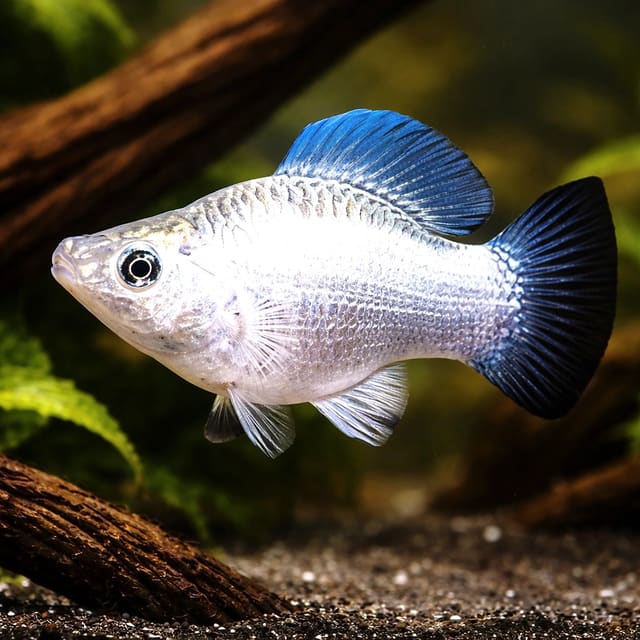
21–26°C · pH 7–8 · 87L

21–26°C · pH 7–8.5 · 87L
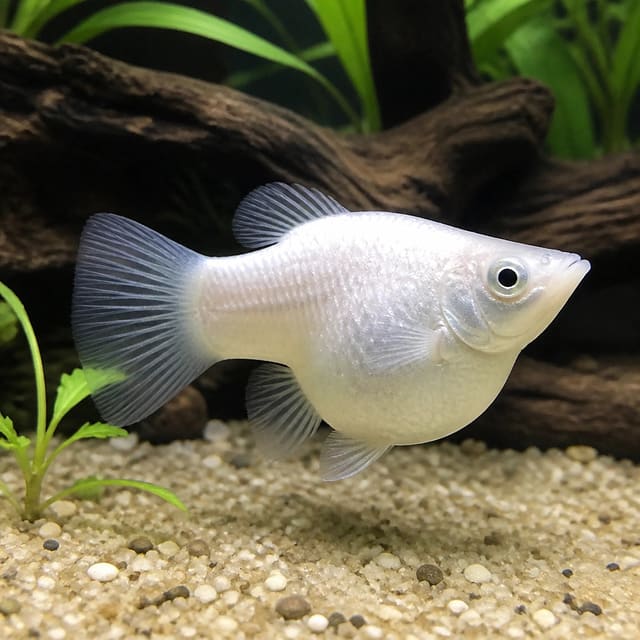
21–26°C · pH 7–8.5
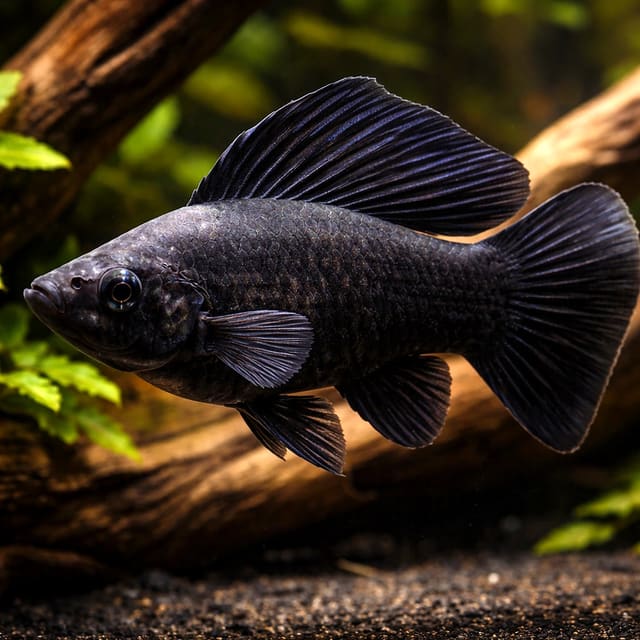
21–26°C · pH 7–8.5
21–26°C · pH 7–8.5 · 87L
21–26°C · pH 7–8.5 · 87L
21–26°C · pH 7–8.5 · 87L
21–26°C · pH 7–8.5 · 87L

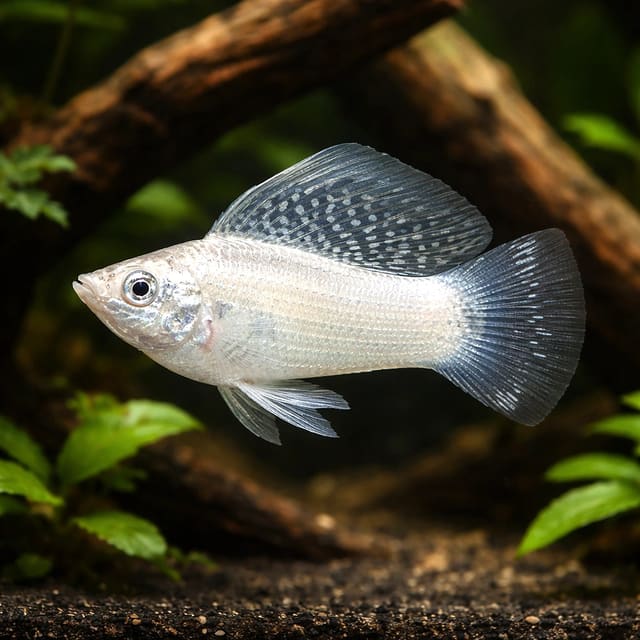
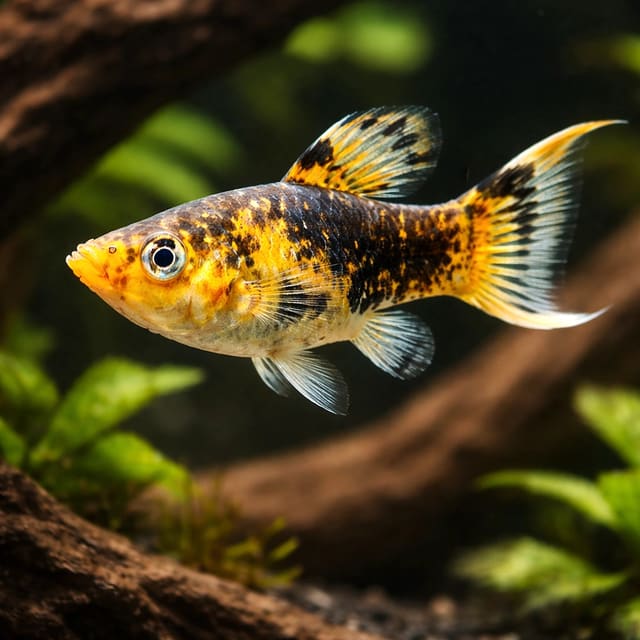
21–28°C · pH 7.5–8 · 81L
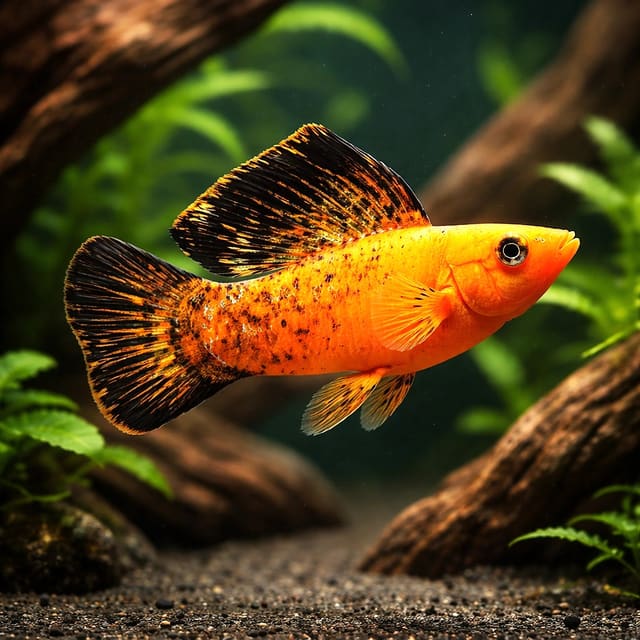
21–28°C · pH 7.5–8 · 81L

21–28°C · pH 7–8.5

21–28°C · pH 7.5–8 · 81L

21–28°C · pH 7–8.5 · 81L

22–28°C · pH 7–8 · 41L

21–25°C · pH 5–7

24–27°C · pH 6.5–6.5
24–29°C

22–27°C · pH 6–8 · 72L

23–27°C · pH 5.5–7 · 60L

22–27°C · pH 6–8

22–26°C · pH 6–7.8 · 75L