Easy
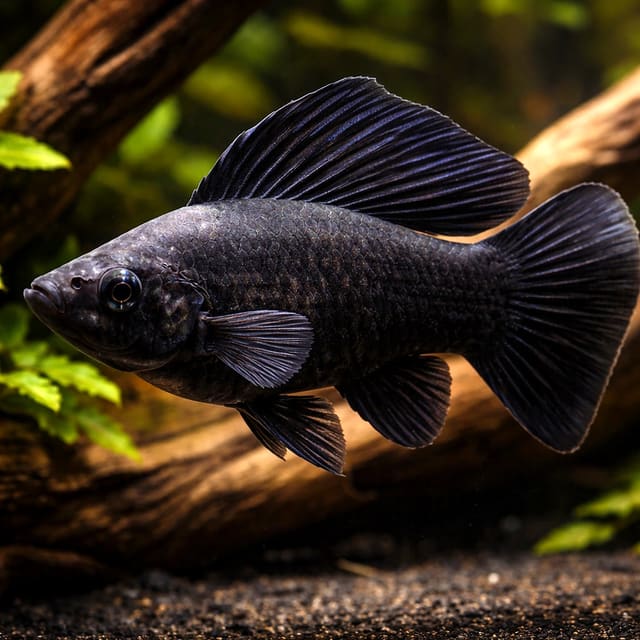
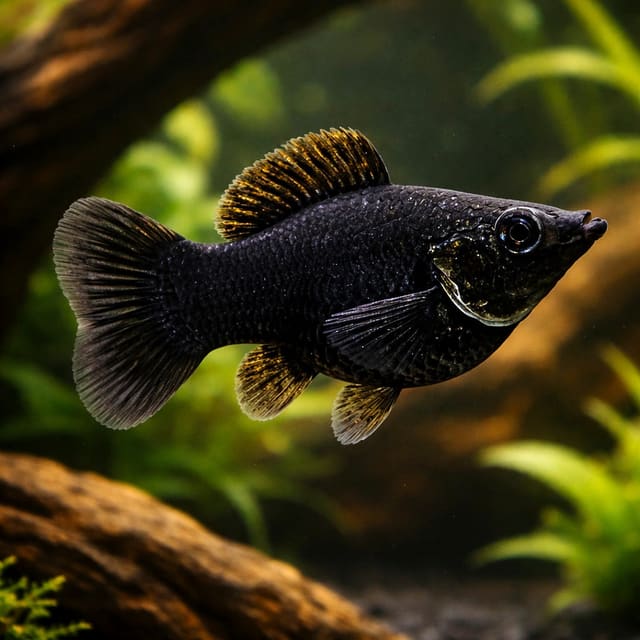
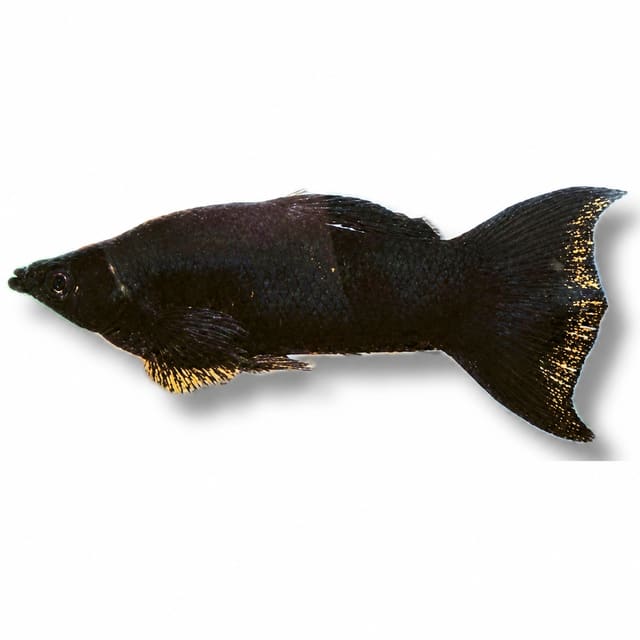
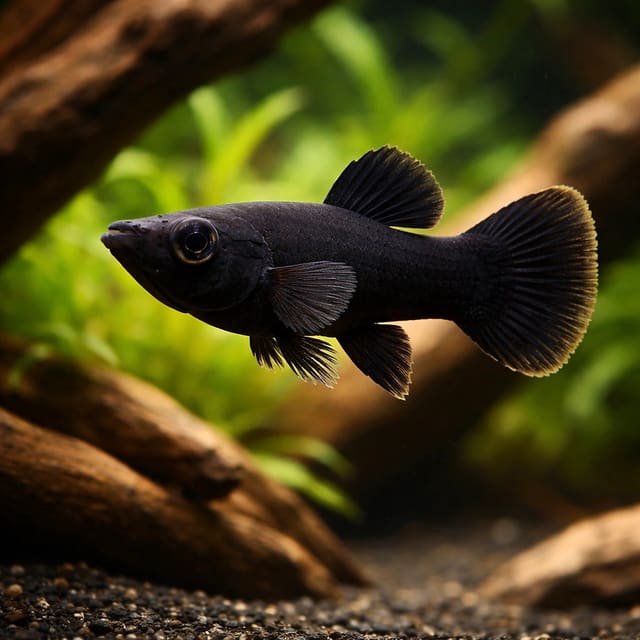
Black Molly (Poecilia sphenops black molly)
21–28°C · pH 7–8.5 · 81L
£3.99
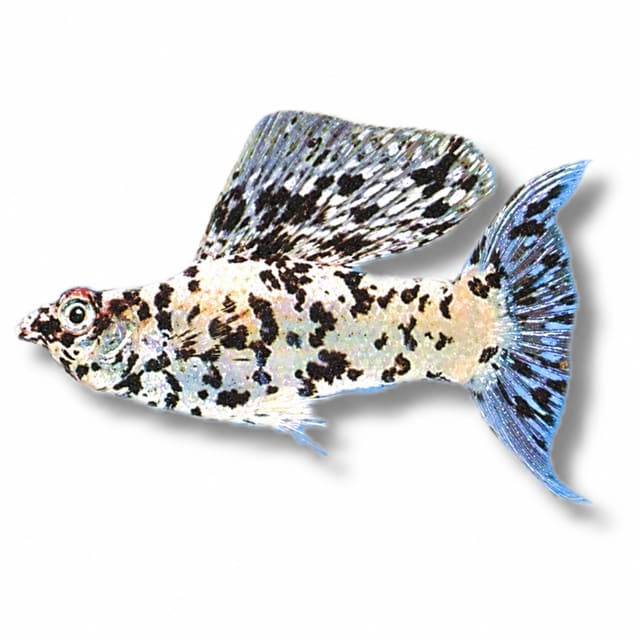
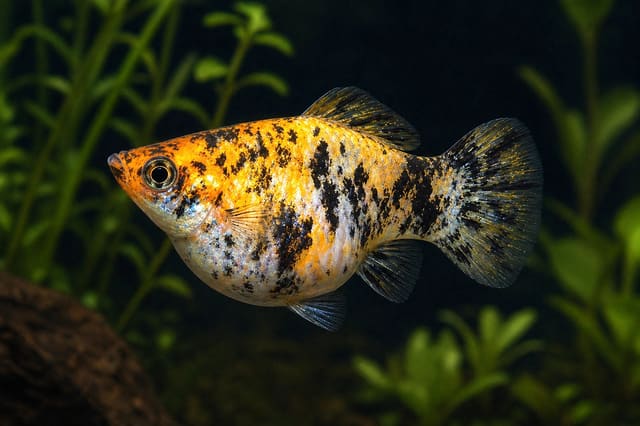
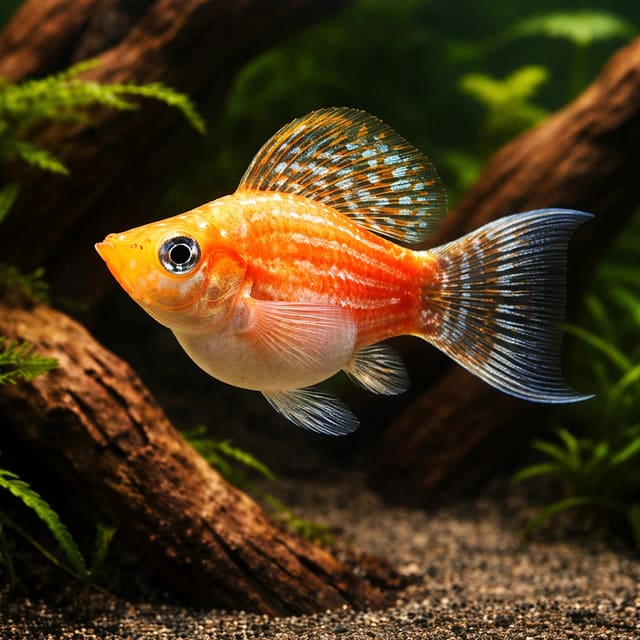
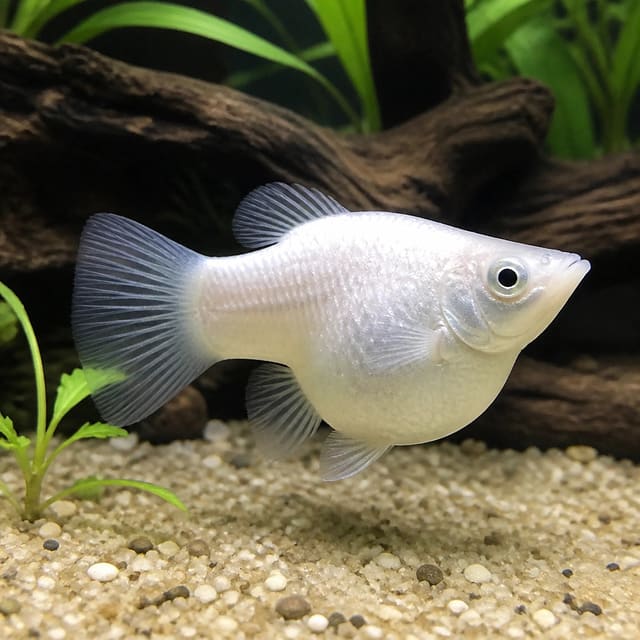
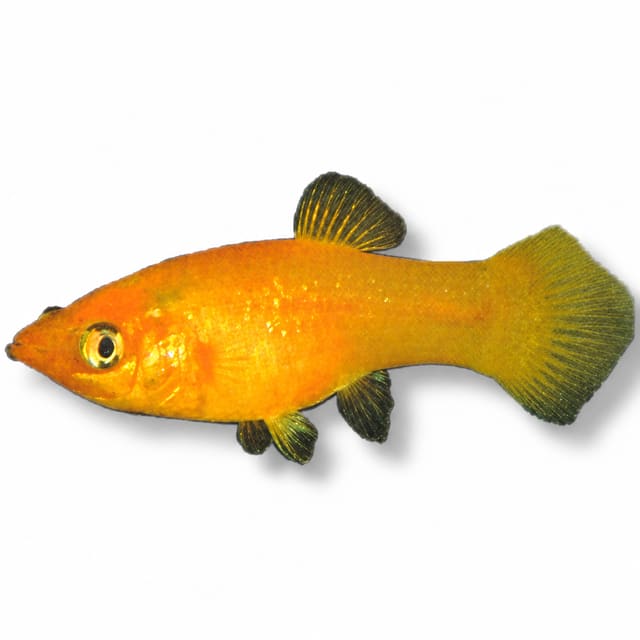
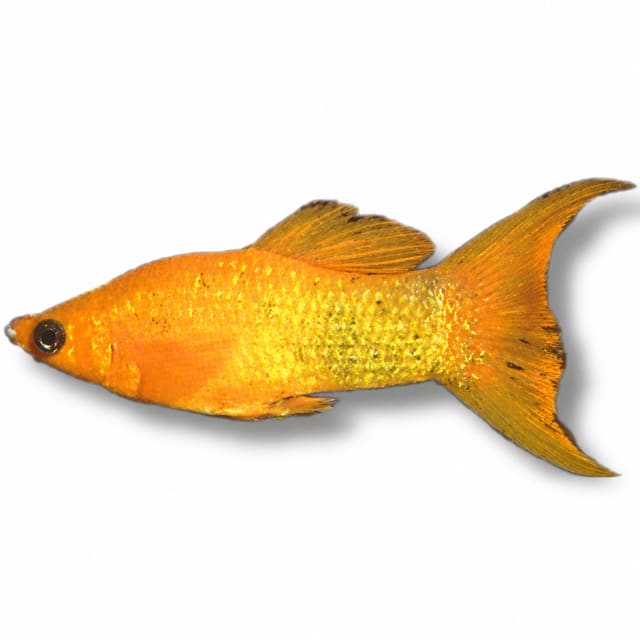
A colourful balloon-bodied Lyra Molly mix offered as Poecilia latipinna. One purchase supplies one live fish at a 2.5–3 cm dispatch grade; sex is not guaranteed. Plan a mature, well-filtered aquarium of about 87 litres with a 76 × 38 cm base, hard alkaline water at 21–26°C, vegetable-rich food and carefully matched hard-water companions.
Adult size is the maximum length this species reaches at full maturity (scientific sources). The livestock you receive will be younger and smaller. Product-photo provenance and any image-specific limitations are stated on the listing.
Poecilia latipinna
Shoaling fish: kept in a group they feel safer, stay calmer and show their best colour.
A colourful balloon-bodied Lyra Molly mix offered as Poecilia latipinna. One purchase supplies one live fish at a 2.5–3 cm dispatch grade; sex is not guaranteed. Plan a mature, well-filtered aquarium of about 87 litres with a 76 × 38 cm base, hard alkaline water at 21–26°C, vegetable-rich food and carefully matched hard-water companions.
Adult size is the maximum length this species reaches at full maturity (scientific sources). The livestock you receive will be younger and smaller. Product-photo provenance and any image-specific limitations are stated on the listing.
Maintain these water conditions for optimal health and vibrant colors
The Balloon Lyra Molly Mix is a colourful domestic form offered under the accepted species name Poecilia latipinna. This is the sailfin molly species, a member of the livebearing family Poeciliidae, but the words balloon, Lyra and mix describe the trade form rather than a separate species. Balloon refers to the compact, rounded body shape. Lyra is the name used for the offered tail form, while mix means the colour and pattern are not fixed to one uniform appearance.
One purchase supplies one live fish at a dispatch grade of 2.5–3 cm. That is the size expected around dispatch, not the adult size. Sex is not guaranteed. Do not plan a sex ratio, breeding group or male-only display around this fish unless the animals can be reliably sexed after arrival and the aquarium has space for the resulting social arrangement.
This is a small fish at dispatch with substantially more growing and living space to account for. The species profile records 12.5 cm standard length and recommends a base of 76 × 38 cm, around 87 litres. FishBase records a maximum of 15 cm total length for male or unsexed fish. The figures use different endpoints and cannot be averaged into a new adult number. Use the larger recorded scale as a warning against buying for a nano aquarium, while using the 76 × 38 cm base and approximately 87-litre species profile as the practical minimum starting point.
The central care question is whether your tap water and existing community are suitable. The species profile gives 21–26°C, pH 7.0–8.5 and 15–35 dGH, and specifically warns that soft or acidic conditions are unsuitable. This makes the fish a better match for a mature hard-water community than for a soft-water aquarium assembled around species with opposing chemistry needs. Salt is not required for routine freshwater care when mineral hardness and pH are appropriate.
| Suits | A prepared keeper with a mature aquarium, naturally hard alkaline water and room for an active molly group |
|---|---|
| Reconsider if | Your aquarium is soft and acidic, below the species footprint, centred on timid fish or unable to accommodate an uncertain sex mix |
| Main daily check | Normal swimming, buoyancy, feeding access, waste, respiration and freedom from persistent pursuit |
Before deciding, write down the aquarium's actual base dimensions, recent temperature, pH, hardness, ammonia and nitrite readings, current adult inhabitants and intended number of mollies. That short inventory exposes conflicts that a photograph or the fish's dispatch size cannot show. A buyer whose aquarium already meets every point has a realistic starting plan; a buyer relying on future upgrades should complete those upgrades before the animal arrives.
Choose this fish if you can offer stable hard alkaline water, useful swimming room, a vegetable-rich diet and companions that will neither intimidate it nor be vulnerable to its activity. The compact balloon form also deserves close observation of swimming, appetite, waste and body condition. Those practical demands are why this listing uses an intermediate store-care label even though mollies are often presented as straightforward community fish.
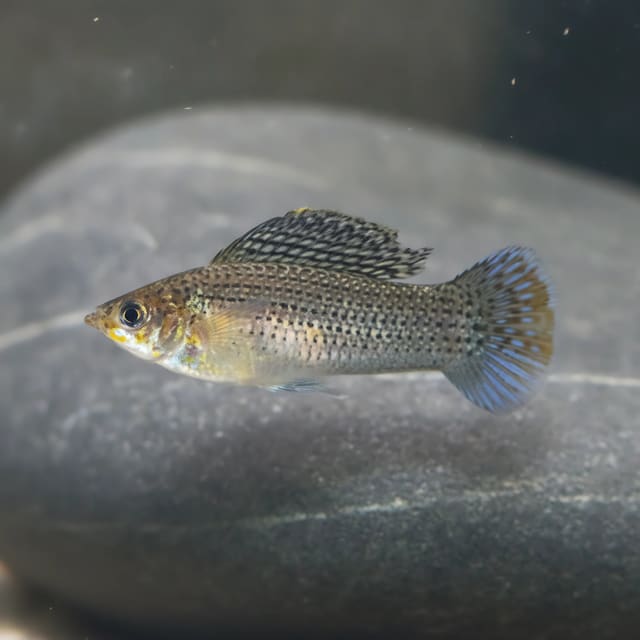
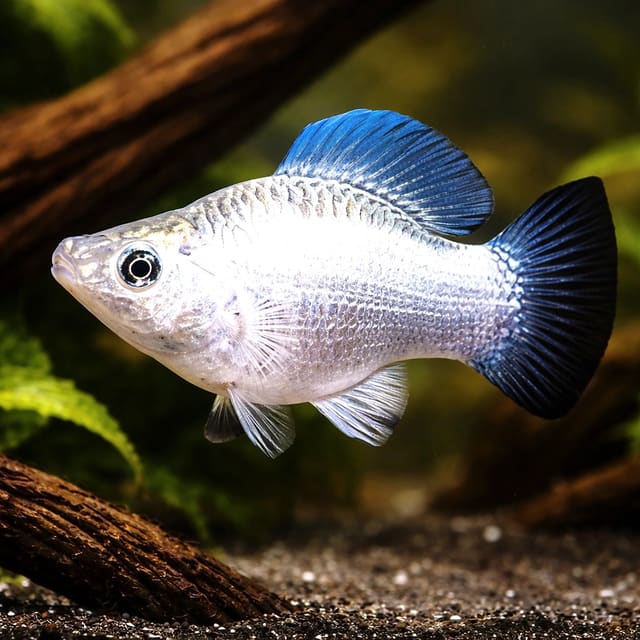
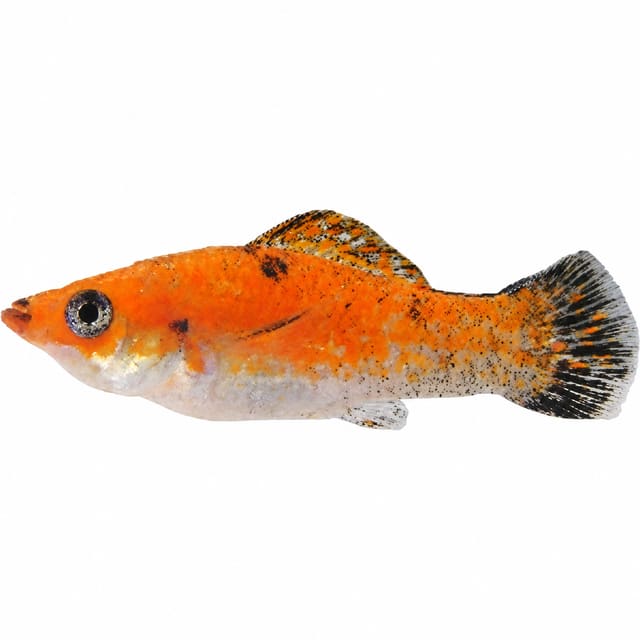
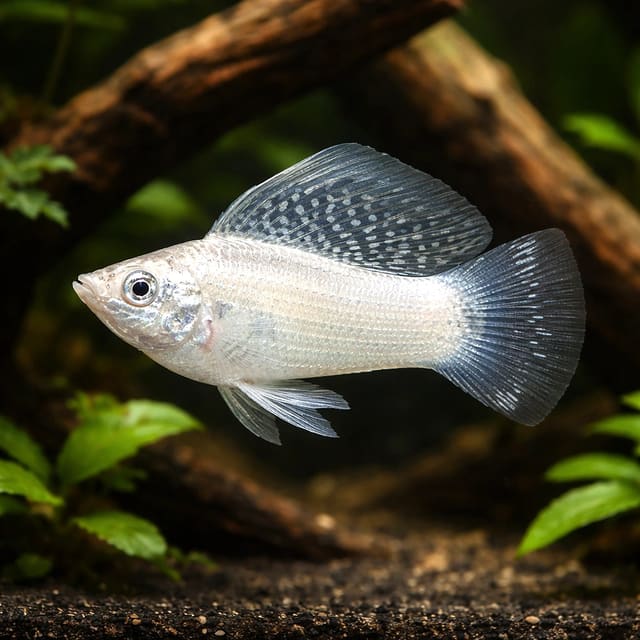
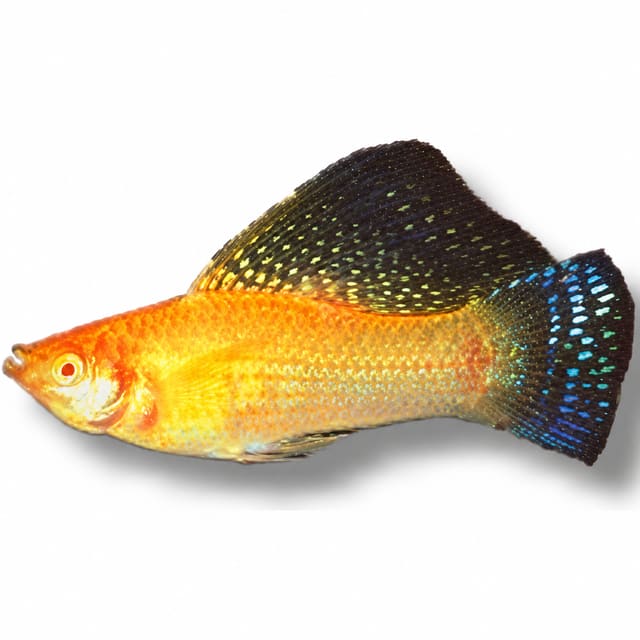
Gallery images have been digitally enhanced to improve image quality. Natural colour, pattern, size and maturity can vary between live animals.
For a new aquarium, follow the first tropical tank guide and allow the biological filter to mature before livestock is added. If the setup already contains fish, assess the added adult biomass and behaviour rather than assuming that one small dispatch fish makes no difference. The molly collection can help compare other molly offers, but each listing still needs its own identity, sex, size and care check.
Poecilia latipinna is commonly called the sailfin molly. FishBase places it in Poeciliidae and records native distribution from the Cape Fear drainage in North Carolina to Veracruz, Mexico. Wild fish occupy freshwater, brackish and coastal habitats, including quiet vegetated waters, canals, ponds and backwaters. Those records explain the species' association with mineral-rich water, but they do not mean that a home aquarium should copy an estuary or receive routine salt additions.
Domestic fish have been selectively bred into many colour and body forms. The exact offer combines a balloon body with Lyra and mix trade wording. Care remains anchored to the accepted species identity; trade words do not create a different scientific species or erase the adult requirements of P. latipinna. A domestic balloon form has a compact outline that differs from the normal wild body shape.
Three measurements need separating. The 2.5–3 cm figure is a dispatch grade for this offer. The specialist species profile gives 125 mm standard length, equal to 12.5 cm. FishBase lists a maximum 15 cm total length for male or unsexed fish and 10 cm total length for females. Total and standard length use different endpoints, so they cannot be averaged into a new number. For purchasing decisions, treat this as a molly capable of reaching roughly the 12.5–15 cm recorded scale rather than as a permanently 3 cm fish.
The specialist profile recommends a 76 × 38 cm aquarium base and approximately 87 litres for the species. Footprint matters because a longer, wider base provides swimming distance, room to move around planting and more options for fish to avoid one another. Litres alone can conceal an awkward tall footprint, so check both dimensions and volume. Increase the plan for additional mollies, other adult fish, dense décor that removes swimming space or a social mix likely to create persistent pursuit.
Broad OATA guidance gives at least 80 litres for sailfin mollies, which is consistent in scale with the specialist 87-litre profile. The specialist figure is the more exact species reference used here. Neither value is permission to overcrowd a minimum-sized tank. Filtration capacity, oxygenation, surface area, mature biological media and the eventual group all determine whether the aquarium remains stable.
| Accepted species | Poecilia latipinna |
|---|---|
| Family | Poeciliidae |
| Dispatch grade | 2.5–3 cm; one fish per purchase |
| Recorded adult scale | 12.5 cm standard length in the species profile; FishBase maximum 15 cm total length for male or unsexed fish |
| Species aquarium reference | 76 × 38 cm base; approximately 87 litres |
| Sex | Not guaranteed by this offer |
Use the species-level aquarium range of 21–26°C, pH 7.0–8.5 and 15–35 dGH as the planning target. These are husbandry reference values, not a claim that every point within the rectangle is equally ideal or that rapid movement between values is harmless. Choose a stable position that also suits the other animals, then prevent sudden swings. Hardness is especially important: the profile says moderately hard or harder water and a basic pH are needed for long-term health.
FishBase gives a 20–28°C environmental range for wild records. OATA gives 20–28°C, pH 7.0–8.0 and 8–18 dGH as broad guidance for guppies and mollies together. Those ranges have different scopes from the species profile. This guide therefore does not stretch the routine target to the broadest endpoint found anywhere. It keeps the more specific 21–26°C, pH 7.0–8.5 and 15–35 dGH values together, where the reader can see that they refer to species-level aquarium care.
Measure the water you actually have. Test pH and general hardness before buying, then check temperature with a reliable aquarium thermometer. A label such as hard-water area is not enough if the aquarium uses reverse-osmosis water, an active substrate, large pieces of acidifying wood or other methods that change chemistry. The water chemistry guide explains the core readings, and the water matcher can be used to compare measured values with the stated range.
Ammonia and nitrite should be zero before the fish is added. Both are toxic products of waste processing, and a new or disturbed biological filter may not convert them quickly enough. Nitrate should be controlled through appropriate stocking, feeding, plant growth where useful and partial water changes. OATA's group sheet advises keeping nitrate no more than 20 mg/l above the normal level in the tap water; that is a broad group threshold, not a reason to ignore a rising trend.
Use an established filter sized for the aquarium and its real livestock load. The species profile illustrates a turnover of four to five times the aquarium volume per hour for its 87-litre example, giving a nominal 350–435 lph range. Treat that as an equipment-sizing illustration rather than a promise of effective filtration: media volume, flow path, maintenance, stocking and the difference between advertised and installed flow all matter. Avoid a jet that leaves a compact-bodied fish struggling continuously, while retaining enough circulation and surface movement for oxygen exchange.
A useful pre-purchase check is to inspect the filter after its normal maintenance interval, not immediately after cleaning. Confirm that flow still reaches the full aquarium, the surface remains moving and debris is not bypassing the media. Then consider the extra adult waste of the planned molly group. A filter that copes with today's lightly stocked tank may need more media capacity or gentler distribution rather than simply a more powerful pump.
Carry out regular partial water changes with replacement water that has been conditioned for chlorine or chloramine and brought close to the aquarium's temperature and chemistry. OATA strongly recommends a 25% partial change at least weekly for this group, together with weekly testing. Adjust the amount and frequency in response to measured waste, stocking and feeding rather than waiting for cloudiness or distress. Siphon accessible debris, but do not sterilise every surface at once.
If filter media needs attention, rinse it lightly in removed aquarium water rather than running it under the tap. Clean enough to restore flow while retaining the bacterial community. Stagger major maintenance so that the filter, substrate and all décor are not deeply cleaned together. After a power cut, medication course or unusual filter interruption, test ammonia and nitrite more frequently because the system's previous stability may have changed.
Compare a small log of readings taken before the usual water change. If ammonia or nitrite appears, respond to the cause immediately rather than hiding the result with a one-off large change and resuming the same routine. If nitrate climbs from week to week, review stocking, portion size, debris removal and change frequency together. Stable chemistry is the outcome of the whole system, not a product added after a poor reading.
Do not add salt as a substitute for correct mineral hardness. The species profile states that salt is not necessary when calcium, magnesium and pH are suitable. If a separate veterinary reason ever leads to a treatment recommendation, that is a different decision requiring species-safe professional guidance and consideration of every tank inhabitant; it is not routine care for this listing.
Build a layout with planted cover around usable open swimming space. The species profile recommends dense planting but notes that these highly plant-eating fish may damage soft leaves. Robust plants, floating or marginal cover where appropriate, rounded hardscape and clear routes through the aquarium provide more practical value than a tightly packed aquascape. Check every ornament and artificial plant for sharp edges that could catch fins or scrape a rounded body.
Allowing some harmless green algae on selected surfaces can provide natural browsing. It does not replace filtration or maintenance, and an uncontrolled bloom can signal excess light or nutrients, but a sterile display is not necessary. Keep the front and main viewing areas as clean as desired while leaving safe grazing surfaces elsewhere. Areas of cover can help a new fish settle without eliminating the open area needed for normal activity.
Offer a quality complete flake or small granule suitable for livebearers as the staple, with regular algae-based or vegetable-rich material. The species profile says wild fish feed mainly on algae and plant material, with small animal foods also taken, and recommends vegetable matter for captive fish. OATA likewise advises a flake or granule with high algae content and permits small live or frozen items as variety. This supports a varied omnivorous plan with a clear plant component, not a diet built almost entirely around bloodworm or other rich animal foods.
Use portions the fish can finish within a few minutes, once daily under the broad OATA schedule, then adjust to the actual group, food size and body condition. Crumble or select food so a 2.5–3 cm dispatch fish can take it easily. Spread food across more than one point if faster tank mates monopolise the surface. Remove persistent leftovers because decomposing food adds ammonia and encourages poor water quality.
Rotate suitable foods by nutritional role rather than adding many treats. A complete prepared food supplies the base diet, an algae-rich option protects the vegetable component and a small live or frozen item provides occasional variety. Introduce one unfamiliar food at a time and watch acceptance. If a food is repeatedly ignored, remove it rather than letting it settle into the substrate.
Watch the fish rather than feeding by habit alone. Useful daily observations include whether it can hold position without effort, swim through the full aquarium, reach food, pass waste normally and rest without being cornered. Compare appetite and posture across several days. One quiet period after transport may be expected, but sustained refusal to eat, clamped fins, abnormal buoyancy, rapid breathing, rubbing, surface hanging, bottom sitting or a sharp change in colour deserves prompt investigation.
The specialist profile warns that the balloon body form can be associated with swim-bladder and digestive difficulties. That does not establish a diagnosis for every balloon molly, but it makes buoyancy, abdominal shape, appetite and waste especially useful observations. Keep portions modest, retain a vegetable-rich diet and avoid assuming that every unusual posture is simply the body form. Test water first when behaviour changes, then seek an experienced aquatic retailer or aquatic veterinary professional rather than applying a generic treatment blindly.
Record the normal baseline for the individual after it has settled: how it swims, where it rests, how eagerly it feeds and how it interacts. A short note or phone video makes gradual changes easier to detect. The goal is not constant handling or chasing for inspection; observe through the glass in consistent light and intervene only when the pattern suggests a genuine problem.
Mollies are social livebearers, and OATA's broad group guidance recommends keeping at least three. It also suggests two females for each male to reduce pressure from courtship. Sex is guaranteed only when the selected option explicitly states male or female. This Poecilia latipinna ballon molly mix lyra listing has no sex-guaranteed option. If adding one fish to an existing molly group, assess the existing sexes, adult space and behaviour. If starting a group from this unsorted offer, be prepared to adapt once the fish mature and can be assessed more reliably.
Male mollies can be aggressive towards one another, particularly around spawning activity. Mixed-sex groups can place repeated pursuit on females and can also produce young. A ratio is not a magic fix for limited space, and adding more fish to dilute attention increases the biological load. Provide planted cover and enough room for fish to move away, then observe whether attention is brief and distributed or focused persistently on one individual.
Different molly species and domestic forms may interbreed. Keep only one molly species per aquarium because the specialist profile warns that different mollies can cross. Do not market or rehome resulting young as a pure form without reliable lineage. If breeding is not intended, plan how mixed sexes, fry and growing juveniles would be managed before placing livebearers together.
FishBase records the species as introduced in many countries, with adverse ecological impact reported in several. Never release unwanted fish or fry outdoors, into drains, ponds or natural waterways. Rehome responsibly through a suitable keeper or retailer. Population planning is part of welfare because the aquarium must remain appropriately stocked after juveniles appear, not only on the day the adults are purchased.
Prepare before the parcel arrives. Confirm that ammonia and nitrite are zero, the temperature is stable, the filter is running and the planned space is available. Do not buy the fish to start the cycling process. Keep the delivery day free enough to receive the parcel in person, because live fish cannot be left unattended.
Tropical Fish Co hand-packs livestock in oxygenated bags inside an insulated box, adding a heat pack when conditions call for it, and uses a tracked licensed live-animal courier. Tracking and the confirmed Thursday or Friday delivery date are sent by email. Read the current delivery and Live Arrival Guarantee policy before dispatch because the policy, evidence requirements and contact route are operational details that may change.
If there is a problem, the policy requires a continuous unboxing video that begins with the parcel still sealed, shows the outer box, records opening and shows the fish still in the sealed bag. Include the order number and contact the team the same day. Capture that evidence before disturbing the bag; it cannot be reconstructed later.
After the arrival condition has been recorded, float the closed bag for the store's 20–30 minute temperature-matching period. Temperature matching is only one part of acclimatisation. OATA's complete introduction guidance then adds small amounts of aquarium water gradually for up to 20 minutes before release. Transfer the fish while adding as little transport water as practical to the aquarium. Do not pour the bag water into the tank.
Observe breathing, balance and posture during release, then give the fish a quiet route to cover. Avoid heavy feeding immediately. For the first week, check appetite, waste, fins, colour, respiration and whether existing fish block food or pursue the newcomer. Test ammonia and nitrite after the addition because even a mature filter must adjust to more waste. If several animals are being added, staged stocking is safer than a sudden large increase.
The Balloon Lyra Molly Mix is best assessed as an active hard-water livebearer rather than as a universally peaceful community fish. The species profile says Poecilia latipinna is generally suitable for a hard-water community, but it may pick on smaller fish as it matures and males can be aggressive towards one another. OATA adds that sailfin mollies should not be kept with timid species. These cautions matter more than a simple compatible or incompatible label.
Begin with water. A tank mate requiring soft, acidic water is not a sound match even if neither animal is aggressive. Compromising halfway can leave both species outside their useful long-term range. Select animals that can share the molly's 21–26°C, pH 7.0–8.5 and 15–35 dGH care range without forcing them to an extreme. Confirm the exact species rather than relying on a shop category such as community fish.
Next compare adult size and vulnerability. Avoid very small fish that an adult molly may harass or outcompete, and avoid timid fish likely to withdraw from the molly's movement and feeding pace. Long-finned or slow feeders require particular caution. Larger aggressive fish are also unsuitable if they can injure or intimidate the molly. The balloon body form makes it especially important that the fish can reach food and move away without continuous effort.
Other livebearers and some catfish are examples named by the specialist source, but that is a starting category rather than an automatic approval. Check each candidate's adult size, water chemistry, temperament, diet, group needs and bottom-space requirements. Related product suggestions are shopping alternatives, not tank-mate recommendations, and combining different mollies may create social pressure and interbreeding.
Work through a real example. A calm catfish that tolerates the temperature is still unsuitable if it needs soft acidic water. A hard-water livebearer may share the chemistry yet still be a poor fit if the adult group fills the available swimming room or competes too strongly at feeding time. A candidate passes only when chemistry, mature size, space, activity, feeding and social behaviour all fit together.
Within a molly group, watch the pattern of interaction. Brief display and short pursuit differ from one animal being repeatedly cornered, excluded from food or left with damaged fins. Add planted cover only if the aquarium still retains open swimming room. If aggression remains focused, the solution may require changing the group or housing, not merely adding decoration.
| Usually worth considering | Hard-water community fish of suitable adult size and activity; other livebearers or some catfish only after species-specific checks |
|---|---|
| Use caution | Other male mollies, mixed-sex molly groups, slow or long-finned feeders, and different molly species because they may interbreed |
| Avoid | Timid fish, very small vulnerable fish, aggressive predators and species requiring soft acidic water |
Suppose an established aquarium exceeds the 87-litre species reference, already holds active hard-water livebearers and remains within the full Poecilia latipinna care range with zero ammonia and nitrite. The chemistry fits, but the decision is not finished. Count the present fish at adult size, check the base dimensions, identify the sexes already present and watch whether every animal reaches food. Add the new molly only if the social group and adult load still fit, then reassess pursuit and feeding after introduction.
Now consider an aquarium held below the species' pH and hardness range for soft-water fish. Raising only the pH or adding salt does not create the 15–35 dGH mineral hardness in the species profile, and changing the whole aquarium may harm its current inhabitants. This is a chemistry mismatch even if the tank is large and peaceful. Choose livestock suited to the existing water rather than forcing one community to straddle opposing requirements.
An empty aquarium with the right volume and footprint is not ready merely because the heater and filter are running. The biological filter must mature, ammonia and nitrite must test at zero, and the eventual molly group must be planned before the first animal arrives. Because this offer does not guarantee sex, leave capacity to respond to the group that develops. If the aquarium can only hold one dispatch-sized fish with no room for its adult group, the paper volume has not solved the social problem.
Also decide who can receive and observe the fish. A suitable community still needs somebody present for delivery, enough time for careful acclimatisation and a plan for separating an animal if persistent pursuit or feeding exclusion appears. Practical capacity includes spare equipment, test supplies and prompt access to experienced aquatic help, not just litres in the display aquarium.
These examples show why compatibility is a sequence of decisions rather than a memorised list. Test water first, calculate adult occupancy second, assess activity and feeding third, and decide how the social group will be managed. A candidate that fails one of those stages should not be rescued by the fact that it shares a broad community label.
The accepted species, Poecilia latipinna, is recorded at 12.5 cm standard length in the specialist profile, while FishBase records a maximum 15 cm total length for male or unsexed fish. Those measurements use different endpoints; both are adult references, not the 2.5–3 cm dispatch grade.
The species profile recommends a 76 × 38 cm base and approximately 87 litres. Treat that as a starting minimum for one species plan, then allow more room for a group, other adult fish or a layout that removes open swimming space.
Broad OATA guidance recommends at least three mollies and suggests two females per male. This offer does not guarantee sex, so confirm the group after the fish mature and do not force a ratio that the aquarium cannot support.
It can suit a prepared keeper with a mature aquarium, but Tropical Fish Co rates it intermediate because it needs hard alkaline water, social planning and close observation of the compact balloon body. It is not a good first addition to an uncycled or soft acidic aquarium.
Use a quality complete flake or small granule with a regular algae-based or vegetable-rich component. Small live or frozen foods can add variety, but the diet should not lose the strong plant component recorded for mollies.
Use the species-level aquarium range of 21–26°C and pH 7.0–8.5, with hard water at 15–35 dGH. Keep values stable and do not treat the wider wild environmental temperature record as a routine target.
It is generally used in hard-water communities, but adults may pick on smaller fish and males can be aggressive towards one another. Avoid timid companions and intervene if pursuit becomes persistent or one fish is excluded from food.
The specialist source names other livebearers and some catfish as possible categories. Choose only species that share hard alkaline water and suit the molly's adult size, activity and feeding pace; the category name alone does not guarantee compatibility.
Tropical Fish Co hand-packs livestock in oxygenated bags inside an insulated box, uses a heat pack when needed and sends it by tracked licensed live-animal courier for a confirmed Thursday or Friday delivery. Someone must be present, and the current Live Arrival Guarantee requires a continuous unboxing video if there is a problem.
Scientific identity, distribution, wild habitat, diet and maximum recorded total length were checked against FishBase: Poecilia latipinna. Species-level aquarium dimensions, routine water values, maintenance, diet, behaviour, sex differences and domestic-form notes came from the Seriously Fish sailfin molly profile.
Broad UK group guidance on social keeping, setup, water testing, feeding, weekly maintenance and warning signs came from OATA's guppies and mollies care sheet. General filtration and aquarium-welfare context came from the RSPCA aquarium environment guidance.
No reviews for this item yet. Bought one? Honest reviews only, good or bad.
What customers say about ordering from us
Easy website plenty of info on fish your buying great to pick a time slot
TRACEY DURRANT · 7 Oct 2026
Got some lovely fish thank you
Kevin Mackie · 7 Oct 2026
Reviews of our shop, collected by Judge.me, an independent third-party review collector. Newest first.