Easy
Electric Blue Acara (Andinoacara pulcher) – Neon Blue, 2–7cm Sizes
22–23°C · pH 6.5–8
£6.19

Photo coming soon
The size, price and care details on this page are for this listing.
Redneck Severum (Heros rotkeil) is sold as one fish per selected option, with six dispatch grades from 2–2.5 cm to 9–11 cm. Keep it in a mature, filtered aquarium at 22–27°C and assess adult space and robust community companions before purchase.
Heros rotkeil
Save when buying multiple fish. Each quantity is one fish; sex and pair formation are not guaranteed unless the selected variant explicitly states them.
Redneck Severum (Heros rotkeil) is sold as one fish per selected option, with six dispatch grades from 2–2.5 cm to 9–11 cm. Keep it in a mature, filtered aquarium at 22–27°C and assess adult space and robust community companions before purchase.
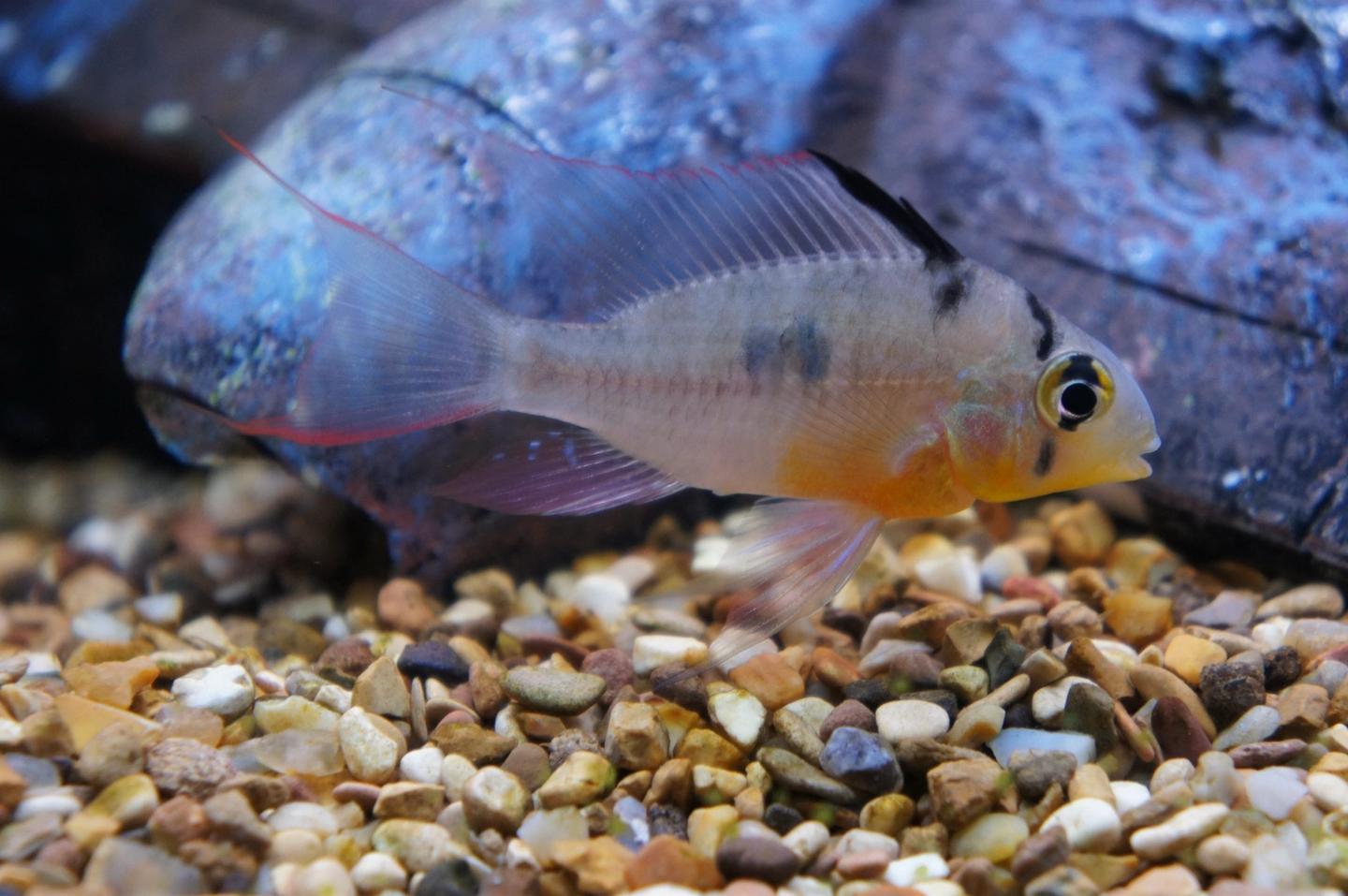
Cichlids are a family of roughly 1,800 accepted species, not one care type. Before buying, identify the exact species and source, then compare adult measurement, usable tank dimensions, social system, territory, tested water, diet and an exit plan. No family-wide minimum tank, water range or tank-mate list is safe.
Maintain these water conditions for optimal health and vibrant colors
The Redneck Severum, listed here as Heros rotkeil, is a South American cichlid for a keeper prepared to plan the aquarium, filtration and community before purchase. OATA places severums among the calmer American cichlids that may fit a robust community with larger shoaling fish, but every companion still needs an individual assessment. This makes careful preparation more important than relying on a simple temperament label.
Start with a mature, biologically filtered aquarium and a clear plan for the fish at its adult size. The dispatch grade tells you how large the animal should be when supplied; it is not a guide to the permanent aquarium. Confirm the intended adult-size category before choosing the final tank, because OATA uses different planning thresholds for smaller American cichlids under 15 cm and larger or more aggressive fish over 15 cm.
This fish best suits a keeper who will measure water values, maintain the biological filter and respond promptly to changes in feeding, breathing or behaviour. Browse the South American cichlid collection when comparing animals, but assess each candidate independently rather than treating related cichlids as automatic companions.
One purchase quantity supplies one Redneck Severum from the option selected. The available dispatch grades are 2–2.5 cm, 4–5 cm, 5–6 cm, 6–7 cm, 7–9 cm and 9–11 cm. Use the live size selector to see which option can be chosen when ordering rather than relying on static wording elsewhere on the page.
The size you select is the size supplied, not the adult size. A smaller dispatch grade does not mean the fish belongs permanently in a smaller aquarium, and a larger grade does not represent a promised maximum. Choose among the grades according to the aquarium and stocking plan you can support at introduction, then keep the permanent setup focused on adult space, water quality and compatibility.
Sex is guaranteed only when the selected option explicitly states male or female. This Redneck Severum listing has no sex-guaranteed option.
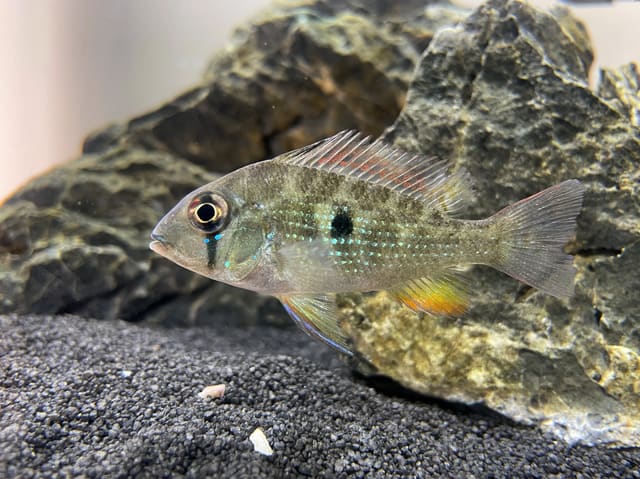
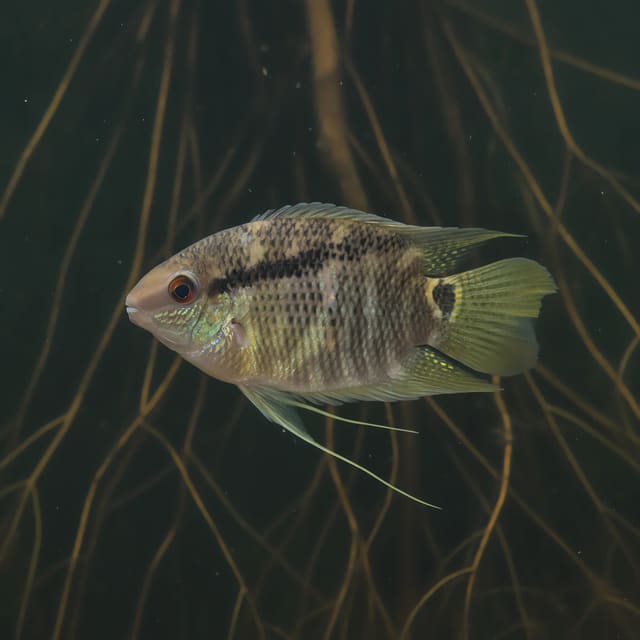
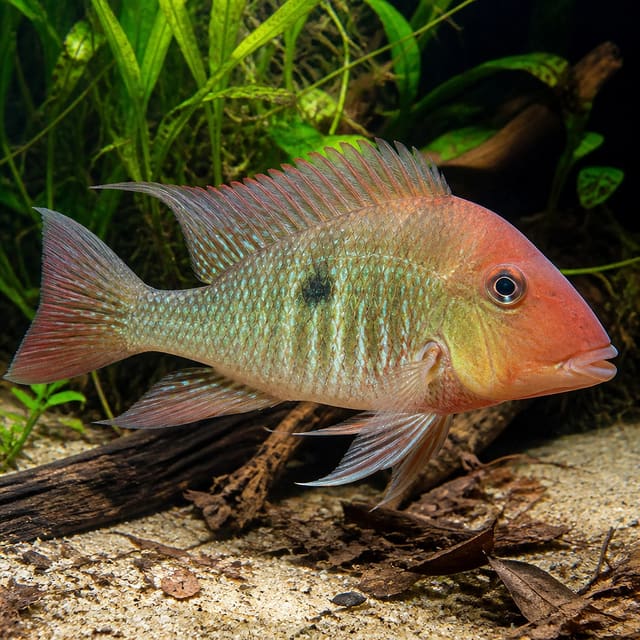
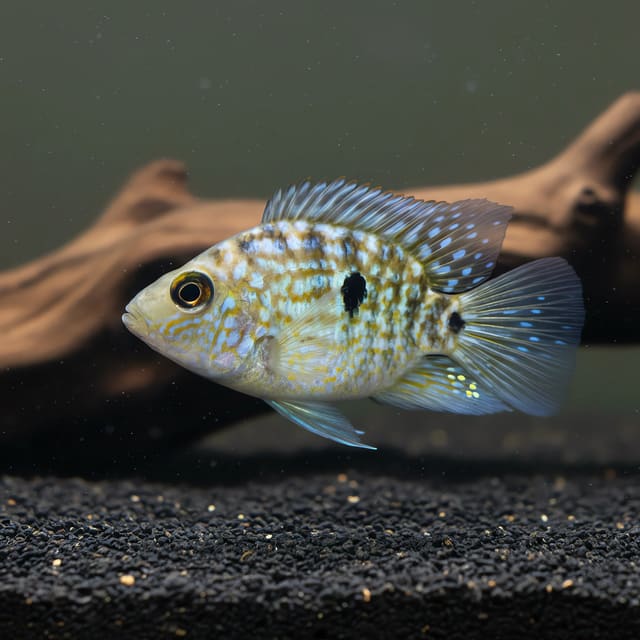
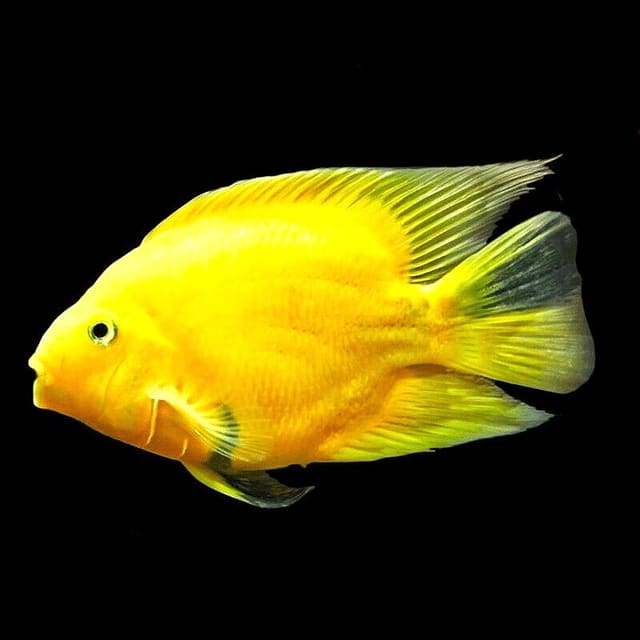
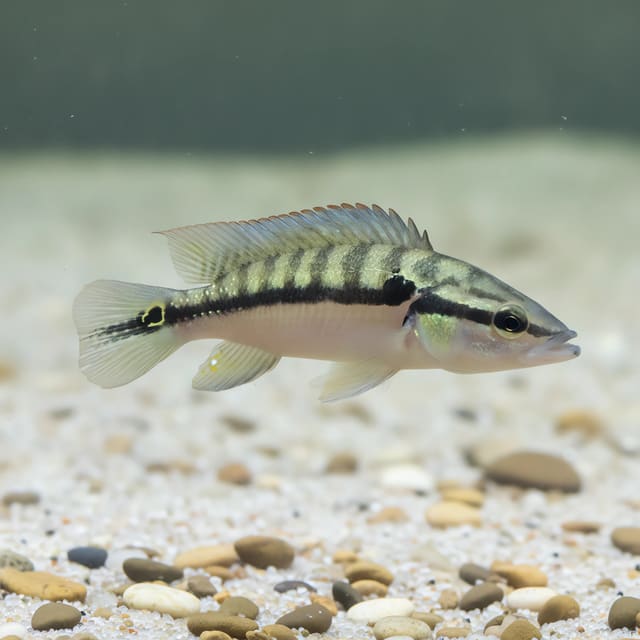
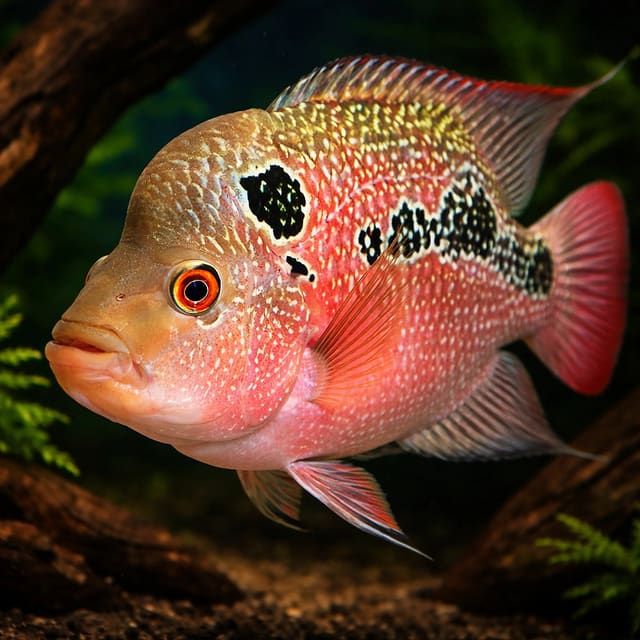
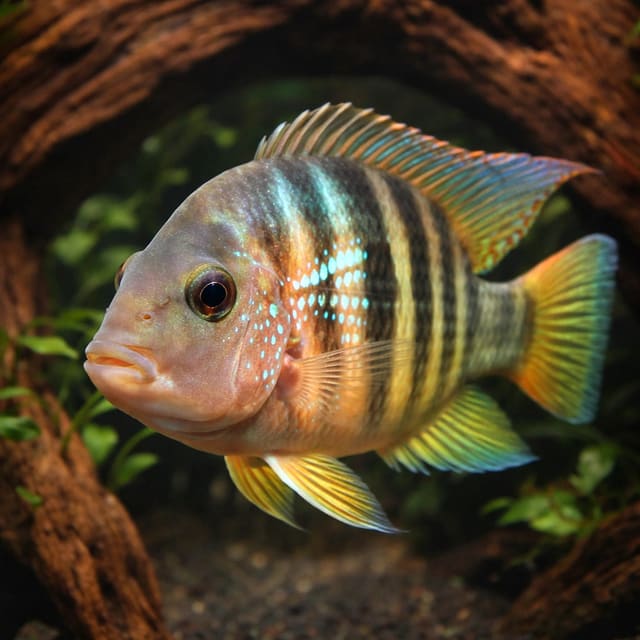
The gallery is a visual guide rather than a promise that every animal will match an illustration exactly. Some gallery images have been digitally enhanced to improve image quality. They show the listed type of animal rather than guaranteeing the exact markings of the individual supplied, so natural colour and pattern can vary.
Use adult category, temperament and stocking arrangement together when choosing aquarium volume. OATA’s planning guidance recommends at least 120 litres for a pair of smaller American cichlid species measuring less than 15 cm, and at least 300 litres for larger or more aggressive species over 15 cm. These are group planning thresholds, not a reason to assign this fish to a category from its dispatch grade.
| Planning question | Decision |
|---|---|
| Fish under 15 cm as adults | Use at least 120 litres for a pair under the OATA group guideline. |
| Fish over 15 cm or more aggressive | Use at least 300 litres under the OATA group guideline. |
| Mixed community | Add space for every adult and for separate territories; do not count volume alone as proof of compatibility. |
| Selected dispatch size | Use it to plan introduction and feeding, never the permanent aquarium. |
Before purchase, ask us to assess the adult-size plan, stocking arrangement and proposed companions together. Include the aquarium volume and dimensions, measured water values, filter maturity, current livestock and the exact number of Redneck Severums you intend to keep. That creates a useful decision from the group thresholds without assuming that one volume fits every severum setup.
A larger aquarium generally gives temperature and water quality more stability, but it still requires an effective biological filter and regular maintenance. Layout also matters: open water must be balanced with cover and broken sight lines, especially in a community where fish may establish preferred areas. Plan room to reach the substrate, filter and décor so weekly maintenance remains practical after the aquarium is fully arranged.
OATA’s American-cichlid guidance sets broad operating values of 22–27°C, pH 6.5–8.0, general hardness 4–12°dH and carbonate hardness 3–10°dKH. Treat these as group-level boundaries rather than a species-specific optimum, and prioritise a stable, measured aquarium over repeated adjustments made simply to chase the middle of each range.
| Value | Operating decision |
|---|---|
| Temperature | Keep between 22°C and 27°C. |
| pH | Keep between 6.5 and 8.0. |
| General hardness | Keep within 4–12°dH. |
| Carbonate hardness | Keep within 3–10°dKH. |
| Ammonia | Maintain at 0 mg per litre. |
| Nitrite | Maintain at 0 mg per litre. |
| Nitrate | Do not allow it to rise more than 20 mg per litre above the normal tap-water level. |
Test the normal tap water used for changes and record its nitrate value. If that baseline is 10 mg per litre, the OATA limit means aquarium nitrate should not exceed 30 mg per litre. If the baseline is 25 mg per litre, the corresponding ceiling is 45 mg per litre. The calculation is always the measured tap-water baseline plus no more than 20 mg per litre.
Use our water chemistry guide to understand the values being measured, then enter the actual results in the water matcher. Record results consistently so a gradual change is visible before it becomes a large swing. When ammonia or nitrite appears above zero, treat that as an immediate water-quality problem rather than waiting for visible illness.
A working biological filter is essential because fish release toxic ammonia into the aquarium. Beneficial bacteria convert ammonia to nitrite, which is also toxic, and then to the safer nitrate stage. The RSPCA’s aquarium welfare guidance explains why no fish should be kept without a well-set-up and maintained filter.
Filter maturity is a living process, not a label attached to equipment. Adding fish and increasing food raises the waste load, so the bacterial population must grow to process that extra ammonia. Stocking too quickly can create new tank syndrome, with ammonia and nitrite rising because the filter cannot yet handle the increased load. Add livestock gradually and keep testing as the population changes.
A filter can continue moving water while biological performance is under pressure, so flow alone is not enough. Use test results alongside fish behaviour. Surface hanging, bottom sitting, erratic swimming, altered breathing or reduced feeding should prompt immediate testing even when the equipment appears to be running normally.
If this is your first mature setup, follow the first tropical aquarium guide before livestock arrives. The practical goal is an aquarium that has established biological filtration and repeatedly holds ammonia and nitrite at 0 mg per litre before the Redneck Severum is introduced.
Choose fine aquarium gravel or sand for the base. American cichlids may dig or sift the substrate while feeding or breeding, so keep the material aquarium-safe and arrange the tank so displaced substrate will not obstruct equipment. Leave enough access to siphon solid waste during the weekly partial water change.
Provide cover while retaining clear swimming space and maintenance routes. American cichlids may dig up or eat live plants, which means a planted layout should be treated as a design choice that may change as the fish interacts with it. Artificial plants can provide cover where preserving live planting is important, provided every item is intended for aquarium use and positioned securely.
Visual barriers are particularly useful when more than one fish may claim a preferred area. They do not make an unsuitable combination safe, but they can reduce constant direct sight across the aquarium and give fish routes away from one another. Keep an unobstructed area for feeding so you can see whether the Redneck Severum takes food and whether companions prevent access.
Reassess the layout after the fish begins digging or moving around established areas. If substrate repeatedly gathers around equipment, move the equipment or alter the barrier rather than restoring the same arrangement each day. If a fish hides more than normal or cannot move away from another occupant, review both the layout and the compatibility plan instead of adding more décor without identifying the cause.
Prepare the aquarium before the fish arrives. Confirm that temperature, pH and hardness sit within the stated operating ranges, then test ammonia and nitrite and proceed only when both read 0 mg per litre. A mature filter must already be processing the existing waste load; the arrival of another fish is not the moment to begin establishing biological filtration.
During the first feeds, watch whether the fish approaches food, remains hidden, is displaced by another occupant or leaves a large amount uneaten. Feed only once a day and offer an amount that can be eaten within a few minutes. Removing the pressure to finish an oversized portion protects water quality while the fish settles.
Observe breathing and swimming at the same time. Healthy American cichlids should have clear, bright eyes, undamaged fins, intact scales and appropriate swimming behaviour. A fish hanging at the surface, sitting on the bottom, swimming erratically or breathing noticeably faster or slower than normal needs an immediate water test.
Do not add several further animals simply because the first introduction appears calm. Beneficial bacteria need time to increase as stocking and feeding rise. Continue the normal testing and maintenance cycle, then make the next stocking decision from measured water quality and observed behaviour rather than from water clarity or filter flow alone.
Carry out a partial water change of 25% at least once every week. Use a siphon to remove solid waste from the substrate while taking out water, then treat replacement tap water with conditioner to remove chlorine or chloramine before it enters the aquarium. Keep the replacement process controlled so temperature and water chemistry remain stable.
| Aquarium volume | Example 25% change |
|---|---|
| 120 litres | Replace 30 litres. |
| 200 litres | Replace 50 litres. |
| 300 litres | Replace 75 litres. |
| 400 litres | Replace 100 litres. |
These examples show the calculation, not a replacement for measuring the aquarium’s actual water volume. Multiply the working volume by 0.25 to plan the weekly change. Keep enough removed aquarium water aside when filter media needs a light rinse.
If a weekly test changes unexpectedly, review recent stocking, feeding and filter maintenance before assuming the result is random. Additional livestock and excess food both increase the burden on filtration. A blocked filter or media exposed to chlorine can reduce biological performance. The combination of a written test history and a consistent maintenance day makes these links easier to see.
Never use the weekly change as permission to overfeed during the rest of the week. Uneaten food and excess faeces break down and release waste between maintenance sessions. Keep daily feeding controlled so the filter and water-change routine work together rather than compensating for avoidable pollution.
American cichlids are generally omnivorous and often prefer meaty foods. Use specialised cichlid pellets or granules as the practical foundation, supplemented with suitable frozen or freeze-dried foods. Choose pieces that the individual fish can take comfortably and watch the whole feeding response rather than measuring a portion by eye and walking away.
Feed once a day and give only what can be eaten within a few minutes. This rule adjusts naturally to the selected dispatch grade, appetite and number of fish without creating an unsuitable fixed quantity. Begin with a modest portion, observe how quickly it is taken and stop when food is no longer being cleared promptly.
| Observation | Action |
|---|---|
| Food is too large to take | Choose a smaller pellet, granule or appropriately sized supplement. |
| Food remains after a few minutes | Reduce the next daily portion and remove accessible leftovers. |
| One fish blocks another | Spread the measured meal across more than one visible feeding point. |
| Interest in food falls | Test water and compare breathing, colour, swimming and hiding with normal behaviour. |
| Waste accumulates | Review both portion size and the weekly siphoning routine. |
OATA lists daphnia, brine shrimp and bloodworm among supplements appreciated by smaller American cichlids, while larger members of the group may take cockles, lance fish or prawns. Select among group foods according to the individual fish’s mouth size and feeding response; do not assume that a dispatch grade has the same food needs as a fully grown animal.
Overfeeding creates excess faeces and leaves uneaten material to break down, releasing toxic waste into the water. The feeding limit therefore protects both body condition and filtration. Use the few-minutes rule every day, and treat a sudden reduction in food intake as an observation to investigate rather than an invitation to add repeated meals.
Learn the fish’s normal swimming, colour, breathing, hiding and feeding pattern so a change is easy to recognise. Healthy American cichlids should show clear, bright eyes, undamaged fins, intact scales, no ulcerations or bumps and an appropriate swimming pattern. Body condition should remain steady rather than showing an unexplained increase or decrease.
| Change noticed | First response |
|---|---|
| Hanging at the surface | Test ammonia, nitrite and the other routine water values immediately. |
| Sitting on the bottom | Compare breathing and swimming with normal behaviour, then test the water. |
| Erratic swimming | Check water quality and observe whether another fish is driving the behaviour. |
| Darker or paler colour | Review water results, hiding and recent changes in the aquarium. |
| More aggression or hiding | Reassess territory, sight lines and compatibility. |
| Faster or slower gill movement | Test the water without waiting for another symptom. |
| White spots or fluffy growths | Record the appearance and seek health guidance after checking water. |
| Reduced appetite | Stop increasing food, test water and compare body condition. |
Ammonia and nitrite must remain at 0 mg per litre because even small amounts can stress American cichlids. Check filter flow and recent maintenance as part of the same response. If biological media was exposed to tap water, stocking rose quickly or feeding increased, the filter may be under greater pressure.
Do not choose a treatment from a symptom name alone. Similar visible changes may accompany water-quality trouble, social pressure or a health problem, and treatment choice requires an appropriate assessment. If you remain concerned after testing the water, contact us with the measured values, aquarium volume, recent changes, feeding response and a clear description of the signs. Those details allow the next decision to address the situation rather than guessing from one symptom.
OATA describes severums as among the calmer American cichlids that may be mixed in a robust community aquarium with larger shoaling species. Treat that as a conditional route, not a universal tank-mate list. Individual compatibility remains uncertain until adult size, temperament, water needs, territory and the particular aquarium have all been considered and behaviour has been observed.
| Screen | Question to answer |
|---|---|
| Adult size | Will every fish have adequate permanent space when fully grown? |
| Temperament | Can the candidate live in a robust community without constant intimidation or escalation? |
| Water | Do its normal operating requirements overlap 22–27°C, pH 6.5–8.0 and 4–12°dH? |
| Territory | Can the layout provide separate areas and routes away from conflict? |
| Feeding | Can every occupant reach an appropriate daily portion within a few minutes? |
| Filtration | Can the mature biological filter handle the added waste without ammonia or nitrite appearing? |
Avoid assuming that two American cichlids are suitable merely because they share a broad category. Mixing members of the group can be difficult, and more aggressive species must be kept alone or with equally aggressive cichlids. A calmer severum should not be used as a test companion for a fish already expected to require an aggressive arrangement.
Larger shoaling fish are the supported community direction, but the word “larger” still requires an adult-size comparison for the exact animals involved. Check the shoal’s required number and total space as part of the stocking calculation. A community cannot be assessed by comparing the severum with only one member of a proposed shoal.
After introduction, watch for persistent hiding, altered aggression, interrupted feeding, erratic swimming or a fish being confined to one area. Review the arrangement promptly if those changes appear. Extra volume and visual barriers help with planning, but neither makes a fundamentally mismatched combination reliable.
OATA advises that most American cichlids do better either singly or in pairs, while noting that social requirements vary within the group. Use a single-or-pair model as the starting point for planning, then assess the intended Redneck Severum arrangement alongside adult space, individual behaviour and the rest of the stocking plan.
One purchase quantity on this page supplies one animal. Selecting a quantity of two therefore means planning for two individuals, not receiving an established pair. The offer does not promise pair formation, and the absence of a sex-guaranteed option means the selected size cannot be used to infer the sexes supplied.
| Route | Questions to resolve |
|---|---|
| One fish | Can the aquarium meet its adult space, water and enrichment needs while supporting any community companions? |
| Two fish | Is there enough adult space for both, separate cover and a plan if their behaviour is incompatible? |
| Community plan | Are all occupants matched for water, adult size and temperament, with enough filtration for the total waste load? |
| Future additions | Can livestock be added gradually while ammonia and nitrite remain at 0 mg per litre? |
Sex is guaranteed only when the exact product or selected option explicitly states male or female. Sexing American cichlids varies by species, and some show no obvious differences unless breeding. Base the purchase on the number of animals you can house responsibly even if the hoped-for social arrangement does not develop.
Prepare a fallback before keeping two. That means having a realistic route to separate fish if persistent aggression, hiding, interrupted feeding or restricted movement develops. Temporary décor changes may break sight lines, but continuing conflict calls for a stocking decision rather than repeated rearrangement. A successful plan protects both individuals without depending on them forming a compatible pair.
Redneck Severum is the common offer name for Heros rotkeil, a South American member of the cichlid family Cichlidae.
One purchase quantity supplies one Redneck Severum from the selected size option; it is not a pair or pack.
The six dispatch grades are 2–2.5 cm, 4–5 cm, 5–6 cm, 6–7 cm, 7–9 cm and 9–11 cm; use the live selector when choosing.
Use a mature, biologically filtered aquarium planned around adult size, with sand or fine gravel, cover, swimming space and ammonia and nitrite at 0 mg per litre.
American cichlids generally do better singly or in pairs, but plan either route around adult space and individual behaviour; buying two does not promise a compatible pair.
Use the American-cichlid group range of 22–27°C, pH 6.5–8.0 and general hardness 4–12°dH, with ammonia and nitrite at 0 mg per litre.
Feed specialised cichlid pellets or granules with suitable frozen or freeze-dried supplements once daily, offering only what it eats within a few minutes.
Acclimatise it only into a mature aquarium after confirming ammonia and nitrite are 0 mg per litre, and keep stocking gradual so filter bacteria can adjust to added waste.
Larger shoaling fish may suit a robust community, but screen every candidate for adult size, temperament, water needs, territory and the aquarium’s total filtration load.
No reviews for this item yet. Bought one? Honest reviews only, good or bad.
What customers say about ordering from us
I have a small group of long finned mountain minnows. So was delighted to be able to order ten of this variety to increase the genetics in my tank . The ones I recieved are healthy but it’s to early to give a verdict on wether they are of a long finned type since they are small currently.
Gordon Walker · 23 Sept 2026
100% success travel and "installation". Pleased with quality of purchase. The Siamese fighter a bit "shy" so have not yet seen him at his best yet but looking good. Happy customer. GG
George E Garratt · 21 Sept 2026
Reviews of our shop, collected by Judge.me, an independent third-party review collector. Newest first.