−12%
Advanced
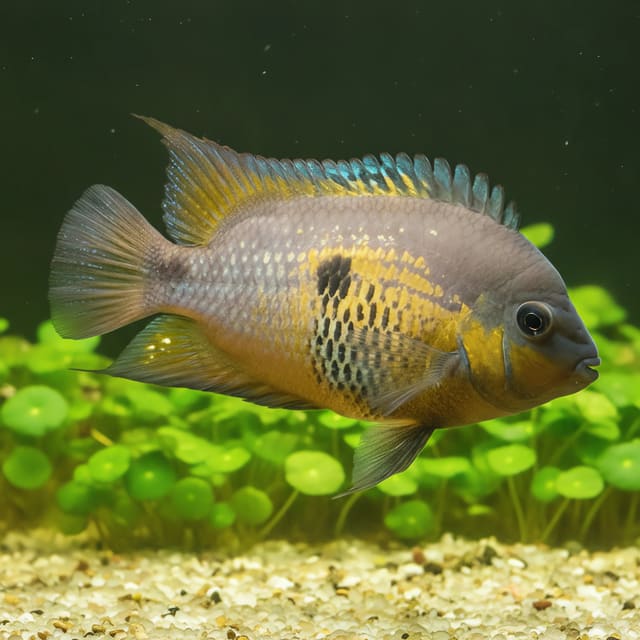
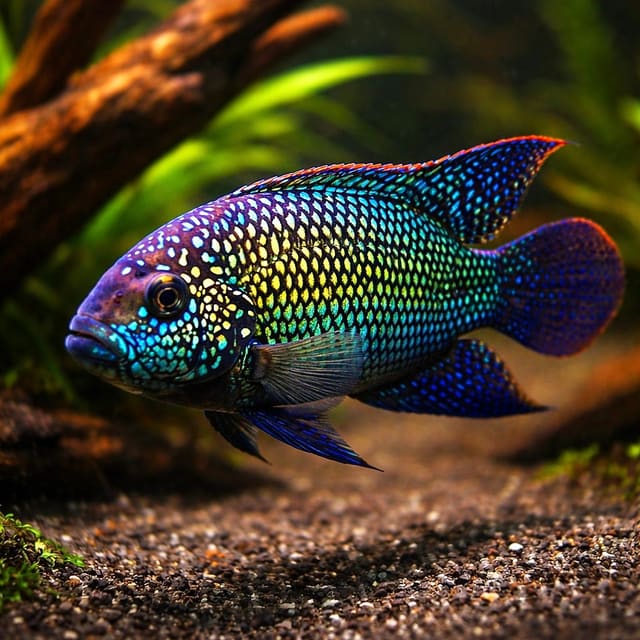
Haitian Cichlid (Nandopsis haitiensis)
24–27°C · pH 7–8 · 450L
£9.99£54.99

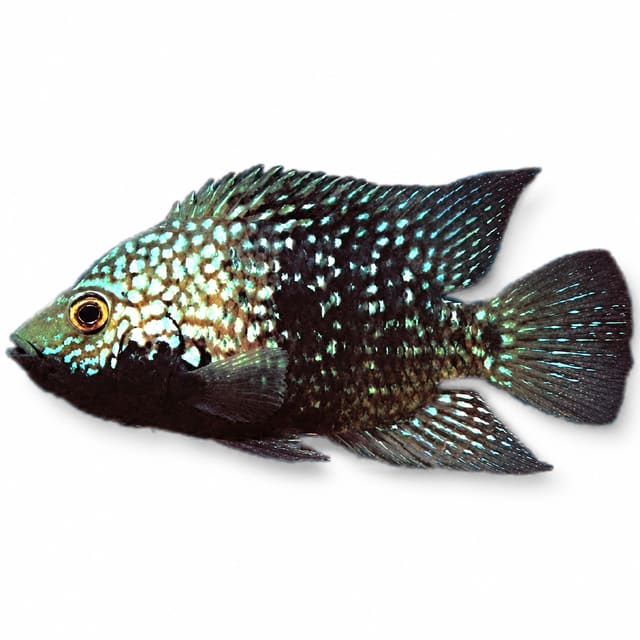
Marble Convict Cichlid (Amatitlania nigrofasciata) from our cichlid range. Easy care, aggressive temperament, adult size about 12 cm; check tankmates and water conditions before ordering.
Adult size is the maximum length this species reaches at full maturity (scientific sources). The livestock you receive will be younger and smaller — pick a size above for the actual shipping size. Product-photo provenance and any image-specific limitations are stated on the listing.
Cichlasoma nigrofasciatum OB
Save when buying multiple fish. Each quantity is one fish; sex and pair formation are not guaranteed unless the selected variant explicitly states them.
Confirm your email, then we’ll send an availability message for this exact item if it returns within 180 days.
This request is only for this product—no newsletter or other promotions. A mail-provider retry may very rarely duplicate the same availability message. Unconfirmed addresses are removed after 48 hours. See our privacy policy.
Marble Convict Cichlid (Amatitlania nigrofasciata) from our cichlid range. Easy care, aggressive temperament, adult size about 12 cm; check tankmates and water conditions before ordering.
Adult size is the maximum length this species reaches at full maturity (scientific sources). The livestock you receive will be younger and smaller — pick a size above for the actual shipping size. Product-photo provenance and any image-specific limitations are stated on the listing.
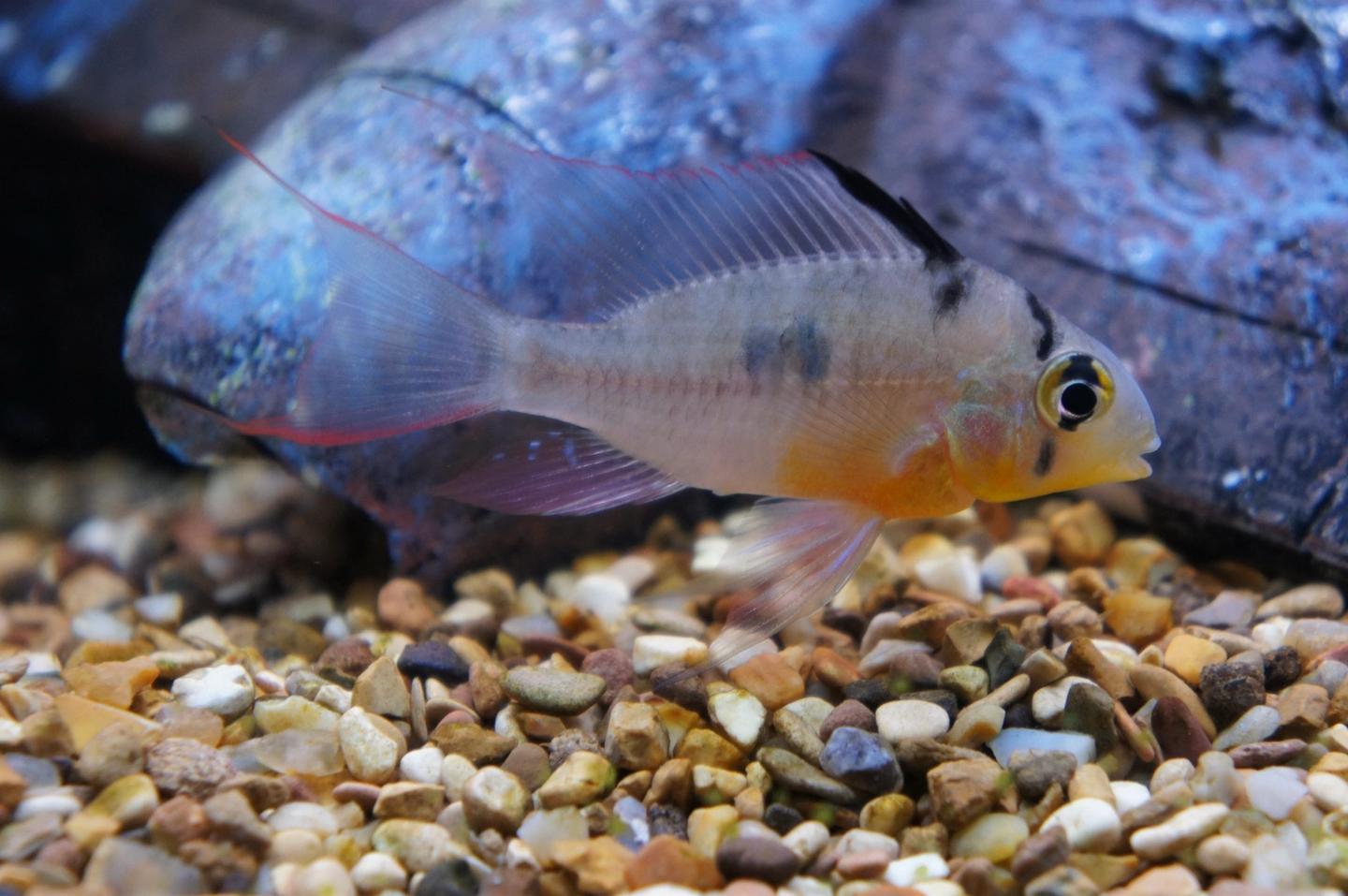
Cichlids are a family of roughly 1,800 accepted species, not one care type. Before buying, identify the exact species and source, then compare adult measurement, usable tank dimensions, social system, territory, tested water, diet and an exit plan. No family-wide minimum tank, water range or tank-mate list is safe.
Maintain these water conditions for optimal health and vibrant colors
OB Convict Cichlid (Amatitlania nigrofasciata) is a marbled/orange-blotch form of the classic convict cichlid. Older supplier and aquarium-trade names often place this fish under Cichlasoma nigrofasciatum or similar spellings, but the current widely used scientific name is Amatitlania nigrofasciata.
This product covers the current live Shopify size variants on the page: SKU 0261 at 3-4 cm, SKU 0262 at 5-6 cm and SKU 0263 as the XL option. All care notes below apply to the same OB convict cichlid group; choose the size variant that suits your aquarium and existing stock.
| Common name | OB Convict Cichlid, Marble Convict Cichlid, Zebra Cichlid form |
|---|---|
| Scientific name | Amatitlania nigrofasciata |
| Older trade names | Cichlasoma nigrofasciatum, Archocentrus nigrofasciatus |
| Adult size | Usually around 10-15 cm depending sex, line and aquarium conditions |
| Minimum aquarium | Plan around at least 150 litres for adult pair/community planning; larger for mixed cichlid setups |
| Temperature | 22-28 C |
| pH | About 6.0-8.0; stable neutral to slightly alkaline water is commonly used |
| Hardness | Adaptable, but avoid unstable extremes |
| Temperament | Robust, territorial and very defensive when breeding |
| Diet | Omnivore with a carnivorous lean; quality cichlid foods plus frozen/live variety |
| Tank region | Lower and middle areas, especially around rocks, caves and roots |
Convict cichlids are hardy, but they are not casual community fish. Build the aquarium around territories: rocks, caves, roots, wood and strong visual barriers help each fish claim a space without constant fighting. Use a secure layout that cannot collapse if a fish digs underneath it, because this species will move sand and gravel when preparing a cave or boundary.
Good filtration and regular water changes are important because adult convicts are strong feeders and can be messy. A mature aquarium with stable water is safer than a newly set-up tank. If you are planning a pair, leave enough room for both fish to hold a territory and for other tank mates to stay out of the breeding area.
The main thing to understand is breeding behaviour. A bonded pair can be fascinating, guarding eggs and fry with real intensity, but that same behaviour makes them aggressive toward other fish. They may challenge fish larger than themselves when defending a cave or young, so stocking must be planned around temperament rather than sale size.
Tank mates should be robust, similarly sized fish that can handle the same water and are not easily bullied. Avoid tiny community fish, delicate long-finned fish, peaceful dwarf species, ornamental shrimp and slow bottom dwellers that cannot move away. In smaller aquariums, a species-only setup or single specimen is often calmer than forcing them into a mixed community.
Feed a varied omnivore diet. A quality cichlid pellet or granule can be the staple, with frozen or live foods such as bloodworm, brine shrimp, mysis, chopped earthworm and insect larvae offered as variety. Include some plant-based or algae-containing foods as part of the rotation. Feed modest portions and remove leftovers so water quality stays stable.
Only add this fish to a cycled aquarium with stable temperature, secure decor and appropriate tank mates. On arrival, keep the lights low, acclimate gradually and give the fish cover immediately. Avoid heavy feeding on day one, then watch posture, colour, breathing and appetite during the first week.
This listing is currently best treated as an out-of-stock care and planning page until Shopify availability shows otherwise. When the fish is available, livestock is packed for the weather and sent by UK live-animal courier with the Tropical Fish Co Live Arrival Guarantee when the delivery and acclimation conditions are followed.
Choose this cichlid if you want a bold, active, territorial fish and can give it the correct setup. It is not the right choice for a peaceful nano community. Plan the adult size, rockwork, breeding behaviour and tank mates before ordering, especially if you already keep calmer fish.
No reviews for this item yet. Bought one? Honest reviews only, good or bad.
What customers say about ordering from us
I have a small group of long finned mountain minnows. So was delighted to be able to order ten of this variety to increase the genetics in my tank . The ones I recieved are healthy but it’s to early to give a verdict on wether they are of a long finned type since they are small currently.
Gordon Walker · 23 Sept 2026
100% success travel and "installation". Pleased with quality of purchase. The Siamese fighter a bit "shy" so have not yet seen him at his best yet but looking good. Happy customer. GG
George E Garratt · 21 Sept 2026
Reviews of our shop, collected by Judge.me, an independent third-party review collector. Newest first.