Moderate
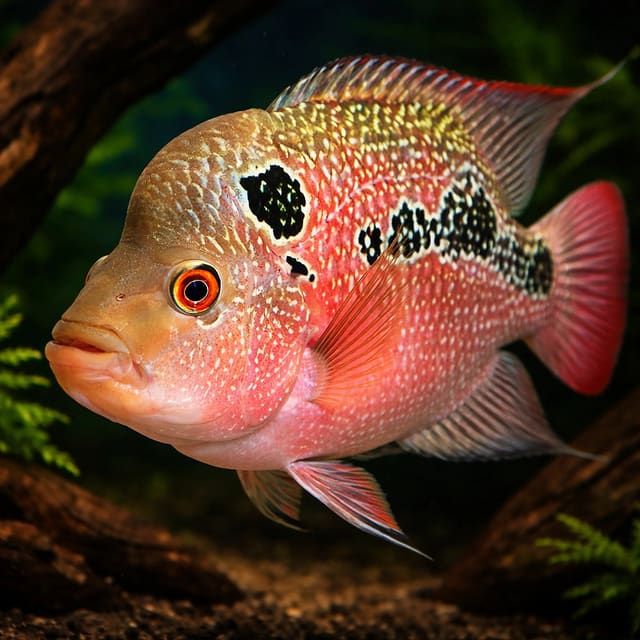
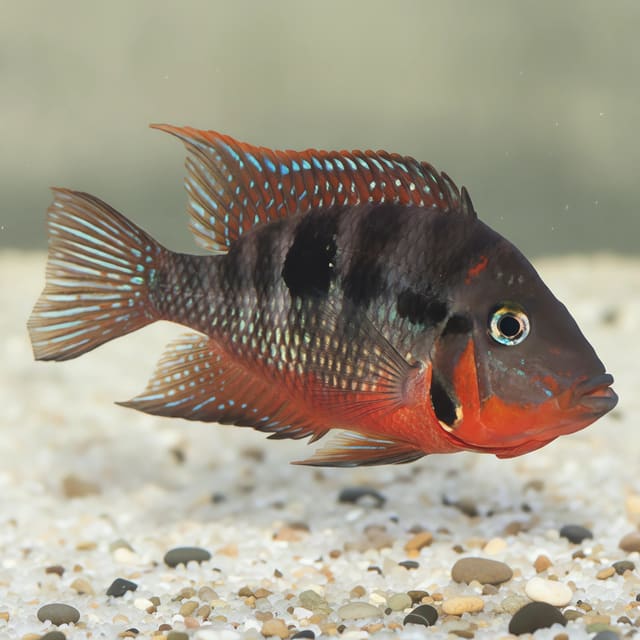
Firemouth Cichlid (Thorichthys meeki)
20–32°C · pH 6.5–8.5 · 108L
£4.99

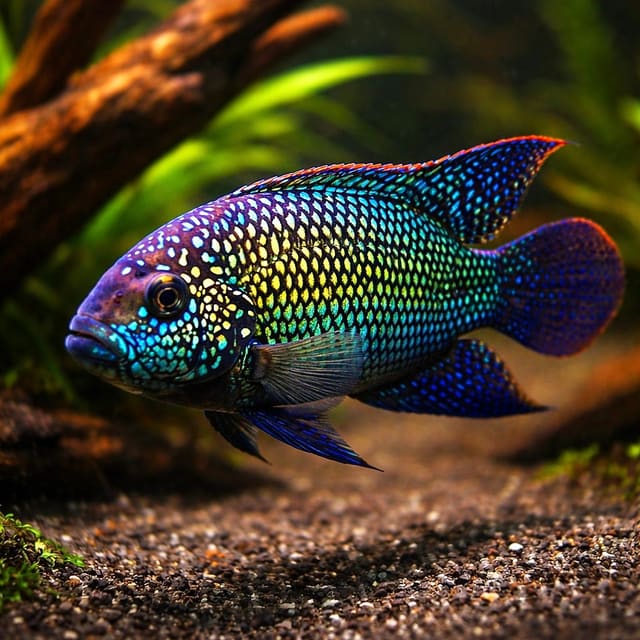
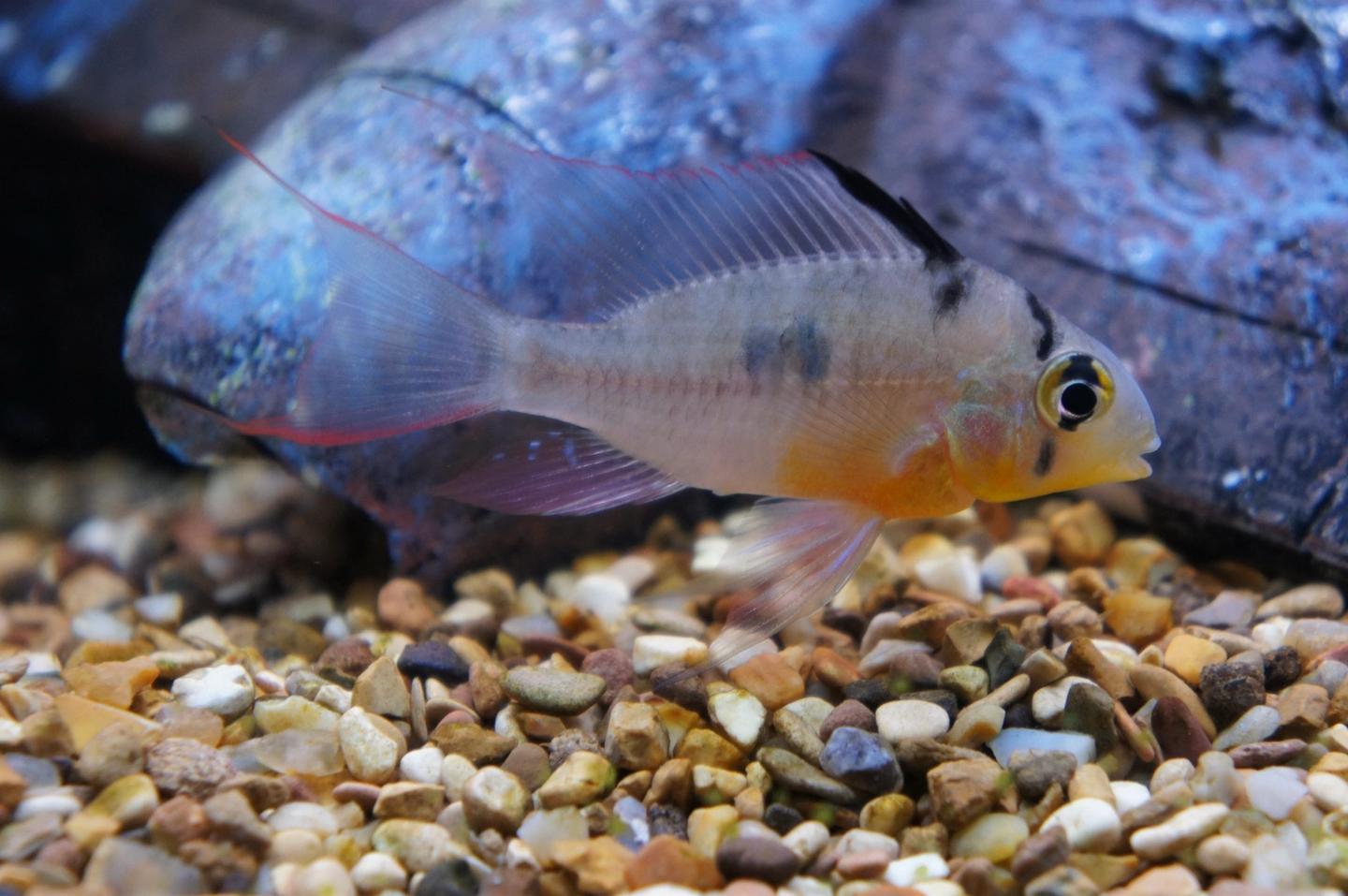
Nicaragua Cichlid (Hypsophrys nicaraguensis) for spacious Central American aquariums; colourful, semi-aggressive and best with robust tank mates.
Adult size is the maximum length this species reaches at full maturity (scientific sources). The livestock you receive will be younger and smaller — pick a size above for the actual shipping size. Product-photo provenance and any image-specific limitations are stated on the listing.
Hypsophrys nicaraguensis
Nicaragua Cichlid (Hypsophrys nicaraguensis) for spacious Central American aquariums; colourful, semi-aggressive and best with robust tank mates.
Adult size is the maximum length this species reaches at full maturity (scientific sources). The livestock you receive will be younger and smaller — pick a size above for the actual shipping size. Product-photo provenance and any image-specific limitations are stated on the listing.
Cichlids are a family of roughly 1,800 accepted species, not one care type. Before buying, identify the exact species and source, then compare adult measurement, usable tank dimensions, social system, territory, tested water, diet and an exit plan. No family-wide minimum tank, water range or tank-mate list is safe.
Maintain these water conditions for optimal health and vibrant colors
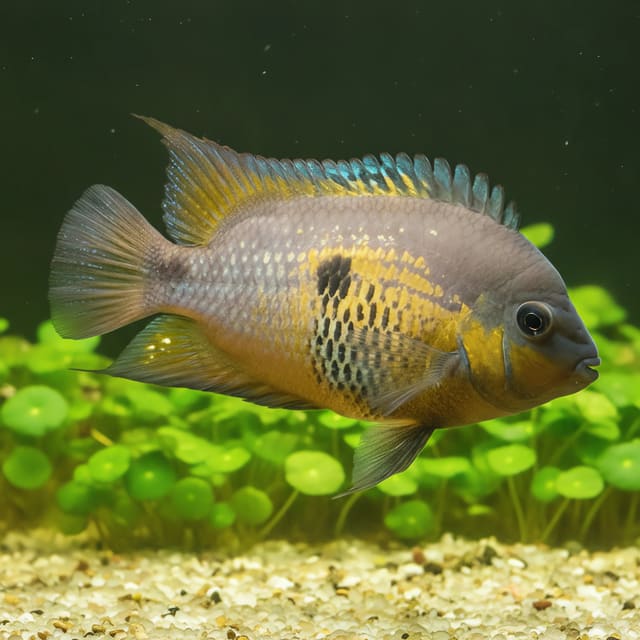
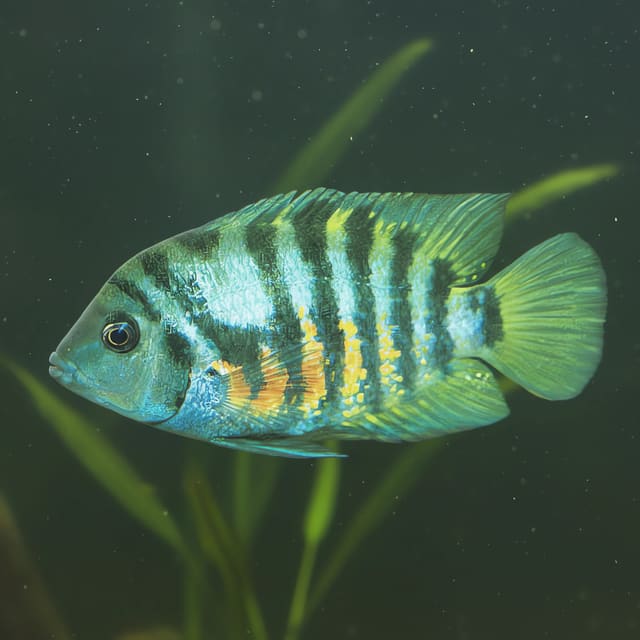
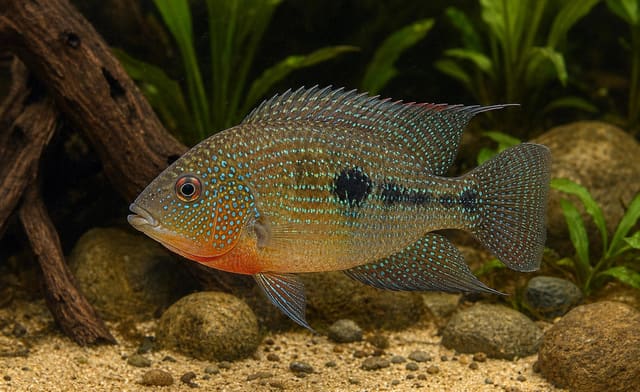
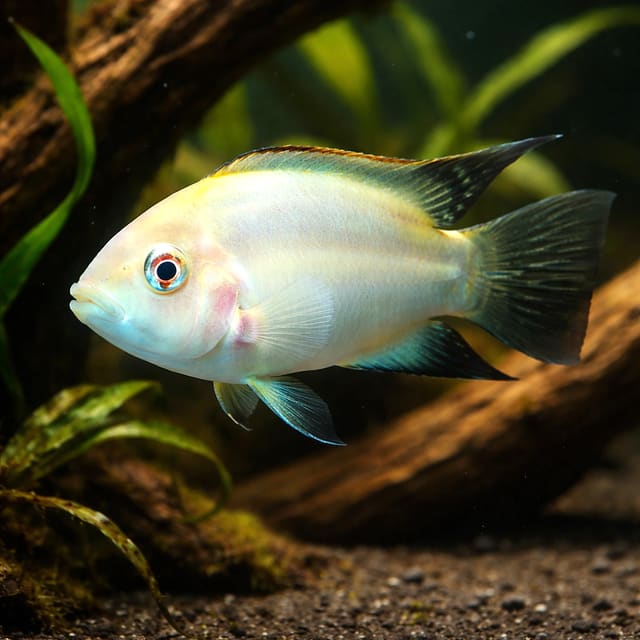
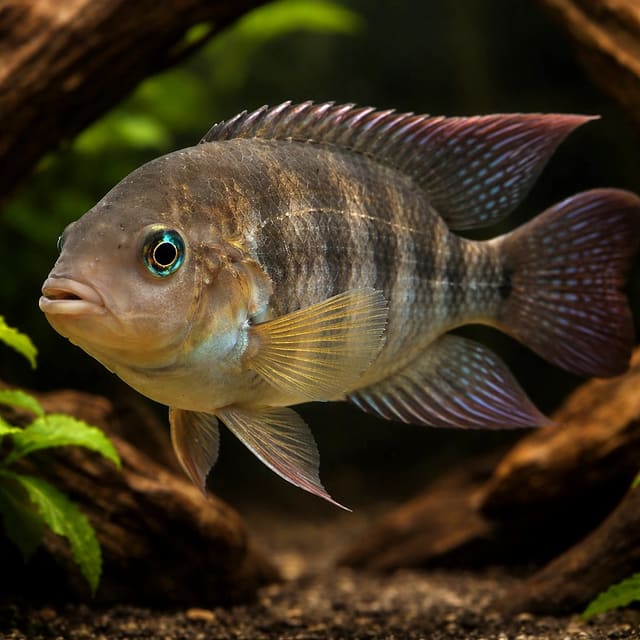
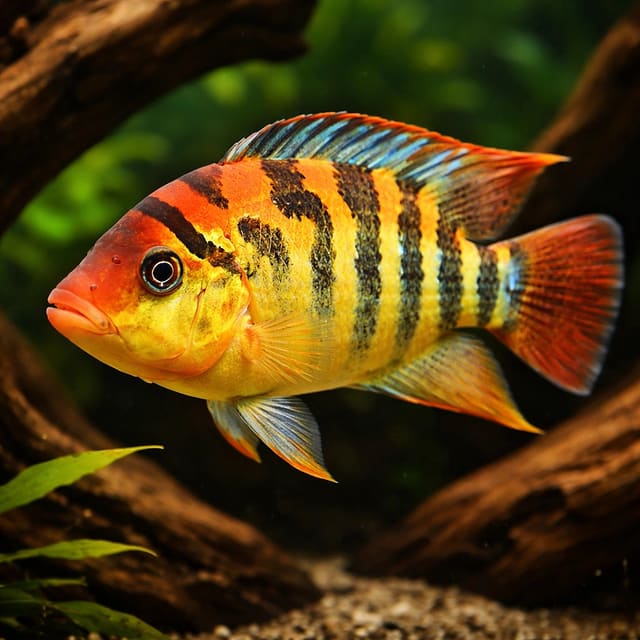
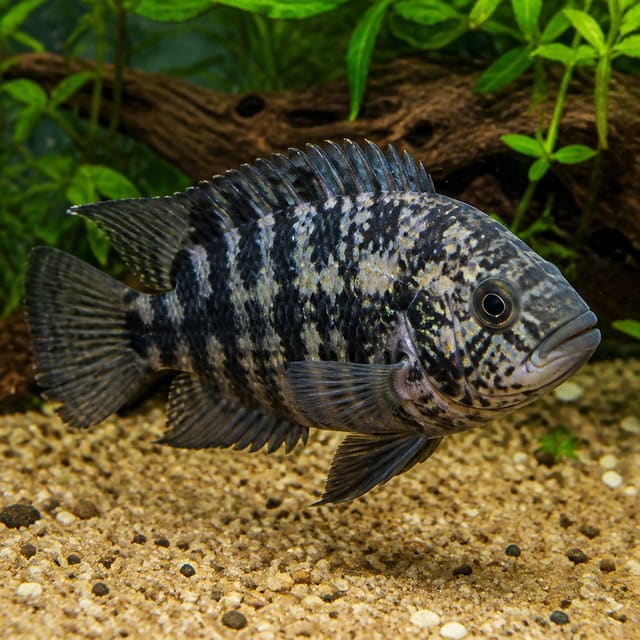
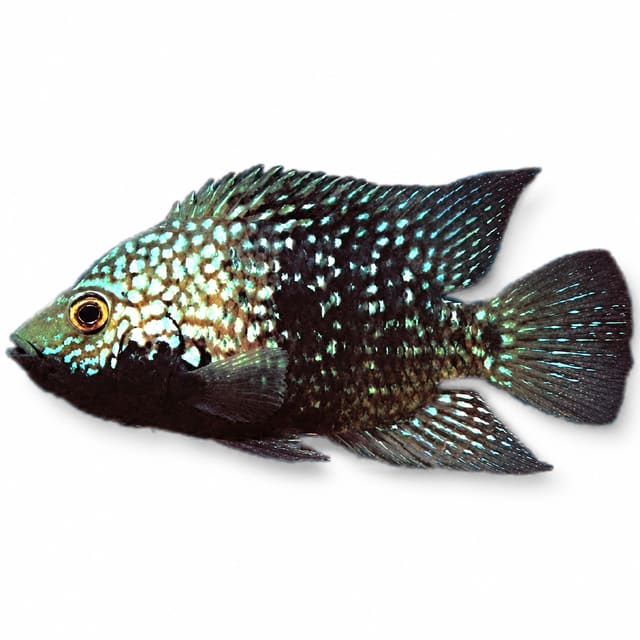
Nicaragua Cichlid (Hypsophrys nicaraguensis) is a colourful Central American cichlid for aquarists who want personality without choosing one of the most aggressive large cichlids. It is also called the Macaw Cichlid, and older aquarium records may still use Cichlasoma nicaraguense. The important care point is simple: this is a robust, medium-to-large cichlid that needs space, structure and carefully chosen tank mates.
| Scientific name | Hypsophrys nicaraguensis |
|---|---|
| Older trade names | Cichlasoma nicaraguense, Nicaragua Cichlid, Macaw Cichlid |
| Adult planning size | Up to around 20-25 cm depending on sex and conditions |
| Minimum aquarium | 250 litres or larger; more space is better for pairs or cichlid communities |
| Temperature | 23-28°C |
| pH | 7.0-8.0, with stable mineral content |
| Temperament | Semi-aggressive; usually calmer than many similar Central American cichlids |
| Diet | Omnivore: cichlid pellets, frozen foods, mollusc-style foods and vegetable matter |
This listing is for the Nicaragua Cichlid, not the T-Bar Cichlid. The two names sometimes appear together in older catalogue data, but they refer to different Central American cichlids. Nicaragua Cichlids have a deeper body, a distinctive curved head profile and mature colour that can include gold, blue-green and rosy tones. Keeping the identity clear helps you plan tank size, temperament and breeding behaviour properly.
| Listing identity | Care implication |
|---|---|
| Nicaragua / Macaw Cichlid | Plan for a larger, structured Central American cichlid setup |
| Older Cichlasoma name | Useful search synonym, but not a reason to mix species care notes |
| Not a nano community fish | Avoid tiny tank mates, shrimp and cramped mixed aquariums |
Use a mature aquarium with sand or smooth gravel, open swimming room and secure rock or wood structure. Nicaragua Cichlids naturally come from Central American waters including lakes and rivers with slow to moderate movement, so aim for clean, oxygenated water rather than a stagnant display. Leave open areas for swimming but break up sight lines with wood, stones and robust decor.
Plants can be used, but choose hardy species attached to wood or rock if your fish likes to dig. Pairs may move substrate, especially when breeding, so delicate rooted plants can be lifted. Good filtration and regular water changes matter more than chasing extreme parameters.
| Setup element | Recommended approach |
|---|---|
| Substrate | Sand or smooth gravel that can be moved safely |
| Decor | Wood, stones and caves arranged to create territories |
| Filtration | Strong biological filtration with steady oxygenation |
| Maintenance | Regular water changes to control nitrate and dissolved waste |
Nicaragua Cichlids are omnivores. Juveniles take small aquatic invertebrate-style foods readily, while adults benefit from a broader diet. Use a quality cichlid pellet as the base, then rotate frozen foods such as brine shrimp, mysis, bloodworm and chopped mussel with vegetable-based foods. Avoid feeding only high-protein meaty items; a mixed diet keeps condition, colour and digestion steadier.
This is a semi-aggressive cichlid, not a peaceful small community fish. It can be noticeably calmer than some Central American cichlids, but it still defends space and becomes more assertive as it matures. Good companions are robust fish that enjoy similar water and cannot be swallowed. Avoid tiny tetras, fancy long-finned fish, dwarf shrimp and timid species that will hide constantly.
| Better companions | Avoid |
|---|---|
| Other robust Central American cichlids in large aquariums | Very small community fish |
| Medium catfish with similar water needs | Dwarf shrimp and tiny fry-sized fish |
| Large peaceful dither fish where space allows | Delicate slow feeders or long-finned fish |
Pairs can become territorial when breeding. They may dig pits, choose a sheltered area and guard eggs or fry with strong parental behaviour. This is fascinating to watch in a suitable aquarium, but it can make a mixed tank stressful if space is tight. If you are keeping a pair, build the layout so other fish can move away and avoid placing all caves in one corner.
This product can include several size options, so check the selected variant before checkout. Smaller juveniles need grow-out space, while larger fish need a tank that is already ready for adult behaviour. Livestock is packed carefully and sent by licensed live-animal courier where live-animal shipping applies. Follow the receiving and acclimation instructions to keep the Live Arrival Guarantee valid. New customers can use WELCOME10 when the order is eligible.
| Before ordering | Check |
|---|---|
| Tank volume | Enough space for a cichlid that can reach 20 cm plus |
| Tank mates | Robust, compatible fish only |
| Decor | Rock, wood and open swimming room already arranged |
| Water quality | Mature filtration and stable water before arrival |
Compare temperament and tank size with Firemouth Cichlid, Topaz Cichlid, Zebra Convict Cichlid, Yellow Convict Cichlid, Thorichthys ellioti and Red Oscar.
| Is this the same fish as a T-Bar Cichlid? | No. This listing is for the Nicaragua or Macaw Cichlid, Hypsophrys nicaraguensis. T-Bar Cichlid is a different Central American cichlid. |
|---|---|
| Is the Nicaragua Cichlid peaceful? | It is usually calmer than many Central American cichlids, but it is still territorial and needs robust tank mates. |
| How big can it get? | Plan for a fish around 20-25 cm, with enough space for adult swimming and territorial behaviour. |
| Can I keep it with small fish? | No. Tiny fish and shrimp may be eaten or stressed. Choose robust companions in a suitably large aquarium. |
| Does it need special food? | No specialist food is required, but a varied omnivorous diet is best: cichlid pellets, frozen foods and vegetable matter. |
No reviews for this item yet. Bought one? Honest reviews only, good or bad.
What customers say about ordering from us
I have a small group of long finned mountain minnows. So was delighted to be able to order ten of this variety to increase the genetics in my tank . The ones I recieved are healthy but it’s to early to give a verdict on wether they are of a long finned type since they are small currently.
Gordon Walker · 23 Sept 2026
100% success travel and "installation". Pleased with quality of purchase. The Siamese fighter a bit "shy" so have not yet seen him at his best yet but looking good. Happy customer. GG
George E Garratt · 21 Sept 2026
Reviews of our shop, collected by Judge.me, an independent third-party review collector. Newest first.