

Moderate
Fire Ahli Cichlid (Sciaenochromis sp.)
23–27°C · pH 8–8.6
£15.99

Large predatory Lake Malawi hap for experienced keepers with a spacious hard-water cichlid aquarium.
Adult size is the maximum length this species reaches at full maturity (scientific sources). The livestock you receive will be younger and smaller — pick a size variant above for the actual shipping size. Product-photo provenance and any image-specific limitations are stated on the listing.
Nimbochromis linni
Save when buying multiple fish. Each quantity is one fish; sex and pair formation are not guaranteed unless the selected variant explicitly states them.
Large predatory Lake Malawi hap for experienced keepers with a spacious hard-water cichlid aquarium.
Adult size is the maximum length this species reaches at full maturity (scientific sources). The livestock you receive will be younger and smaller — pick a size variant above for the actual shipping size. Product-photo provenance and any image-specific limitations are stated on the listing.
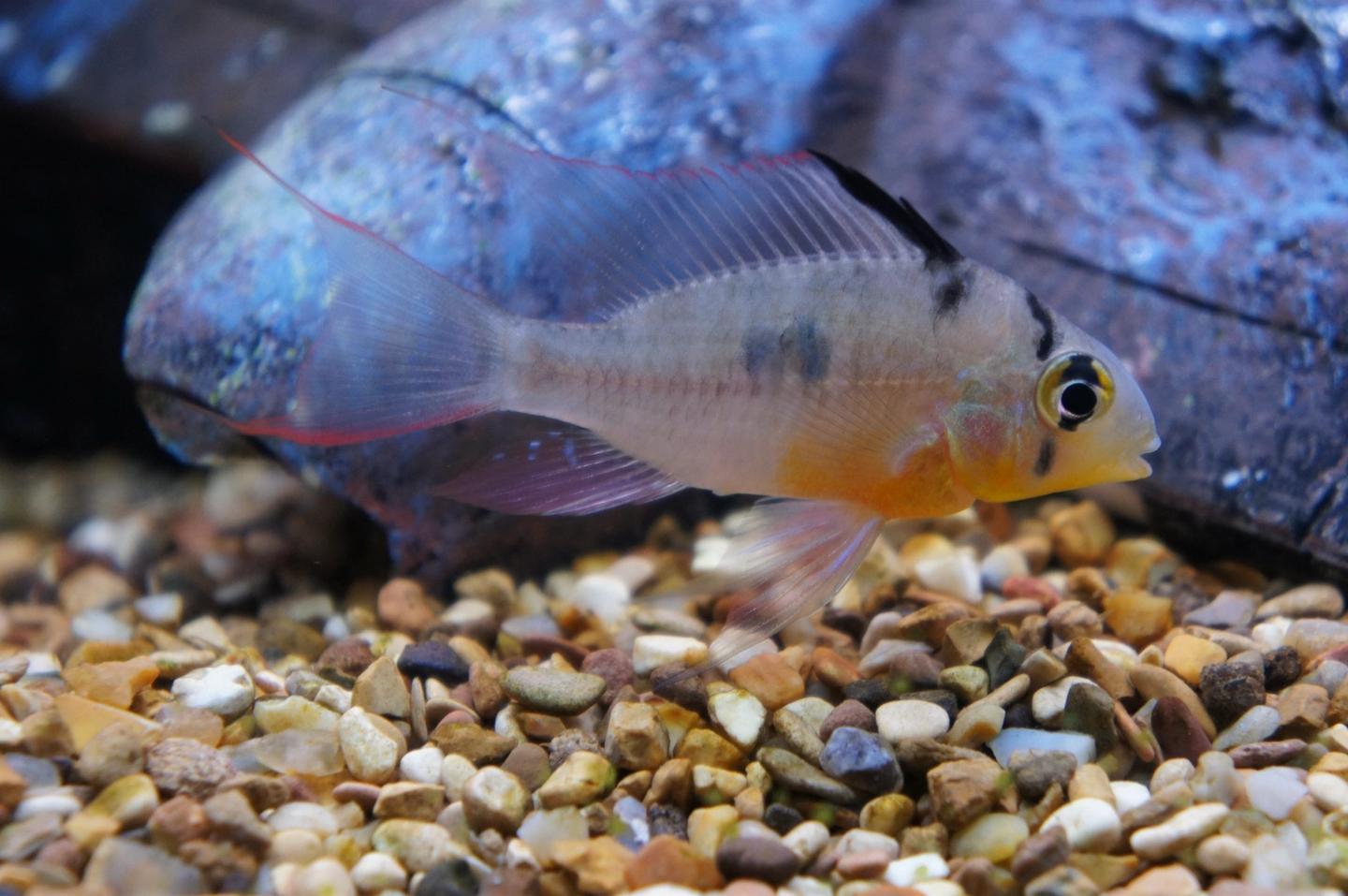
Cichlids are a family of roughly 1,800 accepted species, not one care type. Before buying, identify the exact species and source, then compare adult measurement, usable tank dimensions, social system, territory, tested water, diet and an exit plan. No family-wide minimum tank, water range or tank-mate list is safe.
Maintain these water conditions for optimal health and vibrant colors
Linn's Haplochromis (Nimbochromis linni) is a large predatory Lake Malawi hap for experienced cichlid keepers. the trade label still uses the older Haplochromis linni wording in places, but the current care profile should be planned around Nimbochromis linni. It is a striking, specialist Malawi predator, not a peaceful mixed-community fish.
The most important buyer note is scale. The 4-5 cm, 6-7 cm, 7-9 cm and XL sale variants are juvenile or growing stock sizes; they are not the adult size. FishBase records Nimbochromis linni at up to about 25 cm, while aquarium profiles commonly advise planning for a powerful fish that can approach 25-30 cm in mature males. Buy it only if the adult hard-water aquarium is already part of the plan.
| Scientific name | Nimbochromis linni |
|---|---|
| Trade and old labels | Linn's Haplochromis, Haplochromis linni, Elephant-nose cichlid in some trade wording |
| Current variants | 4-5 cm, 6-7 cm, 7-9 cm and XL size options when in stock |
| Adult planning size | Plan around 25 cm; allow extra space for large mature males |
| Minimum aquarium | 500 litres or larger for adult planning; a long footprint is strongly preferred |
| Temperature | 23-28 C |
| pH and hardness | Hard alkaline Lake Malawi water, about pH 7.5-8.6 |
| Temperament | Predatory, territorial and assertive |
| Diet | Carnivorous cichlid pellets plus measured frozen meaty foods |
| Best for | Experienced Malawi keepers with large predator-hap aquariums |
This species has moved through older hobby naming, so the listing keeps the names clear. Customers may search for Linn's Haplochromis, Haplochromis linni or Nimbochromis linni. For scientific and care purposes, the useful current name is Nimbochromis linni.
The fish is part of the predatory Malawi hap group rather than a rock-scraping mbuna. Its long head, downward-facing mouth and ambush-predator build are key to its behaviour. It waits around rocks and intermediate zones, then strikes at suitable fish prey. That natural history is the reason this listing is deliberately firm about tank size and tank mates.
Linn's Haplochromis has a distinctive predator profile: a deep, powerful cichlid body, a long head, mottled patterning and a downward-directed mouth. Females and juveniles tend to show muted brown, grey and blotched camouflage tones. Mature males can become much more dramatic, with blue, dark and warm yellow to red tones depending on locality, maturity, hierarchy and mood.
Colour and confidence improve when the fish has space. In a cramped or bare tank, it may hide, pace or dominate everything around it. In a large Malawi layout with secure rocks, open lanes and clean water, it becomes a proper centrepiece predator, patrolling, watching from cover and showing the deliberate behaviour that makes the Nimbochromis group so interesting.
Nimbochromis linni is endemic to Lake Malawi. FishBase describes it as a freshwater demersal species from Lake Malawi, with records across rocky and intermediate habitats. Animal Diversity Web describes it around steep rocky shorelines and intermediate breeding habitat, and notes hard alkaline lake conditions. That means the aquarium should be built around stable mineral-rich water, rock structure and open swimming room.
The species is a solitary ambush predator in nature. It is not active in the same way as a schooling fish and it is not gentle in the way a peaceful community fish is gentle. It uses cover, watches for opportunity and can swallow smaller fish. In the aquarium, that translates into a simple rule: choose tank mates by adult size and behaviour, not by whether the colours look good together.
Start with a mature, long aquarium of at least 500 litres for adult planning. Bigger is better, especially if you are keeping other large Malawi cichlids. Use a sand base, stable rock piles at the edges or rear, open swimming lanes and broken lines of sight. The fish should be able to move out of view without the aquarium becoming a cramped wall of rock.
Secure the rockwork before adding fish. Large cichlids can dig, bump and claim territories, so unstable stone is a real hazard. Keep the central swimming area open, but provide enough structure that weaker fish are not constantly visible to the dominant fish. Use strong filtration, high oxygen and regular maintenance because large carnivorous cichlids produce heavy waste.
Avoid soft, acidic community layouts and avoid small tanks sold as general Malawi starter setups. This is a long-term predator-hap project. If the adult aquarium is not ready or cannot realistically be provided, choose a smaller Malawi species instead.
Keep the water hard, alkaline and stable. A practical aquarium range is 23-28 C, pH 7.5-8.6 and moderate to high hardness. FishBase gives a narrower 23-25 C reference range with pH 7.0-8.5 and dH 10-15, while aquarium profiles commonly use 23-28 C and pH around 7.5-8.5. The shared message is clear: mineral-rich Malawi water and stability matter more than chasing a single exact number.
Test pH, hardness, ammonia, nitrite and nitrate. Ammonia and nitrite should stay at zero, and nitrate should be controlled with water changes rather than hidden by hopeful feeding routines. New arrivals settle best when the tank is already mature and the water chemistry is steady before they arrive.
This is a carnivorous and piscivorous cichlid. Use a quality pellet or stick made for larger carnivorous Malawi cichlids as the staple, then rotate measured portions of frozen mysis, krill, chopped prawn, mussel, cockle or similar aquarium-safe meaty foods. Juveniles need food sized to the mouth; adults need controlled portions so the tank stays clean.
Avoid feeder fish. They can introduce disease, encourage rough feeding and usually offer poor nutrition compared with clean prepared and frozen foods. Also avoid mammal or bird meat. A varied aquatic-protein diet keeps the fish conditioned without turning the aquarium into a pollution problem.
Plan for a predatory, territorial fish. Suitable companions are usually robust Lake Malawi haps or larger peacocks that share hard alkaline water and are not small enough to be eaten. Large Synodontis catfish can also be considered in appropriately sized hard-water setups. Even with suitable species, individual temperament and tank layout decide whether the mix works.
Avoid small tetras, guppies, dwarf cichlids, shrimp, snails you value, soft-water community fish, long-finned slow fish and small mbuna that may become prey. Do not use it as a general community centrepiece. If a tank mate is hiding constantly, pinned in one corner or blocked from feeding, the setup needs changing.
Animal Diversity Web describes Nimbochromis linni as a maternal mouthbrooder. Males defend breeding areas and females carry eggs and young. That behaviour is fascinating, but it also increases territorial pressure. A random pair or mixed group can be difficult unless the aquarium is large, structured and managed by someone used to Malawi cichlid behaviour.
For many keepers, the safest route is a single show fish or a carefully planned predator-hap community in a large tank. If breeding is your goal, plan sex ratios, backup separation space and feeding for females before buying. This is not a beginner breeding project.
A healthy Linn's Haplochromis should hold itself level, breathe steadily, react to movement and show interest in food once settled. Stress signs include clamped fins, heavy breathing, scraped skin, cloudy eyes, refusal to feed, extreme hiding or being bullied away from every shelter. Most early problems come from immature filtration, transport stress, unsuitable tank mates or water that is too soft and unstable.
Have the aquarium ready before delivery. Dim the lights, receive the livestock promptly and acclimate patiently. Do not feed heavily on the first day. Let the fish find cover, then build feeding and observation gradually over the next few days.
Eligible livestock orders are packed around fish welfare, weather and courier timing, then sent through our live-animal courier process where live-fish delivery applies. This page uses evergreen delivery wording rather than fixed dispatch promises because safe livestock shipping depends on the fish, the route and the conditions on the day.
The Live Arrival Guarantee applies when the delivery, receiving and acclimation instructions are followed. For this species, the guarantee protects arrival; long-term success depends on the adult Malawi predator setup being ready.
If you are comparing large Malawi haps, also review Protomelas boadzulu, Copadichromis Blue Neon, Sciaenochromis Fire Ahli, Otopharynx Black Orange Dorsal and Cyrtocara moorii White Black Eye. Compare adult size, diet and aggression before comparing colour.
Yes. The supplier and older trade wording may use Haplochromis linni, but current care references usually treat the species as Nimbochromis linni.
Plan for about 25 cm as an adult, with extra space allowed for large mature males. The sale sizes on this product are juvenile or growing sizes, not adult planning sizes.
Use 500 litres or larger as the sensible adult planning point, with a long footprint, strong filtration, open swimming lanes and secure rockwork.
No. It is a predatory Lake Malawi cichlid. Keep it only with robust, similar-sized hard-water tank mates in a large managed aquarium.
Use quality carnivorous Malawi cichlid pellets as the staple, supported with measured frozen meaty foods such as mysis, krill, prawn, mussel or cockle. Avoid live feeder fish.
Max adult size is the length this species reaches at full maturity (from scientific sources). The livestock you receive will be younger and smaller — pick a size variant on the buy box for the actual shipping size. Product-photo provenance and any image-specific limitations are stated on the listing.
A large predatory Malawi hap for hard-water aquariums; tank mates must be chosen by adult size, diet and temperament.
Always research specific species before adding them to your tank. Consider:
No reviews for this item yet. Bought one? Honest reviews only, good or bad.
What customers say about ordering from us
I have a small group of long finned mountain minnows. So was delighted to be able to order ten of this variety to increase the genetics in my tank . The ones I recieved are healthy but it’s to early to give a verdict on wether they are of a long finned type since they are small currently.
Gordon Walker · 23 Sept 2026
100% success travel and "installation". Pleased with quality of purchase. The Siamese fighter a bit "shy" so have not yet seen him at his best yet but looking good. Happy customer. GG
George E Garratt · 21 Sept 2026
Reviews of our shop, collected by Judge.me, an independent third-party review collector. Newest first.
23–27°C · pH 8–8.6

25–26°C · pH 8–8.6 · 257L
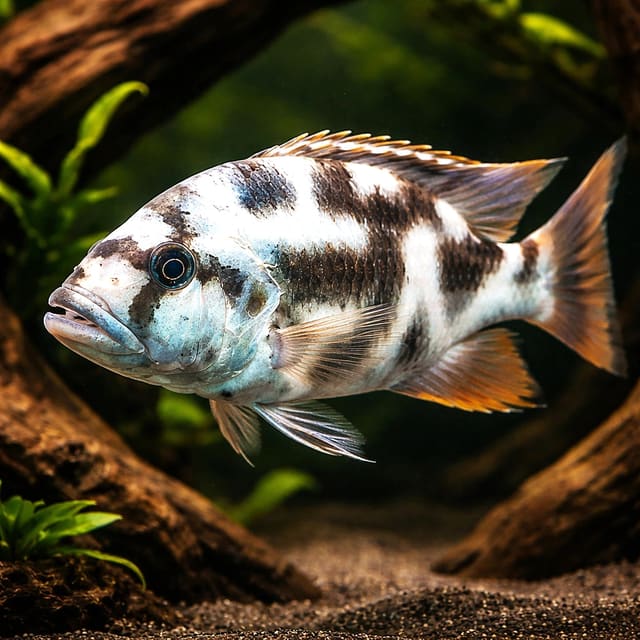
25–27°C · pH 8–8 · 205L
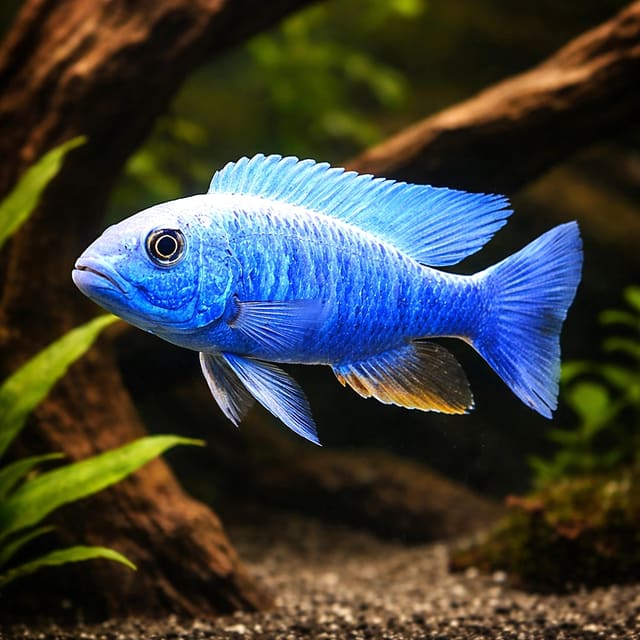
23–27°C · pH 8–8.6
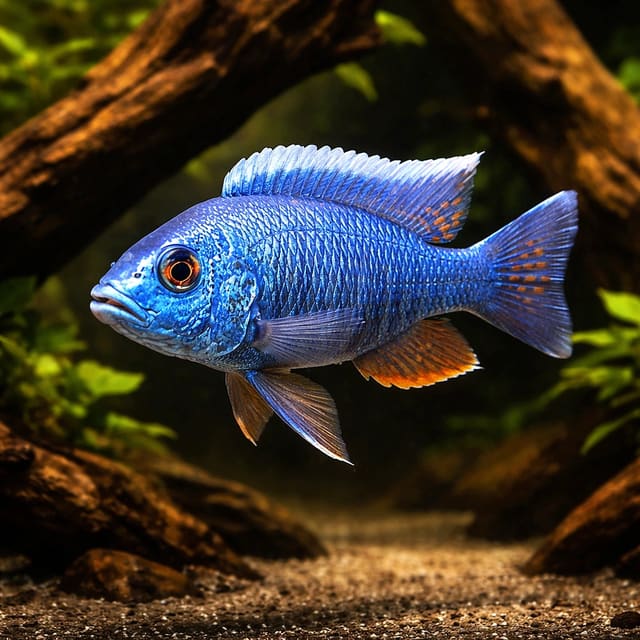
23–27°C · pH 8–8.4
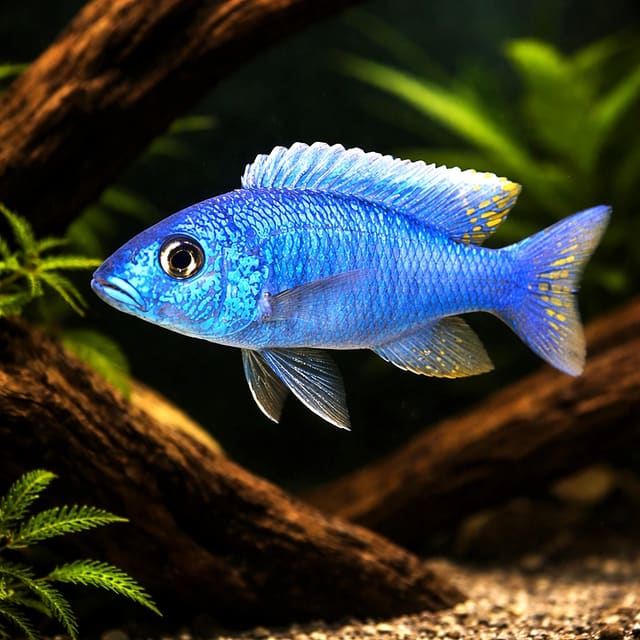
24–27°C · pH 8–8.6 · 304L
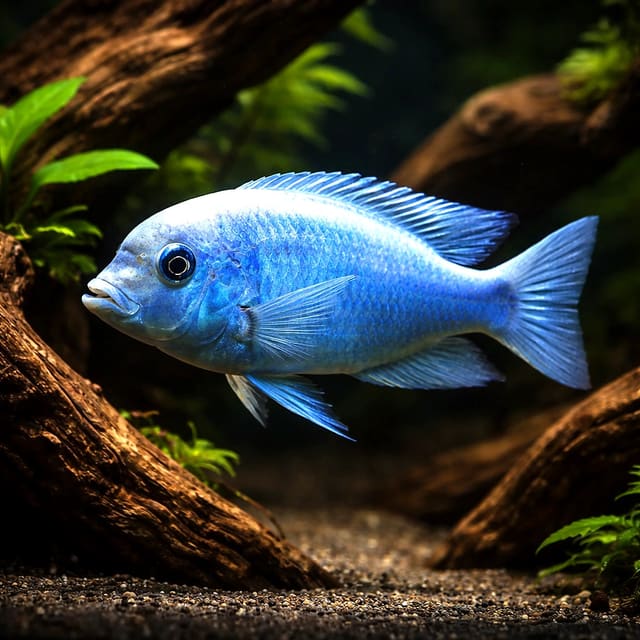
25–26°C · pH 8–8.6 · 257L
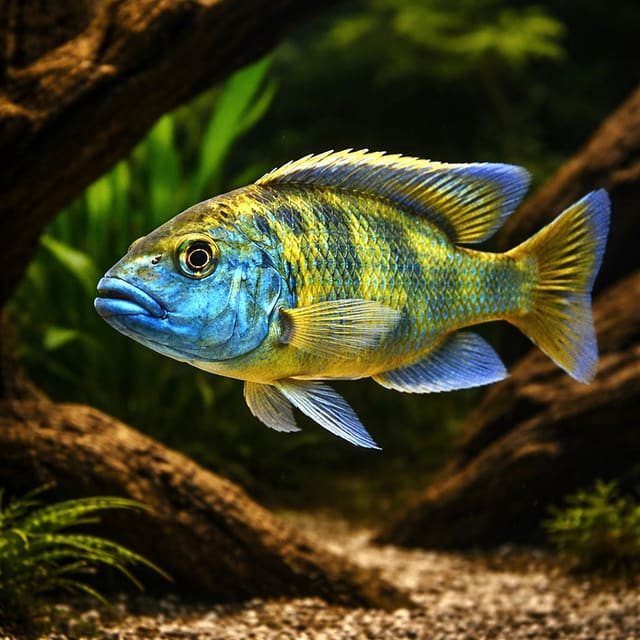
24–28°C · pH 7.6–8.8 · 205L

24–26°C · pH 8–8.5 · 300L

23–27°C · pH 8–8.6

23–27°C · pH 8–8.6

22–26°C · pH 7.2–8.5 · 100L
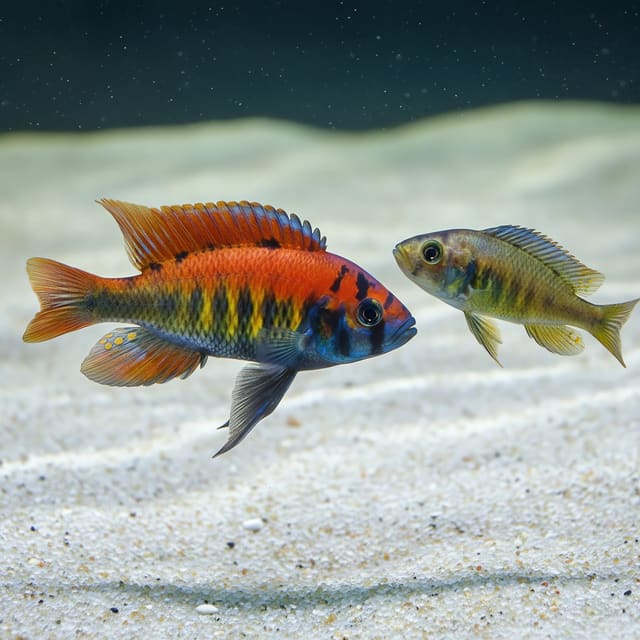
23–27°C · pH 8–8.6
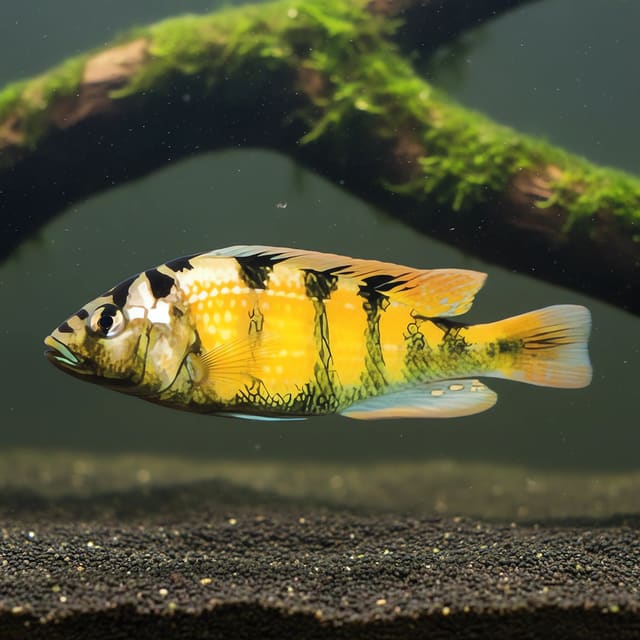
23–27°C · pH 8–8.2 · 108L
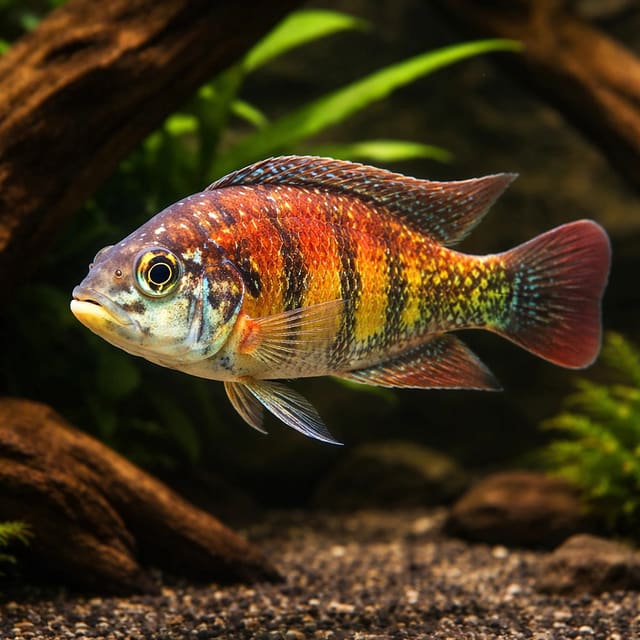
23–27°C · pH 8–8.6
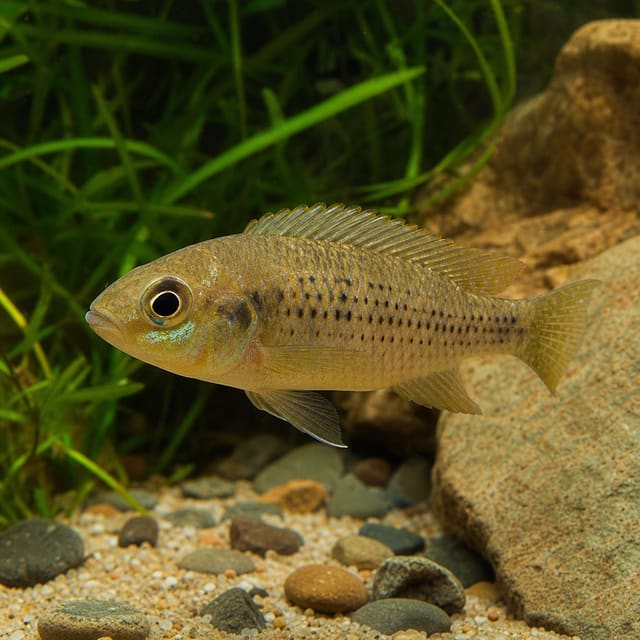
23–27°C · pH 8–8.6

22–28°C · pH 7–8 · 41L

21–25°C · pH 5–7
24–29°C

24–27°C · pH 6.5–6.5

22–27°C · pH 6–8 · 72L
24–27°C · pH 6.5–8 · 200L

23–27°C · pH 5.5–7 · 60L

22–27°C · pH 6–8