
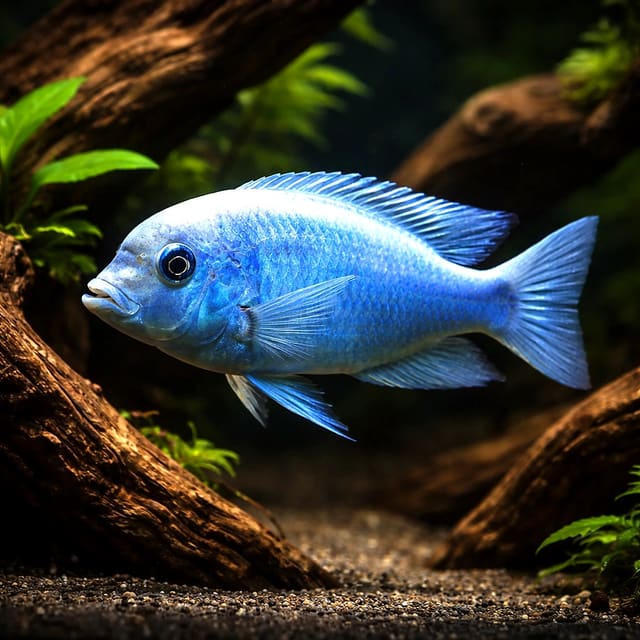
Blue Dolphin Cichlid (Haplochromis moorii)
25–26°C · pH 8–8.6 · 257L
From £6.59Some sizes on sale
37 products
This broad hap range keeps older trade names alongside Malawi and Victoria cichlids. Compare the complete identity before choosing adult housing, food or companions.
37 products
25–26°C · pH 8–8.6 · 257L
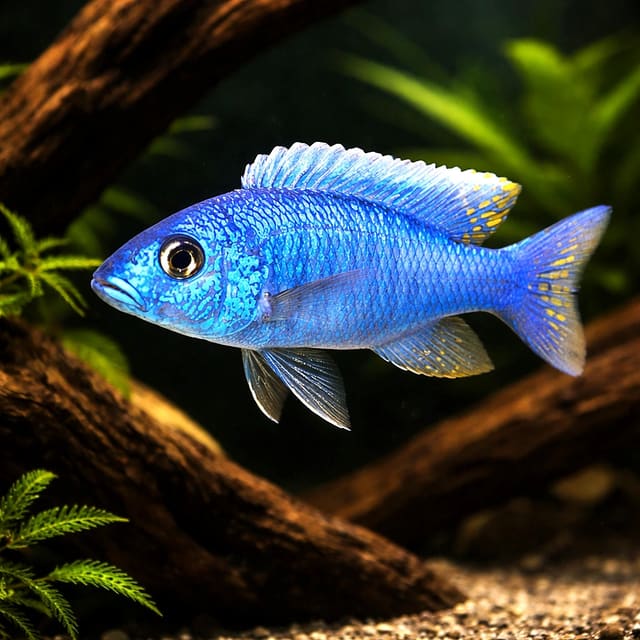
24–27°C · pH 8–8.6 · 304L
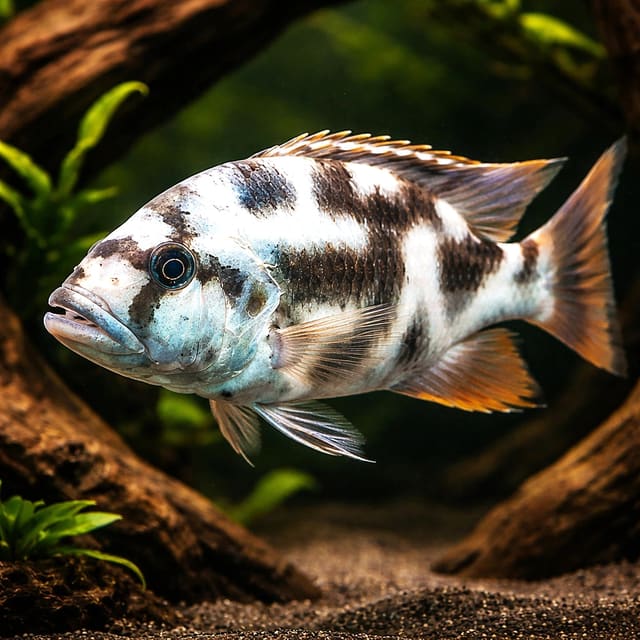
25–27°C · pH 8–8 · 205L

25–26°C · pH 8–8.5 · 304L
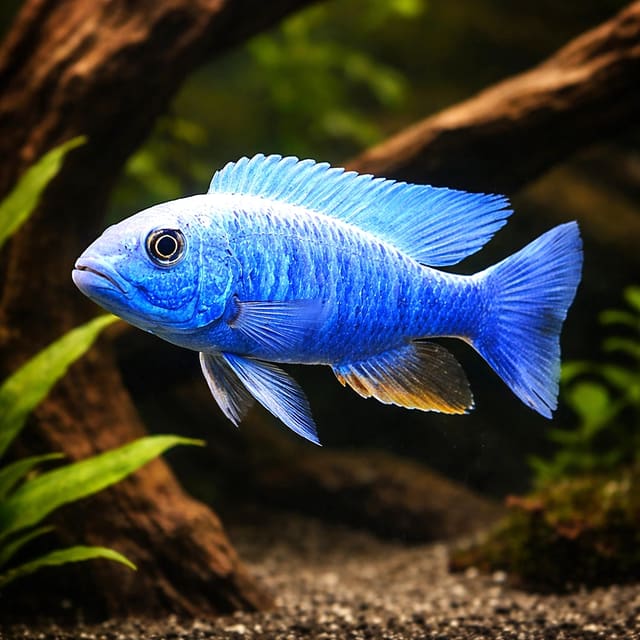
23–27°C · pH 8–8.6
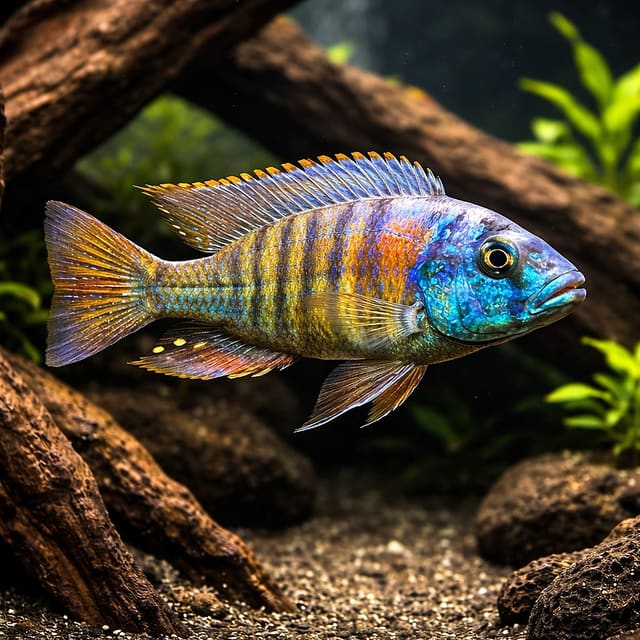
23–27°C · pH 8–8.6
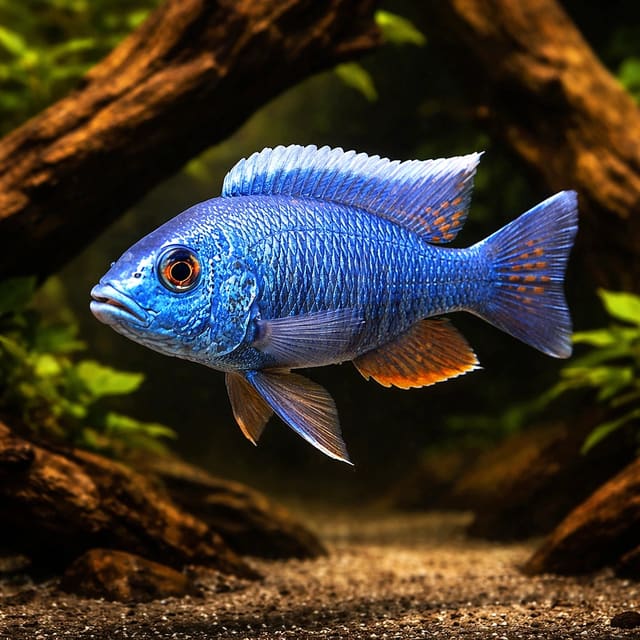
23–27°C · pH 8–8.4
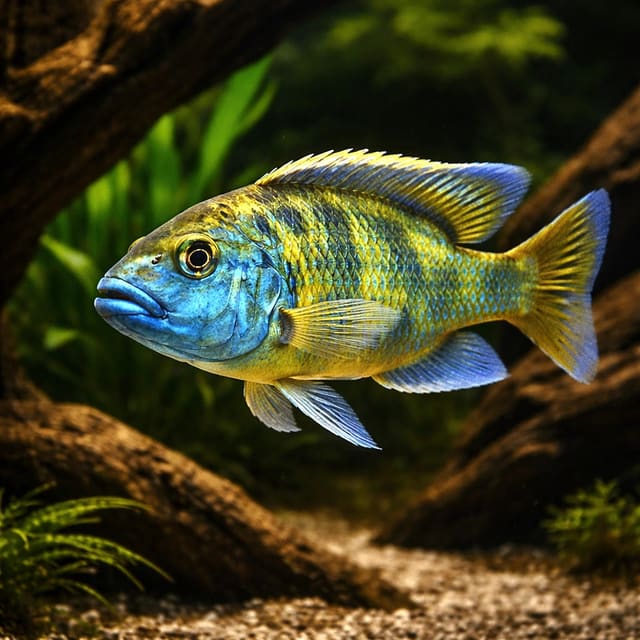
24–28°C · pH 7.6–8.8 · 205L
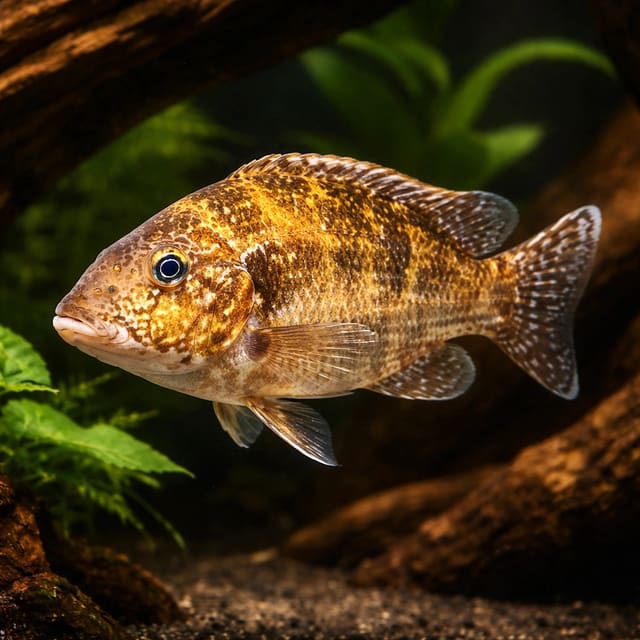
23–25°C · pH 8–8.5

24–28°C · pH 6.5–8 · 100L
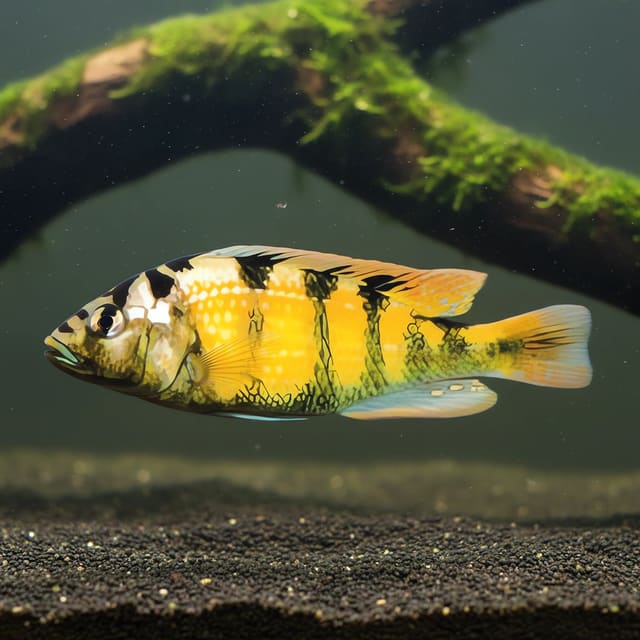
23–27°C · pH 8–8.2 · 108L
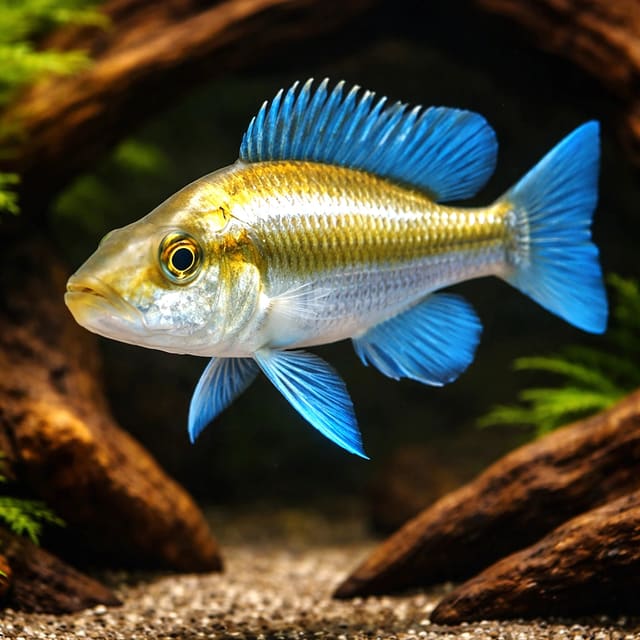
23–28°C · pH 7.5–8.8 · 257L
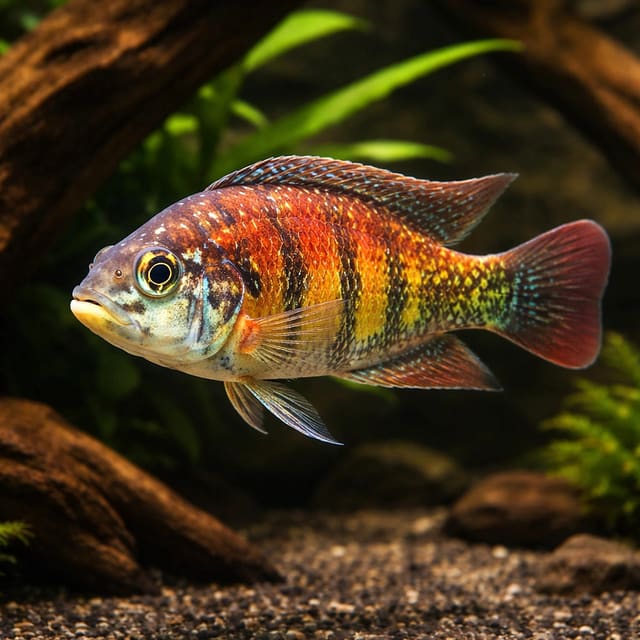
23–27°C · pH 8–8.6

23–27°C · pH 8–8.6
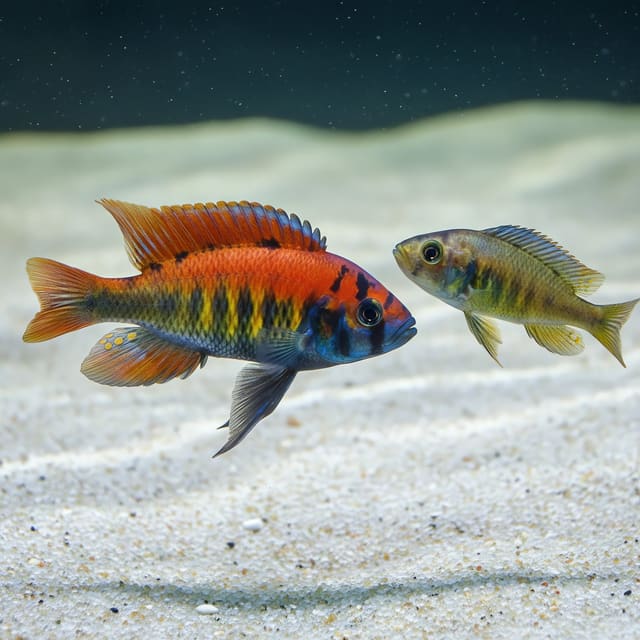
23–27°C · pH 8–8.6
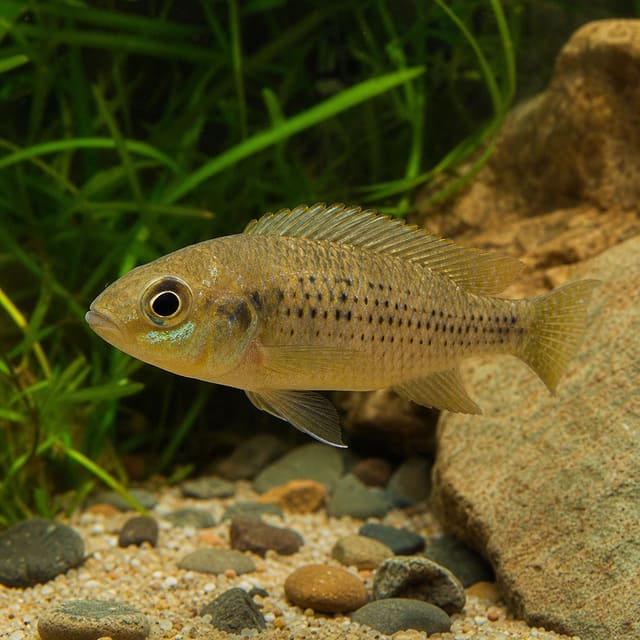
23–27°C · pH 8–8.6

23–27°C · pH 8–8.6

24–27°C · pH 7.8–8.6

23–27°C · pH 8–8.6
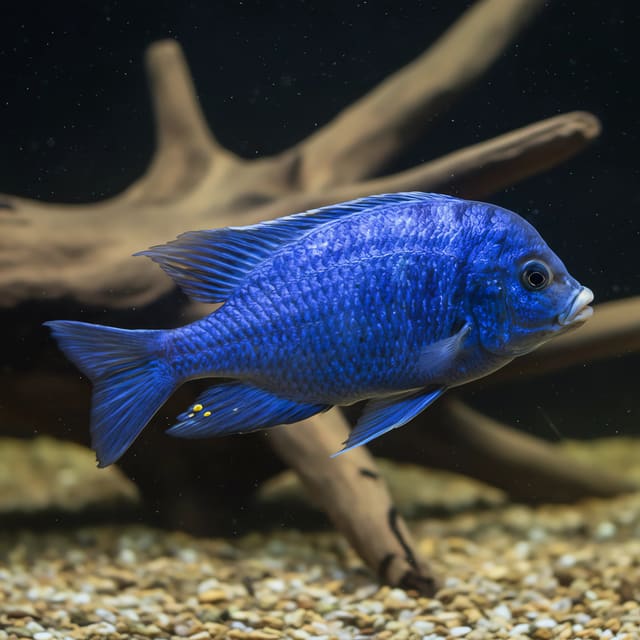
23–27°C · pH 8–8.6
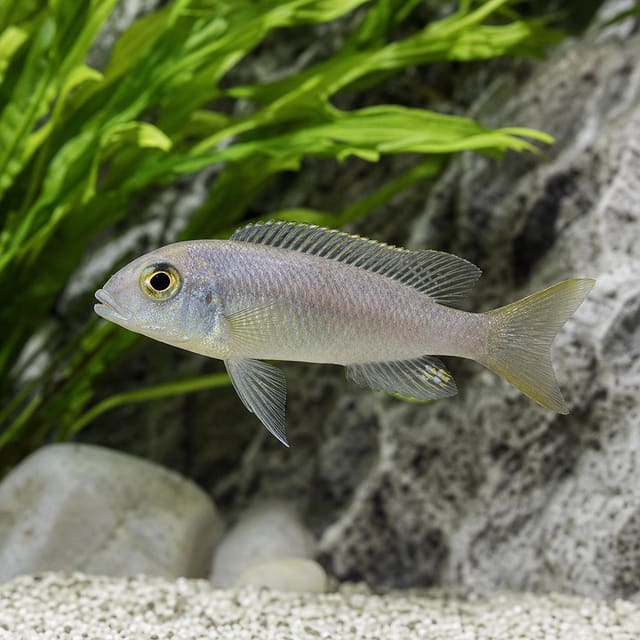
23–27°C · pH 8–8.6
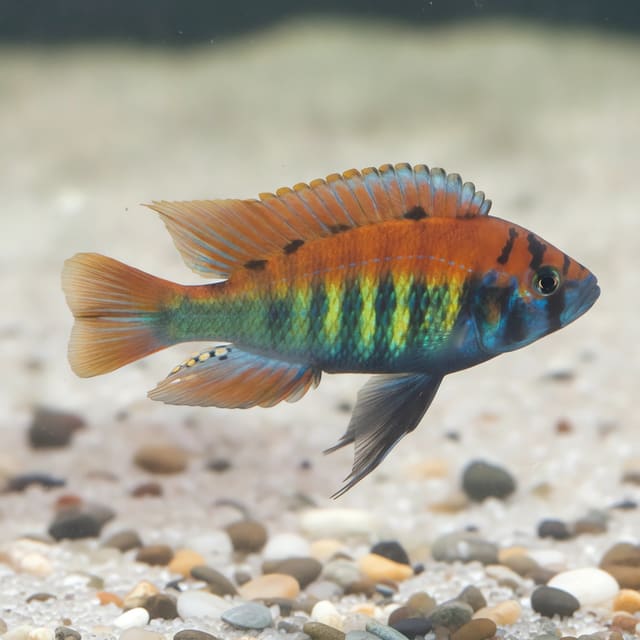
23–27°C · pH 7.5–8.5 · 200L
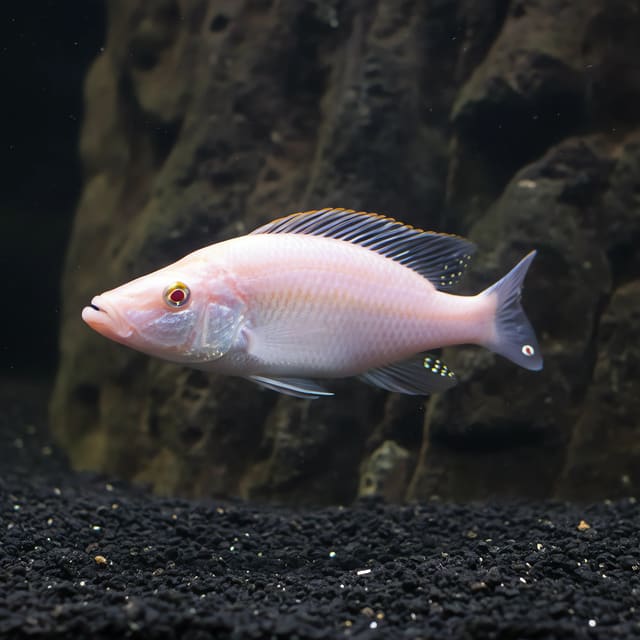
24–28°C · pH 7.5–8.8 · 500L
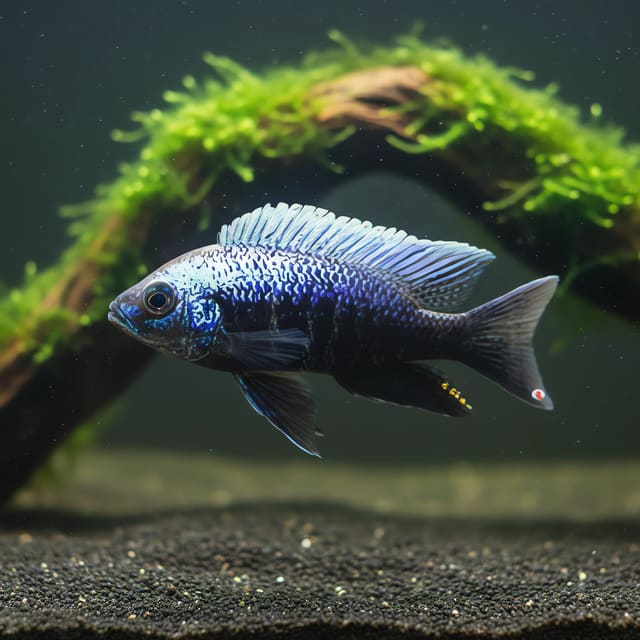
22–26°C · pH 7.5–8.6 · 200L
Electric Blue, Dolphin, Venustus and Eye-Biter offers sit alongside Victoria haps and provisional locality names here. Some retain older Haplochromis labels while others name a more specific genus. Keep those established buying choices, but do not treat a shared shop category as proof of the same lake, diet or temperament.
Compare the Electric Blue rangeA large predatory hap and a smaller territorial mouthbrooder need different decisions about space and companions. Read each offer’s adult guidance and feeding requirements before choosing a small supplied grade. For breeding, retain locality and line information and avoid mixing similar forms whose offspring would be difficult to identify.
Discuss a hap stock list