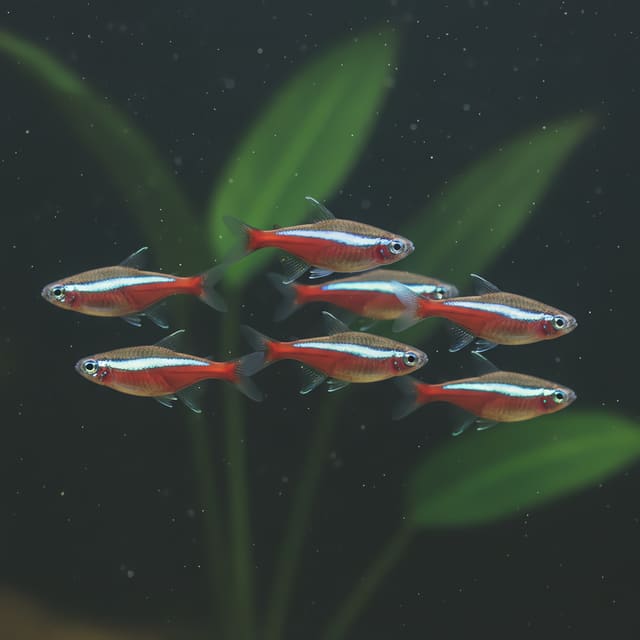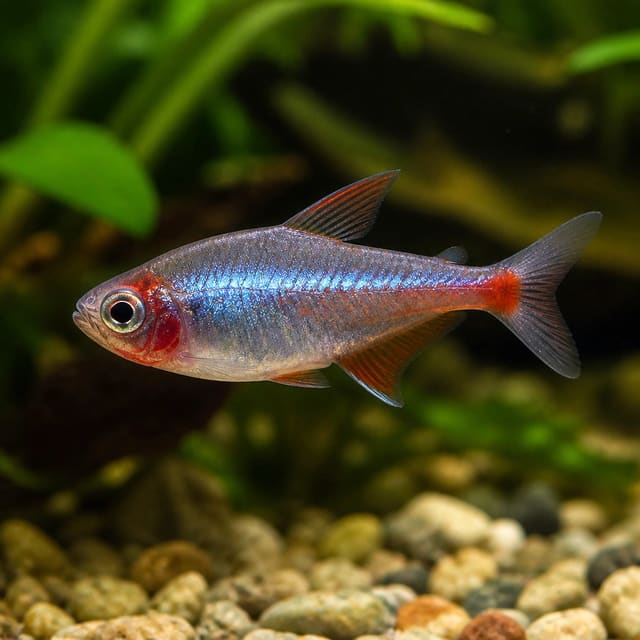
6 × Ember Tetras (Hyphessobrycon amandae)
24–27°C · pH 6.5–7 · 41L
£18.99

The Lemon Tetra (Hyphessobrycon pulchripinnis) is a peaceful American tetra from South America’s Tapajós River basin that reaches 3.8 cm standard length. One purchase supplies a group of 10 fish. Plan an aquarium of at least 80 × 30 cm, around 72 litres, with a mature filter, planting, open swimming room and peaceful tank mates of a similar size.
Adult size is the maximum length this species reaches at full maturity (scientific sources). The livestock you receive will be younger and smaller. Product-photo provenance and any image-specific limitations are stated on the listing.
Hyphessobrycon pulchripinnis
The Lemon Tetra (Hyphessobrycon pulchripinnis) is a peaceful American tetra from South America’s Tapajós River basin that reaches 3.8 cm standard length. One purchase supplies a group of 10 fish. Plan an aquarium of at least 80 × 30 cm, around 72 litres, with a mature filter, planting, open swimming room and peaceful tank mates of a similar size.
Adult size is the maximum length this species reaches at full maturity (scientific sources). The livestock you receive will be younger and smaller. Product-photo provenance and any image-specific limitations are stated on the listing.
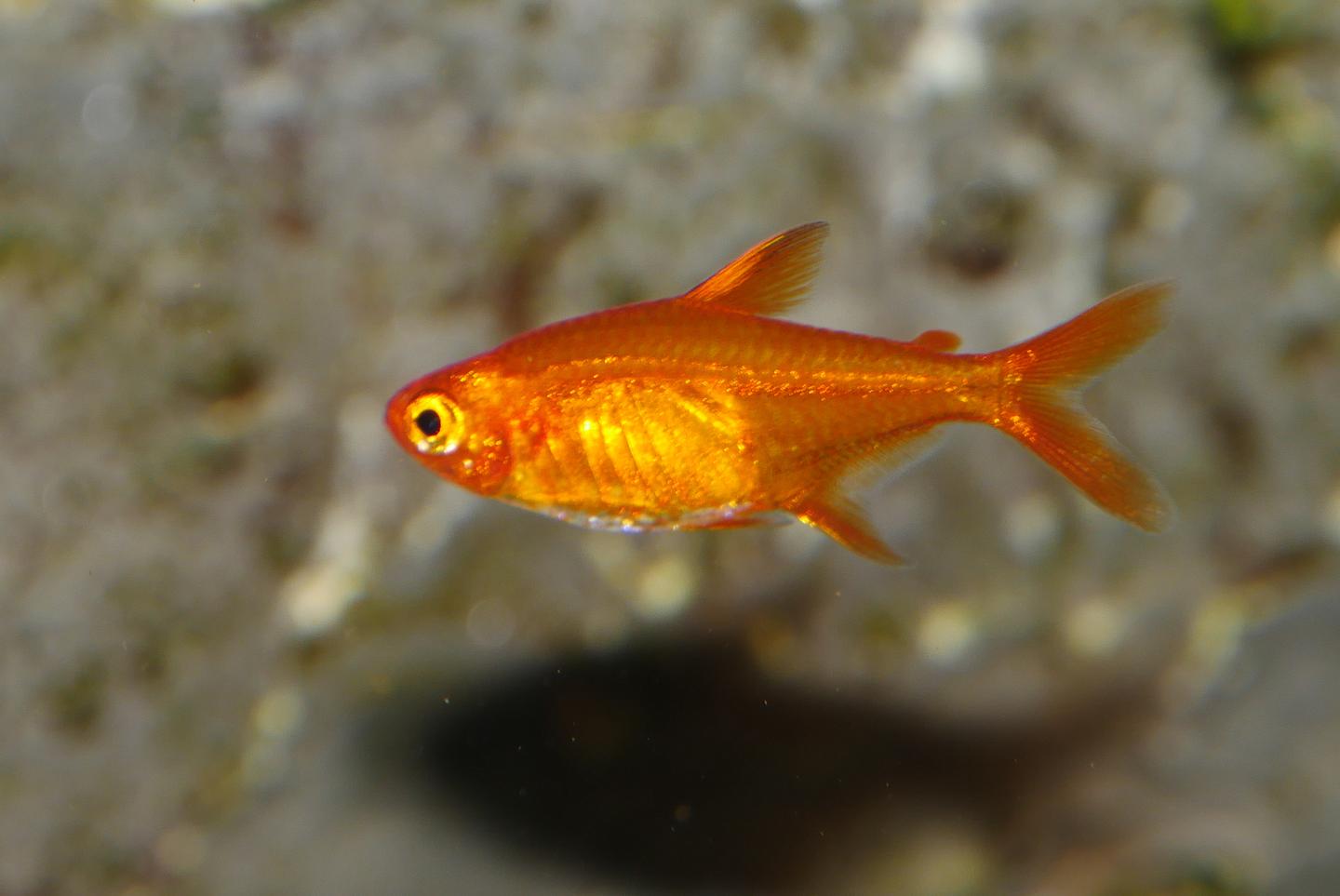
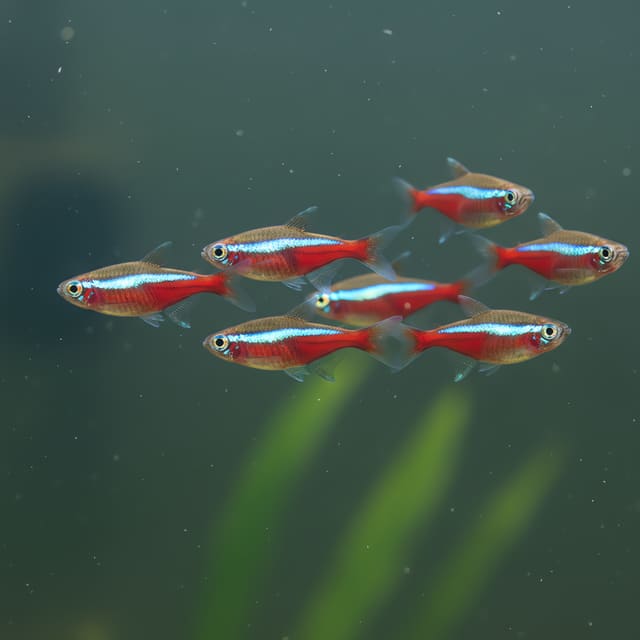
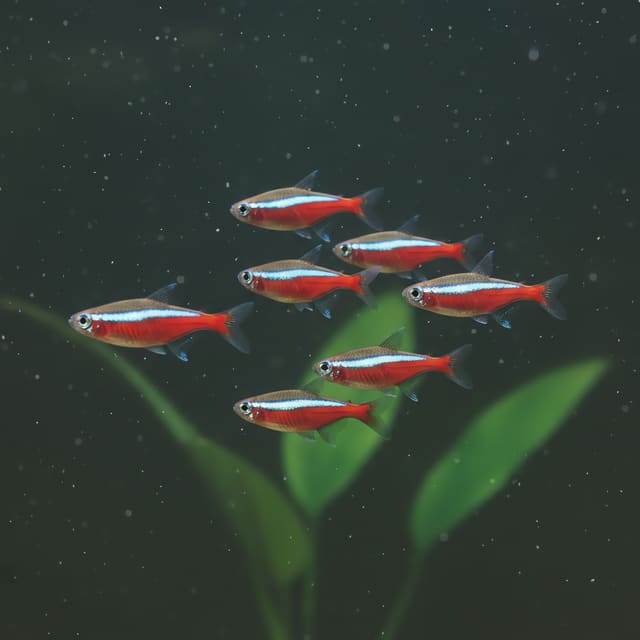
Ember tetras are very small Brazilian social fish, with a maximum recorded length of 2.0 cm excluding the tail. Keep them only in a fully cycled, stable aquarium. We recommend a group of at least 10 and about 45 litres with a 45 × 30 cm footprint rather than using a litres-per-fish formula.
Maintain these water conditions for optimal health and vibrant colors
This is a pack of 10 Lemon Tetras, Hyphessobrycon pulchripinnis. One purchase supplies 10 fish, giving you the species group recommended for its social behaviour rather than leaving you to build a shoal one fish at a time.
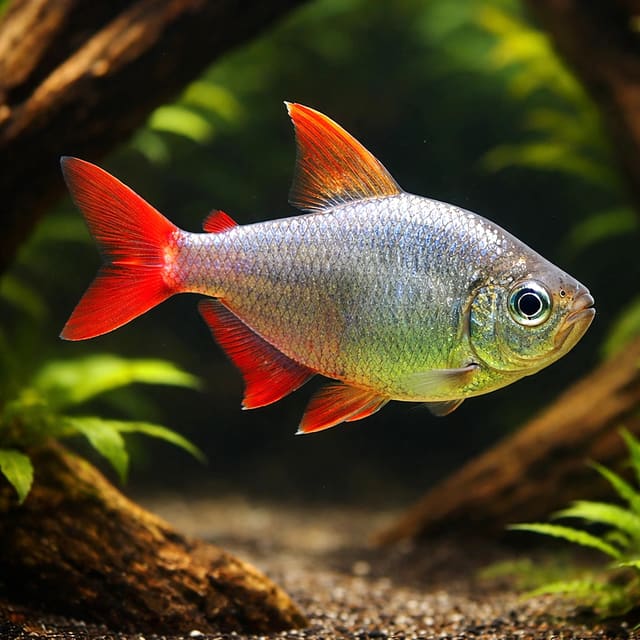
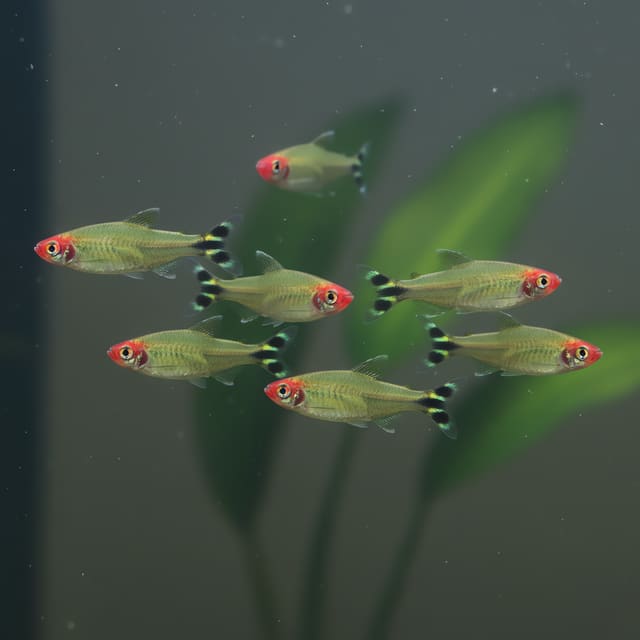
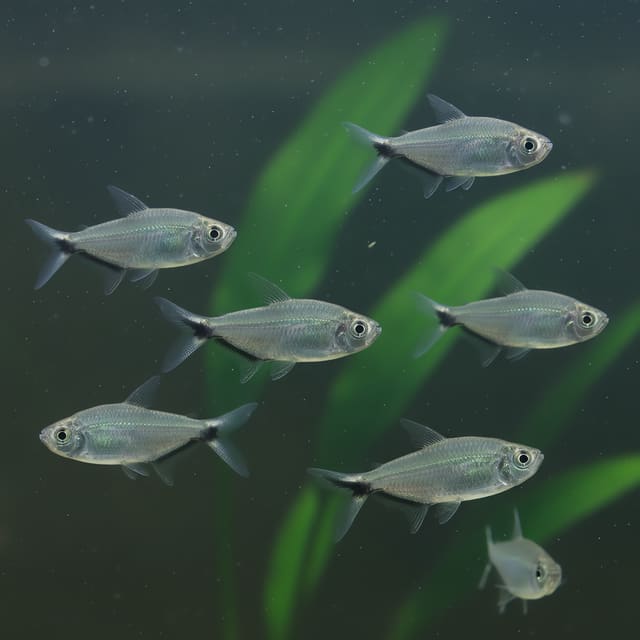
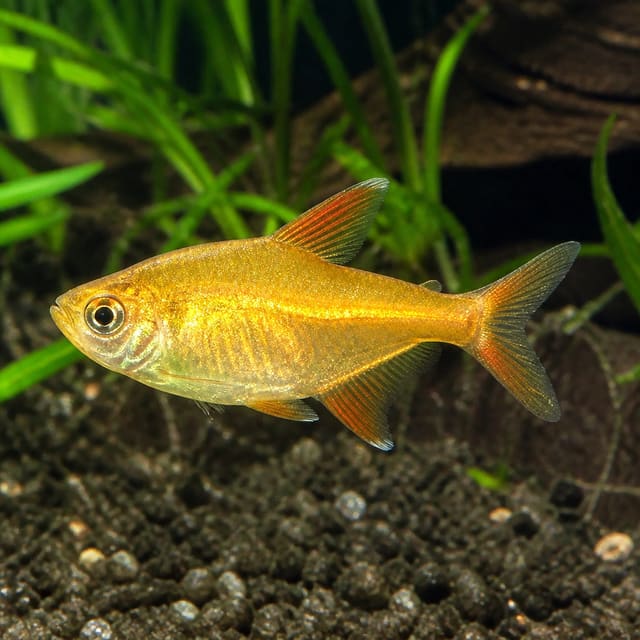
Lemon Tetras are peaceful freshwater fish with a relatively deep body, translucent lemon colouring, a red upper iris and dark edging on the dorsal and anal fins. FishBase lists this species as an American tetra from the Tapajós River basin in South America. Its wild diet includes worms, crustaceans and plant matter, while its aquarium guidance calls for groups of at least five.
A pack of 10 meets the more specific recommendation of maintaining at least 8–10 together. Within a settled group, the fish may form temporary social hierarchies, and males may display to one another while competing for female attention. This behaviour can bring more movement and colour to the aquarium without changing the species’ peaceful community character.
| Suits | Not suited to |
|---|---|
| A keeper planning to maintain all 10 fish together | Keeping a Lemon Tetra singly |
| An aquarium with a base of at least 80 × 30 cm or an equivalent footprint | A short nano aquarium without the required swimming footprint |
| A peaceful community with similarly sized companions | Fish large enough to eat Lemon Tetras |
| A mature aquarium with established biological filtration | A newly filled aquarium or one without a working filter |
This offer supplies the 10 fish as one pack. Sex is guaranteed only when the selected option explicitly states male or female. This 10 × Lemon Tetras listing has no sex-guaranteed option.
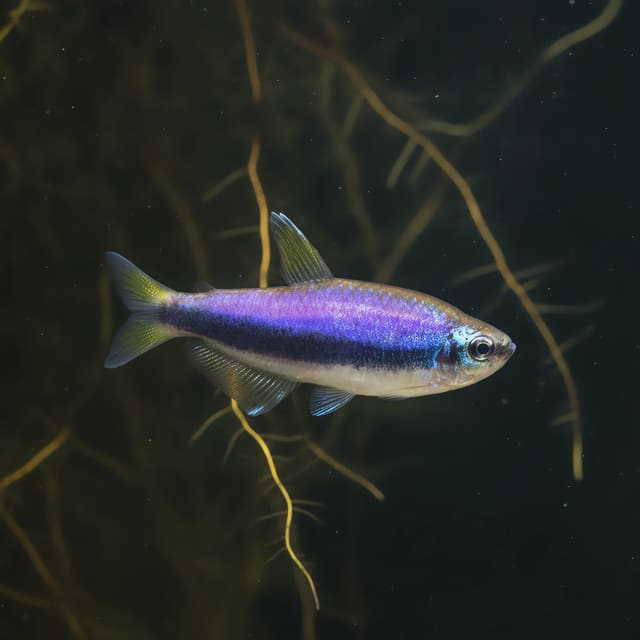
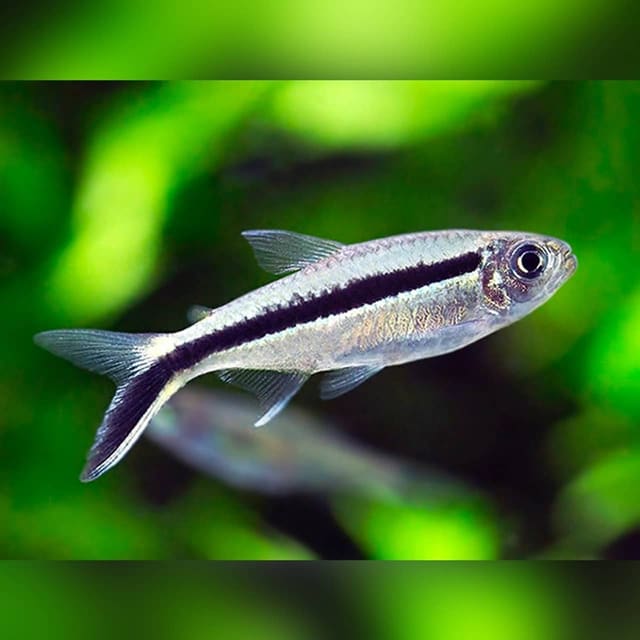
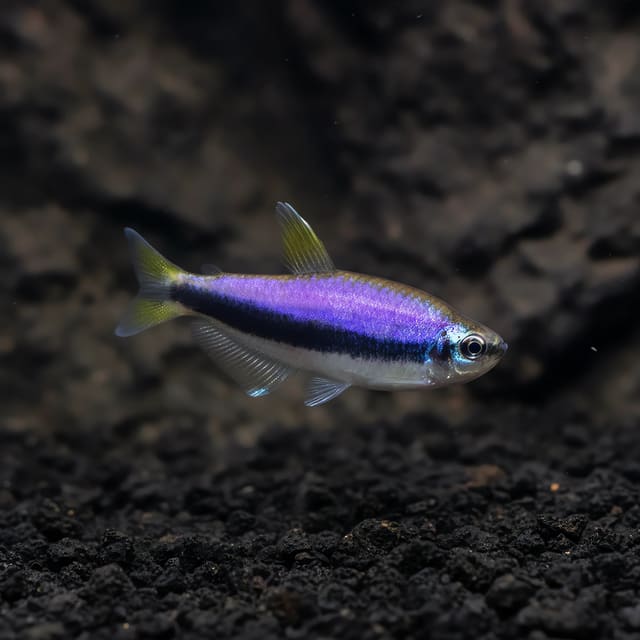
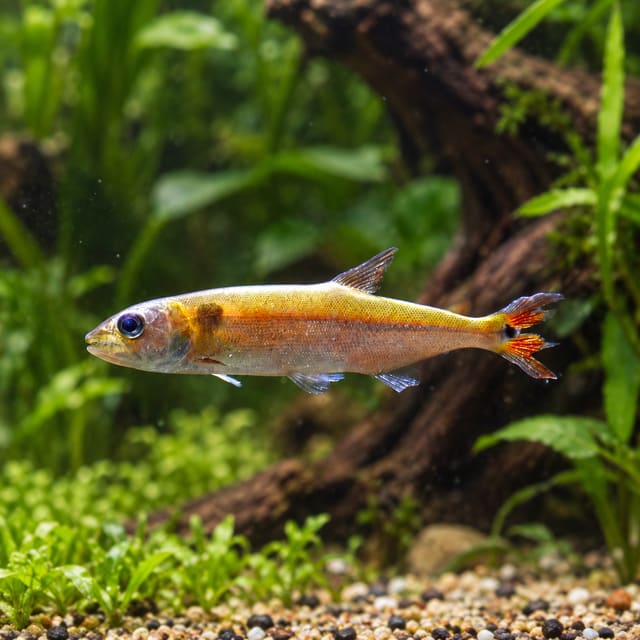
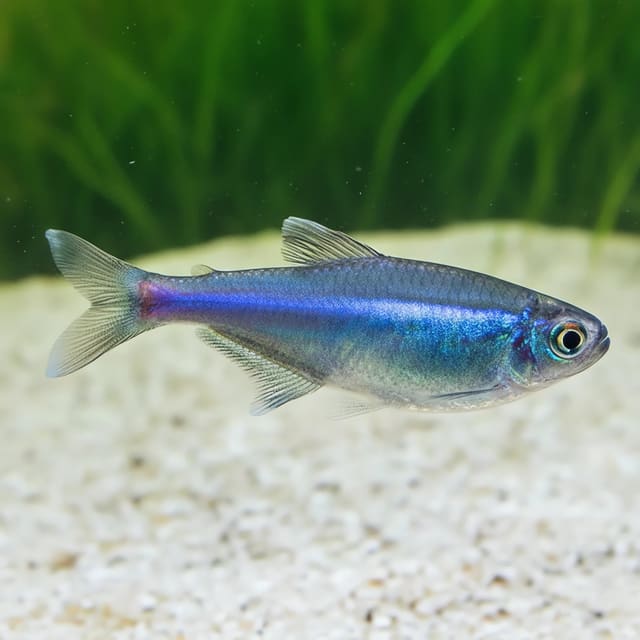
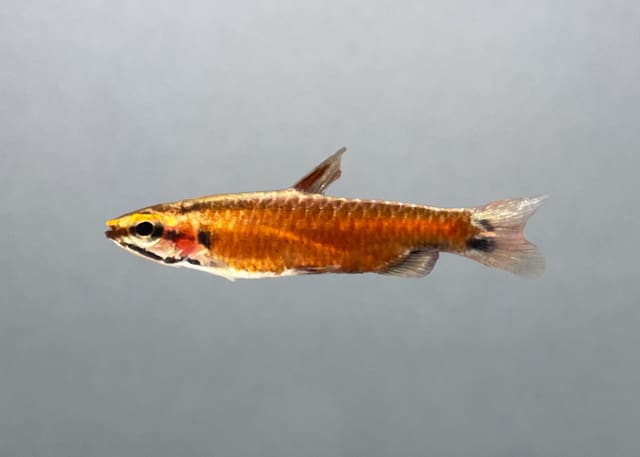
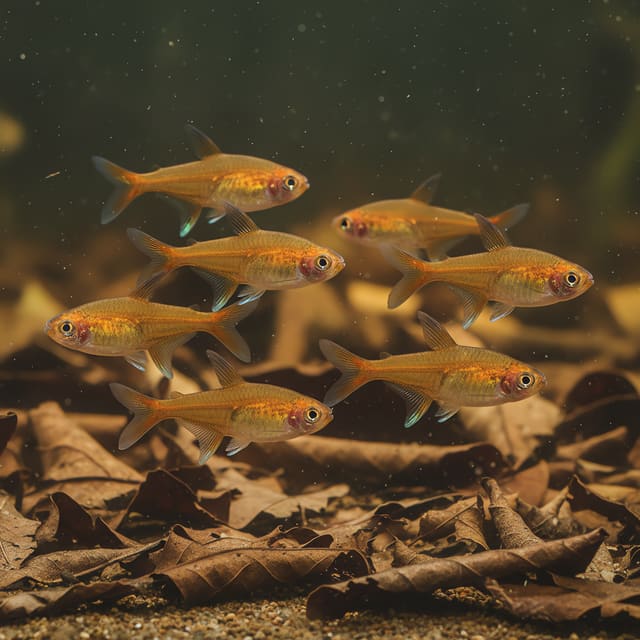
The gallery images are representative of this type of animal rather than photographs of the exact animal supplied, so colours can look slightly different from the live animal.
One purchase supplies a pack of 10 fish. Aquarium planning should use mature dimensions, not the size of the fish at delivery. FishBase gives a maximum of 3.8 cm standard length, while the Seriously Fish species profile uses 40 mm standard length for aquarium planning. Allow around 4 cm per adult before assessing the footprint, filter and other livestock.
An aquarium with a base of at least 80 × 30 cm, or an equivalent footprint, should be the smallest considered. That example holds around 72 litres, but the horizontal dimensions matter because all 10 fish need room to swim, regroup and perform social displays. A taller aquarium with a much shorter base may hold a similar volume while offering less usable swimming length.
Use planting and décor to divide the aquarium visually without filling the central swimming route. The species can be kept in a heavily planted layout or over sand with driftwood roots and branches. Both approaches work when the group has cover near the edges and an open route through the middle.
Those figures are starting points for a Lemon Tetra aquarium, not permission to fill every remaining space with other fish. Décor, filter capacity, the adult dimensions of companions and the amount of open swimming room all affect the final stocking decision.
This pack suits a keeper who can prepare the full aquarium before the group arrives, maintain stable water and assess companions by adult size and temperament. A newly filled tank, a short nano footprint or a community containing predators should be addressed before choosing the fish.
Keep the aquarium at 22–27°C, pH 6.5–7.5 and 4–12 dGH. These routine values are the overlap of the wider 20–28°C, pH 5.0–7.5 and 1–12 dGH species limits from Seriously Fish and OATA’s tetra group guidance.
Choose values your aquarium can hold consistently rather than moving pH or hardness repeatedly. Measure the tap water after conditioning, compare it with the aquarium and decide whether the intended routine falls within the range. Our water chemistry guide explains what the common measurements mean, while the water matcher helps compare your measured values with this plan.
| Measurement | Routine target |
|---|---|
| Temperature | 22–27°C |
| pH | 6.5–7.5 |
| General hardness | 4–12 dGH |
| Ammonia | Zero mg per litre |
| Nitrite | Zero mg per litre |
| Nitrate | Up to 20 mg per litre above the normal tap-water level |
If ammonia or nitrite appears, pause further livestock additions, reduce avoidable waste and check the biological filter. A pH or hardness result outside the intended range calls for a measured plan based on both tap and aquarium water, not a sudden chemical swing. Stability must sit alongside suitable values.
A mature biological filter is essential because 10 fish add waste as a group. The RSPCA’s general aquarium welfare guidance explains that fish release toxic ammonia, which filter bacteria convert first to nitrite and then to the safer nitrate. Both ammonia and nitrite must read zero before the Lemon Tetras enter the aquarium.
For an aquarium of around 72 litres, Seriously Fish uses a turnover of four to five times the tank volume each hour and gives a filter planning range of 290–360 litres per hour. Treat the manufacturer’s flow rating as a starting point: filter media, pipework and accumulated debris can affect the working flow.
The heater also needs to hold the chosen temperature across the whole aquarium. For a roughly 72-litre tank in a room around 20°C, the species profile uses 50–75 W as a planning reference. Room temperature, aquarium shape and heat loss affect the final requirement, so confirm the actual water temperature with a thermometer rather than relying only on the heater setting.
Zero ammonia and nitrite show that the filter is coping at the moment tested. A later reading above zero means the waste load is exceeding current biological processing or the filter has been disrupted. Check for excess food, blocked flow, recently disturbed media or rapid stocking changes. Correct the cause while continuing to monitor the fish.
Preserving established bacteria helps the aquarium process the waste produced by the full shoal and reduces the risk of an abrupt ammonia or nitrite rise.
Build the layout around two needs: shelter at the edges and an unobstructed route for 10 fish to move through the aquarium. A heavily planted arrangement suits Lemon Tetras, as does a natural-looking layout with sand, driftwood roots and branches. Plants or suitable ornaments should provide cover, but the shoal also needs visible open water.
| Layout | How to arrange it |
|---|---|
| Planted aquarium | Place denser planting around the back and sides while preserving a broad central swimming route. |
| Sand and wood | Use a sandy substrate with driftwood roots or branches, leaving gaps wide enough for the whole group to pass. |
Dried leaf litter may be added to strengthen the natural appearance and provide extra cover. As leaves decompose, microbial colonies develop and can become an additional food source for adults and fry. Decaying leaves also release humic substances considered beneficial in this type of arrangement. Account for all decomposing material in maintenance and water-quality checks.
Substrate can be aquarium sand or gravel. Choose a product intended for aquarium use and place hard décor securely so routine siphoning cannot destabilise it. Any branch, root, ornament or plant pot should leave the fish with clear routes rather than narrow traps.
Cover supports confidence, while open water permits regrouping and social display. Filling the aquarium densely from front to back may create shelter but reduce the very footprint for which the tank was chosen. Keep both functions in balance.
Feed once a day and offer only what the group can finish within a few minutes. A good-quality flake or small granule can form the regular aquarium diet. Add suitably small live or frozen foods such as daphnia, small bloodworm or tubifex to provide variety.
The wild fish eats worms, crustaceans and plant matter according to FishBase. Seriously Fish describes a broader natural menu of small invertebrates, crustacea, filamentous algae and fallen fruit. In the aquarium, that omnivorous biology is best met through variety rather than relying permanently on one dried food.
| If you see | Do this |
|---|---|
| Food remains after a few minutes | Reduce the next daily portion and remove accessible leftovers. |
| Some fish miss every feed | Spread the food across more than one point and check for intimidation. |
| Food is repeatedly spat out | Use a smaller item or break the food into finer pieces. |
| Interest in food falls | Test water quality and compare swimming, breathing and appearance with normal behaviour. |
Overfeeding adds decomposing material and can drive harmful waste upwards. Portion control therefore protects both body condition and water quality. The correct amount is the amount the whole group consumes within a few minutes, not a fixed pinch that ignores appetite or food size.
When changing foods, introduce the new item as part of the established varied menu and watch whether every fish can take it. Feeding response is also a useful daily observation point: a sudden reduction can be an early sign that water quality, social pressure or health has changed.
Prepare and mature the aquarium before bringing home the group. Our first tropical aquarium guide covers the preparation sequence. The practical endpoint is a stable, heated aquarium with an established filter, suitable pH and hardness, and zero ammonia and nitrite.
A pack of 10 creates one meaningful increase in biological load. Size the filter and complete the maturation work for the whole group before arrival rather than expecting a new filter to catch up after feeding begins. Avoid adding further livestock at the same time, because beneficial bacteria must respond whenever fish numbers and feeding increase.
These steps follow our current delivery and Live Arrival Guarantee policy. Read that policy before the delivery date for the current receiving instructions and any claim requirements.
Count all 10 fish visually once they have entered the aquarium, then check swimming position, breathing, colour and whether the group can use both cover and open water. Transport can change behaviour or colour temporarily, so compare the direction of change over the settling period rather than judging one brief moment.
Do not respond to nervous swimming by adding more fish or making several water changes without testing. Confirm temperature, ammonia and nitrite first. If the values are correct, reduce disturbance and allow the group to explore its prepared cover. If a test is outside the plan, address the water-quality cause promptly.
The arrival routine is easier when the aquarium equipment, test kits, conditioner and maintenance tools are ready beforehand. Preparation keeps the first day focused on the animals rather than last-minute changes to the environment.
Change 25% of the aquarium water at least once every week. Treat replacement tap water with a suitable conditioner before it enters the aquarium so chlorine or chloramine cannot damage the fish or the filter bacteria. Use a siphon to remove settled solid waste from accessible areas of the substrate.
Test at least weekly even when the fish look settled. Ammonia and nitrite must remain at zero, while nitrate should not rise more than 20 mg per litre above its normal tap-water level. A written sequence of results makes gradual changes easier to recognise than relying on memory.
Check for blocked intakes, reduced outlet flow or debris around the media. When cleaning is necessary, rinse the media lightly in water removed from the aquarium. Do not run it under the tap because any chlorine or chloramine present may kill the beneficial bacterial population.
| Change observed | First response |
|---|---|
| Reduced filter flow | Check the intake, outlet and media for blockage. |
| Visible waste on substrate | Siphon it during the partial water change. |
| Ammonia or nitrite above zero | Check waste, feeding, flow and recent disruption to filter media. |
| Rising nitrate trend | Review the consistency of water changes and waste removal. |
A larger aquarium is generally more stable than a very small one, but volume does not replace maintenance. The 80 × 30 cm planning footprint gives the shoal room to move; the weekly routine protects the water in which that movement takes place.
Learn the group’s normal pattern after it settles. Lemon Tetras may spread out when relaxed and regroup as the situation changes. Adult males tend to be slightly smaller, less deep-bodied and more intensely coloured than females, particularly around the dorsal and anal fins, but appearance does not create a sex guarantee for this pack.
When one of these signs appears, test temperature, ammonia, nitrite, pH and the values relevant to your routine before changing several things at once. Check the filter flow, recent feeding and maintenance history at the same time. This separates an environmental problem from a change affecting only one fish.
| Pattern | Next action |
|---|---|
| Several fish change together | Prioritise water testing, temperature and filter operation. |
| One fish misses food | Observe social pressure, body condition and visible injury. |
| Breathing rate changes | Test water promptly and check circulation. |
| Spots, growths or lesions appear | Record the signs clearly and seek diagnosis before treatment. |
Do not combine medications or alter temperature as a guess. If the signs continue after immediate water and equipment checks, contact us for health guidance. Clear observations, recent test results and the timing of the change make the next decision more useful.
Lemon Tetras are described as very peaceful and suit a well-researched community aquarium. The safest companions are similarly sized, peaceful fish whose adult water requirements overlap 22–27°C, pH 6.5–7.5 and 4–12 dGH. Shared temperature alone is not enough: body size, feeding behaviour, swimming space and temperament all matter.
Seriously Fish suggests similarly sized characids, hatchetfish relatives, pencilfish relatives, smaller callichthyid or loricariid catfishes and non-predatory small-to-medium cichlids as categories to investigate. These categories are starting points rather than universal approvals. Each proposed species still needs its own adult-size, behaviour and water assessment.
| Candidate trait | Decision |
|---|---|
| Peaceful and similarly sized | Continue checking water overlap and space. |
| Large enough to swallow a tetra | Avoid. |
| Non-predatory but much more boisterous | Assess feeding competition and stress risk carefully. |
| Requires water outside the routine range | Choose a different combination. |
| Temperament varies strongly by individual | Treat the outcome as uncertain and prepare a separation plan. |
Compatibility remains conditional because aquarium dimensions, group sizes and individual behaviour change the result. For a stocking and compatibility assessment, contact us with the aquarium dimensions, measured water values, filter details and the exact species and numbers already present.
Begin the stocking plan with the 10 Lemon Tetras as one social unit. Reserve an 80 × 30 cm base and around 72 litres as the smallest aquarium plan before accounting for any companions. Adding another species does not reduce the shoal’s need for open water, edge cover or access to food.
A candidate may be peaceful yet still be a poor fit if it occupies the same limited space, reaches food first at every meal or requires a different temperature. Conversely, a bottom-oriented fish is not automatically suitable merely because it uses another part of the aquarium. Its adult size, social needs and total biological load still count.
| Stocking question | What a good plan shows |
|---|---|
| Can all 10 tetras move together? | A continuous open route remains after décor and planting. |
| Can every fish feed? | Food can be distributed without one species taking everything. |
| Can the filter cope? | Ammonia and nitrite remain zero as stocking increases gradually. |
| Can the water suit all species? | The shared routine stays within every animal’s stated range. |
| Is predation possible? | No companion is large enough to eat the tetras. |
Observe the community after every addition. Increased hiding, missed meals, damaged fins, altered breathing or the whole shoal being driven into one area means the plan needs reassessment. Early action protects the group before a repeated interaction affects condition.
It is the Lemon Tetra, a peaceful freshwater American tetra from South America. FishBase places it in Acestrorhamphidae and gives a maximum length of 3.8 cm standard length.
One purchase supplies 10 fish. Keep the group together because the species is best maintained in a social group of at least 8–10.
Plan the aquarium around an adult length of approximately 4 cm standard length. FishBase gives a maximum of 3.8 cm standard length, and the species profile uses 40 mm for aquarium planning.
Use an aquarium with a base of at least 80 × 30 cm or an equivalent footprint, around 72 litres, with a mature filter, edge cover and open swimming space.
Keep them as a group rather than singly. FishBase calls for at least five, while the species profile recommends at least 8–10; this pack supplies 10 fish.
Maintain 22–27°C, pH 6.5–7.5 and 4–12 dGH, with ammonia and nitrite at zero mg per litre. Keep nitrate up to 20 mg per litre above the normal tap-water level.
Feed a good-quality flake or small granule once a day, giving only what the group finishes within a few minutes. Add small live or frozen foods such as daphnia, small bloodworm or tubifex for variety.
Start filming before the sealed parcel is opened, then open it in one continuous take with the fish still inside the sealed bag. Float the bag for 20–30 minutes before releasing the fish, and do not pour transport water into the aquarium. Have someone present to receive the parcel and read the current delivery policy before the delivery date.
Screen for peaceful, similarly sized fish with overlapping water requirements. Avoid fish large enough to eat it, and assess boisterous candidates for feeding competition and stress before combining them.
No reviews for this item yet. Bought one? Honest reviews only, good or bad.
What customers say about ordering from us
I have a small group of long finned mountain minnows. So was delighted to be able to order ten of this variety to increase the genetics in my tank . The ones I recieved are healthy but it’s to early to give a verdict on wether they are of a long finned type since they are small currently.
Gordon Walker · 23 Sept 2026
100% success travel and "installation". Pleased with quality of purchase. The Siamese fighter a bit "shy" so have not yet seen him at his best yet but looking good. Happy customer. GG
George E Garratt · 21 Sept 2026
Reviews of our shop, collected by Judge.me, an independent third-party review collector. Newest first.