
Moderate
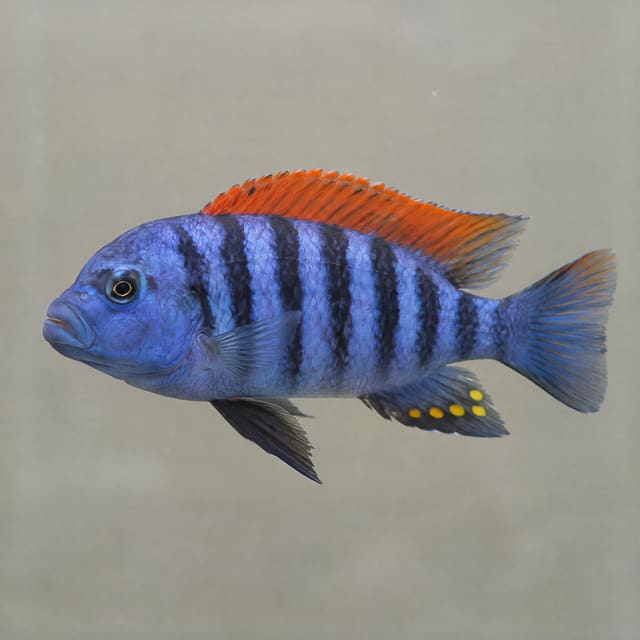
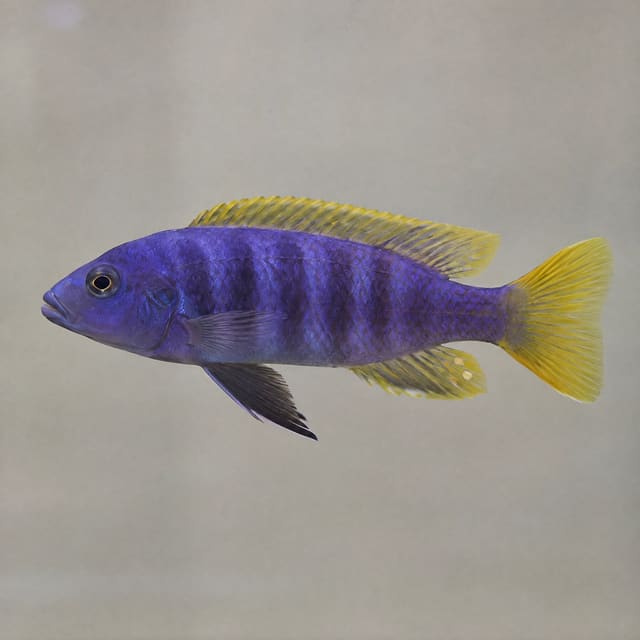
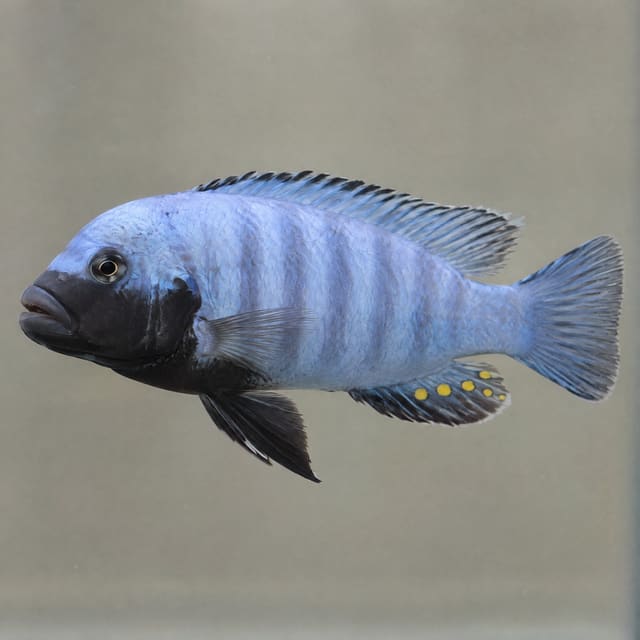
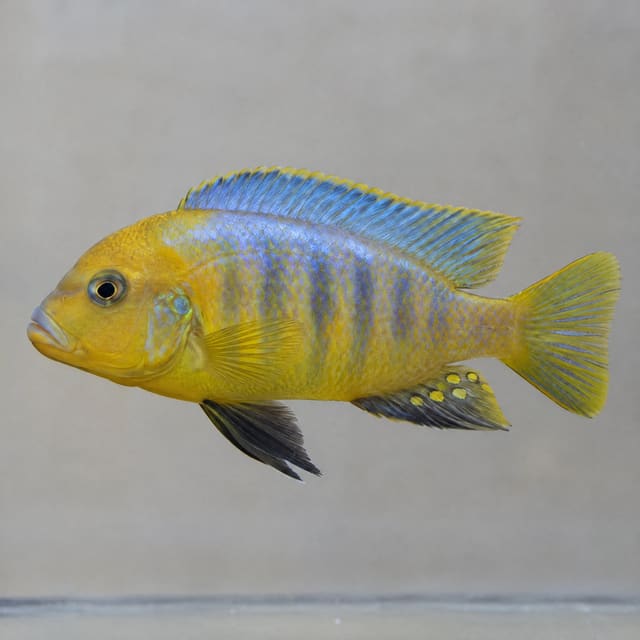
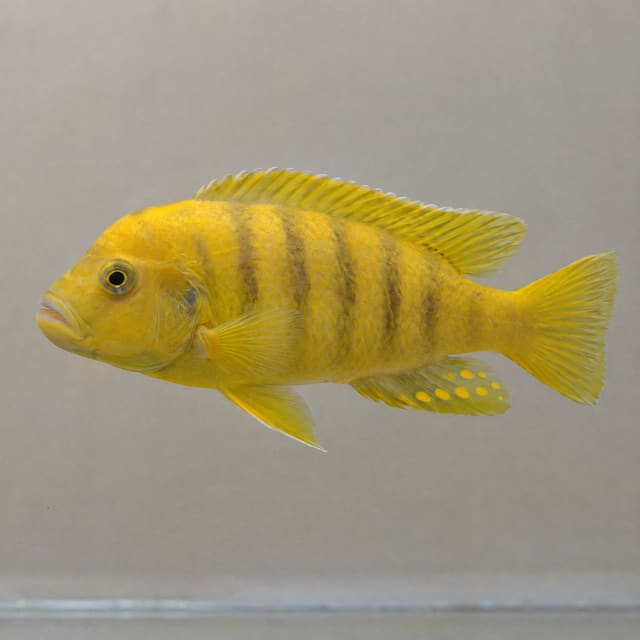
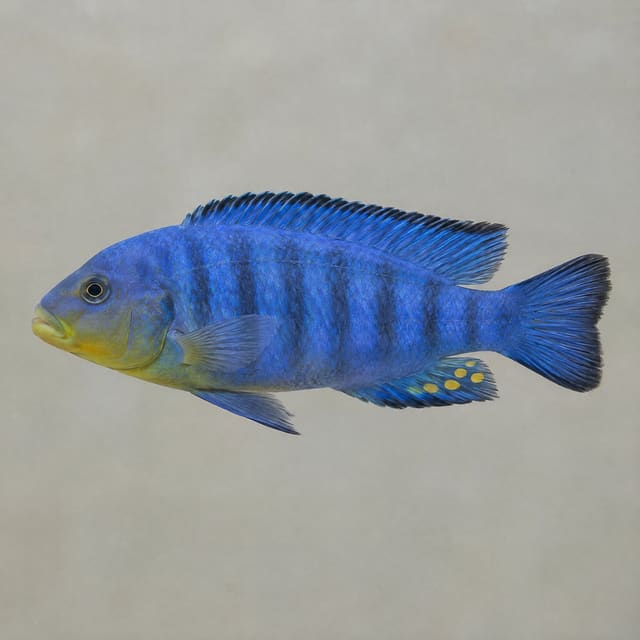
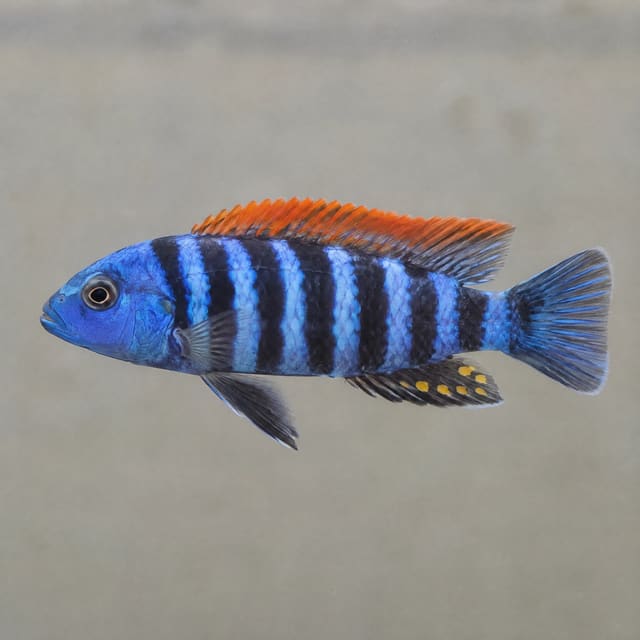
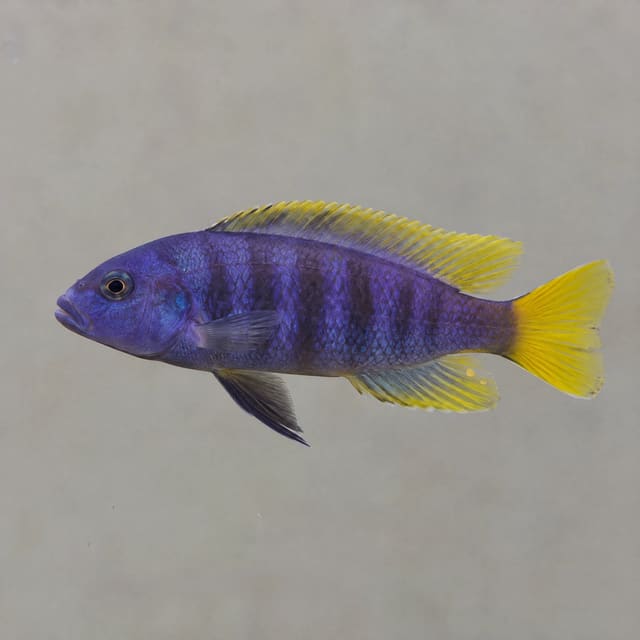
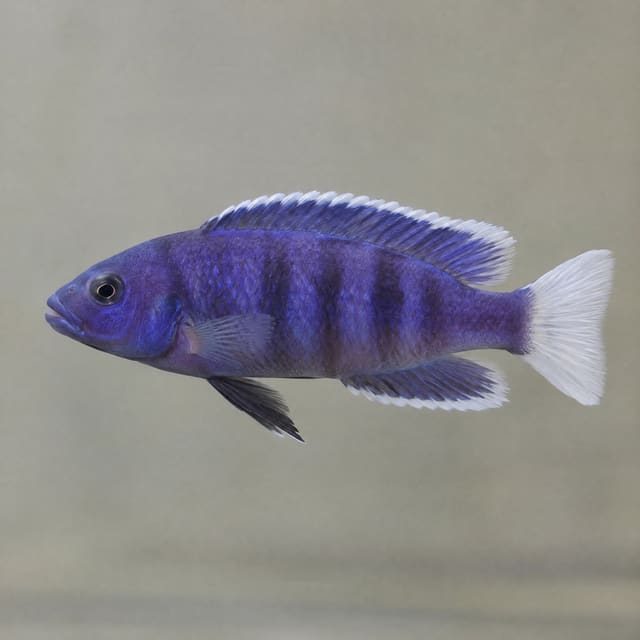
Pseudotropheus elongatus "Usisya Mara Rock" (trade name): an aggressive, rock-dwelling Lake Malawi mbuna; the male shown is orange-gold with pale blue-grey bars and a blue-white edged dorsal fin. Needs a busy mbuna aquarium of 120 cm or more with hard, alkaline water (pH 7.6–8.8). Sold individually in five sizes.
Aqua, our 24/7 AI assistant, can answer questions about Elongatus Mbuna (Pseudotropheus elongatus 'Usisya Mara Rock'). Talk or type.
Pseudotropheus elongatus (trade name)
Quantity discounts are pricing offers, not a group-size recommendation. Check the full care guidance and your existing animals before choosing a quantity.
Pseudotropheus elongatus "Usisya Mara Rock" (trade name): an aggressive, rock-dwelling Lake Malawi mbuna; the male shown is orange-gold with pale blue-grey bars and a blue-white edged dorsal fin. Needs a busy mbuna aquarium of 120 cm or more with hard, alkaline water (pH 7.6–8.8). Sold individually in five sizes.
Aqua, our 24/7 AI assistant, can answer questions about Elongatus Mbuna (Pseudotropheus elongatus 'Usisya Mara Rock'). Talk or type.
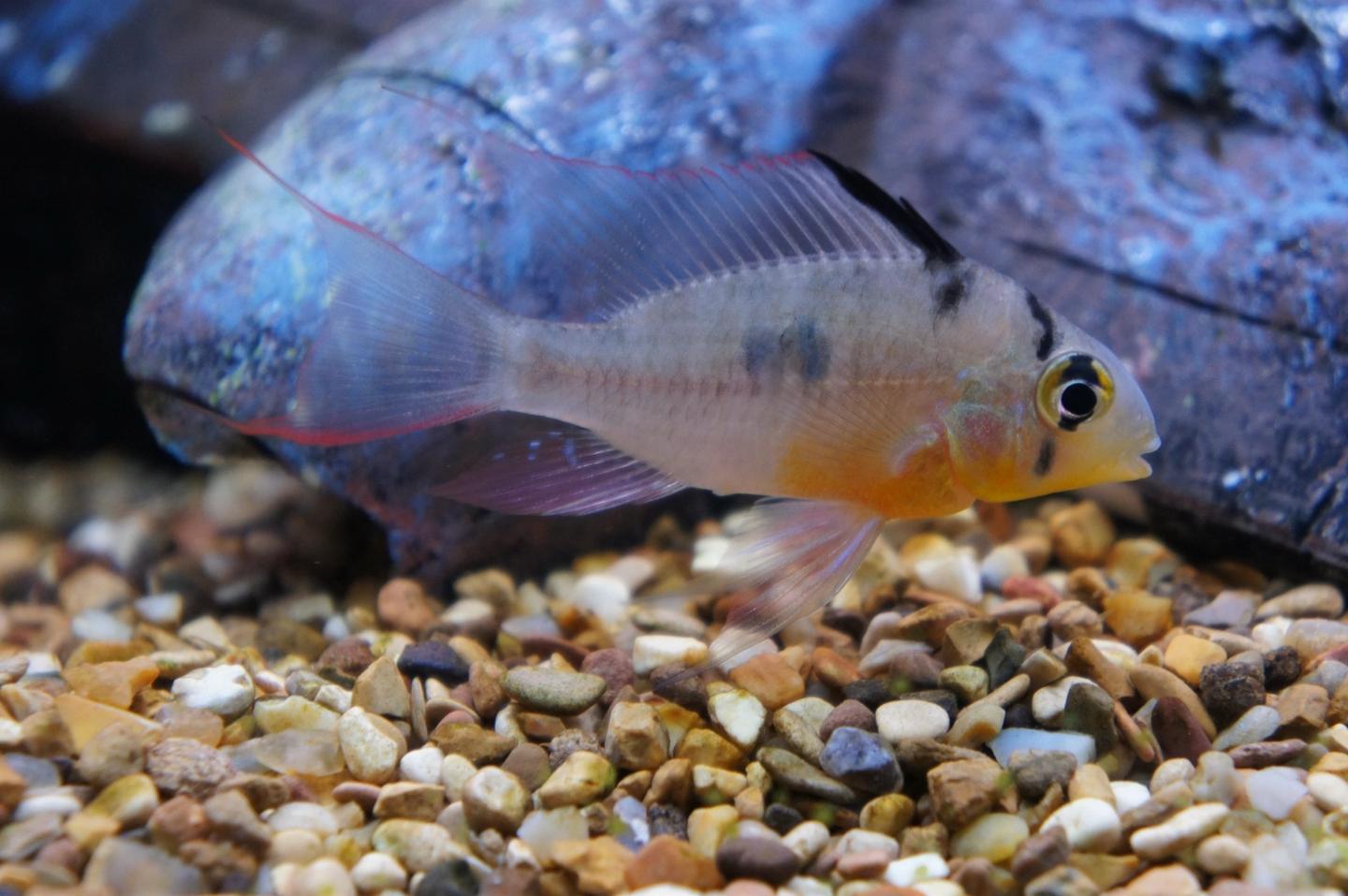
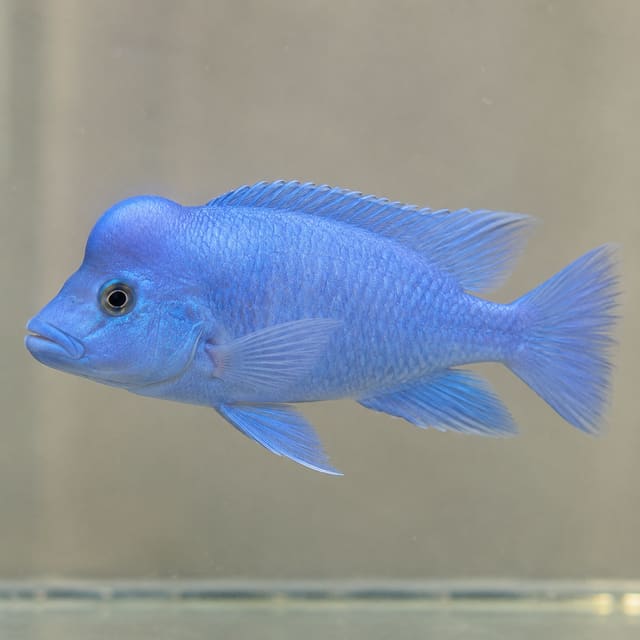
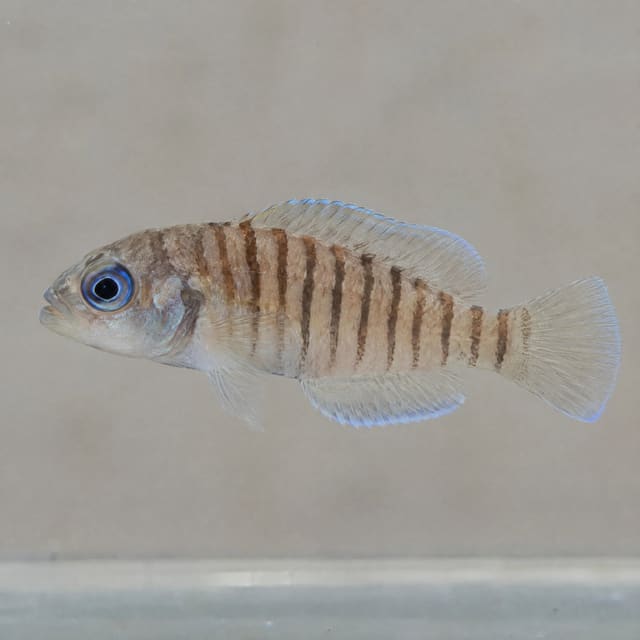
Cichlids are a family of roughly 1,800 accepted species, not one care type. Before buying, identify the exact species and source, then compare adult measurement, usable tank dimensions, social system, territory, tested water, diet and an exit plan. No family-wide minimum tank, water range or tank-mate list is safe.
Read the full care guidance when planning conditions for your aquarium.
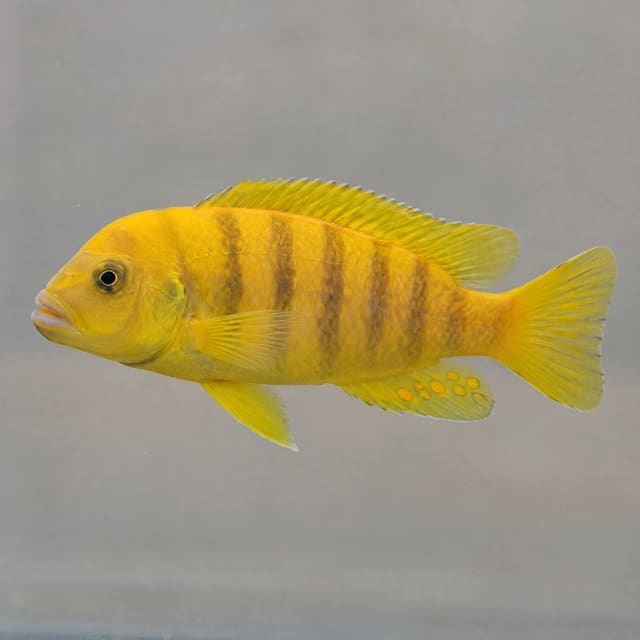
This rock-dwelling Lake Malawi cichlid reaches us under the trade name Pseudotropheus elongatus “Usisya Mara Rock”, after the rocky reefs near Usisya where this form lives. Trade names for mbuna are not always the current scientific name — some references list this location form under a different genus and species — so we list it under the name it is sold as and describe the fish itself. The photograph shows a male: an orange-gold body with pale blue-grey vertical bars, a blue-white edged dorsal fin and a yellow tail. Young fish and females are usually duller.
| Sold as | Pseudotropheus elongatus “Usisya Mara Rock” (trade name) |
|---|---|
| Family | Cichlidae (mbuna) |
| Origin | Usisya / Mara Rocks, Lake Malawi |
| Temperature | 24–28°C |
| pH | 7.6–8.8 |
| Hardness | 10–25 dGH |
| Aquarium | 120 cm or more; larger for a mixed mbuna community |
| Temperament | Aggressive and territorial |
| Sold as | One fish per quantity, in the size you choose |
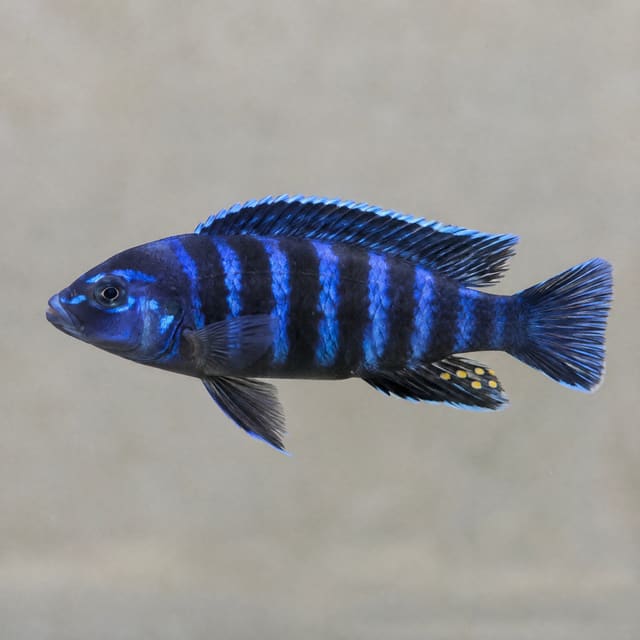
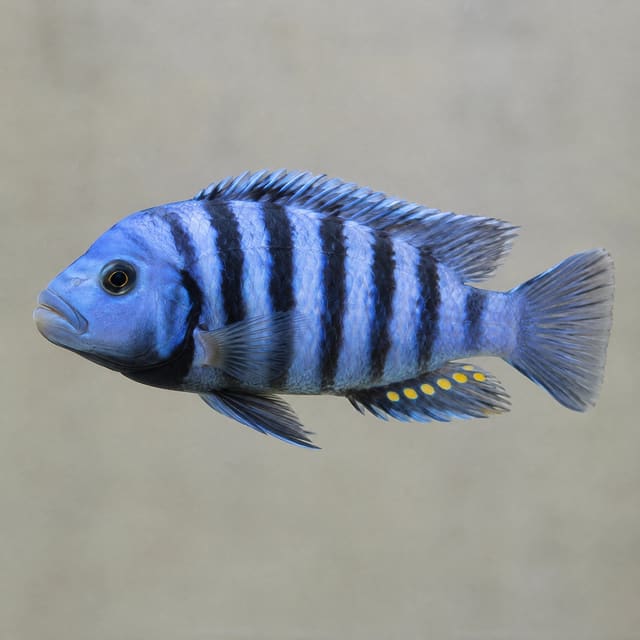
Choose 3–4 cm, 4–5 cm, 5–6 cm, 6–7 cm or 7–9 cm, then the quantity. One quantity is one live fish; sex is not guaranteed. The photo shows a male; females and young fish are less colourful. A size that is out of stock this week cannot be added to the basket.
An mbuna aquarium of 120 cm or more, larger for a mixed community, with piles of stable rock and many caves over a sand base. Place rockwork directly on the base so digging cannot undermine it. Keep hard, alkaline water — 24–28°C, pH 7.6–8.8, 10–25 dGH — with strong filtration and regular water changes; mbuna are messy grazers. OATA’s Malawi guidance covers the chemistry and stocking.
A grazer: feed a mainly vegetable diet — spirulina flakes or pellets, blanched spinach and nori — with occasional small frozen foods. Never feed red meat such as beef heart.
Elongate mbuna are among the most aggressive Malawi cichlids and are intolerant of their own kind and similarly patterned fish. Keep one male with several females in a busy, well-stocked mbuna aquarium with other robust mbuna of different colours, so aggression is spread. Never mix with peaceful peacocks, haps or community fish.
Tropical Fish Co’s delivery and Live Arrival Guarantee policy explains the packing and arrival procedure. Livestock is hand-bagged in pure oxygen and placed in an insulated poly box, with a heat pack when the weather calls for it. Someone must be at the address to receive the parcel because live animals cannot be left unattended.
If a Live Arrival Guarantee claim is required, contact us on the same day with the order number and clear photos or an optional unboxing video. Before the parcel arrives, confirm that ammonia and nitrite read zero and that the aquarium matches the water values on this page.
It is sold under the trade name Pseudotropheus elongatus "Usisya Mara Rock". Mbuna trade names do not always match current scientific names, so we list it under the name it is sold as.
Yes. Keep it in a busy mbuna aquarium with one male to several females and plenty of rockwork.
Mainly vegetable food — spirulina flakes or pellets, blanched spinach, nori — with occasional small frozen foods; never red meat.
Hard, alkaline Lake Malawi water: 24–28°C, pH 7.6–8.8 and 10–25 dGH.
No reviews for this item yet. Bought one? Honest reviews only, good or bad.
What customers say about ordering from us
Easy website plenty of info on fish your buying great to pick a time slot
TRACEY DURRANT · 7 Oct 2026
Got some lovely fish thank you
Kevin Mackie · 7 Oct 2026
Reviews of our shop, collected by Judge.me, an independent third-party review collector. Newest first.
Moved by UK carriers licensed to handle live animals
Hand-packed with oxygen bags, poly box, heat pack
Email photos the same day; an optional unboxing video helps us review problems faster — claim terms apply
Klarna & PayPal Pay in 3 at checkout
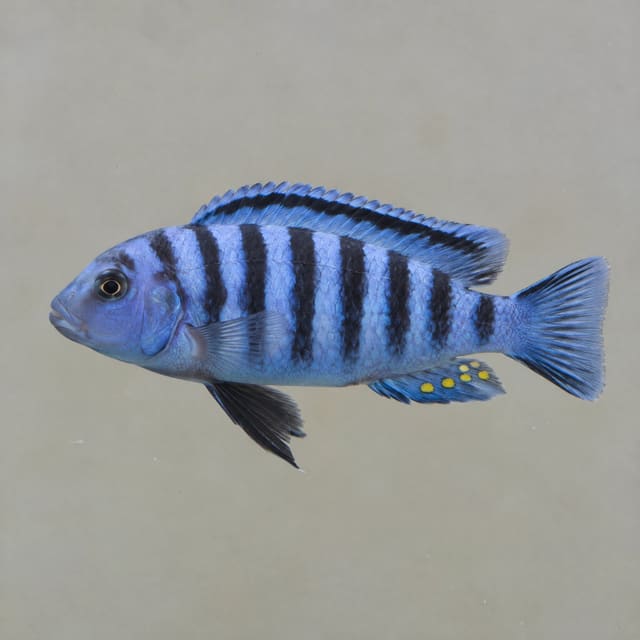
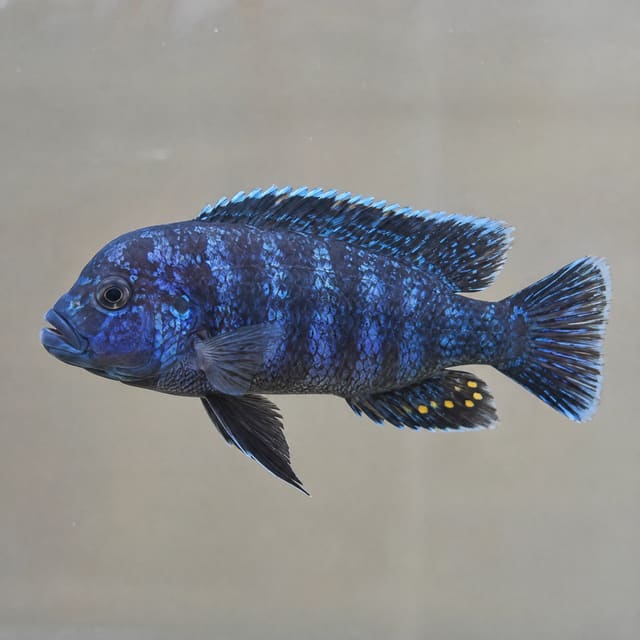
23–27°C · pH 8–8.6 · 205L