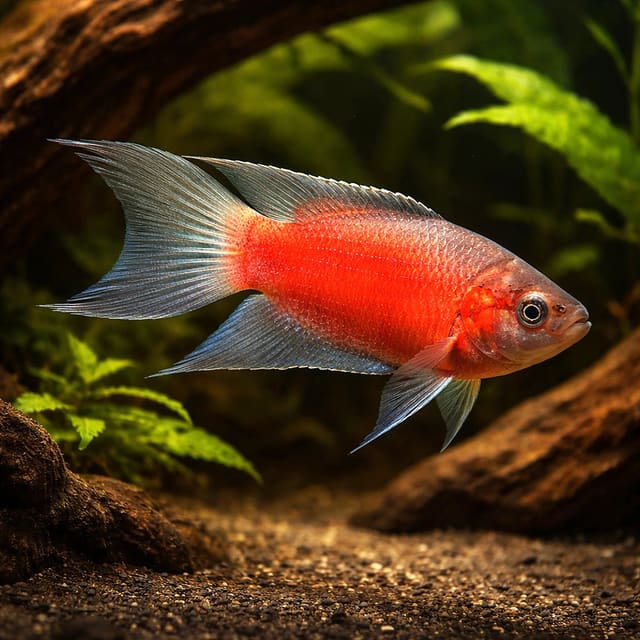
Red 2 X Red Paradise Fish - Macropodus Opercularis «Red» - Labyrinth Fish (2) - Buy Online UK | Tropical Fish Co

Red Paradise Fish (Macropodus opercularis) - UK

£8.99In Stock

Add colour and character with the Red Paradise Fish, a hardy moderate-care tropical species for community tanks. Buy online with UK delivery today.

Community FishFishFreshwater FishLabyrinth FishLive FishModerate CareTropical Fish

Premium Quality

Healthy, vibrant fish from trusted suppliers

Expert Care

Detailed care guides and support

Live Arrival Guarantee

Your fish arrives healthy or we'll replace it

Acclimated

Properly quarantined and ready for your tank

Why Choose This Fish?

Add colour and character with the Red Paradise Fish, a hardy moderate-care tropical species for community tanks. Buy online with UK delivery today.

The Red Paradise Fish, Macropodus opercularis, is one of the classic stars of the aquarium fish UK hobby for good reason. This hardy labyrinth fish combines bold colour, real personality, and a surprising tolerance for cooler water than many standard tropical species. Native to East Asia and often recommended as a bridge between true tropical and temperate setups, the Red Paradise Fish tropical fish reaches around 8-11 cm, lives for 5-8 years, and offers an engaging mix of confidence, curiosity, and territorial flair. If you have been searching for colourful freshwater fish UK keepers can enjoy in a medium-sized aquarium, this species deserves a close look.

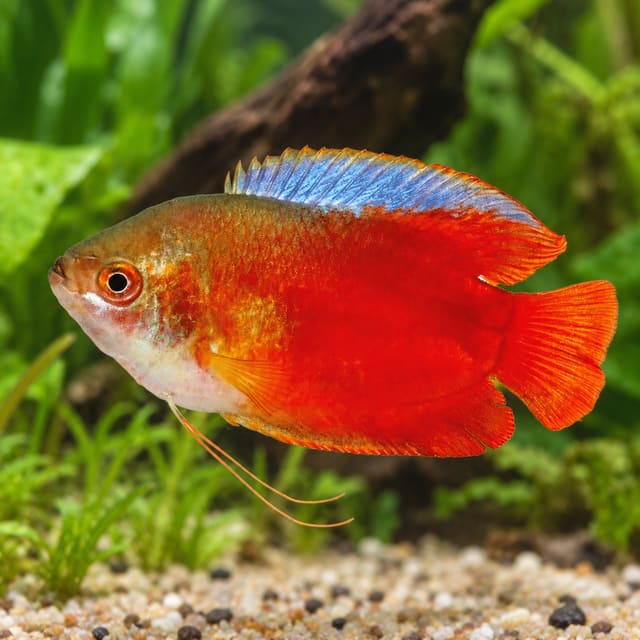
For aquarists comparing tropical fish for beginners with more characterful species, this fish stands out. It is often described as a red paradise fish easy care fish, but that does not mean any setup will do. Good results depend on the right red paradise fish tank setup, stable fish tank temperature, sensible stocking, and a clear understanding of red paradise fish tank requirements. See our detailed photos showing the long flowing fins, rich red body tones, and metallic highlights that make this Red Paradise Fish aquarium fish such a striking choice for a freshwater fish aquarium UK display. For keepers wanting a hardy, unusual, and highly interactive fish, the Red Paradise Fish offers a lot more than a standard community species.

🔹 Quick Facts

  • Scientific Name: Macropodus opercularis
  • Care Level: Easy to moderate
  • Min Tank Size: 80 litres (around 17.5 gallons UK)
  • Temperature: 16-26°C (61-79°F)
  • pH Range: 6.0-8.0
  • Lifespan: Up to 8 years
  • Temperament: Semi-aggressive
  • Diet: Omnivore

Classification

  • Order: Anabantiformes
  • Family: Osphronemidae
  • Genus: Macropodus

The Red Paradise Fish, also known as Paradise Gourami, is one of the oldest ornamental fish kept in home aquariums. It belongs to the labyrinth fish group, meaning it can breathe atmospheric air from the surface using a specialised organ. In the hobby, it sits alongside gouramis and bettas, but it has a tougher, cooler-water nature and a more assertive personality than many modern community fish.

Where Do Red Paradise Fish Come From? Natural Habitat Explained

The red paradise fish habitat spans parts of China, Taiwan, Vietnam, and Korea, where these fish are found in slow-moving ditches, rice paddies, ponds, canals, and calm stream margins. Unlike some delicate rainforest species, they come from environments that can change with the seasons. That is why many aquarists ask what tropical fish don't need a heater or whether paradise fish can live in cooler rooms. While they are still best treated as tropical to subtropical fish, they are notably more flexible than many species sold in a standard heated setup.

In the wild, these fish patrol the upper and middle water levels, hunting insect larvae, tiny crustaceans, worms, and plant matter. Their natural waters are often shallow, heavily vegetated, and rich in cover. This is why a healthy fish tank ecosystem with floating plants, shaded zones, and broken lines of sight works so well in captivity. If you want to know how to care for red paradise fish, the answer starts with understanding that they are not open-water schooling fish. They prefer structure, territory, and access to the surface.

Because they come from still or sluggish habitats, they do not appreciate harsh current. A setup inspired by small river fish species from gentle margins is more suitable than a high-flow river manifold aquarium. Aquarists who usually buy pond fish online sometimes notice that paradise fish also suit cooler indoor fish rooms, but they are not a pond fish in the UK climate year-round. Questions such as how fish pond construction, how much fish pond, how many fish pond stardew, how much fish pond stardew, what fish pond stardew, or is fish tank streaming may appear in broad searches, but for this species the real focus should be a covered aquarium with calm water, plants, and warm-season stability.

For hobbyists comparing species, one of the best red paradise fish alternatives for a more active community feel might be a shoal of Fireline Devario: A Dynamic and Striking, while those wanting a more unusual planted-tank fish may prefer X Indostomus Paradoxus NANO PLANTED AQUARIUM. Still, the Red Paradise Fish remains a classic because it combines resilience with impressive display behaviour.

💡 Expert Tip

Mimicking the natural habitat with floating cover, gentle filtration, and darker background décor often improves colour, reduces chasing, and encourages natural surface patrol behaviour. Fish kept in sparse, brightly lit tanks usually look washed out and act more defensive.

How to Set Up the Perfect Tank for Red Paradise Fish

A successful red paradise fish tank setup starts with space, cover, and stable water. Although this species is often sold as hardy, it is still important to match the aquarium to its adult size and temperament. The red paradise fish minimum tank size is 80 litres for a single specimen or a carefully planned pair, but the red paradise fish tank size most keepers should aim for is closer to 120 litres. That extra room helps manage territory and gives tank mates a chance to avoid conflict. If you are comparing fish tank sizes, an 80cm tropical fish tank is a practical starting point, while aquarists asking what fish tanks are 36 inches long will find that format especially useful for providing horizontal swimming room.

Tank Size Requirements

The key red paradise fish tank requirements are surface access, moderate footprint, and visual barriers. A lone male can become bossy in a cramped aquarium. In a larger layout with wood, planting, and broken sight lines, behaviour is usually much more manageable. For a community setup, 120 litres is the safer recommendation. In very large displays, including an 8ft tropical fish tank, they can become excellent feature fish provided tank mates are chosen carefully.

Water Parameters

The ideal red paradise fish temperature is around 22°C, though the full red paradise fish water temperature range is 16-26°C. This is cooler than the usual tropical fish aquarium temperature many hobbyists keep at 25-26°C. If you are wondering what fish tank temperature suits them best, think stable rather than hot. A tropical fish temperature range around 20-24°C is excellent for long-term maintenance, and this also suits several robust tank mates. The red paradise fish pH requirements are broad at 6.0-8.0, with neutral water around pH 7.0 being ideal. Hardness from 4-18 dGH is acceptable, making them adaptable to many UK water supplies.

80L+
Minimum tank size
120L
Recommended tank size
16-26°C
Temperature range
pH 6.0-8.0
pH range
4-18 dGH
Hardness
Mid-top
Swimming level

Filtration

Many keepers ask what fish tank filter is best for this species. The answer is a filter that keeps water clean without blasting the surface. A gentle internal filter, spray bar, or well-baffled external filter works well. If you are keeping them with bottom-dwellers such as Zebra Loach: A Striking Bottom-Dweller for or a juvenile Clown loach over, filtration should be sized for the whole stock level, not just the paradise fish. A common maintenance question is when to clean fish tank filter; the answer is when flow drops or media is visibly clogged, usually every 2-6 weeks depending on stocking. If you are unsure how to clean small fish tank filter, rinse sponges in old tank water, never under the tap, to preserve beneficial bacteria.

Heating and Seasonal Stability

Because this species tolerates cooler water, some aquarists ask what fish tank heater they need or what fish tank heater do i need at all. In a stable heated home, a heater may only be needed in winter, but for consistency we still recommend one. This also answers the common question why do tropical fish need a heater: not because they all need high heat, but because sudden temperature drops cause stress. Good modern units are reliable, and are fish tank heaters safe is usually answered with yes, if they are correctly sized and installed. Still, can fish tank heater burn fish is a fair concern, so use a heater guard if fish rest near equipment. Many keepers also ask can fish tank heaters be fully submerged; always follow the manufacturer’s markings, as many modern heaters are fully submersible but not all are.

Substrate, Plants and Decor

Dark sand or fine gravel shows off the red and blue tones beautifully. Wood, root tangles, and dense planting help establish territories. Floating plants are especially useful because they diffuse light and make the fish feel secure. If you want active algae control in a larger setup, X Siamese Algae Eaters Crossocheilus Oblongus can be a practical companion in suitably sized tanks. For contrast in a bold display, some keepers combine paradise fish with larger statement species such as Striped Silver Dollar A Robust and, though only in spacious aquariums and with care.

Lighting Requirements

The red paradise fish lighting requirements are moderate rather than intense. Bright lighting without cover can make them skittish and can contribute to nuisance algae. If you have ever asked why fish tank water turn green or why fish tank water turns yellow, excess light, overfeeding, and dissolved organics are common causes. Aim for 6-8 hours of moderate light, especially in newly planted tanks. This species colours up best when light is balanced by shade.

Quick Setup Checklist

  • Choose at least an 80 litre aquarium, ideally 120 litres for community keeping
  • Maintain a stable tropical fish tank temperature around 20-24°C
  • Use gentle filtration with low to moderate flow
  • Add floating plants, wood, and visual barriers
  • Keep a secure lid because paradise fish can jump
  • Cycle the aquarium fully before adding fish

💡 Pro Tip

Always cycle the tank for 4-6 weeks before adding fish. Most cases of stress, gasping, and unexplained losses happen not because the species is delicate, but because ammonia or nitrite is present in an immature aquarium.

What Do Red Paradise Fish Eat? Complete Feeding Guide

The red paradise fish diet is omnivorous, with a strong preference for protein-rich foods. In nature they eat insect larvae, tiny aquatic invertebrates, worms, and some plant material. In the aquarium, a varied menu produces the best colour, health, and breeding condition. If you are asking what do small tropical fish eat, the answer varies by species, but for paradise fish you should think quality staple food plus regular frozen or live supplements.

Staple Foods

A good red paradise fish feeding guide starts with a high-quality tropical pellet or flake designed for omnivores. Small floating or slow-sinking pellets work especially well because these fish feed near the surface and midwater. Some keepers ask can tropical fish eat betta food; yes, in moderation, many betta foods are suitable because both are insect-eating labyrinth fish, but it should not be the only food long term. Another common question is can goldfish have tropical fish food or can tropical fish eat goldfish flakes; while these foods are not toxic, they are not ideal as a main diet because the nutrient balance is different.

Supplemental Foods

For stronger colour and condition, offer frozen bloodworm, daphnia, brine shrimp, and mosquito larvae 2-4 times per week. Yes, can tropical fish eat bloodworms is an easy yes for this species, and they usually take them eagerly. Small amounts of blanched vegetable matter can be offered too, though this is not a heavily plant-focused fish. If you are wondering can tropical fish eat cucumber, they may peck at it, but protein foods are more important. This also helps answer what tropical fish eat plants: paradise fish are not major plant destroyers, so they are usually suitable as red paradise fish for planted aquarium displays.

Treats, Snails and Feeding Behaviour

A question that appears often is what fish tank fish eat snails, what tropical fish eat snails, or what tropical fish eat snails in a tank. Red Paradise Fish may eat very small snails or snail eggs opportunistically, but they are not a reliable snail-control species. So if you are searching what small aquarium fish eat snails or what small tropical fish will eat snails, this fish should be seen as occasional help, not a guaranteed solution.

Feeding Frequency & Portion Control

Feed adults once or twice daily in portions they finish within 30-60 seconds. If you are unsure when to feed tropical fish, morning and evening works well. One fasting day per week can help prevent bloating. Healthy adults can cope if you go away for a short trip; in most cases, how long tropical fish live without food is around 5-7 days without major issues, though this should not become routine.

Time Food Amount
Morning Quality omnivore pellet or flake Small pinch or 4-6 pellets
Evening Frozen bloodworm, daphnia, or brine shrimp What is eaten in under 1 minute
X Siamese Algae Eaters Crossocheilus Oblongus

Useful in larger mixed aquariums where you want an active companion species that also helps manage soft algae alongside a varied feeding routine.

Fireline Devario: A Dynamic and Striking

A lively upper-level species for larger setups that thrives on similar quality flake, pellet, and frozen foods.

⚠️ Feeding Warning

Overfeeding causes ammonia spikes, cloudy water, and long-term organ stress. If uneaten food is reaching the bottom regularly, reduce portions immediately and review filtration and maintenance.

Red Paradise Fish Appearance: Colors, Patterns & Varieties

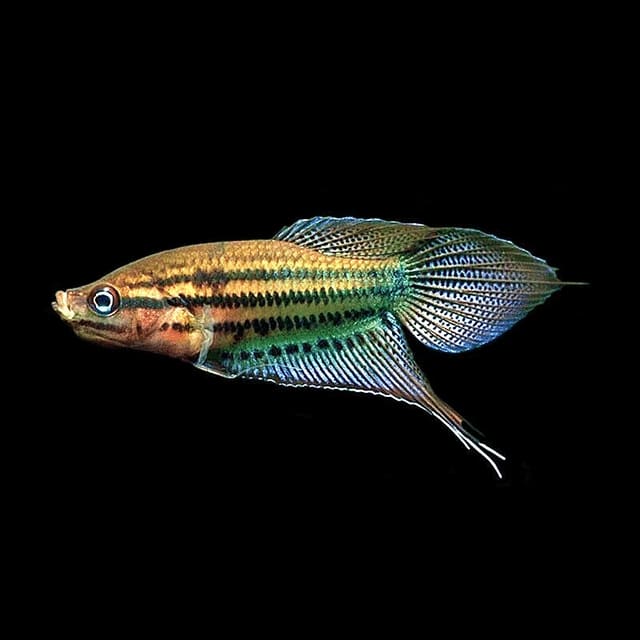
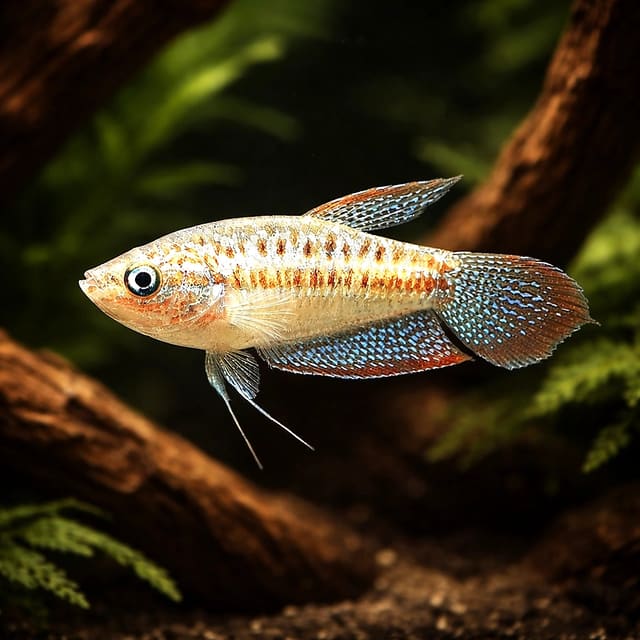
The Red Paradise Fish is long-bodied, laterally compressed, and elegant rather than chunky. Adults usually grow to 8-11 cm, with extended dorsal, anal, and tail fins that give the fish a flowing, almost banner-like look in motion. This is one reason why tropical fish are colorful matters so much in the hobby: species like this use colour and finnage for display, territory, and courtship, not just decoration.

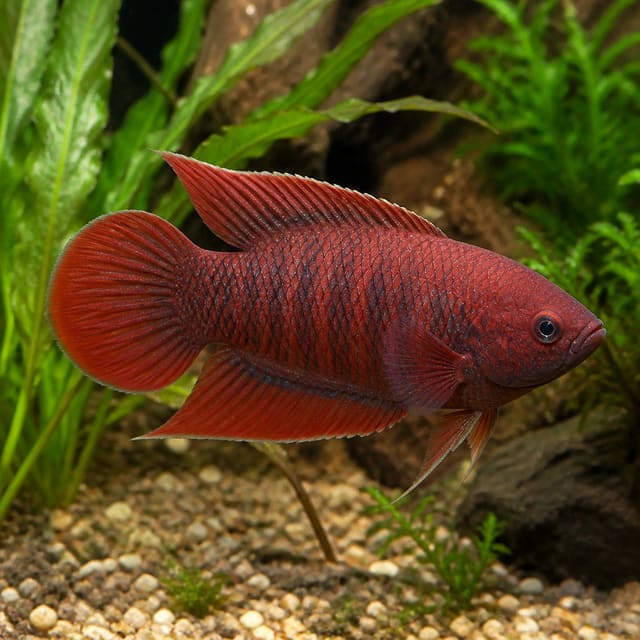
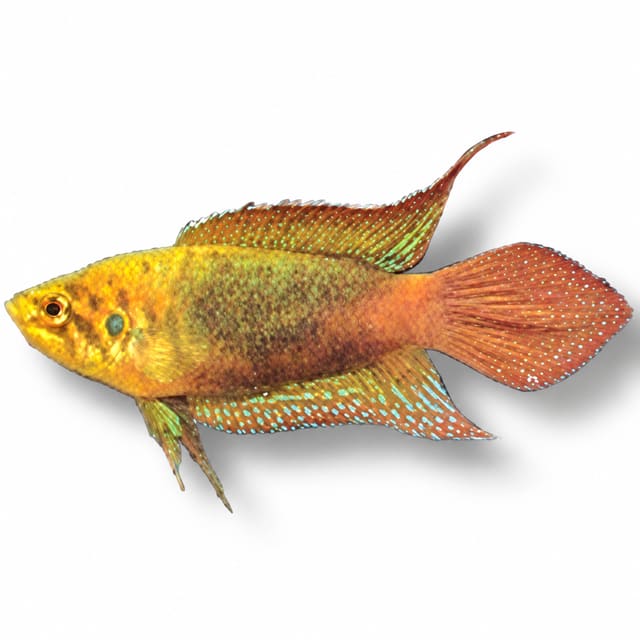
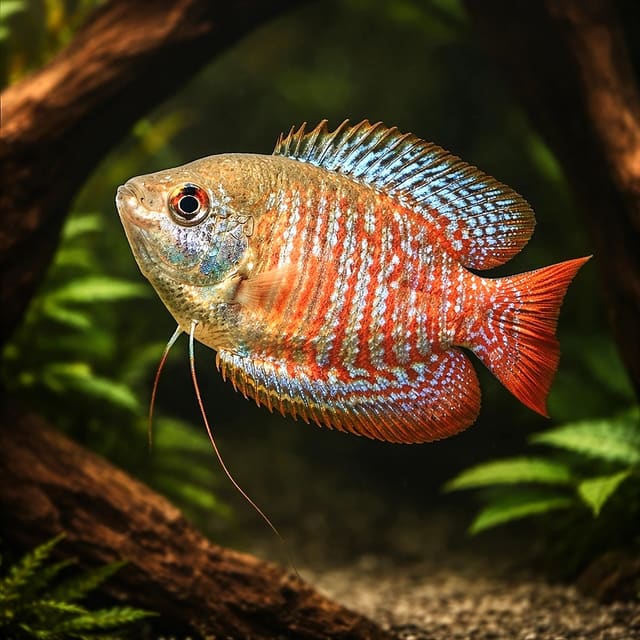
A well-settled colourful red paradise fish for aquarium setups will show rich red to orange body tones, blue striping, and metallic highlights across the flanks and fins. Males are usually more intensely coloured and have longer, more pointed fins. This makes red paradise fish male vs female identification fairly straightforward once mature. Females are typically slightly smaller, rounder-bodied, and less dramatic in finnage, though still attractive.

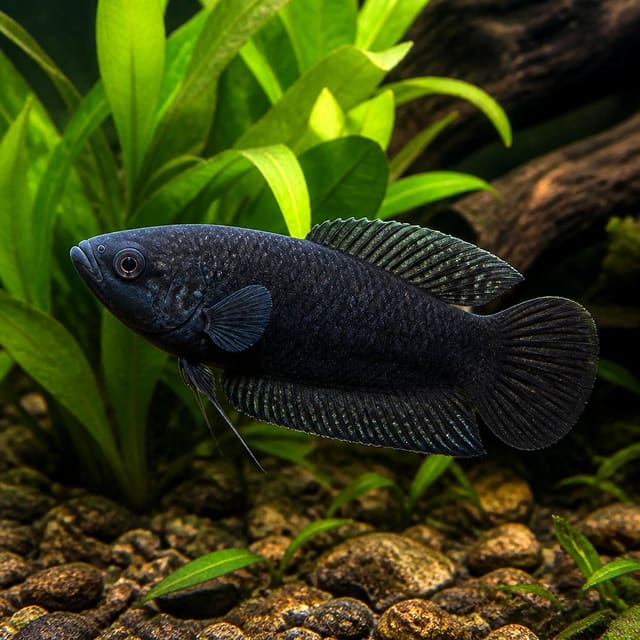
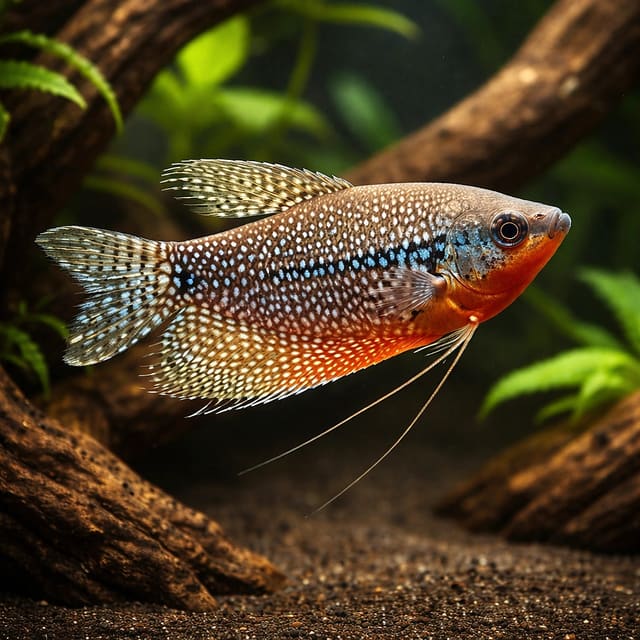
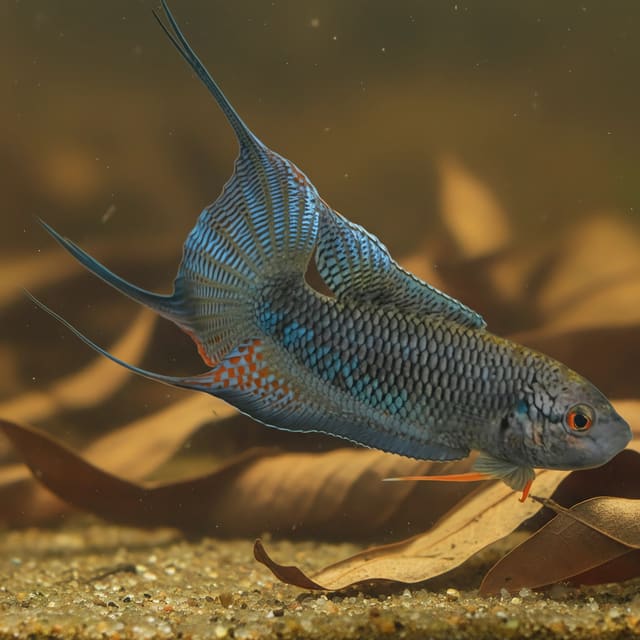
For aquarists seeking freshwater fish with red fins or a centrepiece species with classic old-school appeal, this fish delivers. The Red Paradise Fish fish shown in our product image, aquarium-fish-uk.webp, illustrates the strong contrast that develops under good care. Our photos show the intense red and blue tones achieved through stable water, dark décor, and a protein-rich varied diet. If you are researching how to care for red paradise fish, remember that colour quality is often a direct reflection of low stress, correct red paradise fish temperature, and good feeding.

Because they are often sold as a hardy option, some people assume they are plain. In reality, a mature Red Paradise Fish aquarium fish in a settled aquarium can rival many more expensive species for visual impact. That is why they remain a favourite among keepers wanting a bold display fish without the extreme heat demands of some tropical species.

What Fish Can Live With Red Paradise Fish? Compatibility Guide

This is the section most buyers need to read carefully. The Red Paradise Fish is not a standard peaceful community fish. It is best described as assertive and territorial, especially males. So when people ask what tropical fish are aggressive, paradise fish are not at the extreme end like some cichlids, but they are definitely not passive. Choosing the right red paradise fish tank mates is the difference between a successful display and a stressful one.

What Tropical Fish Can Live Together?

If you are searching what small tropical fish can live together, what tropical fish can live together, which tropical fish can live together, or looking for a tropical fish compatibility chart, the key with paradise fish is to avoid tiny, timid, or long-finned species. Good companions are active, reasonably robust fish that occupy different levels. Suitable options include barbs, larger tetras, corydoras, and loaches. In our range, Fireline Devario: A Dynamic and Striking can work in a spacious aquarium, while Zebra Loach: A Striking Bottom-Dweller for offers a bottom-level contrast. In larger tanks, Clown loach over may be considered, but only if the aquarium is appropriately sized for their adult growth.

Species to Avoid

Do not keep multiple adult males together unless the tank is very large and heavily structured. Avoid long-finned species such as fancy guppies and many male bettas. This also answers the frequent question what tropical fish can live with bettas: paradise fish are usually a poor choice with bettas because both are territorial labyrinth fish. Likewise, what tropical fish can live with goldfish, which tropical fish can live with goldfish, and can tropical fish and goldfish live together are usually answered with no in this case. Their care, feeding, and social needs do not align well.

Community Tank Reality Check

People often look for the best red paradise fish for community tank setup or search red paradise fish peaceful community fish. The honest answer is that this is not a textbook peaceful community species. A better phrase is red paradise fish compatible fish: choose tank mates that can handle a confident top-level fish without provoking it. In a 120 litre aquarium, one male with a group of active midwater companions and a peaceful bottom crew can work well. In a larger community aquarium fish UK display, the species can be a striking centrepiece among other robust fish.

Species Compatible? Notes
Fireline Devario: A Dynamic and Striking ✅ Yes Fast, active mid-upper fish for larger tanks with cover
Zebra Loach: A Striking Bottom-Dweller for ✅ Yes Occupies lower levels and adds movement without fin display
Male Betta ❌ Avoid Too similar in behaviour; high risk of territorial conflict

Compatibility with Invertebrates

Small shrimp may be hunted, especially juveniles. Larger snails are usually left alone, though eggs and tiny snails may be eaten. If you are also browsing tropical invertebrates for sale uk, choose caution and plenty of cover. A paradise fish is not the best match for delicate ornamental shrimp colonies.

For aquarists comparing species, a red paradise fish for community tank comparison usually places them between peaceful gouramis and more aggressive cichlids. They can work in the right setup, but they are not ideal for every mixed aquarium. If you prefer gentler options among peaceful tropical fish UK keepers often choose, consider alternatives like X Indostomus Paradoxus NANO PLANTED AQUARIUM for specialist planted tanks or even a more dramatic single-species display with Red devil angel fish if you want a different visual style.

💡 Compatibility Tip

Always quarantine new arrivals for 2-4 weeks before adding them to a paradise fish aquarium. This reduces disease risk and lets you observe whether a new fish is too timid, too flashy, or simply unsuitable before it enters an established territory.

How to Breed Red Paradise Fish: Complete Breeding Guide

Red paradise fish breeding is considered relatively easy compared with many egg-laying tropical species. They are bubble nest builders, similar in principle to bettas and some gouramis. If you are interested in breeding behaviour rather than just display, this species is rewarding and very watchable.

Breeding Setup

Use a separate 40-60 litre breeding tank with shallow, calm water, floating plants, and a secure lid. A temperature around 24-26°C often helps trigger spawning. Condition the pair with live or frozen foods for 1-2 weeks. If you are wondering when do tropical fish spawn, the answer is usually when adults are mature, well fed, and feel secure. The male will intensify in colour and begin building a bubble nest under floating cover.

Spawning Behaviour

The male courts the female beneath the nest, wrapping around her as eggs are released and fertilised. Unlike searches such as what tropical fish lay eggs on the glass, paradise fish do not scatter adhesive eggs around the tank. The eggs are placed into the bubble nest, and the male usually guards them. This is one reason the species is so fascinating to observe.

Egg Care and Hatching

After spawning, remove the female if the male becomes too aggressive. Eggs usually hatch within 24-48 hours depending on temperature. The fry become free-swimming a few days later, at which point the male should also be removed to prevent predation.

Fry Care and Growth

Feed infusoria or liquid fry food first, then newly hatched brine shrimp and microworms as they grow. Frequent small water changes are essential. A covered tank helps maintain warm humid air above the water, which supports healthy labyrinth organ development.

Common Breeding Challenges

Common problems include males destroying the nest after disturbance, infertile spawns from poorly conditioned adults, and fry losses from overfeeding. Keep the breeding tank quiet and avoid strong aeration. Hobbyists sometimes arrive via gaming searches such as tropical fish breeding minecraft, tropical fish minecraft breeding, are tropical fish breedable in minecraft, can tropical fish breed in minecraft, do tropical fish breed in minecraft, when do tropical fish spawn minecraft, why do tropical fish despawn, why do tropical fish despawn in minecraft, do tropical fish despawn, do tropical fish despawn in minecraft, or do tropical fish respawn. In real aquariums, paradise fish do not despawn, of course; breeding success depends on water quality, conditioning, and calm surroundings.

Advanced Breeding Tip

Use floating Indian almond leaf pieces or fine floating plants to anchor the bubble nest. Males often build more stable nests when the surface is partially sheltered, and this can noticeably improve hatch rates in busy fish rooms.

Red Paradise Fish vs Similar Species: Which Should You Choose?

Choosing between similar fish matters because appearance alone does not tell you how a species will behave in your aquarium. The Red Paradise Fish is often compared with bettas, gouramis, and other colourful centrepiece fish. If you want a hardy species with cooler-water flexibility and strong personality, it is an excellent option. If you want a truly gentle community fish, it may not be the best fit.

Feature Red Paradise Fish Betta splendens
Max Size 8-11 cm 6-7 cm
Care Level Easy to moderate Easy
Temperature 16-26°C 24-28°C
Price £8.71 £10-£25
Best For Cooler tropical setups with robust tank mates Single specimen or very calm community
Feature Red Paradise Fish Fireline Devario
Temperament Semi-aggressive Active but generally community-safe
Swimming Zone Mid-top Mid-upper
Display Style Centrepiece individual Shoaling movement
Best Tank Type Structured planted aquarium Open swimming room with current
Alternative Red Paradise Fish Fireline Devario: A Dynamic and Striking

If you are looking at the best red paradise fish alternatives, a devario or barb may be better for a true group community. If you want a classic labyrinth fish with more resilience than many warm-water species, the paradise fish is the stronger choice. This makes it especially appealing to aquarists building a medium-sized tropical fish tank who want something more distinctive than standard shop stock. It is also a good answer for experienced keepers who have outgrown the usual tropical fish for beginners list and want more behaviour to observe.

Common Health Problems in Red Paradise Fish & How to Prevent Them

Good red paradise fish health starts with stable water, low stress, and sensible stocking. A healthy fish should have clear eyes, intact fins, strong colour, steady appetite, and confident movement around the upper and middle levels. Because this species is hardy, illness often points to environmental issues rather than inherent weakness.

Common Diseases & Symptoms

The most common red paradise fish diseases are the same tropical fish diseases seen in many freshwater aquariums: ich, fin damage from fighting, bacterial infections, and occasional internal parasites. If you are searching tropical fish diseases pictures, use them carefully as a rough guide, but always diagnose based on behaviour and water tests too. White spots, clamped fins, flashing, ulcers, and refusal to feed all need attention. For open sores, hobbyists often search tropical fish ulcer treatment; the first step is always improved water quality and isolation, then targeted treatment if needed.

Treatment and Quarantine

A tropical fish quarantine tank is one of the best tools you can own. Even a simple bare-bottom setup with sponge filter and heater can prevent disease entering your main display. For short-term isolation inside a display, a fish tank quarantine box can help protect a weak fish from harassment, though it is not a substitute for full quarantine. If you notice repeated losses and are wondering when aquarium fish die after purchase, the cause is often stress from poor acclimation, immature filtration, or hidden disease introduced by new stock.

⚠️ Health Warning

Never use medications blindly. Test ammonia, nitrite, nitrate, and temperature first. Many apparent disease outbreaks are actually water-quality problems, and treating the wrong issue delays recovery.

Quarantine Protocol

  • Quarantine all new fish for 2-4 weeks in a separate tank
  • Observe for white spot, fin damage, ulcers, or rapid breathing
  • Feed lightly and keep water pristine
  • Use dedicated nets and equipment to avoid cross-contamination
  • Only move fish to the display once feeding and behaviour are normal

Some new keepers also ask broader questions like can fish aquarium make you sick, can fish tanks make you sick, or can fish tanks cause breathing problems. In normal home use, a clean aquarium is safe, but basic hygiene matters: wash hands after tank work, avoid aerosol sprays near the water, and keep mould or stagnant water from building up around neglected equipment. On the positive side, many hobbyists feel the answer to are fish tanks good for mental health is yes. A well-kept aquarium can be calming, but only when maintenance is under control and the fish are thriving.

Understanding Red Paradise Fish Behavior in the Aquarium

The Red Paradise Fish is alert, intelligent, and full of visible personality. It spends much of its time patrolling the top and middle levels, inspecting plants, watching movement outside the tank, and claiming favourite resting spots near cover. Unlike shy schooling fish, it often notices its keeper and quickly learns feeding routines.

Territorial displays are normal, especially from males. Flaring, fin spreading, and short chases are part of their social language. This is why tropical fish that can live together with paradise fish need to be chosen for confidence and speed rather than extreme gentleness. If you are hoping for a textbook red paradise fish peaceful community fish, you may be disappointed. If you want a fish with real character, you will probably love them.

Natural behaviour improves in tanks with floating plants, shaded corners, and calm surface areas. They also appreciate a secure lid and warm air above the water because of their labyrinth organ. Among fish often listed as what small aquarium fish lives the longest, paradise fish compare well thanks to their 5-8 year lifespan and hardy nature when properly kept.

Why Buy from Tropical Fish Co?

When you buy fish online, species like the Red Paradise Fish benefit from careful handling before they ever leave the fish room. This is a fish that can arrive in excellent condition when it has been properly conditioned, observed for feeding response, and packed with temperature stability in mind. Our Red Paradise Fish are selected for strong finnage, clear eyes, and active behaviour, not just bright colour under shop lights. That matters with this species because healthy, settled fish display better and adapt faster.

Each fish is monitored before dispatch, and we only send specimens that are feeding confidently. For UK keepers searching tropical fish for sale, tropical fish for sale UK, freshwater fish uk for sale, or an online aquarium store uk with specialist livestock, this extra observation time makes a real difference. We know many customers compare options like tropical fish for sale near me, fish for sale pets at home, tropical fish pets at home, betta fish hampshire, masterfisch reviews, or even broad searches like 888 tropical fish, 8888 tropical fish, and 8888 tropical fish reviews. What matters most is not the search term but whether the fish has been prepared properly for home aquarium life.

For customers wanting to buy aquarium fish online, buy red paradise fish UK, or order red paradise fish online UK, fish are packed in insulated boxes with appropriate bagging, oxygen, and seasonal heat protection where needed. This supports safe red paradise fish delivery UK and reduces stress during transit. If you are comparing red paradise fish price UK against cheaper sources, remember that condition on arrival is part of the value. A well-started fish is easier to acclimate and far less likely to struggle in the first week. If you are looking for red paradise fish for sale UK from a specialist red paradise fish shop UK, this is exactly the kind of species where careful pre-sale husbandry pays off.

Why Choose Tropical Fish Co for Red Paradise Fish

  • Selected for active behaviour, strong finnage, and feeding response rather than colour alone
  • Observed before dispatch so semi-aggressive specimens are sent in settled, stable condition
  • Packed for UK transit with insulation and seasonal heat support to protect temperature-sensitive livestock

Order your Red Paradise Fish today with confidence if you want a hardy, characterful labyrinth fish that stands out in a well-planned freshwater aquarium.

If you are building a compatible display, consider adding Fireline Devario: A Dynamic and Striking for fast midwater movement or Zebra Loach: A Striking Bottom-Dweller for for lower-level activity. In larger aquariums, Clown loach over can complement a robust stocking plan, while X Siamese Algae Eaters Crossocheilus Oblongus can help with algae control in mature setups. If you prefer unusual planted-tank livestock, X Indostomus Paradoxus NANO PLANTED AQUARIUM offers a very different but equally interesting experience. For aquarists wanting another bold show fish to compare, Red devil angel fish provides a contrasting shape and style.