 By Tom Whitfield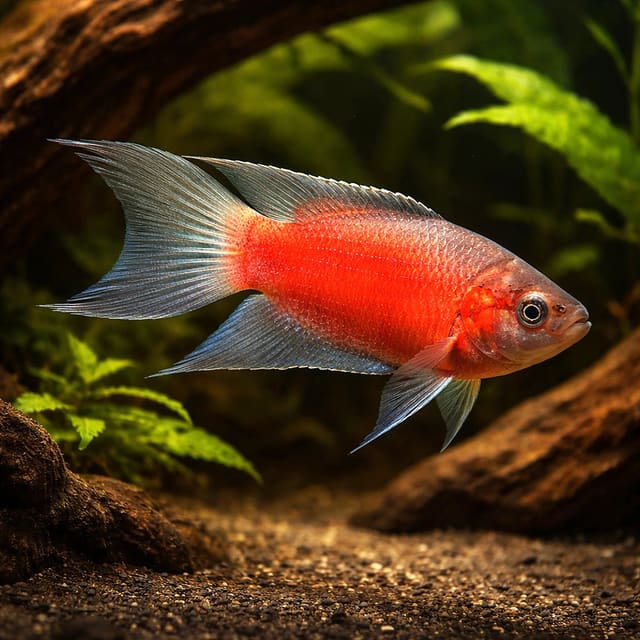
−13%
Easy
Red Paradise Fish (Macropodus opercularis “Red”)
16–26°C · pH 6–8 · 80L
£6.08£6.99

Gouramis & Labyrinth Fish · Buying Guide
Paradise fish (Macropodus opercularis): one of the oldest aquarium fish, stunning, hardy and happy in an UNHEATED tank (16-26C) - but feisty. Honest care + live UK stock.
5 products in stock today
Live prices and stock. Every fish covered by our Live Arrival Guarantee.
16–26°C · pH 6–8 · 80L
10–22°C · pH 6–8 · 72L
20–22°C · pH 6–8 · 72L

10–22°C · pH 6–8 · 72L

10–22°C · pH 6–7.5 · 72L
The shaded band shows the range paradise fish is comfortable in. Match it to your tap water before you buy.
Our trained assistant knows this paradise fish page inside out. Ask it anything — water parameters, tank mates, how many to buy — or have it read the guide aloud while you set up your tank.
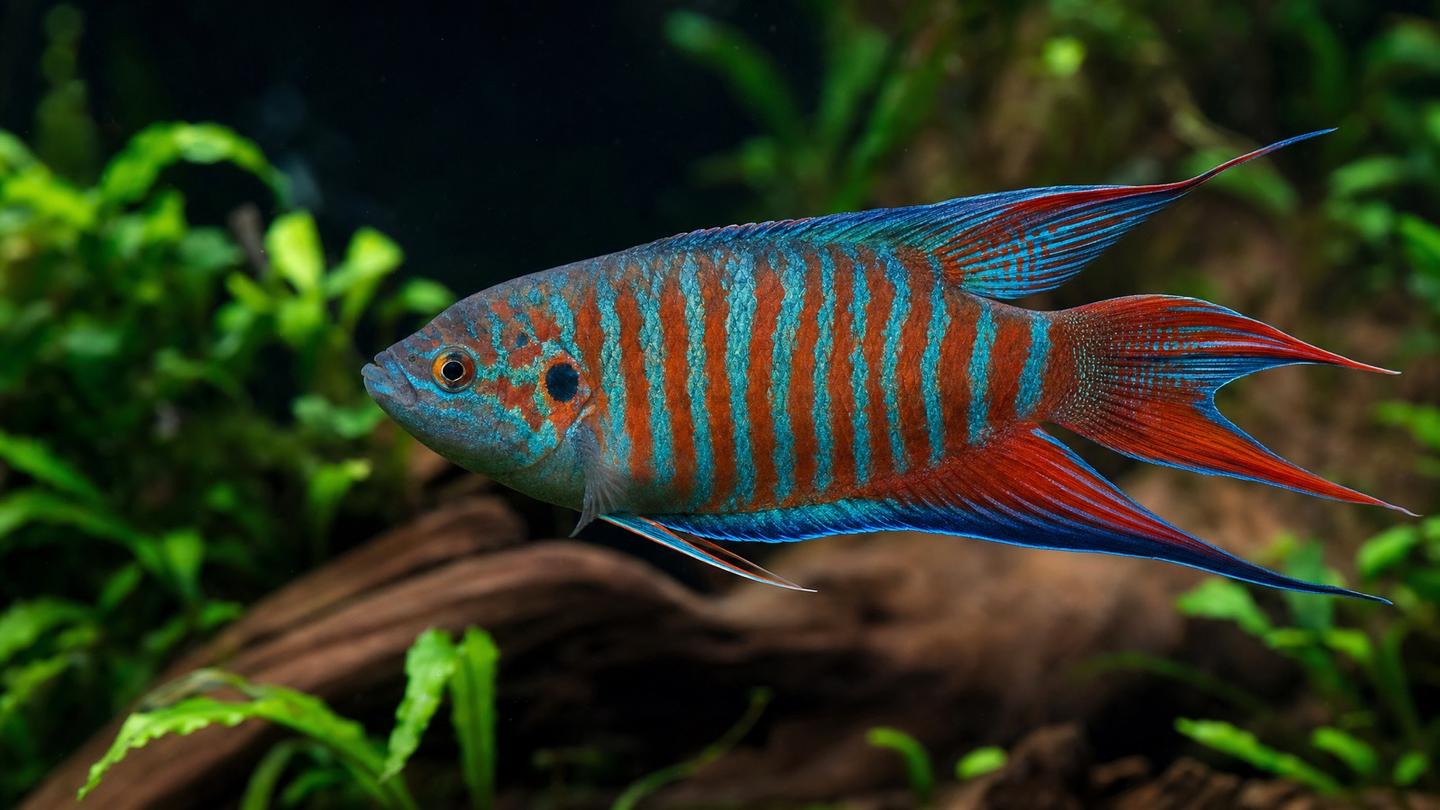
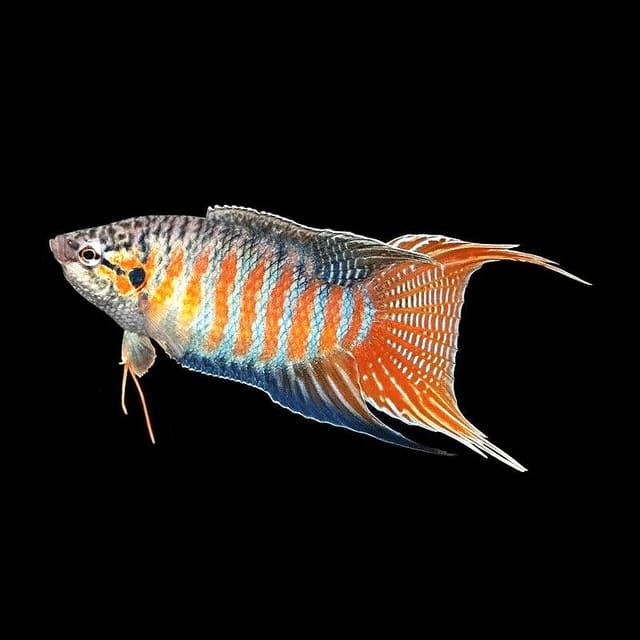
The paradise fish, Macropodus opercularis, is widely cited as one of the first tropical fish ever kept in Western aquariums - a fish people were keeping over 150 years ago, long before neon tetras or guppies. Look at a male in full colour, with electric-blue and red vertical bars and trailing fins, and it's obvious why it caught on. What's less obvious from a shop tank is that this is one of the hardiest and most cold-tolerant colourful fish in the trade - and one of the feistiest for its size.
I'm Tom Whitfield, and labyrinth fish are my corner of Tropical Fish Co. The paradise fish is a species I recommend often, but always with the same two-line briefing: it's gorgeous and bombproof, and it has a temper. This page is that briefing in full - what they need, why they don't need a heater, who they can (and can't) live with, and which colour forms we have in stock.
Two facts shape everything about keeping this fish.
If you want colour in a cold spare room, an office, or a low-tech setup without a heater, the paradise fish is one of the best choices in the hobby. Keep a low-wattage heater on a ~18 C backstop for winter cold snaps if you like, but day-to-day warmth isn't required.
This is the section that should decide your stocking plan. Paradise fish are territorial, and males particularly so. Two males will fight, and a male will harass other long-finned or similar-shaped fish - bettas, gouramis and fancy guppies are all read as rivals and risk fin damage [3]. They're also carnivorous micropredators that eat small aquatic animals in the wild [1], so shrimp, fry and very small fish tend to vanish.
The practical rules:
The most common paradise-fish mistake is dropping one into a mixed community of guppies, gouramis or a betta. It looks peaceful for a week, then fins start to shred. Plan the tank around the paradise fish's temperament from the start - a species tank is never the wrong answer with this fish.
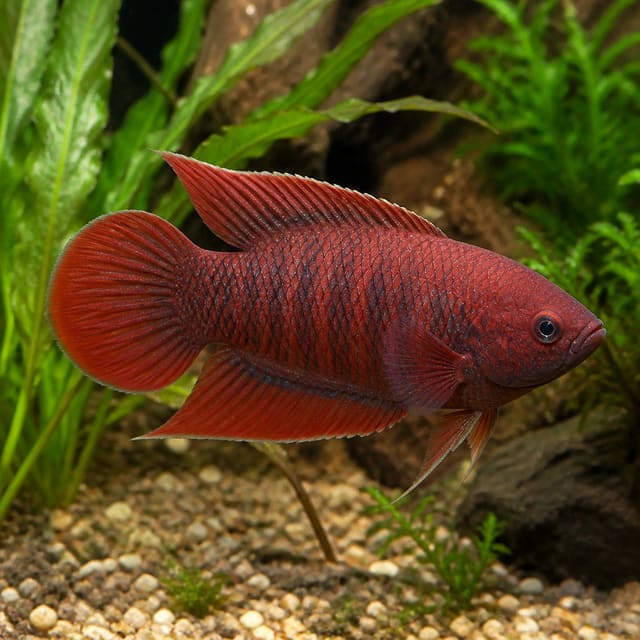
The red, blue, blue-red, albino and "fire/velvet" paradise fish you'll see are all selectively-bred or wild colour forms of the same species, Macropodus opercularis, with identical care [1]. One label worth knowing: the Chinese / round-tail paradise fish, Macropodus chinensis, is a separate but closely-related species [2] - plainer in colour, with a rounder tail, and even more cold-tolerant. We list the exact species on every product so you know what you're getting.
| Form | Look | Care | Notes |
|---|---|---|---|
| Classic (wild) blue-red | Alternating blue-green and red vertical bars | Easy | The historic, most recognisable form |
| Red / red velvet | Predominantly deep red | Easy | Colour intensifies on conditioning |
| Blue | Strong blue dominance | Easy | Same care as classic |
| Albino | Pale body, red eyes, soft colour | Easy | A touch more light-sensitive |
| Chinese paradise (M. chinensis) | Plainer, round-tailed | Very easy | Separate species; extremely cold-hardy |
Here are the paradise fish we have in stock - the species and colour form is named on each listing:
Choose a paradise fish if you want a strikingly colourful, historic, genuinely hardy fish that doesn't need a heater and you're willing to build the tank around its temperament - one male, a species tank or carefully-chosen robust companions, and plenty of cover. Avoid it if you wanted a peaceful centrepiece for a mixed community of guppies, gouramis or a betta. Get the stocking right and it's one of the most rewarding low-fuss fish in the hobby - a living piece of aquarium history.
Visual route into the rest of our UK live-fish range.
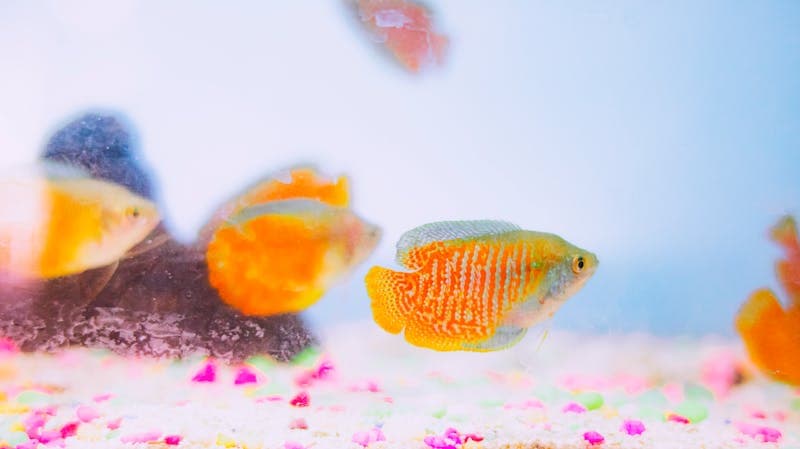
Gouramis and labyrinth fish for sale UK — Pearl, Dwarf, Honey, Kissing, Giant and rare species. Peaceful surface-breathers.
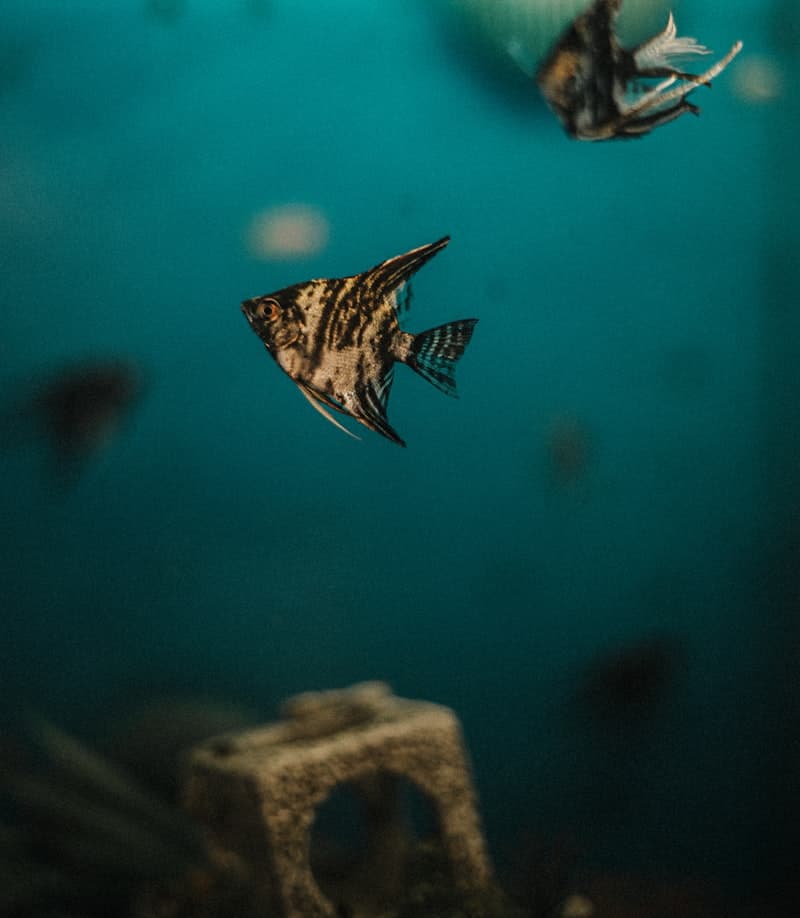
Tropical fish for sale UK — tetras, cichlids, bettas, guppies and corydoras. Specialist delivery backed by our Live Arrival Guarantee.
Material factual claims cite the sources below; store policy and cautious inference are labelled in the article. Sources are grouped by type so you can judge their weight at a glance.
Taxonomic revision of the genus Macropodus - basis for distinguishing M. opercularis from related species such as M. chinensis.
Source for maximum size (6.7 cm SL), temperature range (16-26 C), pH (6.0-8.0), hardness (5-19 dH), obligate air-breathing, diet and East Asian distribution.
Accepted scientific name, authority (Linnaeus, 1758) and classification within Osphronemidae.
Conservation status and natural range of the species (assessed Least Concern; wide East Asian distribution).
Aquarium husbandry, aquascaping and temperament guidance for a territorial labyrinth fish.
Fishkeeping moves fast and we want every guide spot-on. If you think something here is wrong, out of date, or could be clearer, tell us — our team reads every message and updates the page.
Suggest an editGouramis and labyrinth fish for sale UK — Pearl, Dwarf, Honey, Kissing, Giant and rare species. Peaceful surface-breathers.
Tropical fish for sale UK — tetras, cichlids, bettas, guppies and corydoras. Specialist delivery backed by our Live Arrival Guarantee.
Betta fish care for UK homes: plan a 20-litre heated, filtered, furnished tank. Check water, feeding and Siamese fighting fish welfare before buying.
Set up a tropical fish tank in 10 evidence-led steps: choose the tank, install filter and heater, cycle safely, test the water and add fish carefully.
Nano-Tank & Beginner Specialist · 6+ years in the hobby
Tom runs a YouTube channel on nano-aquariums (12.3k subscribers) from his one-bedroom Edinburgh flat, where he keeps eight tanks between 10 L and 60 L. He writes every beginner guide on Tropical Fish Co — on the theory that someone six years into the hobby remembers what's confusing, where a twenty-year veteran has long since forgotten.