−14%
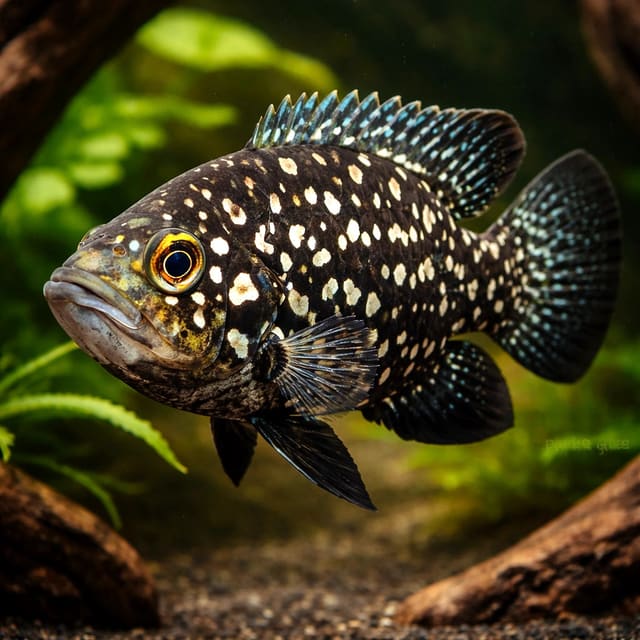
Starry Night Cichlid (Paratilapia polleni)
22.2–26.7°C · pH 6.5–8
£16.33£18.99

The Redbreast Tilapia (Coptodon rendalli) is a cichlid from southern Africa that reaches 45 cm. It suits keepers who can plan around that adult size, maintain FishBase’s recorded 24–28°C tropical range and run a mature filter. Sold individually in 4–5 cm and 6–7 cm dispatch sizes.
Adult size is the maximum length this species reaches at full maturity (scientific sources). The livestock you receive will be younger and smaller — pick a size above for the actual shipping size. Product-photo provenance and any image-specific limitations are stated on the listing.
Coptodon rendalli
Save when buying multiple fish. Each quantity is one fish; sex and pair formation are not guaranteed unless the selected variant explicitly states them.
The Redbreast Tilapia (Coptodon rendalli) is a cichlid from southern Africa that reaches 45 cm. It suits keepers who can plan around that adult size, maintain FishBase’s recorded 24–28°C tropical range and run a mature filter. Sold individually in 4–5 cm and 6–7 cm dispatch sizes.
Adult size is the maximum length this species reaches at full maturity (scientific sources). The livestock you receive will be younger and smaller — pick a size above for the actual shipping size. Product-photo provenance and any image-specific limitations are stated on the listing.
Cichlids are a family of roughly 1,800 accepted species, not one care type. Before buying, identify the exact species and source, then compare adult measurement, usable tank dimensions, social system, territory, tested water, diet and an exit plan. No family-wide minimum tank, water range or tank-mate list is safe.
Maintain these water conditions for optimal health and vibrant colors
The Redbreast Tilapia (Coptodon rendalli) is a freshwater cichlid in the family Cichlidae, found widely across the southern half of Africa, and it reaches 45 cm total length. It suits a keeper prepared to plan a spacious, filtered aquarium around a large adult fish rather than a small community setup.
FishBase records the 45 cm maximum, together with a tropical environmental range of 24–28°C. Its African distribution includes the middle Congo basin, upper Lualaba, Bangweulu area, Lake Malawi, Zambezi, Okavango, Cunene and Limpopo systems. Wikipedia describes the Redbreast Tilapia as a cichlid from the southern half of Africa whose natural habitats include freshwater lakes and marshes; it is also called the redbreast kurper in South Africa.
Adults favour quiet, well-vegetated river margins, backwaters, floodplains and swamps. FishBase also records the species as mainly active by day and forming schools in nature. These details support an aquarium with usable space, enrichment and a considered social plan, but a wild school is not a fixed aquarium group count.
Diet is another decisive part of the choice. Adults eat underwater leaves and stems, algae, vegetative detritus, insects and crustaceans in nature, while juveniles feed on plankton. Plan a plant- and algae-based staple with suitable variety, and do not build the display around the assumption that every aquatic plant will remain untouched.
One purchase supplies one Redbreast Tilapia. Use the live size selector to choose a 4–5 cm or 6–7 cm fish. These measurements describe the fish at dispatch and do not reduce the space needed for its recorded 45 cm adult length.
The size you select is the size supplied, not the adult size. A smaller dispatch fish still needs an aquarium plan built around the fully grown animal. Do not use dispatch length to infer sex, life stage or eventual colour.
Sex is guaranteed only when the selected option explicitly states male or female. This Redbreast Tilapia listing has no sex-guaranteed option.
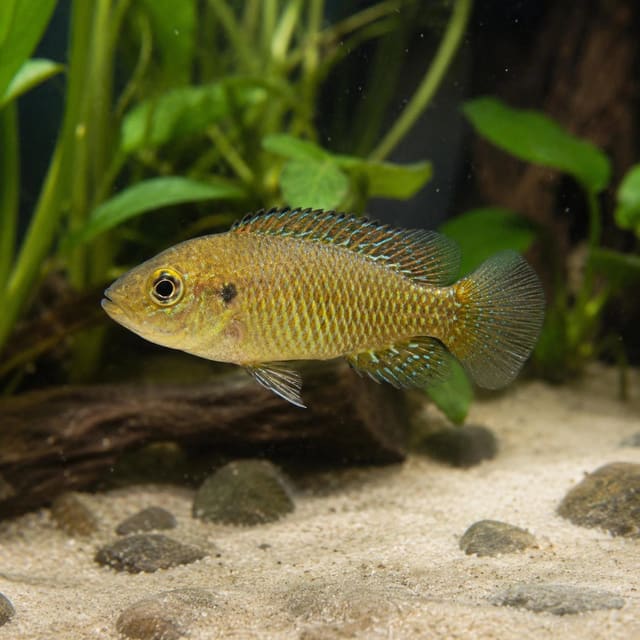
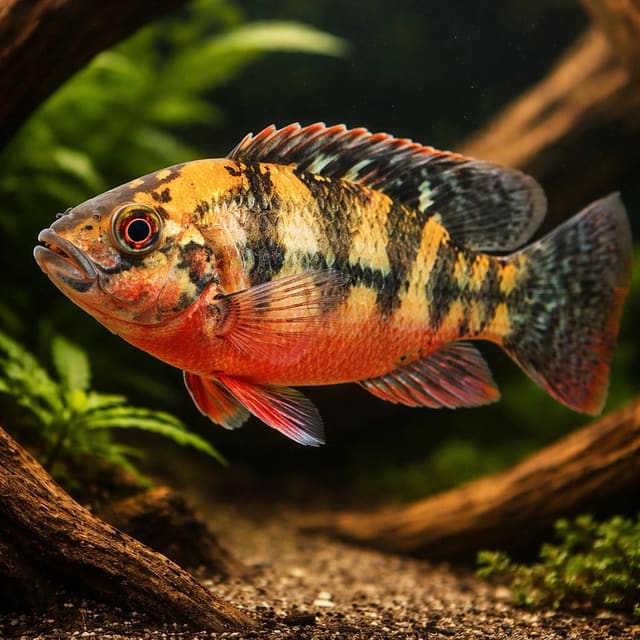
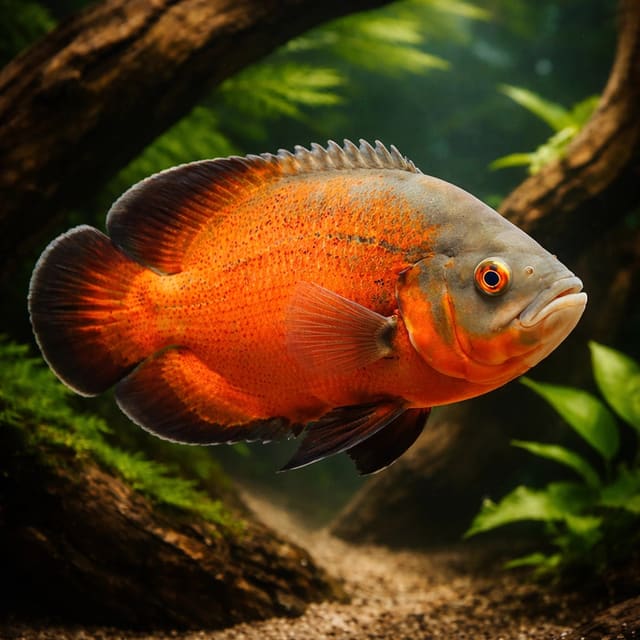
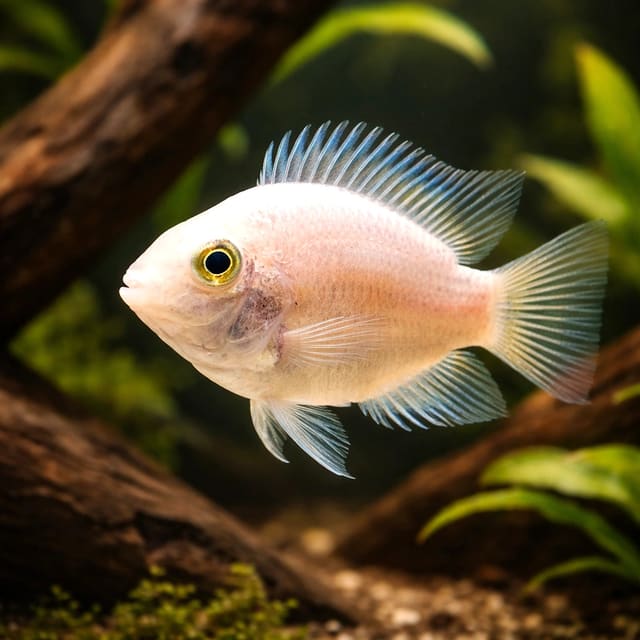
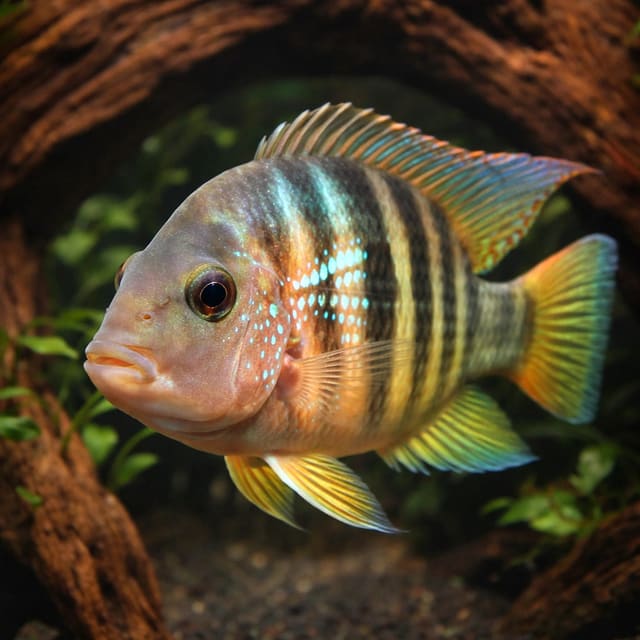
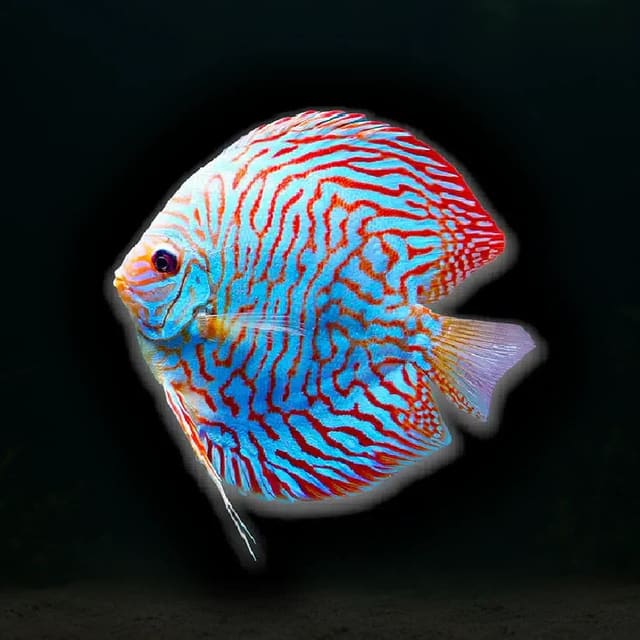
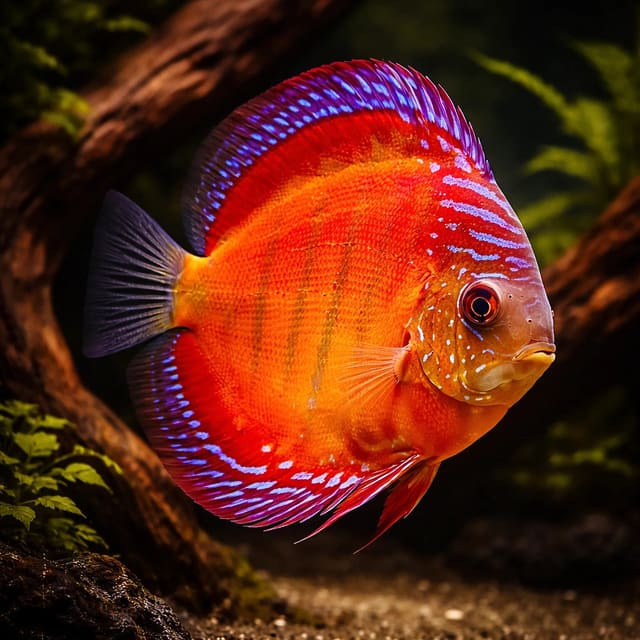
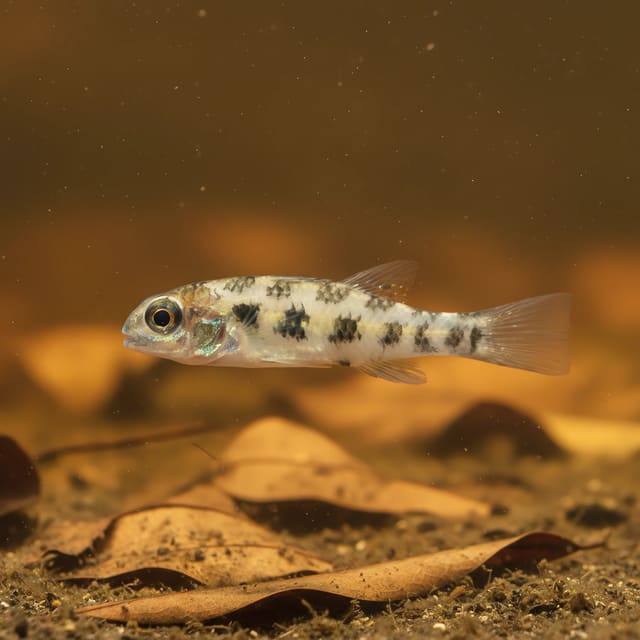
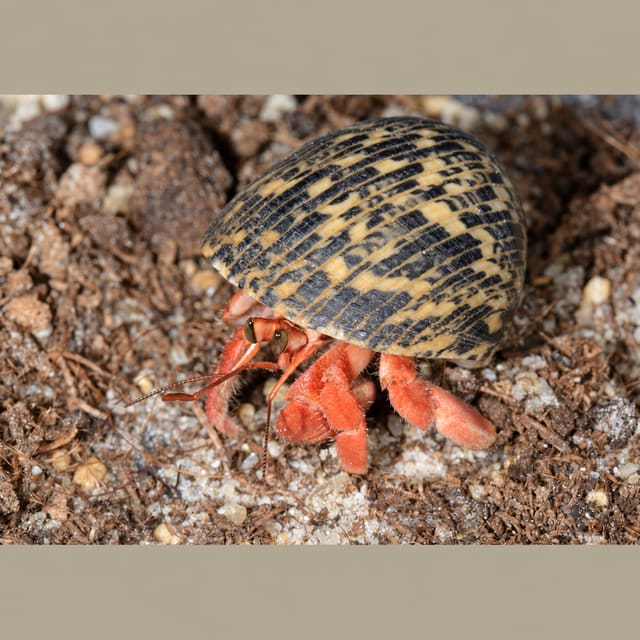
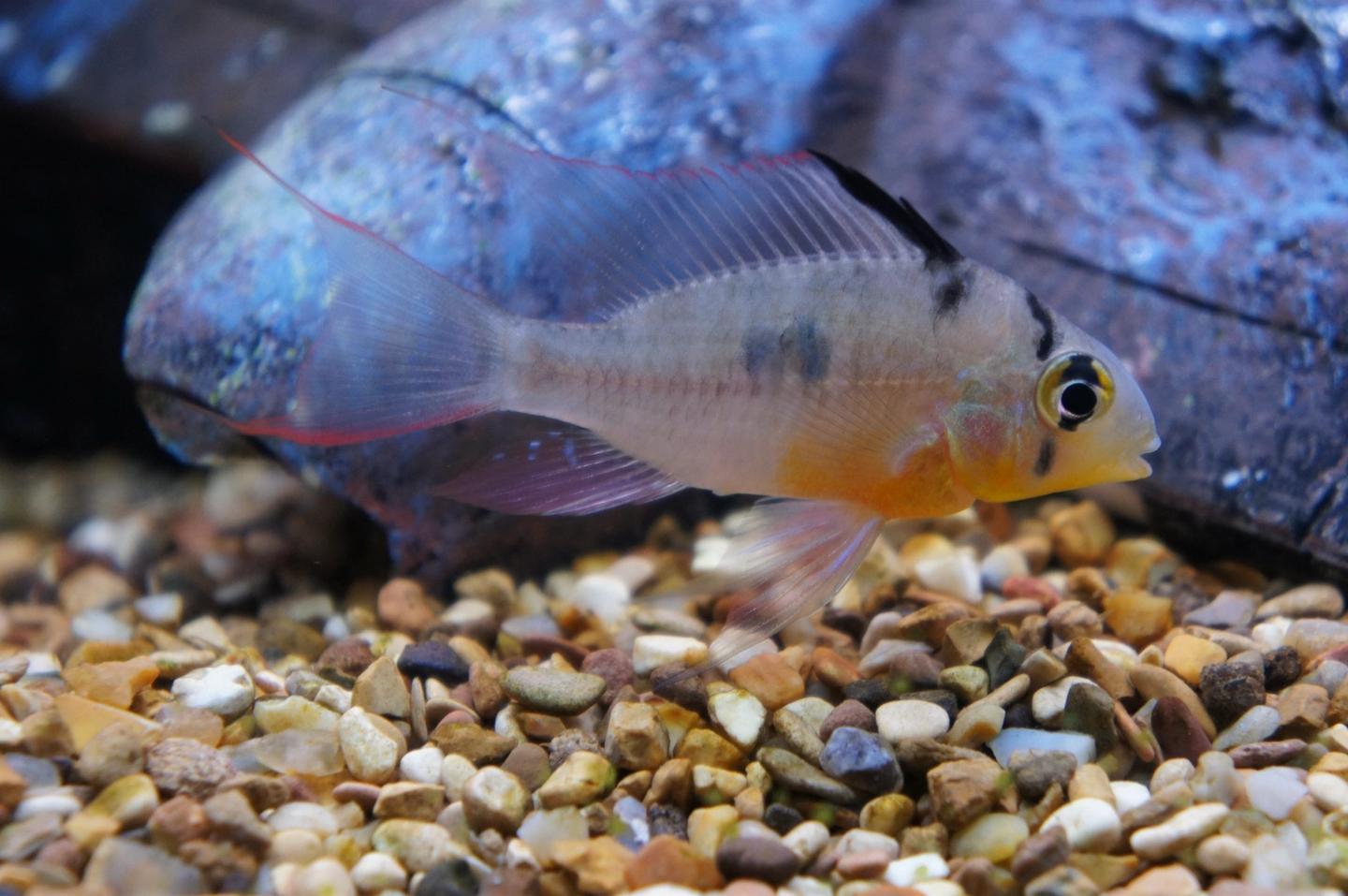
The gallery shows the deep-bodied form, vertical barring, reddish underside and long dorsal fin associated with this fish. It is useful for recognising the general appearance, but colour intensity and markings can differ between individuals.
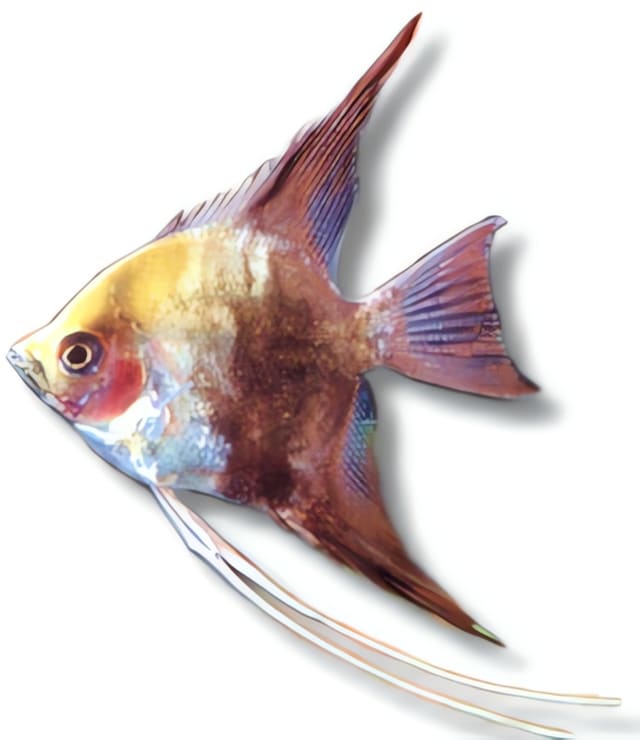
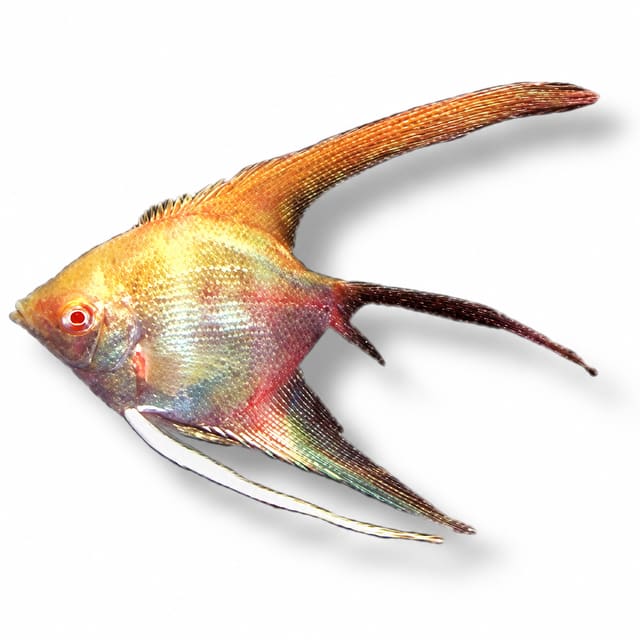
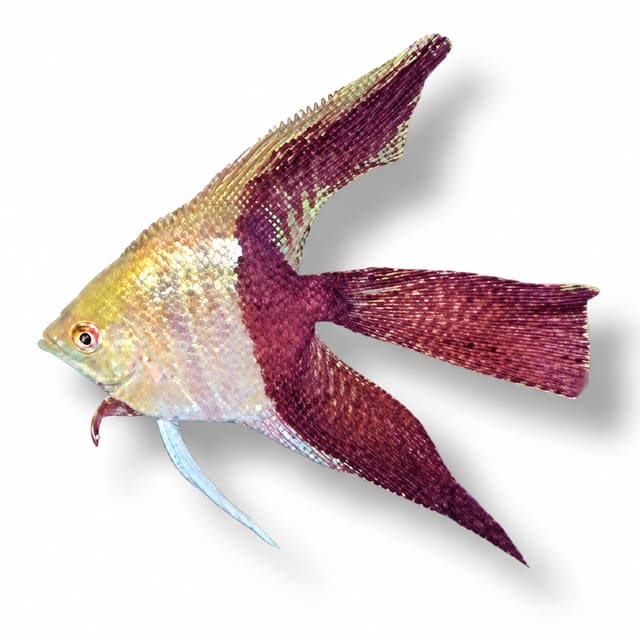
Some gallery images have been digitally enhanced to improve image quality. They show the listed type of animal rather than guaranteeing the exact markings of the individual supplied, so natural colour and pattern can vary.
Sale quantity and gallery composition are separate: an image containing two fish still represents the species, while one purchase supplies one animal. Make the size decision from the selector and the space decision from the 45 cm adult length.
Choose this fish when you can commit to a fully grown 45 cm cichlid, stable 24–28°C water and a properly matured filter. Aquarium dimensions, usable space after decoration, filtration capacity and the complete stocking plan all matter more than a single headline volume.
| Suits | Not suited to |
|---|---|
| Keepers planning around a 45 cm adult | Aquariums that cannot accommodate the fully grown fish |
| Filtered freshwater systems with stable temperature | Unfiltered tanks or newly filled systems without a mature biological filter |
| Care plans using plant- and algae-based food with suitable variety | Displays that depend on every underwater plant remaining untouched |
| Stocking plans assessed fish by fish | Plans that depend on a guaranteed sex or a universal companion list |
A larger aquarium contains more water and is less susceptible to sudden temperature and pH variation. That stability is particularly valuable when caring for a fish whose dispatch size represents only an early point in a much larger adult plan.
Plan the aquarium for a 45 cm adult from the outset. A 4–5 cm or 6–7 cm dispatch fish is not a smaller adult form, and the selected grade should never become the basis for the permanent aquarium.
OATA’s freshwater aquarium guidance is broad group guidance rather than a species-specific optimum. It advises choosing an aquarium that can accommodate the selected fish when fully grown and notes that larger aquariums are more stable than small ones.
Start with the adult length, then assess the aquarium’s internal dimensions and the room remaining after substrate, plants and ornaments are installed. Decoration provides enrichment and retreats, but it also occupies space. The fish must be able to use the finished aquarium, not the empty dimensions printed on the tank.
A litre figure by itself cannot describe shape, decor displacement, filtration or total stocking. Use those factors together to choose a suitably spacious system. If a future move to a larger aquarium forms part of the plan, arrange it before the fish outgrows the usable space; OATA advises being prepared to buy larger setups as fish grow, while its preferred approach is to accommodate the adult from the beginning.
The 45 cm maximum is the decisive reference for this fish. Do not substitute the smaller dispatch measurement when comparing aquarium dimensions, filters or potential companions.
Keep the aquarium stable within 24–28°C. FishBase records this as the species’ tropical environmental range, so use it as the bounded planning range rather than chasing the wider temperature extremes the fish may encounter or tolerate in nature.
Record pH and hardness before the fish is introduced, then keep both stable. Use pH as a weekly water-quality measure and record hardness in °dGH so proposed companions can be screened against the same measured aquarium conditions. The practical goal is a stable system in which every resident shares compatible water requirements.
| Value | Action |
|---|---|
| Temperature | Hold steadily within 24–28°C and check it regularly. |
| pH | Measure before stocking, test routinely and investigate unexpected movement. |
| Hardness | Record in °dGH and use the result when screening the whole stocking plan. |
| Ammonia | Maintain at 0 mg/L. |
| Nitrite | Maintain at 0 mg/L. |
| Nitrate | Track the trend and control accumulation through maintenance and stocking decisions. |
Test the aquarium rather than judging water by appearance. Ammonia and nitrite are toxic, while nitrate is the safer end product of biological filtration but can still build up. A clear aquarium can therefore require action even when it looks clean.
Use our water chemistry guide to understand what each test measures, then compare the actual readings with the plan using the water matcher. Record results consistently so a change can be identified before it becomes a persistent problem.
If ammonia or nitrite rises above 0 mg/L, treat that result as an immediate system warning. Review feeding, stocking, filter operation and maintenance rather than trying to conceal the reading with an unmeasured change.
Use a well set up and maintained biological filter. The RSPCA explains that aquarium filters are vital because fish release toxic ammonia; beneficial bacteria convert ammonia to nitrite and then to the safer nitrate.
Fill the aquarium, dechlorinate the water and switch on all equipment. OATA advises allowing a newly filled system 24–48 hours to settle so the correct temperature is reached and the equipment can be checked. Treat that as an equipment-settling period, then mature the biological filter before livestock is added.
Our first tropical tank guide provides a practical route through aquarium preparation and filter maturation. Follow the testing process rather than assuming that running equipment alone has created enough beneficial bacteria.
Every added fish and every increase in feeding raises the load placed on the filter. OATA advises increasing fish numbers slowly because the beneficial bacterial population must grow as stocking and feeding increase. Rapid stocking can leave too few nitrifying bacteria to process the added waste and can result in new tank syndrome.
Base filter checks on water results as well as visible flow. Look for blockages and waste accumulation, and respond if ammonia or nitrite departs from 0 mg/L. A working filter is a living part of the aquarium system, not simply a pump moving water.
Create an enriched freshwater layout while preserving enough usable room for a 45 cm adult. In nature, Redbreast Tilapia adults favour quiet, well-vegetated water along river margins, backwaters, floodplains and swamps. Use that context to provide visual structure and planting without turning the aquarium into a dense barrier.
Plants and ornaments can provide enrichment and retreats, and live plants can help remove nitrate. At the same time, every item reduces usable aquarium space. Arrange the finished layout around adult movement and access to food rather than filling every open area.
Adult Redbreast Tilapia eat leaves and stems of underwater plants as part of their wild diet. Build the planting plan around that fact: monitor plant condition and accept that plant material may become part of feeding behaviour. Avoid relying on a pristine planted display in which every stem must remain intact.
The species is a substrate spawner in nature. Pairs usually guard eggs and larvae in a steep-sided circular pit dug in mud, and tunnel-like structures have been reported at some Lake Malawi sites. This does not require a home-breeding setup, but it makes digging or focused substrate activity meaningful behaviour to observe rather than an automatic sign that the aquarium needs more decoration.
These positioning decisions reduce avoidable environmental variation. Direct sun and nearby heat can make temperature management harder, while vibration and sudden movement can disturb fish. Complete the layout and equipment checks before introduction so major changes are not needed immediately after the fish enters the aquarium.
Use plant- and algae-based food as the staple, then provide suitable variety based on insects and crustaceans. FishBase records adult Redbreast Tilapia eating underwater leaves and stems, algae, vegetative detritus, insects and crustaceans, while juveniles feed on plankton.
The dispatch measurement does not guarantee a life stage, so choose a food form the individual can take readily and judge the response directly. Keep the diet varied within the recorded plant, algae and invertebrate pattern rather than relying on one food indefinitely.
| Recorded food | Aquarium decision |
|---|---|
| Leaves and stems | Make plant-based food a central part of the routine. |
| Algae | Use an algae-based prepared food as part of the staple. |
| Vegetative detritus | Reflect the plant component through food; do not leave waste to decay. |
| Insects and crustaceans | Use suitable insect- and crustacean-based foods for variety. |
| Plankton in juveniles | Offer a manageable food form when the individual needs smaller suspended particles. |
At each feed, watch whether the fish takes the food and whether any remains. Uneaten food contributes to ammonia and increases the load on the biological filter. Reduce the portion when food accumulates, and remove leftovers rather than allowing them to become part of the substrate.
Use body condition, feeding interest and water-test trends together. A fish losing interest in food, gaining or losing condition, or leaving more food than usual needs investigation. Begin with water testing because a change in feeding response can accompany a change in aquarium conditions.
Choose a repeatable feeding routine that allows observation and prevents persistent leftovers. When changing food, watch acceptance and waste rather than increasing several foods at the same time. This makes it easier to identify which part of the diet the fish takes well and which part is adding unnecessary load to the filter.
Test water quality at least once a week, and test more frequently while setting up the aquarium or adding fish. Check temperature regularly, maintain ammonia and nitrite at 0 mg/L, and record pH and nitrate trends so changes are visible.
The frequency and size of water changes can vary with aquarium size, stocking and the fish being kept. Use the weekly tests to judge whether the core routine is controlling waste, while retaining the OATA maximum of up to 25% for the regular weekly change described here.
Learn the individual’s usual swimming, colour, temperament, breathing, body condition and feeding response. A change is more useful than a single isolated pose. Check for:
Test the water immediately when one of these changes appears. Confirm temperature, ammonia, nitrite and pH before making several alterations at once. If the fish’s health remains a concern, contact us for guidance with the water results and a clear description of the change.
Keep a simple maintenance record. Dates, test readings, water-change amounts, feeding observations and behaviour changes help distinguish a one-off event from a developing pattern and make the next decision more precise.
Prepare the aquarium before the parcel arrives. OATA advises confirming that new fish are compatible with the intended stocking plan and that ammonia and nitrite are both 0 mg/L before introduction. Check that the filter is running and the aquarium is stable within 24–28°C.
The fish is hand-bagged in pure oxygen and placed in an insulated box, with a heat pack when the weather calls for it. Follow the Tropical Fish Co delivery and Live Arrival Guarantee policy for the complete terms.
Keep the continuous video and order number. For any Live Arrival Guarantee claim, send both on the same day so the fish can be seen inside the sealed bag before anything is disturbed.
The floating period addresses the temperature transition. Water-quality readiness depends on the aquarium having already passed its tests, so confirm ammonia and nitrite at 0 mg/L before the parcel is opened. Do not use the arrival period to complete filter maturation or to make major changes to the layout.
After release, observe swimming, breathing and general condition against the normal-health checklist. If a concern develops, test the aquarium first and retain the arrival video, order details and water readings.
Screen every proposed companion against adult space, temperature, measured pH and hardness, filtration demand and observed behaviour. Companion outcomes remain individual uncertainties until the completed group is observed, so do not treat a shared cichlid label as proof that two animals will live together peacefully.
| Check | Decision |
|---|---|
| Adult space | Include the Redbreast Tilapia at 45 cm and every companion at its own adult size. |
| Temperature | Choose only residents whose requirements fit a stable 24–28°C plan. |
| pH and hardness | Compare each resident with the aquarium’s measured values before mixing. |
| Filtration | Confirm the mature filter can keep ammonia and nitrite at 0 mg/L as stocking grows. |
| Behaviour | Observe access to food, swimming room, hiding, chasing, injuries and changes in aggression. |
Aquarium capacity cannot be decided from fish count alone. Body size, water needs, compatibility and decor all affect how many fish a system can accommodate. Send the aquarium dimensions, filter details, measured water values and a list of existing animals when you ask us to assess a stocking and compatibility plan.
FishBase records Redbreast Tilapia forming schools in nature, but use that observation as context rather than a fixed aquarium number. Any proposed group must still fit the adult space and filtration plan, and each fish must retain access to food and usable room.
If you are comparing different cichlid forms and husbandry commitments, browse the South American cichlid collection as a separate comparison route. Geographic or collection grouping is not a recommendation to house those fish with Redbreast Tilapia.
Build the plan before introduction, then continue observing it. A combination that passes the initial size and water checks still needs reassessment if feeding access, hiding, breathing, body condition or aggression changes.
Use wild social behaviour to understand what you see without turning it into a compulsory aquarium number. FishBase records Redbreast Tilapia forming schools and being mainly active by day. In an aquarium, plan a group only when adult space, filtration, water values and individual behaviour can all be managed together.
This species is a substrate spawner. A male and female form a pair to rear the young, and the eggs and larvae are usually guarded in a steep-sided circular pit dug in mud. At some Lake Malawi sites, fish have also been reported digging networks of cave-like tunnels.
These observations help explain concentrated digging, substrate disturbance or guarding if those behaviours appear. They are not a reason to assume the sex of an individual, and they do not replace direct monitoring of every fish in the aquarium.
Watch whether every resident can feed, move through the aquarium and use retreats. Increased hiding, altered aggression, damaged fins or scales, loss of condition and reduced feeding are all reasons to test the water and reassess the social plan.
If chasing repeatedly prevents another fish from feeding or using the aquarium, separate the affected animals safely while the stocking plan is reviewed. Do the same when injuries or rapid loss of condition appear. The immediate goal is to restore access to food and prevent further damage, not to preserve a planned combination at the fish’s expense.
Make one change at a time where immediate separation is not required. Confirm temperature, ammonia, nitrite and pH, then review space, decor and stocking. This keeps a water-quality problem from being mistaken for a purely social one and prevents several simultaneous changes from obscuring the cause.
It reaches 45 cm total length. FishBase records that maximum, so plan the aquarium, filtration and stocking around a fully grown 45 cm fish rather than its dispatch size.
Choose an aquarium that can accommodate a 45 cm adult after décor has reduced usable space. OATA advises planning for fully grown fish and notes that larger aquariums are more stable; assess dimensions, filtration and total stocking together.
FishBase records schools in nature. Plan an aquarium group only after assessing adult space, filtration, water needs and each fish’s observed behaviour; a wild school is context rather than a fixed aquarium count.
A beginner should choose it only if they can plan for a 45 cm adult, mature the filter, keep ammonia and nitrite at 0 mg/L, test at least weekly and manage compatibility fish by fish.
Use plant- and algae-based food as the staple, with suitable variety based on insects and crustaceans. FishBase records adults eating underwater plants, algae, vegetative detritus, insects and crustaceans in nature.
Keep this fish stable at 24–28°C, FishBase’s recorded tropical environmental range. Measure pH and hardness before stocking, keep them stable, and choose companions whose water requirements match the aquarium.
Treat aggression and fin-nipping as individual behaviour to monitor, not a promised species trait. FishBase records pairs guarding eggs and larvae; respond to persistent chasing, injuries, hiding or blocked access to food by reassessing the group.
Choose companions only after checking adult space, temperature, pH, hardness, filtration demand and observed behaviour. Assess the complete stocking plan and continue monitoring every animal after introduction.
Start filming the sealed parcel before opening it or floating the bag. The fish is hand-bagged in pure oxygen in an insulated box, with a heat pack when weather calls for it. Tropical Fish Co’s policy says to receive it in person, open and inspect it the same day in one continuous take, show the fish inside the sealed bag, float the bag for 20–30 minutes, release it without pouring bag water into the aquarium, and keep the video and order number for any Live Arrival Guarantee claim.
No reviews for this item yet. Bought one? Honest reviews only, good or bad.
What customers say about ordering from us
I have a small group of long finned mountain minnows. So was delighted to be able to order ten of this variety to increase the genetics in my tank . The ones I recieved are healthy but it’s to early to give a verdict on wether they are of a long finned type since they are small currently.
Gordon Walker · 23 Sept 2026
100% success travel and "installation". Pleased with quality of purchase. The Siamese fighter a bit "shy" so have not yet seen him at his best yet but looking good. Happy customer. GG
George E Garratt · 21 Sept 2026
Reviews of our shop, collected by Judge.me, an independent third-party review collector. Newest first.