Moderate
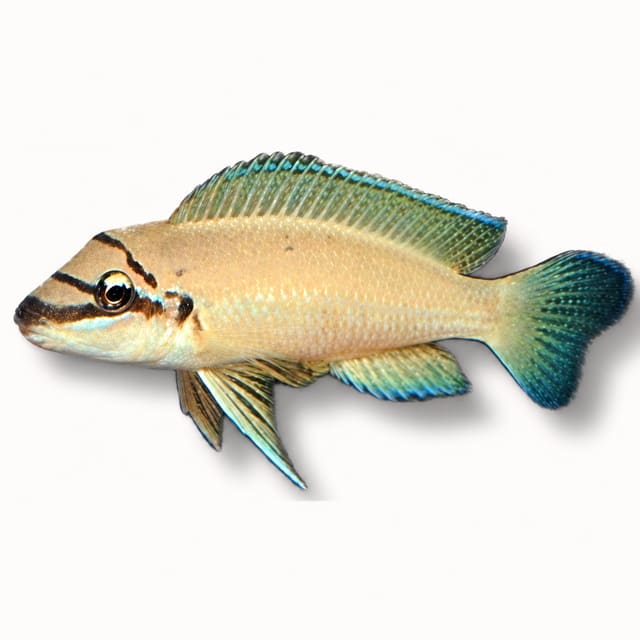
Brichard’s Chalinochromis (Chalinochromis brichardi)
24–27°C · pH 8–9
£14.19

A striking Tanganyikan cichlid with a red-spotted pattern and lively personality, ideal for a hard, alkaline species tank. Moderate care, semi-aggressive. 24-27C, pH 7.5-8.5.
Callochromis pleurospilus
Save when buying more.
Confirm your email, then we’ll send an availability message for this exact item if it returns within 180 days.
This request is only for this product—no newsletter or other promotions. A mail-provider retry may very rarely duplicate the same availability message. Unconfirmed addresses are removed after 48 hours. See our privacy policy.
A striking Tanganyikan cichlid with a red-spotted pattern and lively personality, ideal for a hard, alkaline species tank. Moderate care, semi-aggressive. 24-27C, pH 7.5-8.5.
Maintain these water conditions for optimal health and vibrant colors
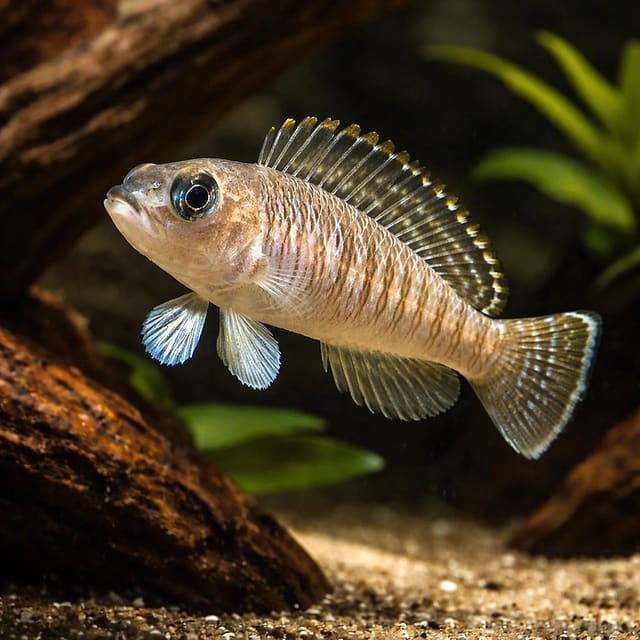
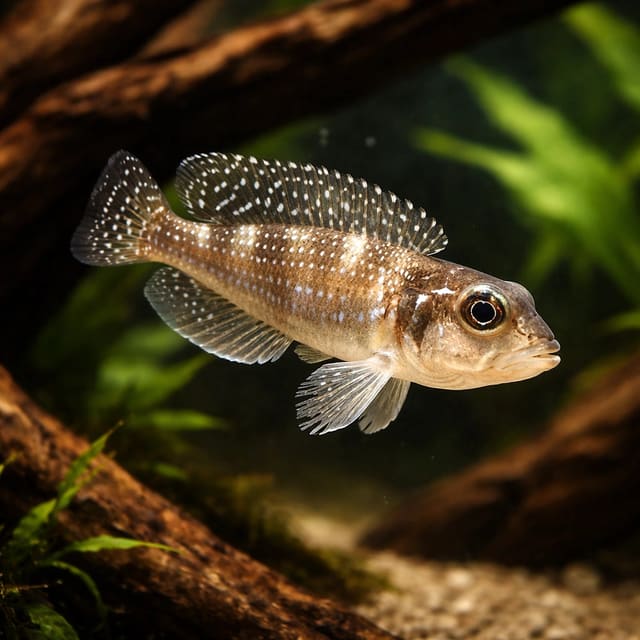
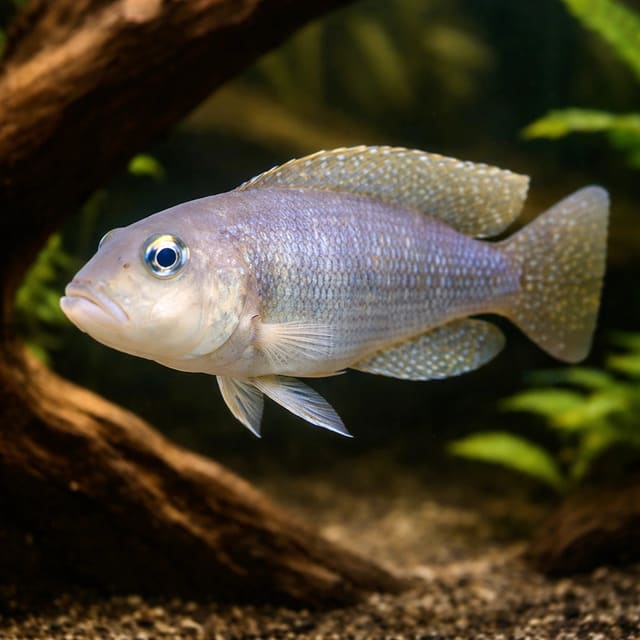
A regional form named for its Utinta locality, the Redspot utinta Callochromis (Callochromis pleurospilus utinta) brings the active, ground-working character of its group to a spacious Tanganyikan aquarium. Growing to around 4.5cm, it is a lively bottom-dweller that needs room to roam.
What sets this form apart in our care notes is the space it asks for: a minimum of 300 litres, reflecting its need for an expansive open footprint rather than a crowded tank. It is a carnivore and micropredator that works the substrate for small foods, and it does best in hard, alkaline water kept clean and stable.
Its temperament is semi-aggressive and it can become territorial, so generous floor area helps individuals spread out and reduces friction. This is a fish for keepers building a dedicated Rift-lake display with the volume to do it justice.
The headline requirement here is space. With a 300-litre minimum, this form needs a genuinely large footprint where it can patrol and work the substrate without crowding. Hold the temperature between 24 and 27°C, the pH from 7.5 to 8.5 and hardness across 10 to 30 dGH, and keep the water clean and stable to match its bottom-dwelling habits.
As a carnivore and micropredator it forages along the floor for small meaty foods, so a varied frozen and live diet keeps it in condition. In a big enough tank its semi-aggressive streak has room to dissipate, letting individuals settle into their own areas - a far more relaxed picture than the same fish would present in cramped quarters.
Suitable companions include other Lake Tanganyika cichlids of similar size and temperament and Synodontis catfish from Lake Tanganyika. Keep away from small community fish, very aggressive large cichlids, fin-nipping species, soft-water fish and overly timid species. Your order travels with a licensed live-animal courier under the protection of our live arrival guarantee. Give it the full footprint it needs from the outset rather than upsizing later.
No reviews for this item yet. Bought one? Honest reviews only, good or bad.
What customers say about ordering from us
I have a small group of long finned mountain minnows. So was delighted to be able to order ten of this variety to increase the genetics in my tank . The ones I recieved are healthy but it’s to early to give a verdict on wether they are of a long finned type since they are small currently.
Gordon Walker · 23 Sept 2026
100% success travel and "installation". Pleased with quality of purchase. The Siamese fighter a bit "shy" so have not yet seen him at his best yet but looking good. Happy customer. GG
George E Garratt · 21 Sept 2026
Reviews of our shop, collected by Judge.me, an independent third-party review collector. Newest first.