Redspot Callochromis — tropical fish for sale UK — AI hero driftwood view

Callochromis pleurospilus

Redspot Callochromis (Callochromis pleurospilus) — 4-5cm

Advanced Care
Semi-Aggressive
£10.99In Stock

A striking Tanganyikan sand-dwelling cichlid with subtle beauty and fascinating breeding behavior, best kept in a specialized hard-water aquarium. Difficult care, semi-aggressive. 24-28C, pH 7.8-9.0.

care:difficultdiet:carnivore / micro-predatorfamily:cichlidaeorigin:africasite:tropical-fish-cosize:smalltemperament:semi-aggressivetype:freshwater-fish

Care at a Glance

Scientific Name
Callochromis pleurospilus
Adult Size
4 cm
Lifespan
8 years
Care Level
Difficult
Temperament
Semi-aggressive
Temperature
24–28°C
pH Range
7.8–9
Hardness
10–20 dGH
Minimum Tank
150L
Diet
Carnivore / micro-predator

Water Parameters

Maintain these water conditions for optimal health and vibrant colors

Temperature
24–28°C
24°CIdeal Range28°C
pH Level
7.8–9
7.8Ideal Range9
Water Hardness
10–20 dGH
10 dGHIdeal Range20 dGH

Overview

The Callochromis pleurospilus, commonly known as the Redspot Callochromis or Red-Spotted Callochromis, is a striking Lake Tanganyika sand-dwelling cichlid reaching 4 cm while requiring difficult-level care including a minimum 150-litre aquarium and exceptional water quality. This semi-aggressive carnivore displays fascinating substrate-sifting behavior and subtle beauty, but demands pristine hard alkaline water, sandy substrate, and careful management making it suitable only for experienced Tanganyikan specialists. Endemic to Lake Tanganyika (excepting the southern end) over sandy bottoms near rocks, this species rewards dedicated keepers with specialized breeding behavior and elegant appearance. Available for sale UK from Tropical Fish Co, this rare freshwater fish uk brings authentic Tanganyikan sand-dwelling character to advanced aquarists' setups, offering one of the lake's most refined and behaviorally interesting species for those ready to provide exacting care.

Appearance

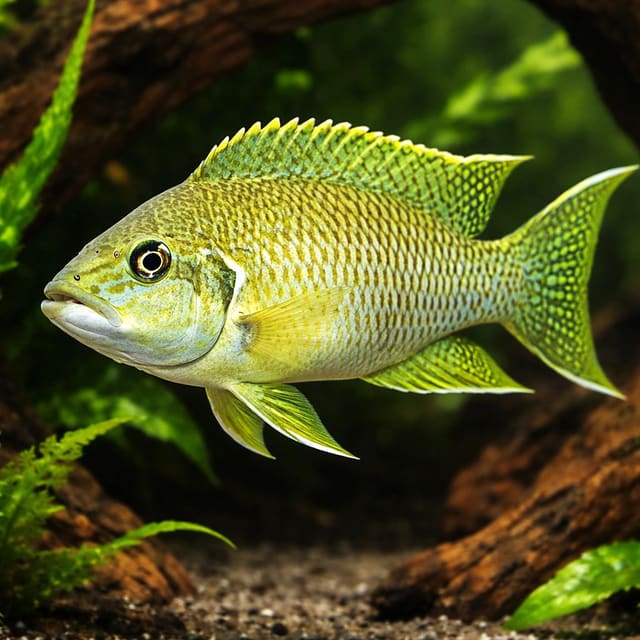
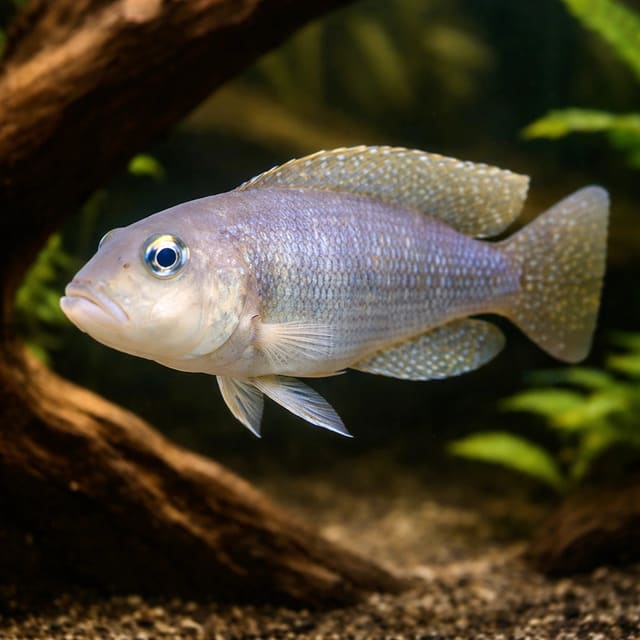
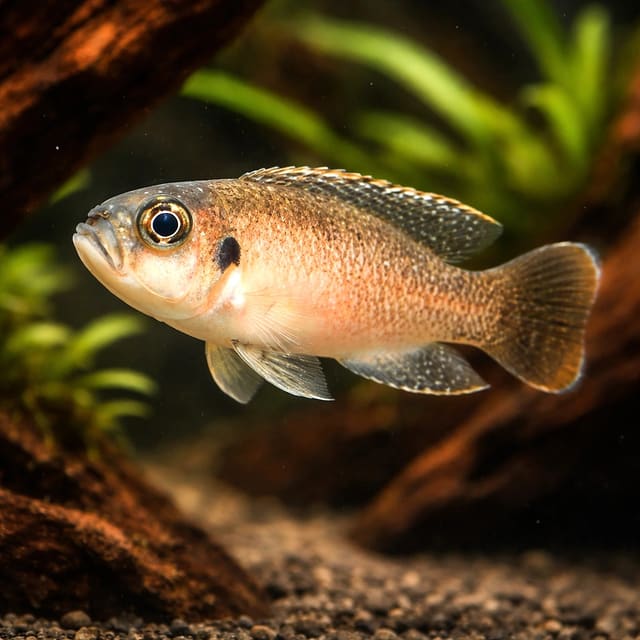
Callochromis pleurospilus displays elegant, streamlined proportions characteristic of sand-dwelling Tanganyikan cichlids, with the common name "Redspot" referencing distinctive reddish markings that develop on males, particularly during breeding periods. Base coloration typically includes silvery-grey to tan tones with subtle iridescence and the characteristic red spots creating visual interest and aiding species identification. The slender, elongate body plan reflects adaptations for life on open sandy substrates, while the compact 4 cm adult size creates refined rather than imposing presence. Males develop more intense coloration and pronounced red spotting during breeding displays and territorial defense, transforming from subtle everyday appearance to striking breeding dress. While not displaying the bold blues and yellows of rock-dwelling Tanganyikans, the species' refined beauty, interesting markings, and specialized sand-dwelling behavior create substantial appeal for advanced aquarists appreciating subtle elegance over gaudy coloration.

Natural Habitat

Endemic to Lake Tanganyika (excluding the southern regions), Callochromis pleurospilus inhabits sandy bottoms with nearby rocks—occupying the interface between open sand flats and rocky zones. The lake's unique chemistry—pH 7.8-9.0, very hard water, exceptional clarity, and stable temperatures of 24-28°C—has driven extraordinary specialization. This species establishes territories on sandy areas near rock shelter where it continuously sifts substrate searching for invertebrate prey buried in sand. The sandy-bottom habitat with nearby rocky cover provides both feeding territory and escape routes from predators, creating the specialized niche this species exploits. The species' preferred habitat consists of areas where sand meets rock, providing optimal access to both foraging grounds and shelter—a habitat type requiring careful replication in aquarium settings for the species to display natural behaviors and maintain long-term health.

Water Parameters

  • Temperature: 24-28°C
  • pH: 7.8-9.0
  • Minimum Tank Size: 150 litres
  • Hardness: Very hard, alkaline water; excellent quality essential

Aquarium Setup

A minimum 150-litre aquarium provides adequate space for Callochromis pleurospilus, with larger volumes supporting more elaborate sandy areas and additional compatible tankmates. Create specialized Tanganyikan sand-dwelling biotope with substantial areas of fine sand substrate providing foraging and territorial space, along with rock structures at one end offering caves and visual shelter. Provide open sand for natural behavior—this species requires space to establish sandy territories and display substrate-sifting feeding. Avoid plants as they're inconsistent with sandy Tanganyika biotopes. Install powerful filtration providing 8-10x tank volume turnover per hour minimum to maintain the pristine, highly oxygenated water this species demands, with strong water movement this sand-dweller tolerates well. Excellent filtration is essential given the suspended particles generated by constant sand-sifting behavior. Maintain exceptional water quality through religious maintenance—this difficult-rating species shows limited tolerance for declining conditions or organic accumulation.

Water Parameters

Replicating Lake Tanganyika's specialized chemistry with exceptional stability is absolutely essential for this difficult species. Maintain pH between 7.8-9.0 using substantial alkaline buffering substrates such as coral sand or aragonite, preventing any pH drops that severely stress Tanganyikan cichlids. Water hardness must be very high (15-25 dGH), achieved through naturally hard tap water or remineralizing RO water with Tanganyika-specific supplements. Temperature should remain rock-stable within 24-28°C—avoid fluctuations. Conduct twice-weekly water changes of 30-40% to maintain pristine conditions, keeping nitrates below 30 mg/L (lower than typical standards), with ammonia and nitrite always at 0 ppm. This difficult-rating species evolved in exceptionally pristine conditions and shows notably less tolerance for organic accumulation than hardier Tanganyikan cichlids. Test parameters weekly without exception, maintaining stability as important as absolute values. Provide excellent filtration with stable conditions—success with this species demands dedication exceeding typical Tanganyikan care standards.

Feeding

As a dedicated carnivore/micro-predator, Callochromis pleurospilus requires protein-rich nutrition replicating the small invertebrates it extracts from sand through specialized sifting behavior. Offer small meaty foods including quality small cichlid pellets formulated for carnivorous species, frozen/live mysis shrimp, brine shrimp, daphnia, and other small invertebrate foods sized appropriately for the species' 4 cm size. Vegetable matter is not necessary for this carnivorous species. The natural feeding behavior involves continuously sifting sand to extract buried invertebrates, meaning the species feeds in small increments almost constantly rather than large infrequent meals. Replicate this by offering frequent small feedings (3-4 times daily) of sinking foods that reach substrate where the species feeds naturally. Conservative feeding maintains the pristine water quality this sensitive species requires—overfeeding degrades conditions and stresses fish showing limited tolerance for declining water quality.

Expert Tip: To encourage natural sand-sifting behavior in Callochromis pleurospilus, use very fine, smooth sand (0.5-1mm grain size) rather than coarser substrates. The species takes mouthfuls of sand, filters it through gills to extract food particles, then expels cleaned sand—this fascinating behavior only occurs properly with fine sand that can pass safely through gill rakers without causing injury.

Behaviour

Callochromis pleurospilus displays semi-aggressive territorial behavior with individuals or pairs establishing territories on open sandy areas near rocky shelter. The species' most distinctive behavioral trait is continuous substrate-sifting—methodically working territories by taking mouthfuls of sand, filtering through gills to extract invertebrates, then expelling cleaned sand. This creates constant gentle disturbance of substrate surface and suspended particles requiring excellent filtration. Aggression levels remain semi-aggressive with males defending territories especially during breeding, though typically less belligerent than rock-dwelling Tanganyikan cichlids. The species demonstrates intelligence and complex social behavior, establishing hierarchies and learning feeding schedules. Breeding intensifies territorial behavior dramatically. The elegant appearance combined with specialized feeding behavior and refined movements creates endless observation opportunities for advanced keepers who appreciate subtle behavioral complexity over gaudy displays—a species for aquarists valuing behavioral authenticity and specialized adaptations.

Tank Mates

Compatible tankmates include other Lake Tanganyika cichlids of similar size and temperament, particularly other sand-dwelling Tanganyikan cichlids occupying similar niches without excessive competition. Robust Tanganyikan catfish of appropriate size work as bottom-dwellers. Completely avoid small community fish, highly aggressive territorial cichlids that may dominate or injure, fin-nipping species, soft-water fish—complete incompatibility with Tanganyikan requirements, and very small invertebrates that will be consumed. Males can become territorial toward conspecifics, so provide extensive sandy areas if housing multiple individuals or groups. Best kept in specialized Tanganyikan sand-dwelling communities showcasing the lake's diverse substrate-dwelling species, or in mixed Tanganyikan setups with careful attention to territorial requirements and compatibility. The difficult care rating means tankmate selection requires experience-based judgment—research compatibility thoroughly and monitor interactions closely during establishment periods.

Breeding

Callochromis pleurospilus is typically a substrate spawner associated with sandy areas, though specific breeding behavior details vary among sources. Provide open sand areas, caves or rock cover nearby, and stable Tanganyikan water chemistry maintained in pristine condition. Pair formation and successful spawning are best achieved in species tanks or carefully managed specialized Tanganyikan setups dedicated to sand-dwelling cichlids. Males establish territories on sandy areas and court females through displays. Spawning likely occurs on prepared sandy depressions or flat surfaces, with parental care varying by individual. Fry are quite small, requiring infusoria or liquid fry food initially before progressing to newly hatched baby brine shrimp. Raising fry demands exceptional water quality and dedication to maintenance, making breeding this difficult species an advanced undertaking. Success rates improve when breeding pairs are provided dedicated aquariums with optimal conditions and minimal disturbance during vulnerable spawning and fry-rearing periods.

Why Buy from Tropical Fish Co

Tropical Fish Co specializes in lake tanganyika cichlids, offering exceptional quality Callochromis pleurospilus for experienced aquarists seeking Lake Tanganyika's most refined and behaviorally specialized species. Our fish arrive meticulously acclimatized and health-guaranteed, backed by honest comprehensive guidance about this species' difficult care rating, sensitivity to water quality, and demanding maintenance requirements. We provide expert advice on creating specialized sand-dwelling biotopes, maintaining the pristine conditions this species demands, and realistic assessment of whether your experience level and dedication can accommodate this challenging cichlid. With decades of combined experience keeping Lake Tanganyika's most demanding species, we ensure you understand both the substantial rewards and significant challenges before committing. Order your Redspot Callochromis from the UK's premier source for rare freshwater fish uk and experience one of Lake Tanganyika's most elegant and behaviorally fascinating sand-dwelling species—provided you have the expertise and dedication this beautiful but demanding fish requires.

Premium Quality

Healthy, vibrant fish from trusted suppliers

Expert Care

Detailed care guides and support

Live Arrival Guarantee

Your fish arrives healthy or we'll replace it

Acclimated

Properly quarantined and ready for your tank