Linn's Haplochromis (Nimbochromis linni)
23–25°C · pH 8–8.5
£36.99

A colourful Lake Malawi hap for hard-water aquariums, with strong male display colour, natural care tables, size guidance and Live Arrival Guarantee on eligible livestock orders.
Adult size is the maximum length this species reaches at full maturity (scientific sources). The livestock you receive will be younger and smaller — pick a size variant above for the actual shipping size. Product-photo provenance and any image-specific limitations are stated on the listing.
Otopharynx lithobates
Save when buying multiple fish. Each quantity is one fish; sex and pair formation are not guaranteed unless the selected variant explicitly states them.
A colourful Lake Malawi hap for hard-water aquariums, with strong male display colour, natural care tables, size guidance and Live Arrival Guarantee on eligible livestock orders.
Adult size is the maximum length this species reaches at full maturity (scientific sources). The livestock you receive will be younger and smaller — pick a size variant above for the actual shipping size. Product-photo provenance and any image-specific limitations are stated on the listing.
Cichlids are a family of roughly 1,800 accepted species, not one care type. Before buying, identify the exact species and source, then compare adult measurement, usable tank dimensions, social system, territory, tested water, diet and an exit plan. No family-wide minimum tank, water range or tank-mate list is safe.
Maintain these water conditions for optimal health and vibrant colors
Red-Top Trematocranus is the trade name on our stock records for Otopharynx lithobates, a colourful Lake Malawi hap also known in the hobby as Red Top Lithobates or the Sulphur-headed Hap. Some older stock feeds use variant spellings for this fish, so the customer-facing listing has been normalised to the accepted name used by the main references checked for this page.
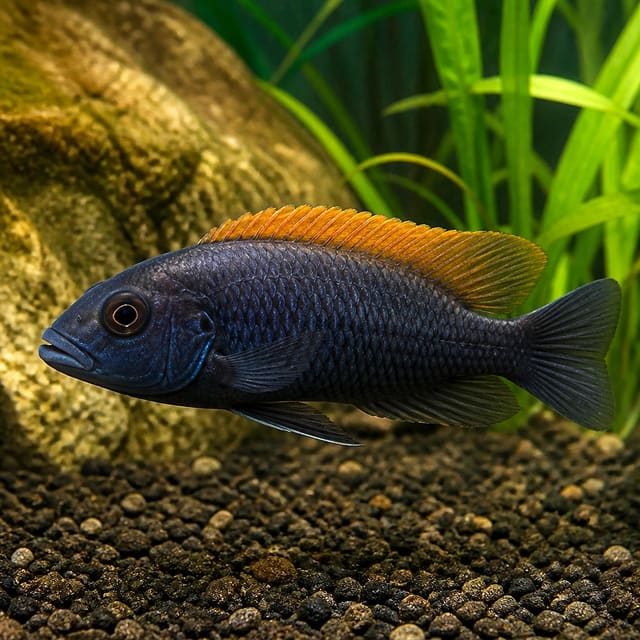
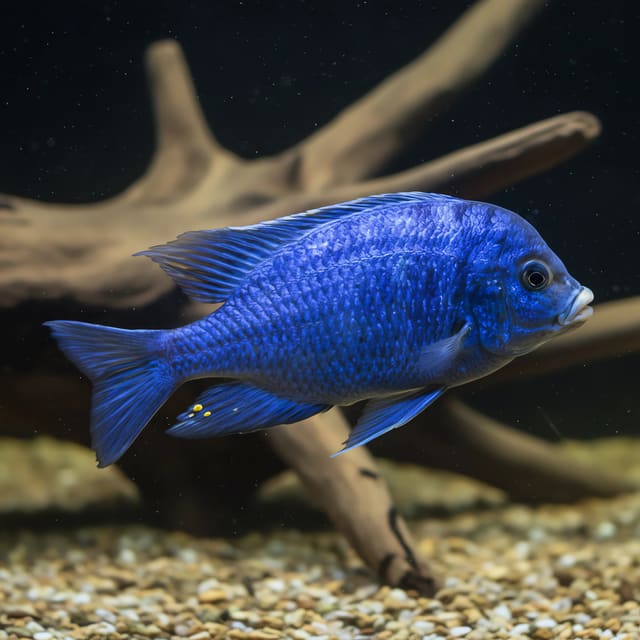
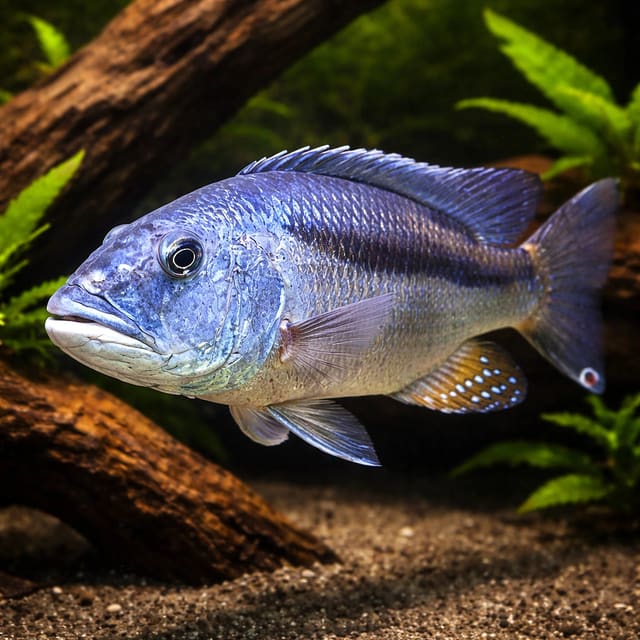
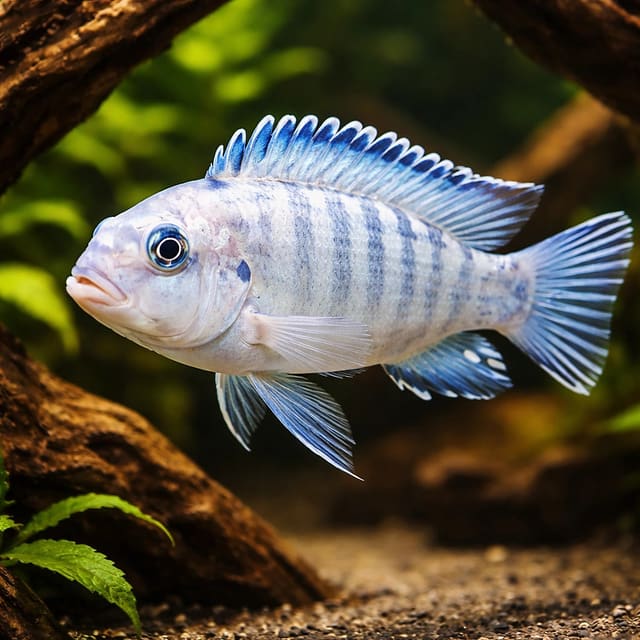
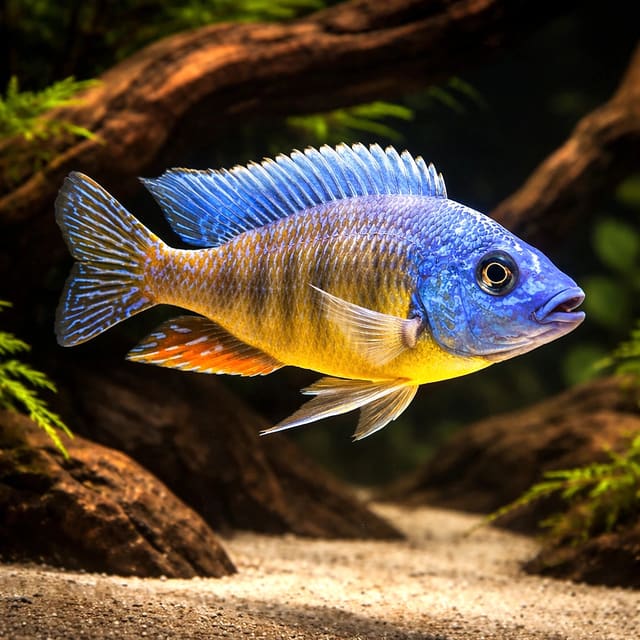
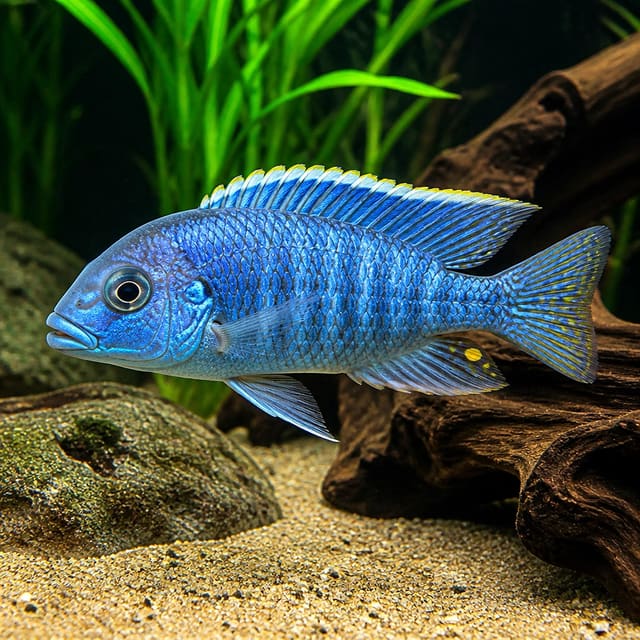
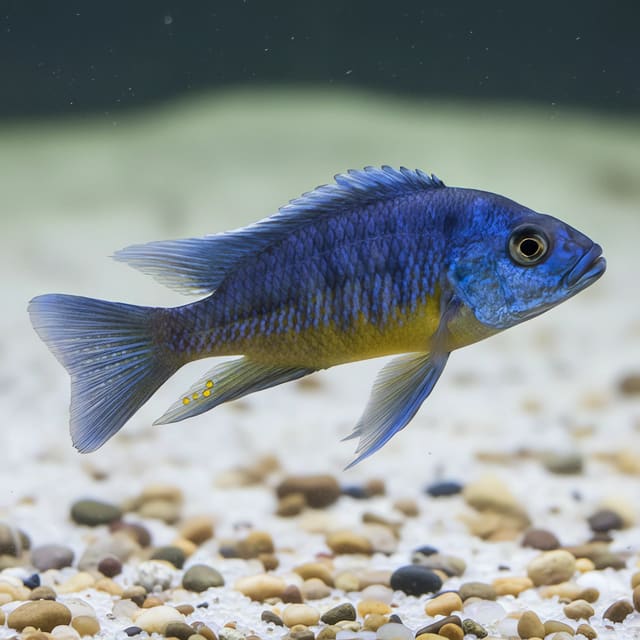
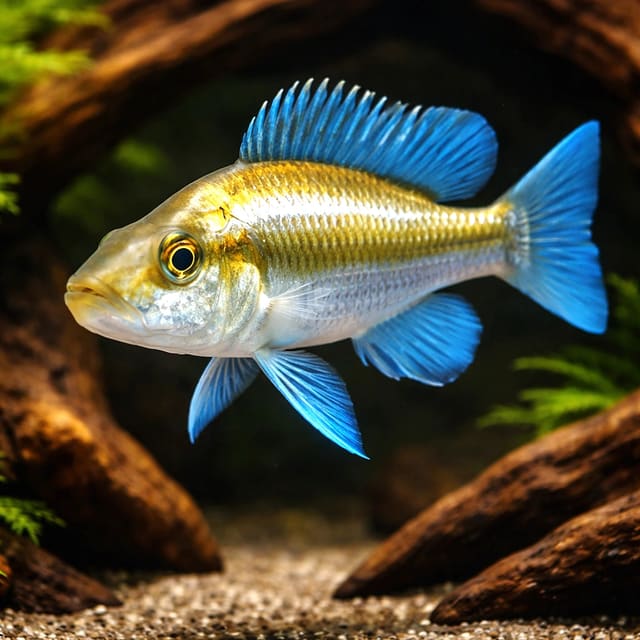
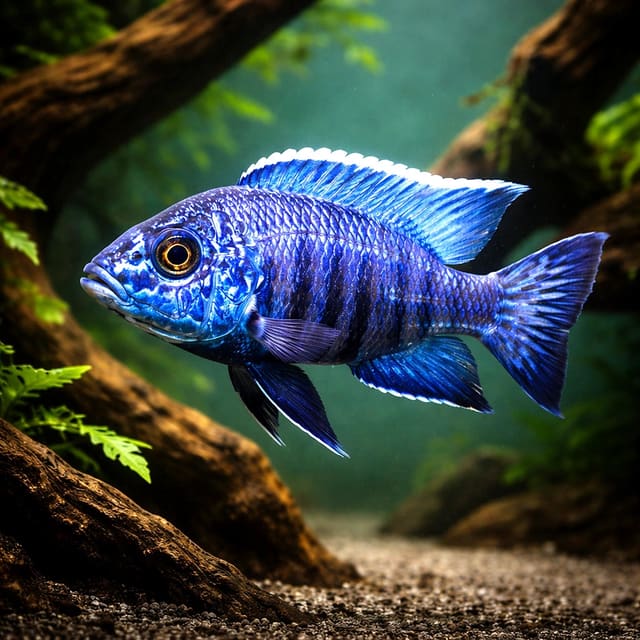
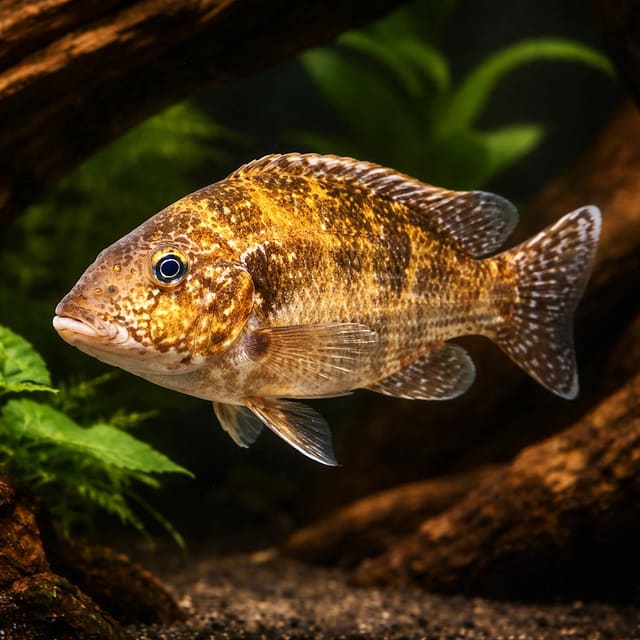
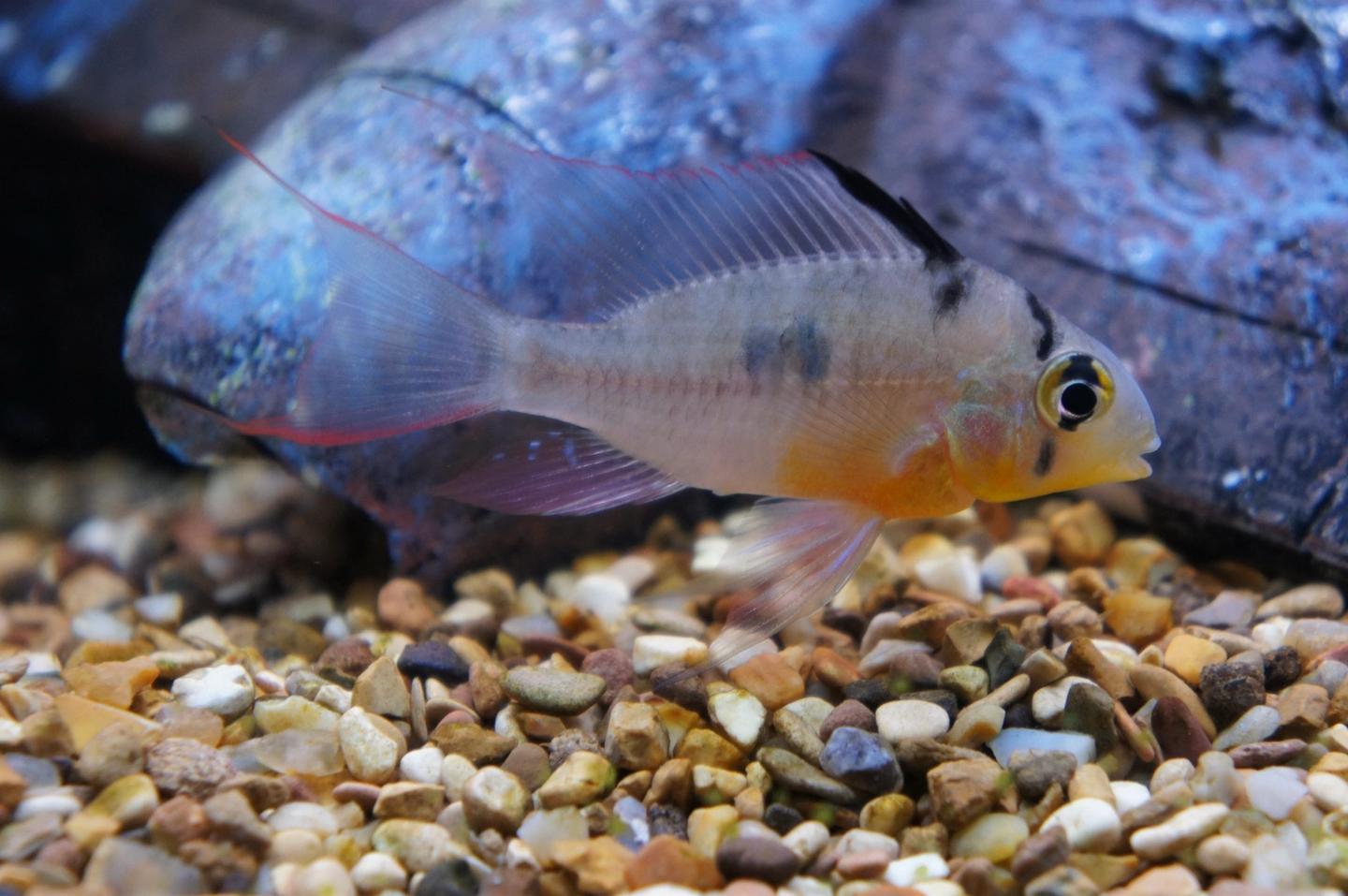
This is a Malawi cichlid for a keeper who wants colour and behaviour rather than a quiet community fish. Adult males can show a blue body with a bright yellow, orange or red blaze along the head and dorsal area, while females and young fish are more silver-grey. It is usually calmer than the roughest mbuna, but adult males still hold territories, display strongly and need room for females and other fish to move away.
| Care area | Best target for Red-Top Trematocranus |
|---|---|
| Water style | Hard, alkaline Lake Malawi water with stable minerals and strong filtration. |
| Temperature | 24-27C for everyday care, with stability more important than chasing a single number. |
| Adult planning | Allow for males around 15-16 cm and give the group open swimming space plus rock structure. |
| Temperament | Moderate Malawi hap behaviour: calmer than many mbuna, but territorial adult males still need room. |
| Diet | Quality Malawi cichlid pellets, frozen foods and vegetable matter in sensible rotation. |
This table is a quick planning view only. The sections below keep the fuller care notes so you can judge whether Otopharynx lithobates is right for your aquarium before ordering.
The listed 3-4 cm fish are juveniles, so expect them to colour and fill out as they grow. At this size they are easier to settle into an existing Malawi aquarium than a fully mature dominant male, but they still need adult planning from day one. The larger sibling sizes on this product use the same parent listing and care guidance; availability changes with our stock records, while the care requirement stays the same.
If you are building a new group, avoid buying one small fish and placing it straight into a tank of large, established, territorial cichlids. Match size and temperament wherever possible. For best long-term results, add new Malawi cichlids after a water change, rearrange a little rockwork if needed, and watch the first few hours for bullying.
| Size option | Best use | What to expect |
|---|---|---|
| 3-4 cm | Best for growing into a Malawi community. | Juvenile colour, easier settling, needs long-term adult tank planning. |
| 4-5 cm | Good when available if you want a little more body size. | Still young, with sex and final male colour not always fully visible. |
| 6-7 cm | Useful for matching with slightly larger existing haps. | More presence and faster progress toward adult behaviour. |
| XL | For larger established Malawi aquariums only. | Higher visual impact, but stronger territorial planning is needed. |
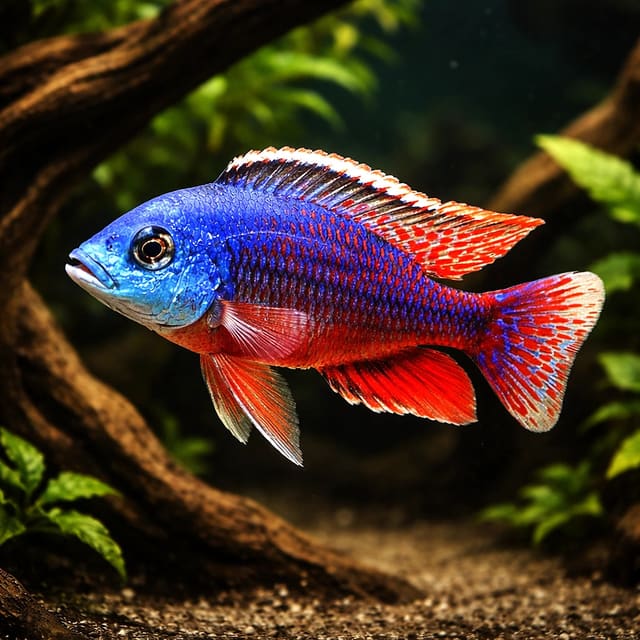
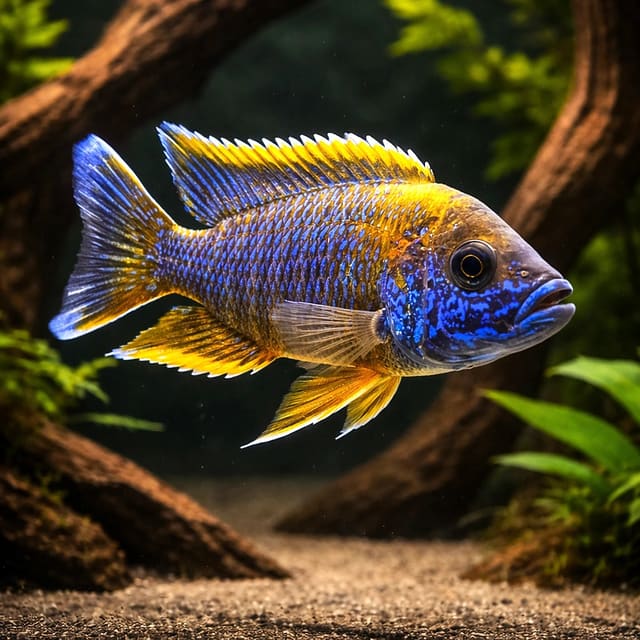
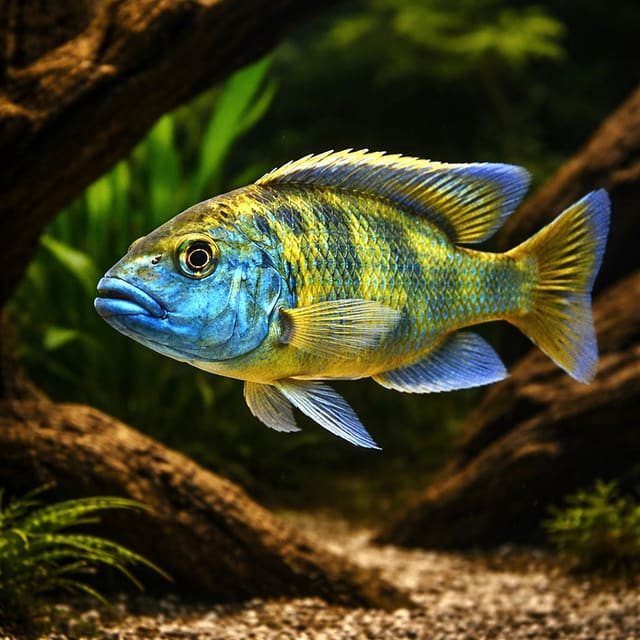
The attraction is the adult male colour. A settled male can become electric blue through the body, with the warm blaze over the head and dorsal region that gives the fish its Red-Top name. The exact colour can vary by population, mood and maturity, so juveniles should not be judged by their first-week appearance. Females are plainer, which is normal for this species, and that difference helps reduce constant display pressure in a mixed group.
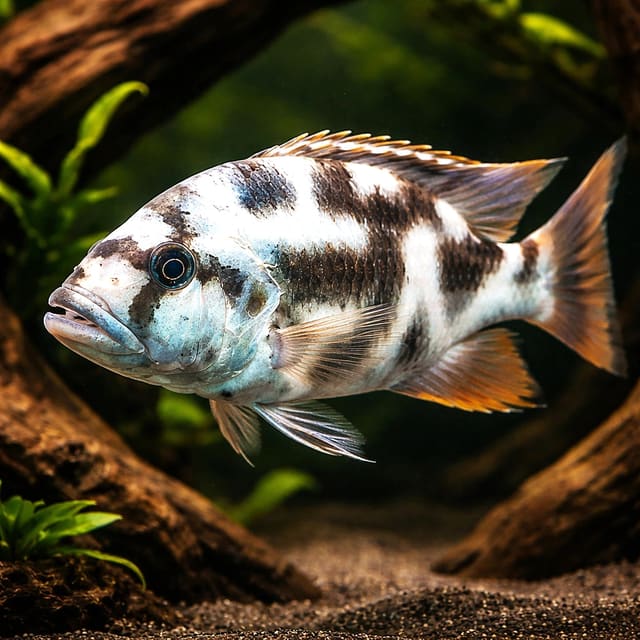
The body is robust but not bulky like the largest predator haps. Expect a confident, alert fish that uses both rockwork and open swimming lanes. Three darker flank marks can show depending on mood, and males may intensify dramatically when displaying, defending a chosen cave or courting females.
This fish earns its place when it matures. Under bright but natural aquarium lighting, the male's blue body and warm dorsal blaze give a clean contrast against pale sand and darker rock. It is especially effective in a mixed hap and peacock display where yellow, blue and metallic tones appear across the group without the tank becoming visually chaotic.
Do not expect the full adult colour on arrival from a juvenile. Shipping, hierarchy and a new aquarium can mute colour for a while. Good water, stable tank mates and time are what bring the display back. That is one reason this listing keeps detailed setup guidance rather than only a sales summary: the colour depends on husbandry.
Otopharynx lithobates is endemic to Lake Malawi in East Africa. FishBase records it from the southern part of the lake, in freshwater, demersal rocky habitat down to about 10 m. Practical Fishkeeping describes different colour forms from several Lake Malawi localities, which is why hobby labels can vary between Red Top Lithobates, sulphur-head forms and local population names.
In nature this is not simply a high-protein predator. FishBase notes cave and rocky habitats and feeding by picking edible material from the substrate, while Aquarium Glaser records plankton feeding in aquarium trade fish. In the aquarium, that means a varied, not excessive, diet works better than constant rich meaty feeding.
Choose Red-Top Trematocranus if you already keep, or are ready to build, a proper Lake Malawi aquarium. It is a good fit for keepers who enjoy watching social hierarchy, male display colour and active feeding behaviour. It is not the right choice for a planted soft-water community, a nano aquarium or a peaceful mixed tropical setup with tetras, rasboras and dwarf cichlids.
If your aquarium is still cycling, wait. Malawi cichlids are hardy only after the system is mature and stable. Ammonia or nitrite spikes are far more dangerous than a missed feeding, and this species deserves clean water from the first day.
Plan the aquarium like a Lake Malawi hap and peacock system: sand or fine gravel, strong filtration, stable alkaline water, rock piles for territories and clear open space for cruising. A 120 cm tank length is a sensible starting point, but the safer recommendation for a mixed adult group is 300 litres or more. If you want several individuals, or you are mixing them with other Malawi cichlids, 400 litres or more gives a much calmer result.
Use rockwork to create broken sight lines, not a single wall of caves. Male Otopharynx lithobates can become pushy around display sites, so females and lower-ranking fish need several escape routes. A tight lid is sensible for active Malawi cichlids, especially during settling and feeding.
Leave some open water at the front and centre of the tank. This gives the fish room to feed and display without every interaction becoming a chase through tight caves. Hard plants such as Anubias or Vallisneria may be tried in some Malawi systems, but this is not a plant-centred fish; rock, sand and stable water matter more.
| Tank feature | Recommended approach | Why it matters |
|---|---|---|
| Rockwork | Create caves, edges and broken sight lines without filling all swimming space. | Males can display and hold areas while weaker fish can move away. |
| Open water | Keep a clear front or central swimming lane. | This is a hap, so it benefits from more cruising room than a rock-only mbuna layout. |
| Filtration | Use strong biological filtration and steady oxygenation. | Malawi cichlids feed well and appreciate clean, stable water. |
| Lighting and colour | Use clear white aquarium lighting with darker rock or substrate if possible. | The blue body and red/yellow head blaze show best against contrast. |
Keep the water hard, alkaline and very clean. Aim for 24-27C, pH around 7.8-8.5, and moderate to hard mineral content. Fishipedia gives 23-28C and pH 7.5-8.5; the supplied care band is 24-26C, pH 7.5-8.5 and 10-30 dGH. Aquarium Glaser adds the useful practical warning that the pH should not be allowed to sit below 8 long term for Malawi cichlids.
Weekly water changes are strongly recommended. This species handles normal Malawi conditions well, but it should not be pushed into soft, acidic or unstable water. Avoid big swings in temperature or pH during acclimation.
Use a mature filter and do not let nitrate creep up between maintenance sessions. Fishipedia's general guidance is to keep nitrate below 50 mg/L, but lower is better for a display tank. A weekly 25-30% water change is a practical routine for most mixed Malawi aquariums, adjusted to stocking level and feeding.
Feed a varied Malawi cichlid diet. A good staple pellet or flake can be supported with mysis, brine shrimp, krill, daphnia and occasional finely chopped aquatic invertebrate foods. Because this fish naturally takes detritus, plankton and edible material from rocky habitats, it is worth including some vegetable or spirulina content rather than feeding only rich protein.
Small feeds once or twice a day are better than heavy meals. Malawi cichlids do best when water stays clean and digestion stays steady. Remove uneaten food quickly, especially while new fish are settling.
Because the natural diet includes small edible items, detritus and plankton-like food sources, variety matters more than one extreme. Watch the belly rather than just appetite: a healthy fish should look full but not swollen, and should stay active between meals. If the tank is dominated by greedy cichlids, spread food across the surface so less dominant fish can feed too.
Think of Red-Top Trematocranus as a moderately territorial Malawi hap. It is often less brutal than very aggressive mbuna, but dominant males will display, chase and claim space. Good tank mates are robust Lake Malawi peacocks and haps of similar size that enjoy the same hard-water conditions. Avoid tiny community fish, soft-water species, delicate slow feeders, and very aggressive cichlids that will turn the tank into a constant contest.
A male with several females is usually easier than two competing males in a small space. If keeping more than one male, use a large aquarium with multiple territories and watch behaviour closely.
Good companions include many Aulonocara, Placidochromis, Copadichromis and other not-too-aggressive Malawi haps, provided the aquarium is large enough. Similar-looking males may argue more, so avoid building a tank entirely from blue/yellow territorial males unless there is serious space. Synodontis catfish suited to hard water can also work well in larger setups.
This species is a maternal mouthbrooder. Males court females around a display site, the female holds the eggs and later the fry in her mouth, and she needs low-stress refuge during that period. Do not over-harass holding females with constant netting or rearranging. If you intend to raise fry, use a planned breeding setup or a calm holding area rather than improvising after spawning has started.
If breeding is not your goal, you still need to account for breeding behaviour. Mature males can become more intense when females are ready, and a holding female may hide or eat less. Provide shelter, avoid constant disturbance and keep the group well fed without overfeeding.
New Malawi cichlids often arrive pale or cautious. This is normal after transport. Keep the bag closed while floating, avoid sudden light changes, and introduce the fish into a prepared tank with stable temperature and pH. Do not add salt, medication or pH buffers reactively unless you know exactly what problem you are treating.
For the first week, watch breathing, posture and social pressure. A fish that is eating, exploring and not being pinned into one corner is usually settling well. If aggression is too high, adjust rockwork and review the stocking mix rather than assuming the new fish is weak.
Please choose this fish only for a hard-water Malawi aquarium with enough space and compatible tank mates. It is not suitable for a soft-water community tank. On arrival, float the sealed bag to equalise temperature, then acclimate gradually and keep the lights low while the fish settles. Eligible livestock orders are covered by our Live Arrival Guarantee when the delivery and acclimation instructions are followed.
| Before checkout | What we do |
|---|---|
| First order value | Use WELCOME10 where eligible for 10% off a first order. |
| Livestock dispatch | Fish are packed for specialist live delivery with oxygen, heat/cool support when needed and clear delivery timing. |
| Arrival support | Eligible livestock orders are covered by our Live Arrival Guarantee when the stated delivery and acclimation steps are followed. |
| After delivery | Dim lights, acclimate patiently and give this Malawi hap time to claim space before judging its final colour. |
Red-Top Trematocranus is not difficult because it is fragile; it is difficult when it is placed in the wrong aquarium. The key is matching the fish to a mature hard-water system with enough space, suitable companions and stable maintenance. When those basics are right, it becomes a rewarding display fish with far more character than a short product summary can show.
Max adult size is the length this species reaches at full maturity (from scientific sources). The livestock you receive will be younger and smaller — pick a size variant on the buy box for the actual shipping size. Product-photo provenance and any image-specific limitations are stated on the listing.
Best kept in a spacious hard-water Malawi aquarium with rockwork, open swimming space and broken sight lines.
Always research specific species before adding them to your tank. Consider:
No reviews for this item yet. Bought one? Honest reviews only, good or bad.
What customers say about ordering from us
I have a small group of long finned mountain minnows. So was delighted to be able to order ten of this variety to increase the genetics in my tank . The ones I recieved are healthy but it’s to early to give a verdict on wether they are of a long finned type since they are small currently.
Gordon Walker · 23 Sept 2026
100% success travel and "installation". Pleased with quality of purchase. The Siamese fighter a bit "shy" so have not yet seen him at his best yet but looking good. Happy customer. GG
George E Garratt · 21 Sept 2026
Reviews of our shop, collected by Judge.me, an independent third-party review collector. Newest first.