Moderate
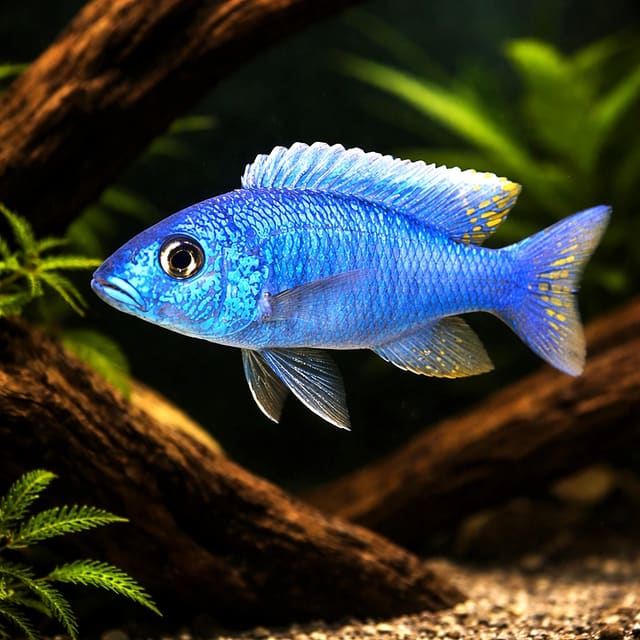
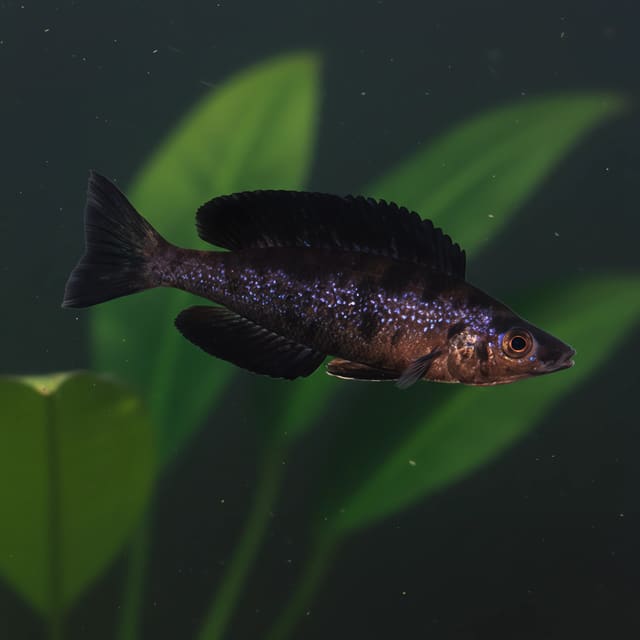
Karilani Herring Cichlid (Cyprichromis microlepidotus)
24–27°C · pH 7.8–9 · 243L
£41.99

Add a striking Lake Tanganyika cichlid to your tank with Julidochromis. Ideal for experienced keepers seeking colour, character and UK delivery.
Adult size is the maximum length this species reaches at full maturity (scientific sources). The livestock you receive will be younger and smaller — pick a size above for the actual shipping size. Product-photo provenance and any image-specific limitations are stated on the listing.
Julidochromis spp.
Save when buying multiple fish. Each quantity is one fish; sex and pair formation are not guaranteed unless the selected variant explicitly states them.
Confirm your email, then we’ll send an availability message for this exact item if it returns within 180 days.
This request is only for this product—no newsletter or other promotions. A mail-provider retry may very rarely duplicate the same availability message. Unconfirmed addresses are removed after 48 hours. See our privacy policy.
Add a striking Lake Tanganyika cichlid to your tank with Julidochromis. Ideal for experienced keepers seeking colour, character and UK delivery.
Adult size is the maximum length this species reaches at full maturity (scientific sources). The livestock you receive will be younger and smaller — pick a size above for the actual shipping size. Product-photo provenance and any image-specific limitations are stated on the listing.
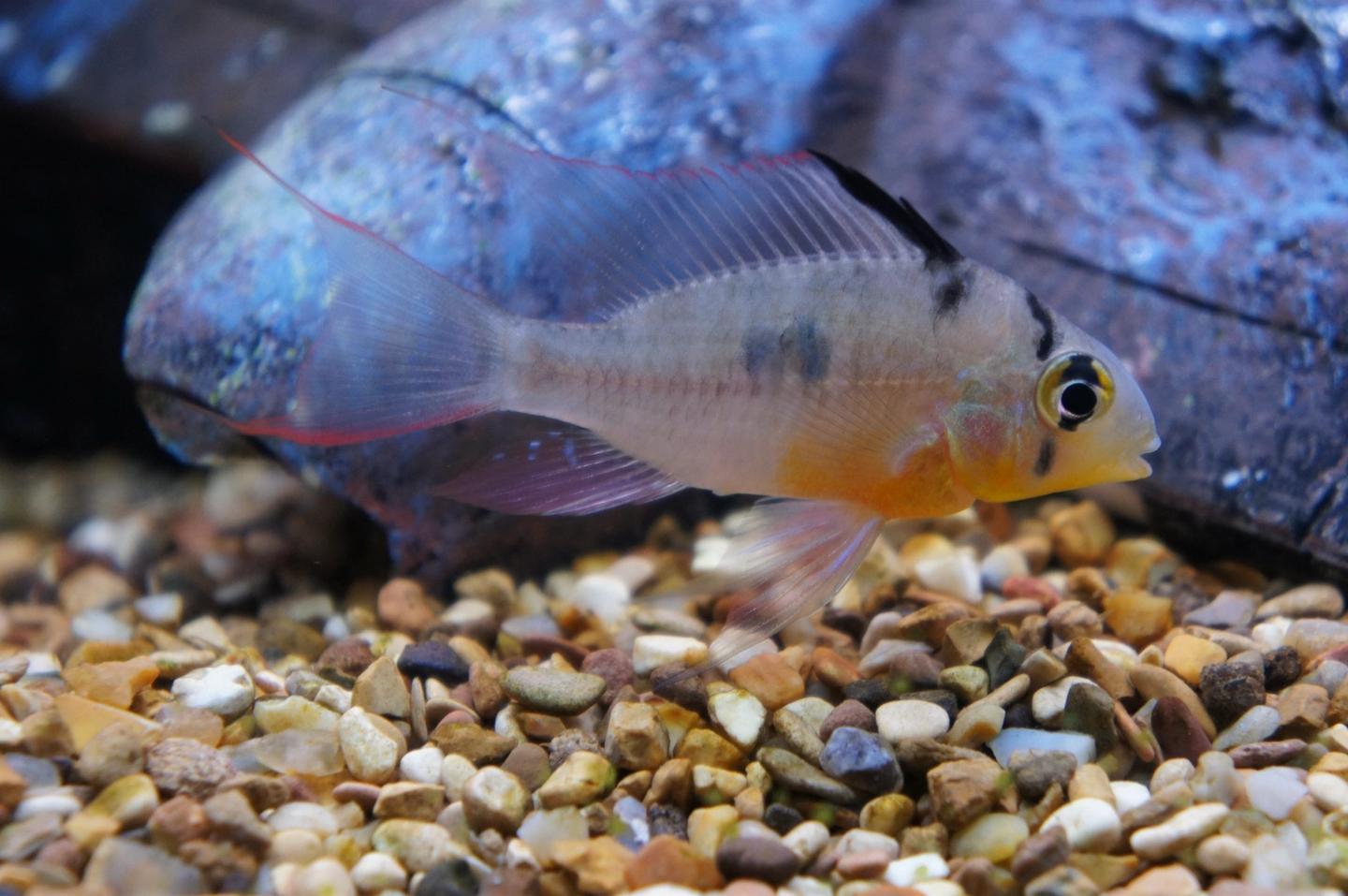
Cichlids are a family of roughly 1,800 accepted species, not one care type. Before buying, identify the exact species and source, then compare adult measurement, usable tank dimensions, social system, territory, tested water, diet and an exit plan. No family-wide minimum tank, water range or tank-mate list is safe.
Maintain these water conditions for optimal health and vibrant colors
If you are searching for tropical fish for sale UK and want something more characterful than the usual community staples, Julidochromis spp. deserve a close look. These Lake Tanganyika cichlids are slim, alert, cave-loving fish that patrol rockwork with real purpose, forming strong pair bonds and defending their chosen crevice with surprising intelligence. Often called “Julies,” they are a classic Lake Tanganyika cichlid UK choice for aquarists who enjoy behaviour as much as colour. A healthy adult can reach around 13 cm, live up to 10 years, and thrive in hard alkaline water at a stable tropical fish temperature of 24-27°C. That makes them very different from cold water fish for sale listings, and also very different from soft-water tetras or planted nano species.
For hobbyists browsing a tropical fish shop near me, comparing tropical fish shops near me, or looking to buy fish online from a specialist tropical fish store, Julidochromis offer a rewarding moderate-level project. They suit aquarists who want a rocky tropical fish tank with structure, territories, and real cichlid personality. See our detailed photos showing the elongated body shape, horizontal striping, and crevice-hugging posture that make this species so distinctive. Whether you are building a dedicated Tanganyika setup or expanding into more unusual tropical fish for sale, this species brings movement, companionship, and fascinating day-to-day behaviour to the aquarium.
Julidochromis are African rift lake cichlids from Lake Tanganyika, one of the oldest and deepest freshwater lakes in the world. In the aquarium hobby they are valued not just as an African cichlid UK option, but as a more refined, rock-dwelling freshwater cichlid UK species with pair-based social structure. The genus includes several recognised species and locality forms, so a Randomly Selected Julidochromis may vary slightly in pattern intensity, body depth, and stripe layout while still sharing the same core care needs.
Julidochromis come from Lake Tanganyika in East Africa, where they live among rocky shorelines, broken stone shelves, and deep crevice systems. In the wild, these fish are not open-water swimmers. Instead, they stay close to rock faces, moving in and out of cracks while hunting tiny invertebrates, insect larvae, and zooplankton. This natural setting explains much of randomly selected julidochromis behaviour in the home aquarium: they want territories, visual barriers, and secure caves rather than wide empty swimming space.
The lake itself is famous for stable, mineral-rich water. Typical randomly selected julidochromis water conditions are hard and alkaline, with high dissolved minerals and excellent oxygenation. For that reason, randomly selected julidochromis hard alkaline water is not optional; it is central to long-term health, breeding success, and colour stability. Aquarists keeping them in soft acidic water often see poor appetite, stress, and reduced vitality.
As a Tanganyika fish UK favourite, Julidochromis are often chosen by keepers who want a species that shows authentic cichlid behaviour without needing a massive predator setup. They are also a smart answer for anyone researching randomly selected julidochromis or alternative species because they fit medium tanks better than many larger rift lake fish. If you plan to buy randomly selected julidochromis UK stock, it helps to think in terms of rocks first, fish second. Their habitat should feel like a maze of stone corridors.
Many customers ask whether these fish are suitable for mixed aquariums or whether they are among the better randomly selected julidochromis for beginners cichlids. The answer is: they are manageable for informed beginners, but only if you understand Tanganyika chemistry and territorial structure. They are not a substitute for community tropical fish uk species like peaceful tetras, and they are definitely not comparable to home aquarium sharks uk setups, which need very different planning.
Mimicking the natural rocky habitat improves confidence, feeding response, and pair bonding. In our experience, Julidochromis settle faster when the tank includes stacked stone caves with narrow entrances rather than a few decorative ornaments placed on open substrate.
A proper randomly selected julidochromis Tanganyika setup starts with space, structure, and stability. The listed randomly selected julidochromis minimum tank size is 150 litres, which is suitable for a bonded pair with carefully chosen companions. If you want a more complex stocking plan or a stronger chance of natural pair formation, a larger randomly selected julidochromis tank size is better. For a pair plus other Tanganyikan species, 180-240 litres gives more room for territories and reduces conflict.
Although Julidochromis do not grow into giant cichlids, they use space intensely. They occupy the bottom and lower rockwork, and they defend caves with determination. A cramped tank forces constant line-of-sight contact and can turn manageable disputes into relentless bullying. If you are planning a randomly selected julidochromis for large tank display, extra length is more useful than extra height. Long tanks allow separate territories and better rock zoning.
The ideal randomly selected julidochromis temperature sits between 24 and 27°C, with the randomly selected julidochromis ideal temperature for most home aquariums being around 25-26°C. Keep randomly selected julidochromis water parameters consistent: pH 7.8-9.0 and hardness 12-25 dGH. This level of randomly selected julidochromis water hardness supports osmoregulation and overall condition. If you are coming from softer-water tropical fish for beginners species, this is one of the biggest adjustments to make. Stability matters more than chasing the extreme top of the range.
Use strong biological filtration with good oxygen exchange. Julidochromis appreciate clean, mineral-rich water, but they do not need a torrent blasting through every cave. Aim for moderate turnover with good surface movement. If you are building a specialist cichlid setup, pair your fish with reliable hardware and leave enough open access around the rocks for maintenance. Many keepers upgrading from a basic tropical fish starter kit find that a cichlid system benefits from more robust filtration and heating than a standard mixed community tank.
Fine sand or smooth gravel works well. Pale substrate often helps reflect light into the rockwork and suits the natural Tanganyika look. Avoid sharp gravel that can trap waste around cave entrances. Since these fish spend time weaving through low spaces, cleanliness at the base of the scape is important.
Rock piles are essential. Use stable stacks placed directly on the tank base before substrate is added. Create multiple caves, overhangs, and narrow channels. Customers often ask about randomly selected julidochromis for planted aquarium layouts. The answer is yes, but only with hardy species that tolerate alkaline water. If you are browsing tropical fish tank plants for sale uk or tropical fish plants for sale uk, choose tough options such as Anubias, Java fern, or Vallisneria attached around the rockwork rather than delicate soft-water stems. The key is selecting plants that can handle hard, bright, mineral-rich conditions.
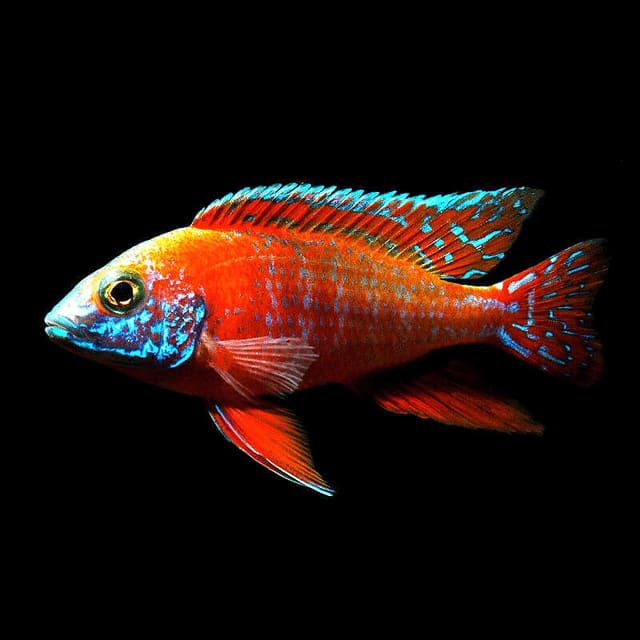
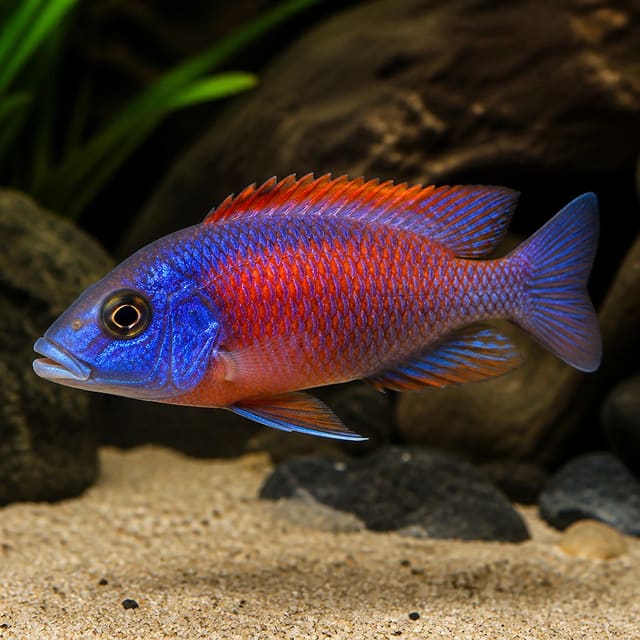
For related cichlid options in a rift lake display, some aquarists also explore Yellow Elongatus Cichlid - Chindongo Elongatus, Aulonocara Sp Neon Red Calico Peacock, or Rubin Red Peacock Cichlid - Aulonocara. These are not direct Tanganyika substitutes, but they help illustrate how different African cichlid layouts can be structured.
Moderate lighting is ideal. Bright light can work if the fish have plenty of caves and shaded zones. A 7-9 hour photoperiod is usually enough to show pattern detail without encouraging unnecessary algae. In a rocky setup, lighting is mostly about viewing and plant support rather than fish comfort alone.
Always cycle the tank for 4-6 weeks before adding Julidochromis. In new setups, unstable ammonia or nitrite can trigger stress, aggression, and refusal to feed long before obvious illness appears.
Randomly Selected Julidochromis Fish are carnivorous cichlids. In nature they pick at tiny crustaceans, insect larvae, and other meaty foods found around rocks. In captivity, the best randomly selected julidochromis diet is based on quality cichlid pellets supported by frozen foods such as brine shrimp, mysis, krill, and finely chopped bloodworm in moderation. Good randomly selected julidochromis feeding keeps them active, helps maintain body condition, and supports breeding.
Use a small sinking or slow-sinking cichlid pellet as the daily staple. Because Julidochromis hunt close to the rockwork, they usually feed best when food reaches the lower levels of the tank rather than floating at the surface for long periods.
Offer frozen meaty foods 3-4 times per week for variety. This is especially useful when conditioning a randomly selected julidochromis breeding pair. If you keep them with faster midwater feeders, target feeding near caves helps ensure they get their share.
Occasional live foods can stimulate natural hunting behaviour, but they must come from safe sources. Avoid overusing fatty treats. Customers comparing tropical fish for sale near me, tropical fish for sale online, and buy live fish online uk often also ask what food to order at the same time. For Julidochromis, think high-protein but controlled portions, not random mixed flakes.
Feed adults twice daily in small amounts they can finish within 30-60 seconds. Juveniles can be fed a little more often. Underfeeding is usually safer than overfeeding with Tanganyika cichlids, because excess food trapped in rockwork quickly harms water quality. This is one reason randomly selected julidochromis hard water care must always include disciplined feeding and regular maintenance.
| Time | Food | Amount |
|---|---|---|
| Morning | Small cichlid pellet | Only what they finish in 30 seconds |
| Evening | Frozen mysis or brine shrimp | Light portion, no leftovers in caves |
Avoid mammal meats, oversized pellets, and excessive bloodworm. Also avoid feeding them as if they were generic community fish. Julidochromis are not cold water fish for sale, and they are not suited to the same broad feeding approach used for goldfish or many beginner species. If you are trying to buy tropical fish UK stock for a Tanganyika display, it pays to match the food to the fish rather than relying on one universal tub.
Overfeeding causes ammonia spikes, trapped waste in rock piles, and avoidable territorial stress. If a fish looks bloated or food is collecting in caves, reduce the portion size immediately.
Julidochromis have a long, slender body with a pointed head, continuous dorsal fin, and elegant gliding movement through rockwork. Adults usually reach around 13 cm, though exact size varies by species and locality. Their appeal comes from contrast: cream, gold, tan, or pale silver base colours overlaid with dark horizontal stripes, chain-like markings, or checker patterns. This makes each randomly selected julidochromis for sale UK specimen visually interesting even when the exact variety is not pre-selected.
When customers ask about randomly selected julidochromis vs Julidochromis, what they usually mean is whether a random selection will still look like the fish in the photos. The answer is yes in overall body form and Tanganyika style, though pattern arrangement can differ from one species or line to another. Our photos show the crisp striping, clean finnage, and alert posture that healthy Julidochromis should display.
Sexing is not always easy. Males and females can look very similar, though mature females in some lines may appear slightly fuller-bodied, especially when in breeding condition. The correct randomly selected julidochromis school size is not a school at all; these fish are usually best kept as pairs or carefully managed groups during pair formation. Their randomly selected julidochromis lifespan can reach 10 years with proper care, so appearance quality is worth protecting through stable water and a good diet.
For colour retention, focus on the right randomly selected julidochromis pH level, clean hard water, and a calm territory. Stress dulls pattern contrast quickly. If you are checking randomly selected julidochromis online UK listings or comparing randomly selected julidochromis price UK between shops, pay attention to body condition and finnage, not just stripe intensity under bright sales lighting.
Julidochromis are semi-aggressive, territorial cichlids. They are not ideal for a random randomly selected julidochromis community tank built around peaceful schooling fish, but they can work in a carefully planned hard-water cichlid aquarium. The key question is not simply whether they are randomly selected julidochromis for community tank use, but whether the other fish occupy different zones, tolerate similar chemistry, and can stand up to cave defence without becoming bullies themselves.
The best tank mates for randomly selected julidochromis are other African cichlids chosen with care, especially species that use different parts of the tank. Good comparison species include Kiriza Yellow Cichlid - Tropheus Moorii, Orange I Blunthead Cichlid - Tropheus, Aulonocara Sp Neon Red Calico Peacock, and Rubin Red Peacock Cichlid - Aulonocara. These are not automatic matches in every tank, but they are useful species to compare when planning a specialist African display.
If you are looking for randomly selected julidochromis compatible fish, think robust, similarly sized fish with matching water chemistry rather than soft-water community staples. Julidochromis can coexist with some shell dwellers or open-water Tanganyika species in larger systems, but pair territory must remain secure.
Avoid mixing them with delicate tetras for sale uk or tetra fish for sale uk choices, as these need softer water and a calmer environment. Bettas are also a poor idea, despite frequent searches for buy siamese fighting fish online uk. Bettas prefer very different tank dynamics and should not be combined with territorial Tanganyika cichlids.
They also do not belong with large predatory oddballs or gimmick stocking ideas inspired by home aquarium sharks uk searches. Julidochromis are specialised rock cichlids, not filler fish for aggressive mixed displays.
In a 150-litre aquarium, keep a single bonded pair as the focus. In 180-240 litres, a pair can be combined with a small number of carefully selected Tanganyika companions if the rockwork creates separate zones. For aquarists browsing tropical fish bundles or a freshwater fish bundle, this is one case where pre-packed combinations should be treated cautiously; compatibility depends on layout, not just species names.
Shrimp are risky because Julidochromis are carnivores and may view smaller invertebrates as food. Larger snails may survive, but breeding caves can still become conflict zones. This is not the species for a peaceful invert-centred setup.
| Species | Compatible? | Notes |
|---|---|---|
| Kiriza Yellow Cichlid - Tropheus Moorii | ⚠️ Caution | Possible in larger specialist African setups; watch diet and temperament differences. |
| Aulonocara kandeense | ⚠️ Caution | Needs space and careful aquascaping; not a simple pair-and-go mix. |
| Tetras | ❌ Avoid | Soft-water schooling fish are a poor match for Tanganyika chemistry and temperament. |
Customers often compare Julidochromis with community tropical fish uk options or even ask about unwanted tropical fish and free tropical fish to good home ads as a cheap way to stock a tank. Be careful. Tanganyika cichlids reward deliberate planning, not opportunistic mixing. Random rescue fish from unknown water conditions can introduce disease and upset established territories.
Always quarantine new arrivals for 2-4 weeks before adding them to a Julidochromis tank. This protects established pairs and gives you time to assess temperament before territory disputes begin.
Randomly selected julidochromis breeding is considered moderate rather than difficult. Once a true pair forms and feels secure, these fish often breed readily in the aquarium. The challenge is not usually getting eggs; it is forming a compatible pair and managing aggression during courtship. A settled randomly selected julidochromis breeding pair will claim a cave and defend it with determination.
Use a species-focused or lightly stocked tank of at least 150 litres, with multiple caves and hard alkaline water. Keep the randomly selected julidochromis temperature around 25-26°C, feed a rich meaty diet, and maintain excellent water quality. For aquarists searching tropical fish for sale online uk, live tropical fish for sale uk, or freshwater tropical fish for sale uk, Julidochromis are one of the more rewarding species to breed at home because pair behaviour is so visible.
The pair cleans a cave or crevice and deposits eggs on the inner surface. Spawning is often hidden, so the first sign may be increased cave guarding. This is one reason a proper randomly selected julidochromis care guide should always mention decor design: if the cave entrances are too open, the pair may feel exposed and delay spawning.
Parents usually guard eggs and wrigglers well. Hatching time varies with temperature but is generally a few days, followed by a further period before fry become free-swimming. Avoid constant disturbance. Do not keep lifting rocks or shining bright lights into the spawning cave.
Feed newly free-swimming fry on finely crushed fry food, baby brine shrimp, and powdered high-protein foods. Small, frequent feeds and pristine water are more important than chasing rapid growth. In some setups, older siblings may remain near the territory, creating a fascinating family structure.
The biggest problems are pair incompatibility, harassment in undersized tanks, and unstable chemistry. If you are comparing rare tropical fish for sale uk, unusual tropical fish for sale uk, or exotic tropical fish for sale uk, Julidochromis stand out because they offer unusual behaviour without extreme breeding complexity. They are also a more practical home project than species often searched as tropical discus fish for sale uk, discus tropical fish for sale uk, or tropical puffer fish for sale uk, all of which demand very different care.
If you are raising a group to form pairs, provide more caves than fish and remove surplus individuals once a clear pair bond develops. This reduces chronic pressure on the subordinate fish and improves long-term breeding stability.
Choosing between African cichlids is not just about colour. It is about water chemistry, temperament, and the kind of aquarium you want to watch every day. Julidochromis are ideal for aquarists who enjoy rock-based territorial behaviour and pair bonding. They are less suitable if you want a loose shoal effect or a broad mixed display. This is where comparisons like randomly selected julidochromis vs Neolamprologus, randomly selected julidochromis vs Tropheus, and randomly selected julidochromis vs similar species become useful.
| Feature | Julidochromis | Tropheus |
|---|---|---|
| Max Size | About 13 cm | 12-15 cm |
| Care Level | Moderate | Moderate to advanced |
| Temperature | 24-27°C | 24-27°C |
| Price | £8.71 | Varies by variety |
| Best For | Rock caves, pair behaviour | Active colonies, algae-grazing displays |
| Feature | Julidochromis | Peacock Cichlid |
|---|---|---|
| Tank Zone | Bottom and rockwork | Mid to lower water |
| Social Style | Pairs | Harem or mixed cichlid setups |
| Scape Preference | Crevices and caves | Open sand with rocks |
| Best Match | Tanganyika specialists | Malawi colour displays |
| Buying Style | Great for focused species tanks | Great for showy mixed cichlid tanks |
If you want a more intense colony dynamic, compare them with Kiriza Yellow Cichlid - Tropheus Moorii or Orange I Blunthead Cichlid - Tropheus. If you prefer brighter Malawi-style display colour, look at Aulonocara Sp Neon Red Calico Peacock or Aulonocara kandeense. Julidochromis are the better choice when you want a moderate-sized rare cichlid UK option with cave spawning, strong pair loyalty, and a more naturalistic rock-dwelling lifestyle.
They are also a better answer for many hobbyists searching tropical fish uk for sale, tropical fish for sale in uk, or tropical fish for sale in the uk who want something unusual but still practical in a medium home aquarium.
Healthy Julidochromis are alert, responsive, and strongly aware of their territory. They hold position confidently near caves, show clear eyes, intact fins, and a full but not swollen body shape. If a fish hides constantly, clamps its fins, breathes heavily, or loses interest in food, investigate quickly. Because these fish depend on stable mineral-rich water, many health issues trace back to incorrect chemistry rather than exotic disease.
Look for crisp patterning, smooth swimming, active cave inspection, and confident feeding. A settled pair will often patrol together and respond immediately when food enters the tank.
Common problems include ich, bacterial fin damage after territorial fights, and stress-related digestive issues caused by poor water quality or overfeeding. Fish kept in unsuitable soft water may show chronic weakness, poor colour, and reduced lifespan. This is why correct randomly selected julidochromis water conditions and randomly selected julidochromis hard water care are so important.
Start with water testing and large partial water changes if ammonia, nitrite, or nitrate are out of range. Move injured fish to a separate treatment tank if necessary. Use medications carefully and always confirm they are suitable for hard-water cichlids. If the issue follows a new purchase, quarantine failures are often to blame. People searching best place to buy tropical fish uk, best place to buy tropical fish online, or best place to buy tropical fish online uk should always ask how fish are held and observed before dispatch.
Keep the tank cycled, avoid overstocking, maintain stable hardness and pH, and feed a controlled carnivorous diet. Secure rocks properly so territorial chases do not lead to injury or collapse. Do not mix them with unsuitable species just because they were listed in a generic tropical fish for sale online uk section.
Quarantine all new fish for 2-4 weeks in a separate heated, filtered tank with matching chemistry. Observe appetite, respiration, and external condition daily. This matters whether you buy live fish online uk free delivery or collect from a tropical fish near me shop.
Never use medications blindly in a display tank. Diagnose the cause first, because poor pH, low hardness, or hidden aggression can mimic infectious disease and will not be fixed by medication alone.
Randomly selected julidochromis behaviour is one of the main reasons aquarists fall in love with this genus. They are not fast, frantic swimmers. Instead, they move with purpose, inspecting cracks, hovering under ledges, and patrolling the same route through their territory. This makes them especially rewarding in a thoughtfully aquascaped tank where you can watch pair interactions up close.
They are social in the sense of pair bonding, not schooling. The true randomly selected julidochromis school size is best understood as a bonded pair, or a temporary group while a pair forms. Once established, they become strongly territorial around caves and breeding sites. This is why the right randomly selected julidochromis tank mates matter so much.
To encourage natural behaviour, provide layered rockwork, low-stress stocking, and a stable randomly selected julidochromis pH level. In a bare or overly bright tank, fish often become skittish or aggressive. In a well-designed setup, they show fascinating courtship, cooperative defence, and even family behaviour around fry. For many keepers, that is far more interesting than simply buying the brightest fish on a tropical fish for sale glasgow or general tropical fish for sale UK search page.
Julidochromis are not a fish to buy casually from the nearest generic listing and hope for the best. They do best when sourced, held, and packed by people who understand Tanganyika cichlids. Each fish is assessed for body condition, finnage, feeding response, and overall alertness before sale. Because a Randomly Selected Julidochromis may come from different Julidochromis lines, the focus is on health, correct type, and suitability for hard alkaline setups rather than promising one exact stripe pattern.
We hold these fish in clean, heated systems matched to their needs, not in mixed catch-all tanks designed for every species from cold water fish for sale uk to soft-water community fish. That matters. Julidochromis arriving from the wrong water chemistry can struggle during acclimation, so we prepare them for UK hobbyist conditions with stable mineral support and careful feeding. For customers looking to buy tropical fish UK, buy live fish online uk, or compare live randomly selected julidochromis UK availability, that preparation makes a real difference.
Orders are packed in insulated boxes with professional bagging, and heat packs are used in winter conditions when needed. Tracked delivery reduces unnecessary transit time, and care guidance is included so you can acclimate your fish correctly on arrival. If you are searching randomly selected julidochromis buy online UK, randomly selected julidochromis shop UK, or randomly selected julidochromis online UK, confidence comes from knowing the fish have been handled as Tanganyika cichlids from start to finish.
Order your Julidochromis today if you want a species with real pair behaviour, striking rock-dwelling movement, and the long-term interest that only a well-kept cichlid can offer. They are among the most rewarding live tropical fish for sale uk choices for aquarists ready to move beyond generic community fish.
Building a full African cichlid display? Compare Julidochromis with Yellow Elongatus Cichlid - Chindongo Elongatus for a more assertive rock-dweller, or Guianacara Dacrya - South American Cichlid if you want to explore how South American cichlids differ in behaviour and water needs. For brighter Malawi-style colour, browse Rubin Red Peacock Cichlid - Aulonocara and Aulonocara Sp Neon Red Calico Peacock. If you are comparing cichlid temperaments, Thorichthys Maculipinnis - Elliot'S Cichlid - is another useful reference species. These related options help you build the right stocking plan rather than treating all cichlids as interchangeable.
No reviews for this item yet. Bought one? Honest reviews only, good or bad.
What customers say about ordering from us
I have a small group of long finned mountain minnows. So was delighted to be able to order ten of this variety to increase the genetics in my tank . The ones I recieved are healthy but it’s to early to give a verdict on wether they are of a long finned type since they are small currently.
Gordon Walker · 23 Sept 2026
100% success travel and "installation". Pleased with quality of purchase. The Siamese fighter a bit "shy" so have not yet seen him at his best yet but looking good. Happy customer. GG
George E Garratt · 21 Sept 2026
Reviews of our shop, collected by Judge.me, an independent third-party review collector. Newest first.