Moderate
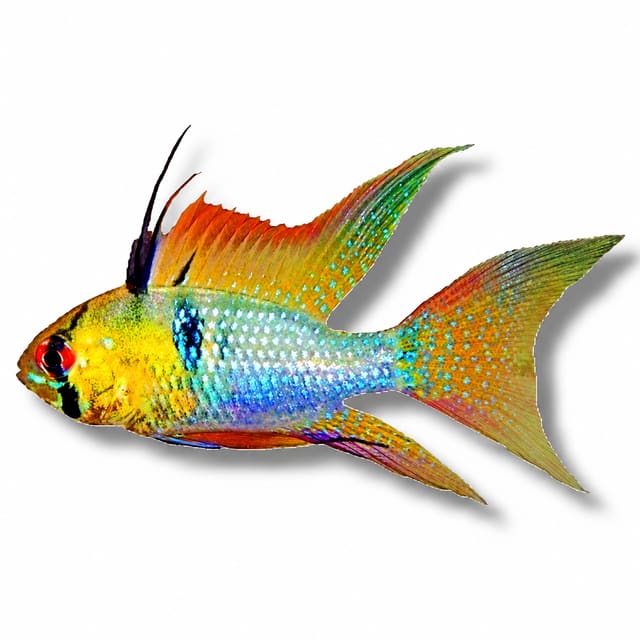
Congo Tetra (Phenacogrammus interruptus)
23–28°C · pH 6–7.5 · 150L
£5.99

This offer supplies one pack of five Congo tetras (Phenacogrammus interruptus), a peaceful but active African shoaling fish. Plan for an adult aquarium with a base of at least 120 × 30 cm, about 108 litres and companions that will not nip their fins or intimidate them.
Adult size is the maximum length this species reaches at full maturity (scientific sources). The livestock you receive will be younger and smaller. Product-photo provenance and any image-specific limitations are stated on the listing.
Phenacogrammus interruptus
This offer supplies one pack of five Congo tetras (Phenacogrammus interruptus), a peaceful but active African shoaling fish. Plan for an adult aquarium with a base of at least 120 × 30 cm, about 108 litres and companions that will not nip their fins or intimidate them.
Adult size is the maximum length this species reaches at full maturity (scientific sources). The livestock you receive will be younger and smaller. Product-photo provenance and any image-specific limitations are stated on the listing.
Maintain these water conditions for optimal health and vibrant colors
Congo tetras are peaceful freshwater shoaling fish with the deeper body, active swimming style and flowing adult finnage that distinguish them from many smaller community tetras. FishBase identifies Phenacogrammus interruptus as an African tetra in the family Alestidae and records it from the lower and middle Congo River basin in the Democratic Republic of the Congo and Republic of the Congo.
Adults feed in nature on worms, small insects, crustaceans and plant matter. This mixed natural diet explains why aquarium meals should include both a good prepared staple and appropriately sized live or frozen foods. They occupy the open water as active swimmers, so their aquarium needs an uninterrupted swimming lane as well as planted or shaded areas where the group can retreat when startled.
FishBase records a maximum of 8 cm total length for male or unsexed fish. Treat that figure as the planning maximum rather than a promise that every individual will reach exactly 8 cm. Their adult body size and movement make them a choice for a spacious aquarium rather than a compact tetra setup.
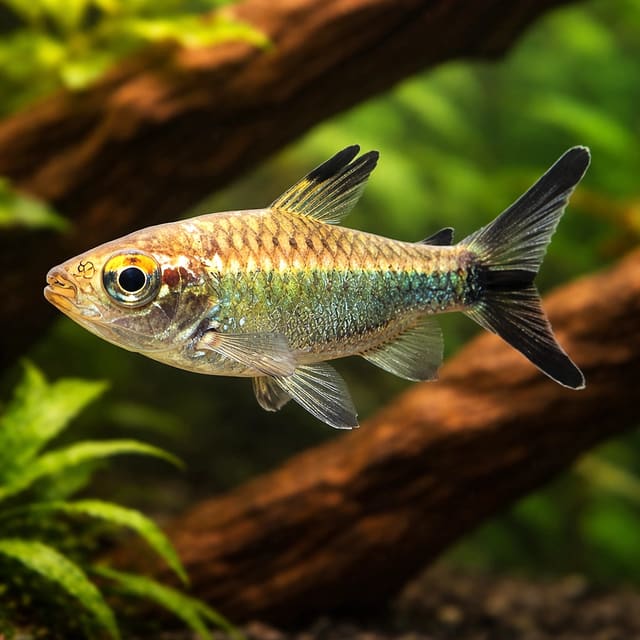
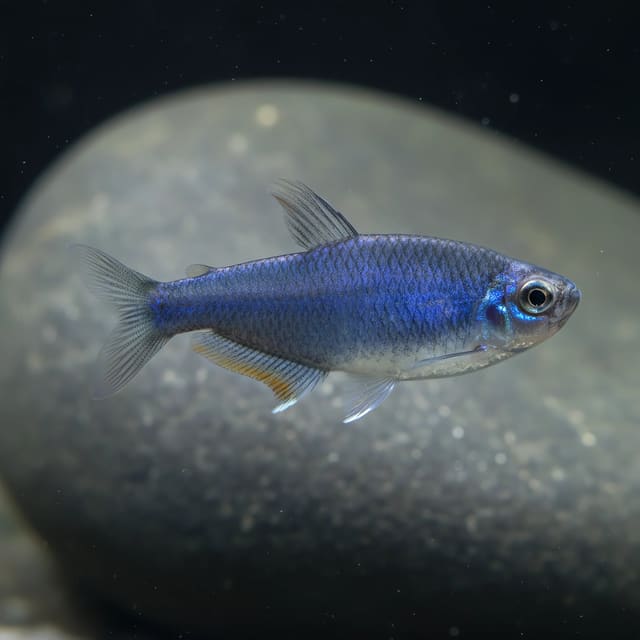
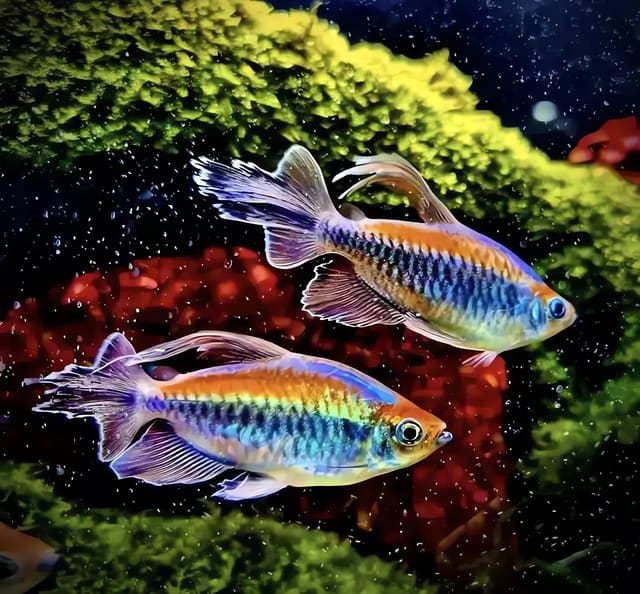
Their appearance develops as the fish settle and mature. Males may become larger and more colourful than females and can develop extended dorsal and tail fin structures, but appearance is not a reliable way to determine what sex will be supplied. Stable water, suitable companions, good food and secure surroundings are the practical priorities for bringing out normal colour and confident swimming.
| Suits | Not suited to |
|---|---|
| Established, filtered aquariums with a base of at least 120 × 30 cm | Compact aquariums without enough horizontal swimming room |
| Peaceful communities with open midwater space | Fin-nipping or boisterous companions |
| Keepers planning a group of at least five | Solitary keeping |
One purchase supplies one pack of five Congo tetras. Five also meets FishBase’s aquarium recommendation to keep this species in groups of five or more, although a larger group may be planned when aquarium dimensions, filtration capacity and the rest of the stocking allow it.
Plan the permanent aquarium around the recorded maximum of 8 cm and the adult space requirements.
Sex is guaranteed only when the selected option explicitly states male or female. This 5 × Congo Tetras listing has no sex-guaranteed option.
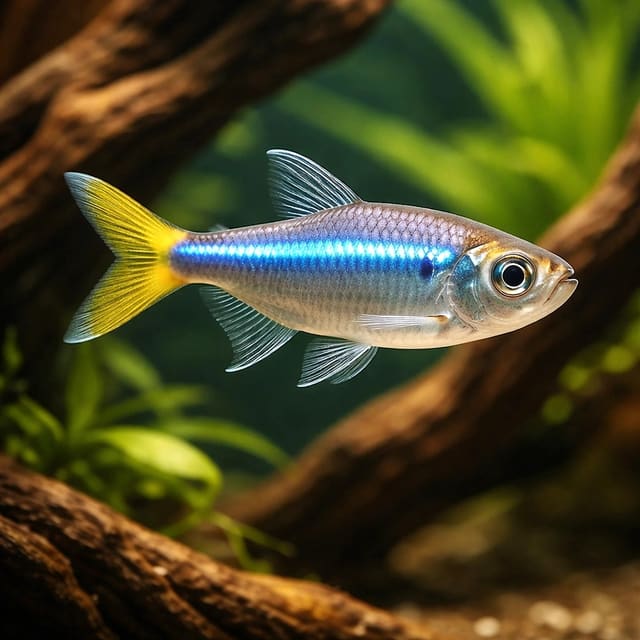
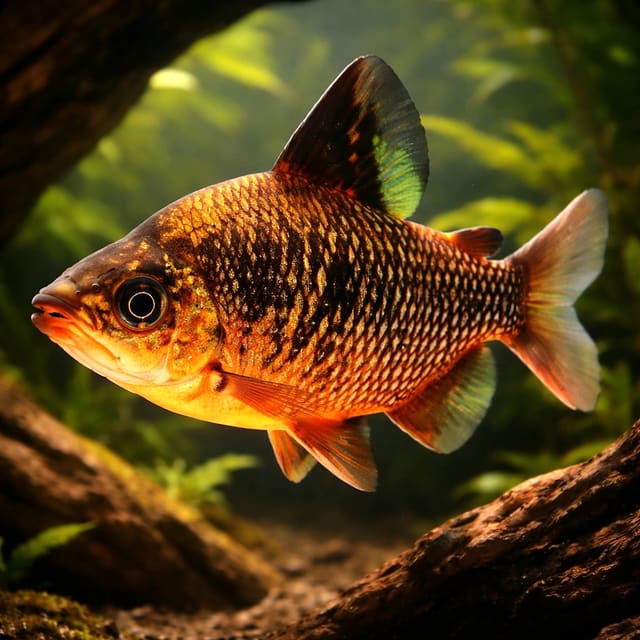
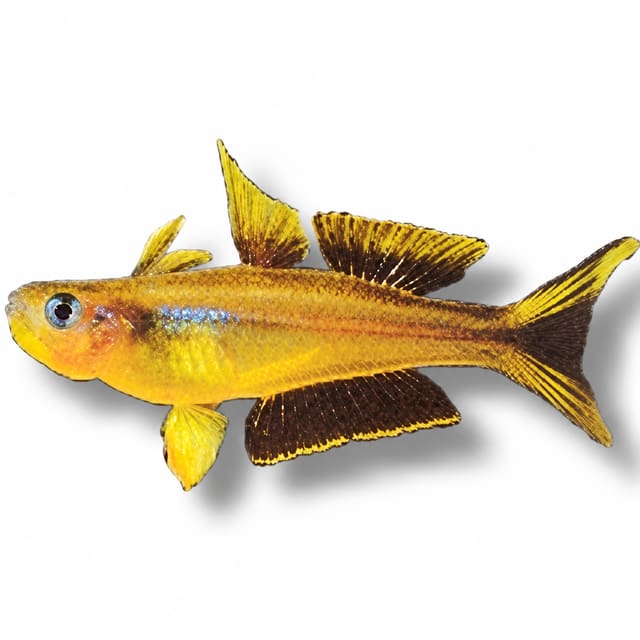
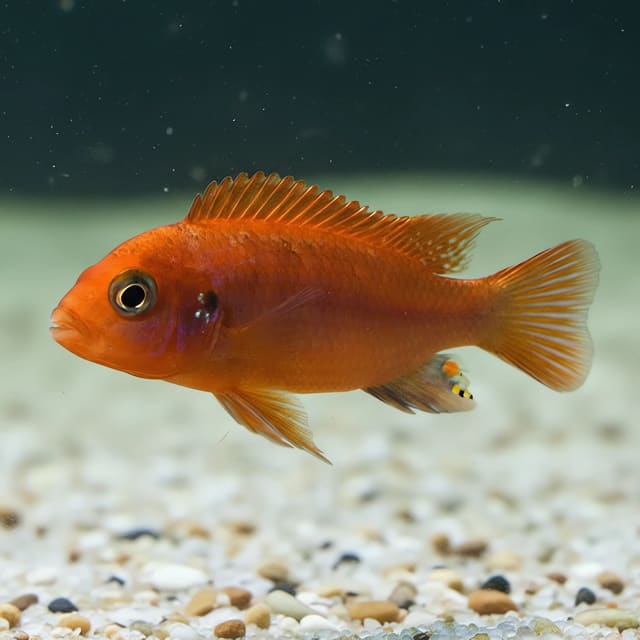
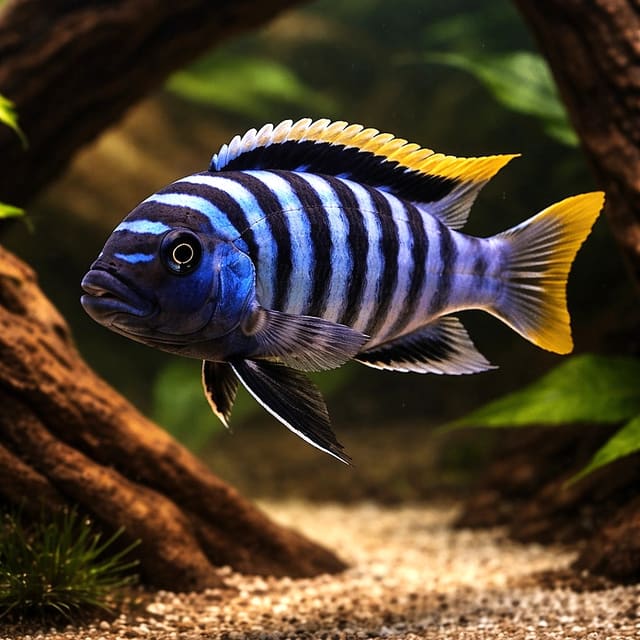
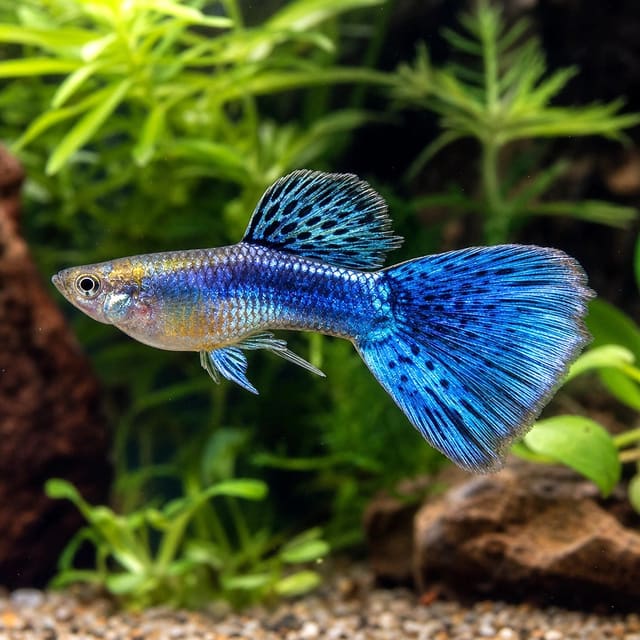
The gallery images are representative of this type of animal rather than photographs of the exact animal supplied, so colours can look slightly different from the live animal. Lighting, viewing angle, maturity and settling can all affect how the silver, blue and gold iridescence appears, so use the images to understand the general form and markings rather than to select an individual fish.
If these five fish will join Congo tetras already in the aquarium, count the final group and assess the total biological load before adding them. OATA advises increasing fish numbers slowly because the beneficial bacteria in a mature filter must adjust as waste and feeding increase. Confirm ammonia and nitrite are both zero before introduction, then continue testing as the aquarium responds to the larger population.
Seriously Fish recommends an adult aquarium base of at least 120 × 30 cm and approximately 108 litres for Congo tetras. Young fish may be kept in a smaller aquarium, but the permanent plan must accommodate adult body size, swimming activity and the full group. FishBase gives a shorter 100 cm minimum aquarium length; the 120 cm plan provides the more generous adult swimming run.
| Decision | Planning figure |
|---|---|
| Adult size | Up to 8 cm recorded length |
| Adult aquarium | At least 120 × 30 cm base |
| Planning volume | Approximately 108 litres |
| Group | At least five |
| Routine temperature | 23–27°C |
| Routine pH | 6.5–7.5 |
| Routine hardness | 4–12°dGH |
The species aquarium range is 23–28°C, pH 6.0–7.5 and 3–18°dGH. OATA’s tetra guidance narrows the practical overlap to 23–27°C, pH 6.5–7.5 and 4–12°dGH; use those narrower routine targets as group guidance rather than an exact optimum for every individual.
Start with an aquarium base of at least 120 × 30 cm and approximately 108 litres for adult fish. The important feature is usable horizontal space: Congo tetras are active midwater swimmers, and a shoal needs room to move without repeatedly turning at the glass or colliding with dense décor.
Measure the aquarium’s base as well as its stated volume. A tall aquarium can hold the same number of litres as a longer one while giving these active midwater fish less horizontal swimming room. Keep the central or front portion open, place shelter around the edges and make sure the group can turn and pass one another without being forced through a narrow corridor.
A well-planted arrangement is useful only when it retains enough open water. If stems or floating growth begin closing the central lane, thin them rather than allowing the group’s swimming area to shrink. Conversely, a completely bare aquarium removes the cover that helps shy fish settle. Aim for a visible open route bordered by sheltered edges.
Use a well set up biological filter and confirm ammonia and nitrite are zero. If this is a new aquarium, follow our guide to preparing and maturing a first tropical tank before livestock is introduced. A heater must hold the chosen temperature steadily within 23–27°C.
Check that décor is secure and that long fins cannot be trapped against unstable branches or crowded gaps. The aquarium should also have a lid or other secure covering appropriate to its design. Complete planting, equipment positioning and major décor changes before introduction so the new group enters a stable layout rather than one being repeatedly rearranged.
Set the routine aquarium range at 23–27°C, pH 6.5–7.5 and 4–12°dGH. These targets sit within the species aquarium values and the narrower tetra-care overlap. Choose a stable point that also suits every established tank mate rather than moving repeatedly between the upper and lower limits.
Before choosing the pack, compare your measured tap and aquarium values with the target range. Temperature, pH and hardness should all fit the same plan; matching only temperature does not make two communities compatible.
| Test | Action |
|---|---|
| Temperature | Keep it steadily between 23°C and 27°C |
| pH | Keep it between 6.5 and 7.5 |
| General hardness | Keep it between 4 and 12°dGH |
| Ammonia | Maintain zero mg/l |
| Nitrite | Maintain zero mg/l |
| Nitrate | Keep it no more than 20 mg/l above the tap-water level |
Use our water chemistry guide to understand what each test measures, then record results rather than relying on memory. The water matcher can help compare measured aquarium values with the target range.
A single reading shows one moment; a written sequence shows whether the aquarium is stable. Test at least weekly and repeat a test promptly if fish change behaviour or appearance. If ammonia or nitrite appears, treat it as a water-quality problem requiring immediate attention rather than waiting for the next routine test.
When pH or hardness lies outside the target, first compare the aquarium result with the conditioned tap water used for changes. Large, repeated adjustments can create instability, so establish a consistent water-change method and recheck the result. Any planned change must remain suitable for the other animals sharing the aquarium.
Temperature also needs context. Seriously Fish estimates that an aquarium of about 108 litres may require roughly 100–175 W of heating to hold 23–28°C when the room is around 20°C. Use that as a sizing reference, then choose equipment according to the aquarium, room and manufacturer’s rating.
A working biological filter is essential. The RSPCA explains that fish release toxic ammonia, which filter bacteria convert first to toxic nitrite and then to safer nitrate. The filter therefore supports a living bacterial population as well as moving water and collecting debris.
For an aquarium of approximately 108 litres, Seriously Fish recommends turnover of four to five times the aquarium volume each hour. That gives a filter-rating reference of about 430–540 litres per hour. Use the manufacturer’s rating as a starting point and arrange the outlet to provide good circulation while retaining comfortable swimming areas.
Five Congo tetras form a meaningful addition to the biological load. A filter that maintained zero ammonia and nitrite with a lighter population still needs monitoring after the pack is introduced. Test regularly and watch the trend rather than assuming the previous result will remain unchanged.
Check the filter during routine maintenance. If its media needs cleaning, rinse it lightly in water removed from the aquarium during a partial water change. Do not rinse biological media under the tap because chlorine or chloramine may harm the bacteria that process fish waste.
Restore normal flow after cleaning and check that the outlet still circulates water through the planted areas. If waste repeatedly gathers in one corner, adjust the layout or flow path without turning the open swimming lane into a harsh current. Filtration, stocking and feeding operate together: excess food increases waste, while crowded stocking leaves less margin when filter performance falls.
Congo tetras are omnivores. In nature, adults eat worms, small insects, crustaceans and plant matter; in the aquarium they accept prepared foods and benefit from live or frozen items. Use variety to reflect that mixed diet while keeping portions small enough to protect water quality.
Seriously Fish recommends that live and frozen foods form a good proportion of the diet because they can support the species’ colour. This does not mean feeding a large amount. Choose small items the fish can take readily and stop when the few-minute feeding window has passed.
Scatter the portion across more than one point in the swimming area so one fast individual cannot intercept everything. Watch each fish rather than only the most confident feeders. A fish that repeatedly hangs back, spits food out or loses interest needs closer observation alongside a water test.
Remove persistent leftovers instead of adding more food. Uneaten food breaks down and contributes to toxic waste, placing extra demand on the biological filter. If food remains after several minutes, reduce the next portion; if all food disappears instantly, observe body condition and feeding access before deciding whether the amount needs changing.
When other species share the aquarium, choose food sizes and placement that let each group feed without frantic competition. Congo tetras are active, but boisterous feeding companions can still intimidate them. The feeding period is therefore also a useful compatibility check: all residents should be able to eat without chasing, fin damage or prolonged hiding.
Carry out a partial water change of 25% at least once every week. Use a siphon to remove solid waste from the substrate, especially around wood, plant bases and quieter areas where debris settles. Treat replacement tap water with conditioner before it enters the aquarium so chlorine or chloramine does not harm the fish or filter bacteria.
OATA advises keeping nitrate no more than 20 mg/l above the normal tap-water level. Comparing aquarium and tap readings gives that number useful context. If nitrate rises faster than expected, review stocking, portions, uneaten food and maintenance rather than treating the reading as an isolated problem.
Congo tetras are sensitive to declining water quality; poor conditions may reduce colour and impair the development of male finnage. A gradual change in appearance can therefore be an early reason to test, even when the scheduled maintenance day has not arrived.
Do not wait for cloudy water or obvious distress before checking equipment. Reduced filter flow, accumulated debris and missed water changes can combine into a larger problem. A short weekly record makes omissions visible and helps distinguish a one-off measurement from a continuing trend.
Maintenance should preserve a stable environment rather than repeatedly redesigning it. Trim plants when they restrict the swimming lane, remove decaying material and return movable décor securely. The result should remain familiar enough for a shy shoal while still providing clean open water and sheltered margins.
Arrange for someone to receive the live-fish parcel so it is not left unattended. Read the current delivery and Live Arrival Guarantee policy before the delivery window, including the evidence needed for a guarantee claim.
Float the closed bag for 20–30 minutes before releasing the fish. This timing follows the store’s acclimatisation instruction. Never pour the transport water from the bag into the aquarium.
After release, look at how the five fish use the aquarium. Newly introduced Congo tetras may be easily frightened, so sheltered planting and a clear swimming route matter immediately. Observe whether the group can move away from established residents and whether any companion pursues or crowds them.
Check breathing, balance, fins and general swimming. OATA’s warning signs include hanging at the surface, sitting on the bottom, erratic swimming, unusually fast or slow gill movement, increased hiding, darker or paler colour, white spots, fluffy growths, lost scales and reduced interest in food. One brief movement after release should be interpreted in context, but a continuing or worsening change calls for a water test and prompt action.
Continue monitoring ammonia and nitrite as the filter responds to five additional fish. Add no further livestock until water quality and behaviour remain stable. If the group joins an established shoal, watch how the combined fish distribute themselves rather than assuming they will immediately move as one unit.
Learn the normal pattern of your group: where it swims, how readily each fish feeds, how the fish hold their fins and how they respond when someone approaches the aquarium. A change from that baseline is more informative than comparing one individual with an idealised picture.
| Observation | First action |
|---|---|
| Surface hanging or bottom sitting | Test ammonia, nitrite and temperature |
| Faster or slower breathing | Check water quality and filter operation |
| Sudden hiding or fright | Look for chasing or boisterous companions |
| Torn or shortened fins | Check immediately for fin-nipping fish |
| Paler or darker colour | Review water results, disturbance and group security |
| Reduced appetite | Test the water and observe access at the next meal |
White spots, fluffy growths, ulcers, bumps, scale loss, weight change or continuing balance problems also require prompt attention. Test the water first because ammonia and nitrite must remain at zero and because deteriorating conditions can affect several fish at once.
Do not select a treatment from appearance alone. Different problems can produce similar outward signs, and medication choices must take account of every animal in the aquarium. Record the readings, symptoms, timing and affected fish, then contact us for guidance on the health change.
Maintain at least five Congo tetras, preserve sheltered areas and keep them away from fin nippers and boisterous companions. Feed a varied but controlled diet, complete the weekly 25% water change and protect the biological filter during cleaning. These routine decisions reduce the combined pressure from poor water, inadequate group security and competition.
Look at every fish during feeding and maintenance. Long fins make damage easier to notice, while a shy individual can disappear behind planting unless deliberately checked. Early action gives you a clearer picture of what changed and whether the first response is improving conditions.
Keep Congo tetras in a group of at least five. This pack supplies that minimum group in one purchase, but aquarium capacity may allow a larger shoal. Decide from the adult space, filtration and total stocking rather than treating a larger number as automatically better.
Seriously Fish describes the species as peaceful but active and easily frightened. Their swimming can scare shy fish, while boisterous companions can prevent Congo tetras from using the open water confidently. Compatibility therefore depends on how fish behave in the same space, not simply whether both species are called peaceful.
Choose this group when you can provide an established, filtered aquarium with at least a 120 × 30 cm base, open midwater space and peaceful companions. Congo tetras may be easily frightened, and their activity can unsettle very shy fish. They therefore suit a keeper prepared to plan the whole community around swimming style, adult size and finnage rather than choosing companions by colour alone.
Males may be larger, more colourful and longer-finned than females. Seriously Fish recommends a mixed-sex shoal for display, but this pack carries no sex guarantee, so build the care plan around group size rather than an assumed sex ratio.
A base of at least 120 × 30 cm and approximately 108 litres is the adult starting point. More fish and additional species increase both the need for swimming room and the biological load. Preserve the central lane when adding territories, caves or planting for other residents.
If the group remains hidden, first check water quality, disturbance and companion behaviour. Adding more livestock is not the first response to a stressed aquarium. Confirm that the existing five have suitable cover, stable water and freedom from harassment before changing the stocking plan.
Choose peaceful companions with compatible water requirements and enough space to avoid crowding the Congo tetra group. Seriously Fish lists other tetras, rainbowfish, Corydoras, loricariids, Synodontis and peaceful cichlids such as Pelvicachromis or Cleithracara as possible companions. Each proposed combination still needs screening for adult size, temperament, water values and aquarium capacity.
Also consider activity at feeding time. A fish can be peaceful away from food yet still dominate every meal. All five Congo tetras should be able to feed within the normal few-minute window without being chased away or forced to remain behind cover.
| Question | Pass condition |
|---|---|
| Do the water values overlap? | All residents suit 23–27°C, pH 6.5–7.5 and 4–12°dGH |
| Is the aquarium long enough? | The Congo tetra group retains a 120 cm swimming run |
| Will the fins be safe? | No resident is known to nip flowing fins |
| Can every fish feed? | Activity and food placement allow all groups access |
Individual behaviour can vary, so no pairing should be treated as universal. Send us the aquarium dimensions, measured water values, filter details, current stocking and intended adult numbers for a stocking and compatibility assessment.
After introduction, watch for persistent chasing, food exclusion, clamped or torn fins and prolonged hiding. If those signs appear, reassess the pairing promptly rather than waiting for the fish to adapt to continuing harassment.
Phenacogrammus interruptus is the Congo tetra, a freshwater African tetra from the lower and middle Congo River basin in Central Africa.
One purchase supplies one pack of five fish.
Plan the permanent aquarium for fish recorded at up to 8 cm.
Plan for an adult aquarium with a base of at least 120 × 30 cm and approximately 108 litres, plus open swimming room, planting and good circulation.
Keep it in a group of at least five; this pack supplies five fish, and a larger group may be planned when space, filtration and total stocking allow it.
Use a routine range of 23–27°C, pH 6.5–7.5 and 4–12°dGH, with ammonia and nitrite maintained at zero mg/l.
Feed good-quality flake or granules once daily, giving only what is eaten within a few minutes, and include small live or frozen daphnia, bloodworm or tubifex plus an algae-based food.
Start filming before opening the sealed parcel and continue in one take through opening it and showing the fish inside the sealed bag. Then float the closed bag for 20–30 minutes before release, and never pour the transport water into the aquarium.
Choose peaceful fish with matching water needs and enough space, and avoid fin-nipping or boisterous companions that may damage fins or frighten the shoal.
No reviews for this item yet. Bought one? Honest reviews only, good or bad.
What customers say about ordering from us
I have a small group of long finned mountain minnows. So was delighted to be able to order ten of this variety to increase the genetics in my tank . The ones I recieved are healthy but it’s to early to give a verdict on wether they are of a long finned type since they are small currently.
Gordon Walker · 23 Sept 2026
100% success travel and "installation". Pleased with quality of purchase. The Siamese fighter a bit "shy" so have not yet seen him at his best yet but looking good. Happy customer. GG
George E Garratt · 21 Sept 2026
Reviews of our shop, collected by Judge.me, an independent third-party review collector. Newest first.