Moderate
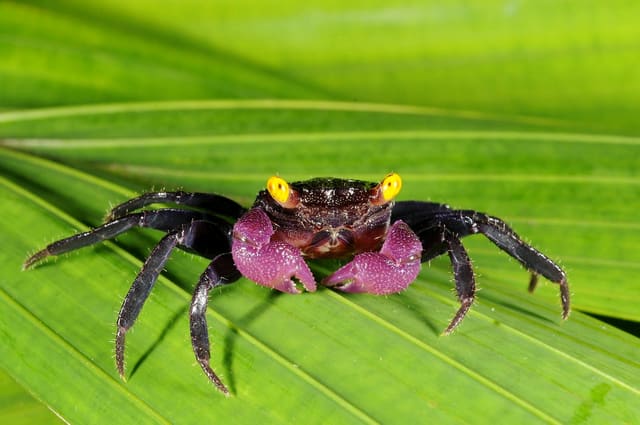
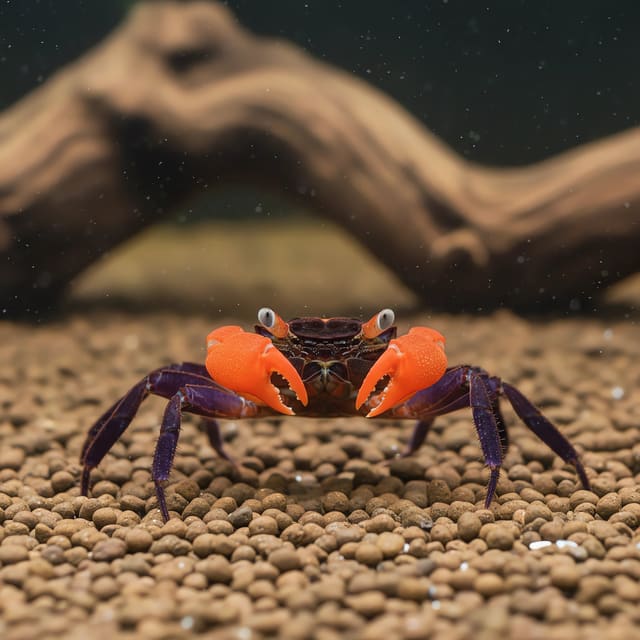
Golden Eye Vampire Crab (Geosesarma sp.)
£13.99

Add a striking red apple crab to your setup. A fascinating colour-changing freshwater crab with moderate care needs. Buy online for UK delivery today.
Adult size is the maximum length this species reaches at full maturity (scientific sources). The livestock you receive will be younger and smaller. Product-photo provenance and any image-specific limitations are stated on the listing.
Metasesarma aubryi
Confirm your email, then we’ll send an availability message for this exact item if it returns within 180 days.
This request is only for this product—no newsletter or other promotions. A mail-provider retry may very rarely duplicate the same availability message. Unconfirmed addresses are removed after 48 hours. See our privacy policy.
Add a striking red apple crab to your setup. A fascinating colour-changing freshwater crab with moderate care needs. Buy online for UK delivery today.
Adult size is the maximum length this species reaches at full maturity (scientific sources). The livestock you receive will be younger and smaller. Product-photo provenance and any image-specific limitations are stated on the listing.
Maintain these water conditions for optimal health and vibrant colors
The red apple crab, Metasesarma aubryi, is one of the most striking semi-terrestrial crabs in the hobby, with a bold red shell, lively climbing habits, and a true “chameleon” personality that makes every individual feel a little different. Native to West Africa, this decapod crustacean is not a fully aquatic crab, so it thrives in a carefully designed paludarium setup with both land and water access. That balance is what makes red apple crab care so rewarding: when the enclosure is right, you’ll see natural foraging, climbing, burrowing, and colour shifts that make these colour changing crabs for home setup such a favourite with keepers looking for something beyond the usual fish or shrimp. Adults reach about 5 cm, live around 3 years with good husbandry, and are best described as moderately challenging rather than difficult—ideal for aquarists ready to move into best beginner semi-terrestrial crabs territory with a bit of planning. See our detailed photos showing the rich red body colour, the compact build, and the strong claws that give this species so much character. If you’ve been researching red apple crab tank setup, red apple crab habitat setup, or asking what is a red apple crab, this guide covers everything you need to keep them healthy, active, and long-lived.
The red apple crab sits in the same broad hobby conversation as other hardy crabs for paludarium UK setups, but it stands out because it is especially active, highly adaptable to a planted shoreline design, and visually bold under aquarium lighting. Keepers often compare it with vampire crabs when searching for easy to keep pet crabs UK, yet this species is more of a land-focused climber with a stronger appetite for leaf litter, algae, and sinking foods. In the hobby, it is valued as a compact, eye-catching species for small crabs for brackish paludarium style habitats, although many successful keepers maintain it in freshwater with excellent filtration and stable conditions.
The red claw crab origin for this species is West Africa, where it lives in humid coastal zones, mangrove edges, muddy banks, and sheltered areas that receive regular moisture but are not permanently submerged. In the wild, where do red claw crabs live is a question that matters because their behaviour is shaped by the shoreline: they move between damp land, shallow water, and leaf litter, feeding on detritus, algae, decaying plant matter, and small protein-rich morsels. That is why a proper red apple crab paludarium setup is so important. A plain fish tank does not meet their chameleon crab land area requirements or their need for climbing structures, hiding places, and a humid air layer above the waterline.
The natural environment is warm, humid, and structurally complex. For hobbyists researching red claw crab habitat or red claw crab natural habitat, think of tangled roots, wet mud, submerged edges, and pockets of shallow water rather than open swimming space. These crabs are excellent climbers and will use cork bark, stones, driftwood, and dense planting to explore. Their chameleon crab humidity requirements are best met by keeping the air moist and the substrate damp but not flooded. This is also why many keepers describe them as colour changing crabs for home setup: stress, environment, and diet can all influence how intense the red or brown tones appear.
In captivity, the best results come from mimicking the shoreline conditions of the wild. A well-built red apple crab habitat setup should include a land-to-water split, secure lid, and a substrate that holds shape without becoming waterlogged. If you are planning a red apple crab for nano paludarium, remember that space is more than litres—it is also about usable land area. This species can be kept successfully in a compact layout, but only if the enclosure is designed around its natural behaviour. Conservation status is not commonly listed in the aquarium trade, but responsible sourcing and careful husbandry remain important for long-term hobby sustainability.
Mimicking the natural shoreline is the fastest way to improve appetite, colour, and activity. A humid, planted, semi-terrestrial layout with leaf litter and hiding spots usually produces better results than a bare tank, especially for a red apple crab beginner care guide setup.
The red apple crab tank size minimum is 40 litres, which is about 10 gallons, but that is best viewed as the starting point for a single crab or a very carefully planned pair. A 10 gallon red claw crab tank setup can work if the land section is efficient, the water section is shallow, and the crab has multiple hides. For better stability, a larger enclosure is easier to maintain, especially if you want to avoid sudden ammonia spikes from a small bioload. Many keepers find that the real answer to red apple crab tank size is not just volume, but usable floor space and a secure lid.
If you are asking about red claw crab minimum tank size or red claw crab tank requirements, remember that these crabs are territorial and active. A cramped setup leads to stress, shell damage, and aggression. A long, shallow paludarium is often better than a tall aquarium because it gives more room for land movement and makes maintenance easier. For a single animal, a 40-litre enclosure is workable; for multiple crabs, larger and heavily structured is safer. A red claw crab tank setup kit should always include a tight lid, heater, filter, substrate, and climbing décor.
Stable conditions matter more than chasing exact numbers, but the ideal red apple crab temperature range is 22-28°C, with most keepers aiming for 24-26°C for day-to-day care. The red apple crab temperature should not swing sharply, and the red claw crab tank temperature should stay consistent through the day and night. pH should sit between 7.0 and 8.5, with moderate hardness around 5-20 dGH. These numbers also answer what temperature do red claw crabs need and help prevent sluggish behaviour or poor feeding.
Although some hobbyists search for red claw crab water requirements in brackish terms, this species is often kept in freshwater paludarium conditions by aquarists who maintain excellent filtration and mineral balance. If you are designing a red apple crab brackish water style layout, do so only if you understand the species’ source conditions and can keep salinity stable. In most home tanks, clean freshwater with mineral-rich stability is the safer route. The key is avoiding extremes: too soft, too acidic, or too warm can all reduce activity and shorten lifespan.
Choose a filter that gives strong biological filtration without blasting the crab around the tank. A gentle sponge filter or a low-flow internal filter works well, especially in a red claw crab aquarium setup where land access is important. Good oxygenation helps keep water clean, but the current should not be so strong that the crab struggles to feed or climb. For heating, a reliable adjustable heater is useful in UK homes where room temperatures can drop at night.
For substrate, the best red apple crab substrate requirements are a moisture-holding mix that supports burrowing and plant roots. A blend of coconut fibre, topsoil safe for reptiles or amphibians, sand, and leaf litter can work well if it is kept damp rather than soaked. This also supports red apple crab land to water ratio planning because the land section needs structure and grip. Add cork bark, rocks, and driftwood to create multiple routes between land and water. For planting, hardy species such as Java fern, Anubias, mosses, and pothos roots can help create a natural shoreline look. If you are building a red apple crab community paludarium, dense planting also helps reduce territorial disputes.
Lighting should be moderate and on for around 8-10 hours daily. These crabs do not need intense reef-style lighting, but a planted setup benefits from a full-spectrum LED. A balanced light helps show off the shell colour and supports live plants. For a red apple crab tank setup, the most important thing is not just equipment, but layout: secure lid, humid air space, dry climbing areas, shallow water, and several hides. If you are searching for red claw crab setup or red claw crab habitat setup, this is the formula that consistently works.
Always cycle the tank for 4-6 weeks before adding your crab. That gives the filter time to establish bacteria and is one of the easiest ways to avoid ammonia spikes in a new red claw crab tank setup.
The red apple crab diet is omnivorous, which means these crabs need both plant matter and protein. In the wild, they graze on algae, leaf litter, decaying plant material, and small invertebrate foods. In captivity, the best red apple crab feeding guide is varied and simple: quality sinking crab pellets, algae wafers, blanched vegetables, fruit in moderation, and occasional protein. If you are wondering what do red apple crabs eat, the answer is a broad menu rather than one staple food.
For daily feeding, the safest approach is a small portion of a balanced sinking food. This can be supplemented with blanched courgette, spinach, cucumber, pumpkin, or sweet pepper. Good protein options include bloodworms, insect-based foods, and small pieces of fish food. Hobbyists asking what to feed red apple crab or what to feed red apple crabs should focus on variety and restraint. These crabs are opportunistic scavengers, so overfeeding is more common than underfeeding.
As for what can red claw crabs eat, the list is broad: vegetable matter, leaf litter, algae, sinking pellets, frozen foods, and occasional fruit. If you are asking what do red claw crabs eat in a tank or what to feed red claw crabs in aquarium, use small portions that are fully consumed within a few hours. A crab that refuses food may simply be hiding, preparing to molt, or adjusting after transport. If you are wondering why is my red claw crab not eating, check temperature, salinity if used, water quality, and whether the crab has a safe hiding place.
| Time | Food | Amount |
|---|---|---|
| Morning | Sinking crab pellet or algae wafer | Small pinch, fully eaten within 2 hours |
| Evening | Blanched vegetable or protein treat | Thumbnail-sized portion |
Use treats sparingly. Fruit can be offered occasionally, but it should not dominate the diet. Avoid copper-containing foods, medicated fish foods, and anything oily or heavily seasoned. If you keep live plants, you may also wonder do red claw crabs eat plants; yes, they can nibble soft growth, so choose tough species and provide plenty of grazing food. In mixed setups, questions like do red claw crabs eat shrimp and do red claw crabs eat snails matter because these crabs are opportunistic and may attack slow tankmates. They can also red claw crab eat fish or show red claw crab eating fish behaviour if the fish is small, weak, or sleeping near the bottom.
Overfeeding causes ammonia spikes and water quality issues fast in crab tanks. Remove leftovers the same day, especially in warm tanks, and keep portions small enough that the crab finishes them before they decay.
The adult red apple crab size is around 5 cm across the carapace, though leg span can make them look larger. Their body is compact, rounded, and built for climbing rather than swimming. The most common colour is deep red to reddish-brown, but individuals may darken or lighten depending on mood, diet, and environment. That is why they are often called crabs that change colour or placed in the broader hobby category of what are red claw crabs and what is a red claw crab searches. Their claws are strong, and the front edge of the shell gives them a bold, sturdy look.
Sexing is usually done by checking the underside. If you are learning how to tell if a red claw crab is male or female, males often have a narrower abdominal flap, while females have a broader one for carrying eggs. Searches like red claw crab male vs female, red claw crab male and female, and red claw crabs male or female all point to the same basic method: look at the belly shape, not just claw size. Males may also appear slightly more angular, but underside inspection is the most reliable.
Compatibility is the area where many new keepers make mistakes. The red apple crab is territorial, opportunistic, and quick to defend food or hideouts. That means are red apple crabs aggressive and are red claw crabs aggressive are fair questions, and the answer is yes, they can be. They are not ideal community crabs in the same way peaceful shrimp are community invertebrates. If you are asking what can red claw crabs live with, the safest answer is: only carefully chosen, fast-moving species in large, well-structured enclosures.
For fish, can red claw crabs live with fish depends on speed, size, and where the fish swims. Fast midwater species may work in a large paludarium, but bottom dwellers are poor choices. That is why red claw crab fish compatibility is usually limited. Questions like can red claw crab live with betta and can red claw crabs live with bettas are usually answered with caution or no, because bettas rest near the surface and can become targets during night activity. Likewise, can red claw crabs live with goldfish is not recommended because goldfish need cooler water and produce a heavy bioload. Can red claw crabs live with shrimp is also risky; red claw crab and shrimp often ends badly for the shrimp, and red claw crab and ghost shrimp is not a guarantee of safety.
In a species-only setup, the crab’s behaviour is easier to manage. If you do mix species, choose fast swimmers and provide lots of escape routes. Red claw crab tank mates should never include slow bottom fish, delicate snails, or vulnerable invertebrates. Questions like can red claw crabs live together and how many red claw crabs can live together depend on tank size and structure, but keeping them singly is the simplest option. If you do keep a pair or small group, use a much larger tank with multiple land zones and visual barriers.
| Species | Compatible? | Notes |
|---|---|---|
| Danio | ✅ Yes | Fast midwater fish are the best chance for a mixed paludarium. |
| Vampire Crab | ⚠️ Caution | Different temperament and territory needs; mixing crabs is often stressful. |
| Neon Tetra | ❌ Avoid | Too small and vulnerable, especially at night. |
Quarantine new crabs for 2-4 weeks in a separate, simple setup before moving them into a display paludarium. This reduces the risk of parasites, stress, and hidden injuries.
Red claw crab breeding is considered difficult, and that is true for red apple crab breeding as well. In most home aquariums, breeding does not happen by accident because the species needs the right environmental cues, a mature pair, and careful management of eggs or larvae. If you are researching red claw crab reproduction, start by learning sex differences first. Red claw crab male vs female pictures can help, but the underside shape is still the best indicator.
For breeding setup, use a larger, stable paludarium with excellent water quality, extra hides, and a nutritious diet. Condition the adults with varied foods for several weeks. The female may carry red claw crab eggs under the abdomen, and once the eggs hatch, the red claw crab larvae stage can be the hardest part. Many hobbyists ask can baby crabs live in freshwater; the answer depends on the species and larval stage, but raising young is usually not straightforward in a standard home tank. This is one reason breeding is best left to experienced keepers.
When looking at red claw crab babies, remember that tiny crabs need stable food access, gentle filtration, and very secure hiding places. If the female is carrying eggs, avoid disturbance. A stressed female may drop the brood. The best breeding results usually come from mature animals, stable temperatures near 25-26°C, and a quiet environment. If you are searching red apple crab eggs or red claw crab larvae, be prepared for a specialist process rather than a simple freshwater hatch.
Conditioning with varied protein, leaf litter, and mineral-rich water for 3-4 weeks before pairing can improve courtship behaviour and egg quality. Keep the tank heavily structured so the female can retreat after mating.
This comparison helps because both species are popular best beginner semi-terrestrial crabs searches, but they suit slightly different keepers. The red apple crab is usually larger, bolder, and more open to a mixed shoreline layout, while vampire crabs are often chosen for their dramatic colours and smaller footprint. If you want a crab that feels active and robust, the red apple crab is a great choice. If you want a smaller display animal with a more delicate look, a vampire crab may suit you better.
| Feature | Red Apple Crab | Vampire Crab |
|---|---|---|
| Max Size | About 5 cm | About 4 cm |
| Care Level | Moderate | Moderate |
| Temperature | 22-28°C | 22-26°C |
| Price | £15.48 | Varies by stock |
| Best For | Planted paludariums and active keepers | Smaller display setups |
Choose the red apple crab if you want a species with strong personality, good climbing behaviour, and a more rugged look. Choose a vampire crab if your priority is a smaller enclosure and a more ornamental colour palette. For many UK keepers, the red apple crab is one of the most practical colour changing crab for sale UK options because it adapts well when the enclosure is stable and the feeding routine is consistent. It is also a strong candidate for aquarists looking at red apple crab price versus long-term value, since a healthy crab can be enjoyed for years with proper care.
A healthy crab is active at dusk, responsive to food, and able to grip surfaces firmly. Signs of good health include intact limbs, a hard shell outside of moulting, clear eyes, and regular foraging. If you are asking why is my red claw crab not moving, first check whether it is hiding, molting, or stressed by poor water conditions. If you are asking why is my red claw crab upside down, that can be a serious sign of weakness, injury, or water quality problems. A crab that turns pale or white may be moulting, which is why why is my red claw crab turning white is often linked to the pre-moult stage.
Common issues include failed moults, dehydration in overly dry setups, ammonia stress, and injuries from fighting or poor tank mates. How to tell if a red claw crab is molting usually comes down to reduced activity, hiding, and a duller shell appearance. If a crab appears dead, check for movement over time and compare body posture; how to tell if red claw crab is dead is best answered by observing for smell, limpness, and lack of response over several hours. If you ever wonder why did my red claw crab die, the most common causes are poor water quality, unsuitable tank mates, dehydration, or a failed molt.
Prevention is straightforward: stable temperature, clean water, a humid land area, and a varied diet. Keep chameleon crab health problems low by avoiding stress, overhandling, and sudden changes. Use a quarantine tank for new arrivals, and never add copper-based medication to a crab system. If you need to treat a tank, remove invertebrates first. A well-managed setup also helps prevent issues in a chameleon crab in planted paludarium environment because plants and hides reduce stress.
NEVER use copper-based medications with invertebrates - lethal to shrimp and highly dangerous for crabs. If treatment is needed, move the crab to a separate quarantine tank and use invertebrate-safe methods only.
The red apple crab is active, curious, and often most visible at dusk and during the evening. It spends time grazing, climbing, and exploring the edge between land and water. This species is not a passive display animal; it is a true scavenger with personality. Many keepers searching are red claw crabs social discover that the answer is only partly yes. They can tolerate others if space is generous, but they are still territorial and may spar over food or shelter.
In the tank, you may see colour shifts, claw-waving, and quick retreats into hides. These behaviours are normal and useful. A crab that feels secure will feed more confidently and show better colour. If you want to encourage natural behaviour, build a varied enclosure with leaf litter, shallow water, and multiple routes between zones. This helps reduce conflict and supports the kind of movement seen in the species’ natural habitat. For many hobbyists, that is the main appeal of chameleon crab care guide style keeping: the crab becomes more active and expressive as the setup improves.
Our red apple crabs are selected for strong health, good body condition, and stable acclimation to UK aquarium conditions. Each crab is held in quarantine before sale so we can monitor feeding response, movement, and shell condition. That matters for anyone looking to buy red apple crab UK, buy Metasesarma aubryi UK, or find a reliable red claw crab for sale without guessing about condition. We also prepare stock for UK water parameters, so your crab has a better start when it arrives.
Orders are packed in insulated packaging with tracked delivery, and heat packs are used in colder months when needed. That helps protect sensitive invertebrates during transit. If you are comparing Metasesarma aubryi for sale UK listings or searching red apple crab for sale UK, remember that live arrival depends on more than the box—it depends on how the animal was kept before shipping. We provide care support, acclimation advice, and a practical care sheet so you can set up the tank with confidence. If you are checking red apple crab price or red apple crab for sale UK, you are not just buying a crab; you are buying a healthier start.
Complete your enclosure with a few carefully chosen essentials. A gentle filter, a reliable heater, and a moisture-holding substrate make the biggest difference in long-term success. For food, a balanced crab pellet and a frozen protein treat help cover the full red claw crab diet without overcomplicating feeding. If you are building a mixed display, consider fast, robust species only, and always plan around the crab’s territorial nature.
If you are ready to order chameleon crab online UK, this species is a rewarding choice for keepers who enjoy active, semi-terrestrial animals with real personality. Whether you searched live crabs for sale UK, buy chameleon crab UK, or colour changing crab for sale UK, the red apple crab offers a unique mix of colour, behaviour, and compact size that works beautifully in a well-planned paludarium.
No reviews for this item yet. Bought one? Honest reviews only, good or bad.
What customers say about ordering from us
I have a small group of long finned mountain minnows. So was delighted to be able to order ten of this variety to increase the genetics in my tank . The ones I recieved are healthy but it’s to early to give a verdict on wether they are of a long finned type since they are small currently.
Gordon Walker · 23 Sept 2026
100% success travel and "installation". Pleased with quality of purchase. The Siamese fighter a bit "shy" so have not yet seen him at his best yet but looking good. Happy customer. GG
George E Garratt · 21 Sept 2026
Reviews of our shop, collected by Judge.me, an independent third-party review collector. Newest first.