
Vampire yellow crab (Geosesarma sp. Vampire yellow) - Aquarium Crabs
£13.99
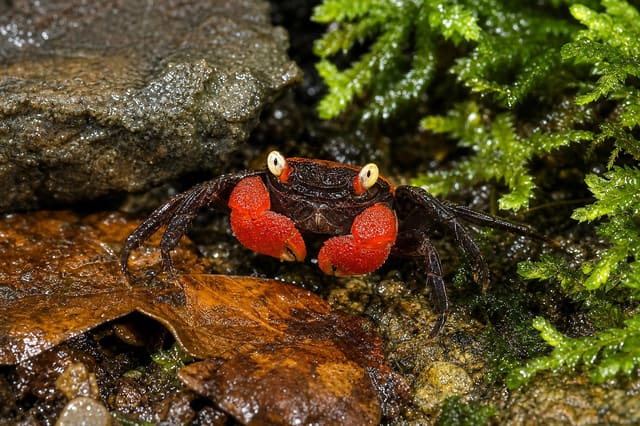
The Red Devil Vampire Crab (Geosesarma hagen) is a small land-living crab in the family Sesarmidae from Java, Indonesia. It suits a keeper prepared to provide a dedicated enclosure with permanent land and carefully managed aquarium water. Sold individually at a 4 cm dispatch size.
Geosesarma hagen
Save when buying more. Each quantity is one crab; sex is not guaranteed unless the listing explicitly states it.
Delivered on Thursday or Friday
Orders close every Friday at 5pm (UK time). We confirm the day in your tracking email.
The Red Devil Vampire Crab (Geosesarma hagen) is a small land-living crab in the family Sesarmidae from Java, Indonesia. It suits a keeper prepared to provide a dedicated enclosure with permanent land and carefully managed aquarium water. Sold individually at a 4 cm dispatch size.
The Red Devil Vampire Crab (Geosesarma hagen) is a small land-living crab in the family Sesarmidae from Java, Indonesia. It suits a keeper who wants a dedicated crab enclosure and is prepared to manage permanent land alongside any aquarium water incorporated into the habitat. This is not the unrelated aquarium fish that may also be called a Red Devil, so use the scientific name when researching equipment or checking that a care product is intended for the correct animal.
The World Register of Marine Species lists Geosesarma hagen as an accepted species in Sesarmidae. Its identity is important because advice intended for a different crab, a broad trade label or a similarly named fish may lead to the wrong enclosure decision.
Wikipedia’s summary of Geosesarma hagen describes it as a land-living crab from Java. Adults are dark brown, with bright orange on the claws and parts of the carapace. These features help identify the species, but natural appearance can still differ from the representative gallery view.
| Decision | What it means |
|---|---|
| Animal | One live Red Devil Vampire Crab. |
| Scientific identity | Geosesarma hagen, family Sesarmidae. |
| Native range | Java, Indonesia. |
| Dispatch size | 4 cm when supplied; this is not an adult-size figure. |
| Permanent home | A dedicated enclosure planned around its land-living biology. |
Judge the enclosure by usable habitat rather than its label. Permanent above-water space must remain accessible after equipment, décor and service areas are installed. If aquarium water forms part of the enclosure, leave enough working volume and access to operate filtration, take test samples and carry out maintenance without dismantling the land area.
One purchase supplies one live animal at a 4 cm dispatch size. Treat that figure only as the size supplied and prepare the permanent enclosure around the animal’s land-living natural history rather than using the dispatch measurement as an adult-size ceiling.
Sex is guaranteed only when the selected option explicitly states male or female. This Red Devil Vampire Crab listing has no sex-guaranteed option.
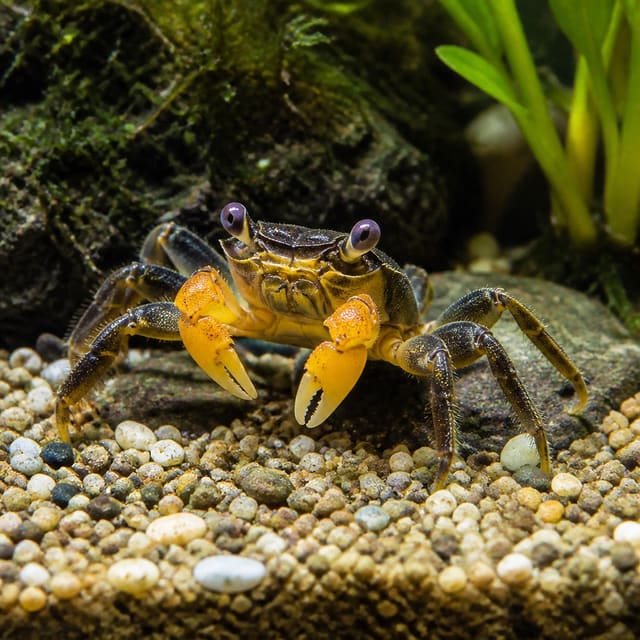
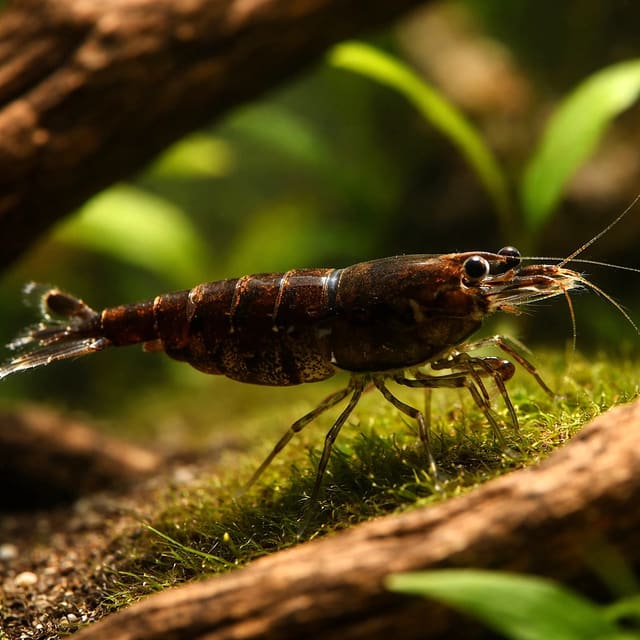
The gallery images are representative of this type of animal rather than photographs of the exact animal supplied, so colours can look slightly different from the live animal.
| Suits | Not suited to |
|---|---|
| A keeper planning a dedicated home for a land-living crab | A fully submerged layout with no permanent land |
| A setup with reachable land and serviceable aquarium water | A decorative layout that prevents filter or water access |
| A keeper willing to test and maintain any aquatic section | A container relying on clear-looking water without filtration checks |
| Someone comfortable assessing each additional animal separately | Anyone assuming several purchases form a sexed pair or balanced group |
Test the proposed layout from the crab’s level. Confirm that the animal can remain above the waterline, reach cover without crossing an entirely submerged area and use the habitat while routine maintenance is taking place. Then test the same plan from the keeper’s side: the filter, test-sampling point and service areas should remain reachable without collapsing the land structure.
A tall enclosure can offer little useful floor space once equipment is installed, while a broader layout may make land access and water maintenance easier. Compare actual usable areas rather than relying on the nominal enclosure volume alone. Where an aquatic section is included, its real water volume will be lower than the total capacity because the land structure and equipment displace water.
Prepare for the exact number of crabs you intend to house. Each additional purchase is another animal rather than part of a pair or pack, and the offer does not establish a sex ratio. Plan separate access to essential areas and retain a practical way to revise the arrangement if observation shows that one animal is preventing another from using the habitat.
If your aim is an entirely aquatic invertebrate display, compare the shrimps and crustaceans collection before choosing. The deciding factor is whether the prepared enclosure matches a land-living crab, not whether several invertebrates share a retail category.
Create the enclosure around permanent, usable land. The crab must not be treated as an ordinary fish simply because part of its habitat may contain aquarium water. An object projecting slightly above an otherwise flooded tank is not equivalent to an above-water area where a land-living animal can remain and move.
Judge each feature by its function. Above-water space should remain usable after equipment is installed. Any aquatic section should be arranged so that filtration can operate and the water can be sampled and maintained. The boundary between the areas should not prevent the keeper from reaching the filter or force the entire land structure to be dismantled during routine work.
| Enclosure part | Planning test |
|---|---|
| Permanent land | The crab can remain above the waterline and move across usable space. |
| Aquatic section | The water can circulate through a maintained biological filter. |
| Sampling point | Water can be collected for testing without disturbing the whole enclosure. |
| Filter access | Flow and media can be checked while the land structure stays intact. |
| Service area | Equipment can be reached without trapping or displacing the animal. |
Run a maintenance rehearsal before introducing the crab. Reach the filter, take a water sample and remove and replace some water while preserving the land area. Check that cables, pipework and equipment do not remove the only practical route across the enclosure. Correct awkward access while the habitat is empty rather than discovering the problem during a water-quality fault.
The true aquatic volume matters more than the manufacturer’s total capacity. Land structures and equipment reduce the water held at the normal operating level. Record that working volume so future maintenance decisions are based on the water actually present.
The invertebrate aquarium preparation guide can help with filtration and maturation of an aquatic section. Apply those aquarium-water steps while retaining the permanent above-water habitat required by this land-living crab.
Measure the aquarium water incorporated into the enclosure and keep a written record of its normal condition. Temperature, pH and other chemistry readings are useful only when they are associated with the real aquatic volume, the date, recent maintenance and the filter’s condition. A single reading without context cannot show whether the system is stable or moving towards a fault.
Use the water-chemistry guide to understand what each aquarium test measures. Enter the resulting figures in the water matcher when comparing measured water with any future species-level recommendation. Record the actual result rather than writing that the water appears clean.
| Record | Why it matters |
|---|---|
| Date and time | Shows how readings change between maintenance sessions. |
| Actual water volume | Prevents calculations being based on the enclosure’s larger nominal capacity. |
| Temperature | Shows whether the aquatic section remains stable through the day. |
| pH | Creates a baseline against which later movement can be recognised. |
| Ammonia and nitrite | Checks whether the biological filter is controlling toxic waste stages. |
| Filter flow | Connects chemistry changes with the condition of the filtration system. |
Take the first set of readings before the animal arrives. Repeat the tests after the system has been serviced and after any increase in livestock. This produces a practical baseline and shows whether the filter continues to operate under the changed waste load.
Respond to a measured change in a controlled sequence. Confirm the test, inspect the filter and compare the result with earlier entries. Review recent additions or maintenance before altering several parts of the enclosure at once. A dated series is more useful than repeated unrecorded tests because it shows direction as well as the current value.
Keep climate and water decisions together when assessing the enclosure. The animal uses a land-based habitat, while any water incorporated into that habitat remains an aquarium system requiring filtration, testing and stable operation. Neither part should become inaccessible because the other has been designed only for appearance.
Aquarium water needs an established biological filter whenever it is used as a managed livestock environment. The RSPCA’s general aquarium guidance explains that ammonia is toxic, that biological filtration converts it to toxic nitrite and that a further bacterial stage produces the safer nitrate. Apply that aquarium-water principle to the aquatic section while planning the rest of the enclosure around the crab’s land-living biology.
Set up and mature the filter before introducing the animal. Clear water alone does not demonstrate that beneficial bacteria can process the waste entering the system. Use test results and normal filter operation as the readiness checks.
| Checkpoint | Action |
|---|---|
| Before introduction | Run the filter and establish baseline ammonia and nitrite results. |
| During routine checks | Compare water tests with the recorded normal pattern. |
| Reduced flow | Inspect the intake, outlet and media before the blockage worsens. |
| After maintenance | Confirm that circulation resumes and retest the water. |
| After adding an animal | Increase monitoring while the biological load changes. |
Design the enclosure so the filter can be inspected without destroying the land area. A filter hidden behind fixed scenery may be attractive initially, but it makes urgent inspection difficult. Keep removable parts and the water-sampling point accessible from the normal service side.
If ammonia or nitrite appears in a previously stable system, treat the result as a water-quality fault. Confirm the reading, inspect flow and review what changed before the result appeared. Do not increase the livestock load while the filter and readings are unsettled.
Account for power and equipment access as part of the permanent layout. A pump that stops, an intake that blocks or a return that shifts can change the aquatic section quickly. A short visual check of circulation alongside the animal check helps identify equipment changes before they become prolonged.
Keep maintenance measured rather than turning every service into a complete redesign. Stable biological filtration depends on an established system, while the land-living animal also benefits from an enclosure that is not repeatedly dismantled.
Base the feeding plan on the identified animal, Geosesarma hagen, rather than on the words “Red Devil”, the adult colour description or advice written for the unrelated fish that shares that trade wording. Keep the scientific name on the feeding record so anyone caring for the enclosure knows which animal the plan concerns.
Treat feeding and water management as connected decisions. Any material entering an enclosure can affect the workload placed on its aquatic section and filter. Record feeding changes alongside water tests so a later shift in filter performance can be matched to what changed in the routine.
| Decision | Record |
|---|---|
| Animal identity | Red Devil Vampire Crab, Geosesarma hagen. |
| Food plan | The established plan being used for this identified crab. |
| Change made | The date a food, portion or routine was altered. |
| Animal response | Whether the crab approached and consumed the offered food. |
| Water response | Any change in tests or filter operation following the adjustment. |
Change one part of the routine at a time. If the food type, amount and timing all change together, the resulting observation cannot show which adjustment affected feeding or water quality. A simple dated record makes later decisions more precise.
Keep the feeding area reachable during routine observation. The keeper should be able to confirm whether food was taken without dismantling all above-water cover or disturbing the entire enclosure. This is a layout decision to make before the animal arrives.
Do not use the crab as a substitute for aquarium maintenance. A scavenging label does not remove the need to inspect filtration, test managed water and respond to waste. Feeding remains an intentional care task, while biological filtration manages the resulting aquatic waste process.
When another person will care for the animal, leave the scientific identity and the established feeding record together. This reduces the risk of substituting instructions intended for a fish, another crab or a generic invertebrate merely because the common names appear similar.
Finish the permanent land area, establish any biological filtration and record the initial water tests before the animal arrives. Introduction is the final stage of preparation, not the time to decide where permanent land or service access will go.
Read the current delivery and Live Arrival Guarantee policy before arranging receipt. Someone must be present to receive the parcel, and it must be opened and inspected on the day it arrives.
The continuous video begins before the parcel is opened. Keep the sealed parcel, opening and animal in the sealed bag in the same take. Retain the order number because the policy requires it with a Live Arrival Guarantee claim.
After release, confirm that the animal can use the prepared above-water area and that the aquatic equipment remains in its normal operating state. Observe without immediately rebuilding the enclosure. The first useful comparison is between the animal’s behaviour and the stable conditions recorded before arrival.
Recheck filter flow and take an additional water test if equipment was moved during introduction. Keep the first observations factual: note where the crab spends time, whether it moves normally and whether it approaches the established feeding area. A dated note is more useful than repeatedly changing the habitat in response to every short period of hiding.
If anything has gone wrong, contact us the same day with the order number and continuous unboxing video. Keep the evidence required by the policy while the animal’s condition is assessed.
Build maintenance around observation, water tests and filter access. A repeatable sequence helps distinguish a real change from the animal’s ordinary pattern and prevents essential aquarium work from being postponed because the land structure is difficult to service.
Use the actual aquatic volume for every water-related calculation. The nominal enclosure capacity includes space occupied by land, equipment and air, so it can substantially overstate the water present. Measure the working water volume once the enclosure is complete and record any later layout change that alters it.
| Routine record | Decision it supports |
|---|---|
| Filter flow | Whether equipment needs inspection. |
| Ammonia and nitrite | Whether biological filtration remains effective. |
| Temperature and pH | Whether the established water pattern remains stable. |
| Usable land | Whether maintenance or equipment has reduced above-water access. |
| Animal observation | Whether behaviour differs from the recorded normal pattern. |
Record changes immediately rather than relying on memory. Note additions, filter work, layout alterations and feeding adjustments beside the next set of test results. This creates a timeline that can explain why a previously stable reading moved.
Increase monitoring after adding another animal because the biological load has changed. Do not assume that satisfactory results before the addition will remain unchanged afterwards. Continue until the new pattern is stable and the filter is operating consistently.
Finish every session by checking the enclosure as a complete habitat. Good water readings do not compensate for lost permanent land, and an attractive land layout does not compensate for an inaccessible or poorly functioning filter.
Learn the animal’s ordinary pattern after it has settled, then compare later observations with that baseline. Record activity, location, feeding response and visible appearance without assuming that one isolated difference identifies a disease.
Start an investigation with the shared environment. Test the aquatic section, inspect filter flow and review recent changes to feeding, maintenance, equipment or livestock. This sequence identifies measurable faults before several parts of the enclosure are altered at once.
| Observation | First check |
|---|---|
| Sudden change in activity | Compare water tests and filter flow with the normal record. |
| Different use of land or water | Check whether maintenance changed access between the areas. |
| Reduced feeding response | Review the feeding record and the latest environmental readings. |
| Several animals change together | Investigate the shared enclosure and filtration promptly. |
| One animal is excluded from an area | Assess whether another animal or a layout feature blocks access. |
| Equipment has stopped or slowed | Inspect the filter and retest the water after operation is restored. |
Write down actual figures when seeking help. Include the dates, ammonia and nitrite results, temperature, pH, filter condition, aquatic volume and any recent additions or maintenance. A statement that the water appears clear cannot replace numerical readings because toxic nitrogen compounds are not assessed by appearance.
If the animal’s condition changes sharply, contact us with the timeline and test results. Continue protecting the stable parts of the enclosure while the problem is assessed rather than applying an improvised treatment or making several simultaneous changes.
When more than one crab is housed, observe whether every animal can continue to use the permanent land and established feeding area. Water tests may remain steady even when access has become uneven. Environmental measurements and direct behavioural observation answer different questions and should be considered together.
Review the record after the immediate problem has passed. Identify the earliest changed reading or observation and adjust the future checking routine around that warning sign. This turns an isolated incident into a practical prevention step.
A dedicated enclosure is the clearest compatibility plan for a land-living Red Devil Vampire Crab. Any mixed arrangement must be assessed for habitat use, access, feeding, waste load and behaviour rather than approved because two animals share a broad retail category.
Shared temperature or pH preferences alone cannot answer compatibility. One animal may require permanent land while another depends on uninterrupted aquatic space. Equipment and structures added for one may reduce the usable habitat of the other even when the water readings appear suitable.
| Question | Decision test |
|---|---|
| Does each animal use the same area? | Check whether their essential spaces overlap or exclude one another. |
| Can each reach its habitat? | Reject a layout in which one animal can block permanent land or another essential area. |
| Can each be fed correctly? | Confirm that feeding and observation remain practical for every animal. |
| Can filtration handle the load? | Establish baseline tests and monitor after every addition. |
| Is behaviour predictable? | Use direct observation and retain a separation plan where uncertainty remains. |
Do not turn the absence of an immediate incident into a guarantee of long-term compatibility. Behaviour and habitat use may change after settling, during feeding or as animals grow. Continue screening after introduction rather than treating compatibility as a one-time decision.
Treat fish, shrimp, snails and other crabs as uncertain companions. Choose a dedicated enclosure or assess the exact proposed animals against the complete habitat. The honest starting point is uncertainty until the land, water, feeding and behavioural requirements of both animals have been compared.
Before attempting a mixed arrangement, write down the enclosure dimensions, actual aquatic volume, filtration, normal water readings and the essential habitat used by each animal. A practical compatibility assessment depends on those details, not the word “community” or “invertebrate”.
If the mixed plan cannot preserve permanent land for this crab and the complete habitat required by the proposed companion, use separate enclosures. Separation is a clear husbandry decision, while hoping that animals use different spaces without assessment leaves both sets of needs unresolved.
One purchase supplies one crab, so every additional purchase increases both the number of animals and the potential load on any managed aquatic section. The offer does not establish a pair, trio, sex ratio or social group. Plan the exact total rather than assuming several animals automatically form a balanced arrangement.
Introduce changes slowly enough to observe their effect. A filter that handled the previous load still needs monitoring after another animal is added. At the same time, stable water results do not show whether every crab can reach the permanent land and feeding area.
If ammonia or nitrite appears after an addition, stop increasing the livestock load and inspect the filter. Confirm the test, review recent feeding and maintenance changes and restore stable operation before making another stocking decision.
Watch access as carefully as chemistry. One animal can be excluded from a useful area while the filter continues to return satisfactory results. Record which animal uses each part of the habitat rather than relying on a total head count alone.
Retain a practical separation plan whenever more than one animal is considered. This does not predict that conflict will occur; it recognises that sex is not guaranteed and that the offer data does not define a social arrangement. A spare secure setup or a way to divide care safely prevents an access problem from becoming an emergency.
Review the complete enclosure after each change. Check permanent land, filter access, actual water volume and service space again, because an added structure intended to create another area may unintentionally reduce the aquatic volume or make maintenance harder.
The 4 cm figure is its dispatch size, not an adult-size measurement. Plan the permanent enclosure around Geosesarma hagen being a small land-living crab rather than treating 4 cm as its mature limit.
Choose a dedicated enclosure with usable permanent land and enough serviceable aquarium water for established filtration and testing. Judge it by the completed layout and actual aquatic volume rather than its nominal capacity.
One purchase supplies one crab. Prepare for the exact number planned, assess access and filter load after every addition and do not assume several animals form a pair, sex ratio or balanced social group.
It suits a keeper prepared to manage a specialist land-based crab enclosure and any incorporated aquarium water as two connected parts of one habitat. Establish the land, filter and testing routine before the animal arrives.
Use an established feeding plan for Geosesarma hagen, not one inferred from its colour, trade name or the unrelated Red Devil fish. Record feeding changes alongside water tests so their effect on the managed system can be followed.
Measure temperature and pH before introduction and keep a stable written baseline for the aquatic section. Compare future species-level recommendations with the actual readings rather than making unmeasured adjustments.
Fin-nipping is not the right assessment for a land-living crab. Behaviour with other animals remains uncertain, so use a dedicated enclosure or screen the exact mix for habitat access, feeding, filtration load and direct interaction.
Use a dedicated enclosure as the clearest plan. Any fish, shrimp, snail, crab or other proposed companion needs an individual assessment covering land and water use, feeding, waste load, behaviour and separation options.
Start filming every delivery continuously while the parcel is still sealed, before floating the bag. Someone must be present to receive it; film the sealed parcel being opened with the animal still in the sealed bag, float the bag for 20–30 minutes and never pour the bag water into the aquarium.
No reviews yet. Bought this fish? You'd be the first — honest reviews only, good or bad.
18–26°C · pH 6.5–8 · 30L
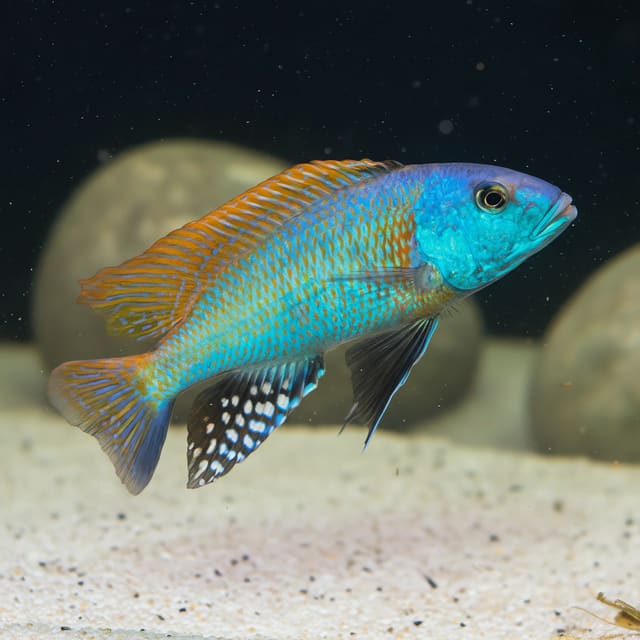
23–27°C · pH 8–8.4
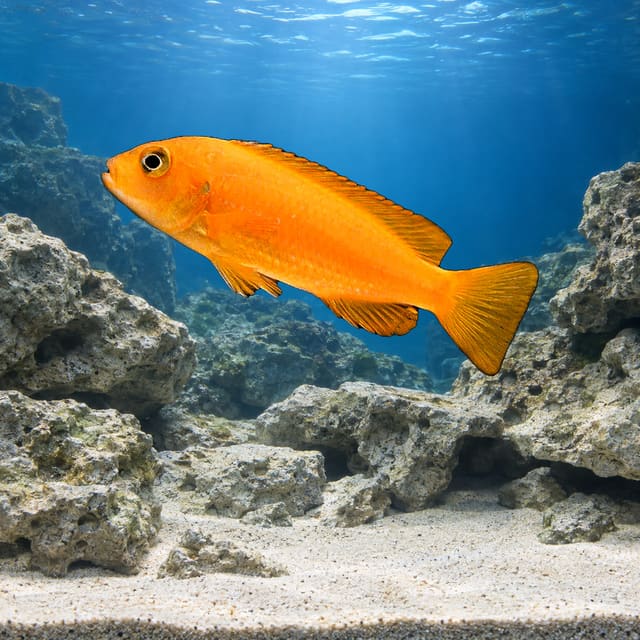
23–27°C · pH 7.4–8.4 · 150L
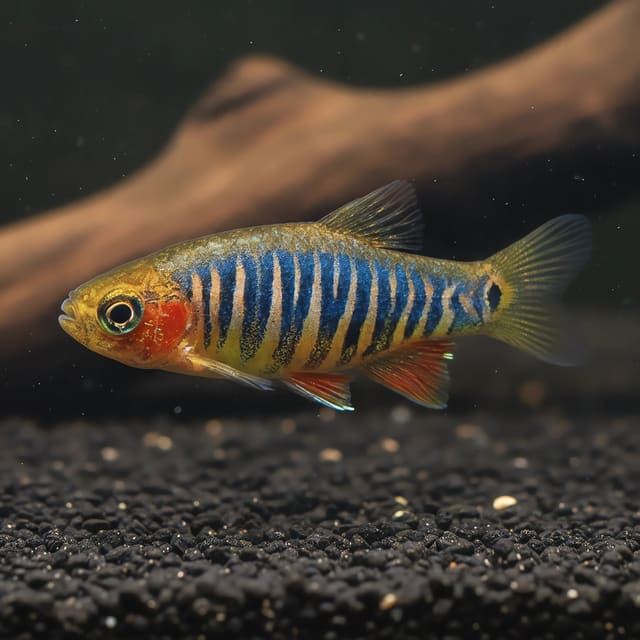
21–25°C · pH 6.5–7
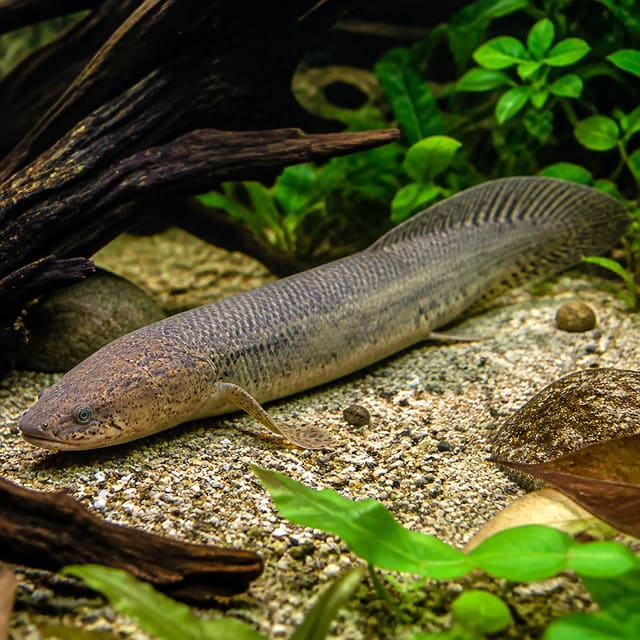
25–30°C
26–27°C · 54L
24–28°C · pH 7–8 · 120L
24–27°C · pH 7.5–8.8 · 150L
24–27°C · pH 6.5–8 · 200L
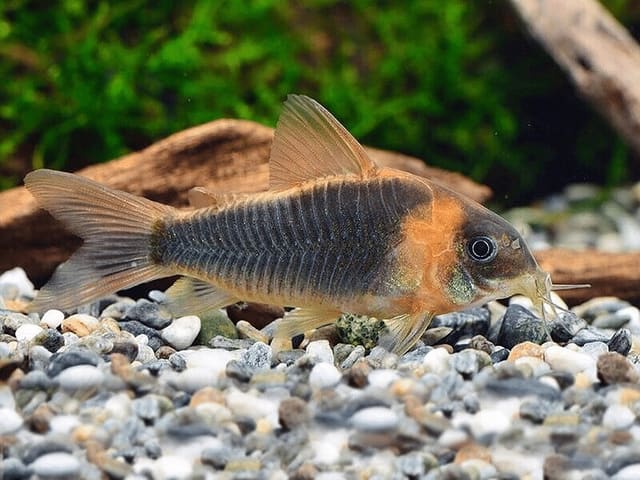
22–26°C · pH 6–7.5 · 60L
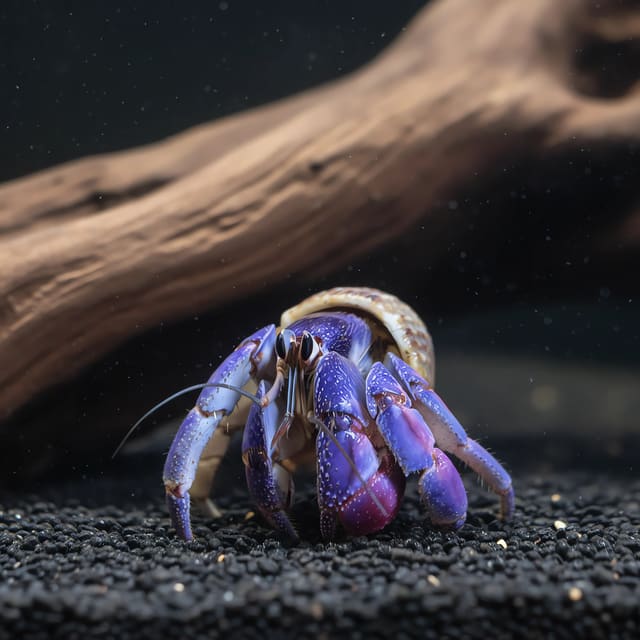
24–28°C
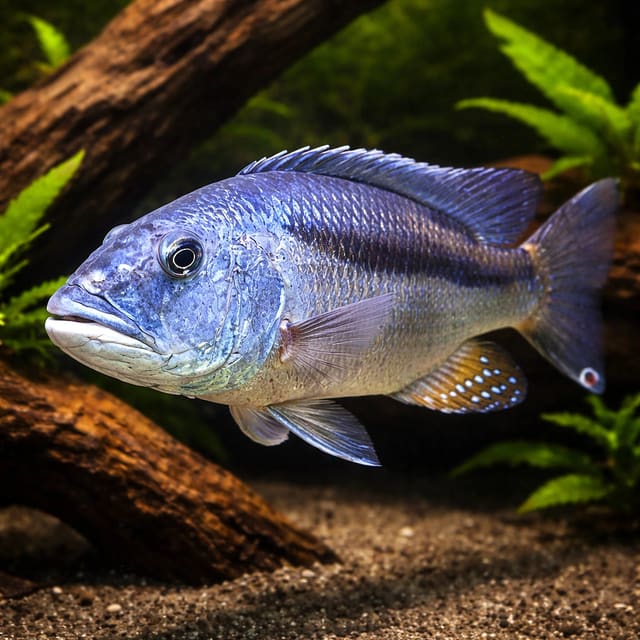
24–28°C · pH 7.5–8.5 · 500L
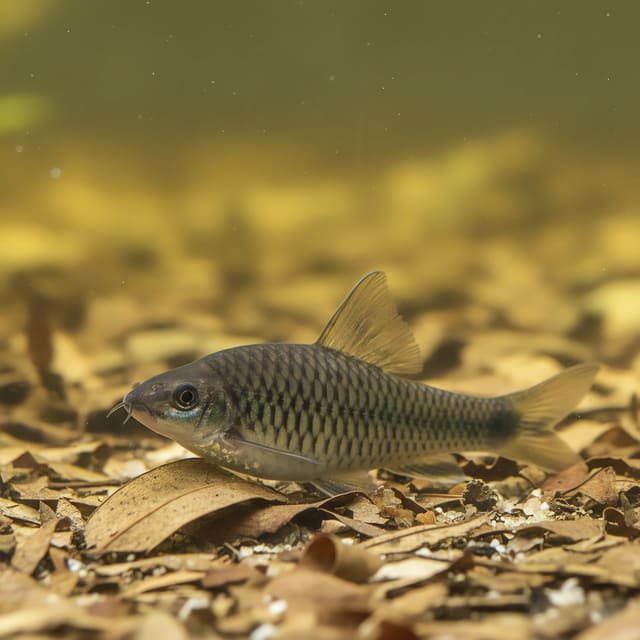
22–26°C · pH 6–7.5 · 150L
23–27°C · pH 5.5–7.5 · 80L
24–27°C · pH 7.5–9 · 250L