Moderate
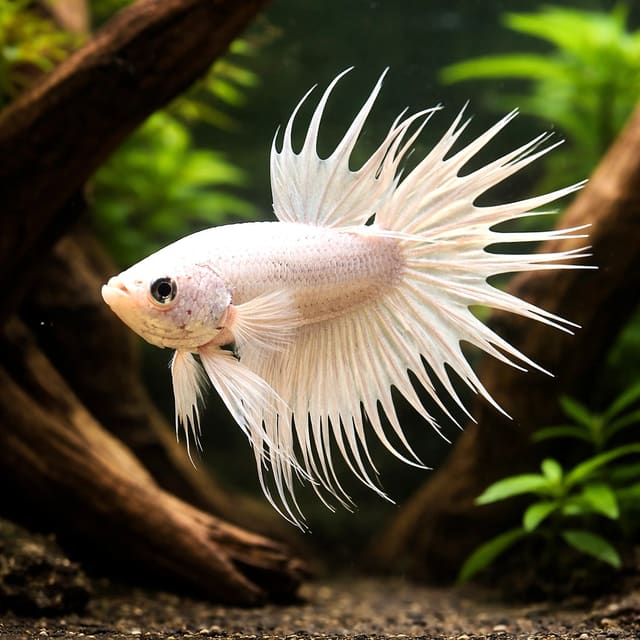
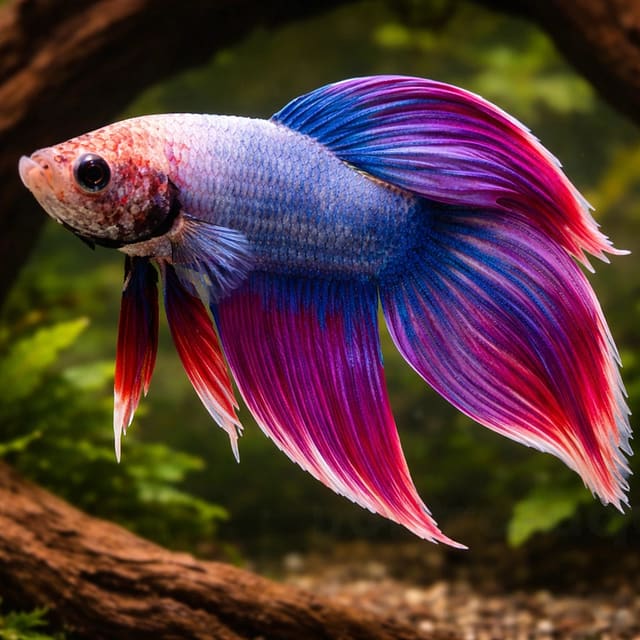
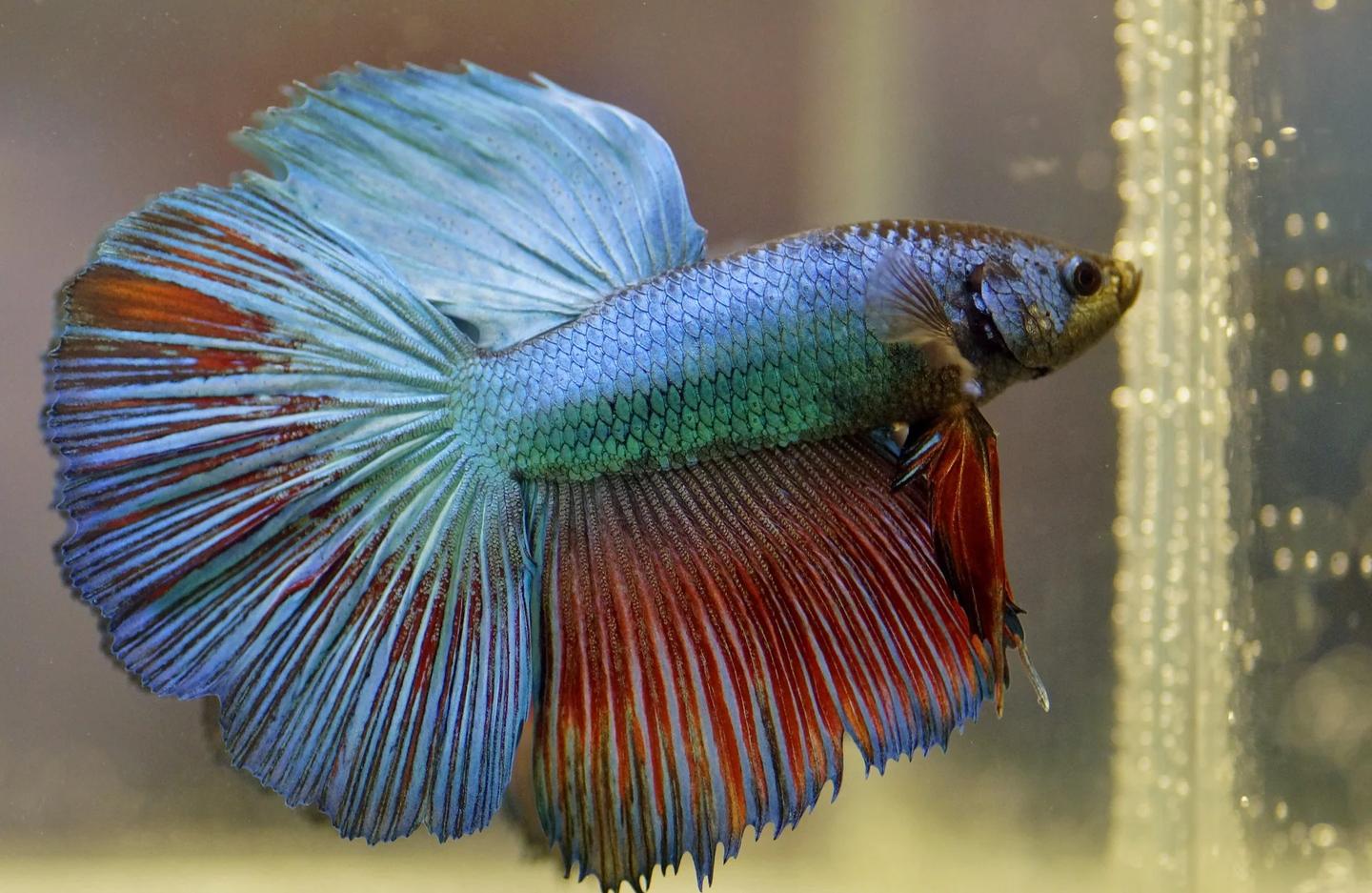
Halfmoon Mustard Male Betta (Betta splendens)
26–28°C · pH 6–8 · 41L
£37.99

Wild Mahachai male betta, a bold top-dwelling fighter best kept alone in a planted tank. Moderate care, aggressive. 24–30°C, pH 6.5–7.5.
Adult size is the maximum length this species reaches at full maturity (scientific sources). The livestock you receive will be younger and smaller. Product-photo provenance and any image-specific limitations are stated on the listing.
Betta mahachaiensis
Confirm your email, then we’ll send an availability message for this exact item if it returns within 180 days.
This request is only for this product—no newsletter or other promotions. A mail-provider retry may very rarely duplicate the same availability message. Unconfirmed addresses are removed after 48 hours. See our privacy policy.
Wild Mahachai male betta, a bold top-dwelling fighter best kept alone in a planted tank. Moderate care, aggressive. 24–30°C, pH 6.5–7.5.
Adult size is the maximum length this species reaches at full maturity (scientific sources). The livestock you receive will be younger and smaller. Product-photo provenance and any image-specific limitations are stated on the listing.
For one typical domestic Betta splendens, start with at least 20 litres, a mature filter, thermostatic heater, separate thermometer, gentle flow, a secure lid with surface access, and plants or refuges. Keep one male per aquarium.
Maintain these water conditions for optimal health and vibrant colors
Among the prized wild members of the Betta splendens complex, the male Mahachai betta (Betta mahachaiensis) is a true fighter rather than a long-finned ornamental form. It is a fish for the keeper who wants the character of a wild Thai betta and is prepared to give it a tank of its own.
This is the larger, bolder sex, reaching around 8 cm and carrying a distinctly aggressive temperament. It patrols the upper levels of the aquarium, breathes air at the surface through its labyrinth organ, and feeds as a carnivore, so a varied menu of meaty foods suits it best. A typical lifespan is about three years.
Give a single male at least 50 litres, planted heavily with plenty of cover, and keep the water warm and close to neutral. Strong structure and broken sightlines help diffuse its territorial drive. It accepts a hardness range of 2 to 12 dGH and a temperature band up to 30°C, which is at the warmer end for a betta and worth matching with a reliable heater.
People often ask whether a Mahachai male can live in a community tank: in practice it really cannot be trusted in a mixed setup, and a species arrangement is the responsible default for an aggressive wild fighter of this kind. Treated this way, with quiet conditions and a varied carnivorous diet, it typically lives for around three years.
Because of that aggression, this male is safest essentially alone. Snails are a reliable companion, and only very peaceful, non-nippy bottom dwellers might be considered, and then only in a large, heavily planted tank with close monitoring. Never house it with other male bettas, fin-nipping fish, large or boisterous species, aggressive cichlids, or fish that demand very hard, alkaline water. Each Mahachai male is sent via a licensed live-animal courier with our live arrival guarantee.
No reviews for this item yet. Bought one? Honest reviews only, good or bad.
What customers say about ordering from us
I have a small group of long finned mountain minnows. So was delighted to be able to order ten of this variety to increase the genetics in my tank . The ones I recieved are healthy but it’s to early to give a verdict on wether they are of a long finned type since they are small currently.
Gordon Walker · 23 Sept 2026
100% success travel and "installation". Pleased with quality of purchase. The Siamese fighter a bit "shy" so have not yet seen him at his best yet but looking good. Happy customer. GG
George E Garratt · 21 Sept 2026
Reviews of our shop, collected by Judge.me, an independent third-party review collector. Newest first.