−13%
Moderate
Crowntail Male Betta (Betta splendens)
26–28°C · pH 6–8 · 20L
£12.17£13.99

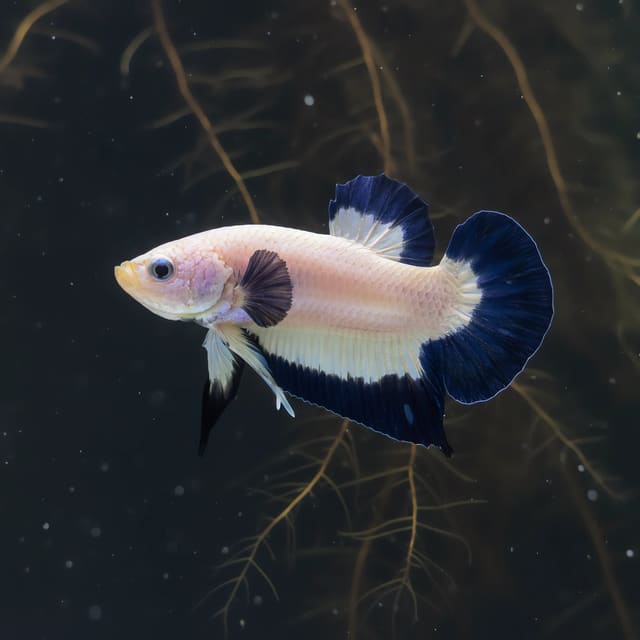
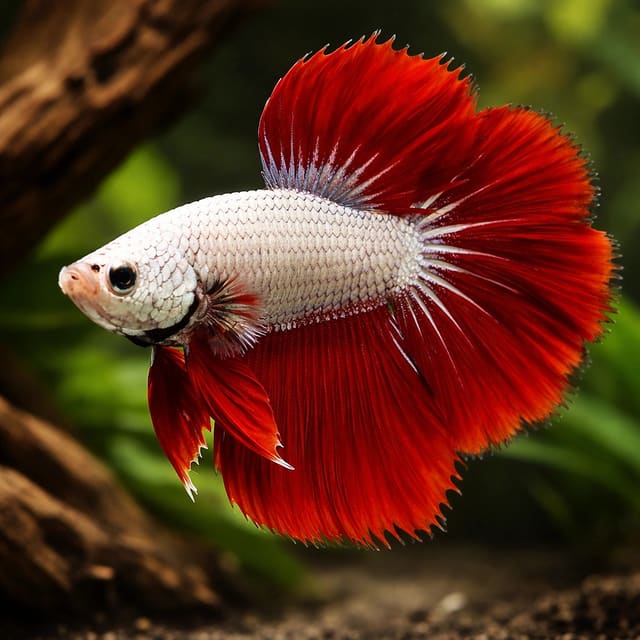
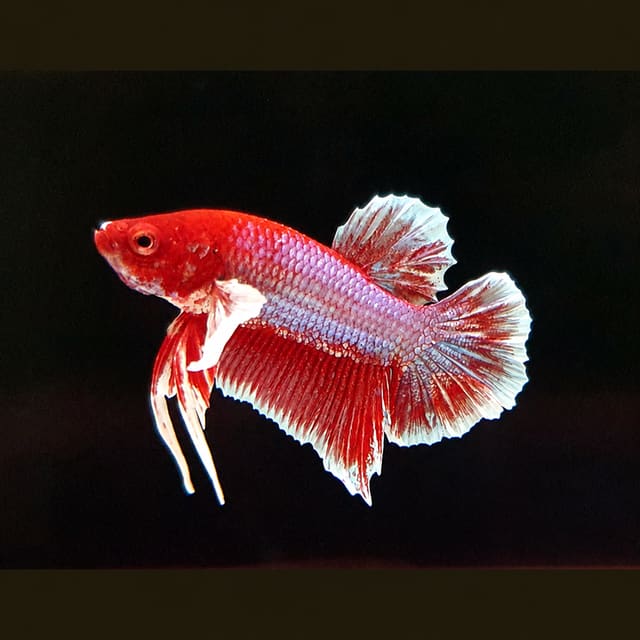
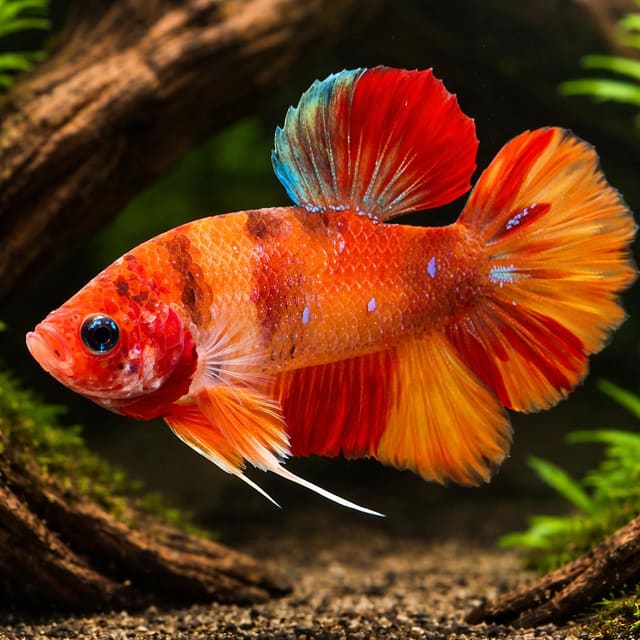
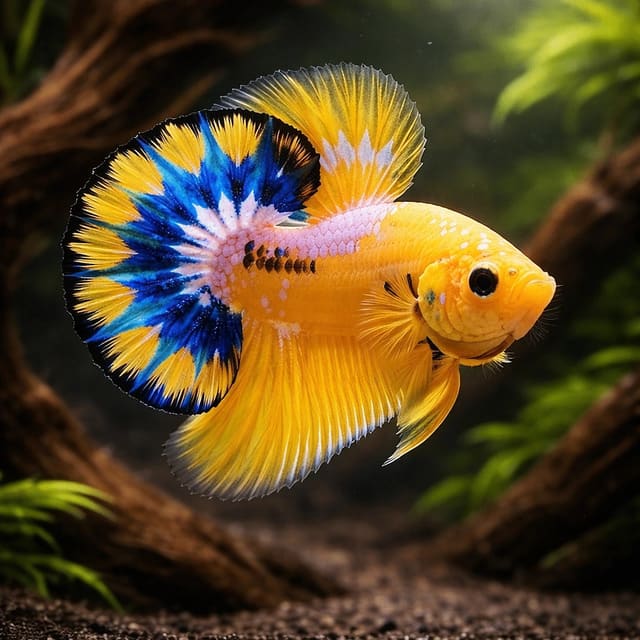
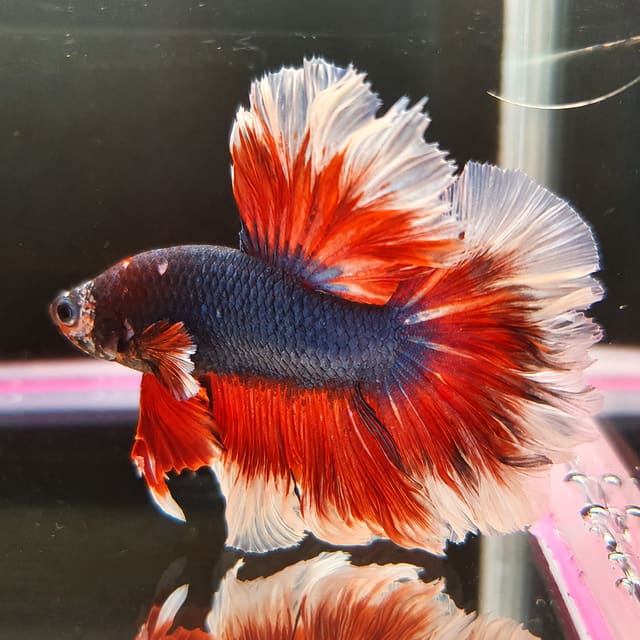
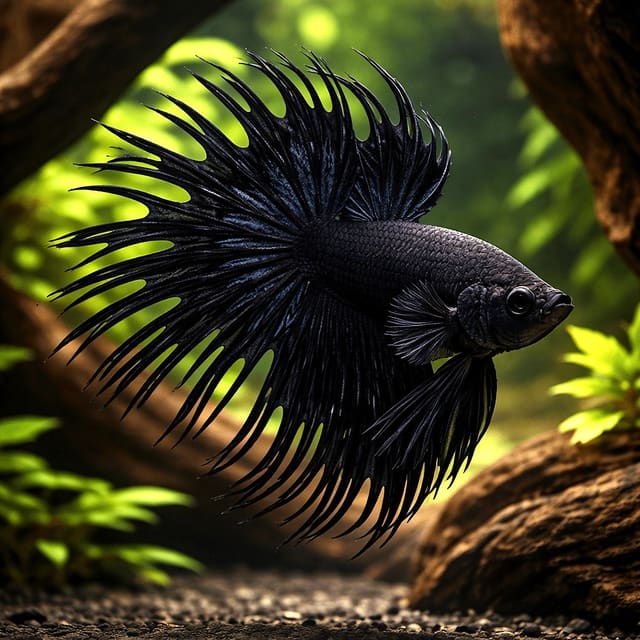
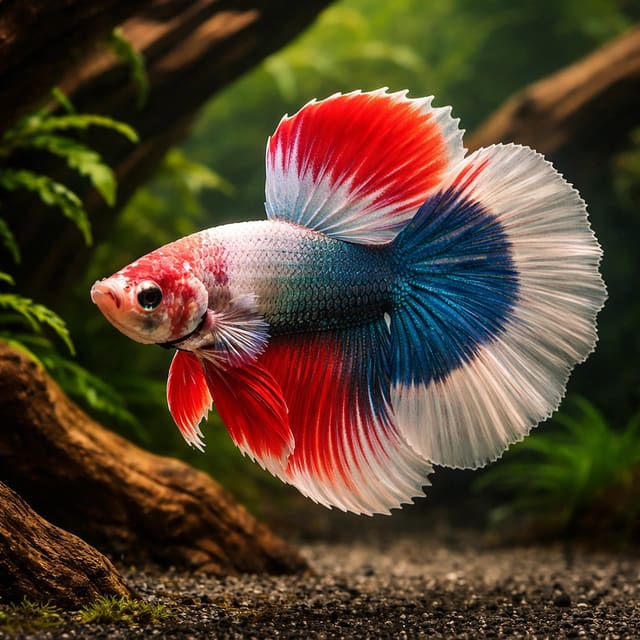
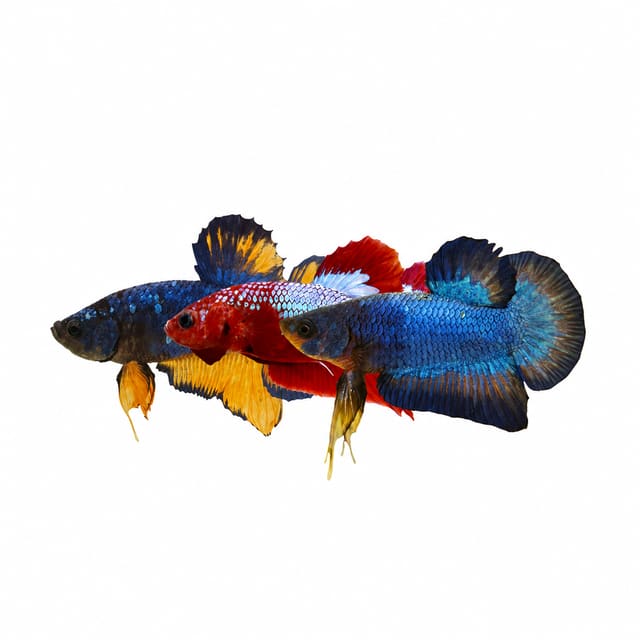
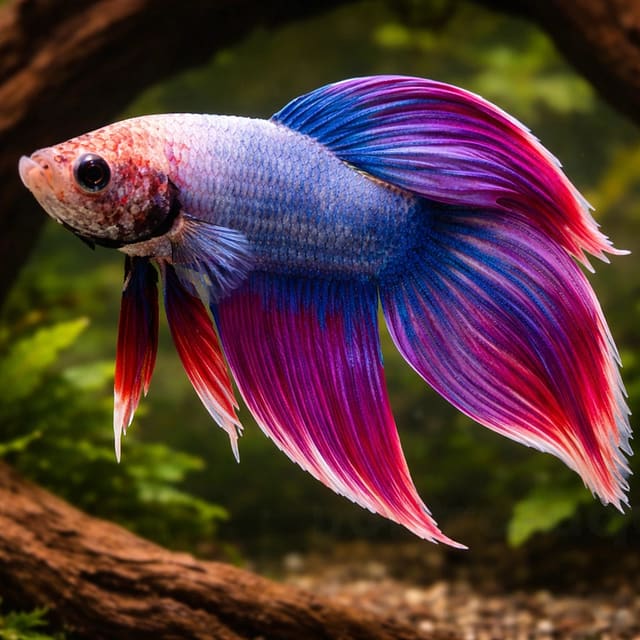
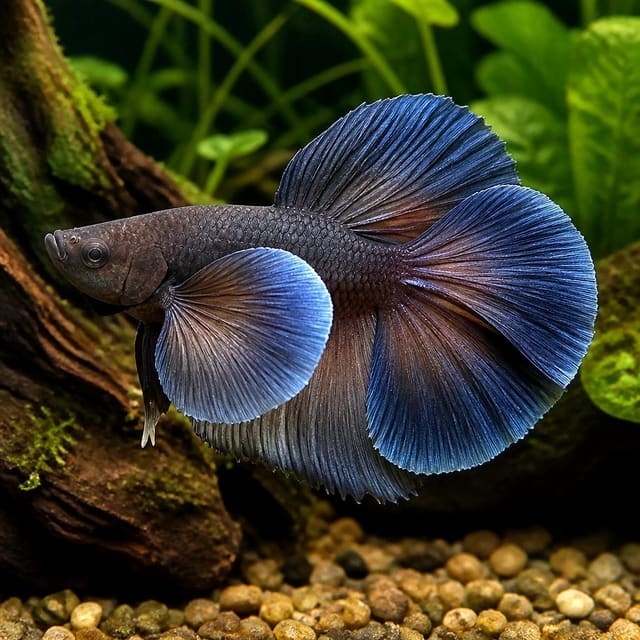
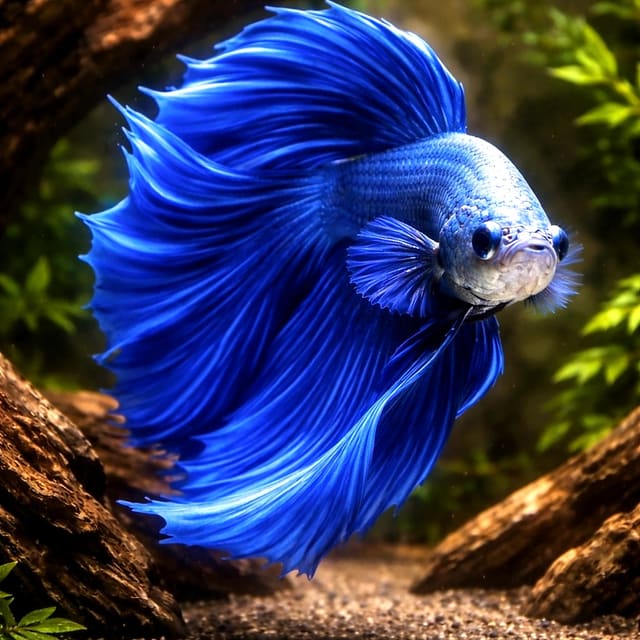
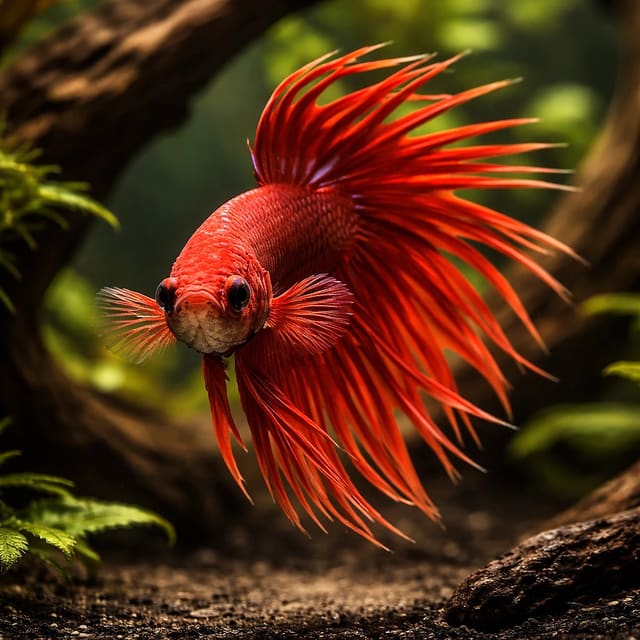
Crowntail White Male Betta (Betta splendens) is a pale, long-finned male for a warm, planted aquarium with gentle flow. Keep one male alone as the safest plan; one live male fish is supplied per purchase.
Betta splendens
Crowntail White Male Betta (Betta splendens) is a pale, long-finned male for a warm, planted aquarium with gentle flow. Keep one male alone as the safest plan; one live male fish is supplied per purchase.
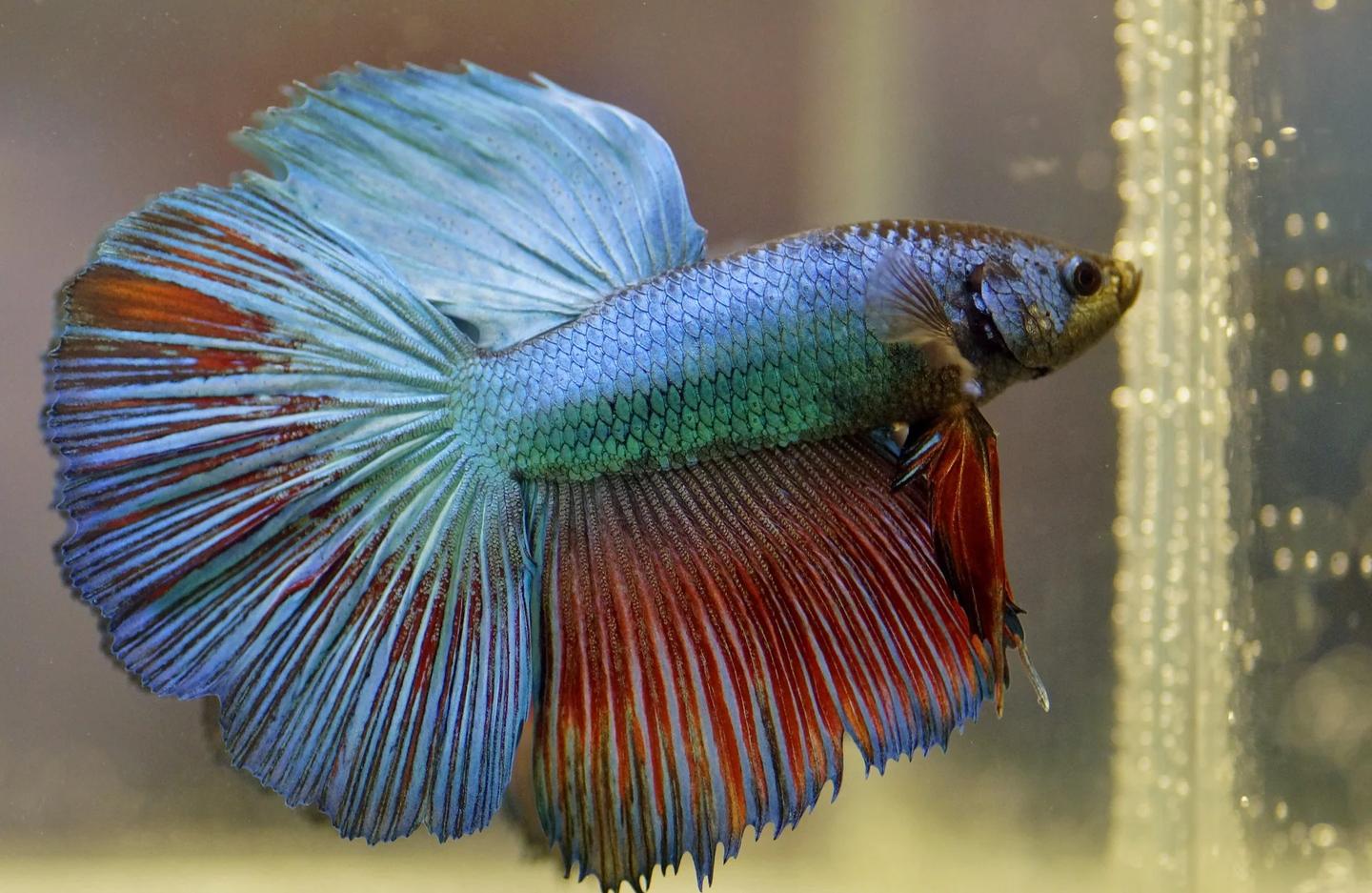
For one typical domestic Betta splendens, start with at least 20 litres, a mature filter, thermostatic heater, separate thermometer, gentle flow, a secure lid with surface access, and plants or refuges. Keep one male per aquarium.
Maintain these water conditions for optimal health and vibrant colors
The Crowntail White Male Betta (Betta splendens) combines a pale white domestic colour form with the separated fin-ray outline associated with the crowntail name. This listing is for one live male fish per purchase. It is a deliberate solo-centrepiece choice rather than a fish to add casually to a general community: the safest plan is one male in his own warm, covered, gently filtered aquarium.
Betta splendens belongs to the gourami family Osphronemidae. FishBase records the species from the Mekong basin and describes it as a facultative air-breather found in still and slow-water habitats. Domestic crowntails are ornamental forms, so colour and fin shape do not prove a wild origin, exact age, temperament or future appearance. The white crowntail and male wording describe this offer; the accepted scientific identity remains Betta splendens.
| Suits | Not suited to |
|---|---|
| A keeper who will prepare a mature, heated and covered aquarium before the fish arrives | A bowl, vase or unfiltered display chosen because Bettas can breathe atmospheric air |
| A calm planted layout with gentle current, surface access and smooth resting places | Strong flow, exposed housing or rough decor that can snag extended fins |
| Someone happy to keep one male as the default social plan | Housing two males together or assuming every community fish will be safe |
| A careful beginner willing to test water and maintain equipment, or an experienced keeper wanting a solo display | An uncycled aquarium, irregular maintenance or an impulsive tank-mate experiment |
One purchase supplies one Crowntail White Male Betta. The exact listing is sold as male; the photograph count does not change the sold quantity. Sex is guaranteed only when the exact product or selected option explicitly states male or female. This Crowntail White Male Betta listing is sold as male.
One purchase supplies one live male without a specified numeric dispatch length. Adult records remain separately labelled: Seriously Fish lists 70 mm standard length, while FishBase records 6.5 cm total length. Standard length and total length use different endpoints, so neither figure is presented as a single universal adult maximum.
Our complete Betta care guide explains the store's conservative setup policy, while the Betta collection holds the live range of other offers. Gallery images have been digitally enhanced to improve image quality. Natural colour, pattern, size and maturity can vary between live animals.
This offer is a good match when the planned result is one male Betta as the main fish, not an impulse addition to an established mixed aquarium. Confirm that the aquarium is already cycled, heated, covered and gently filtered. The useful planning benchmark is a base around 45 × 30 cm and about 41 litres for this single male. Substrate and decor reduce the real water volume, so compare the usable aquarium rather than relying only on the number printed on a box.
Look at the route to the surface as carefully as the floor plan. The fish must be able to reach air without fighting strong current, dense floating growth or a narrow uncovered gap. Smooth resting places near the upper water, shade and calm planted areas are more valuable than sharp ornaments chosen only for appearance. Test the heater and filter before delivery, then confirm ammonia and nitrite are both zero.
Have suitable food, conditioner, a thermometer and water tests ready before the parcel arrives. One purchase means one fish; extra gallery photographs do not indicate a pair or group. The fish is sold as male, while exact shade, fin spread, age and individual temperament remain variable.
A labyrinth organ allows a Betta to take atmospheric air at the surface, but it does not replace a mature biological filter, heater or regular water testing. Plan the aquarium before ordering the fish. A practical starting footprint in the species profile is 45 × 30 cm, about 41 litres, as given by Seriously Fish for Betta splendens. OATA's broad UK guidance starts one male at 20 litres, but that smaller threshold should be treated as a minimum screen rather than proof that any nominal 20-litre container is equally suitable. Actual water volume falls after substrate and furnishings are added, and a longer tank gives more usable swimming and resting space.
Use a secure cover while leaving the fish clear access to the air immediately above the water. Bettas can jump, and the warm, humid layer beneath a lid is part of a stable setup. Fit a mature filter with a calm return. If the current repeatedly pushes the fish away from a chosen resting area, diffuse or redirect it while keeping biological filtration running. Strong current is a poor match for a long-finned male that naturally benefits from quieter water.
Furnish the aquarium with live plants or smooth aquarium-safe alternatives, shaded areas and several places to pause near the surface. Wide leaves, floating cover and smooth wood can make the upper levels more usable. Check every opening and ornament for abrasive edges or gaps that could trap a body or fin. Leave an open route to the surface rather than filling the whole upper layer with dense growth.
Clear water is not the same as biologically mature water. Establish the filter before the fish arrives and confirm that ammonia and nitrite are both zero. The first tropical aquarium guide sets out the preparation sequence. A planned purchase should wait if either toxic waste reading is detectable.
The RSPCA's aquarium guidance explains why a working biological filter is essential: fish waste produces ammonia, bacteria convert it to nitrite and then to the less immediately toxic nitrate. Keep enough mature media in service to support that process. When cleaning is necessary, OATA advises rinsing filter media lightly in removed aquarium water rather than running it under the tap, where chlorine or chloramine can damage the beneficial bacterial population.
Test water on a regular schedule and record the results, especially during the first weeks after adding the fish or after equipment changes. A useful routine includes temperature, ammonia, nitrite, nitrate and pH, with hardness checked when assessing the suitability of the source water. Our water-chemistry guide explains what the numbers mean, and the water matcher helps compare measured aquarium values with the stated guidance.
Seriously Fish gives a species-level aquarium range of 22–30 °C, pH 6–8 and 1–15 dGH. FishBase reports 24–30 °C, pH 6–8 and 5–19 dH as environmental values, while the OATA Betta care sheet gives broad domestic guidance of 20–28 °C, pH 6–8 and 4–12 dGH. These figures come from different contexts. They are not permission to move a fish rapidly between the endpoints.
For a typical domestic Betta splendens, Tropical Fish Co uses 26–28 °C as a practical target inside the published ranges. Use a thermostatic heater sized according to its manufacturer's instructions and verify the actual result with a separate thermometer. Prioritise day-to-day stability and a careful match to the fish's established water over adjusting pH or hardness to a fashionable decimal.
| Check | Practical approach |
|---|---|
| Temperature | Use 26–28 °C as the store's stable practical target for a typical domestic Betta, within the species profile's 22–30 °C range. |
| pH | Keep it stable within 6–8 and avoid sudden chemical correction. |
| General hardness | The species profile gives 1–15 dGH; test the aquarium and compare it with the fish's established conditions. |
| Ammonia and nitrite | Both should remain at zero; any detectable result needs immediate investigation. |
| Nitrate | Track the trend and use feeding, stocking and partial water changes to prevent accumulation. |
Wild Betta splendens takes small aquatic and terrestrial invertebrates. In an aquarium, use a suitably sized complete Betta pellet or quality aquarium food as the nutritional base. Add small live or frozen foods such as daphnia, Artemia or bloodworm as variety rather than allowing one treat to become the whole diet.
Portion size depends on the food's dimensions and energy density as well as the individual fish's age and body condition. Follow the food maker's guidance, offer an amount that is eaten promptly and remove uneaten material before it decays. Avoid universal pellet counts and eye-size formulas. Bettas can be prone to obesity, and excess food also raises the load on the filter.
Observe the fish from above and from the side over time. A steady body shape, active interest in food and normal swimming are more useful than encouraging constant begging. If several people feed the aquarium, agree a measured routine so the same meal is not given twice.
OATA strongly recommends a partial water change of 25% at least once every week for Bettas. Adjust the routine when measured water quality, aquarium volume and feeding load show that more frequent maintenance is needed, but avoid large unplanned changes in chemistry or temperature. Treat replacement tap water with a suitable conditioner before it enters the aquarium.
Use a siphon to remove settled waste from accessible areas while leaving the fish secure. Check filter flow, heater operation and thermometer agreement during each maintenance session. Rinse reusable media lightly in the removed aquarium water when it is obstructed. Keep the lid, cables and air gap arranged so the fish can reach the surface safely.
Before delivery, test the prepared aquarium, confirm the heater and filter are working, and make sure a responsible person can receive the parcel. Start the continuous unboxing video while the parcel is still sealed, keep the outer box in view and record opening it in one take until the fish can be seen inside the sealed bag. Inspect the fish and contact Tropical Fish Co the same day if anything is wrong.
Keep any concern tied to the whole aquarium context. A pale patch, folded fin, altered appetite or unusual posture can have several causes. Test the water, review recent changes and seek experienced aquatic help rather than choosing medication from appearance alone.
Start each day with a brief equipment and behaviour check. Confirm that the heater is holding the chosen stable temperature, the filter is moving water without pushing the fish around and the route to the surface remains open. Watch breathing, balance, swimming and interest in food before adding anything to the aquarium. A change from this fish's usual pattern is more useful than a single generic symptom list.
Feed a measured amount of an appropriate complete Betta food and use suitable live or frozen foods as occasional variety. Remove uneaten food rather than leaving it to break down. If several people care for the aquarium, keep one feeding record so enthusiasm does not become repeated meals. Review body condition over time and adjust portions gradually instead of reacting to begging behaviour.
Test ammonia, nitrite, nitrate and pH, record the results and compare them with the previous entries. Ammonia and nitrite should remain at zero. OATA recommends changing about 25% of the water at least weekly; measured nitrate, feeding and the aquarium's actual load may justify additional maintenance. Prepare replacement water with conditioner and bring it close to the aquarium's temperature before adding it slowly.
Siphon accessible waste without dismantling every refuge. Wipe viewing panes with aquarium-safe tools and check the lid, cable openings, intake guard and heater position. Filter media should be cleaned only when flow or accumulated debris makes it necessary, and then rinsed gently in removed aquarium water so useful bacterial growth is protected.
Keep water conditioner, a spare thermometer and a safe way to provide temporary heat or aeration available. A trusted carer should know the normal temperature, the measured food portion, where the test kit is kept and whom to contact if the fish changes behaviour. Pre-portioned food reduces accidental overfeeding while the regular keeper is away.
After a power cut, heater fault, filter clean or unusually large water change, recheck temperature and water quality instead of assuming the aquarium has returned to normal. Also inspect the aquarium after routine work for loose decor, blocked openings, trapped debris and any change in surface access. Record what was altered and the readings taken, because a short maintenance note helps separate an equipment or water-quality change from an emerging social or health problem. Keep the maintenance tools for aquarium use only, rinse away residues with conditioned water where appropriate and store test materials according to their instructions. Inspect the fish again after the lights have settled. This simple written routine makes small changes visible and gives an aquatic professional more useful information if help is needed. Date each entry and include the test values, food offered, maintenance completed and any change in behaviour or appearance.
Male Betta splendens are territorial towards one another. Two males should not share an aquarium, and extra space does not make direct cohabitation safe. For this listing, one male in his own aquarium is the clearest welfare-led plan.
The same caution applies to mixing male and female Bettas. Routine mixed-sex housing is not supported by the supplied care guidance. Breeding is a specialist project requiring preparation, close observation, cover and a way to separate fish immediately; it is not a reason to add a female to this male's everyday aquarium.
Seriously Fish describes solitary maintenance as the expected arrangement. Some individuals may tolerate suitable small cyprinids or loaches, but that possibility is an exception, not a universal tank-mate list. Individual Betta temperament varies, and the extended finnage of ornamental males can attract nipping even when the Betta itself is not pursuing other fish.
Before considering any companion, compare adult size, temperature, pH, hardness, activity, feeding speed and the part of the aquarium each animal uses. Avoid species with trailing fins or Betta-like body shapes that may trigger rivalry. Avoid persistent fin-nippers, boisterous feeders and territorial fish that would compete for the same quiet upper space. Do not use another animal as a cleaning solution.
| Decision | Guidance |
|---|---|
| Another male Betta | Avoid. Male Bettas can fight severely. |
| A female Betta | Not for routine cohabitation. Specialist breeding work needs controlled preparation and immediate separation capacity. |
| Small cyprinids or loaches | Possible only after species-by-species research in a larger aquarium, with a backup separation plan. |
| Long-finned or fin-nipping fish | Avoid because they can provoke rivalry or damage the crowntail's extended fins. |
| Shrimp or snails | No universal safety claim is supported here. Predation, harassment or defensive injury remain possible. |
Introduce no companion unless the aquarium has space for every animal at adult size. Rearrange only when there is a clear husbandry reason, preserve mature filtration and watch feeding access, resting behaviour and fin condition. Persistent chasing, hiding, missed meals or damaged fins means the plan is not working.
A backup aquarium or safe separation container must be ready before testing a community. Waiting until an animal is injured is not a contingency plan. If the Betta repeatedly patrols, displays at or attacks a companion, or if another fish nips its fins, separate them promptly.
Flaring and bubble-nest building are behaviours, not simple measures of happiness. A bubble nest can appear without a female; its presence does not prove ideal welfare, and its absence does not diagnose illness. Judge the fish through stable water tests, breathing, posture, appetite, swimming and changes from its own normal behaviour.
The pale white colour also makes some changes easier to notice, but appearance alone cannot identify disease, age or stress. Compare observations with measured water quality and recent events. When a problem persists or is severe, seek a suitably experienced aquatic professional.
The dependable plan for this male is solitary housing. If a keeper later considers a companion, the first question is not whether the shop label says peaceful. Compare the exact adult water range, adult size, feeding style, swimming level and behaviour of both animals. The aquarium must provide space beyond the single-Betta benchmark and enough separated refuges that neither animal controls every route.
Snails and shrimps are not universal exceptions. Some Bettas investigate or attack them, while very small invertebrates may be eaten. A calm first hour is not proof of lasting compatibility. If there is no safe separation option, keep the male alone.
Seriously Fish records Betta splendens at 7 cm standard length, while FishBase records 6.5 cm total length. These measurements use different endpoints, so keep both records separately labelled rather than treating either as a universal adult maximum.
Use a base around 45 × 30 cm, approximately 41 litres, for this single male. OATA's broad UK guidance starts one male at 20 litres, but a nominal minimum does not replace adequate usable volume, a mature filter, heater, lid, gentle flow and safe furnishings.
Keep one male Betta per aquarium. Males can fight severely, and more space does not turn direct male cohabitation into a safe plan. Routine mixed-sex housing is also unsuitable outside carefully managed specialist breeding work.
A Betta splendens can suit a careful beginner who has already cycled a proper aquarium and will test the water, control temperature and maintain gentle filtration. The long fins, solitary social plan and need for stable care make “intermediate” the clearer store suitability label.
Use a suitably sized complete Betta pellet or quality aquarium food as the nutritional base. Offer small live or frozen foods such as daphnia, Artemia or bloodworm as measured variety, and remove uneaten food promptly to protect water quality.
The species profile gives 22–30 °C, pH 6–8 and 1–15 dGH. Tropical Fish Co uses a stable 26–28 °C practical target for a typical domestic Betta. Match the fish's established water gradually and keep ammonia and nitrite at zero.
Male Bettas are territorial towards their own kind, and this fish should not share with another male. Its extended fins can also attract nipping from boisterous species, so avoid fin-nippers, trailing-finned rivals and fish that compete aggressively in the same space.
The safest answer for a Crowntail White Male Betta is none: keep him alone. Some individuals may tolerate carefully selected small cyprinids or loaches in a larger compatible aquarium, but research each species and prepare a separation plan before attempting a community.
Tropical Fish Co hand-packs live fish and uses a licensed live-animal courier under the current delivery and Live Arrival Guarantee policy. Be present, record a continuous unboxing video from the sealed parcel through to the fish in its sealed bag, inspect it the same day, float the sealed bag for 20–30 minutes and contact the store promptly if anything is wrong.
Published length and water figures come from different contexts and are kept with their scope. This page does not promise a lifespan, community outcome, exact future appearance or diagnosis from a photograph.
No reviews for this item yet. Bought one? Honest reviews only, good or bad.
What customers say about ordering from us
I have a small group of long finned mountain minnows. So was delighted to be able to order ten of this variety to increase the genetics in my tank . The ones I recieved are healthy but it’s to early to give a verdict on wether they are of a long finned type since they are small currently.
Gordon Walker · 23 Sept 2026
100% success travel and "installation". Pleased with quality of purchase. The Siamese fighter a bit "shy" so have not yet seen him at his best yet but looking good. Happy customer. GG
George E Garratt · 21 Sept 2026
Reviews of our shop, collected by Judge.me, an independent third-party review collector. Newest first.