−13%
Moderate
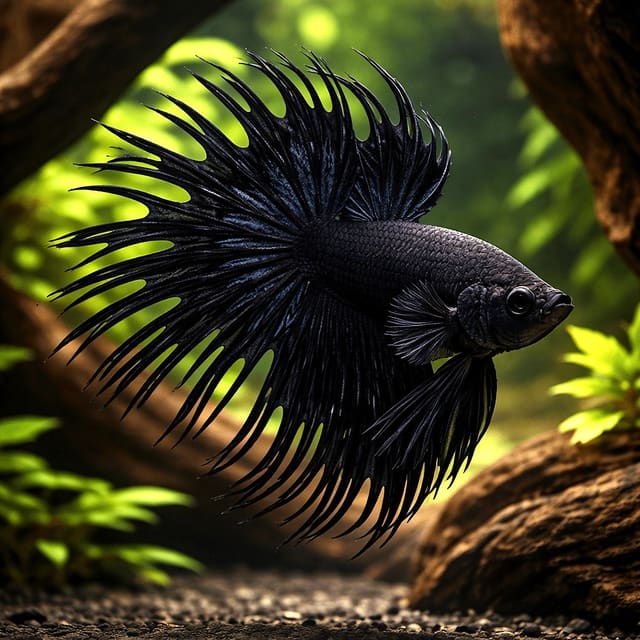
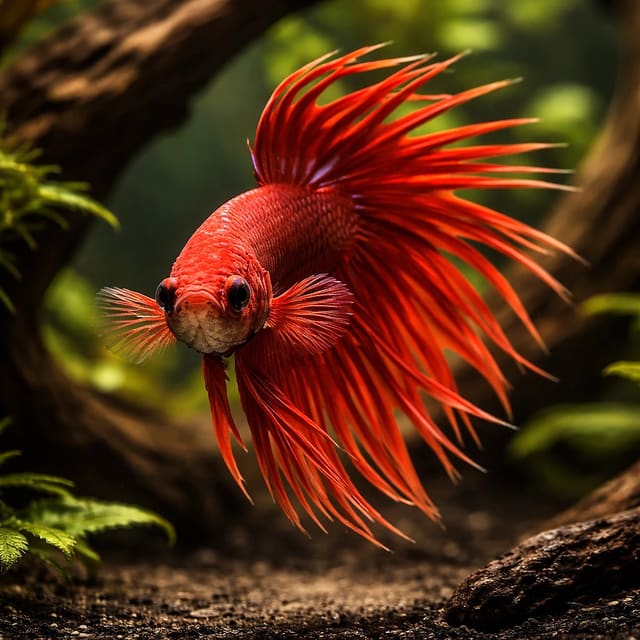
Crowntail Male Betta (Betta splendens)
26–28°C · pH 6–8 · 20L
£12.17£13.99

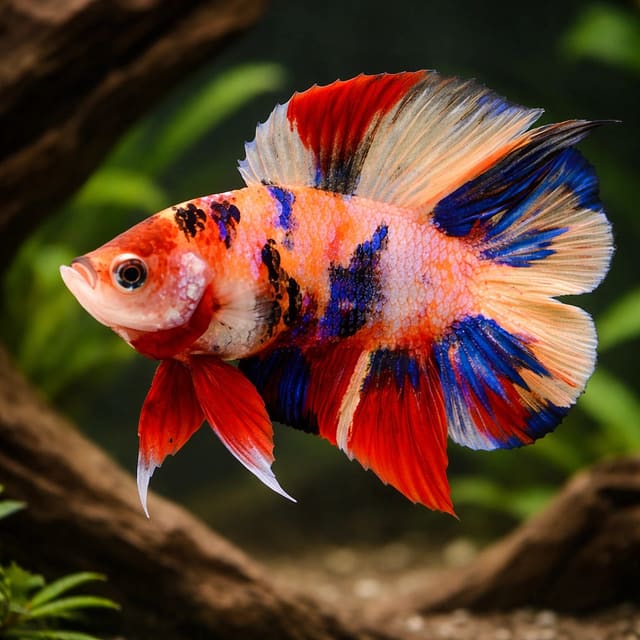
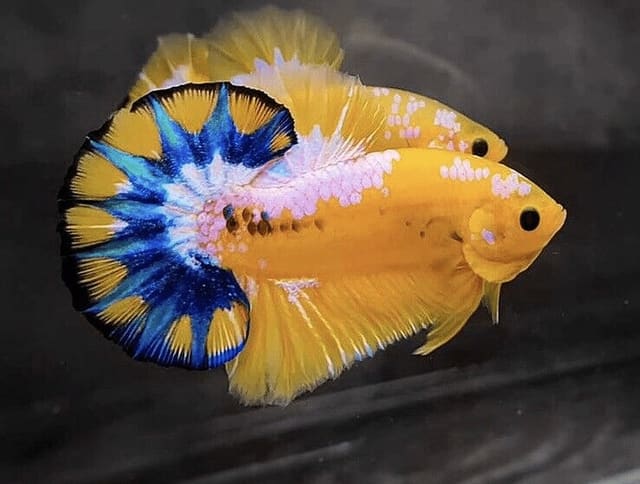
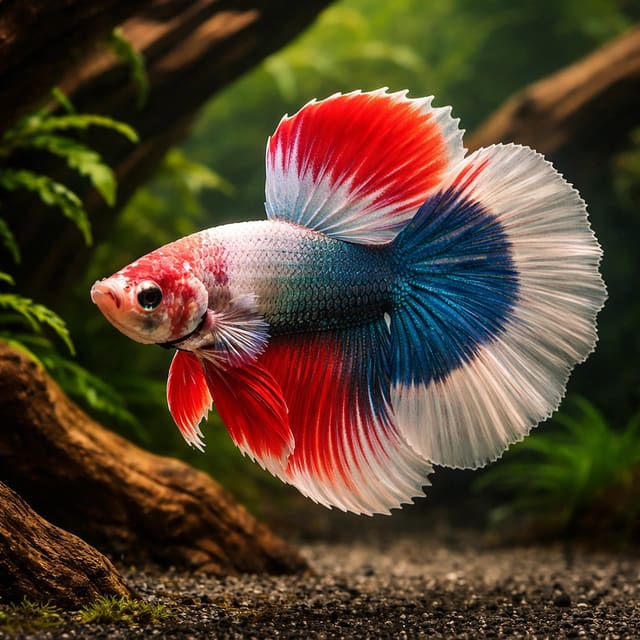
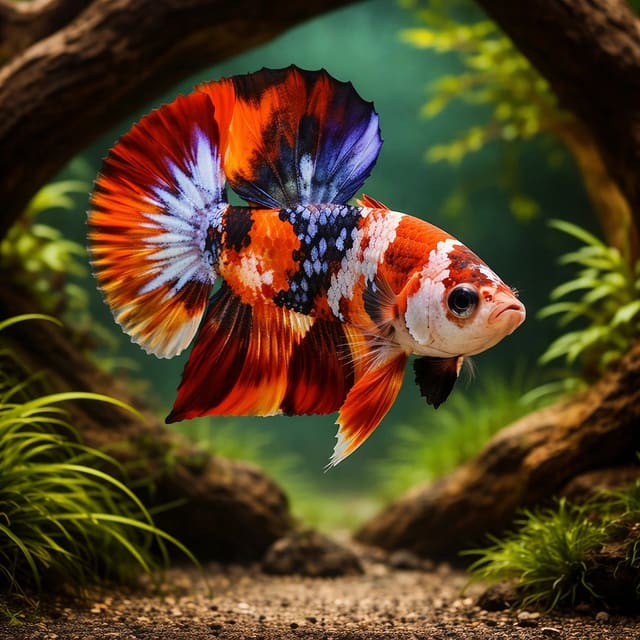
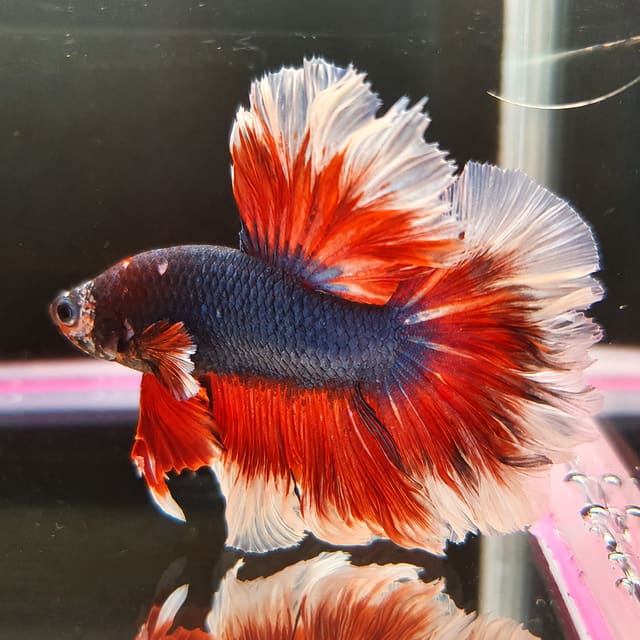
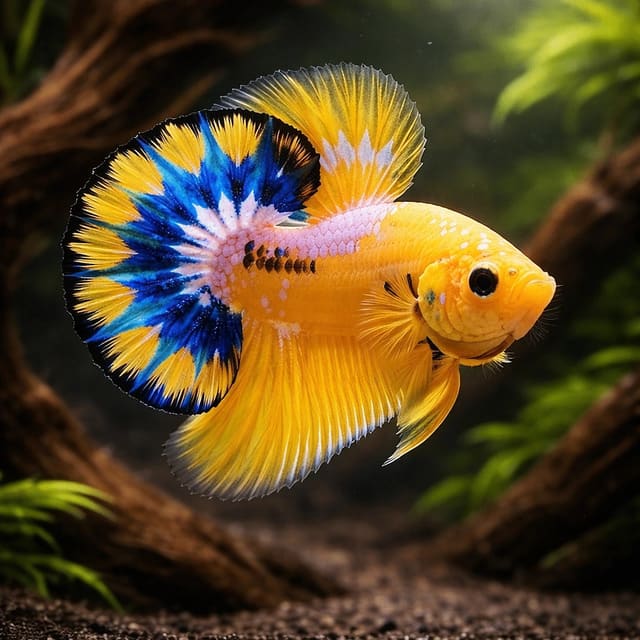
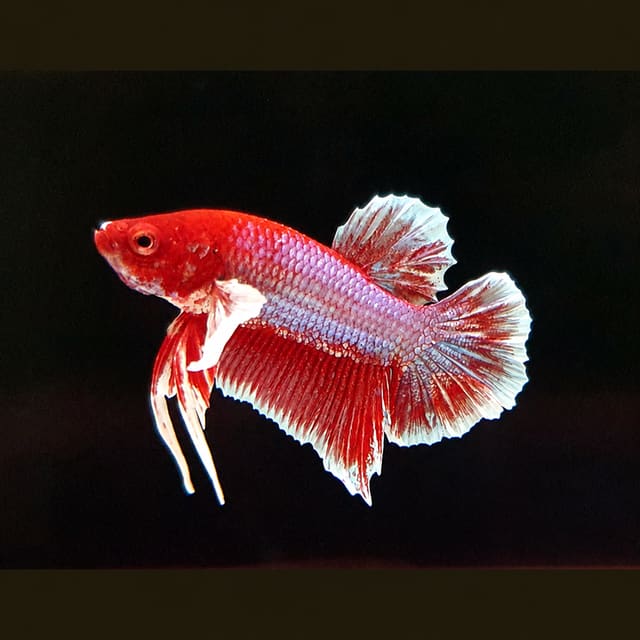
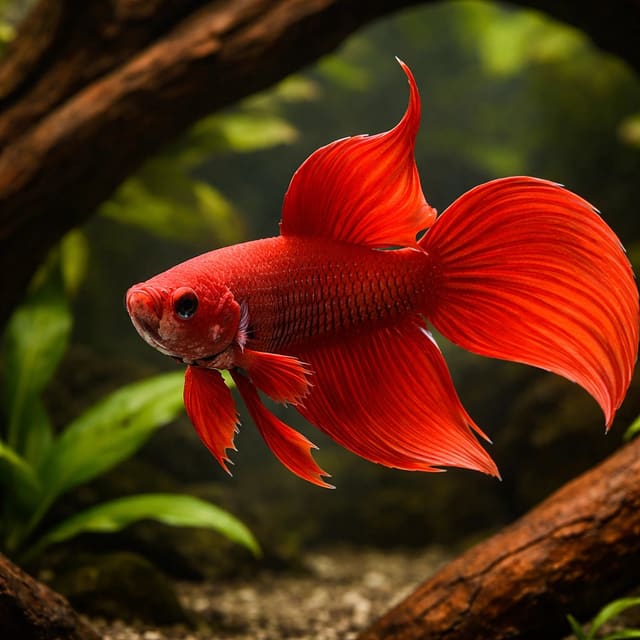
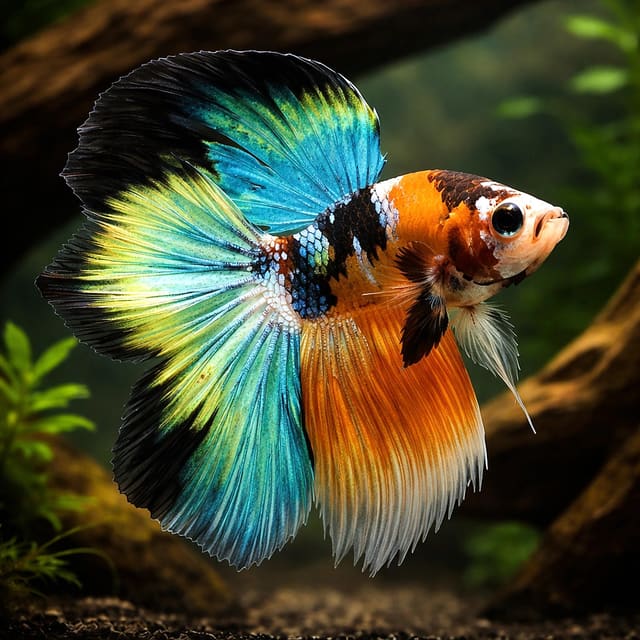
One male Dragon Scale Halfmoon Betta splendens from a variable colour mix, supplied in the supplier’s XL grade. Prepare a mature, heated, planted aquarium with gentle flow and house one male alone.
Adult size is the maximum length this species reaches at full maturity (scientific sources). The livestock you receive will be younger and smaller. Product-photo provenance and any image-specific limitations are stated on the listing.
Betta splendens
One male Dragon Scale Halfmoon Betta splendens from a variable colour mix, supplied in the supplier’s XL grade. Prepare a mature, heated, planted aquarium with gentle flow and house one male alone.
Adult size is the maximum length this species reaches at full maturity (scientific sources). The livestock you receive will be younger and smaller. Product-photo provenance and any image-specific limitations are stated on the listing.
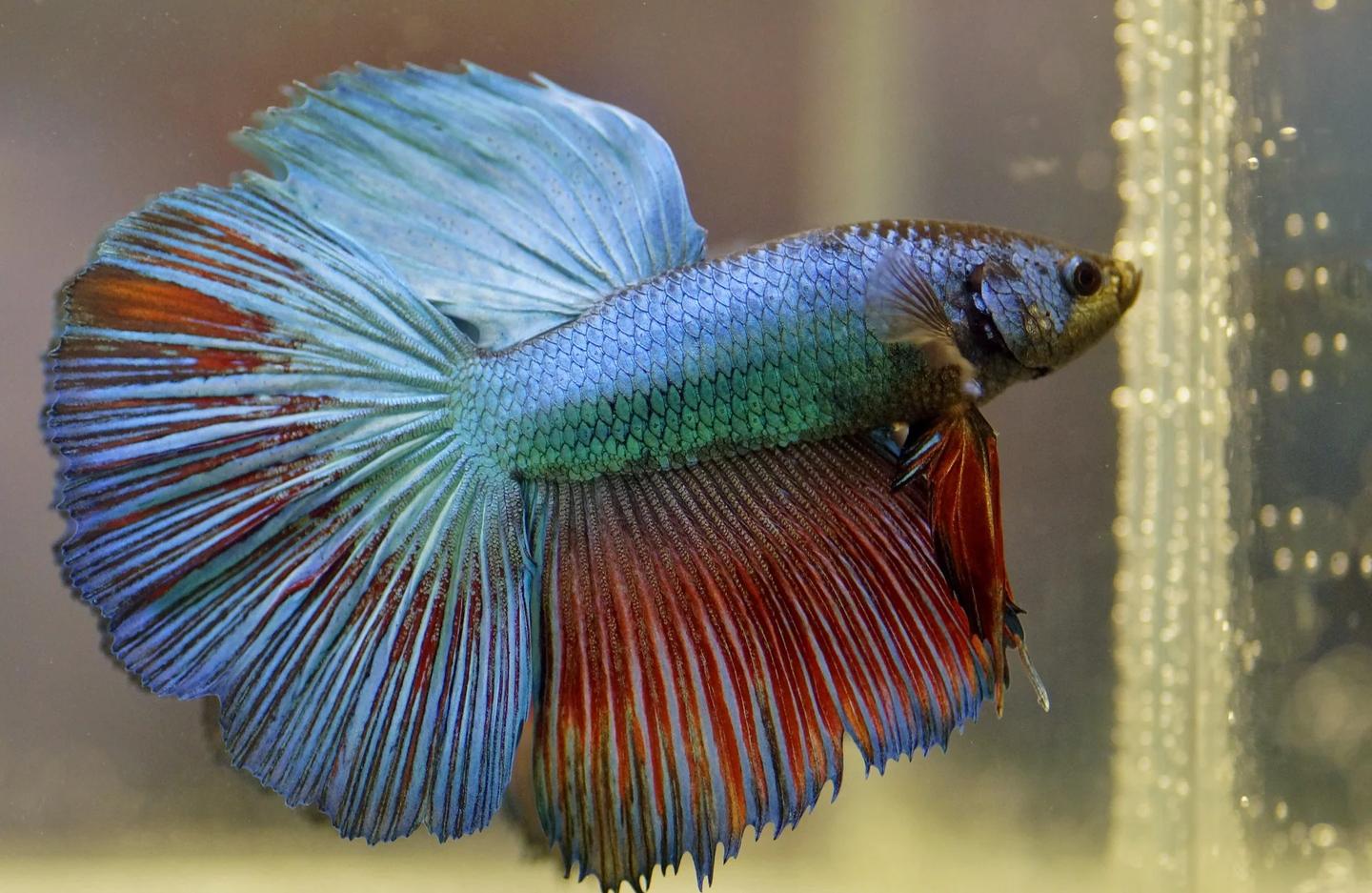
For one typical domestic Betta splendens, start with at least 20 litres, a mature filter, thermostatic heater, separate thermometer, gentle flow, a secure lid with surface access, and plants or refuges. Keep one male per aquarium.
Maintain these water conditions for optimal health and vibrant colors
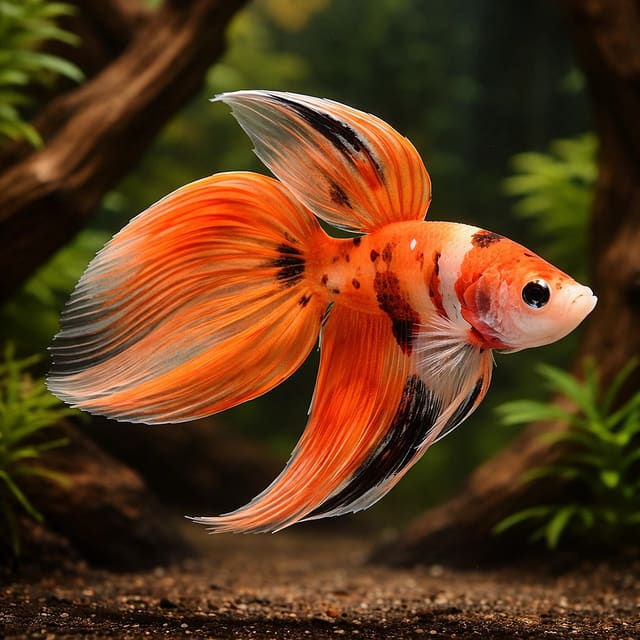
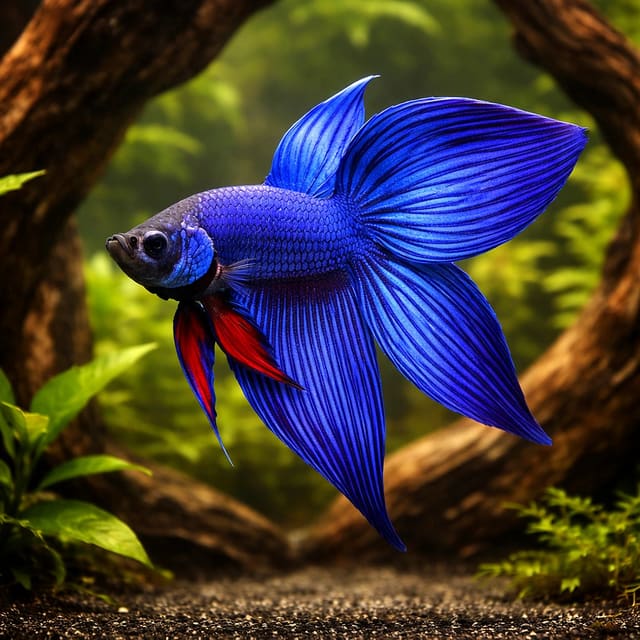
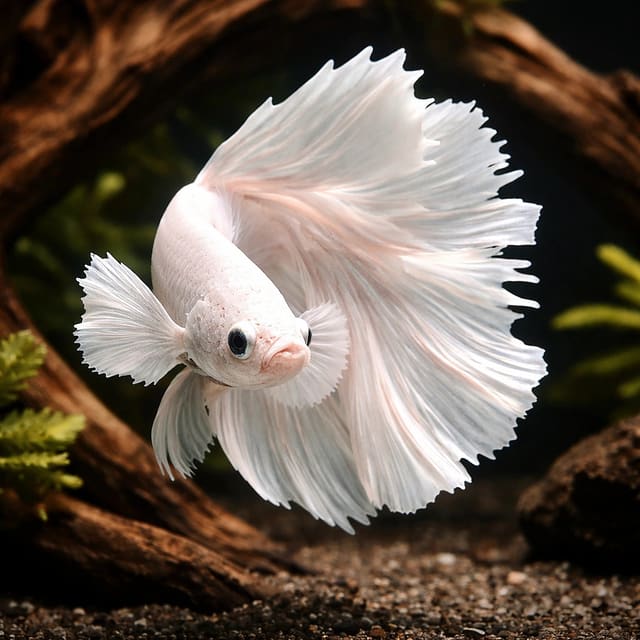
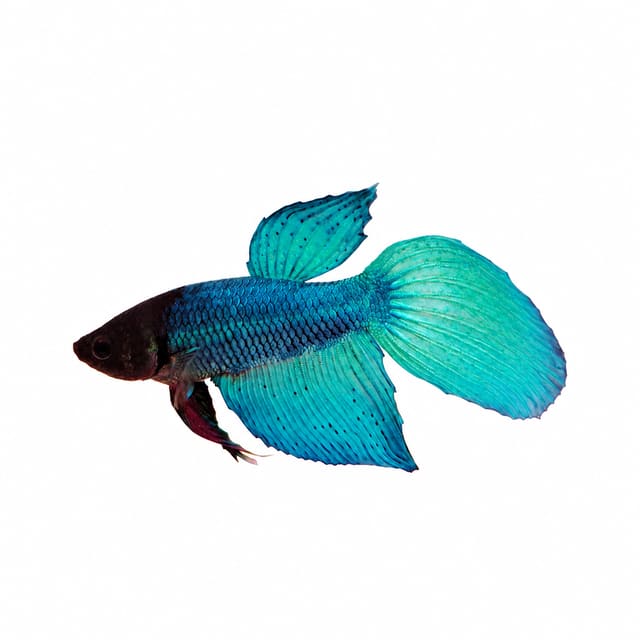
The Dragon Scale Halfmoon Male Betta Mix is a domestic male Betta splendens selected for the combination of reflective dragon-style scaling and a broad halfmoon tail. This is a colour mix, so the base colour and pattern are individual rather than a named colour promise. One purchase supplies one male fish. The offered fish is described as XL grade, but does not give a measured dispatch length for the individual you will receive. XL is a trade grade, not an adult-size guarantee. The fish you keep may show a different balance of light and dark areas, metallic coverage or fin spread from another member of the mix. Plan for the animal and its long fins, not for a photograph to predict the exact markings.
Sex is guaranteed only when the exact product or selected option explicitly states male or female. This Dragon Scale Halfmoon Male Betta Mix listing is sold as male.
| Good fit when | Pause and prepare when |
|---|---|
| You want one ornamental male as the focus of a planted aquarium. | You need a fixed colour, an exact pictured specimen or a measured dispatch length. |
| A mature heated filter, gentle flow and clear surface access are ready. | The aquarium is new, uncycled, too small to furnish well or has a forceful outlet. |
| You can house the male alone and maintain stable water. | You expect two males, an instant community fit or a guaranteed shrimp companion. |
This short decision screen reflects the form and care of the actual offer. It does not replace testing the aquarium, checking the fish’s behaviour after arrival or allowing the individual to settle. A quiet, stable solo aquarium is a complete display rather than a compromise.
This is a choice for someone who wants the display of a halfmoon male and can give him his own prepared, gently filtered aquarium. The practical first decision is housing: make room for one male, with a secure cover, easy access to the air above the water, shelter and a quiet current. He is not a fish for a bowl or an uncycled new tank. A labyrinth organ allows him to breathe air at the surface; it does not replace filtration, heating or water testing. A mature aquarium with stable water is more valuable than a decorative container that looks large but holds little usable water.
The store’s domestic Betta guide starts at 20 litres for one male, following UK OATA guidance. The species-specific Seriously Fish profile gives a roomier footprint of 45 by 30 cm, about 41 litres, for a single male or pair. For this ornamental long-finned male, choose the larger, furnished footprint where practical. The distinction matters: a nominal tank capacity says little about swimming room once substrate and decor are fitted. Leave a calm route to the surface and space to turn without brushing sharp objects. If the aquarium will also contain another species, its adult size, water needs, activity and escape routes add to the space requirement; no volume alone guarantees coexistence.
The Halfmoon Dragon wording describes an ornamental form, while Betta splendens is the accepted species name. A halfmoon tail is valued for its broad fan when displayed, and dragon-style scales give the body a bright, plated look. These visible traits do not establish a pedigree, show grade, wild origin, age, breeding suitability or a fixed future colour. Domestic bettas vary substantially, even within a trade description. The care requirements of the living fish still decide whether this form is a good fit for your aquarium.
Expect a territorial fish that is often best appreciated alone. Its colour and tail can be striking without a crowd of tank mates. A single male can be an engaging centrepiece in a planted aquarium because he can explore cover, patrol an open area, rest near the surface and approach a measured meal. Those behaviours need room and gentle conditions. Watch this individual’s swimming and appetite rather than assuming every male reacts alike. The sale is one male; it is not a pair, breeding group or guarantee that he will tolerate other fish. Use the aquarium plan below to make the purchase decision before the fish arrives. You can compare the current betta range if another form would suit your aquarium better.
Start with the aquarium’s footprint and the fish’s path through it. Seriously Fish gives 45 by 30 cm, about 41 litres, as a species-level single-male reference. OATA’s broader UK minimum of 20 litres is a starting screen for a male betta, and the store uses that minimum in its general guide. A bigger footprint is especially useful for arranging planted shelter and an open, low-flow swimming lane around a halfmoon tail. Do not treat the lower minimum as permission to use an empty container or the larger reference as permission to neglect cycling. Actual water volume after furnishings, access for maintenance and the behaviour of the individual all matter.
Use tall plants, floating cover where appropriate and smooth refuges to break up bare sightlines. Seriously Fish describes a shady, planted setting with surface cover, stems, floating plants and driftwood. A fish should be able to move into shade, then return to an open patch for feeding and observation. Arrange leaves and wood so the male can rest without having to fight current, but keep a clear air route. The fish must reach the surface freely. Check plastic plants and ornaments by touch for snagging edges; a decorative aperture can catch a body or long fin. Leave enough clear width for turning and do not pack the entire upper layer with floating plants.
A fitted lid helps prevent jumps and keeps the air layer above the water warm and humid. Leave the small air space that allows normal surface breathing; do not seal the surface with solid material. If you use floating cover, keep gaps and check them as plants grow. Bettas inhabit quiet water in nature, but quiet flow does not mean stagnant water. A mature biological filter remains essential. Position or diffuse its outlet so the fish can cross the tank without being pushed along or pinned to a wall. After setup, watch the male at rest and during feeding. Repeatedly struggling against the flow is a reason to adjust the outlet, not a reason to switch the filter off.
Pick a heater that suits the actual aquarium and follow the maker’s placement and minimum-water-depth instructions. Use a separate thermometer to check what the water reaches at different times of day. The glass or display on a heater is not a second measurement. A stable, furnished aquarium makes it easier to see a meaningful change in this male’s posture, breathing or interest in food. If this is your first aquarium, use the first tropical tank guide to plan cycling and equipment before choosing livestock. Plan maintenance access while you place the plants and refuges: you should be able to remove waste, observe the fish and service equipment without dismantling his entire shelter each week.
Tropical Fish Co’s practical target for a typical domestic Betta splendens is a stable 26–28°C. That target sits within OATA’s broader 20–28°C guidance for tank-reared bettas and the 22–30°C species profile from Seriously Fish. FishBase also records 24–30°C in the species environment; a wild environmental range is not a prescription to run every domestic aquarium at its extremes. Use a thermostatic heater and separate thermometer, then confirm the temperature in the aquarium rather than relying on a number printed on a box. Gradual, stable conditions are the goal. A sudden adjustment made to chase an endpoint can create more stress than a small, steady difference.
OATA lists pH 6.0–8.0 and general hardness 4–12 dGH for tank-reared bettas. Seriously Fish gives pH 6.0–8.0 and 1–15 dGH at species level, while noting that domestic ornamental strains can differ from wild-collected fish. For a first setup, test the water you actually have and ask how the fish has been held. Do not use chemicals simply to force a fashionable pH decimal. The aquarium water parameters guide explains the measurements, and the Water Parameter Matcher helps compare tested values with a stated range. Test any prepared replacement water before a substantial change and keep water conditions consistent from week to week. If your home supply differs markedly from the fish’s established water, seek a gradual, practical acclimation plan rather than making a sharp correction in the bag or tank.
Ammonia and nitrite should test at zero in a ready aquarium. A clear appearance is no proof that the biological filter can process waste. The RSPCA explains that a working filter hosts bacteria that convert toxic ammonia and nitrite to less harmful nitrate. Establish that filter before purchase, and test it after adding livestock, because feeding and waste change the load. Record results so a rise is visible. If ammonia or nitrite appears, investigate the whole system promptly: recent filter cleaning, missed maintenance, excess food, dead plant matter and equipment failure are useful starting points. Water chemistry is a living condition, not a one-time setup checklist.
OATA recommends regular testing and a partial water change of around 25% each week in its betta guidance. Treat the replacement water for chlorine or chloramine, bring it close to the aquarium’s temperature and avoid abrupt changes in chemistry. Rinse reusable biological filter media gently in removed aquarium water when necessary; tap-water cleaning can harm the bacteria you rely on. Do not strip every surface clean at once. A steady routine, rather than occasional large rescues, supports the male’s condition and lets you recognise when his normal pattern changes. If you are new to water testing, the Betta Fish Care Guide develops the store’s general setup and monitoring advice.
Wild Betta splendens takes small invertebrates, including insect larvae and zooplankton. Domestic aquarium feeding is a separate decision: OATA recommends a good-quality complete flake or pellet and small live or frozen foods as variety. Choose a piece size the male can take easily, then feed a measured amount that is eaten promptly. A complete food is the nutritional base. Daphnia, brine shrimp or suitable small bloodworm can add variety, but one treat should not replace balanced food. Seriously Fish also warns against overfeeding bettas. Uneaten food becomes aquarium waste, and a fish that begs at the glass is not necessarily underfed.
Long fins and metallic scales do not require a special magic food. Colour and condition depend on the whole pattern of nutrition, clean water and low-stress housing. Watch how this individual approaches food. If strong flow carries pellets away, change where or how you feed rather than repeatedly dropping in more. If a pellet is too large, choose a smaller complete product. Observe body condition over time: a rounder abdomen after one meal, persistent swelling, falling appetite and a gradual change in body shape mean different things and should not be collapsed into one internet diagnosis. Remove leftovers promptly and adjust the next portion.
Live and frozen foods need sensible handling. Use reliable aquarium sources and follow storage and thawing directions. Offer variety in portions the fish can finish; do not leave perishable pieces hidden among plants. When more than one person feeds the tank, leave written amounts so a helpful second feed does not double the daily ration. OATA’s once-daily, promptly eaten approach is a useful starting routine, but food type and the individual’s condition still guide adjustment. Before a holiday, arrange a competent carer with pre-measured feeds and basic equipment instructions. An untested automatic feeder or a vague fasting promise is a poor substitute for observing the aquarium.
Have the aquarium mature, heated and tested before delivery. On arrival, check the parcel and the fish promptly while someone is present to receive it. The store’s live-fish delivery policy explains the current arrival and claim steps, including the continuous sealed-parcel unboxing video used for a Live Arrival Guarantee claim. That recording is claim evidence; it is not a reason to delay caring for a healthy fish. Keep the bag away from direct sun and cold surfaces while you prepare introduction. OATA recommends checking water quality before adding a betta, and the store asks customers to acclimatise slowly. Read the current delivery and Live Arrival Guarantee policy for the exact shipment, and never pour transport water into the established aquarium.
Allow a quiet introduction and avoid immediately rearranging every plant to get a better view. A newly transported fish may initially hold back or find a resting place. The first useful observations are whether he can reach the surface, swim without being forced by the filter, orient himself and take food after settling. Do not assume every pause means illness or every burst of activity means confidence. Compare his behaviour with his own pattern over the next days. If he shows persistent breathing difficulty, injury, loss of balance or a marked deterioration, check temperature and toxic-waste tests and seek prompt experienced help. A photograph by itself cannot diagnose a disease.
Keep the male separate from another male and avoid using a resident community as an untested introduction chamber. If you already keep other animals, have a suitable separate heated, filtered space ready before considering contact. This is particularly important for an ornamental halfmoon male whose fins can be damaged by chasing or nipping. Feed modestly at first and keep the normal maintenance routine. A calm arrival depends heavily on what was done before the fish reached the door: a stable aquarium, a safe cover, a working filter, matched water as far as practical and no last-minute chemical changes.
A simple weekly record can be more useful than a long list of ideal numbers. Note temperature, ammonia, nitrite, nitrate, pH where relevant, water changes, feeding and any change in appearance. Watch the male’s breathing, posture, swimming, fins and appetite. OATA’s care sheet lists these as useful signs to monitor, while the veterinary guidance stresses water history and testing before diagnosis. A split fin, pale patch or reluctance to eat can arise for different reasons. Start with measurements and recent events, not with a named medicine chosen from a photograph.
During a partial water change, siphon waste without exposing the fish to abrupt temperature swings. Prepare replacement water with conditioner and compare it with the aquarium before adding it. Check the filter outlet after cleaning; a changed angle can turn a gentle current into a strong jet. Remove trapped debris, but preserve the established biological media. Examine plants and decorations as they grow or move, because a once-clear surface route can become blocked and a new rough edge can catch long finnage. Close the lid securely after each task. Ordinary, repeatable work is how a showy fish gets a reliable environment.
If you see an unexplained decline, test water and check the heater and filter first. Review new plants or animals, a changed food, missed care, recent medication and anything else that changed shortly before the signs. Seek help from an experienced aquatic retailer or a fish vet when symptoms are serious or persistent. The OATA fish-vet directory is a route to specialist help; it is not a diagnosis. Avoid stacking treatments or raising heat in response to a vague symptom. Sound decisions need the fish’s actual condition and aquarium data. Keeping this male alone also makes his normal behaviour easier to learn and a change easier to notice.
Before paying for this male, ask a simple series of questions about the aquarium that will receive him. Is its filter already mature, with ammonia and nitrite repeatedly at zero? Is the heater holding a measured, steady temperature? Can the fish reach open surface air while a fitted lid remains secure? Is the current gentle enough for a long-tailed swimmer, and can he rest in shade without scraping a fin? Are the plants and decor arranged to leave usable swimming room? Do you have a complete food, conditioner, tests and a routine for partial water changes? A yes to each question means much more than a generic easy-care label.
Then consider the social plan. This listing is a male mix, one fish per purchase. If you have another male betta, provide a separate established aquarium. If you have a community, do not assume this male can simply be added because its water temperature overlaps. Check adult behaviour and a backup tank first. Finally, decide whether the mix itself suits you: dragon-style scaling and a halfmoon tail are the offered form, but an exact colour pattern or individual appearance is not specified. Someone seeking a fixed photographed specimen or a guaranteed companion for existing fish should resolve that expectation before ordering. A prepared home and a realistic expectation are the best starting points for this animal.
Keep one male Betta splendens per aquarium. FishBase records male fighting, and OATA warns that two males can injure or kill one another. Space, plants or a partition with visual contact do not turn that risk into a safe group plan. Male and female bettas also should not be left together as an ordinary community arrangement. Breeding advice involves controlled conditions and separation; this product is a single ornamental male, not a ready-made breeding pair. A bubble nest may appear without a female. It is reproductive behaviour, not proof of happiness or a reason to add another betta.
Seriously Fish recommends this species alone as the usual choice. Some individuals can tolerate selected other species, but that is an exception to assess carefully, not a promise attached to a species name. If you are considering a community, check adult size, water overlap, feeding speed, swimming zone, temperament and whether the other fish may nip trailing fins. A placid label on another listing does not tell you how this male will respond to it. Provide cover, enough space for all adults and a fully prepared separation option before trying any combination. Monitor actual feeding and stress, and separate animals promptly if chasing or fin damage develops.
Species with similar body shapes or long trailing fins can be seen as rivals; quick boisterous or fin-nipping fish can trouble a halfmoon tail. Large predators are unsuitable. No snail or shrimp is a guaranteed companion for every male betta. A betta may investigate small invertebrates, and the invertebrate’s own needs and defences matter. Do not buy a shrimp or snail as a guaranteed cleaner or companion for this male. If one is contemplated, research that exact species and provide refuge and a backup home.
The most attractive arrangement is often a planted single-fish display. It lets you choose flow, food and furnishings for the male rather than making compromises to satisfy a mixed group. If your main aim is a busy school or several fish sharing the open water, choose a different community plan instead of asking this betta to fill it. The territorial reputation of Betta splendens is a practical housing constraint, not a claim that every moment of this fish’s life will be spent attacking something. A calm, solitary male can still use shade, open water and daily observation fully.
FishBase records a maximum of 6.5 cm total length for male or unsexed Betta splendens, while Seriously Fish lists 7 cm standard length at species level. Those are different measurement methods and references, not a measured dispatch size. This male is supplied in the XL grade without a verified centimetre figure; allow adult space rather than treating the grade as a ruler.
For Betta splendens, OATA gives at least 20 litres as a UK starting minimum for one male. Seriously Fish gives a roomier 45 by 30 cm footprint, about 41 litres, for a single male at species level. Choose the larger planted footprint where practical, with a mature filter, gentle flow, heater, secure lid and surface access. Actual usable space and stability matter alongside the nominal litre figure.
No. This product supplies one male and the long-term plan is one male Betta splendens per aquarium. OATA warns that males can fight severely, and a larger or planted tank does not turn two males into a safe group. Keep male and female fish separate outside a controlled breeding arrangement too.
A careful beginner choosing Betta splendens can keep one male when a suitable aquarium is already cycled, heated, filtered and tested. The fish’s ability to breathe surface air does not make a bowl or unfiltered container suitable. A long halfmoon tail also benefits from gentle flow and smooth furnishings. If those conditions or routine water testing are not ready, prepare the tank first.
Use a suitably sized complete betta pellet or quality aquarium flake as the base, measured so it is eaten promptly. OATA and Seriously Fish also describe small live or frozen foods such as daphnia or brine shrimp as useful variety. Remove leftovers and adjust portions to the individual; overfeeding harms both body condition and water quality.
The store uses a stable 26–28°C target for a typical domestic Betta splendens. OATA’s broad tank-reared betta guidance gives pH 6.0–8.0 and 4–12 dGH; Seriously Fish gives pH 6.0–8.0 and 1–15 dGH for the species. Test the actual aquarium, match established conditions gradually and keep ammonia and nitrite at zero.
Male Betta splendens is territorial, particularly towards another male or a rival-looking fish. This form also has a long tail that other fish may nip. The normal plan is a solo display; assess any proposed community against adult size, water overlap, activity, food competition and a ready separation option. Do not assume a peaceful label on another species guarantees safety.
For Betta splendens, Seriously Fish says some individuals may tolerate carefully chosen small cyprinids or loaches, but considers keeping the species alone the best usual choice. There is no universal safe companion. Avoid another male betta, fin nippers, boisterous fish, long-finned rivals and predators. Shrimp and snails are not guaranteed companions either; research each exact animal and be ready to separate.
Tropical Fish Co’s current delivery policy describes hand-packed, insulated live-fish transport by a licensed live-animal courier and sets out the confirmed delivery, arrival and Live Arrival Guarantee conditions. Arrange for someone to receive and inspect the parcel on arrival. Read the current policy for dates, acclimation and any claim evidence rather than relying on a permanent promise in this care guide.
Identity and recorded species size: FishBase, Betta splendens. Species-level aquarium profile and behaviour: Seriously Fish, Betta splendens. UK group-level care and water guidance: OATA, How to look after Siamese fighting fish. The store’s Betta Fish Care Guide supplies its domestic planning target and explains its limits. General biological-filter welfare guidance comes from the RSPCA. The store delivery page governs live-animal transport and guarantee conditions. These sources have different scopes: species biology and care guidance inform an aquarium plan, but they cannot establish the precise look or length of an individual fish.
No reviews for this item yet. Bought one? Honest reviews only, good or bad.
What customers say about ordering from us
I have a small group of long finned mountain minnows. So was delighted to be able to order ten of this variety to increase the genetics in my tank . The ones I recieved are healthy but it’s to early to give a verdict on wether they are of a long finned type since they are small currently.
Gordon Walker · 23 Sept 2026
100% success travel and "installation". Pleased with quality of purchase. The Siamese fighter a bit "shy" so have not yet seen him at his best yet but looking good. Happy customer. GG
George E Garratt · 21 Sept 2026
Reviews of our shop, collected by Judge.me, an independent third-party review collector. Newest first.