−13%
Moderate
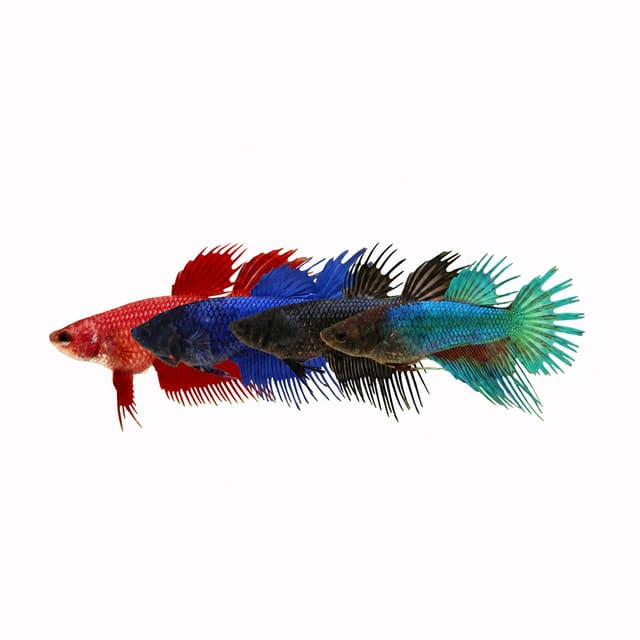
Crowntail Male Betta (Betta splendens)
26–28°C · pH 6–8 · 20L
£12.17£13.99

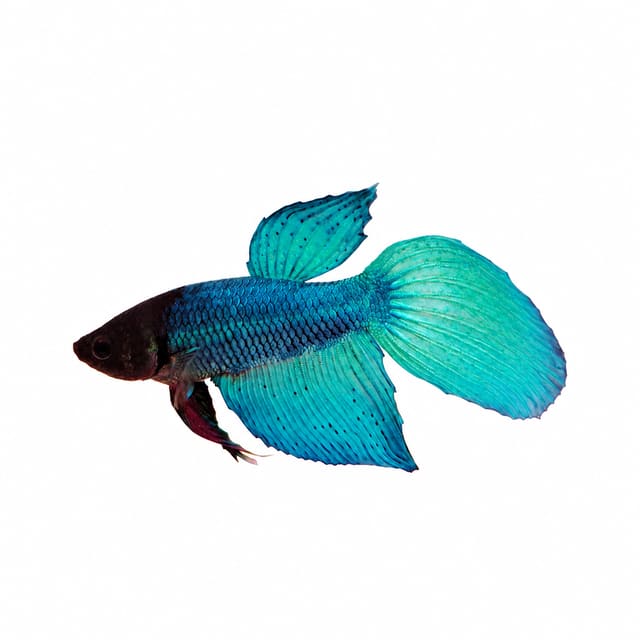
Male Libby Split-Tailed Red XL Betta (Betta sp.) is one male trade-form betta supplied per purchase. Its exact species is unresolved, so this guide uses cautious genus and betta-group care: a mature filtered aquarium, gentle current, warm stable water and no other male betta.
Betta sp.
Male Libby Split-Tailed Red XL Betta (Betta sp.) is one male trade-form betta supplied per purchase. Its exact species is unresolved, so this guide uses cautious genus and betta-group care: a mature filtered aquarium, gentle current, warm stable water and no other male betta.
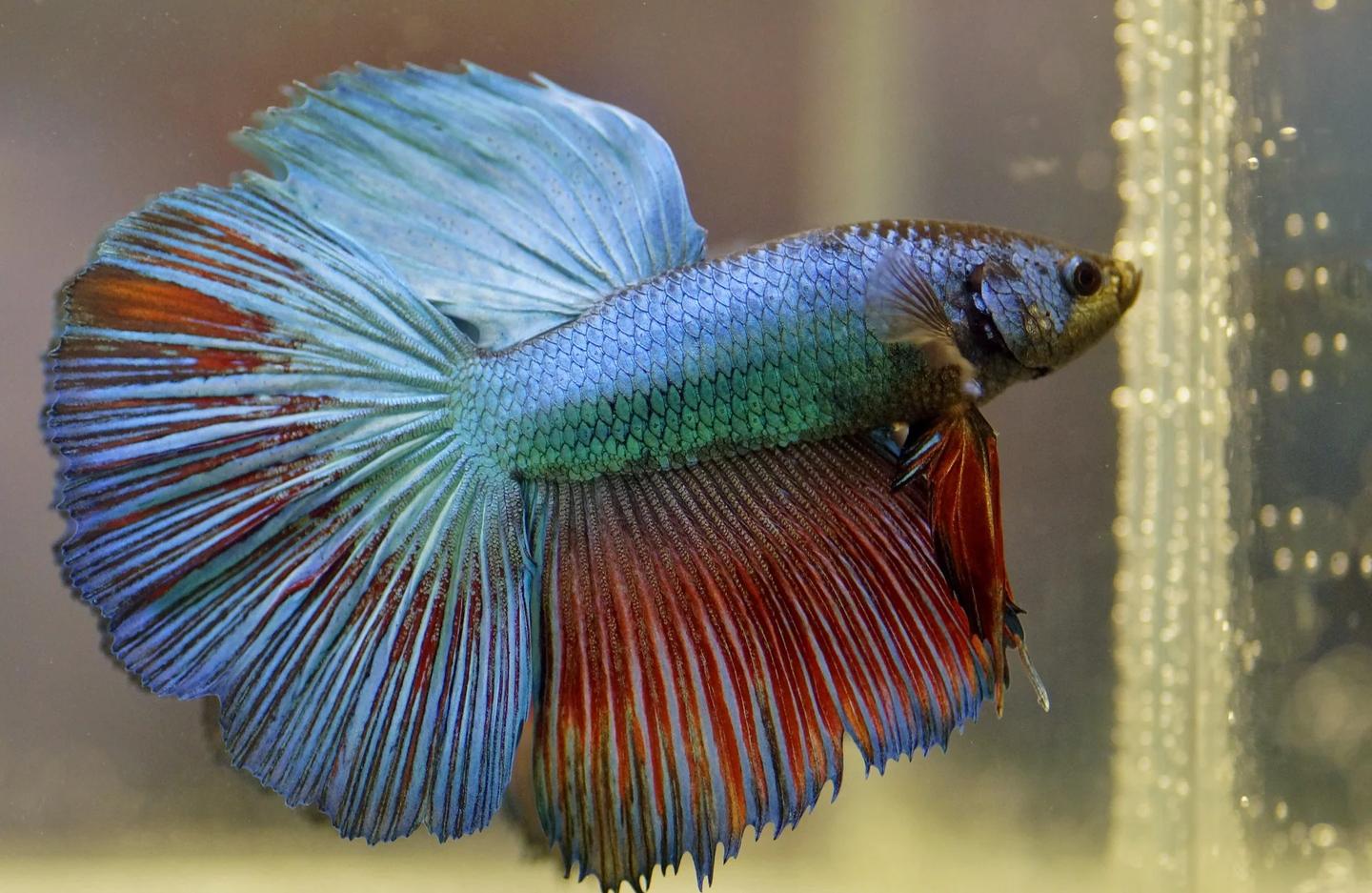
For one typical domestic Betta splendens, start with at least 20 litres, a mature filter, thermostatic heater, separate thermometer, gentle flow, a secure lid with surface access, and plants or refuges. Keep one male per aquarium.
Maintain these water conditions for optimal health and vibrant colors
The Male Libby Split-Tailed Red XL Betta (Betta sp.) is offered as one male fish per purchase. The supplier describes a red, male, split-tailed or veiltail trade form at its XL dispatch grade. XL describes the supplied grade; it is not a claim about a scientifically verified adult length. The exact species has not been identified, so the care advice here follows the genus Betta and its care group. That distinction matters: the trade form, red colour and male offer are clear, while a species epithet, a fixed adult-size claim and a domestic breeding lineage would go beyond the information available for this listing.
This Betta genus member is for a keeper who wants one strongly individual centrepiece rather than a shoaling species. A male betta can be engaging and manageable, but the attractive fins do not make him a decoration for a jar or an unfiltered bowl. He needs a properly matured aquarium, dependable heat, filtration, regular testing and enough space for stable water. The broad UK betta guide recommends at least 20 litres for a single male. Treat that as a group-level planning minimum, not proof of the perfect volume for an unidentified species, and choose more water volume where practical because it gives you more room to create cover and manage water quality.
| Suits | A prepared keeper who can provide one male with a mature, heated and filtered aquarium |
|---|---|
| What one purchase supplies | One male red Libby split-tailed betta at the stated XL dispatch grade |
| Identity | Betta sp.; genus confirmed, exact species unresolved |
| Social plan | Never combine him with another male betta; consider only very placid companions after careful assessment |
| Broad water guide | 20–28°C, pH 6.0–8.0, 4–12°dH; these are OATA betta-group values, not a species-specific optimum |
| Core welfare need | Zero measurable ammonia and nitrite, gentle flow, cover and weekly observation |
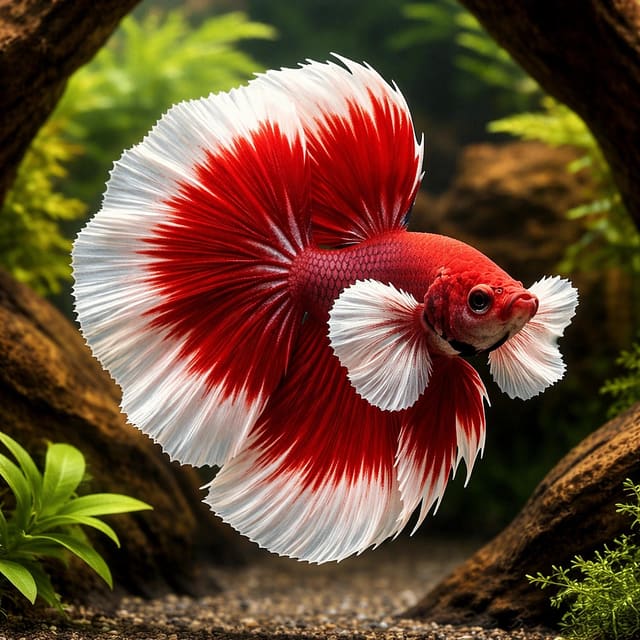
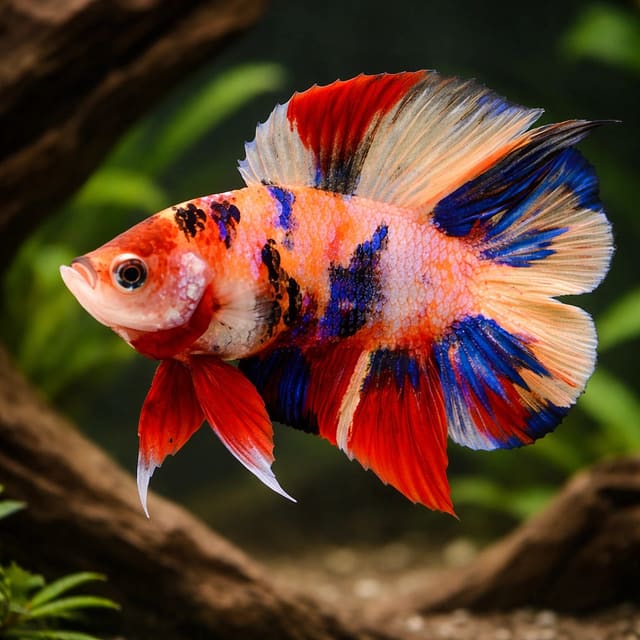
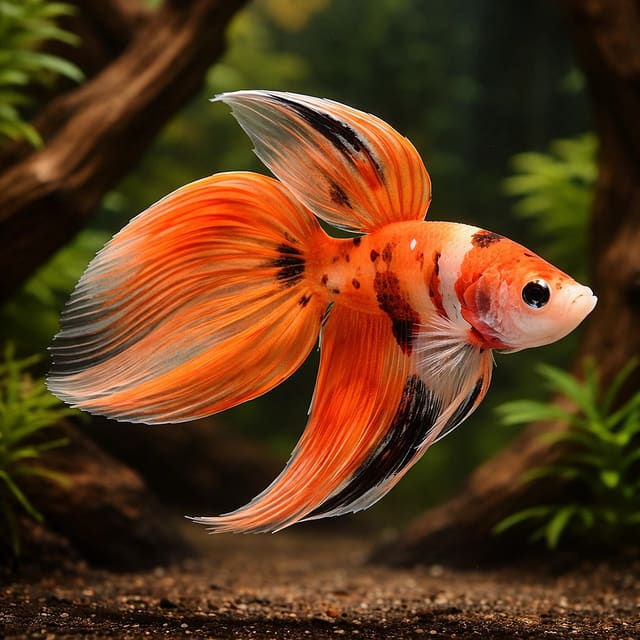
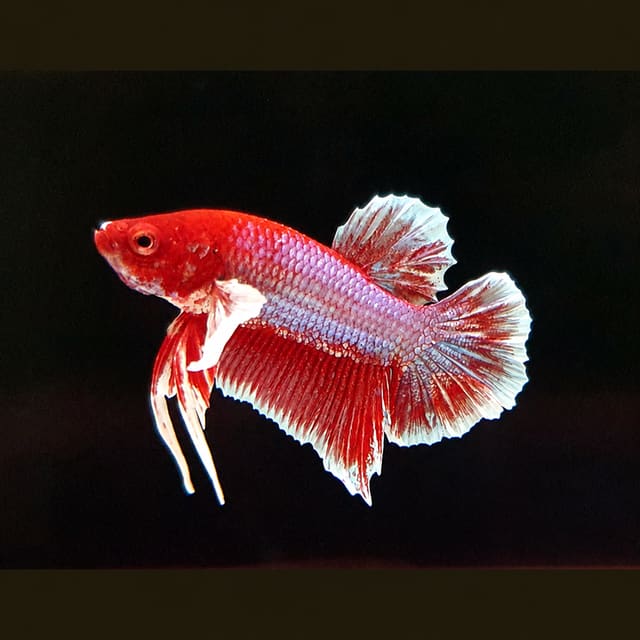
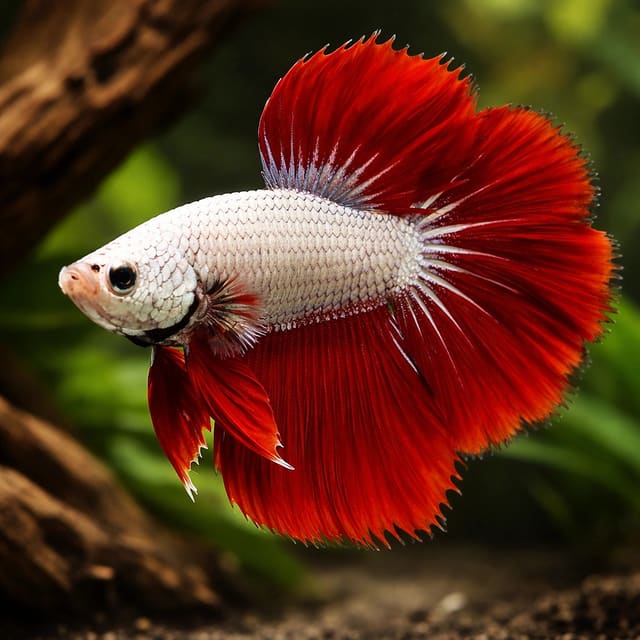
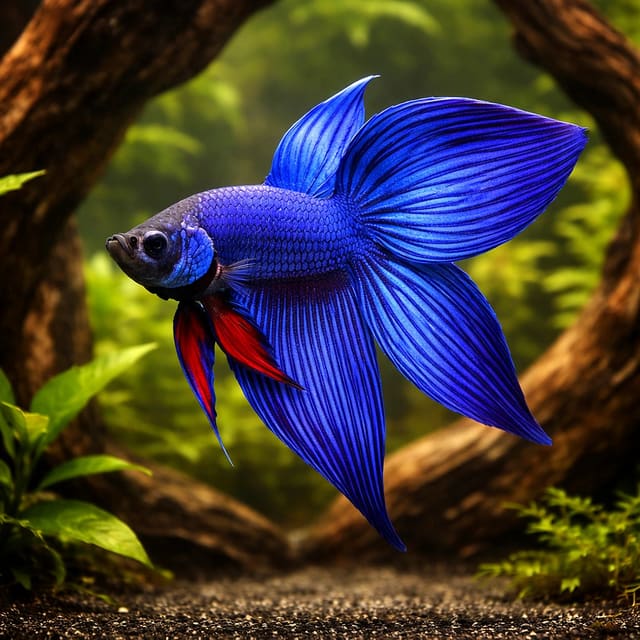
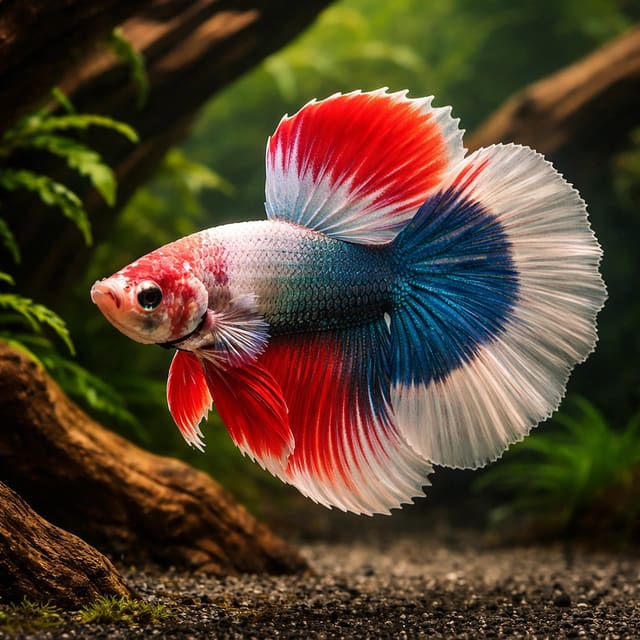
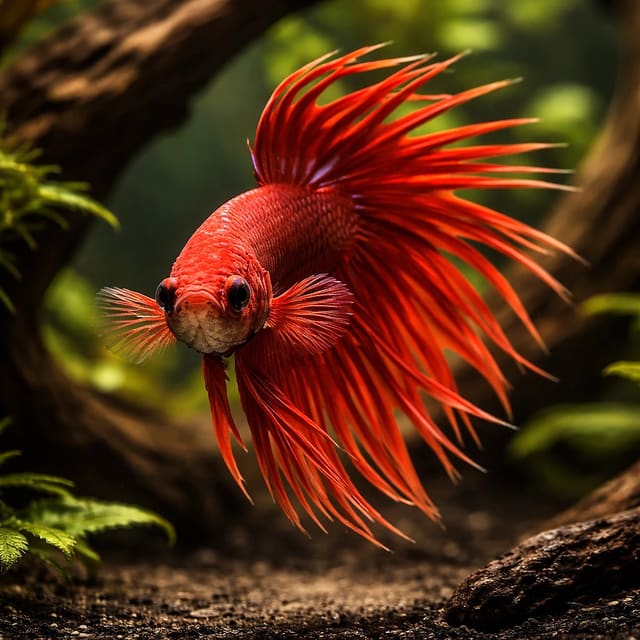
The appeal is the combination of a vivid red body, elongated male finnage and the supplier's split-tailed Libby trade description. Those words describe the offer without pretending that a named strain has been genetically authenticated. The male sex is part of this exact offer rather than an inference from an image. Sex is guaranteed only when the exact product or selected option explicitly states male or female. This Libby Betta, Split-Tailed Betta red listing is sold as male.
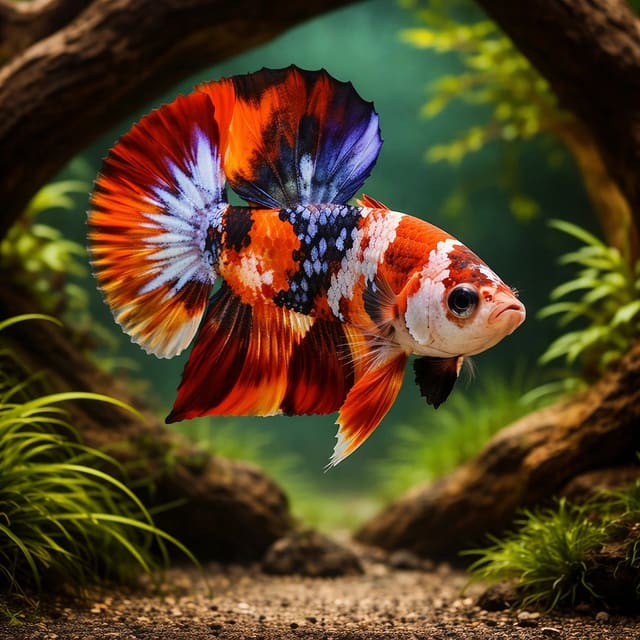
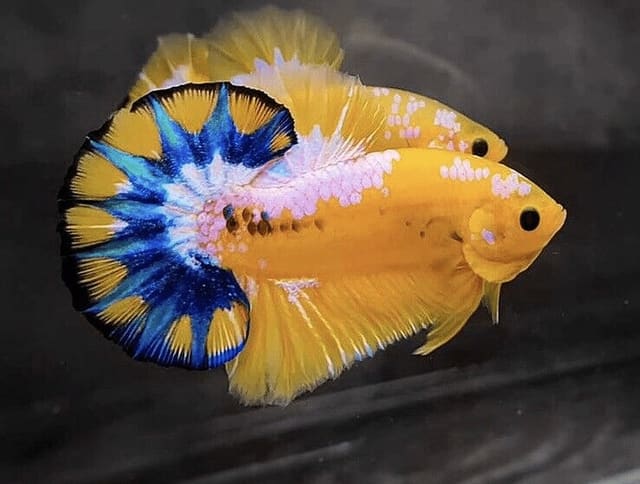
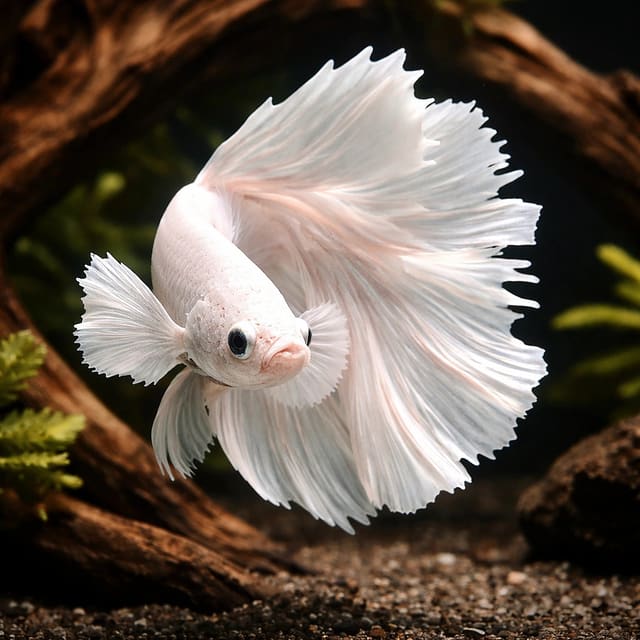
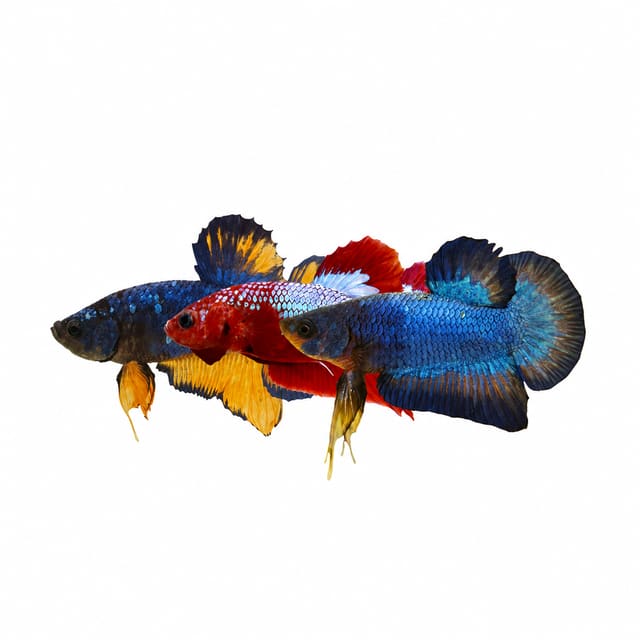
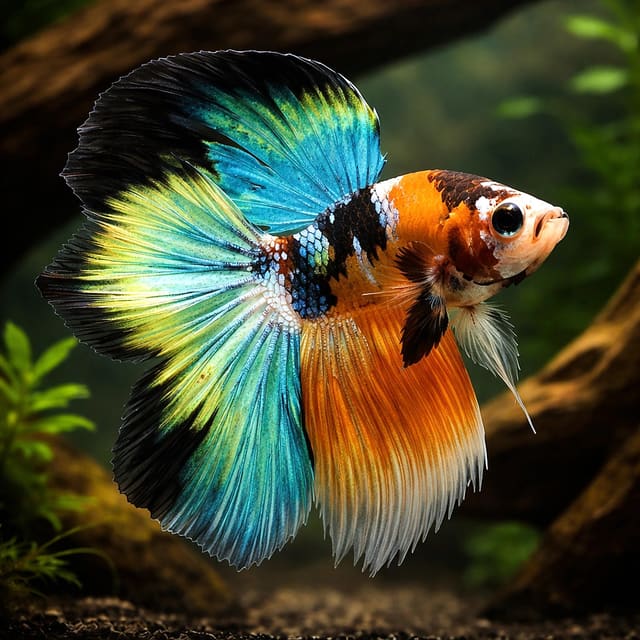
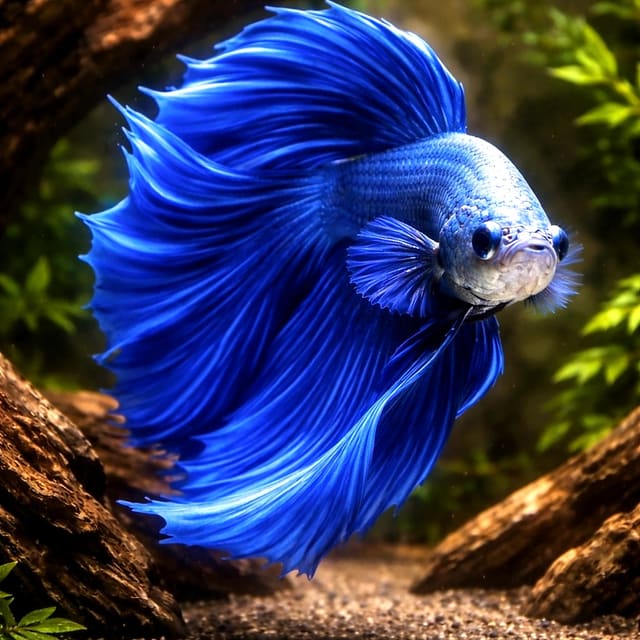
The photographs help you understand the intended red, long-finned look, but colour intensity, pattern, fin carriage, size and maturity naturally vary among live animals. Gallery images have been digitally enhanced to improve image quality. Natural colour, pattern, size and maturity can vary between live animals. Use the gallery as a presentation aid while making the purchase decision from the verified offer wording and the husbandry needs described here.
Start with the aquarium you can keep stable every week. A heater should hold a suitable temperature without sharp swings, the filter should maintain biological processing without producing a current that makes long-finned swimming unnecessarily difficult, and plants or smooth ornaments should provide shelter. Leave access to the water surface because bettas possess a labyrinth organ and can take atmospheric air; that adaptation does not remove the need for clean, oxygenated, filtered water.
If you are comparing forms rather than looking for a community-tank guarantee, the current betta collection is the useful next step. Compare the stated sex and form on each product, then judge whether your aquarium can meet the most cautious applicable care. Do not choose companions on appearance alone, and do not assume another betta product is a safe tank mate for this male.
This page therefore treats care as intermediate rather than casually easy. The daily actions are straightforward, but the keeper must respect male-male aggression, protect long fins from rough décor and nipping, and interpret broad group guidance cautiously because the exact species is unresolved. That is a manageable responsibility when the aquarium is prepared before purchase.
A betta should enter an established system, not become the test of whether a new filter works. If this is your first aquarium, work through the first tropical tank guide before arranging delivery. The biological filter needs time to establish bacteria that process fish waste from ammonia through nitrite to the less toxic nitrate. Both ammonia and nitrite should read zero before the new fish is added. The filter must then keep running continuously so that this biological community remains supplied with water and oxygen.
OATA's broad guide recommends at least 20 litres for one male betta. This listing uses that as a store planning floor for a betta-group animal rather than a proven species-specific minimum. A larger aquarium can make temperature and chemistry steadier, gives more choice when placing plants and smooth shelter, and leaves swimming space after equipment is installed. Think about the usable water volume rather than the number printed on an empty tank: substrate, ornaments and a partly lowered water line all occupy space.
Position the aquarium away from direct sun, draughts, heat sources, loud noise and repeated vibration. A stable location helps the heater do its job and reduces avoidable disturbance. OATA recommends a heater for year-round temperature control and lighting that supports a regular day-night cycle. Live plants can be useful cover, but artificial plants and ornaments can also provide shelter when they are smooth. Run a fingertip over artificial leaves, caves and openings; rough edges are a poor match for extended fins.
The complete OATA betta care sheet gives the following broad values for tank-reared bettas. Because this product is identified only to genus, these figures are a cautious group reference rather than evidence of an exact species optimum.
| Measure | Broad betta-group guidance |
|---|---|
| Temperature | 20–28°C |
| pH | 6.0–8.0 |
| General hardness | 4–12°dH, described as soft to medium |
| Carbonate hardness | 3–10°dKH, described as soft to medium |
| Ammonia | 0 mg/l |
| Nitrite | 0 mg/l |
| Nitrate | No more than 20 mg/l above the normal tap-water level |
Do not read the width of a published range as permission for abrupt movement from one end to the other. Stability is part of care. Test your own tap water and aquarium so that you know the baseline, then compare the measured values with the broad guide. The water matcher can help organise that comparison, while the water chemistry guide explains what the individual measurements mean. When a result changes unexpectedly, investigate the cause rather than chasing a number with sudden chemical adjustments.
Temperature is only one part of acclimatisation and long-term stability. pH reflects acidity or alkalinity, general hardness describes dissolved calcium and magnesium to a useful practical degree, and carbonate hardness relates to buffering. A fish can be temperature-matched while still facing a meaningful chemistry difference. That is why the arrival procedure below combines temperature equalisation with gradual mixing rather than treating a floated sealed bag as the whole job.
The labyrinth organ allows a betta to breathe atmospheric air, but it does not replace filtration. The RSPCA aquarium guidance explains the filter's central job: biological bacteria convert toxic ammonia to toxic nitrite and then to safer nitrate. Choose a filter that can process the aquarium's waste while delivering a gentle current. If the fish is continually pushed across the tank or cannot pause comfortably, the flow needs reassessment; use the filter's intended controls or suitable smooth planting and layout to diffuse movement without stopping filtration.
Leave a small air space between the surface and a cover glass or lid so the fish can reach air. A cover is recommended because it also limits accidental escape, but it must not seal the surface without ventilation. Keep intakes, outlets and any guard surfaces smooth. The aim is a calm, functional environment: circulation should distribute heat and support the filter, not turn the entire aquarium into a fast channel.
Use aquarium sand or gravel and provide cover with live plants, smooth artificial plants or suitable caves. Arrange furnishings so the fish can retreat without being trapped and can still travel easily to the surface. Long fins are vulnerable to sharp plastic seams, coarse rock and narrow holes. Remove or replace suspect items before the fish arrives. A densely cluttered tank is not automatically better than a sparse one; the useful balance is shelter plus clear routes through the water.
Watch how the fish uses the aquarium during the first week. Hiding for a period after travel can occur, but the keeper should notice trends rather than dismiss every change as personality. Learn the individual's normal swimming, feeding, colour and breathing. That baseline makes later changes meaningful.
OATA describes bettas as omnivorous. A good-quality flake, pellet or specialist betta pellet can form the regular diet, with small live or frozen foods such as daphnia, small bloodworm or tubifex providing variety. Offer only an amount the fish consumes within a few minutes once a day under that group guidance. Remove obvious uneaten food. Overfeeding is not kindness: leftovers decay, add waste and make the biological filter's work harder.
Observe the fish at feeding time. A sudden decline in interest, difficulty taking food or an unexplained change in body condition is information worth acting on. First check the water and the wider pattern of behaviour rather than reaching immediately for a treatment. This page does not diagnose disease or prescribe medication. If water quality is sound and concern persists, seek appropriate aquatic-health advice.
OATA strongly recommends a partial water change of 25% at least once every week. The weekly schedule is the point; it does not mean that more than 25% is automatically better. Use a siphon to remove settled waste, prepare replacement tap water with a suitable conditioner for chlorine or chloramine, and bring it reasonably close to the aquarium temperature before adding it gently.
Test ammonia, nitrite, nitrate, pH and hardness every week, especially during the initial set-up and after adding livestock. Record the figures so that a change is visible. Check the thermometer and inspect the filter for blockages. If filter media needs cleaning, rinse it lightly in water removed from the aquarium; do not run it under the tap, because chlorine or chloramine can damage the bacterial population. Avoid replacing all mature filter media at once unless the equipment's safe procedure specifically requires it.
A test result is most useful when it is compared with the aquarium's own recent pattern. Write down the date, temperature, ammonia, nitrite, nitrate, pH and hardness rather than trusting memory. If ammonia or nitrite is detectable, pause any plan to add livestock, check that the filter is running and review feeding and maintenance. The biological filter needs protection while the cause is corrected; stripping it clean at the same time can remove part of the very bacterial population needed for recovery.
Nitrate needs context because the OATA wording is relative: it should not exceed 20 mg/l above the normal tap-water level. Test the source water as well as the aquarium. A keeper cannot interpret a tank reading properly without knowing what entered during the last water change. Use a regular record to spot whether nitrate is steadily rising between changes, whether pH is drifting or whether hardness differs materially from the water in which the fish arrived.
Make changes proportionate to an identified problem. A stable result within the broad group guidance is more useful than repeatedly altering water to chase a fashionable midpoint. Sudden chemical correction can create another stress. When the aquarium's values sit near an edge of the broad range, remember that the exact species is unresolved and seek individual advice before assuming the whole genus will respond identically.
Extended fins deserve a clear daily glance. Compare the edges, posture and swimming effort with the fish's usual appearance. Damage can come from rough décor, an intake, a fin-nipping companion or declining conditions, and those causes require different responses. Check the environment before treating the fish. Remove unsafe objects, separate a harassing companion and verify water quality. Keep hands, nets and maintenance tools clean and use them calmly so routine work does not become repeated disturbance.
During a water change, move the siphon deliberately and keep the fish's path to the surface clear. Avoid sudden swings in temperature when replacement water enters. After maintenance, confirm that the filter and heater have restarted and that the water line still leaves access to the surface air space. These small checks make the weekly routine complete rather than ending as soon as the bucket is emptied.
Have the aquarium heated, matured and tested before the parcel comes. Confirm that someone will be present to receive the live-animal delivery. The current delivery and Live Arrival Guarantee policy explains the licensed courier, insulated packing, tracking and claim requirements. Before opening any live-fish parcel, keep one continuous unboxing video from the sealed outer box through to the fish visible inside the still-sealed bag. If a problem is evident, that record supports a same-day Live Arrival Guarantee claim; contact Tropical Fish Co promptly with the order number and video.
This combined approach preserves the practical chemistry-adjustment step from OATA while remaining consistent with the store's slow 20–30 minute introduction guidance. Do not extend the process indefinitely in opened transport water. The point is a calm, deliberate transfer into an already suitable aquarium.
Look for clear eyes, intact scales and fins, steady breathing and purposeful swimming. OATA lists hanging at the surface, sitting on the bottom, erratic swimming, unusual darkening or paling, altered aggression or hiding, faster or slower gill movement, white spots, fluffy growths, loss of fins or scales, weight change and reduced feeding as changes that merit attention. A surface visit is not automatically abnormal in a labyrinth fish, so compare it with the animal's wider behaviour and breathing rather than reacting to one moment.
If something changes, test the water first and review recent maintenance, feeding and equipment. Correct an identified husbandry problem safely; do not use the absence of a visible ammonia smell or clear-looking water as proof that chemistry is fine. Clean water is measured as well as seen.
Do not house this male with another male betta. OATA describes males as highly aggressive towards one another and warns that fights can cause severe injury or death. This is an avoid rule, not something to test with extra planting, a bigger aquarium or close supervision. Clear dividers also require their own careful design because visual contact and gaps can still create stress or physical access; this listing does not offer a divider plan as a substitute for separate housing.
The simplest and often most predictable social arrangement is a single male as the aquarium's only fish. That does not mean the tank should be bare. Plants and smooth shelter provide security and visual interest without creating the risks associated with an unsuitable companion. Solitary housing is a valid welfare-led choice, not a sign that the aquarium has failed to become a community.
OATA notes that males are not generally aggressive towards other fish in the same way they are towards rival males, but their extended fins can attract intense nipping. The practical filter for any proposed companion is therefore stricter than simply asking whether it is called peaceful. The animal must be very placid, must not nip fins, must not compete so forcefully that the betta cannot feed, and must share compatible water and temperature needs. The aquarium must also provide enough room and cover for every occupant rather than using the 20-litre single-male planning floor as a community-tank allowance.
A compatibility label can never replace observation. Even animals of a usually placid kind can behave differently, and an individual male may react defensively. Have a safe separation plan before attempting a mixed aquarium. If chasing, repeated hiding, torn fins, blocked access to food or sustained agitation appears, separate the animals rather than waiting for a hierarchy to settle.
| Arrangement | Decision for this listing |
|---|---|
| Another male betta | Avoid completely |
| Very placid, non-nipping fish | Possible only after matching water needs, space and behaviour; monitor closely |
| Boisterous, aggressive or fin-nipping fish | Avoid |
| A group involving females | Not a beginner arrangement and not the default recommendation for this product |
| This male kept alone | A straightforward and appropriate plan |
The OATA group sheet states that a male can be kept with at least five females in a densely planted aquarium that breaks lines of sight, and explicitly says this should not be attempted by inexperienced keepers. That is a specialist arrangement, not permission to add one female, and it is not needed for this male to thrive. It demands a substantially different plan, a suitably large aquarium, close behaviour monitoring and an immediate separation option. A buyer choosing this single male should normally plan around the male first rather than build an experiment around a mixed group.
Females also have their own social requirements; a female should not be purchased merely as a companion for a male. Breeding is outside the purpose of this listing. Bubble-nest behaviour or territoriality does not mean a fish needs a mate.
Do not add several animals at once to a recently matured aquarium. Each addition increases waste and asks the biological filter to support more feeding and respiration. OATA warns that stocking too quickly can contribute to new tank syndrome, in which established bacteria cannot yet process the increased load and ammonia or nitrite rises. Add livestock only when the aquarium is stable, then test more frequently after the change.
Rearranging some smooth décor before an introduction can change familiar boundaries, but it cannot make an unsuitable pairing safe. Keep lighting subdued, watch both the newcomer and the resident, and pay attention to repeated patterns rather than a single brief inspection. Damage to long fins, persistent pursuit, exclusion from cover or food, or a sudden change in breathing requires prompt action.
A separation plan means a suitable, heated and biologically supported place for the affected animal, not a temporary cup. Prepare that option before testing a community arrangement. A spare mature filter or an appropriately divided system can be useful only when it is safely designed and maintained; an emergency container without heat or filtration is not a long-term answer.
Decide in advance which signs will end the trial. Repeated pursuit, fin damage, refusal to feed, persistent hiding, loss of access to the surface or a marked breathing change should not be normalised. Move the animals calmly, then retest water and examine the layout. The purpose of monitoring is to act early, before behaviour becomes injury or prolonged stress.
Also watch the proposed companion, not only the betta. A faster fish that takes every meal or repeatedly occupies the only sheltered area may create a welfare problem without obvious fighting. Community success means that every occupant can feed, rest and move normally over time.
The related products shown elsewhere on this page are other betta offers a buyer may compare. They are not suggested tank mates for this male. Choose one offer that fits the aquarium and the keeper's experience. A different fin form or sex label changes the shopping choice, not the fundamental need to research social housing.
When unsure, the lower-risk decision is to keep this male without fish companions and enrich the aquarium through safe layout, plants and a steady care routine. A calm single-fish display can show the colour and finnage without asking the animal to tolerate a marginal community arrangement.
Use at least 20 litres for one male under OATA's broad betta-group guidance, with more volume where practical for stability and furnishing. This is a group-level planning figure, not a species-specific minimum, because the exact species is unresolved.
Keep one male per aquarium and never place two male bettas together. OATA warns that male-male fighting can cause severe injury or death.
It can suit a prepared keeper, but this store rates the care as intermediate: the routine is straightforward, while male aggression, long-fin protection, stable water and the unresolved species identity require careful decisions.
OATA's betta-group guidance supports a good-quality flake, pellet or specialist betta pellet, with small live or frozen foods such as daphnia, small bloodworm or tubifex for variety. Feed only what is eaten within a few minutes once a day and avoid overfeeding.
The broad OATA betta-group guide gives 20–28°C and pH 6.0–8.0, with 4–12°dH general hardness. These are group-level values rather than a species-specific optimum, so prioritise stable, tested water and avoid abrupt changes.
The firm aggression warning is towards other male bettas, which must not share the aquarium. With other fish, the male's own long fins are at risk from nipping, so avoid boisterous, aggressive and fin-nipping companions.
A very placid, non-nipping companion may be considered only when its water needs match and the aquarium is large enough for the combined stocking. There is no universal safe tank mate, and keeping the male alone is an appropriate plan.
Before opening, keep a continuous unboxing video from the sealed parcel through the fish in the sealed bag. Start with a mature aquarium showing zero ammonia and nitrite. Float the sealed bag for temperature, then gradually add small amounts of aquarium water during a slow 20–30 minute process so chemistry as well as temperature is adjusted; release with as little bag water as possible entering the tank.
Tropical Fish Co uses oxygen-filled bags, an insulated box and a tracked courier licensed to carry live animals. Keep a continuous unboxing video from the sealed parcel through the fish in the sealed bag; if there is a problem, contact the store the same day with the order number and video for the Live Arrival Guarantee process.
The World Register of Marine Species record for Betta supports the accepted genus in the gourami family Osphronemidae. It does not identify this trade form to species or establish its domestic lineage. The Betta genus overview supplies general natural-history context and notes that the genus comprises freshwater fishes from Asia; it is not used here to assign species-level measurements to this fish.
OATA's complete betta sheet is the main practical husbandry source. Its water values, 20-litre single-male planning figure, diet, male aggression, aquarium design, maintenance and introduction steps are kept explicitly at betta-group level because the product is identified only as Betta sp. The RSPCA aquarium page supports the general explanation of biological filtration and water-quality stability. Tropical Fish Co's current delivery page governs packing, courier, unboxing evidence and Live Arrival Guarantee wording.
The verified offer supports the male red Libby split-tailed form and XL dispatch grade, not a species epithet or care parameters. Fixed adult size, lifespan, a strict carnivore label, narrow water figures and universal companion suggestions are therefore omitted. Where a precise fact cannot be established safely, the guide concentrates on the supported care that helps the keeper make a sound decision.
No reviews for this item yet. Bought one? Honest reviews only, good or bad.
What customers say about ordering from us
I have a small group of long finned mountain minnows. So was delighted to be able to order ten of this variety to increase the genetics in my tank . The ones I recieved are healthy but it’s to early to give a verdict on wether they are of a long finned type since they are small currently.
Gordon Walker · 23 Sept 2026
100% success travel and "installation". Pleased with quality of purchase. The Siamese fighter a bit "shy" so have not yet seen him at his best yet but looking good. Happy customer. GG
George E Garratt · 21 Sept 2026
Reviews of our shop, collected by Judge.me, an independent third-party review collector. Newest first.