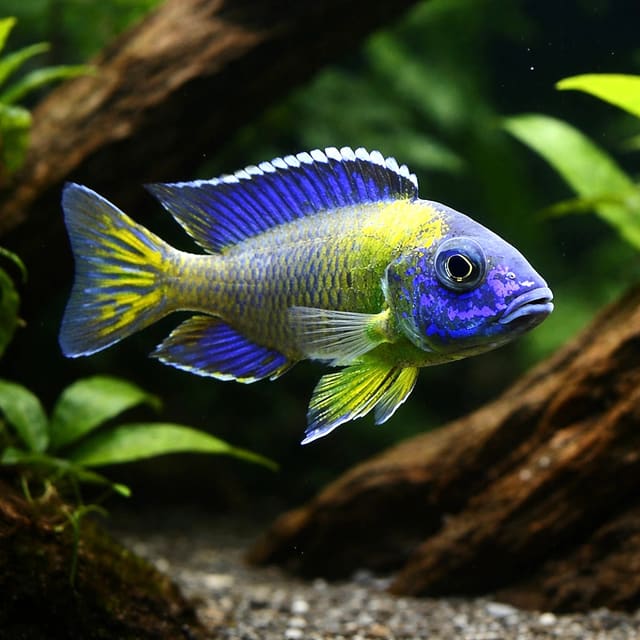
Blue Orange Insignis (Protomelas spilonotus) - Live tropical fish for sale UK

Protomelas spilonotus

Protomelas spilonotus 'Tanzania' - Tropical Fish for Sale UK

Moderate Care
Semi-Aggressive
£15.99In Stock

A striking African cichlid with bold colour and standout presence for larger tropical setups. Moderate care and ideal for experienced keepers. Buy online today.

African CichlidsCichlidsDisplay FishFishFreshwaterModerate CareSemi-Aggressive

Care at a Glance

Scientific Name
Protomelas spilonotus
Adult Size
22 cm
Lifespan
10 years
Care Level
Moderate
Temperament
Semi-aggressive
Temperature
24–28°C
pH Range
7.5–8.5
Hardness
10–20 dGH
Minimum Tank
350L
Diet
Omnivore; cichlid pellets, frozen foods

Premium Quality

Healthy, vibrant fish from trusted suppliers

Expert Care

Detailed care guides and support

Live Arrival Guarantee

Your fish arrives healthy or we'll replace it

Acclimated

Properly quarantined and ready for your tank

Quick Care Guide

Temperature
24–28°C
pH Range
7.5–8.5
Minimum Tank
350L
Adult Size
22 cm
Lifespan
10 years
Care Level
Moderate
Temperament
Semi-aggressive
Diet
Omnivore; cichlid pellets, frozen foods
Water Hardness
10–20 dGH
Tank Region
Middle

Water Parameters

Maintain these water conditions for optimal health and vibrant colors

Temperature
24–28°C
24°CIdeal Range28°C
pH Level
7.5–8.5
7.5Ideal Range8.5
Water Hardness
10–20 dGH
10 dGHIdeal Range20 dGH

Why Choose This Fish?

A striking African cichlid with bold colour and standout presence for larger tropical setups. Moderate care and ideal for experienced keepers. Buy online today.

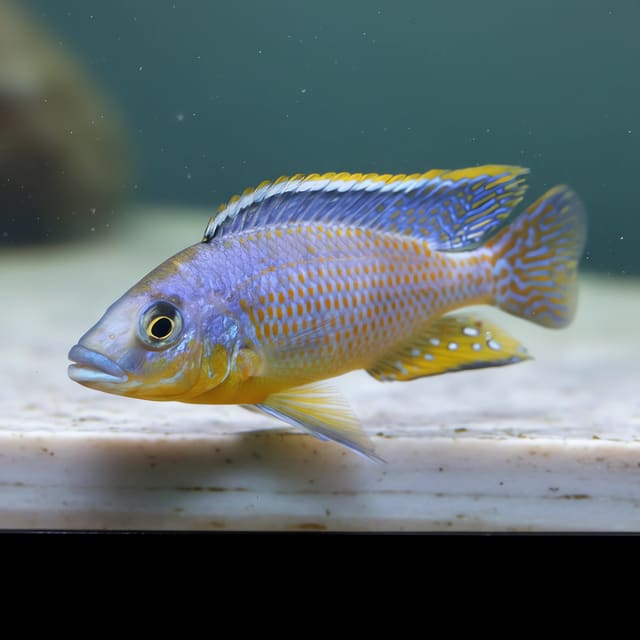
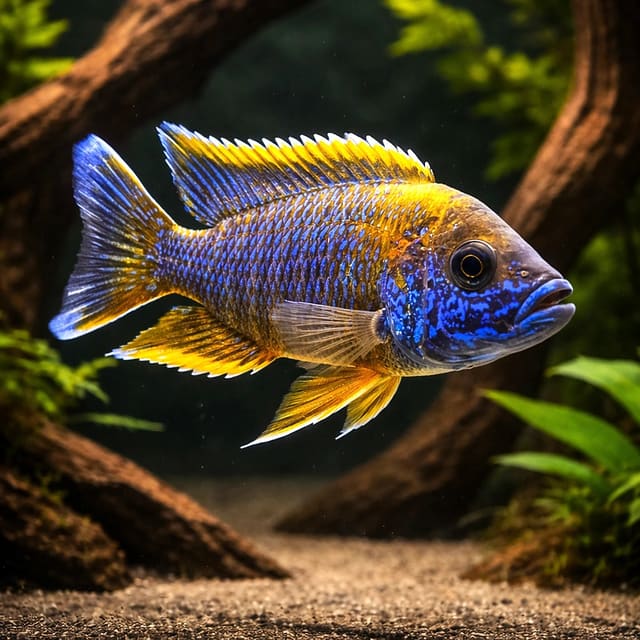
If you are searching for tropical fish for sale UK and want a true showpiece for a larger African cichlid aquarium, Protomelas spilonotus “Tanzania” deserves a close look. Often sold as the Blue Orange Insignis Cichlid, this striking Lake Malawi cichlid UK favourite combines metallic blue on the face and flanks with warm orange to rusty tones across the body and fins as mature males colour up. It is a semi-aggressive haplochromine cichlid from Africa’s Rift Valley lakes, reaching around 22 cm as an adult, living up to 10 years, and best suited to fishkeepers with some experience in tropical fish tank care. See our detailed photos showing adult male colour development, body depth, and finnage in a properly maintained Malawi setup.

This is not a fish for a cramped community tank or a small tropical fish tank with heater. Instead, it thrives in a spacious, well-filtered aquarium with hard, alkaline water, stable tropical fish temperature, and carefully chosen tropical fish tank mates. Customers looking to buy fish online, buy live fish online uk, or find the best place to buy tropical fish uk often choose this species because it offers the size, personality, and colour impact of a large Malawi hap without the constant rock-grazing aggression seen in some Mbuna. For aquarists wondering where can I buy Malawi cichlids online, this is one of the most rewarding medium-to-large haps to keep when the tank is planned correctly.

Its popularity also comes from versatility within the right stock list. In a large aquarium, Protomelas spilonotus “Tanzania” can work alongside other robust haps and peacocks, making it a standout option for hobbyists who want something beyond standard community tropical fish uk species or the usual tetras for sale uk choices. If you want a bold, intelligent cichlid with impressive adult presence, this fish brings genuine Lake Malawi character to your display.

🔹 Quick Facts

  • Scientific Name: Protomelas spilonotus
  • Care Level: Moderate
  • Min Tank Size: 350 litres (around 77 gallons)
  • Temperature: 24-28°C (75-82°F)
  • pH Range: 7.5-8.5
  • Lifespan: Up to 10 years
  • Temperament: Semi-aggressive
  • Diet: Omnivore

Classification

  • Order: Cichliformes
  • Family: Cichlidae
  • Genus: Protomelas

Protomelas spilonotus belongs to the diverse African cichlid family, a group famous for rapid evolution, intense colour, and complex social behaviour. Within the aquarium hobby, Protomelas species are classed among the non-Mbuna Malawi haps, generally favouring more open water and mixed rocky-sandy habitats. The “Tanzania” form is especially valued by keepers who want a larger display fish with strong adult male colour and a more graceful swimming style than many rock-dwelling cichlids.

Where Do Protomelas Tanzania Come From? Natural Habitat Explained

Protomelas spilonotus originates from Africa (Lake Malawi), one of the great Rift Valley lakes and a world-famous source of rift lake cichlids for sale. Lake Malawi is huge, deep, mineral-rich, and naturally alkaline, which explains why this species does best in hard water conditions rather than the softer water used for many South American fish. When aquarists ask what is tropical fish tank water for African cichlids, the answer is not simply “warm water”; it is a stable, oxygen-rich, alkaline environment that reflects this lake’s chemistry.

In the wild, Blue Orange Insignis inhabit areas where rock meets open sand, moving through the middle water column and foraging over wider territories than many Mbuna. That natural setting helps explain why a thoughtful blue orange insignis cichlid Malawi tank setup should include open swimming space as well as visual barriers. They are not pond fish, so searches like tropical fish pond uk or tropical fish pond royal oak are not relevant for their long-term care; this species belongs indoors in a heated aquarium with controlled water chemistry.

The lake itself acts as a stable tropical fish tank ecosystem on a massive scale. Water conditions shift far less than in many rivers, so sudden swings in the temperature of tropical fish tank, pH, or dissolved waste are especially stressful in captivity. This is one reason experienced keepers value mature filtration and consistency over constant rearranging. If you are wondering what do you need for a tropical fish tank for this species, think big tank, heavy filtration, rocky structure, clean sand, and reliable heating rather than decorative extras.

Many hobbyists searching for wild caught malawi cichlids for sale are attracted to the natural forms and locality variants of Malawi fish. While wild fish can be stunning, they are often more demanding and less forgiving than tank-bred stock. For most home aquariums, responsibly raised specimens are the better choice because they adapt more readily to prepared foods and routine aquarium life. That makes this fish a smart blue orange insignis cichlid or alternative species option for keepers who want authentic Malawi colour without stepping into the most delicate specialist territory.

💡 Expert Tip

Mimicking the natural habitat improves health and colour. Give this species a layout with open sand in front, rock piles at the back and sides, and strong water movement. In our experience, males show better confidence and fuller colour when they can patrol open water but still retreat behind structure when challenged.

How to Set Up the Perfect Tank for Protomelas Tanzania

A proper tropical fish tank complete setup for this species starts with space. The stated minimum is 350 litres, but for a mature male with several females and compatible Malawi tank mates, 450-600 litres is more realistic. Anyone asking what size tank for tropical fish or what size tropical fish tank for a Blue Orange Insignis should think in terms of footprint as much as volume. A long tank gives better line-of-sight breaks and swimming room than a tall but narrow aquarium.

Tank Size Requirements

The blue orange insignis cichlid minimum tank size is 350 litres, with a preferred group of 1 male and 3-4 females. This is not a species for random mixed stocking or a “one of everything” approach. The blue orange insignis cichlid tank size matters because adult males can become territorial, especially once fully coloured. If you are wondering who tropical fish tank size recommendations are aimed at, the answer is adult fish, not juveniles in a shop tank.

Water Parameters

The ideal tropical fish tank temperature is 24-28°C, with 25-26°C often being the sweet spot for day-to-day maintenance. The tropical fish tank best temperature for stable long-term care is not the hottest possible setting; it is the point where metabolism, oxygen levels, and aggression stay balanced. The tropical fish tank ideal temperature should be held consistently with a reliable tropical fish tank heater and thermometer. For UK keepers checking tropical fish tank temperature uk celsius, aim for 25°C as a practical target.

Water should be alkaline and hard: pH 7.5-8.5 and hardness 10-20 dGH. The full tropical fish tank temperature range is useful, but stability matters more than chasing exact numbers. Many customers ask does tropical fish tank temperature need to stay fixed every hour; in practice, a small day-night shift is fine, but sudden swings are not. If you ever ask which tropical fish tank temperature is right, choose the middle of the species range, not the extremes.

24-28°C
Temperature
7.5-8.5
pH
10-20 dGH
Hardness
350L+
Minimum Tank

Filtration and Water Movement

This species produces significant waste, so a strong canister or sump-style system is ideal. Your tropical fish tank filter and heater should be chosen as a pair, because warm, oxygen-rich water and low dissolved waste are both essential. A tropical fish tank heater and filter arrangement that turns the whole tank over 6-10 times per hour is a good target. Place the return flow to keep debris suspended without blasting the fish constantly.

Customers often ask about tropical fish tank heater position. Put the heater where there is steady circulation, usually near the filter outflow or in a sump chamber, so the tropical fish tank heater setting reflects the whole aquarium rather than one warm corner. If you are planning a tropical fish tank quick setup, resist the temptation. This fish needs a mature system, not a rushed start.

Substrate, Rocks, and Decor

Fine sand is best. It suits the natural look, is easy to siphon, and reflects light nicely under blue and orange fish. Rounded rock piles create territories and reduce direct confrontation. Leave open swimming lanes through the middle because this is a midwater hap, not a fish that wants every inch stacked with rock.

Plants are optional. A true blue orange insignis cichlid for planted aquarium setup is difficult because Malawi cichlids may uproot or nip softer plants. If you want greenery, use hardy species attached to rock rather than rooted stems. Aquarists searching tropco plants or looking for low-maintenance options should choose robust, cichlid-tolerant plants and avoid overdoing fertiliser. Excess nutrients can feed tropical fish tank algae, tropical fish tank green algae, or tropical fish tank brown algae.

Lighting and Maintenance

Moderate lighting for 6-8 hours is enough. Too much light, especially with excess food and nitrate, can lead to why is my tropical fish tank going green problems. If nuisance growth appears, review feeding, photoperiod, and maintenance before reaching for tropical fish tank algae treatment. On hardscape and filter outlets, you may also see tropical fish tank hair algae or tropical fish tank black hair algae if the tank gets too much light.

🔹 Quick Setup Checklist

  • Choose a tank of at least 350 litres, ideally larger for a group
  • Set a tropical fish tank heater temperature of 25-26°C
  • Use strong filtration with high oxygenation
  • Add sand substrate and stable rock structures
  • Cycle the aquarium fully before stocking
  • Test pH, hardness, ammonia, nitrite, and nitrate weekly at first

💡 Pro Tip

Always cycle the tank for 4-6 weeks before adding Malawi cichlids. A mature biofilter is more important than a fancy ornament list. If you are researching tropical fish tank how to set up or a tropical fish tank beginner's guide, remember that large cichlids punish shortcuts faster than small community fish.

What Do Protomelas Tanzania Eat? Complete Feeding Guide

This species is an omnivore. In nature, it picks at small invertebrates, organic matter, and edible material found over rocks and sand. In the aquarium, the best diet is a quality cichlid pellet supported by frozen foods such as krill, mysis, and brine shrimp. The phrase blue orange insignis cichlid diet should make you think balanced protein with some vegetable matter, not a heavy meaty diet at every meal.

Staple Foods

Use a high-quality Malawi or hap pellet as the daily staple. Feed twice a day in portions the fish can finish within 30-60 seconds. Overfeeding quickly degrades water quality, especially in warm, alkaline tanks where the tropical fish tank water temperature keeps metabolism high. If you are running a tropical fish tank heater, remember that warmer water often means hungrier fish, but not necessarily healthier fish if portions are excessive.

Supplemental Foods

Frozen mysis, brine shrimp, daphnia, and occasional chopped prawn can be used 2-4 times a week. Some keepers ask what tropical aquarium fish eat snails; while this species may peck at very small snails or disturbed invertebrates, it should not be bought as a snail-control fish. Likewise, it is not one of the true tropical fish tank algae eaters, and it should not be relied on as one of your tropical fish tank bottom feeders.

Treats and Foods to Avoid

Avoid fatty mammal meats, excessive bloodworm, and random feeder foods. These can cause digestive trouble in Malawi cichlids. If you keep live plants and use tropical fish tank plant food, dose carefully and monitor nitrate because nutrient-rich water plus strong light can fuel algae. The fish itself is hardy, but the system must stay balanced.

Time Food Amount
Morning High-quality cichlid pellets Small pinch, eaten in under 1 minute
Evening Pellets or frozen mysis/brine shrimp Small portion, no leftovers
Rubin Red Peacock Cichlid - Aulonocara

A good companion species for similar feeding routines in a mixed Malawi display.

Aulonocara Sp Neon Red Calico Peacock

Another Malawi cichlid with compatible pellet-and-frozen feeding patterns for larger setups.

⚠️ Feeding Warning

Overfeeding causes ammonia spikes, cloudy water, and long-term organ stress. If you are asking how to keep tropical fish tank water clear, the answer is usually smaller meals, stronger maintenance, and better filtration rather than more additives.

Protomelas Tanzania Appearance: Colors, Patterns & Varieties

This is a deep-bodied, laterally compressed cichlid with a confident, gliding swimming style. Adult size is around 22 cm, though some males can appear even larger because of body depth and extended finnage. The head is slightly pointed, the dorsal fin is long and continuous, and mature specimens develop an impressive presence in the middle of the tank.

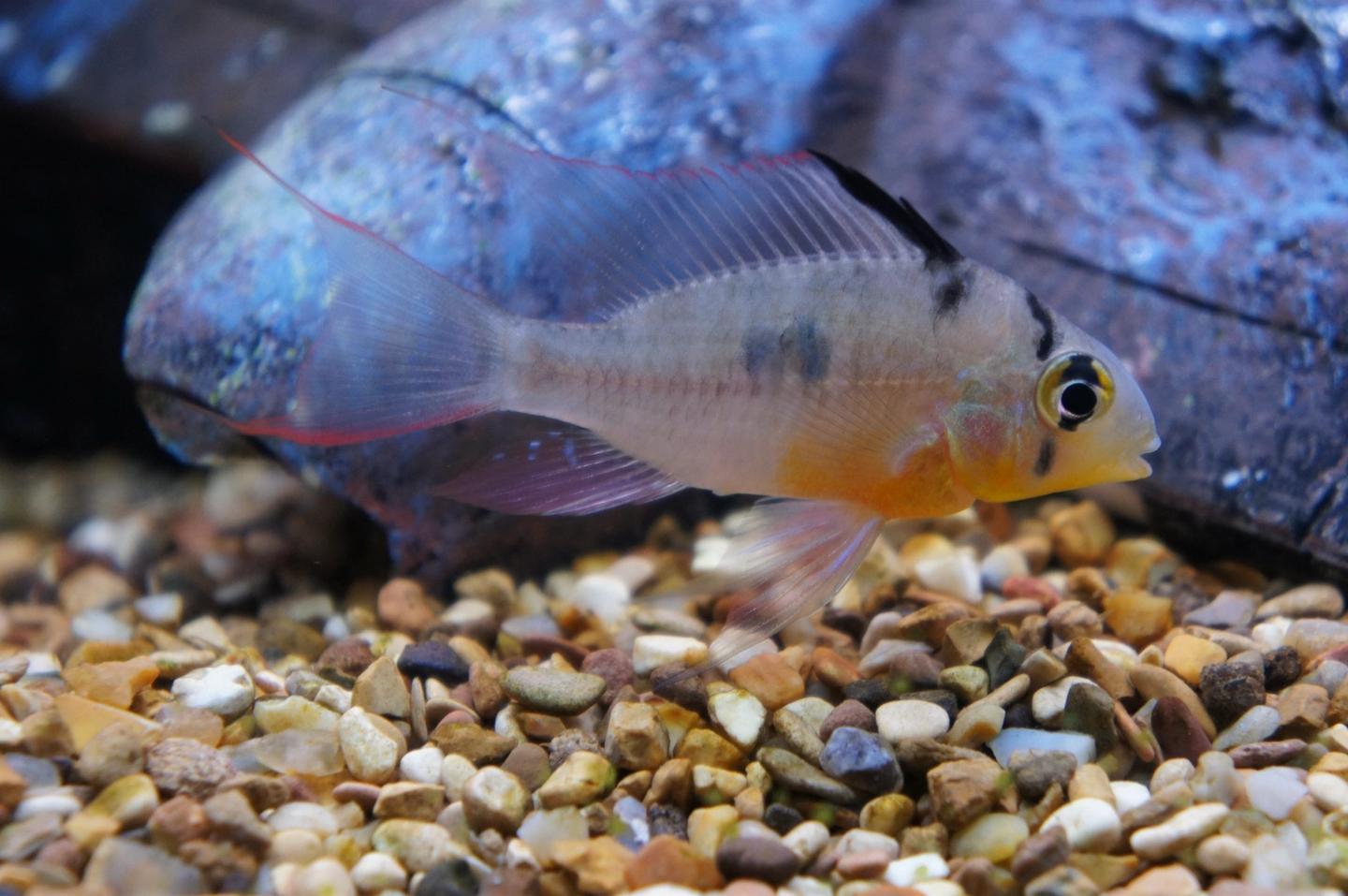
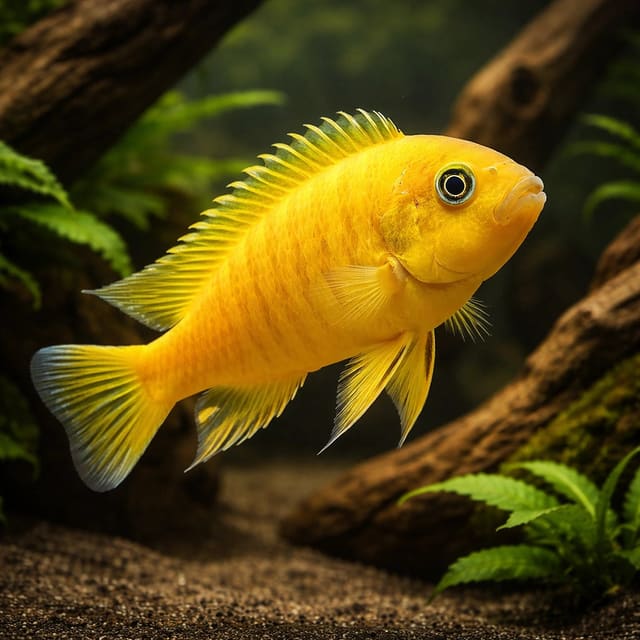
Colour is the main attraction. Males develop intense blue on the face, throat, and parts of the body, set against orange, rusty, or bronze tones depending on mood, dominance, and lighting. Females and juveniles are much plainer, usually silver-grey to brownish, which is typical for many Malawi haps. If you have read a blue orange insignis cichlid care guide, you will know that colour is strongly linked to social stability, diet, and correct water chemistry.

The best results come from a dark background, pale sand, and moderate lighting. This contrast helps the fish stand out without washing out the blue. Our photos show the rich adult tones that develop under proper blue orange insignis cichlid hard water care, stable diet, and enough space. The blue orange insignis cichlid ideal temperature also plays a role, because stressed fish in unstable water often lose intensity.

For buyers comparing species, the Blue Orange Insignis Cichlid Fish is larger and more substantial than many peacocks, but generally less hyper-territorial than some Mbuna. It is a strong choice as a blue orange insignis cichlid for large tank centrepiece, though not usually the best blue orange insignis cichlid for beginners unless the aquarium is already mature and properly sized. The blue orange insignis cichlid school size is not a true school; keep one male with several females rather than multiple rival males in smaller quarters.

What Fish Can Live With Protomelas Tanzania? Compatibility Guide

This species is semi-aggressive rather than outright savage. Adult males can become territorial, especially around feeding time and breeding, but they are usually manageable in a spacious tank with similarly sized Malawi fish. If you are building a blue orange insignis cichlid community tank, think robust haps and peacocks, not tiny peaceful fish. This is not one of the standard tropical fish for beginners choices for a mixed community with guppies or tetras.

Ideal Tank Mates

The best blue orange insignis cichlid compatible fish are other non-Mbuna Malawi cichlids of similar size and temperament. Good examples from our range include Aulonocara Sp Neon Red Calico Peacock, Rubin Red Peacock Cichlid - Aulonocara, and Aulonocara kandeense. These make better companions than highly aggressive rock-dwelling species. If you are searching for the best tank mates for blue orange insignis cichlid, start there.

Some keepers also consider species like Thorichthys Maculipinnis - Elliot'S Cichlid - or Guianacara Dacrya - South American Cichlid when looking across cichlid groups, but mixing African Rift Lake fish with Central or South American species is usually not ideal because water chemistry and behaviour differ. For a cleaner, more reliable stocking plan, stay Malawi-focused.

Species to Avoid

Avoid very small fish, delicate species, and most invertebrates. Searches for tropical fish tank temperature for tetras are common, but tetras need different social conditions and are too small to be sensible tank mates here. Mbuna such as Yellow Elongatus Cichlid - Chindongo Elongatus can be too boisterous and differently aggressive for a balanced hap setup unless the tank is very large and carefully planned. Likewise, Tanganyikan species such as Kiriza Yellow Cichlid - Tropheus Moorii or Orange I Blunthead Cichlid - Tropheus have different dietary and behavioural needs.

Community Tank Examples

A sensible 450-litre stock could be 1 male Protomelas Tanzania, 3 females, and a small group of similarly sized peacocks. In a 600-litre aquarium, you can create a stronger display with one Protomelas male, several females, and two or three other hap or peacock groups, provided territories are broken up. This is the kind of tropical fish tank mates chart logic that matters: match size, water chemistry, and aggression level, not just colour.

Species Compatible? Notes
Aulonocara Sp Neon Red Calico Peacock ✅ Yes Similar Malawi water needs and manageable temperament in large tanks
Rubin Red Peacock Cichlid - Aulonocara ✅ Yes Good visual contrast and compatible feeding style
Yellow Elongatus Cichlid - Chindongo Elongatus ⚠️ Caution Mbuna aggression can upset calmer hap stocking plans
Kiriza Yellow Cichlid - Tropheus Moorii ❌ Avoid Different lake, different diet, different social structure

Many customers ask which tropical fish clean the tank. The honest answer is none will replace maintenance. Do not add random plecs or “cleaner fish” without checking water chemistry and adult size. If you want to know how to keep tropical fish tank clean, focus on stocking discipline, strong filtration, and regular water changes. Learn how to clean tropical fish tank, how to clean small tropical fish tank if you use a quarantine system, and how to change tropical fish tank water without major swings in temperature or pH.

💡 Compatibility Tip

Always quarantine new arrivals for 2-4 weeks before adding them to a Malawi display. A tropical fish quarantine tank protects established fish from parasites and gives new specimens time to settle onto prepared foods.

How to Breed Protomelas Tanzania: Complete Breeding Guide

Blue orange insignis cichlid breeding is moderate in difficulty and follows the familiar Malawi maternal mouthbrooding pattern. The key is to keep one mature male with several females in a spacious tank. A true blue orange insignis cichlid breeding pair can work in a dedicated setup, but a harem arrangement is more natural and reduces pressure on a single female.

Breeding Setup

Use a tank of at least 350 litres for a group, with sand, flat stones, and open display space. Keep the tropical fish tank water temperature around 25-27°C, maintain hard alkaline water, and condition adults with quality pellets and frozen foods. If you are asking what chemicals do i need for a tropical fish tank or what chemicals do you need for a tropical fish tank, the answer for breeding is very few: dechlorinator, possibly mineral support depending on your tap water, and accurate test kits. Clean, stable water matters more than bottled “breeding boosters”.

Spawning Behaviour

The male intensifies in colour, claims a display area, and courts females with body quivering and circling. After spawning, the female picks up the eggs in her mouth. New keepers sometimes panic when they search tropical fish tank eggs or yellow eggs in tropical fish tank and do not see any on the substrate. With mouthbrooders like this species, the eggs are carried by the female rather than left exposed.

Egg Care and Fry Development

The female usually holds for around 18-28 days depending on temperature and individual condition. During this period she may eat very little. If the tropical fish tank temperature too hot, development may speed up but stress rises as well, so do not push the upper limit. A stable tropical fish tank temperature range is safer than chasing faster hatching.

Fry Care

Once released, fry can be fed newly hatched brine shrimp, finely crushed cichlid fry food, and powdered prepared diets. Frequent small water changes help growth. This is where many keepers ask odd search-style questions like was tropical fish tank temperature or were tropical fish tank temperature correct after a failed spawn; in reality, breeding success depends on the whole system: nutrition, female condition, male pressure, and water quality.

Advanced Breeding Tip

If a holding female is being harassed in the main display, move her carefully to a separate mature rearing tank around the second week of holding. Do not chase her excessively with nets. Stress can cause premature swallowing or spitting of the brood.

Protomelas Tanzania vs Similar Species: Which Should You Choose?

Choosing between Malawi haps and peacocks often comes down to tank size, temperament, and the look you want. Protomelas spilonotus “Tanzania” is larger and more imposing than many Aulonocara species, making it better as a centrepiece fish in a spacious aquarium. If you want a fish with more body mass and stronger territorial displays, it is a great choice. If you prefer slightly calmer, smaller cichlids with easier mixed stocking, a peacock may suit you better.

Feature Protomelas Tanzania Aulonocara kandeense
Max Size 22 cm 15-18 cm
Care Level Moderate Moderate
Temperature 24-28°C 24-27°C
Price £15.48 Varies
Best For Large Malawi display tanks Mixed peacock communities
Feature Protomelas Tanzania Yellow Elongatus Cichlid
Body Type Open-water hap Rock-dwelling Mbuna
Aggression Semi-aggressive Higher, more territorial
Diet Focus Omnivorous cichlid pellets and frozen foods More herbivorous-leaning Malawi diet
Tank Style Open sand with rock zones Dense rockwork
Best For Showpiece male with females Mbuna-only rockscape tanks

If you are comparing a blue orange insignis cichlid for community tank against smaller peacocks, choose Protomelas when you have the room and want a more commanding fish. Choose Aulonocara kandeense or Rubin Red Peacock Cichlid - Aulonocara if you want a slightly easier mixed display. Choose Yellow Elongatus Cichlid - Chindongo Elongatus only if you are building a more assertive Mbuna-style setup.

Common Health Problems in Protomelas Tanzania & How to Prevent Them

A healthy specimen is alert, upright, responsive at feeding time, and shows clear eyes, intact fins, and steady breathing. Mature males should display strong colour once settled. If a fish hides constantly, clamps fins, breathes heavily, or loses appetite, investigate quickly. Most problems begin with poor water quality, aggression stress, or newly introduced pathogens.

Common Issues

Like many Malawi cichlids, this species can suffer from bloat-like digestive stress if fed badly or kept in dirty water. External parasites, bacterial fin damage, and stress-related wasting are also seen in poorly managed systems. General tropical fish tank diseases are easier to prevent than cure, especially in large cichlid tanks where one sick fish can affect the group.

Water Quality and Testing

If you want to know how to test tropical fish tank water, use liquid kits for ammonia, nitrite, nitrate, and pH. Learn how to maintain tropical fish tank conditions with weekly partial water changes, gravel vacuuming of open sand areas, and filter servicing that preserves beneficial bacteria. Good tropical fish tank water treatment begins with dechlorinator and stable mineral balance, not random medications.

Quarantine and Treatment

Every new fish should spend 2-4 weeks in a tropical fish quarantine tank. This is especially important when you buy tropical fish UK online and add them to established stock. Quarantine lets you observe appetite, faeces, breathing, and skin condition before full introduction. If treatment is needed, match the medication to the diagnosis rather than guessing.

⚠️ Health Warning

Never medicate the main display unless you know what you are treating. Unnecessary treatments can damage filter bacteria and stress cichlids further. Also, copper-based medications are unsuitable in systems containing sensitive invertebrates.

🔹 Quarantine Protocol

  • Use a separate heated, filtered tank for 2-4 weeks
  • Match pH and hardness closely to the display tank
  • Observe feeding response daily
  • Check for flashing, white spots, clamped fins, or bloating
  • Perform regular small water changes to keep ammonia at zero

Understanding Protomelas Tanzania Behavior in the Aquarium

This is an active midwater cichlid with a confident but watchful personality. Males patrol open areas, display to rivals, and court females with colour and posture. Females are generally calmer and spend more time avoiding dominant fish. In a correctly designed tank, you will see natural cruising, foraging, and social signalling rather than constant panic or fighting.

Territorial behaviour is strongest when the male is mature and fully coloured. That is why group structure matters so much. One male with several females spreads attention and helps the aquarium feel more natural. A cramped tank can turn normal display behaviour into relentless harassment.

Many people moving up from community tropical fish uk or researching tropical fish for beginners are surprised by how intelligent Malawi cichlids seem. They learn feeding routines quickly and often recognise movement outside the tank. To bring out the best behaviour, keep the aquascape stable, maintain the correct blue orange insignis cichlid temperature, and avoid incompatible tank mates.

Why Buy from Tropical Fish Co?

When customers search tropical fish shop near me, tropical fish shops near me, or tropical fish for sale near me, they are usually looking for healthy stock, accurate advice, and fish that arrive in the condition shown online. With a species like Protomelas Tanzania, that matters even more because juvenile Malawi cichlids can look modest at first, while long-term quality shows in body shape, feeding response, and eventual male colour.

Our focus with this species is simple: stable, well-started fish that are feeding confidently before sale. Each fish is observed for behaviour, appetite, and general condition before dispatch. We do not market this as a random add-on beside cold water fish for sale, cold water fish for sale uk, or novelty searches like home aquarium sharks uk; it is a serious African cichlid for a properly planned setup. That clear positioning helps buyers choose the right fish rather than the wrong fish for the wrong tank.

For online orders, fish are packed in insulated boxes with appropriate bagging, oxygen, and seasonal heat packs when needed. Tracked delivery reduces transit uncertainty, and careful packing matters when shipping larger cichlids with spines and strong movement. If you want to buy tropical fish UK, buy fish online, or find tropical fish for sale online without relying on vague marketplace listings, this species is offered with practical care information so you know exactly what it needs on arrival.

We also know buyers compare us against searches like fish for sale pets at home, tropical fish pets at home, cichlids fish for sale, cichlids for sale scotland, and african cichlids for sale northern ireland. The difference here is species-specific guidance. We explain the real tropical fish tank requirements, not generic tropical advice. That means better outcomes for the fish and fewer surprises for the keeper. Order your Protomelas Tanzania today with confidence if you are ready for a true Malawi show fish.

Why Choose Tropical Fish Co for Protomelas Tanzania

  • Stock selected for strong body shape, alert feeding response, and suitability for large Malawi aquariums
  • Held and observed before sale so fish are settled onto prepared foods
  • Packed for UK transit with insulated materials and seasonal heat protection where required

You Might Also Like

Build a stronger Malawi display with compatible and comparable species from our cichlid range. For peacock colour and similar water needs, consider Aulonocara Sp Neon Red Calico Peacock, Rubin Red Peacock Cichlid - Aulonocara, or Aulonocara kandeense. If you are exploring more assertive African cichlids, compare the different behaviour of Yellow Elongatus Cichlid - Chindongo Elongatus. For hobbyists who enjoy cichlids from other regions, Thorichthys Maculipinnis - Elliot'S Cichlid - and Guianacara Dacrya - South American Cichlid show how different cichlid styles can be. If you are browsing a wider Lake Malawi cichlid collection, this species is one of the best larger haps to anchor the tank.