Moderate
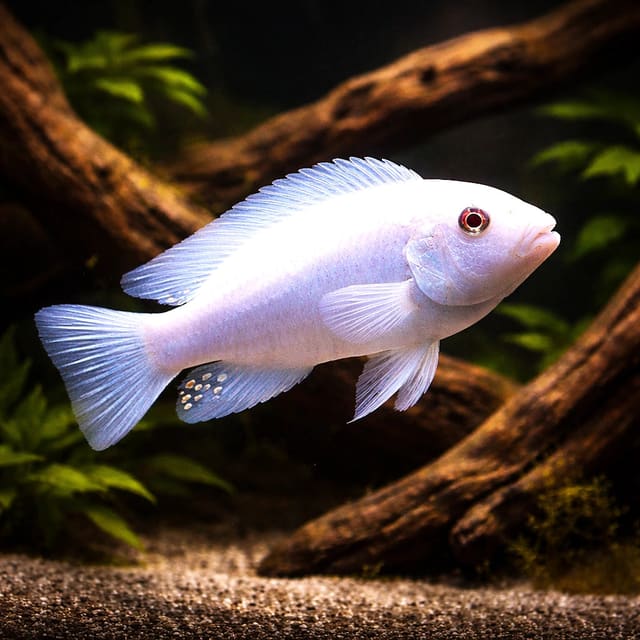
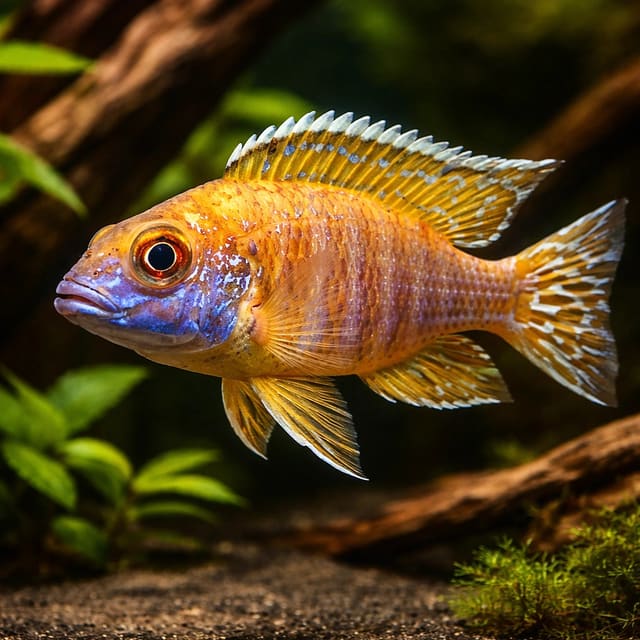
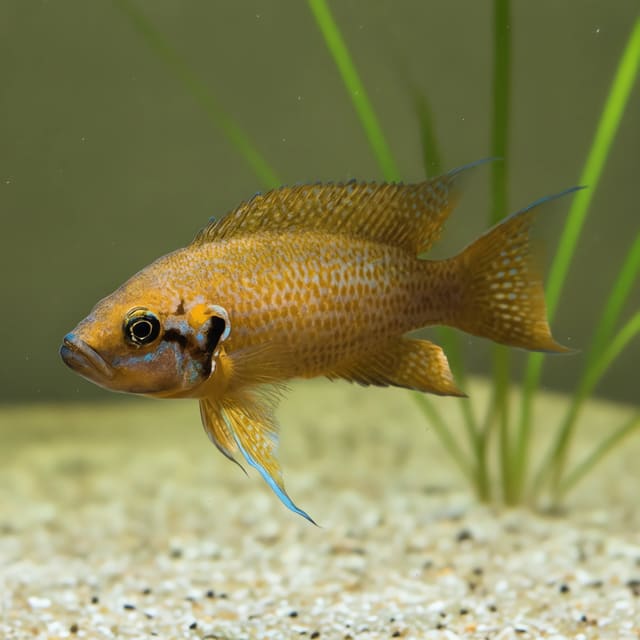
Labidochromis Sunflower Red Cichlid (Labidochromis sunflower red)
24–27°C · pH 7.8–9 · 120L
£22.99

Dwarf Golden Mbuna (Melanochromis auratus) is a territorial Lake Malawi mbuna for hard, alkaline rocky aquariums. Currently out of stock.
Adult size is the maximum length this species reaches at full maturity (scientific sources). The livestock you receive will be younger and smaller — pick a size above for the actual shipping size. Product-photo provenance and any image-specific limitations are stated on the listing.
Melanochromis auratus
Shoaling fish: kept in a group they feel safer, stay calmer and show their best colour.
Confirm your email, then we’ll send an availability message for this exact item if it returns within 180 days.
This request is only for this product—no newsletter or other promotions. A mail-provider retry may very rarely duplicate the same availability message. Unconfirmed addresses are removed after 48 hours. See our privacy policy.
Dwarf Golden Mbuna (Melanochromis auratus) is a territorial Lake Malawi mbuna for hard, alkaline rocky aquariums. Currently out of stock.
Adult size is the maximum length this species reaches at full maturity (scientific sources). The livestock you receive will be younger and smaller — pick a size above for the actual shipping size. Product-photo provenance and any image-specific limitations are stated on the listing.
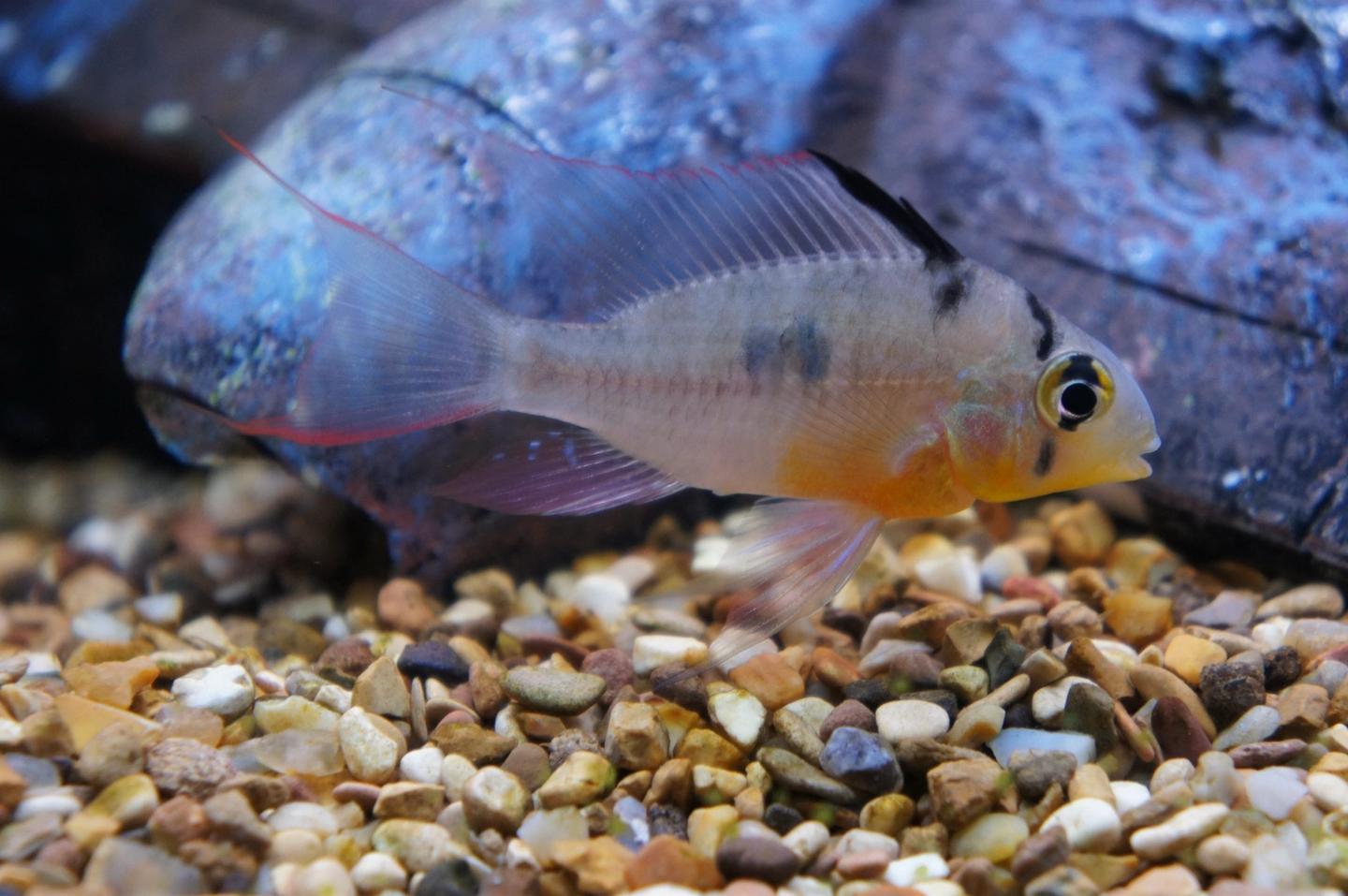
Cichlids are a family of roughly 1,800 accepted species, not one care type. Before buying, identify the exact species and source, then compare adult measurement, usable tank dimensions, social system, territory, tested water, diet and an exit plan. No family-wide minimum tank, water range or tank-mate list is safe.
Maintain these water conditions for optimal health and vibrant colors
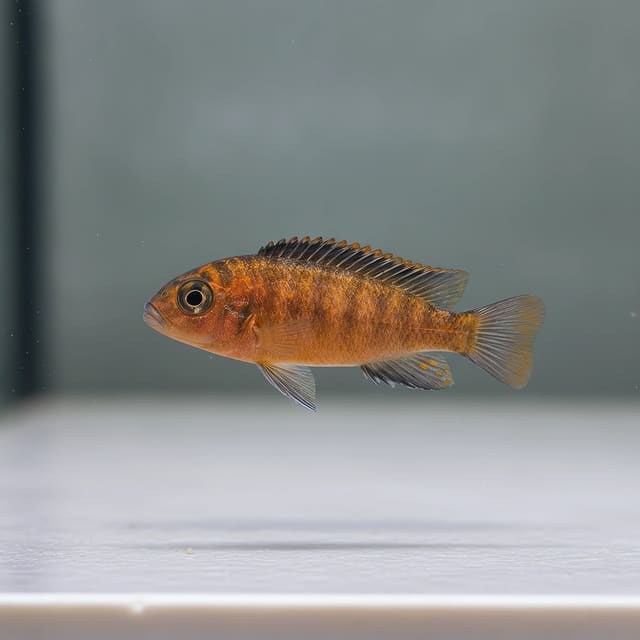
Dwarf Golden Mbuna (Melanochromis auratus) is a bold Lake Malawi mbuna for aquarists who enjoy active, territorial cichlids. The supplier name uses "dwarf" as a trade-size description rather than a separate scientific form, so the fish is treated here as Melanochromis auratus, the Golden Mbuna or Auratus Cichlid. It is colourful, intelligent and full of movement, but it is not a peaceful planted-tank community fish.
This product is currently out of stock on Shopify, so this page is written as a planning guide rather than a hard sales push. Use it to prepare the right aquarium before the fish returns: rocky structure, hard alkaline water, strong filtration and a stocking plan that respects mbuna aggression.
| Common names | Dwarf Golden Mbuna, Golden Mbuna, Auratus Cichlid, Malawi Golden Cichlid |
|---|---|
| Scientific name | Melanochromis auratus |
| Current variants | 1390 at 4-5 cm and 1391 at 5-6 cm, both reading back out of stock |
| Adult size | Usually up to about 11 cm total length |
| Minimum aquarium | At least a 100 cm long tank; around 200 litres or more is a sensible target for stable home care |
| Temperature | 24-28 C |
| pH and hardness | Hard, alkaline Lake Malawi-style water; plan around pH 7.5-8.5 with mineral stability |
| Temperament | Highly territorial mbuna; manage with rockwork, space and careful sex ratios |
| Diet | Algae-rich mbuna foods, spirulina, vegetable matter and modest small frozen foods |
Melanochromis auratus is endemic to Lake Malawi, where it is associated with rocky habitats. FishBase records it feeding from the biocover by nibbling and picking at algae-covered surfaces. That matters for the aquarium: this is a rock-grazing mbuna, not a soft-water shoaling fish or a delicate community centrepiece.
Young fish and females are typically golden yellow with dark horizontal striping, while mature dominant males can become much darker with contrasting pale or blue-toned stripes. This colour shift is one reason listings can become confusing. A small "dwarf" stock fish may look bright and neat at sale size, but its adult behaviour remains classic auratus: assertive, territorial and busy around rocks.
Build the tank around secure rockwork first. Use stable piles, caves, overhangs and broken sight lines so fish can claim territories without seeing each other constantly. Place heavy rocks safely before adding substrate so digging cannot undermine the structure. Sand or fine smooth gravel works well because it is easy to clean and suits a Malawi cichlid layout.
Keep the water hard, alkaline and stable. A mature filter, high oxygen, regular water changes and controlled feeding are more important than decorative plants. Many plants are likely to be disturbed or ignored in a serious mbuna aquarium. If your tap water is soft, plan mineral buffering before buying, then test consistently rather than making sudden corrections after the fish arrives.
For this species, a longer tank footprint matters more than height. A 100 cm long aquarium is the minimum reference point, but a larger system around 200 litres or more gives better dilution, more territory and more room to manage aggression. Overcrowding without filtration is risky, but too few fish in a bare tank can also leave one individual taking all the pressure.
The Auratus Cichlid has a reputation for being one of the more aggressive mbuna, and that reputation is deserved. It should not be mixed with peaceful community fish, dwarf shrimp, slow long-finned species, South American soft-water cichlids, or gentle peacocks in a small mixed tank. Better choices are robust Malawi mbuna with similar water needs, similar confidence and enough space to avoid constant direct conflict.
Many keepers manage auratus in a harem-style group, often one male with several females, or in a carefully planned mbuna community where no single fish can dominate the whole aquarium. This is not a guarantee of peace; it is a management strategy. Add plenty of hiding places, avoid keeping two mature males together in cramped quarters, and watch behaviour closely after any stock change.
Feed like a mbuna. Spirulina flakes, algae wafers, quality vegetable-based cichlid pellets and blanched vegetable matter are better staples than rich meaty foods. Small frozen foods such as brine shrimp or daphnia can be used sparingly, but constant bloodworm or heavy protein feeding is not a good match for this species.
Offer modest portions and keep waste out of the rockwork. Uneaten food trapped behind stones can quickly damage water quality, especially in a busy cichlid tank. A lean, varied diet supports colour and condition without pushing the digestive system too hard.
Melanochromis auratus is a maternal mouthbrooder. Females hold eggs and fry, and pressure from males or tank mates can be intense during this period. If breeding is your goal, plan the group, hiding places and spare holding space before spawning happens. If breeding is not your goal, the same planning still helps reduce stress and injury.
The main mistakes are treating the fish as peaceful because it is small, using a soft acidic community setup, feeding too much rich food, or building a tank with one cave that becomes a single point of conflict. Another mistake is repeating every keyword from old supplier copy until the page reads unnaturally. The useful search terms are simple and honest: Golden Mbuna, Auratus Cichlid, Melanochromis auratus, Lake Malawi mbuna and rocky hard-water aquarium.
All live Shopify variants for this product read back out of stock on 2026-07-04. When the Dwarf Golden Mbuna returns, choose it only if your aquarium is already set up for hard-water Malawi cichlids and you are comfortable managing territorial behaviour. If you want a calmer community aquarium, choose a different fish before this one chooses the whole tank for itself.
No reviews for this item yet. Bought one? Honest reviews only, good or bad.
What customers say about ordering from us
I have a small group of long finned mountain minnows. So was delighted to be able to order ten of this variety to increase the genetics in my tank . The ones I recieved are healthy but it’s to early to give a verdict on wether they are of a long finned type since they are small currently.
Gordon Walker · 23 Sept 2026
100% success travel and "installation". Pleased with quality of purchase. The Siamese fighter a bit "shy" so have not yet seen him at his best yet but looking good. Happy customer. GG
George E Garratt · 21 Sept 2026
Reviews of our shop, collected by Judge.me, an independent third-party review collector. Newest first.