Easy
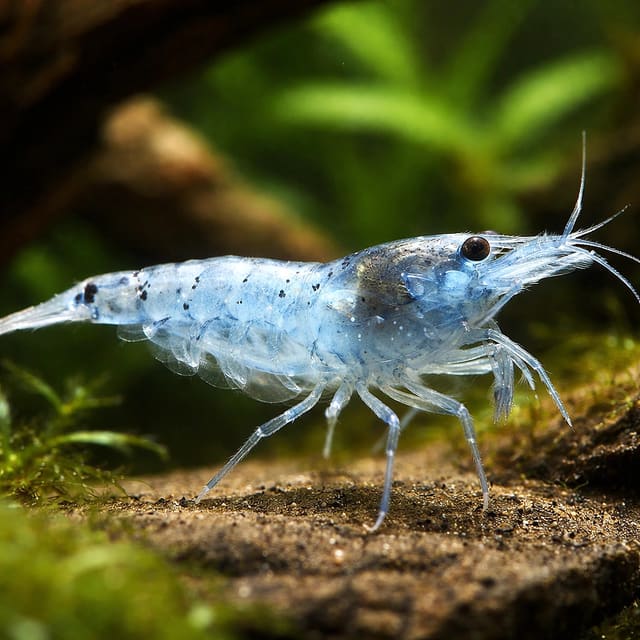
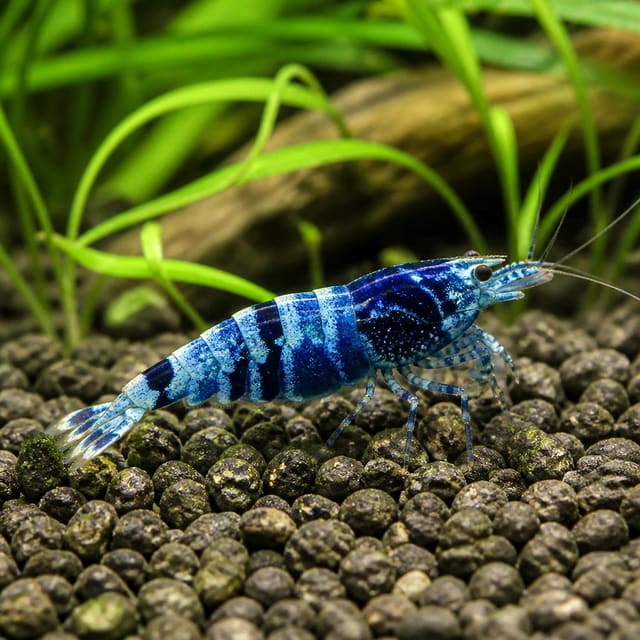
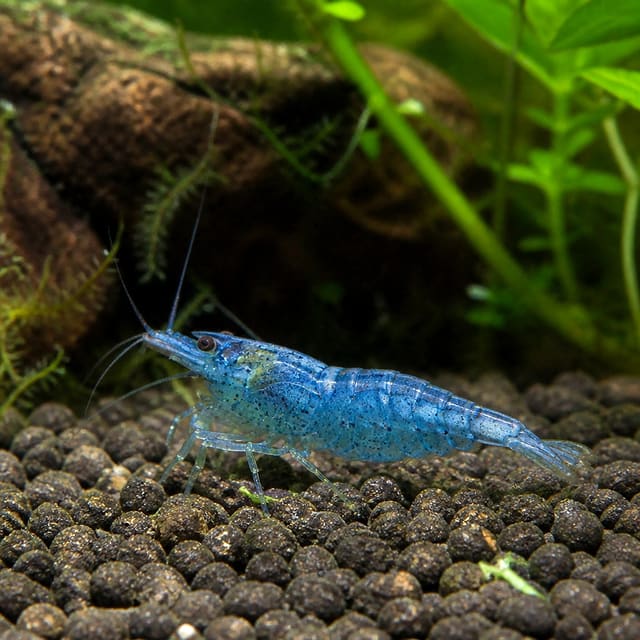
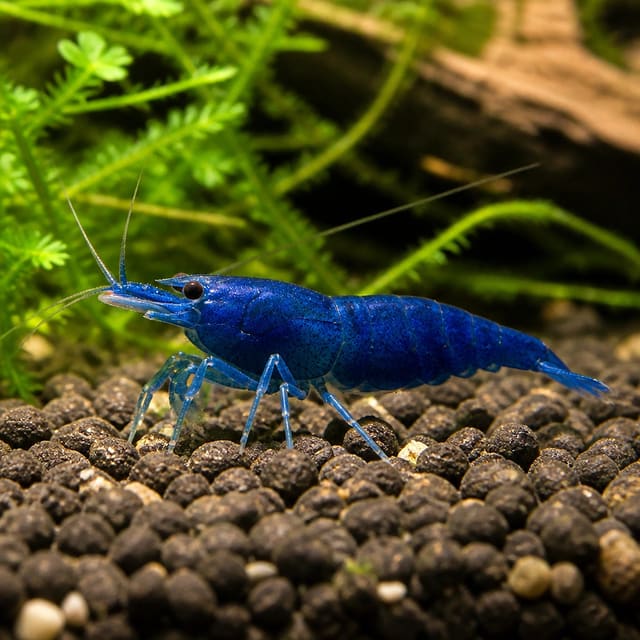
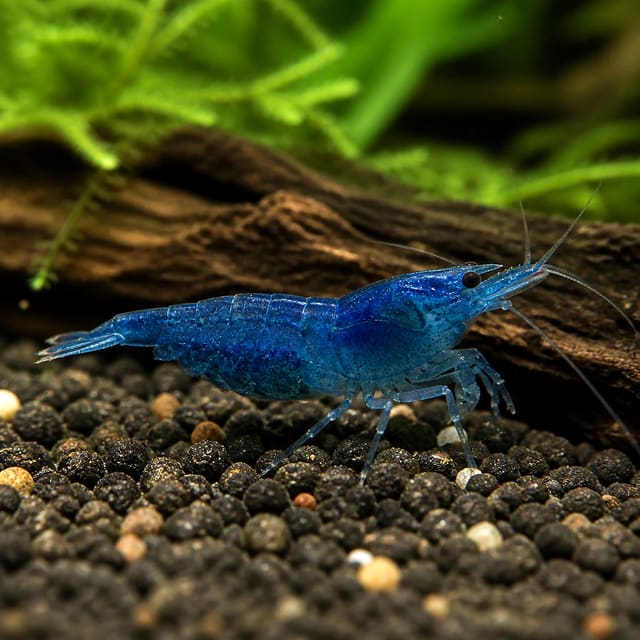
Blue Dream Shrimp (Neocaridina davidi)
18–28°C · pH 6.5–8 · 20L
£16.19

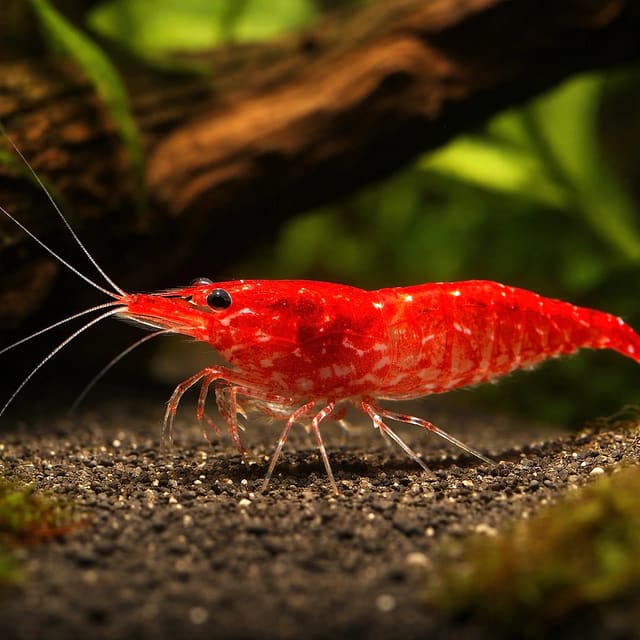
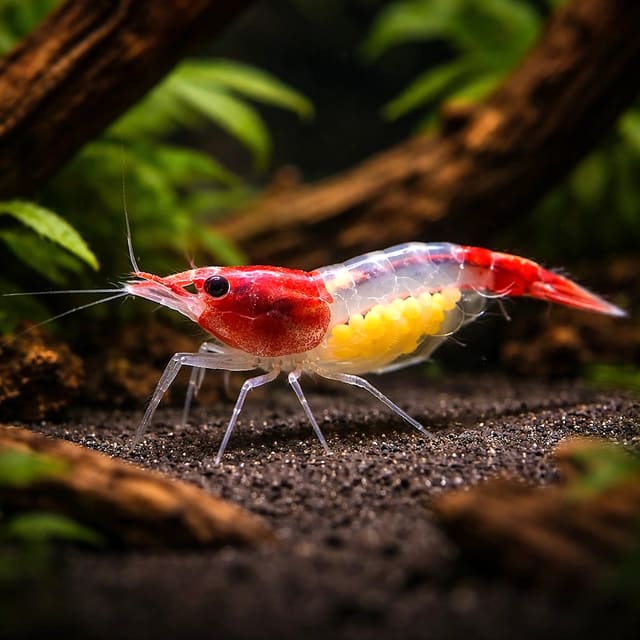
The Super Red Sakura Shrimp (Neocaridina davidi) is a freshwater shrimp from Taiwan, east of China, the Korean Peninsula and Vietnam that reaches approximately 4 cm. It suits mature, filtered aquariums; OATA’s group guidance gives at least five shrimp, 17–27°C, pH 6.5–8.0 and 4–18°dH. Sold individually in sizes from 1–1.5 cm to 2–2.5 cm.
Adult size is the maximum length this species reaches at full maturity (scientific sources). The livestock you receive will be younger and smaller — pick a size above for the actual shipping size. Product-photo provenance and any image-specific limitations are stated on the listing.
Neocaridina davidi
Lives in groups: kept together they stay settled, active and show their best colour.
The Super Red Sakura Shrimp (Neocaridina davidi) is a freshwater shrimp from Taiwan, east of China, the Korean Peninsula and Vietnam that reaches approximately 4 cm. It suits mature, filtered aquariums; OATA’s group guidance gives at least five shrimp, 17–27°C, pH 6.5–8.0 and 4–18°dH. Sold individually in sizes from 1–1.5 cm to 2–2.5 cm.
Adult size is the maximum length this species reaches at full maturity (scientific sources). The livestock you receive will be younger and smaller — pick a size above for the actual shipping size. Product-photo provenance and any image-specific limitations are stated on the listing.
Use a mature, filtered aquarium and measured water—not a shrimp-per-litre rule. Tropical Fish Co uses 20 litres as a cautious starting policy for a small Cherry Shrimp group, above OATA's general 10-litre screen for small shrimp. Provide established grazing surfaces, cover and a protected filter inlet. No fish is guaranteed shrimplet-safe, and breeding should never be promised.
Maintain these water conditions for optimal health and vibrant colors
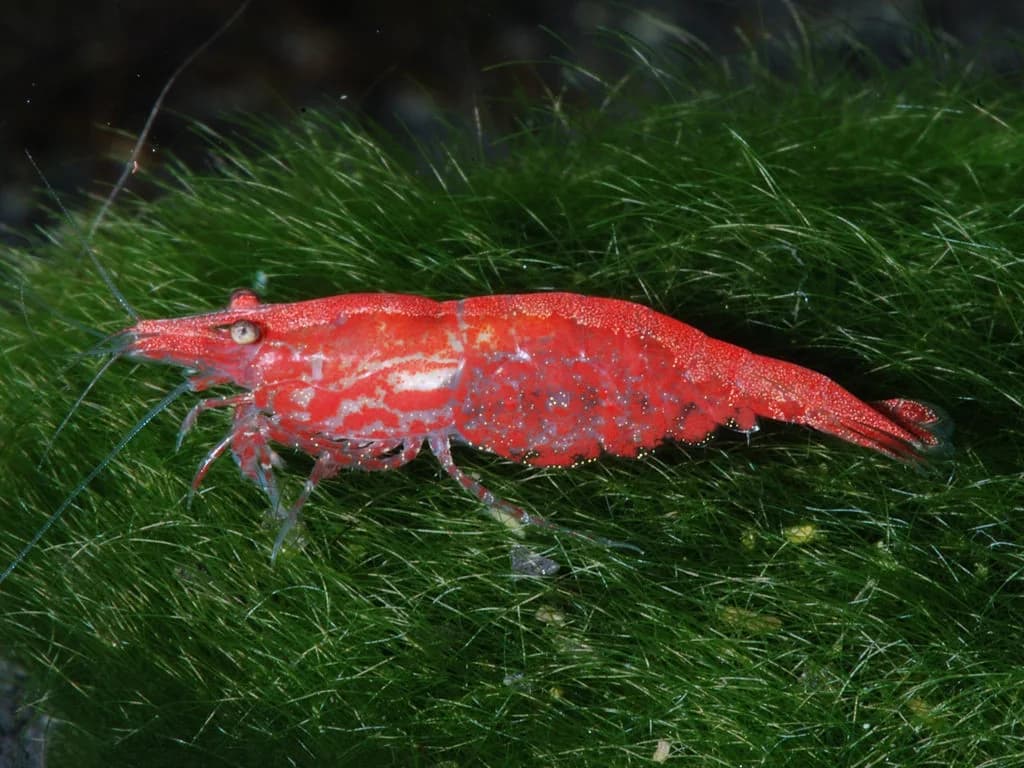
Super Red Sakura Shrimp is a selectively bred red aquarium form of Neocaridina davidi, a freshwater shrimp in the family Atyidae. The World Register of Marine Species lists the accepted identity, while Wikipedia’s species summary places its native range in Taiwan, areas east of China, the Korean Peninsula and Vietnam. Adults reach approximately 4 cm. It suits keepers prepared to provide a mature biological filter, measured water, established grazing surfaces and carefully screened companions.
| Suits | Not suited to |
|---|---|
| Mature, filtered freshwater aquariums | Immature or untested aquariums |
| Groups of at least five under OATA’s shrimp guidance | Plans based on keeping a solitary shrimp |
| A cautious starting plan of 20 litres for a small group | Permanent shrimp-per-litre formulas |
| Communities screened for mouth size and predation | Fish able to swallow shrimp or known predators |
One purchase supplies one animal in the size chosen through the live selector. The dispatch sizes are 1–1.5 cm and 2–2.5 cm. These measurements help you choose the size that travels from us; they must not be used as an estimate of the final aquarium size. The size you select is the size supplied, not the adult size.
| Size | What it means |
|---|---|
| 1–1.5 cm | One shrimp within this dispatch-size range |
| 2–2.5 cm | One shrimp within this dispatch-size range |
Use the selector rather than colour, images or a size assumption when choosing between the two sizes. A larger dispatch measurement does not guarantee sex, reproductive status or particular colour coverage. Sex is guaranteed only when the selected option explicitly states male or female. This Super Red Sakura Shrimp listing has no sex-guaranteed option.
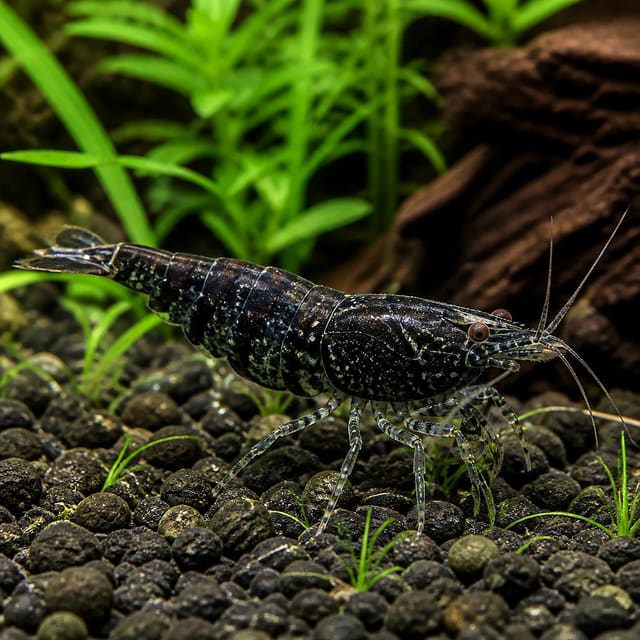
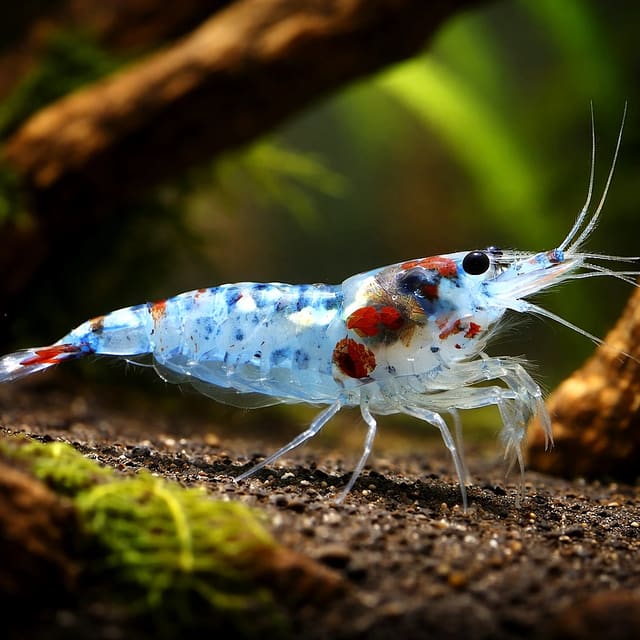
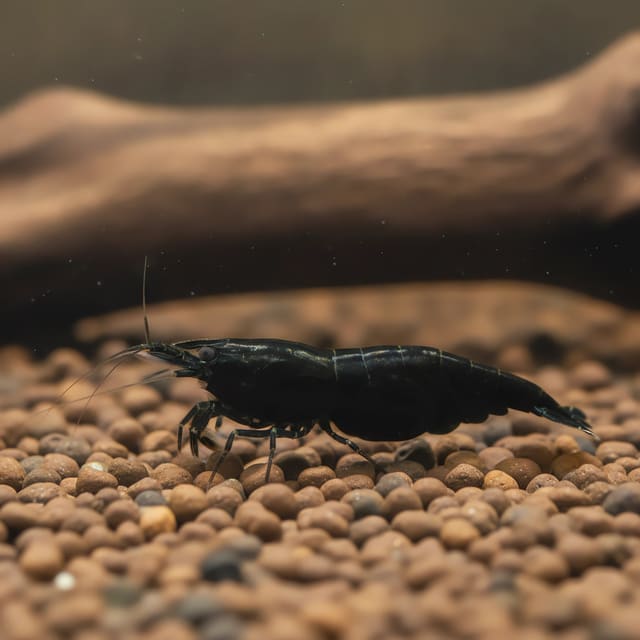
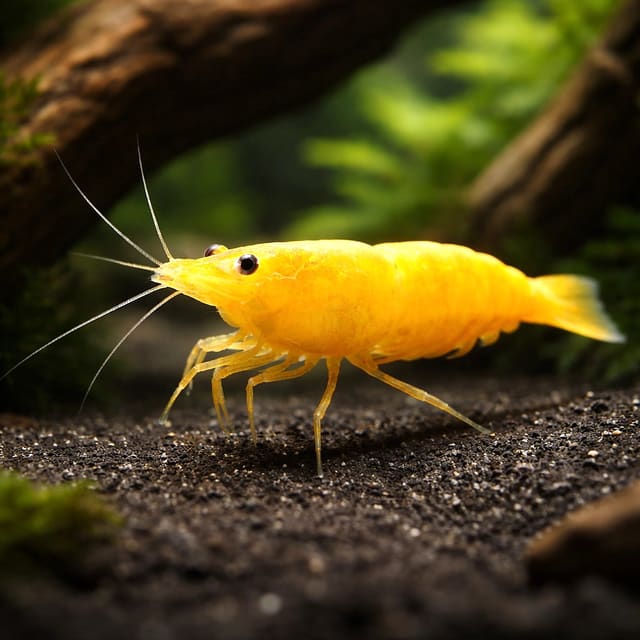
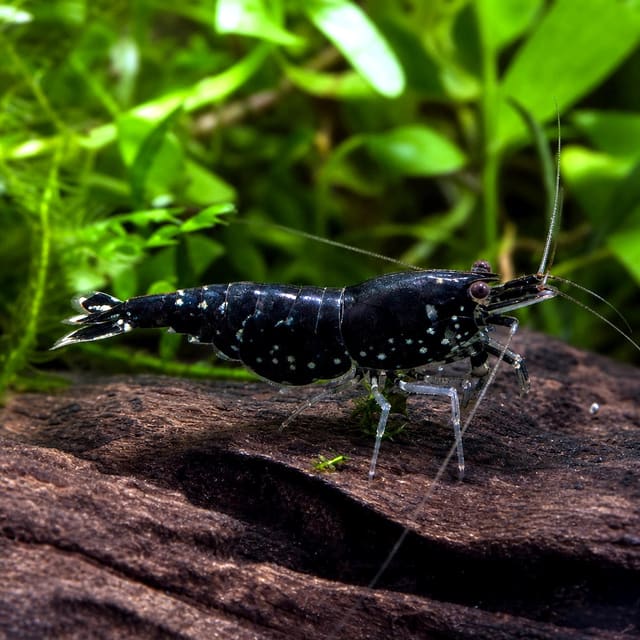
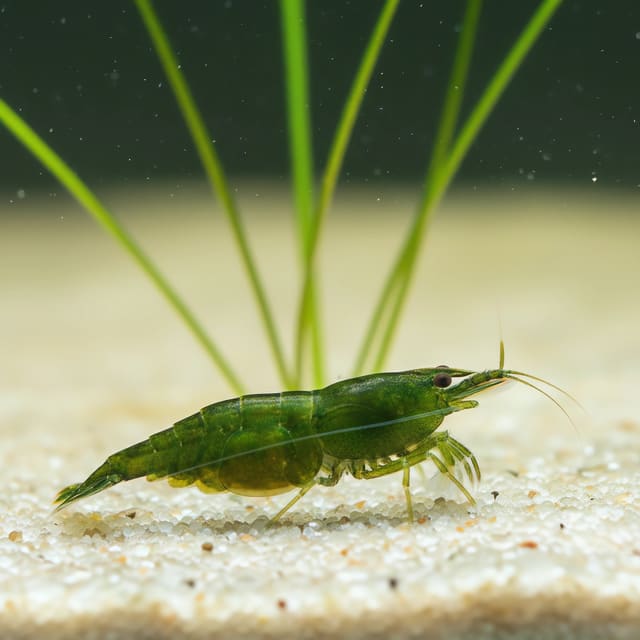
These representative gallery images have been digitally enhanced for presentation, so colours can look slightly different from the live animal. Treat Super Red Sakura as the selected colour line while allowing for natural differences between individual animals and changes in appearance under different aquarium lighting.
We rate the husbandry as intermediate. The shrimp itself is small, but success depends on mature biological filtration, measured water, established grazing surfaces, careful feeding and companions screened for predation. If you are comparing red forms or planning a larger group, browse the cherry shrimp collection and assess each animal by its own identity and care needs.
Neocaridina davidi inhabits inland freshwater settings including lakes, ponds, rivers and streams. It is omnivorous in nature, and the familiar red aquarium form comes from selective breeding rather than the mottled-brown wild type.
Plan for an adult length of approximately 4 cm. Arrange hardscape, feeding access, filter protection and community screening around that adult measurement rather than either dispatch size. Our cautious starting policy is a mature, filtered aquarium of 20 litres for a small group. This is a planning point rather than a shrimp-per-litre formula, and an aquarium shared with other animals must account for the complete adult community.
| Decision | Planning figure |
|---|---|
| Adult length | Approximately 4 cm |
| Starting aquarium | 20 litres under our cautious house policy |
| Social group | At least five under OATA’s shrimp guidance |
| Temperature screen | 17–27°C |
| pH screen | 6.5–8.0 |
| General hardness | 4–18°dH |
| Ammonia and nitrite | Zero mg per litre |
A 20-litre plan works only when the filter is mature, the measured water is suitable and the group has enough feeding and grazing area. Substrate, wood, plants and equipment reduce the working water volume, while every companion adds waste and feeding competition. Choose a larger aquarium when the full community or expected population growth would leave little room for maintenance errors.
The decisive purchase check is therefore not whether a shrimp physically fits inside a small container. Confirm that the aquarium is biologically mature, measure ammonia and nitrite at zero, provide established surfaces and protect the filter inlet before choosing a dispatch size. The complete Cherry Shrimp Care Guide expands on these planning decisions without turning litres into a permanent stocking ratio.
Begin with a working biological filter and measured water rather than a fixed waiting period. A mature aquarium can process the planned waste load while tests continue to show zero ammonia and zero nitrite. The OATA freshwater aquarium guidance supports cycling, regular testing and gradual stocking; a calendar alone cannot show whether that work is complete.
Use the real water volume after substrate and equipment have been installed. Our 20-litre starting policy gives a small group more headroom than OATA’s broad 10-litre screen, but neither figure grants a fixed number of shrimp per litre. Footprint, filter capacity, grazing area, feeding access, companions and possible population growth all affect the sensible capacity.
Plants are useful because they add cover and surfaces that shrimp can inspect for food. Sand or aquarium gravel can both form the base, while suitable ornaments and cave-like shelters can provide additional retreats. Arrange the aquarium so that you can still inspect the filter, reach feeding areas and remove settled waste without dismantling all the cover.
Established grazing surfaces matter because these shrimp spend time picking at biofilm and soft growth. Biofilm supports grazing, but it is not a substitute for a complete shrimp food or proof that water quality is safe. A mature-looking aquarium still needs measured ammonia, nitrite, temperature, pH and hardness.
Use the freshwater shrimp-keeping guide to plan the full setup before livestock arrives. The practical goal is a stable system with enough biological capacity, cover and accessible surface area for the starting group, not the smallest container that can hold water.
Keep the aquarium at 17–27°C, pH 6.5–8.0 and 4–18°dH. OATA’s freshwater-shrimp guidance gives these values for the group as planning screens, not a species-specific optimum. It also gives 3–15°dKH, ammonia at zero mg per litre, nitrite at zero mg per litre and nitrate no more than 20 mg per litre above the normal tap-water level.
| Measurement | How to use it |
|---|---|
| Temperature | Keep a stable chosen value within 17–27°C |
| pH | Compare the aquarium and holding water within 6.5–8.0 |
| General hardness | Use 4–18°dH as the planning screen |
| Carbonate hardness | Use 3–15°dKH as the planning screen |
| Ammonia | Maintain zero mg per litre |
| Nitrite | Maintain zero mg per litre |
| Nitrate | Keep within 20 mg per litre above tap-water level |
Do not move the aquarium between the edges of these ranges. Measure the aquarium, compare it with the holding-water values shared for the animals and make any necessary adjustment gradually. The water matcher can organise that comparison, while the water chemistry guide explains what the individual tests represent.
Base the decision on measured room and aquarium temperatures. Use a correctly sized, guarded and thermostatically controlled heater when the aquarium would otherwise fall outside the stable shared range selected for its inhabitants. A warm room instead needs a plan that prevents overheating; season or postcode alone cannot decide the equipment requirement.
OATA strongly recommends a 25% partial water change at least once each week. Treat replacement tap water with a suitable conditioner to address chlorine or chloramine before it enters the aquarium. Compare temperature and chemistry, add the replacement water carefully and investigate any recurring difference rather than repeatedly forcing large corrections.
A useful worked check is simple: if the aquarium remains at zero ammonia and nitrite but pH or hardness changes noticeably after each water change, compare the treated replacement water before the next change. If ammonia or nitrite rises above zero, pause further stocking, review filtration and feeding, and restore safe measured conditions.
A filter is essential even when the animals are small. The RSPCA’s aquarium filtration guidance explains that a working biological filter supports bacteria that convert toxic ammonia to nitrite and then to the safer nitrate. For shrimp, the filter also needs an inlet that does not trap or draw in small individuals.
Check the inlet guard after cleaning, moving decor or trimming plants. Protection that has slipped away from the intake no longer performs its job. A worked inspection starts with the outer guard, follows the route into the filter and finishes by confirming that water can still pass without a debris blockage.
Provide cover without making the equipment inaccessible. Live plants are ideal, while aquarium-safe artificial plants and suitable ornaments can provide shelter where live planting is not used. Wood, rock and other safe structure can add sheltered surfaces, but the layout should retain a visible feeding area and a route for removing settled waste.
Cover is particularly important when shrimp need to retreat after disturbance or while moulting. It also gives individuals options when companions are present. It cannot make a predatory fish safe, so regard planting as part of the habitat rather than a substitute for compatibility screening.
A secure aquarium arrangement should also prevent escapes while keeping equipment positioned safely. Check openings around cables and pipes as part of routine maintenance. If several shrimp gather unusually near the waterline or the group’s normal activity changes, measure the water and inspect the equipment instead of assuming that extra cover will solve the underlying problem.
Neocaridina davidi is omnivorous in nature. In the aquarium, Super Red Sakura Shrimp will graze biofilm and some soft growth, but grazing alone should not be treated as a complete feeding plan. Use an appropriate complete sinking shrimp food as the nutritional base and observe whether every animal can reach it.
OATA’s freshwater-shrimp feeding schedule starts at two or three feeds each week. Leave a pellet or wafer for at least 30 minutes so the group has time to feed, then remove recurring excess before it breaks down. Treat that schedule as a starting point: the correct portion depends on group size, established grazing, other inhabitants and the amount left after feeding.
| What you see | What to do next |
|---|---|
| Food repeatedly remains | Remove the excess and reduce the next portion |
| Some shrimp cannot reach food | Spread suitable food across more than one accessible area |
| Ammonia, nitrite or nitrate rises | Review portion size, waste removal and filter performance |
| Grazing surfaces are sparse | Improve established surface area; do not compensate with a large feed |
| The group grows | Reassess portions and capacity from observation and water tests |
Shrimp can contribute to grazing nuisance algae, but they do not remove the need for maintenance. Do not purchase the group as a guaranteed cure for a named algae problem. Lighting, nutrients, waste and aquarium management still determine whether unwanted growth returns.
Use a feeding area that you can see and clean. This makes it easier to confirm that the group is active, identify an animal being displaced and remove leftovers before they disappear into the substrate. More food is not automatically helpful when a shrimp looks paler or hides; first check the measured water, recent changes and the behaviour of the whole group.
During the first weeks, keep a brief note of feed size, feeding response and test trends. If the same portion is cleared without a later deterioration in water quality, maintain it and continue observing. If waste accumulates, change one factor at a time so the effect of the smaller portion can be judged clearly.
Stable shrimp care comes from repeated measurements and small, deliberate actions. Test the aquarium at least once each week for ammonia and nitrite, and carry out a 25% partial water change at least once each week. Record nitrate alongside those tests so a rising trend can be addressed before it becomes a persistent water-quality problem.
Clean filter media only when its condition requires attention. Rinse it lightly in aquarium water removed during the change; do not run it under the tap. Avoid turning routine maintenance into a complete reset of the biological filter.
Use monthly checkpoints to review slower changes. Compare pH and hardness with earlier readings, assess whether plant growth has reduced open feeding space and count the visible group without dismantling its cover. Review the full community before adding more animals, particularly if juveniles have begun to appear.
When a result changes, investigate before adding a corrective product. For example, a nitrate increase alongside uneaten food points towards feeding and waste removal, while ammonia or nitrite above zero calls for immediate attention to biological filtration, recent stocking and feeding. Make one controlled improvement, repeat the tests and record the response.
This rhythm protects the mature system on which the group depends. It also creates a useful baseline: a sudden change in behaviour or appearance is easier to assess when you know the aquarium’s normal temperature, test results, feeding response and maintenance history.
Complete the aquarium checks before the journey. OATA’s aquarium guidance supports gradual introduction into measured water, so confirm zero ammonia and nitrite, measure temperature, pH and hardness, inspect the protected filter inlet and make sure established cover and grazing surfaces are in place.
Open and inspect the parcel on the day it arrives. Keep the continuous video and order number if a Live Arrival Guarantee claim is needed, then contact us the same day. Review the delivery and Live Arrival Guarantee policy before the journey so these steps are familiar.
| Checkpoint | Decision |
|---|---|
| Arrival day | Keep handling minimal and observe the animal after release |
| First feed | Offer a controlled amount and confirm feeding access |
| Daily view | Compare activity, hiding and appearance with the rest of the group |
| Water check | Measure immediately if behaviour or appearance changes |
| End of week | Complete the normal tests and 25% maintenance plan |
Add further shrimp gradually rather than increasing livestock and feeding sharply in one step. The filter’s beneficial bacteria need time to respond to the increased load. Keep dedicated wet equipment where practical, observe new animals closely and never release shrimp, aquarium water, plants or equipment contents into natural waterways.
A shed exoskeleton can resemble a pale shrimp, so identify what you are looking at before taking action. Hiding may accompany moulting, but one shell or one hidden animal cannot diagnose the condition of the group. Compare behaviour, feeding and appearance across the aquarium and check the measured water when something changes.
| Observation | First action |
|---|---|
| Increased inactivity or restlessness | Measure temperature, ammonia and nitrite |
| Unusual hiding across the group | Check water, equipment and recent changes |
| Darker or paler appearance | Compare affected animals and review recent events |
| Changed breathing effort | Check water quality and filtration immediately |
| Reduced feeding | Remove excess food and measure the aquarium |
| White spots, lesions or shell damage | Record clear details and seek suitably qualified help |
Start with measurements rather than medication. Check temperature, ammonia and nitrite, then review nitrate, pH and hardness in context. Inspect filtration and recent maintenance, and consider newly added livestock, plants, decor, food, aerosols or treatments. A written timeline helps distinguish a sudden event from a gradual decline.
Freshwater shrimp are highly sensitive to copper and will die if exposed even to low levels. Before adding any treatment, read the exact current label and every warning for invertebrates. Use a product only when it is appropriate to the identified problem and compatible with every animal in the aquarium.
If signs are severe, persist or spread, obtain suitably qualified aquatic or veterinary advice and provide the test results, dates and photographs. Move an animal only when a prepared alternative system offers safer conditions than the mature aquarium. An improvised container without suitable filtration and matched water can add another abrupt change.
Continue monitoring after the immediate problem appears to settle. Repeat the relevant measurements, confirm normal feeding response and note whether the rest of the group behaves normally. Changing several products at once makes the outcome difficult to interpret, so make each intervention deliberate and record what follows.
OATA advises that freshwater shrimp should not be mixed with fish able to fit them in their mouth or with species known to be predatory. Apply that rule to the companions at their adult size, not merely to how small or calm they appear when introduced. A peaceful label does not remove feeding behaviour, territorial behaviour or opportunistic hunting.
No fish is guaranteed safe with newly hatched shrimp. Dense planting and sheltered surfaces may reduce exposure, but they cannot turn a predator into a dependable companion. When juvenile survival is the priority, a shrimp-only aquarium removes fish predation from the plan, though filtration, feeding, equipment and water-quality risks remain.
| Screen result | Decision |
|---|---|
| Can swallow the shrimp | Avoid the pairing |
| Known predatory behaviour | Avoid the pairing |
| Water requirements do not overlap | Choose a different community |
| Competition prevents shrimp feeding | Separate or redesign feeding access |
| Behaviour changes after introduction | Use the prepared separation plan |
Assess the whole adult community whenever another animal is added. A pairing that appears calm during one observation can change as animals grow, territories form or food becomes concentrated. Keep a suitable separation option ready rather than relying on the aquascape to solve every conflict.
Freshwater shrimp are generally social under OATA’s guidance and should be kept in groups of at least five. Use five as the starting social plan rather than a promise of a particular sex mix or colony outcome. Each purchase adds one animal, so choose the group count deliberately through the live selector.
The starting group must fit the mature aquarium after companions, substrate and equipment have been considered. Our cautious house policy begins at 20 litres for a small Cherry Shrimp group, then increases the plan when fish or other livestock share the system. There is no permanent shrimp-per-litre shortcut because filtration, grazing area, feeding, water stability and population growth all change the real capacity.
| Aquarium goal | Planning priority |
|---|---|
| Red display group | Stable water, visible grazing areas and enough cover |
| Mixed community | Predation screening, feeding access and a separation plan |
| Juvenile survival | Shrimp-only planning, protected intakes and dense usable cover |
| Named colour line | Keep other colour forms separate if predictable colour matters |
Different colour forms of Neocaridina davidi share the species and may reproduce together. If preserving the Super Red Sakura line matters, plan a separate aquarium rather than assuming every descendant from a mixed-colour group will retain the same appearance. The traded colour name describes the chosen line; it does not guarantee identical coverage across every individual or descendant.
A female carries eggs beneath the abdomen, and juveniles hatch without the prolonged saline planktonic phase associated with Amano Shrimp. That biology does not promise a colony. An unsexed group may not contain the required sex mix, while predation, filter access, food, cover and water quality all affect the outcome.
Review capacity before adding further livestock or retaining every juvenile. If the population grows, reassess feeding space, waste trends and the full adult community rather than assuming the original 20-litre planning point grants unlimited expansion. A second prepared aquarium is a better contingency than waiting until competition or water quality has already deteriorated.
Super Red Sakura Shrimp reaches approximately 4 cm as an adult, so plan filtration, cover and companion screening around that size rather than the smaller dispatch measurement.
Use a mature, filtered aquarium, with 20 litres as Tropical Fish Co’s cautious starting policy for a small group; account for substrate, equipment, companions and possible population growth.
OATA’s freshwater-shrimp guidance recommends a group of at least five. This number does not guarantee a particular sex mix, breeding result or permanent stocking density.
We rate Super Red Sakura Shrimp as intermediate because it needs mature biological filtration, measured water, established grazing surfaces, controlled feeding and careful compatibility screening.
This shrimp is omnivorous and grazes biofilm and soft growth. Use an appropriate complete sinking shrimp food, begin with OATA’s schedule of two or three feeds each week and remove recurring excess.
OATA’s freshwater-shrimp guidance gives 17–27°C and pH 6.5–8.0 for the group, with 4–18°dH, zero ammonia and zero nitrite; keep the chosen values stable and make changes gradually.
Super Red Sakura Shrimp is rated peaceful. Screen companions for adult mouth size, predatory and territorial behaviour, feeding competition and overlapping water needs.
Avoid fish able to fit shrimp in their mouth and species known to be predatory. No fish is guaranteed safe for newly hatched shrimp, so choose a shrimp-only aquarium when juvenile survival is the priority.
Start filming the sealed parcel before it is opened. Someone must be present to receive it; film continuously as it is opened with the animal still in the sealed bag, float the bag for 20–30 minutes, and never pour the bag water into the aquarium.
No reviews for this item yet. Bought one? Honest reviews only, good or bad.
What customers say about ordering from us
I have a small group of long finned mountain minnows. So was delighted to be able to order ten of this variety to increase the genetics in my tank . The ones I recieved are healthy but it’s to early to give a verdict on wether they are of a long finned type since they are small currently.
Gordon Walker · 23 Sept 2026
100% success travel and "installation". Pleased with quality of purchase. The Siamese fighter a bit "shy" so have not yet seen him at his best yet but looking good. Happy customer. GG
George E Garratt · 21 Sept 2026
Reviews of our shop, collected by Judge.me, an independent third-party review collector. Newest first.