
 By Tropical Fish Co Editorial Team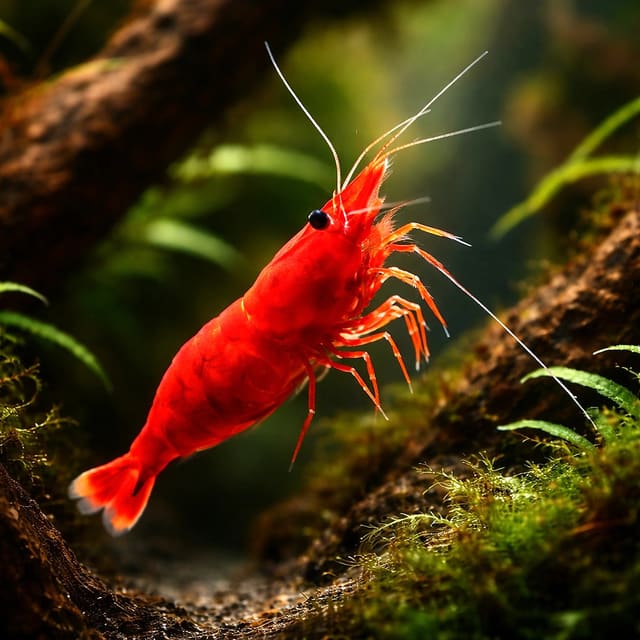
Moderate
Super Red Sakura Shrimp (Neocaridina davidi)
17–27°C · pH 6.5–8
£10.99
Shrimps & Crustaceans · Buying Guide
Compare Neocaridina, crystal, Amano and bamboo shrimp by water, breeding and aquarium role, then check live UK sizes, prices and availability.
11 products in stock today
Live prices and stock. Every fish covered by our Live Arrival Guarantee.
17–27°C · pH 6.5–8
17–27°C · pH 6.5–8
18–28°C · pH 6.5–8 · 20L
17–27°C · pH 6.5–8

17–27°C · pH 6.5–8

17–27°C · pH 6.5–8
18–24°C · pH 6–7.2 · 20L
17–27°C · pH 6.5–8
17–27°C · pH 6.5–8
17–27°C · pH 6.5–8
Our trained assistant knows this freshwater shrimp types page inside out. Ask it anything — water parameters, tank mates, how many to buy — or have it read the guide aloud while you set up your tank.
The fastest honest answer is not “buy the prettiest one.” Choose the type whose behaviour and life cycle fit the aquarium you want:
That is the purpose of this page. The Shrimp Keeping guide owns cycling, filtration, feeding, water testing and acclimation. The Shrimps & Crustaceans shop and each live product page own current price, sale quantity, size and availability. Keeping those jobs separate gives shoppers a clearer answer and keeps volatile commerce claims out of an evergreen comparison.
| Shopping group | What attracts keepers | Breeding consequence | Setup consequence | Verify before buying |
|---|---|---|---|---|
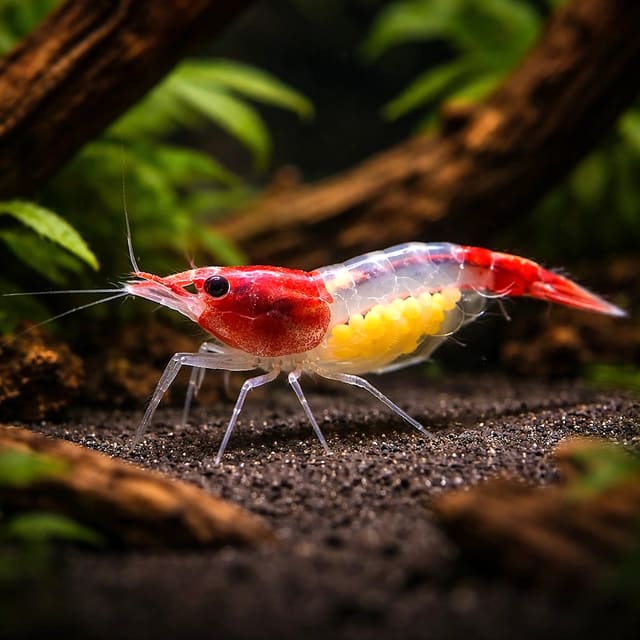
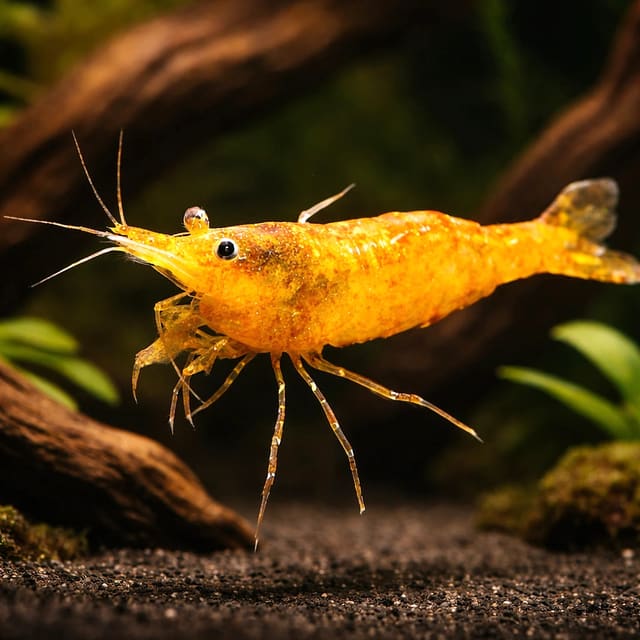
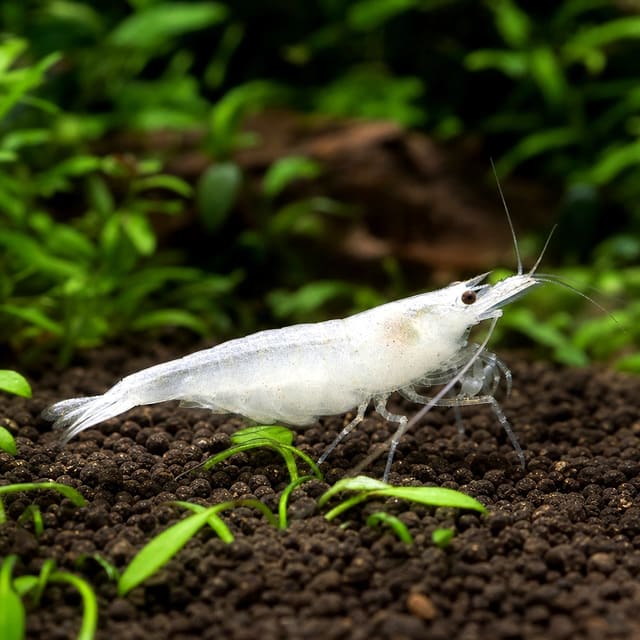
| Neocaridina colour forms | Small grazing shrimp in red, blue, yellow and patterned trade forms | Direct development; young hatch as juveniles rather than Amano-style planktonic larvae | A mature, stable dwarf-shrimp setup matched to the exact line | Scientific name, colour/pattern wording, sale unit and measured-water fit |
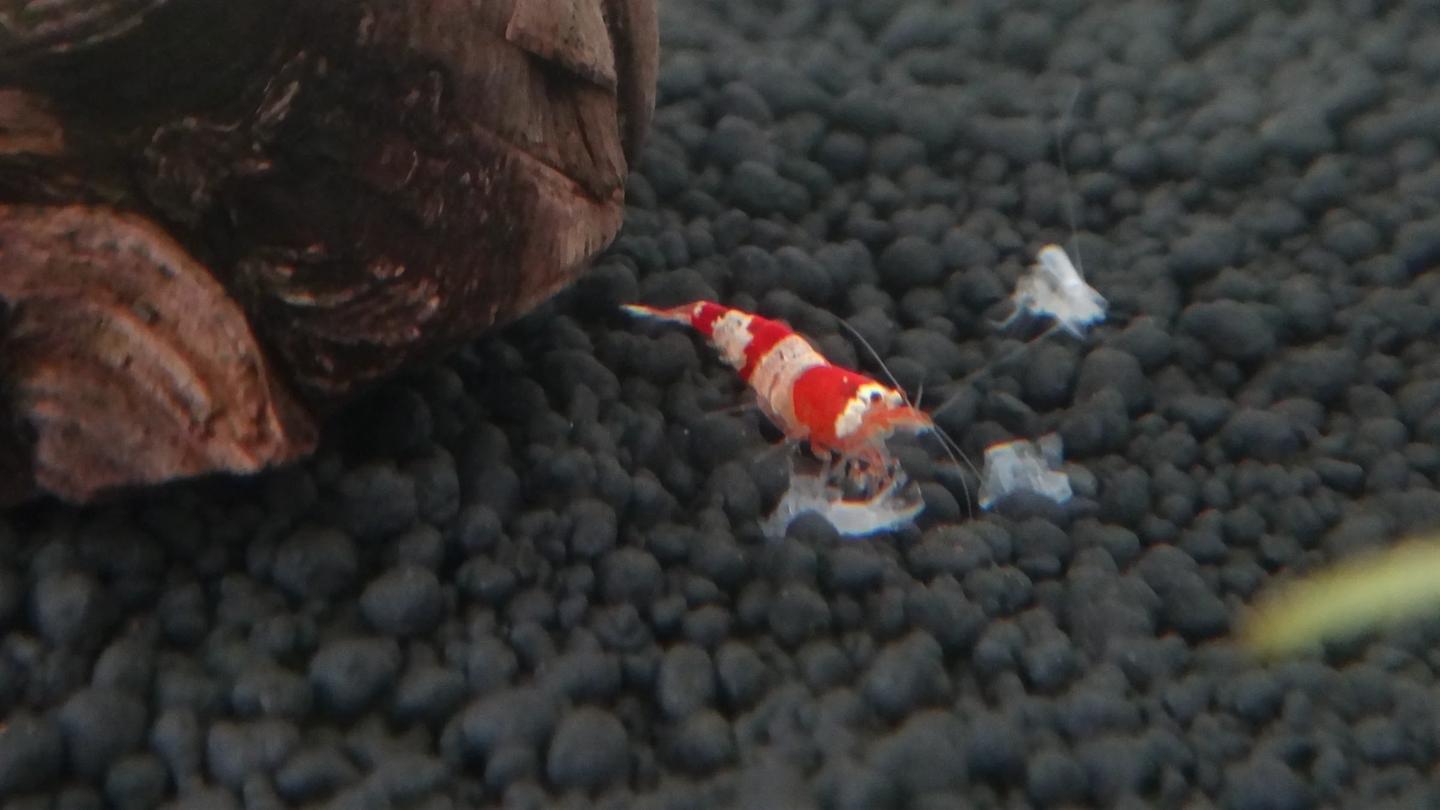
| Crystal / bee Caridina | High-contrast red, white or black patterns | Some lines can reproduce entirely in freshwater, but identity and conditions matter | Treat as specialist until the exact species or line is confirmed | Exact taxon or honest uncertainty, breeder water and species-specific requirements |
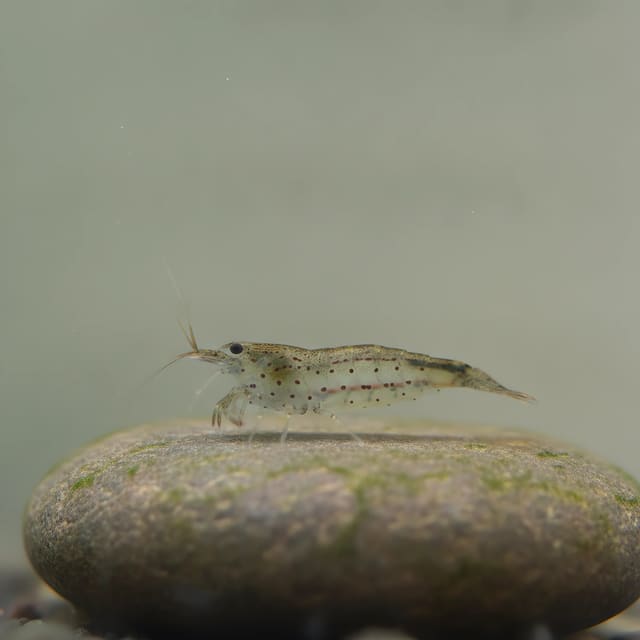
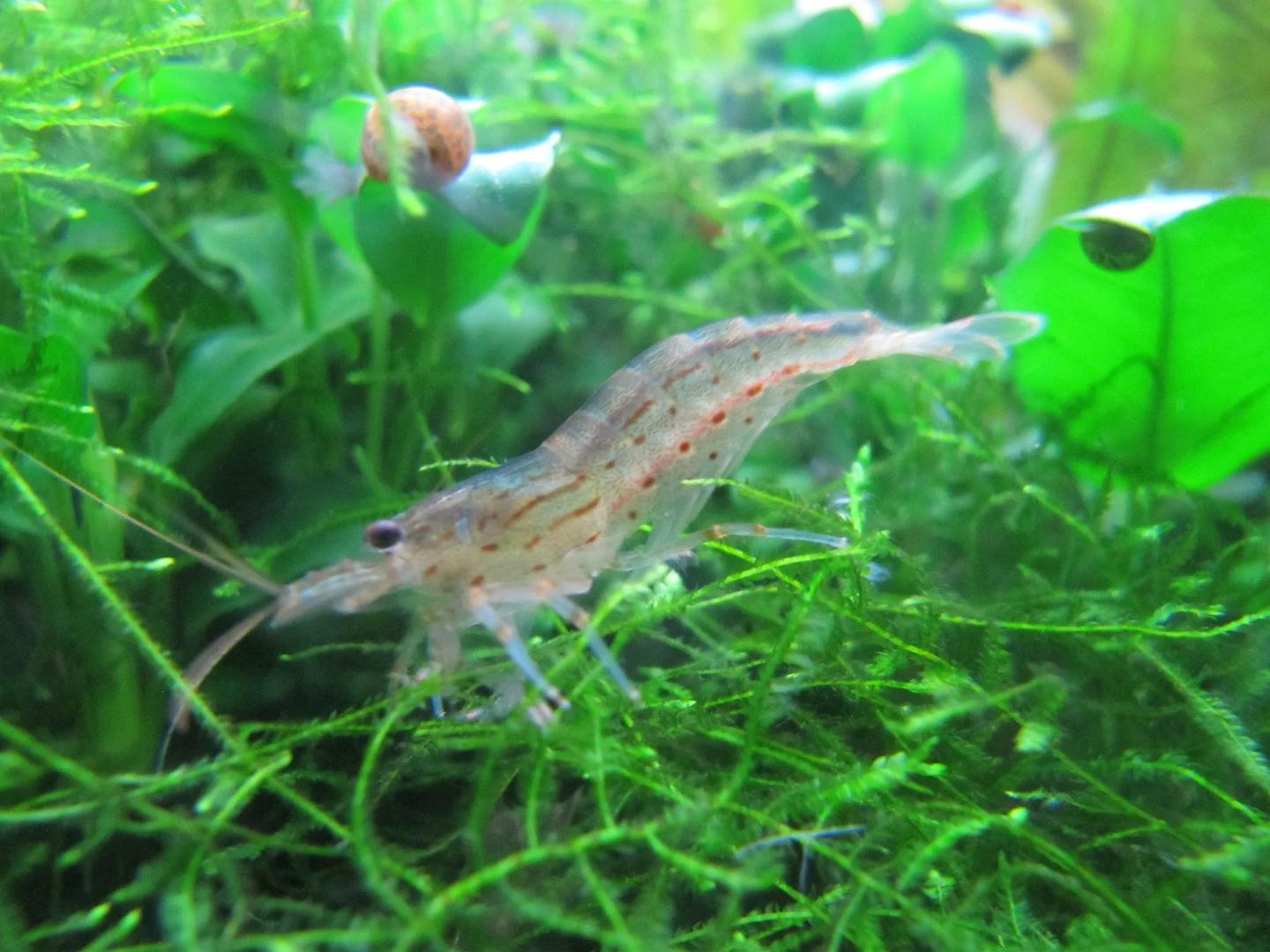
| Amano — Caridina multidentata | Larger translucent shrimp with rows of spots or dashes; active surface grazing | Adults are freshwater; larvae have a saline developmental phase | Do not plan around a self-replacing freshwater colony | Accepted name, sale size, group advice and a mature aquarium |
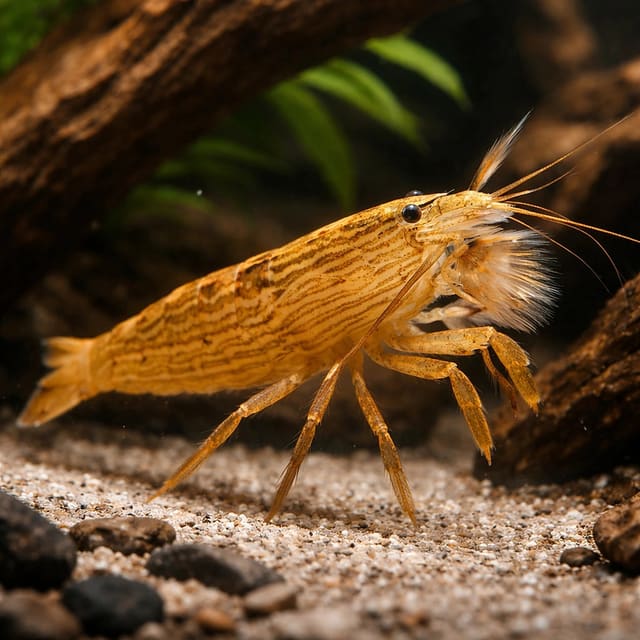
| Bamboo / wood — Atyopsis | Larger shrimp that hold fan-like feeding appendages into moving water | Not a dwarf-colony substitute | Needs an appropriate perch, current and suspended food delivery | Exact identity, adult scale, feeding method and flow requirement |
This is a decision table, not permission to transfer one water range, tank size or feeding plan across all four rows. A 2026 review of ornamental-shrimp health highlights both interacting environmental stressors and large species-level evidence gaps [11]. The responsible shortcut is therefore compare broadly here, then verify narrowly on the exact animal.
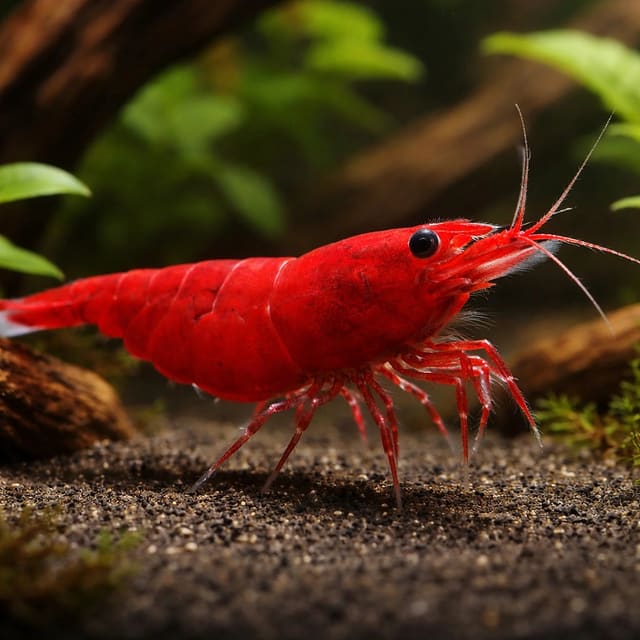
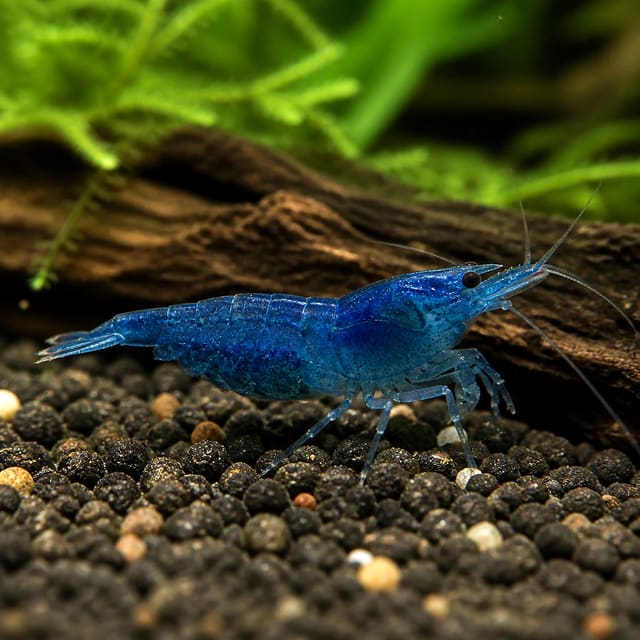
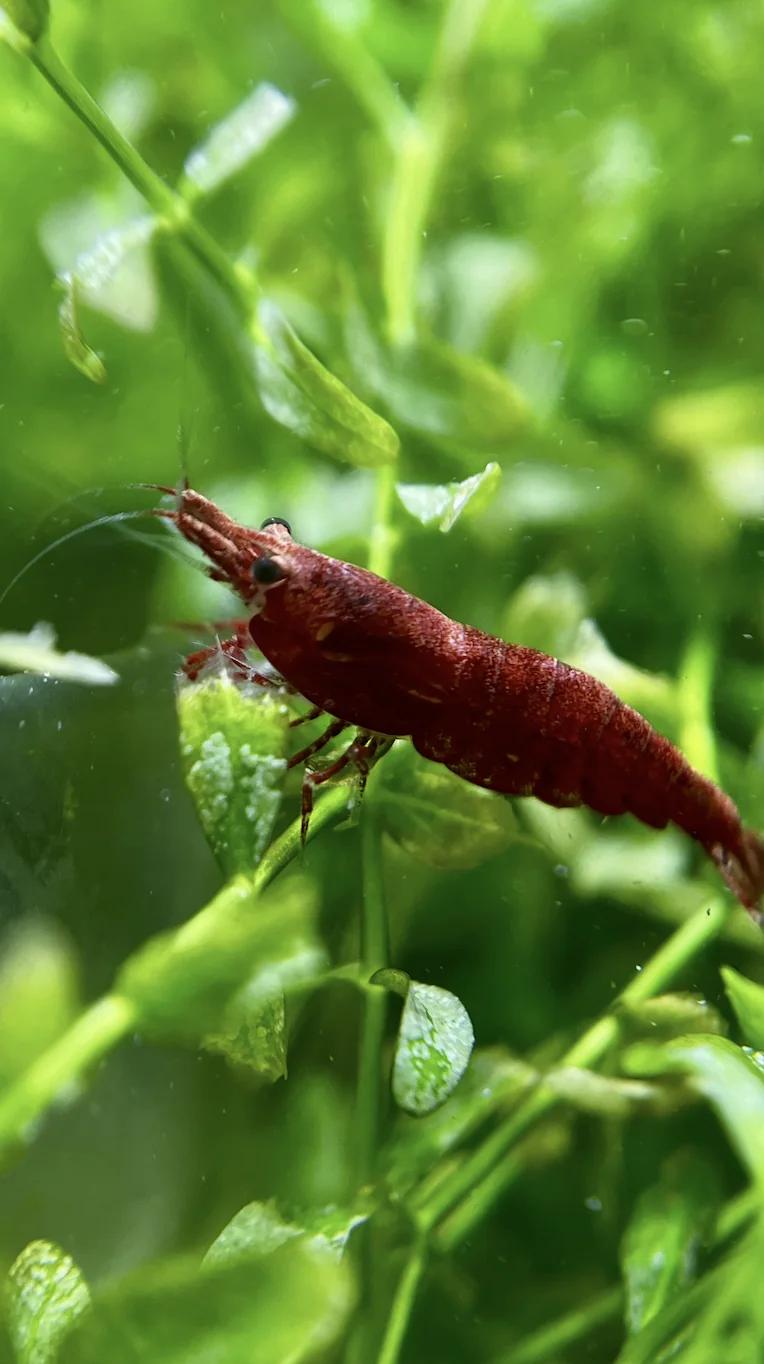
The current Catalogue of Life treatment uses Neocaridina davidi and records several older combinations as synonyms [1]. In shops, cherry, sakura, blue dream, rili and similar words usually describe colour or pattern forms rather than separate care species. They are still useful labels for choosing an appearance, but they do not by themselves prove lineage, grade, sex, health or compatibility with your water.
Neocaridina has a genuinely useful biological distinction: published work describes N. davidi as a shrimp with direct development and examines recently hatched juveniles [2]. In buying terms, that makes it the obvious group to investigate when the goal is a colony that can renew itself in freshwater. It does not guarantee breeding; maturation, measured water, sex balance, nutrition and stress still matter.
Want to choose among the colour and pattern labels? Use the dedicated Cherry Shrimp types comparison. For long-term husbandry rather than shopping differences, use the Cherry Shrimp care guide.
“Crystal,” “bee” and “Caridina” are not interchangeable care guarantees.
Current catalogues recognise both Caridina cantonensis
[4] and Caridina logemanni
[3], while aquarium trade labels
and older photo records may use “C. cf. cantonensis” or a broader
Caridina label. The cf. means the identification is being compared
with that species; it is not the same as a voucher-backed determination.
That uncertainty changes how to shop. Do not copy a parameter table from one attractive crystal-red photograph onto every bee or crystal offer. Open the product record, check the scientific name actually supplied, look for the seller's uncertainty, and ask what water the line has been kept in. If the answer remains vague, choose a clearly identified animal instead of guessing.
A red-and-white pattern can help you compare appearance. It cannot tell you the shrimp's exact lineage or the water in which it was raised. Check the product identity and your measured aquarium water before buying.
The accepted name is Caridina multidentata; Caridina japonica is an older synonym still seen in aquarium listings [5]. That synonym explains why two apparently different product names can refer to the same accepted species, but it does not prove that every pale Caridina in a shop photo is Amano.
Amano shrimp differ from Neocaridina most clearly in reproduction. Experimental work on amphidromous Caridina found that C. multidentata larvae perform under saline conditions associated with marine dispersal [6]. Adults belong in freshwater; their larval stage is the reason a normal freshwater display should not be expected to turn into a self-sustaining Amano colony.
Choose Amano because you want the animal and its grazing behaviour—not as a promise that it will fix an aquarium. Algae has causes, shrimp need supplementary food, and every animal remains a welfare responsibility. The Amano comparison page covers the buying decision; the Amano care guide owns detailed husbandry.
The Catalogue of Life accepts Atyopsis moluccensis and records bamboo, fan and Asian filter shrimp among its common names [7]. Related Atyopsis can be confused in trade, so the careful wording is “source-labelled A. moluccensis” where a photograph or listing supplies the identity but no specimen-level diagnosis is available.
Their feeding form is the important shopping difference. A specimen-based diagnosis describes the first two pairs of limbs with finger-like brushes of long setae adapted for filter feeding, and records the species from fast-flowing freshwater habitat [8]. In practical terms, a bamboo or wood shrimp must be able to perch where moving water carries suitably fine food past its fans. It is a different project from adding another colour form to a dwarf-shrimp colony.
Do not choose this group merely because the animal is larger. First verify the adult scale, the tank's stable capacity, a usable current path and how suspended food will reach the animal without degrading water quality.
UK tap water is not one chemistry. The Drinking Water Inspectorate explains that hardness comes from dissolved calcium and magnesium, varies with local geology, and should be checked with the water company for an accurate local result [10]. That supplier report is a useful starting point, not the final aquarium reading.
Use this order:
OATA's UK trade guidance deliberately presents its freshwater-shrimp parameters as a general range and tells keepers to check species-specific needs [9]. That caveat matters: it is why this comparison does not label every Neocaridina “hard-water shrimp” or every Caridina “soft-water shrimp.”
The product grid above is live. Its cards may change as availability and variants change, so use the exact product page as the final record. Before adding animals to the basket, verify:
For dispatch days, receiving responsibilities and the current guarantee, use the delivery page. A fixed sentence in a guide should not override the live policy shown before checkout.
“Cleanup crew” is convenient shop language, but it can hide the real decision. No shrimp should be bought to compensate for excess light, overfeeding, poor filtration or an immature aquarium. Amano and Neocaridina may graze surfaces; bamboo shrimp filter suspended food; none removes the need to diagnose the tank.
OATA advises zero detectable ammonia and nitrite, a mature filtered aquarium, gradual stocking and treatments confirmed as safe for invertebrates [9]. Those broad safeguards apply before the species-specific work begins. If you are still building the aquarium, pause the purchase and use the Shrimp Keeping guide first.
Google currently finds this route for a mixed set of comparison and tank queries. Its durable job is now narrow: help a UK shopper decide which freshwater shrimp group to investigate. It does not repeat the setup guide, claim to be a species monograph, or freeze today's price and stock inside evergreen prose.
The choice path is therefore simple:
That separation makes the page more useful to people, clearer to search engines and safer for the animals.
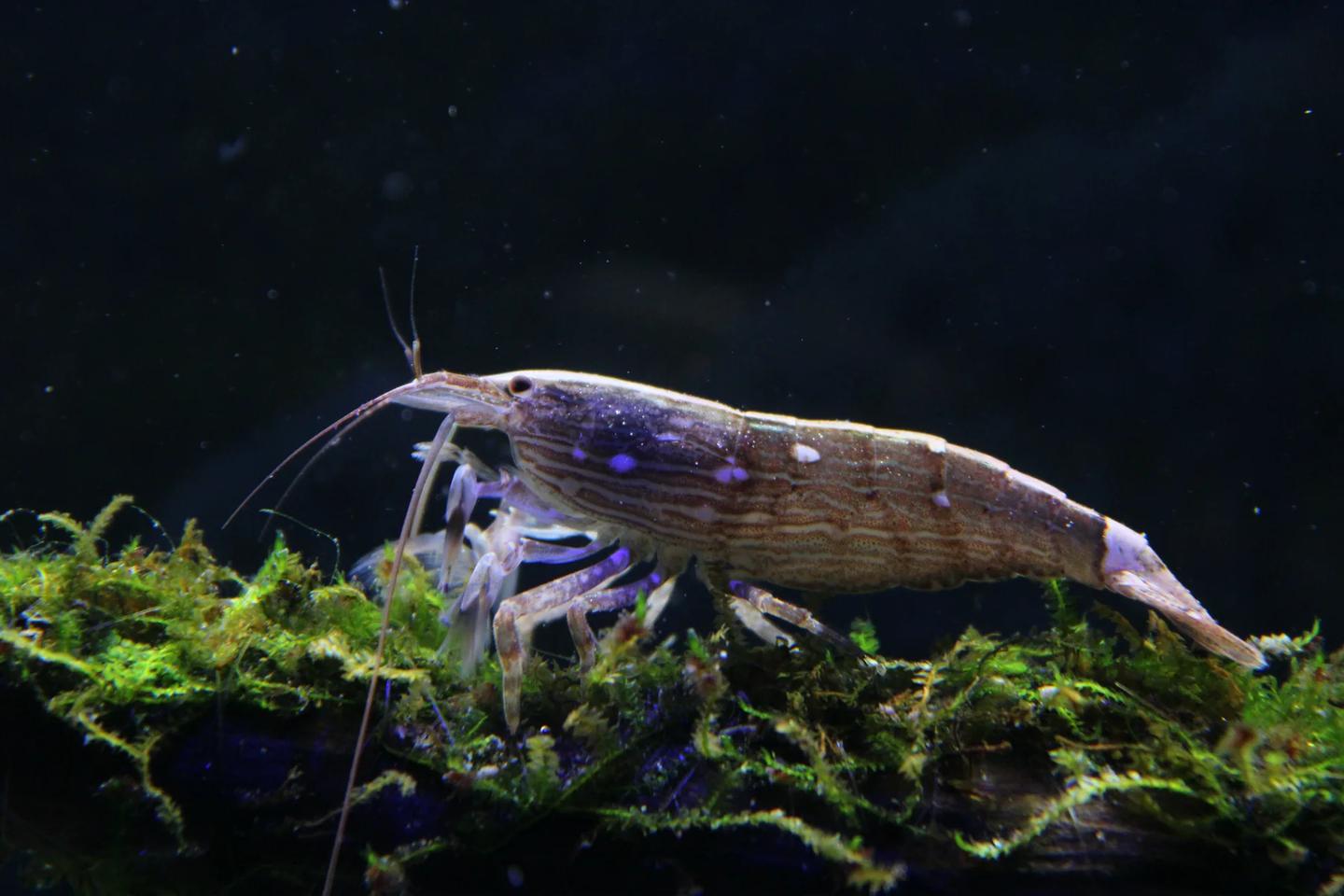
Visual route into the rest of our UK live-fish range.
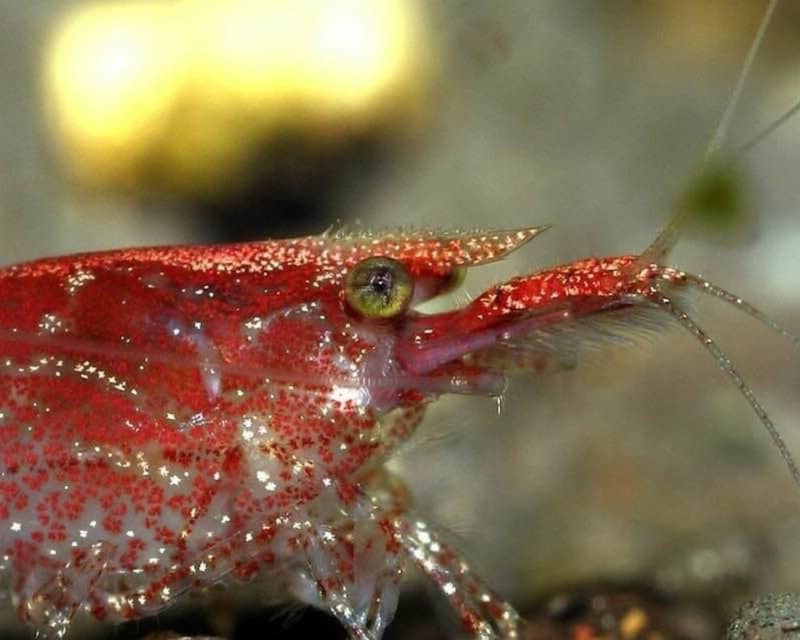
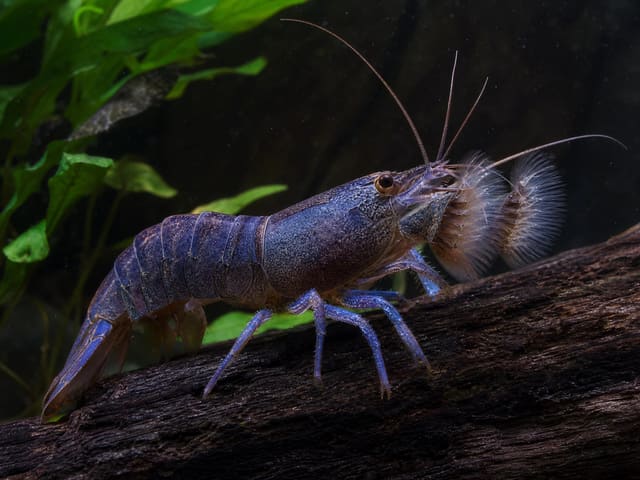
Cherry, Amano, Crystal, Tiger, Bamboo and Caridina shrimp, plus crayfish and crabs. Grade and size stated per listing; shrimp travel well and arrive alive.
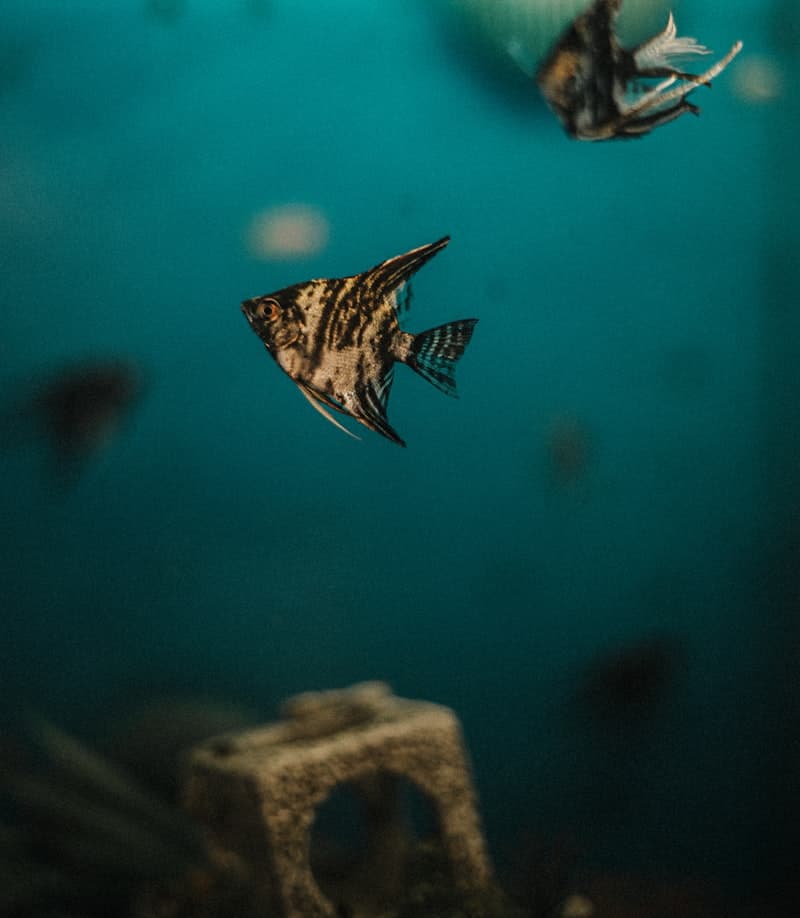
Planted-tank fish for sale UK — peaceful, plant-safe species that showcase aquascaped layouts. Tetras, rasboras, dwarf cichlids, shrimps.
Material factual claims cite the sources below; store policy and cautious inference are labelled in the article. Sources are grouped by type so you can judge their weight at a glance.
Supports direct development and recently hatched juveniles under the tested conditions; not a guarantee of breeding success in a home aquarium.
Experimental larval salinity and temperature evidence for C. multidentata and two related amphidromous species; not an adult aquarium-care recipe.
Specimen-based diagnosis of Atyopsis moluccensis, including the setose filter-feeding fingers and fast-flowing habitat; not an aquarium feeding-rate prescription.
Reviews interacting physical and chemical stressors and evidence gaps, supporting species-specific caution rather than universal recipes.
Current catalogue treatment and synonym history; not proof of any photographed or retail animal's identity or colour lineage.
Current catalogue record for a bee-shrimp species; trade names and photographs do not prove that every crystal or bee shrimp is this taxon.
Current catalogue record and common-name history; not a universal assignment for every crystal-red trade line.
Current accepted Amano-shrimp name and Caridina japonica synonymy.
Current accepted name and bamboo/fan-shrimp common names; a retail label or photograph may not resolve A. moluccensis from related Atyopsis.
Broad UK trade guidance on maturity, testing, groups, copper-sensitive invertebrates and species-specific checks; not a substitute for exact-species evidence.
Explains regional variation and recommends asking the water company for an accurate local measurement; not an aquarium parameter source.
Fishkeeping moves fast and we want every guide spot-on. If you think something here is wrong, out of date, or could be clearer, tell us — our team reads every message and updates the page.
Suggest an editCherry, Amano, Crystal, Tiger, Bamboo and Caridina shrimp, plus crayfish and crabs. Grade and size stated per listing; shrimp travel well and arrive alive.
Planted-tank fish for sale UK — peaceful, plant-safe species that showcase aquascaped layouts. Tetras, rasboras, dwarf cichlids, shrimps.
Shrimp keeping in the UK: choose an identified freshwater shrimp, test your water, mature the filter, and plan feeding, cover and tank mates safely.
Cherry shrimp care for UK aquariums: plan a mature 20L-plus tank, test your water, protect shrimplets and understand feeding, moulting and breeding.
Amano shrimp care for UK aquariums: plan a mature 20L-plus tank, group, stable water, feeding, algae limits, tank mates, moulting and breeding.

Evidence-led aquarium editorial team
The Tropical Fish Co editorial team compiles care guidance from the sources cited on each page, separates published evidence from practical husbandry policy, and checks retail links against the current catalogue. First-hand experience is included only when a named contributor and the observation have been verified.