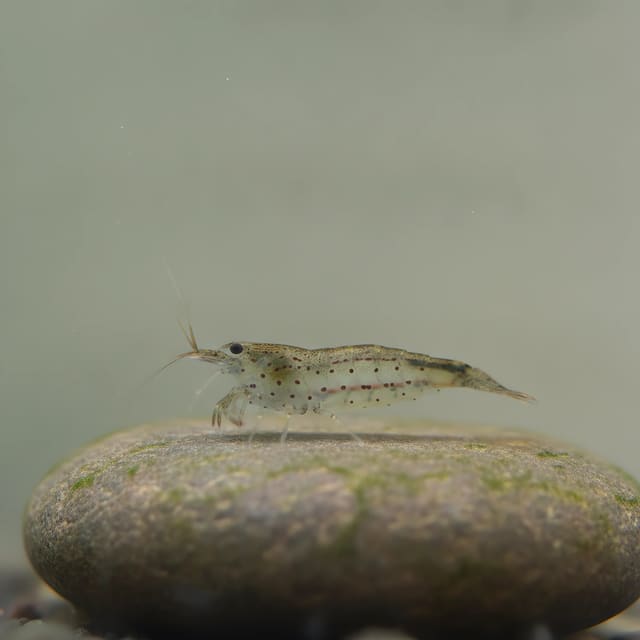
Moderate
Amano Shrimp (Caridina multidentata)
£3.49
The Caridina japonica snow white (Caridina japonica) is an atyid Amano shrimp from Japan and Taiwan that reaches about 5 cm. It suits a mature, filtered aquarium; OATA’s freshwater shrimp and snail group guidance gives 17–27°C and pH 6.5–8.0, and shrimp are usually social. Sold individually in sizes from 2–3 cm to 3–4 cm.
Caridina multidentata
Lives in groups: kept together they stay settled, active and show their best colour.
The Caridina japonica snow white (Caridina japonica) is an atyid Amano shrimp from Japan and Taiwan that reaches about 5 cm. It suits a mature, filtered aquarium; OATA’s freshwater shrimp and snail group guidance gives 17–27°C and pH 6.5–8.0, and shrimp are usually social. Sold individually in sizes from 2–3 cm to 3–4 cm.
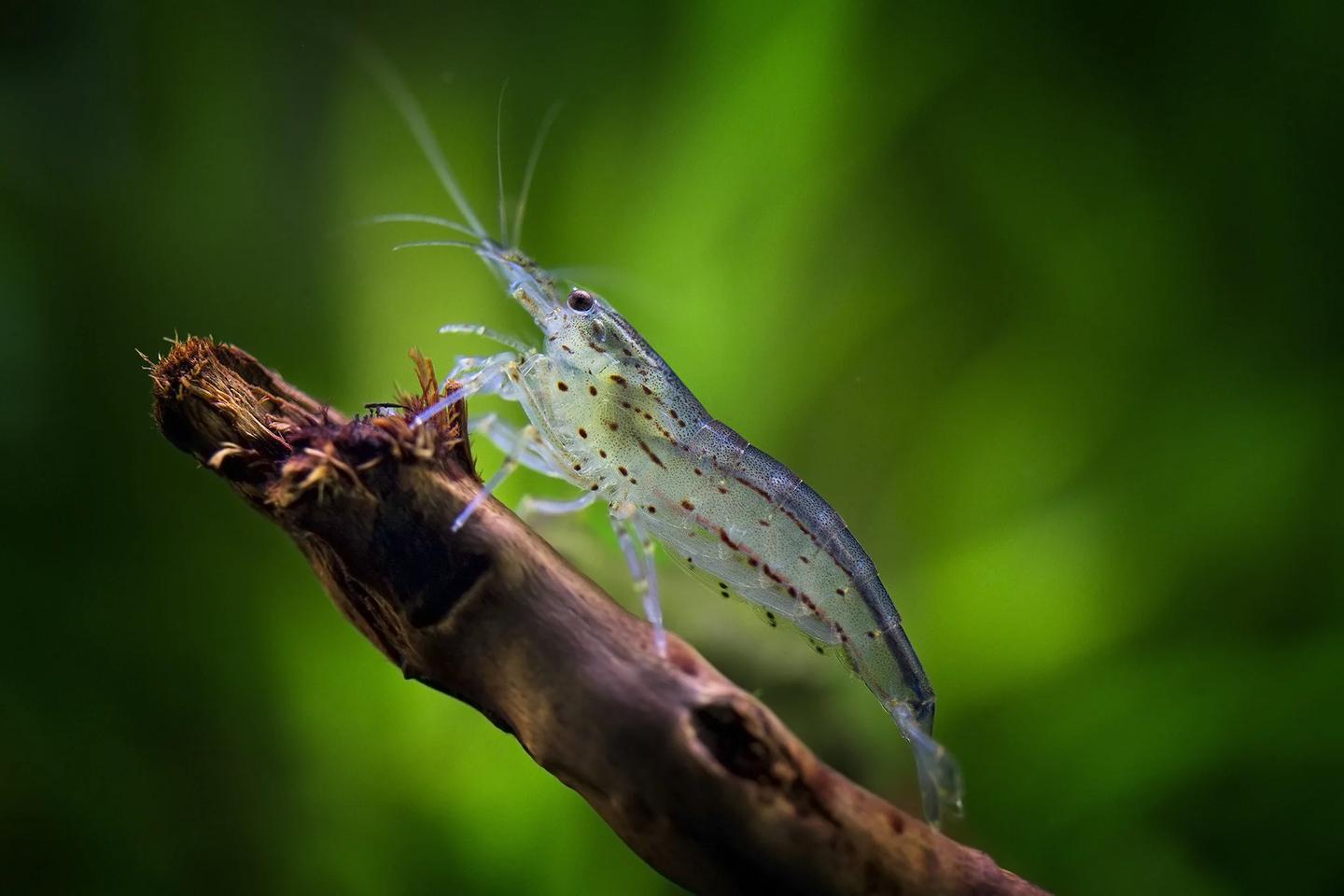
Start with a mature, filtered aquarium. OATA's broad UK guidance suggests approximately 20 litres for Amano Shrimp and at least five for social shrimp, with a larger aquarium when fish are present. Treat those as cautious planning screens—not biological minima or a per-litre formula. Match the complete adult community, test your water, protect the filter inlet and never buy them as a guaranteed algae cure.
Maintain these water conditions for optimal health and vibrant colors
Caridina japonica snow white is an atyid freshwater shrimp identified with the Amano shrimp. The words “snow white” distinguish this catalogue form, while the underlying identity determines the care decisions. It belongs to the family Atyidae and should be planned for as an Amano shrimp rather than treated as a separate species with different water, space or feeding needs.
The World Register of Marine Species now lists it as Caridina multidentata. Caridina japonica remains the familiar name carried by this item and is treated as a synonym of that accepted name.
Wikipedia’s species summary places this shrimp in Japan and Taiwan. It also lists Amano shrimp, Yamato shrimp, Japanese shrimp and algae shrimp among its common names. Those names identify the same animal and share one care plan.
| Keeper decision | What to plan |
|---|---|
| Biological maturity | Use a mature aquarium with an established working filter. |
| Water control | Test the aquarium and keep every value within the stated planning range. |
| Feeding | Let the shrimp graze algae, but provide measured supplementary food. |
| Tank mates | Exclude fish that can swallow the shrimp and known predators. |
| Group planning | Prepare for social shrimp and increase livestock gradually. |
This shrimp helps graze aquarium algae, while feeding, filtration, testing and water changes remain essential. Its value as a grazer depends on the same stable conditions required for its welfare.
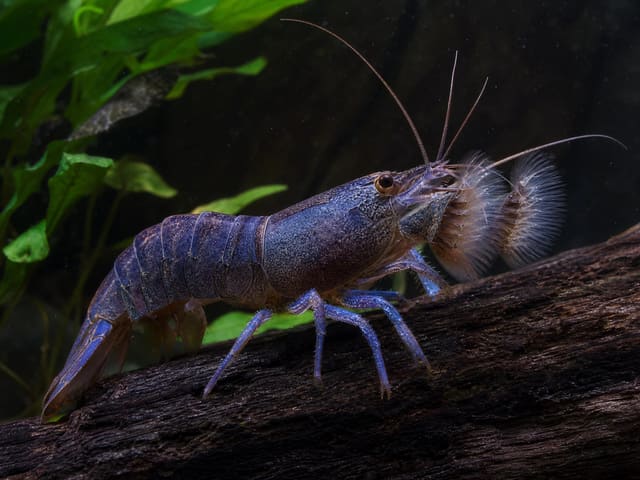
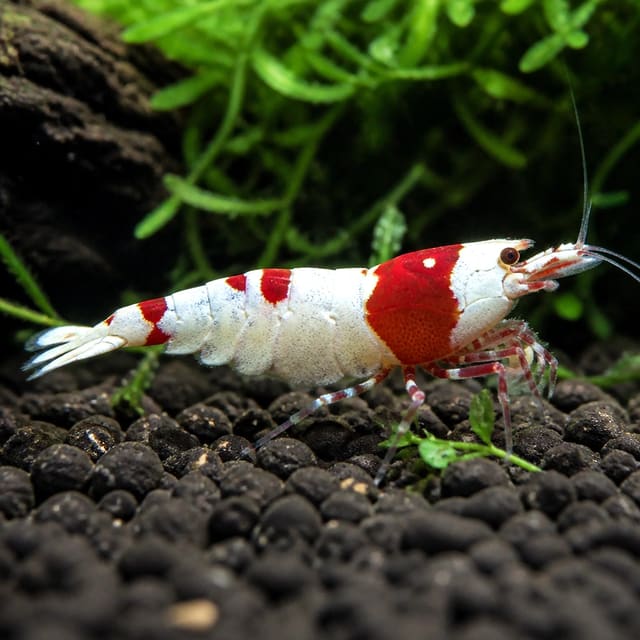
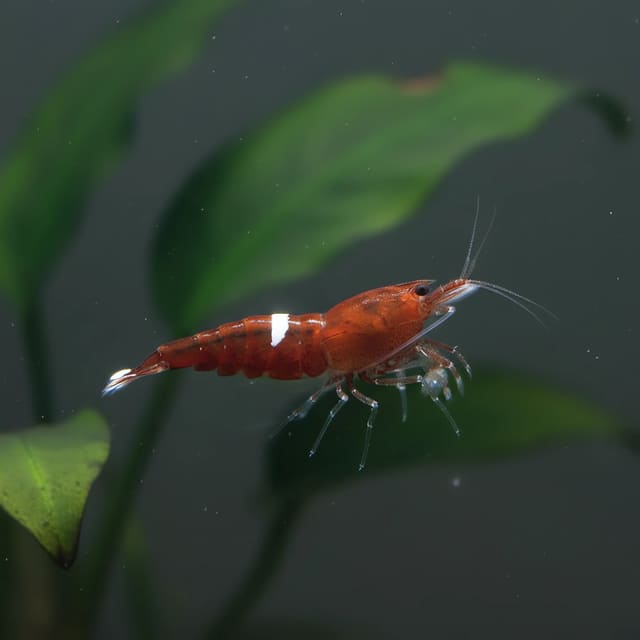
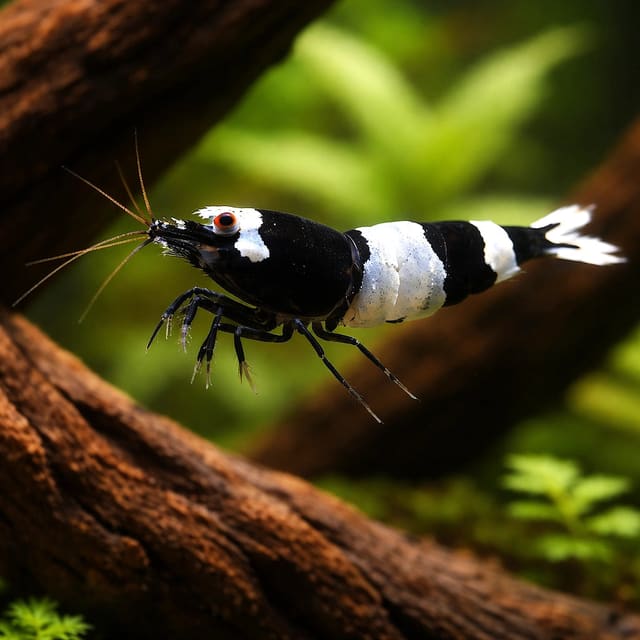
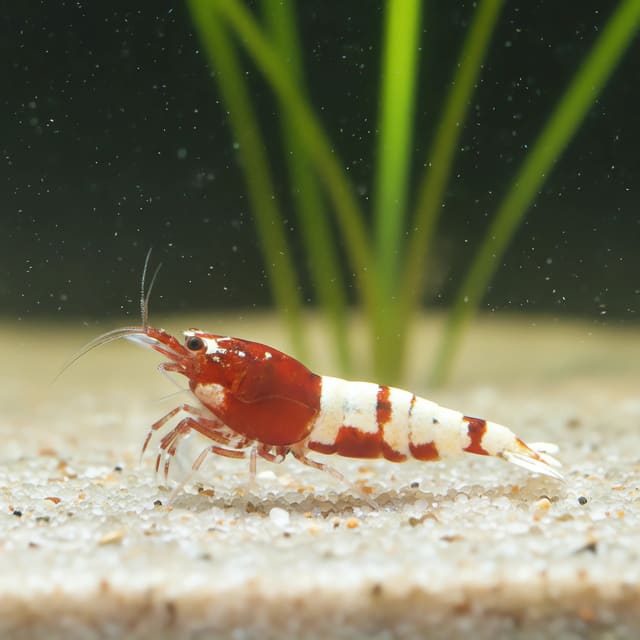
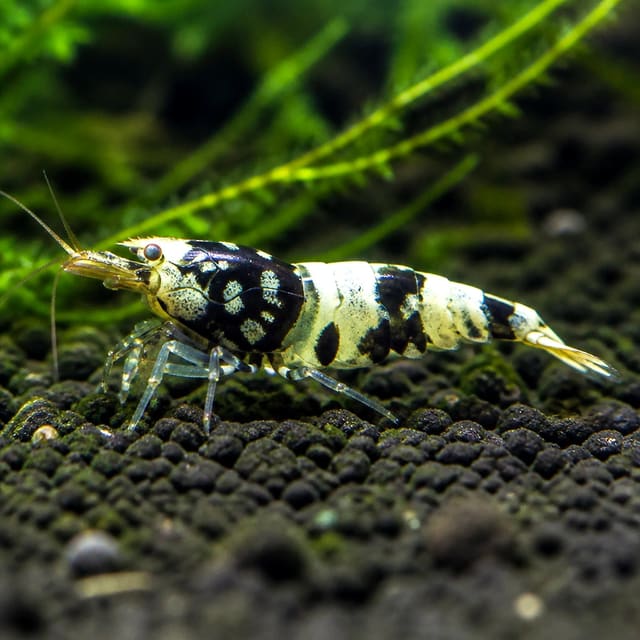
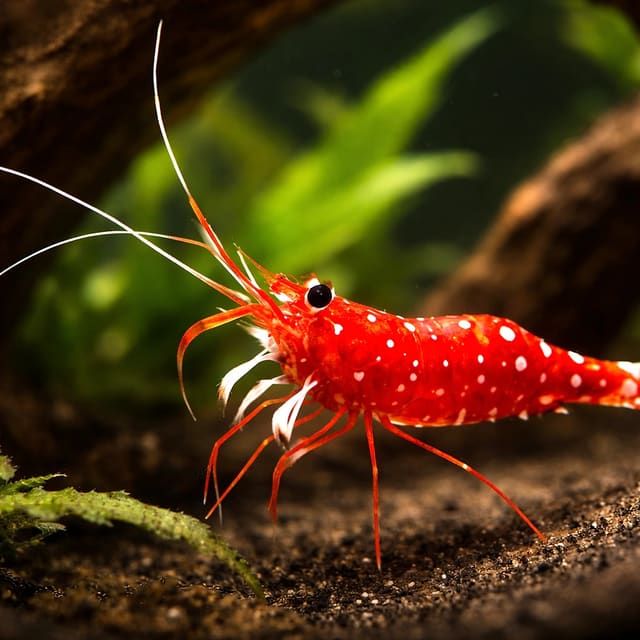
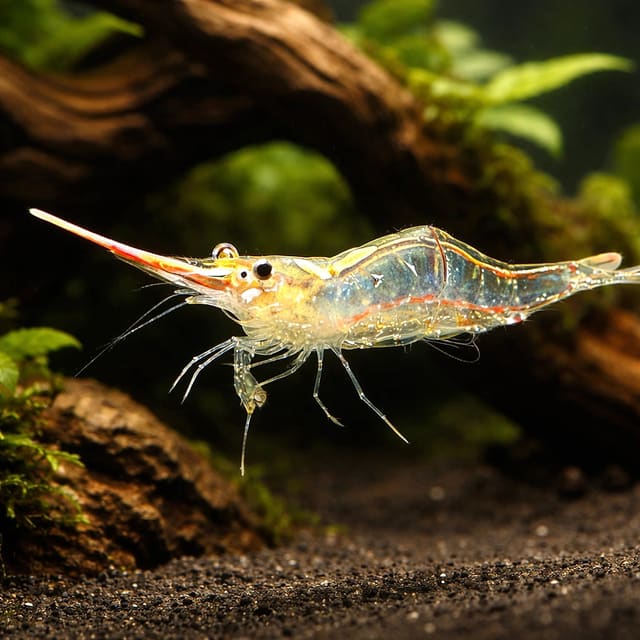
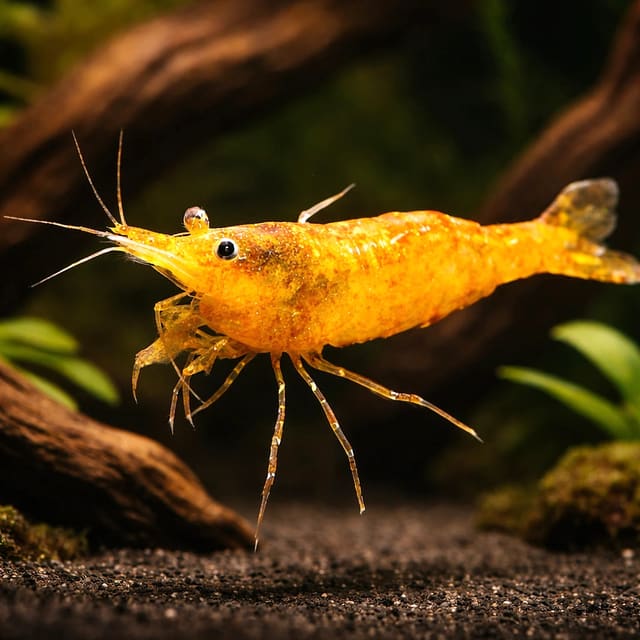
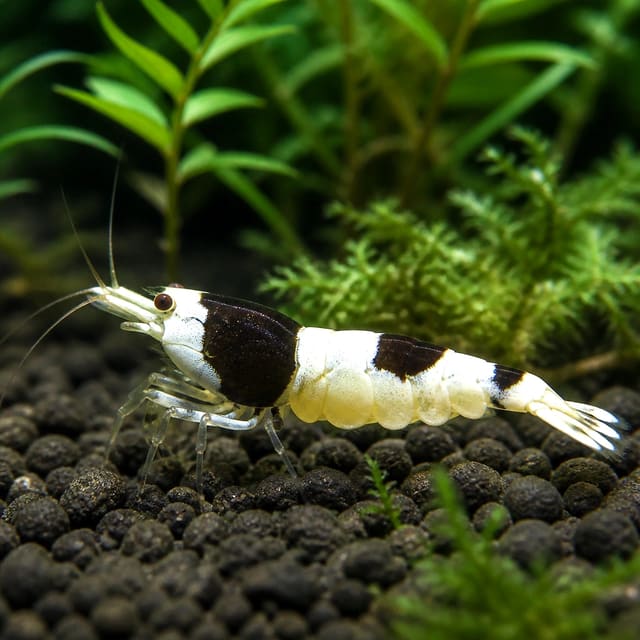
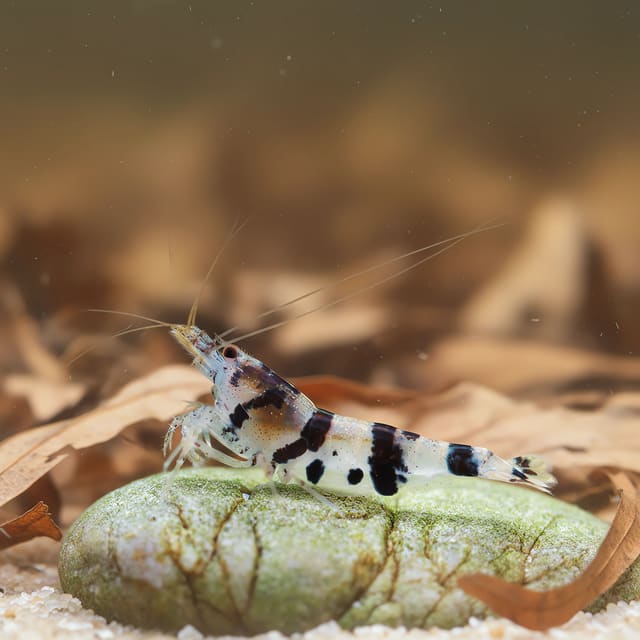
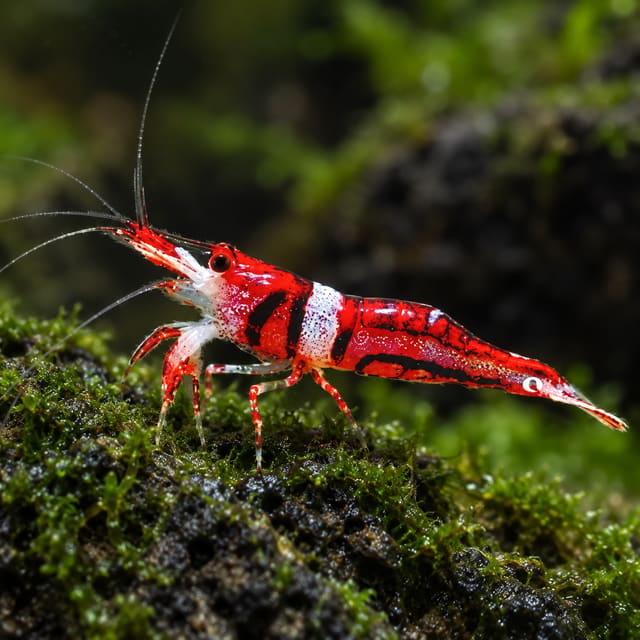
The gallery images are representative of this type of animal rather than photographs of the exact animal supplied, so colours can look slightly different from the live animal.
One purchase quantity supplies one animal of the option you select. Use the live size selector to choose between the 2–3 cm and 3–4 cm dispatch grades, then set the quantity according to the group you have planned. The size you select is the size supplied, not the adult size.
A dispatch grade describes body size at dispatch. It does not identify sex, life stage or eventual adult dimensions. Selecting the smaller grade therefore does not justify a smaller permanent aquarium, and selecting the larger grade does not guarantee a particular age or sex.
| Number to use | Planning decision |
|---|---|
| 2–3 cm | Dispatch size only; still provide the full permanent setup. |
| 3–4 cm | Dispatch size only; use the same adult water and space plan. |
| About 5 cm | OATA’s stated Amano-shrimp length for adult planning. |
| Approximately 20 litres | OATA’s starting aquarium size for larger shrimp such as Amano shrimp. |
| Larger than 20 litres | Required when freshwater shrimp share the aquarium with fish. |
OATA’s freshwater shrimp and snail guidance gives 17–27°C, pH 6.5–8.0, general hardness of 4–18°dH and carbonate hardness of 3–15°dKH for the group. It places ammonia and nitrite at 0 mg/L and nitrate at no more than 20 mg/L above the normal tap-water level. Treat these as broad planning values rather than a species-specific optimum, and keep the chosen conditions steady.
Sex is guaranteed only when the selected option explicitly states male or female. This Caridina japonica snow white listing has no sex-guaranteed option.
Check the current delivery and Live Arrival Guarantee policy when planning receipt of live livestock. The live selector remains the place to check the size choice for an order.
| Suits | Not suited to |
|---|---|
| Stable aquarium water maintained at 17–27°C and pH 6.5–8.0 | Water outside 17–27°C and pH 6.5–8.0 |
| Fish that cannot fit the shrimp in their mouth and are not known predators, after the aquarium is assessed as large enough | Fish that can fit the shrimp in their mouth |
Plan the aquarium around a group rather than treating one shrimp as the complete stocking plan. OATA describes shrimp species as usually social, while its aquarium-size advice uses a group as the basis for the minimum. Each purchase quantity remains one animal, so set the order quantity deliberately and keep the total within the capacity of the mature filter.
Approximately 20 litres is the starting point OATA gives for larger shrimp such as Amano shrimp. It is a planning floor for a shrimp setup, not a target for filling every part of the aquarium with livestock. A larger aquarium gives greater stability in temperature and water quality, and the aquarium must be larger when fish are included.
| Aquarium plan | Required response |
|---|---|
| Shrimp-focused aquarium | Start at approximately 20 litres, install a filter and provide cover. |
| Shrimp with fish | Use more than 20 litres and complete the mouth-size and predator screen. |
| New group | Add livestock gradually so the biological filter can adjust to added waste and feeding. |
| Growing community | Stop further additions if ammonia or nitrite rises above 0 mg/L. |
Every aquarium needs gravel or sand and suitable shelter. Live plants are ideal because they provide cover, while plastic plants and suitable ornaments such as plant pots or model caves can be used where live planting is not part of the design. Cover supports normal use of the aquarium but does not make a predator safe.
Choose the aquarium before deciding the final shrimp quantity. Starting with the desired number and trying to fit it into the smallest possible volume reverses the welfare decision. Space, filtration, water stability and compatibility should all be settled first.
You can browse the freshwater shrimp and crustaceans collection when comparing animal sizes and planning a shrimp-focused aquarium, but assess every animal against its own care needs before combining it with this group.
A working filter is essential, and it must be biologically mature before the shrimp enter the aquarium. Maturity means the beneficial bacterial population can process the waste created by the livestock and their food; it is not achieved simply because the equipment has been running for a particular number of days.
The RSPCA’s aquarium filter explanation describes the biological sequence: toxic ammonia is converted to toxic nitrite and then to the safer nitrate. OATA applies the practical limit needed here by requiring ammonia and nitrite to remain at 0 mg/L.
| Checkpoint | Decision |
|---|---|
| Before livestock | Confirm the filter is operating and ammonia and nitrite both read 0 mg/L. |
| After an addition | Continue testing and delay the next addition if either toxic compound appears. |
| During the first week | Complete the scheduled weekly test and observe activity, colour, hiding and feeding. |
| During the first month | Maintain weekly testing, measured feeding and the normal partial-water-change routine. |
Increasing livestock or feeding raises the amount of waste that the filter must process. Adding too much too quickly can leave too few nitrifying bacteria for the new load, producing the ammonia and nitrite rise commonly called new tank syndrome. Gradual stocking gives the bacterial population time to increase.
Do not use clear-looking water as a substitute for tests. Ammonia and nitrite are dissolved hazards, and their absence cannot be judged from appearance alone. Record the readings so a change is visible before it develops into a larger welfare problem.
Use our shrimp-keeping setup guide to prepare and mature the aquarium before arranging livestock. The aquarium is ready when its filter and measured water quality meet the required conditions, not merely when the aquascape looks complete.
Keep temperature between 17 and 27°C, pH between 6.5 and 8.0, general hardness between 4 and 18°dH, and carbonate hardness between 3 and 15°dKH. Test ammonia and nitrite at 0 mg/L. Keep nitrate no more than 20 mg/L above the normal level in the tap water used for the aquarium.
The nitrate limit is relative to the starting water rather than a universal tank reading. If the conditioned tap water measures 10 mg/L nitrate, the aquarium should not exceed 30 mg/L. If the tap reading is 25 mg/L, the corresponding ceiling is 45 mg/L. Repeat the tap-water test when its baseline may have changed instead of relying indefinitely on an old result.
| Test result | Action |
|---|---|
| Within all ranges | Keep the routine consistent and continue weekly checks. |
| Ammonia above 0 mg/L | Pause livestock additions and check filtration and water quality immediately. |
| Nitrite above 0 mg/L | Pause additions and address the biological-filter load immediately. |
| Nitrate above its ceiling | Use a partial water change with properly conditioned replacement water. |
| Temperature, pH or hardness outside range | Bring the aquarium into range before introducing the shrimp. |
Use the same units each time so results can be compared directly. Our water-chemistry guide explains which values to measure and why. Once you have current readings, the water matcher can help compare them with the planning range on this page.
Treat replacement tap water with a suitable conditioner before it enters the aquarium so harmful chlorine or chloramine is removed. A weekly record of the tap baseline and aquarium results makes gradual movement easier to see and gives context if activity, appearance or feeding changes.
A larger aquarium generally changes more slowly than a smaller one, but volume does not remove the need for tests. Stability comes from suitable volume, mature filtration, controlled stocking, measured feeding and a consistent maintenance routine working together.
Use aquarium gravel or sand and provide shelter throughout the setup. Live plants are the preferred form of cover in OATA’s aquarium guidance. Where live plants are not used, add plastic plants and suitable ornaments such as plant pots or model caves so the shrimp still have sheltered areas.
Arrange the aquarium before livestock enter it. A completed layout avoids unnecessary disturbance after introduction and lets you confirm that shelter remains accessible rather than being blocked by equipment or other ornaments.
Freshwater shrimp are invertebrates and are highly sensitive to copper. They will die if exposed even to low levels, so check every aquarium treatment before use and apply only products explicitly identified as safe for invertebrates. Do not assume that a treatment suitable for fish is automatically suitable for shrimp.
The same check applies whenever a health concern occurs: establish whether the product is safe for invertebrates before anything enters the aquarium. Treatment names, dose changes and combinations should never be improvised from a general fish routine.
Cover supports the shrimp’s use of the aquarium, but it is not a substitute for compatible stocking. A fish able to swallow the shrimp remains unsuitable even in a heavily planted setup. Make the predator and mouth-size decision separately from the décor decision.
Freshwater shrimp generally graze algae in the aquarium, but grazing should be supplemented so the group receives deliberate, observable feeding. Use algae wafers or commercial pellets made for freshwater shrimp. Vegetables, general sinking fish foods and mineral supplements are not part of this feeding plan.
Feed two or three times a week. Leave pellets or wafers for at least 30 minutes so the shrimp have time to feed, then remove clear excess before it breaks down. Uneaten food adds waste, and excessive feeding can drive the ammonia and nitrite problems that a mature filter and weekly testing are intended to prevent.
| Feeding pattern | How to use it |
|---|---|
| Two feeds | Choose two separated days and keep portions small enough to avoid persistent leftovers. |
| Three feeds | For example, use Monday, Wednesday and Saturday rather than feeding on three consecutive days. |
| At least 30 minutes | Allow the shrimp time to reach and use the food before clearing obvious excess. |
| Reduced appetite | Check water readings and behaviour rather than adding more food automatically. |
Choose either two or three feeds according to how the group responds, then keep the pattern consistent enough to judge changes. If food repeatedly remains after the feeding period, reduce the next portion. Adding more animals or increasing the ration also increases the load placed on the biological filter.
Algae grazing is useful, but the shrimp should not be treated as a substitute for cleaning or water changes. Likewise, an aquarium containing visible algae does not remove the need for supplementary food. The measured feeding session lets you confirm that the animals approach food and maintain their normal interest in it.
Watch the group during each feed. Reduced intake or loss of interest in food is one of OATA’s warning signs, especially when it appears alongside inactivity, unusual hiding, a colour change or altered breathing effort. Respond by checking the aquarium rather than trying to correct the change with a larger portion.
Prepare the permanent aquarium before introducing the shrimp. Confirm that its volume suits the planned group, the filter is mature and working, cover is in place, and every measured water value sits within the stated range. Ammonia and nitrite must each read 0 mg/L.
Increase the number of shrimp and other animals slowly. Every addition increases waste and often increases feeding, so the beneficial bacteria in the filter must adjust to the new load. A large addition made before that adjustment can produce unhealthy ammonia and nitrite.
Do not treat the dispatch size as permission to skip any step. A 2–3 cm shrimp needs the same mature filter and safe tank-mate decision as a 3–4 cm shrimp. Both sizes contribute to the biological load once they and their supplementary food enter the aquarium.
After introduction, observe activity, hiding, colour and feeding against the animal’s normal pattern. Continue the weekly test routine and make an additional check whenever behaviour or appetite changes. If ammonia or nitrite appears, pause further additions and examine the filter and stocking load immediately.
The aim is not to reach a planned number as quickly as possible. It is to build the social group at a pace the aquarium can support while keeping toxic nitrogen compounds at zero.
At least once every week, change 25% of the aquarium water. A siphon can remove solid waste from the gravel during the change. Treat all replacement tap water with conditioner before adding it so chlorine or chloramine does not harm the aquarium or the beneficial bacteria.
Test at least weekly, using the same set of readings and units. Ammonia and nitrite must remain at 0 mg/L, while nitrate must stay no more than 20 mg/L above the current tap-water baseline. Record results alongside feeding and maintenance so a change can be connected with recent stocking or increased food.
| Weekly task | Decision it supports |
|---|---|
| Test the water | Confirm the aquarium remains within all stated limits. |
| Change 25% | Replace part of the aquarium water with conditioned water. |
| Siphon solid waste | Remove material that would otherwise break down in the aquarium. |
| Check the filter | Find blockages before they reduce effective filtration. |
| Observe the shrimp | Compare activity, appearance and appetite with their normal pattern. |
If the filter needs cleaning, rinse its media lightly in aquarium water removed during the partial change. Do not rinse it under the tap, because chlorine or chloramine may kill beneficial bacteria and reduce the filter’s ability to process waste.
Watch for increased inactivity, restlessness, unusual behaviour, darker or paler colour, increased hiding, altered breathing effort, white spots, discolouration, lesions, abnormal growths, exoskeleton damage, missing appendages, swelling, weight change or reduced feeding. One observation is more useful when paired with current water readings.
If the shrimp looks unwell or a change persists, send us the readings and a clear description promptly. Do not add a general fish treatment while investigating, because the shrimp’s copper sensitivity makes invertebrate safety an essential first check.
A stable routine gives each observation context. Weekly maintenance is not a response reserved for visible dirt; it protects water quality before dissolved waste becomes an obvious problem.
A community label is not enough to decide compatibility. OATA’s rule is direct: freshwater shrimp should not be mixed with fish that can fit them in their mouth or with species known to be predatory. Apply both parts of that screen before adding this shrimp to any fish aquarium.
Compare the shrimp with the actual fish rather than relying on the aquarium’s general description. A fish fails the screen if it can swallow the shrimp. A species also fails if it is known to prey on shrimp, even when its mouth size looks less obvious.
| Finding | Decision |
|---|---|
| Fish can fit the shrimp in its mouth | Avoid the combination. |
| Species is known to be predatory | Avoid the combination. |
| Mouth-size relationship is unclear | Do not mix until the exact fish and shrimp sizes have been assessed. |
| Predatory behaviour is unclear | Complete a species check before treating the combination as suitable. |
| Both checks pass | Use a larger aquarium than the shrimp-only 20-litre starting point. |
Do not rely on planting or caves to turn a failed combination into a safe one. Cover remains important for shelter, but it cannot remove a fish’s ability to swallow the shrimp or change established predatory behaviour.
Recheck the decision when the size relationship changes. Compatibility depends on whether the fish can fit the shrimp in its mouth, so a conclusion based on one size pairing should not be treated as permanent without reassessment.
For a stocking assessment, send us the exact fish names, their sizes, the aquarium volume and the number of shrimp planned. When either mouth size or predatory behaviour remains unclear, keep the animals separate rather than testing the combination with live shrimp.
A shrimp-focused aquarium and a mixed aquarium start from different space and compatibility decisions. The shrimp-focused plan begins at approximately 20 litres for Amano shrimp, with a mature filter, gravel or sand, cover and stable water. A mixed aquarium must be larger and must also pass the fish screen.
| Setup | Required plan |
|---|---|
| Shrimp-focused | Build a social group gradually in approximately 20 litres or more. |
| Mixed with fish | Use a larger aquarium and exclude fish able to swallow the shrimp or known predators. |
| Uncertain fish identity | Keep the shrimp separate until mouth size and predatory behaviour can be assessed. |
| Future additions | Repeat the screen and increase livestock slowly enough for the filter to adjust. |
Do not use a list of familiar community fish as a permanent approval. The decisive questions are whether the individual fish can fit the shrimp in its mouth and whether its species is predatory. This conditional approach also accounts for differences in fish size that a universal list would miss.
When fish are included, the larger aquarium still needs the same water limits: 17–27°C, pH 6.5–8.0, GH 4–18°dH, KH 3–15°dKH, ammonia and nitrite at 0 mg/L, and nitrate no more than 20 mg/L above tap water. Passing compatibility does not override any care value.
Plan the social shrimp group and the total biological load together. Every animal and every extra feeding increases the work required from the filter. Additions should stop whenever ammonia or nitrite rises, regardless of how much physical room appears to remain.
A shrimp-only aquarium removes the fish-predation decision, but it does not remove the need for filtration, cover, measured feeding, weekly testing or water changes. Choose it because it fits the intended stocking plan, not because it is maintenance-free.
It is an atyid freshwater shrimp also known through the Amano shrimp common name, native to Japan and Taiwan.
One purchase quantity supplies one animal of the selected option; increase the quantity deliberately when planning a social shrimp group.
The live selector shows 2–3 cm and 3–4 cm dispatch sizes. The size you choose is not an adult-size promise; plan for about 5 cm.
Use a mature, filtered aquarium with gravel or sand and cover from live plants, plastic plants or suitable ornaments. OATA uses approximately 20 litres for Amano shrimp and says a mixed aquarium must be larger.
OATA describes shrimp species as usually social, so plan a group and add numbers gradually enough for the biological filter to adjust.
OATA’s freshwater shrimp and snail group guidance gives 17–27°C, pH 6.5–8.0, GH 4–18°dH and KH 3–15°dKH, with ammonia and nitrite at 0 mg/L and nitrate no more than 20 mg/L above tap water.
Let it graze aquarium algae and supplement with algae wafers or commercial freshwater-shrimp pellets two or three times a week, leaving the food for at least 30 minutes.
Introduce it only after confirming the aquarium is within the stated range and ammonia and nitrite are 0 mg/L; increase livestock numbers slowly rather than making a large addition at once.
Screen every fish by mouth size and predatory behaviour. Avoid fish that can fit the shrimp in their mouth and species known to be predatory; use a larger aquarium when fish are included.
No reviews for this item yet. Bought one? Honest reviews only, good or bad.
What customers say about ordering from us
Easy website plenty of info on fish your buying great to pick a time slot
TRACEY DURRANT · 7 Oct 2026
Got some lovely fish thank you
Kevin Mackie · 7 Oct 2026
Reviews of our shop, collected by Judge.me, an independent third-party review collector. Newest first.