Caridina Shrimp

35 products

Amano, Bee, Tiger and Sulawesi shrimp need different setups. Compare the named listings below, and match the shrimp to your aquarium before choosing a colour.

Products in Caridina Shrimp

35 products

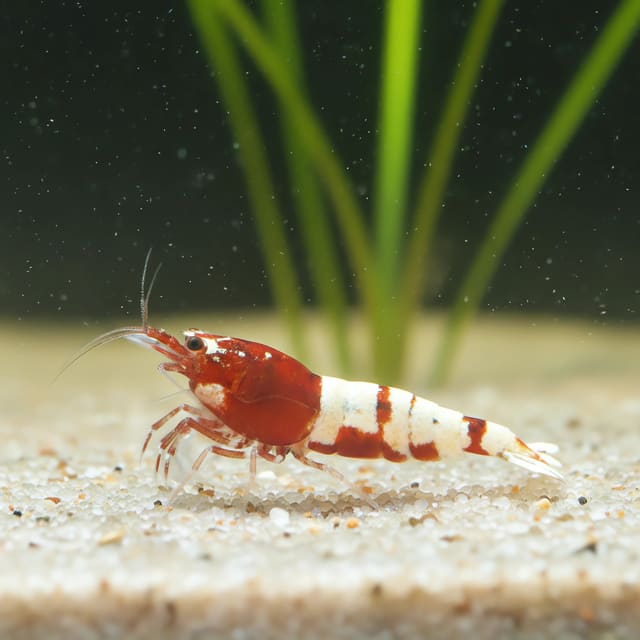
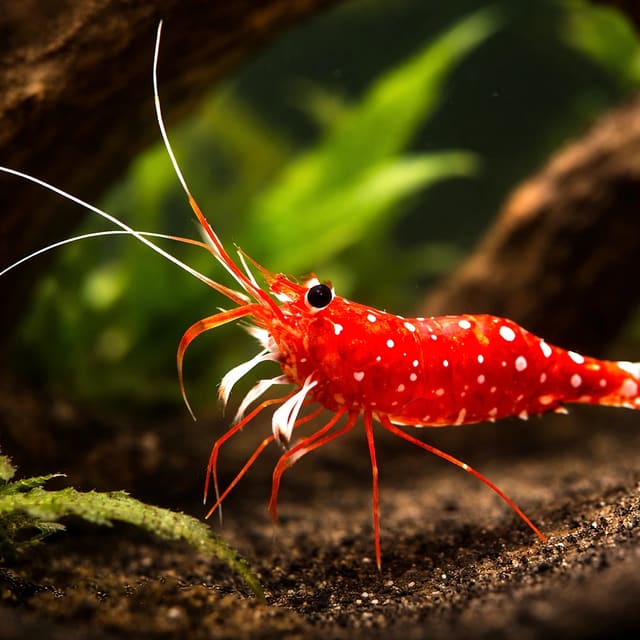
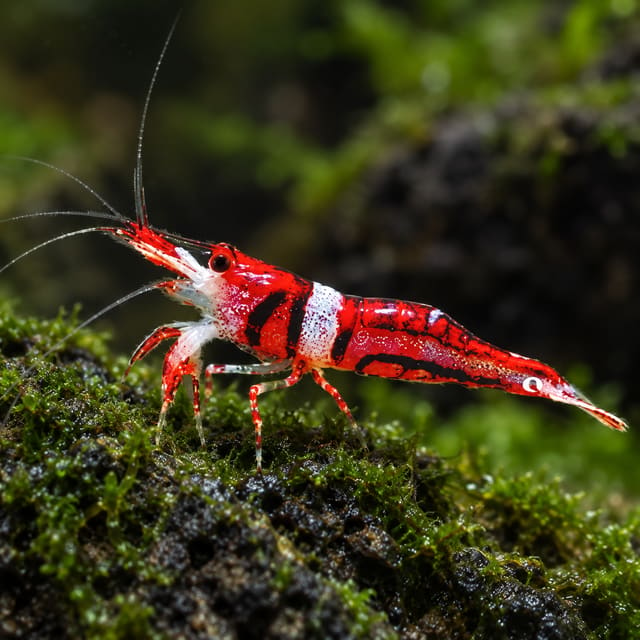
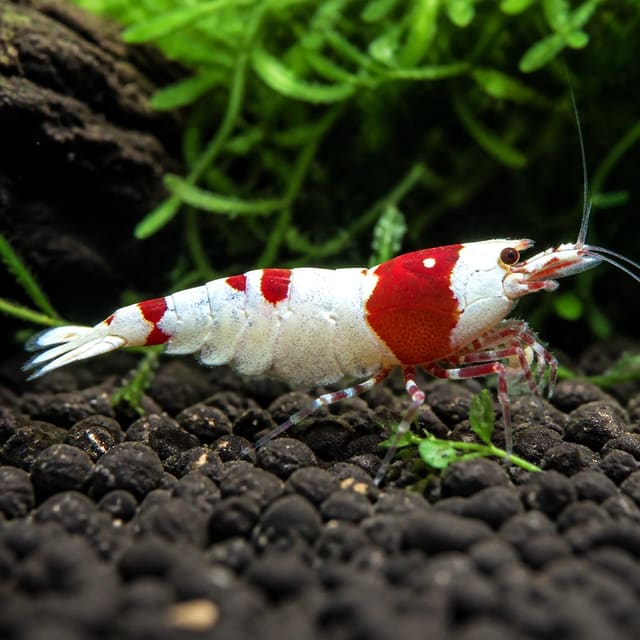
Super Crystal Red Shrimp with bold red and white markings on dark gravel beside green plants and dark wood

Super Crystal Red Shrimp (Caridina cantonensis)

Check species-specific water needs

£30.99
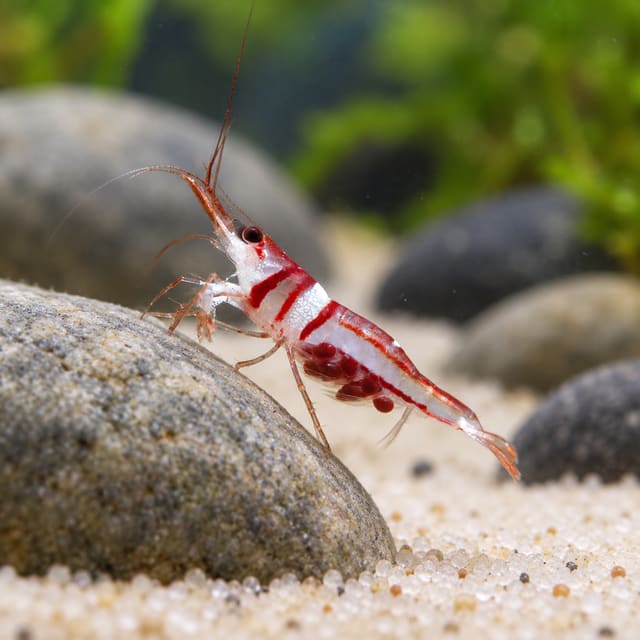
Illustrative red-and-white Taiwan Bee shrimp in a planted aquarium; dispatched pattern varies
Expert

Red Pinto Taiwan Bee Shrimp (Caridina cantonensis)

20–24°C · pH 5.8–6.6

£42.99
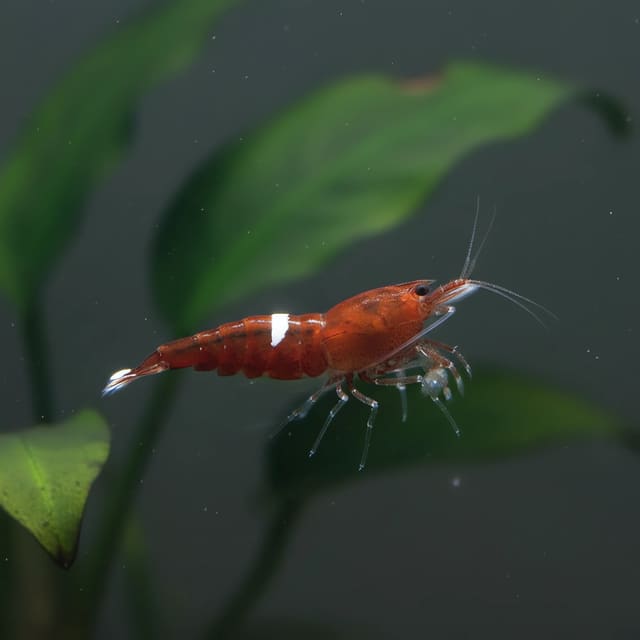
Red Ruby Taiwan Bee Shrimp with a deep red body, a white mark on its back and a pale tail tip beside green leaves
Moderate

Red Ruby Taiwan Bee Shrimp (Caridina sp.)

20–24°C · pH 6–6.8

£45.99
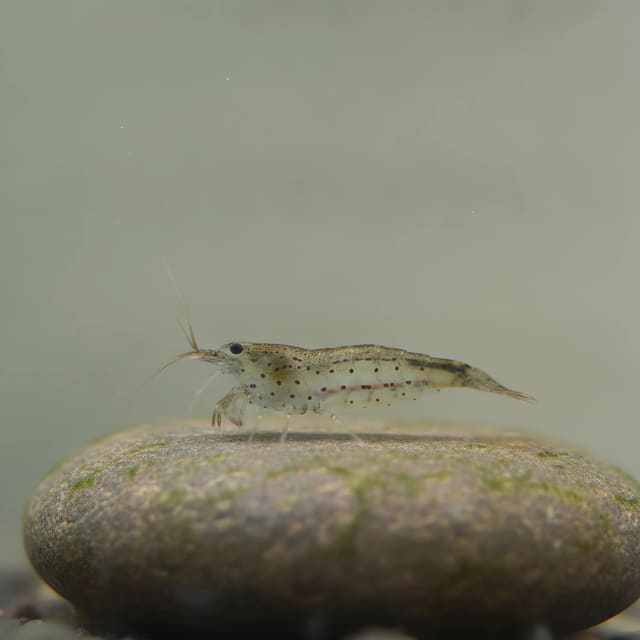
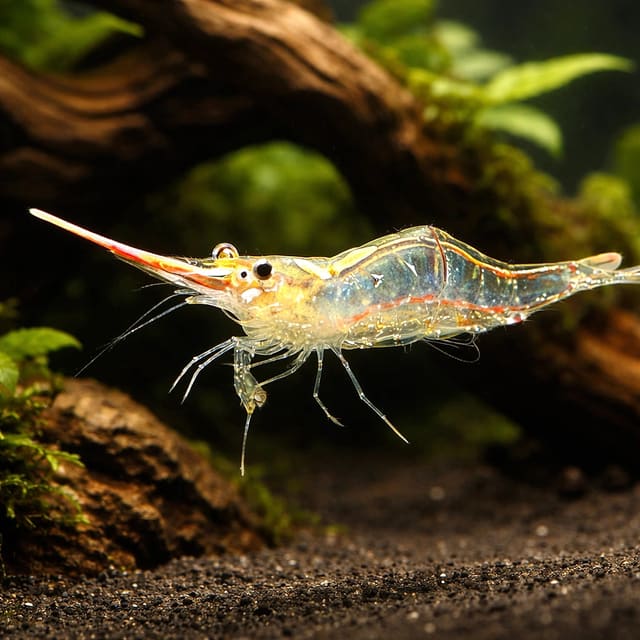
Side profile of a translucent Amano Shrimp with dotted lateral markings on a smooth rock against a neutral aquarium
Moderate

Amano Shrimp (Caridina multidentata)

From £3.49Some sizes on sale
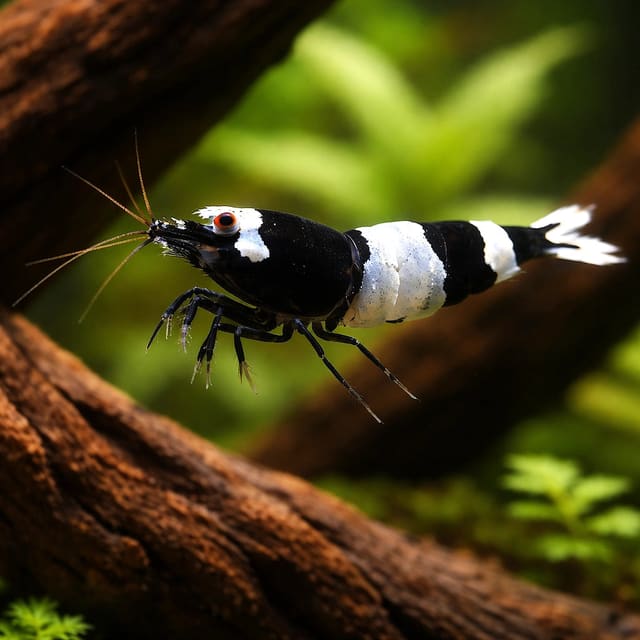
King Kong Taiwan Bee Shrimp (Caridina sp.) with black body and white bands beside driftwood, green plants behind
−10%
Moderate

King Kong Taiwan Bee Shrimp (Caridina sp.)

20–24°C · pH 6–6.8

£36.89£40.99
Black Pinto Shrimp - bold black and white patterned Caridina cantonensis Taiwan Bee
−12%
Moderate

Black Pinto Taiwan Bee Shrimp (Caridina cantonensis)

20–25°C · pH 5.5–6.8 · 20L

£39.59£44.99
Red Bolt Taiwan Bee Shrimp, orange-red with fine white speckling, on dark aquarium soil among plants
Moderate

Red Bolt Taiwan Bee Shrimp (Caridina cantonensis)

20–25°C · pH 5.5–6.8 · 20L

£35.99
One translucent red-nosed freshwater shrimp above dark substrate and driftwood
Moderate

Red Nose Pinocchio Shrimp (Caridina sp.)

Check species-specific water needs

£6.99
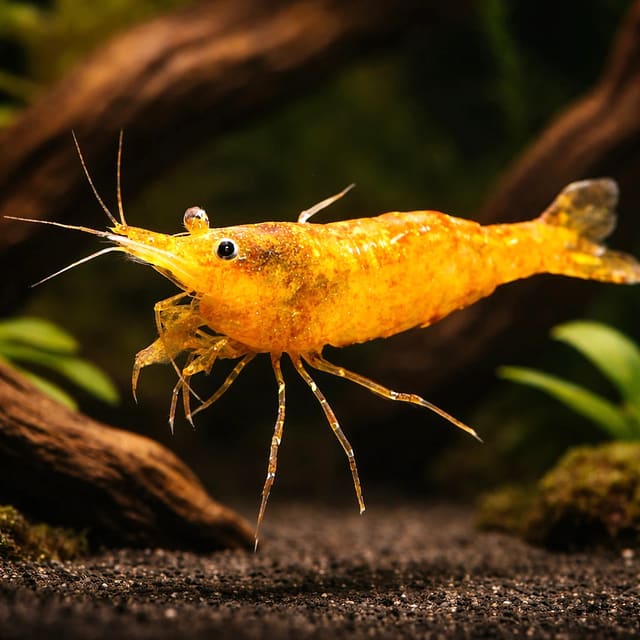
Caridina Orange shrimp 1,5
Moderate

Orange Shrimp (Caridina sp.)

18–24°C · pH 6–7.2 · 20L

£8.99
Caridina sp. Cardinal 1 - 1
Expert

Cardinal Sulawesi Shrimp (Caridina dennerli)

24–28°C · pH 7.8–8.5 · 30L

£29.99
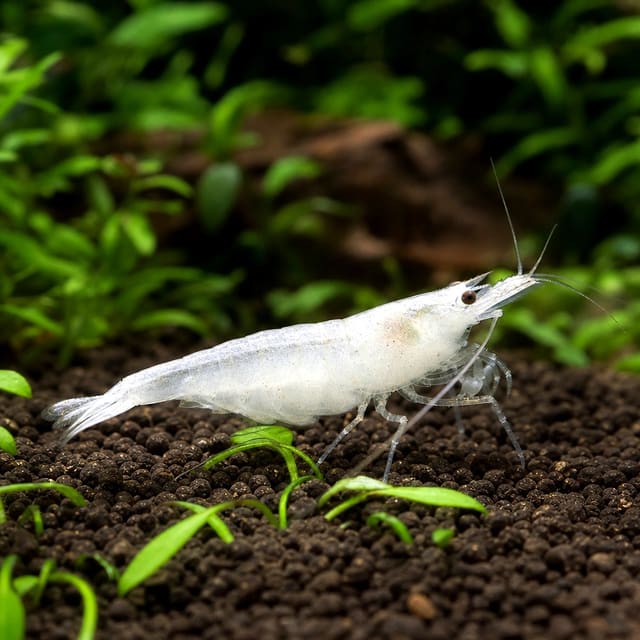
Caridina japonica snow white shrimp on dark substrate among green plants

Snow White Amano Shrimp (Caridina multidentata)

Check species-specific water needs

£13.99
Caridina japonica orange shrimp on dark substrate among bright green aquatic plants

Orange Amano Shrimp (Caridina japonica)

Check species-specific water needs

£13.99
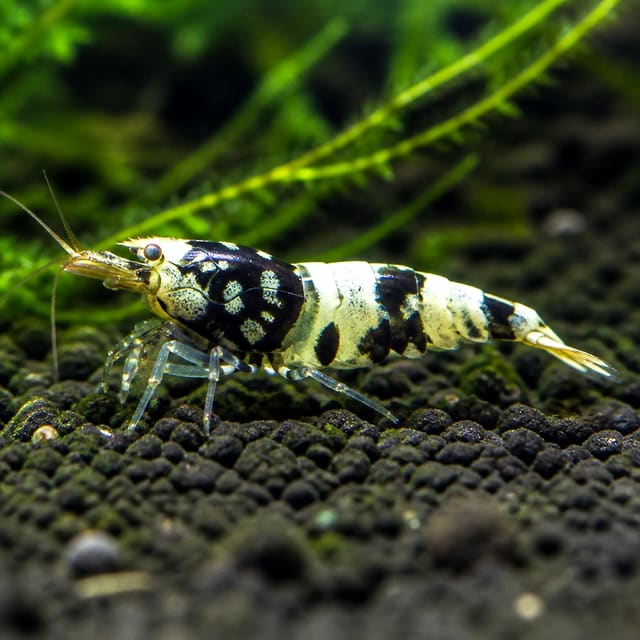
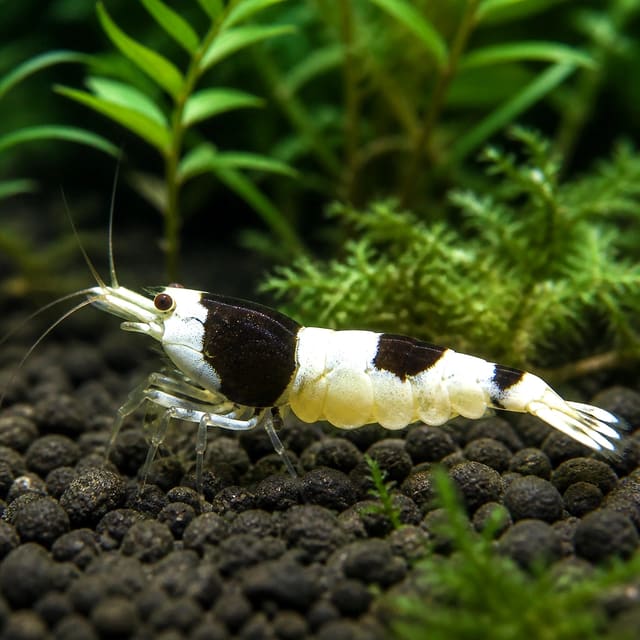
One black-and-white shrimp in side view on dark gravel among green aquarium plants
Moderate

Taiwan Bee Panda Shrimp (Caridina sp.)

Check species-specific water needs

£43.99
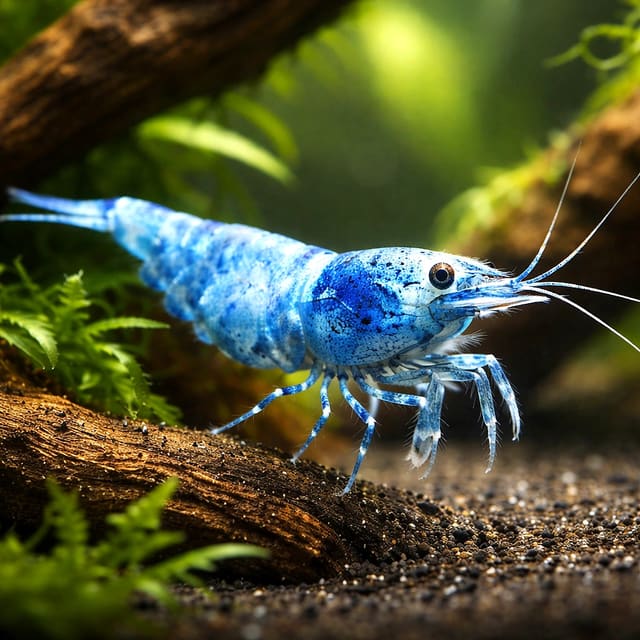
Blue Bolt Shrimp on wood among green aquarium plants, with a blue-and-pale mottled body and long antennae

Blue Bolt Shrimp (Caridina sp. 'Taiwan Bee')

Check species-specific water needs

£42.99
Red Wine Taiwan Bee Shrimp, deep wine-red with white bands and a white head patch, on dark aquarium soil among plants

Red Wine Taiwan Bee Shrimp (Caridina cantonensis)

Check species-specific water needs

£43.99
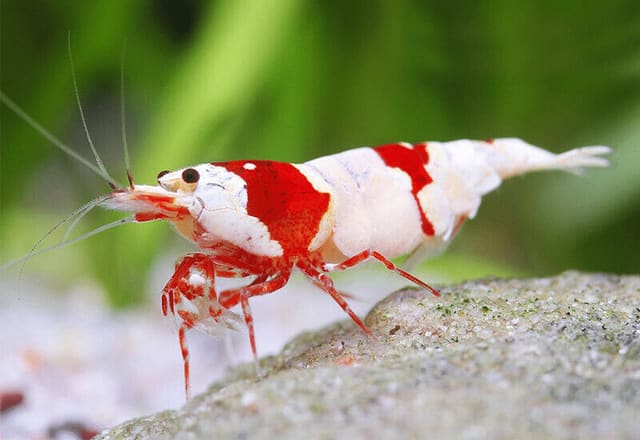
Crystal Red / Red Bee Shrimp with bold red and white bands on a pale rock

Crystal Red Bee Shrimp (Caridina cantonensis)

Check species-specific water needs

£11.99
Celebes Beauty shrimp (Caridina sp.)

Celebes Beauty Shrimp (Caridina sp.)

25–28°C · pH 7.5–8.5

£36.99
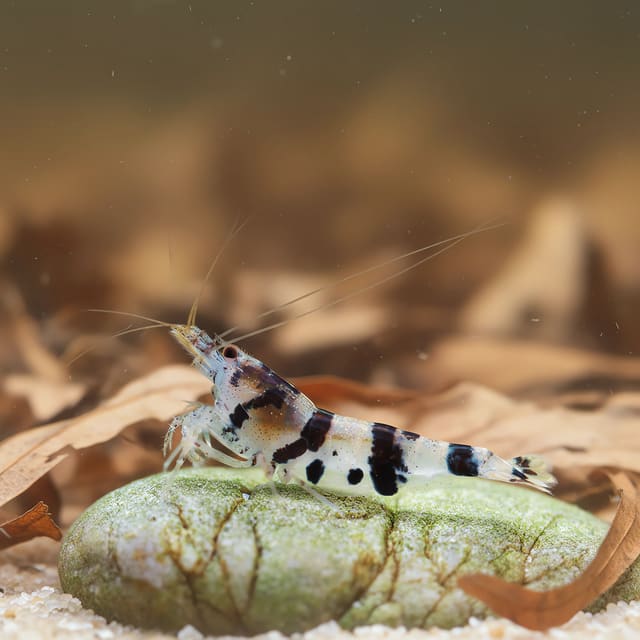
Raccoon Tiger Shrimp with bold black markings resting on a rounded green stone above pale gravel and leaf litter

Raccoon Tiger Shrimp (Caridina sp.)

Check species-specific water needs

£23.99
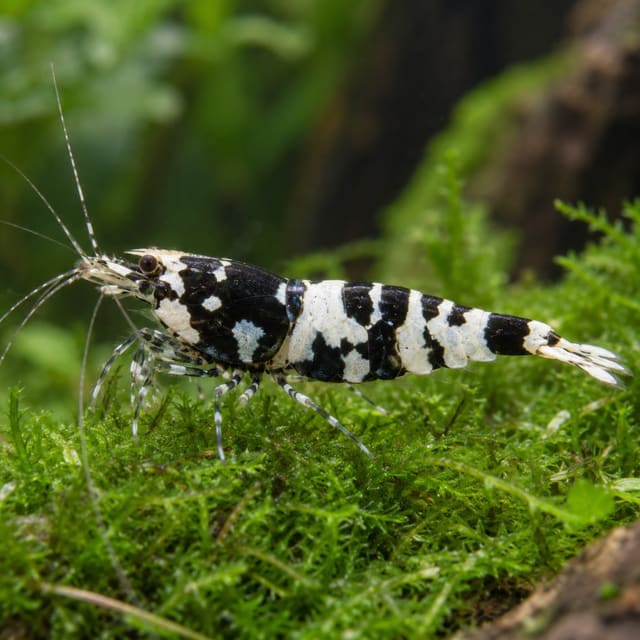
Crystal Black Shrimp (Caridina sp.) with dark bands, white patches and a speckled head on dark gravel by driftwood

Crystal Black Shrimp (Caridina sp.)

Check species-specific water needs

£15.99
Caridina fancy tiger pinto hybrid

Fancy Tiger Pinto Shrimp (Caridina hybrid)

£22.99
Harlequin Sponge Shrimp (Caridina spongicola), translucent white with red bands, carrying eggs, on a stone over pale sand

Harlequin Sponge Shrimp (Caridina spongicola)

Check species-specific water needs

£32.99
Photo pending
Sold Out

Panda Hinomaru Taiwan Bee Shrimp (Caridina cantonensis)

20–24°C · pH 5.5–6.5 · 20L

£38.99
Red Wine Hinomaru Shrimp - deep red Caridina cantonensis Taiwan Bee with hinomaru marking
Sold Out

Red Wine Hinomaru Taiwan Bee Shrimp (Caridina cantonensis)

20–25°C · pH 5.5–6.8 · 20L

£23.99
Red Nose Rhino Shrimp Caridina gracilirostris in a planted aquarium
Sold Out

Red Nose Rhino Shrimp (Caridina gracilirostris)

22–28°C · 40L

£5.99

Help with your choice

Amano, Bee, Tiger or Sulawesi?

Start with the aquarium you can maintain. Caridina is a large genus, so one mineral mix or temperature setting cannot suit this whole collection.

  • Amano. Caridina multidentata grazes aquarium surfaces and also needs suitable food. It is a different choice from a colour-bred Bee shrimp; grazing does not replace aquarium maintenance.
  • Crystal and Taiwan Bee. These colour lines generally need soft, acidic water. Check the particular line and your measured GH, KH and pH before buying, especially if you would need to prepare remineralised water.
  • Tiger and hybrid lines. Keep the full trade name when comparing offers. A Tiger, Pinto or hybrid label does not establish the same ancestry or water requirements for every listing.
  • Sulawesi. Cardinal and other Sulawesi lake shrimp need a different approach: warmer, alkaline conditions rather than a Bee-shrimp setup. Confirm the named species before preparing the tank.
Read about the differences in shrimp care
Will they suit the tank you already have?

Use a mature aquarium with stable water, grazing surfaces and cover. Protect filter intakes so small shrimp cannot be drawn in. Fish may eat shrimp, particularly young ones; a peaceful-fish label is not a guarantee. A dedicated shrimp tank makes that risk easier to manage. If you need help choosing, send the listing name, tank size, temperature, pH, GH, KH and existing livestock.

Discuss your tank and shortlist
Choosing a colour or breeding line

Check the stated form, supplied size and any documented grade on the selected offer. A photograph cannot guarantee identical markings, sex or ancestry. If you are building a particular line, confirm its identity before mixing shrimp. Cherry shrimp and Neocaridina colour forms have their own collection; similar names do not make them the same animal.

Browse Neocaridina