−11%
Moderate
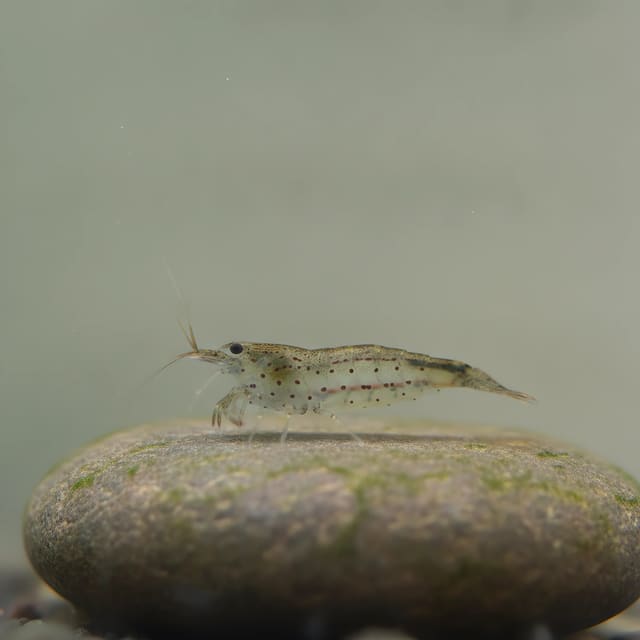
Amano Shrimp (Caridina multidentata)
£5.33£5.99

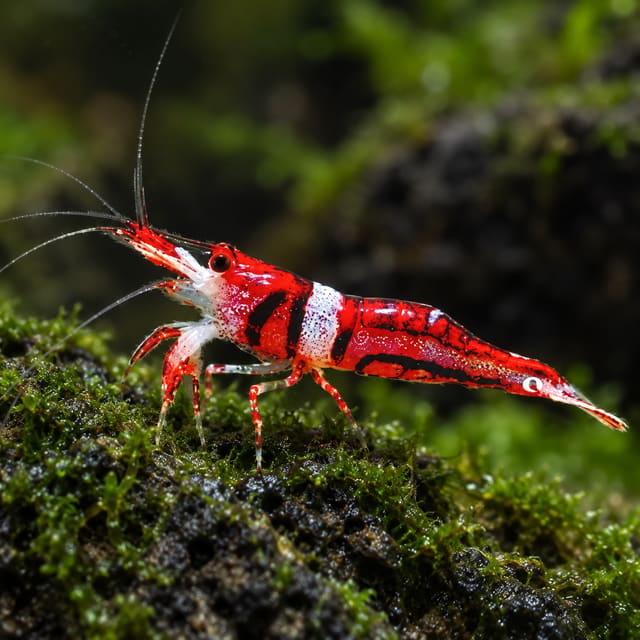
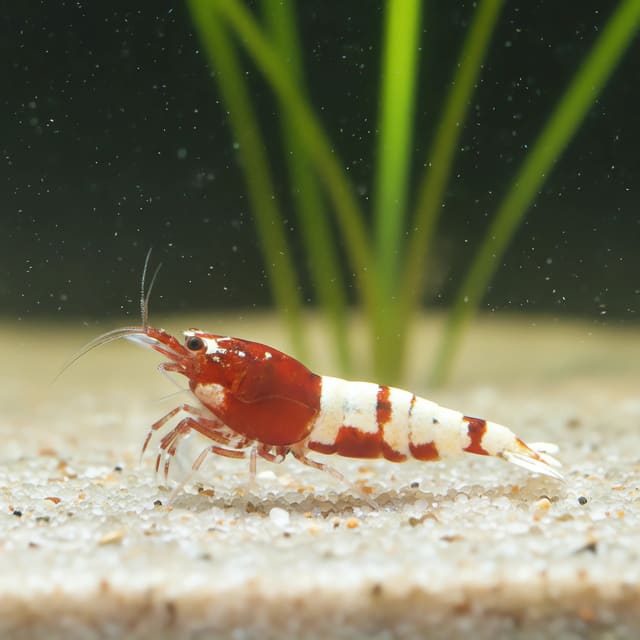
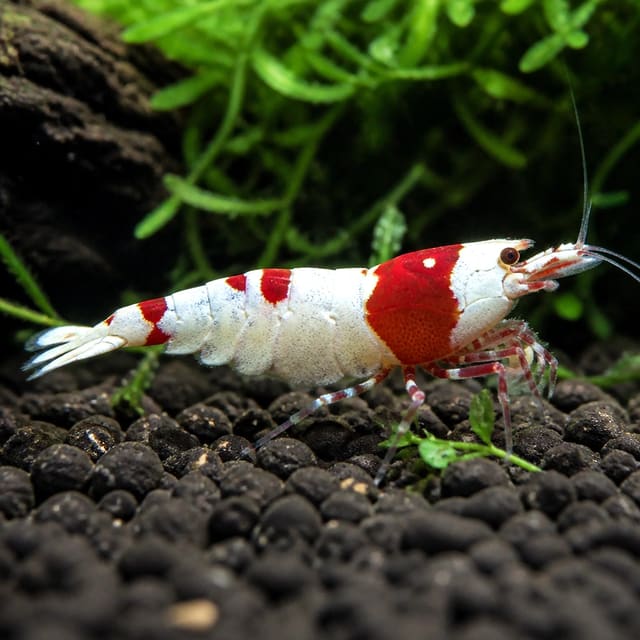
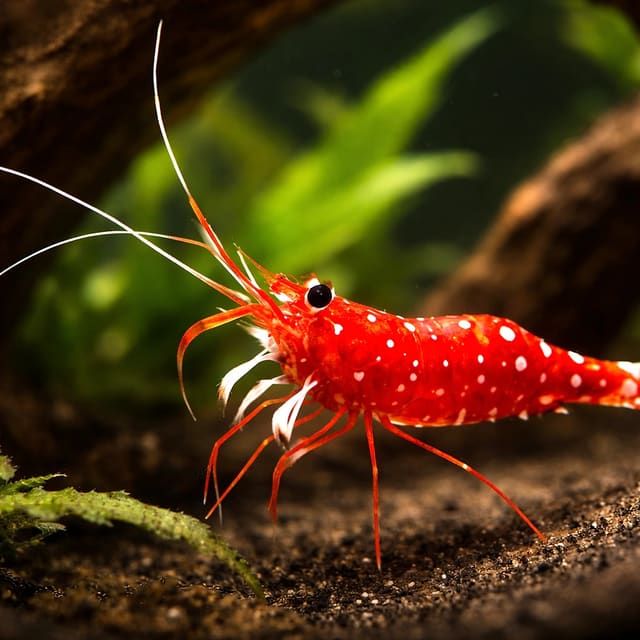
The Crystal Red / Red Bee Shrimp (Caridina cantonensis) is a freshwater atyid shrimp from China and Hong Kong, and possibly Vietnam, that reaches 3 cm. It suits mature, filtered aquariums; OATA’s group guidance gives at least five shrimp, 17–27°C and pH 6.5–8.0. Sold individually in 1 cm, 1,5 cm and 2 - 2,5 cm sizes.
Adult size is the maximum length this species reaches at full maturity (scientific sources). The livestock you receive will be younger and smaller — pick a size above for the actual shipping size. Product-photo provenance and any image-specific limitations are stated on the listing.
Caridina cantonensis
Lives in groups: kept together they stay settled, active and show their best colour.
The Crystal Red / Red Bee Shrimp (Caridina cantonensis) is a freshwater atyid shrimp from China and Hong Kong, and possibly Vietnam, that reaches 3 cm. It suits mature, filtered aquariums; OATA’s group guidance gives at least five shrimp, 17–27°C and pH 6.5–8.0. Sold individually in 1 cm, 1,5 cm and 2 - 2,5 cm sizes.
Adult size is the maximum length this species reaches at full maturity (scientific sources). The livestock you receive will be younger and smaller — pick a size above for the actual shipping size. Product-photo provenance and any image-specific limitations are stated on the listing.
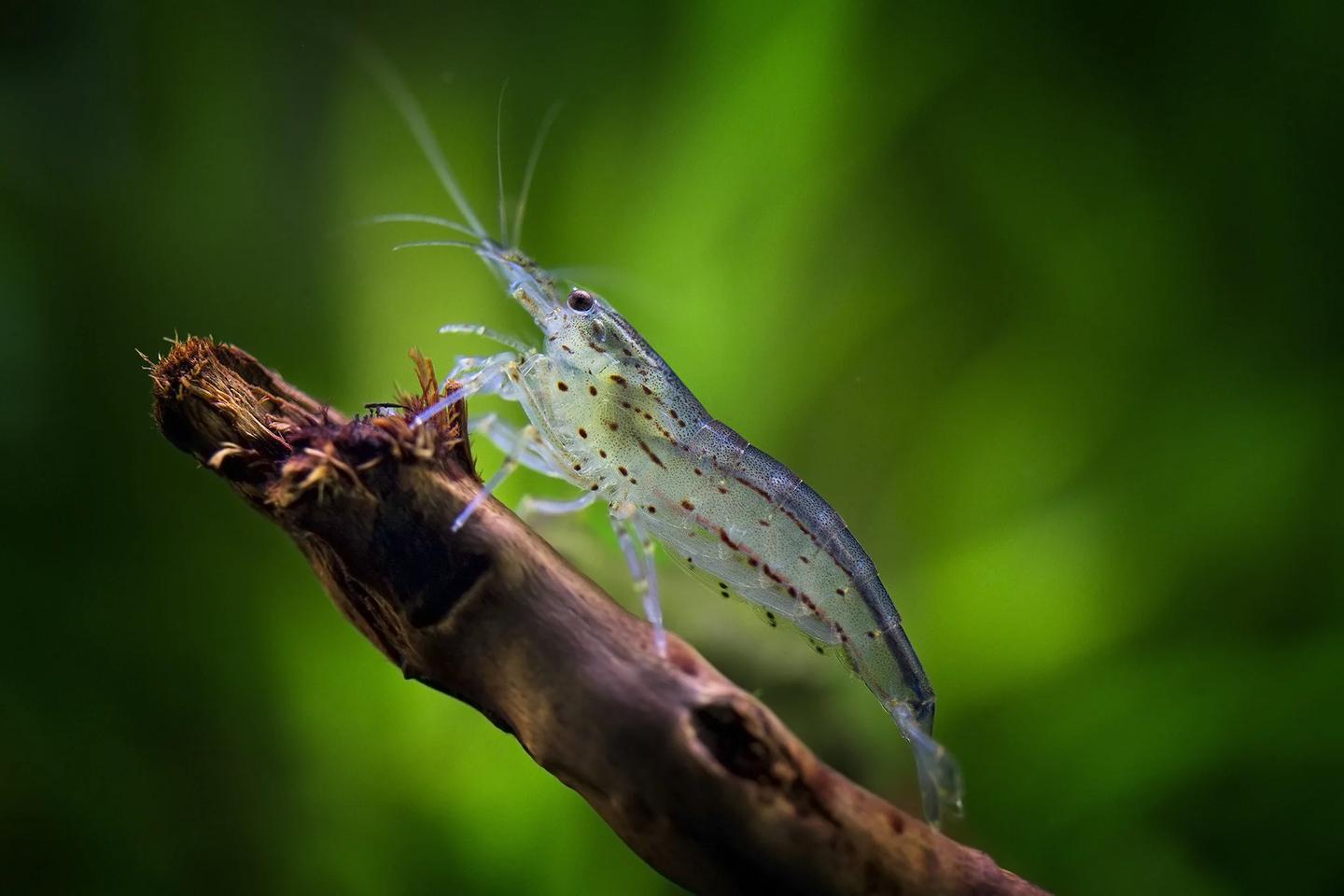
Start with a mature, filtered aquarium. OATA's broad UK guidance suggests approximately 20 litres for Amano Shrimp and at least five for social shrimp, with a larger aquarium when fish are present. Treat those as cautious planning screens—not biological minima or a per-litre formula. Match the complete adult community, test your water, protect the filter inlet and never buy them as a guaranteed algae cure.
Maintain these water conditions for optimal health and vibrant colors
Crystal Red Shrimp and Red Bee Shrimp are trade names for Caridina cantonensis, a small freshwater shrimp in the family Atyidae that reaches around 3 cm. It is native to China and Hong Kong, and possibly Vietnam. This shrimp suits keepers who can prepare a mature, filtered aquarium, test its water and plan a social group before introduction. The World Register of Marine Species recognises Caridina cantonensis as the accepted species name.
The Wikipedia summary for Caridina cantonensis describes bee shrimp as scavengers that eat small pieces of decayed vegetation and algae in nature. Many modern bee-shrimp forms have been selectively bred for particular characteristics, which helps explain why aquarium trade names distinguish forms within the same species.
This shrimp suits a keeper who prefers steady routines over frequent adjustments. Its small body makes water quality and tank-mate selection more important than decorative complexity. A simple mature aquarium with reliable testing and shelter is a stronger starting point than a newly assembled display with unstable readings.
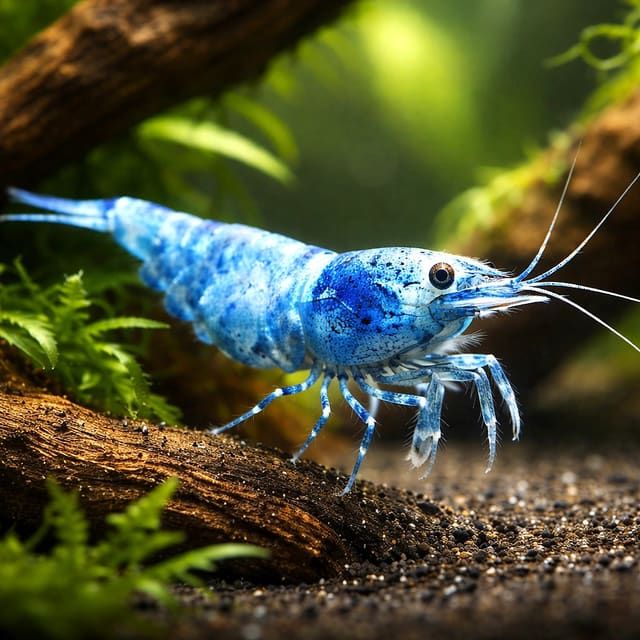
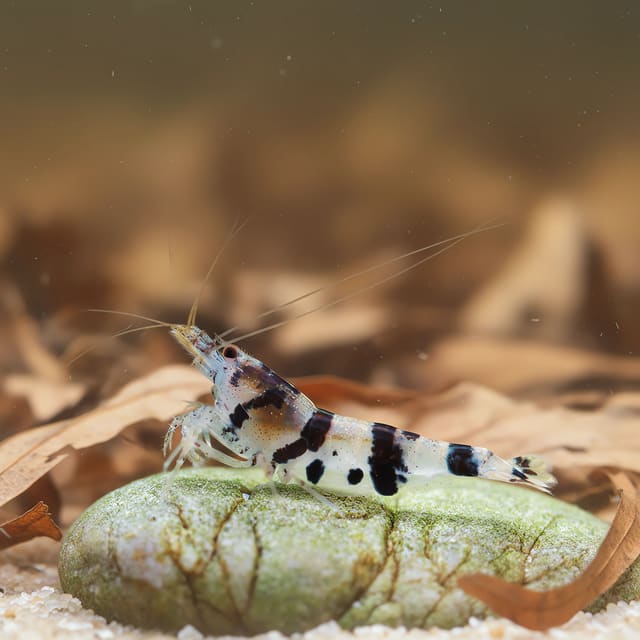
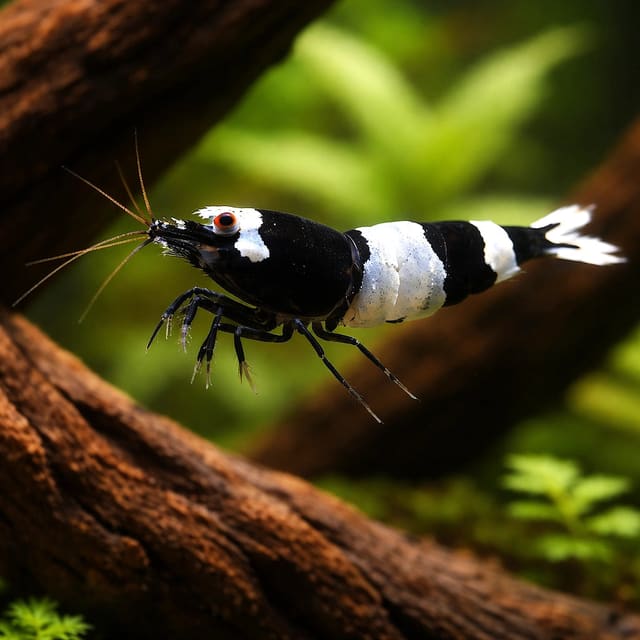
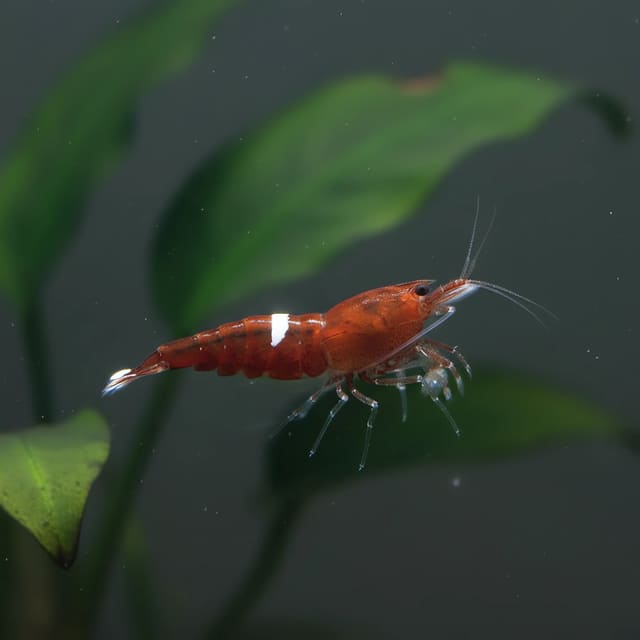
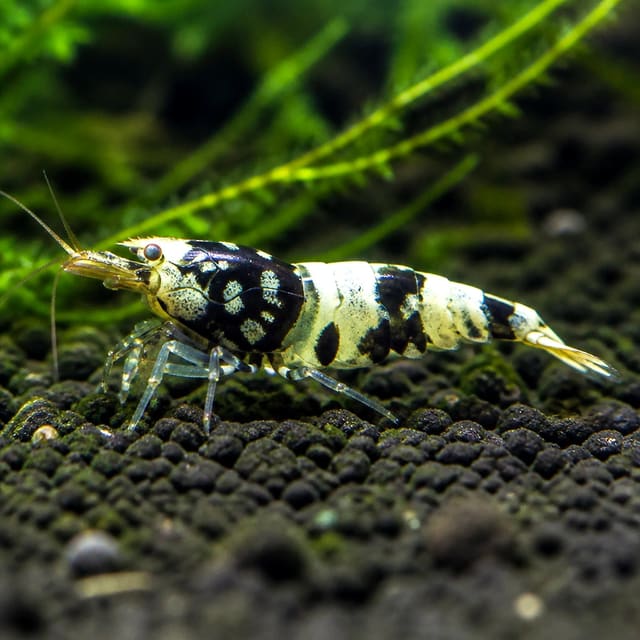
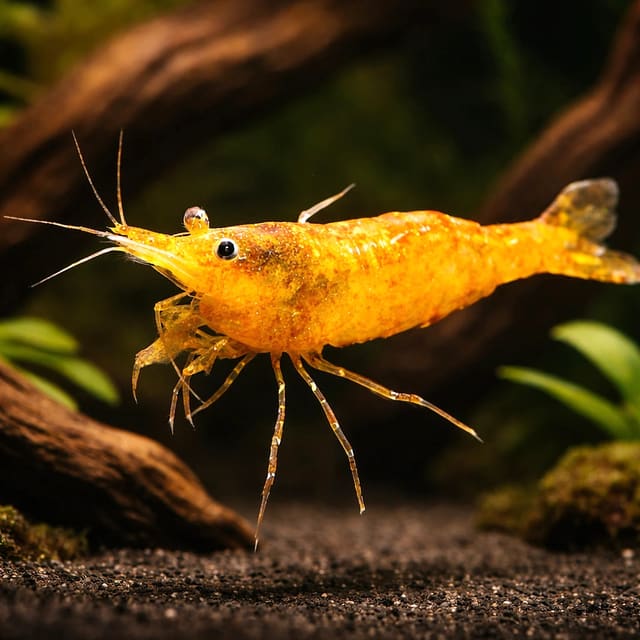
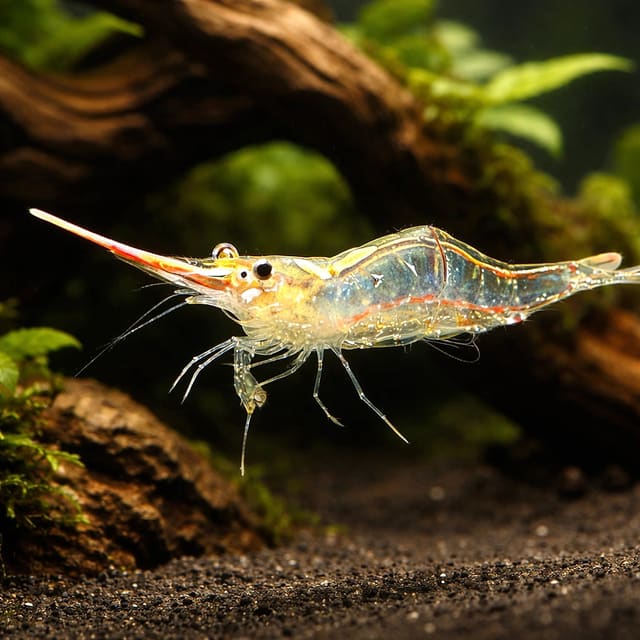
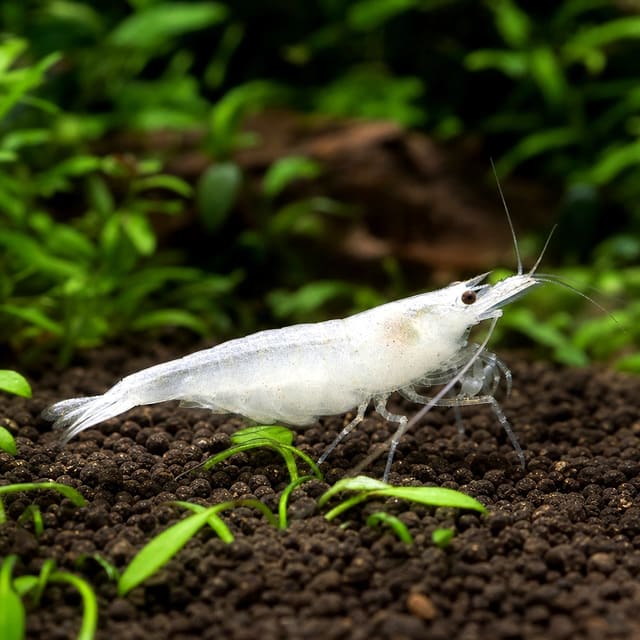
Some gallery images are representative, based on reference photographs of this species, and none shows the exact animal supplied, so colours can look slightly different from the live animal.
The live size selector offers 1 cm, 1,5 cm and 2 - 2,5 cm. One purchase supplies one animal in the selected size. Increase the purchase quantity when planning more than one shrimp; choosing a size does not change the number of animals supplied.
The size you select is the size supplied, not the adult size. OATA describes the smaller popular freshwater shrimp, including colour variants of Caridina cantonensis, at around 3 cm. Use that adult-length reference when planning the complete aquarium rather than assuming a 1 cm shrimp remains that size.
| Size label | How to use it |
|---|---|
| 1 cm | Plan feeding access and shelter for a 1 cm animal while reserving room for its adult size. |
| 1,5 cm | Treat 1,5 cm as the dispatch measurement without inferring sex or life stage. |
| 2 - 2,5 cm | Use the stated range as the dispatch measurement and continue to plan around the adult community. |
Choose through the live size selector after the aquarium has been tested. Do not use dispatch size to infer maturity, sex, origin or future appearance.
Sex is guaranteed only when the selected option explicitly states male or female. This Crystal Red / Red Bee Shrimp listing has no sex-guaranteed option.
Review the delivery and Live Arrival Guarantee policy before arranging receipt, and prepare the aquarium before the journey. If you are comparing freshwater invertebrates, use the shrimp and crustacean collection to compare identities and care needs without treating different shrimp as interchangeable.
OATA’s freshwater shrimp and snail guidance gives 17–27°C, pH 6.5–8.0, 4–18°dH general hardness and 3–15°dKH carbonate hardness for the group. It also recommends at least 10 litres for a group of small freshwater shrimp, says social shrimp should usually be kept in groups of at least five and advises more space when fish are present. These are group-planning values, not a species-specific optimum or a shrimp-per-litre formula.
| Planning check | Value or decision |
|---|---|
| Adult length | Around 3 cm as OATA’s reference for smaller popular shrimp |
| Group aquarium | At least 10 litres, with more space when fish are included |
| Social plan | At least five shrimp, subject to aquarium capacity |
| Temperature | 17–27°C |
| pH | 6.5–8.0 |
| General hardness | 4–18°dH |
| Carbonate hardness | 3–15°dKH |
| Ammonia and nitrite | Zero mg per litre |
| Nitrate | No more than 20 mg/L above the normal tap-water level |
| Suits | Not suited to |
|---|---|
| A mature, filtered aquarium with stable readings | An aquarium with detectable ammonia or nitrite |
| A social group with shelter and grazing surfaces | A plan based on keeping one shrimp as an algae-control tool |
| Aquariums where every fish passes the predation screen | Fish able to swallow the shrimp or species known to be predatory |
| Keepers prepared to test the water every week | A routine without regular testing and water changes |
A 10-litre label does not mean every group fits every 10-litre aquarium. Substrate, equipment and hardscape reduce usable water, while feeding area, filtration, cover and tank mates change the load. Start with the complete adult community, then decide whether the footprint and filter provide enough capacity and access.
For example, five shrimp in a mature shrimp-only aquarium present a different decision from five shrimp sharing the same labelled volume with fish. The second plan needs extra space and a compatibility assessment because fish add waste and predation risk. Reaching the litre and group figures never overrides zero ammonia, zero nitrite or the need for a mature biological filter.
Aquarium maturity is demonstrated by function: the biological filter must process the planned waste while tests remain at zero ammonia and zero nitrite. A clean appearance or a fixed number of days cannot replace those measurements. The RSPCA’s aquarium filtration guidance explains that beneficial bacteria convert toxic ammonia into nitrite and then into the safer nitrate stage.
OATA says a filter is essential whatever the aquarium size. It also recommends gravel or sand and ideally live plants for cover. When live plants are not used, aquarium-safe artificial plants and suitable ornaments can provide shelter. Arrange these features so shrimp can move between sheltered and exposed areas while you retain access for inspection and cleaning.
Established surfaces matter because freshwater shrimp graze algae, while Caridina cantonensis also scavenges small pieces of decayed vegetation in nature. Provide surfaces around plants, substrate, wood, rock or aquarium-safe ornaments, but do not expect grazing to replace planned feeding.
Our shrimp-keeping setup guide can help organise maturation, testing and layout decisions before livestock arrives. Complete these jobs first; repeated structural changes after introduction make stability harder to maintain.
Measure temperature, pH, general hardness, carbonate hardness, ammonia, nitrite and nitrate before choosing this shrimp. The working screens are 17–27°C, pH 6.5–8.0, 4–18°dH, 3–15°dKH, zero ammonia and zero nitrite. Keep nitrate no more than 20 mg/L above the normal tap-water level.
The water chemistry guide explains what each measurement means, while the water matcher helps compare measured aquarium values with these planning ranges. Test the aquarium itself rather than relying only on a water-company average, because the aquarium contains substrate, decor, biological activity and treated replacement water.
| Result | Decision |
|---|---|
| Ammonia above zero | Delay introduction and investigate biological filtration, waste and recent stocking. |
| Nitrite above zero | Delay introduction and allow the filter to regain control of the nitrogen load. |
| pH outside 6.5–8.0 | Rework the aquarium plan before adding the shrimp rather than making a sudden correction with livestock present. |
| Temperature within 17–27°C | Confirm that the chosen point also suits every other inhabitant and remains stable. |
| Hardness outside the stated screens | Pause and choose a controlled water plan instead of dosing by guesswork. |
Nitrate requires comparison with the normal tap-water level. If tap water measures 15 mg/L nitrate, the OATA limit means the aquarium should not exceed 35 mg/L. If tap water measures 5 mg/L, the corresponding ceiling is 25 mg/L. These calculations do not replace the weekly trend: a rising result still calls for a review of feeding, waste and maintenance.
Do not chase a particular point within a range by making frequent abrupt adjustments. Select conditions shared by the complete community, maintain them consistently and compare results over time. A stable result inside the screens is more useful than repeated movement between their upper and lower edges.
Before arrival, confirm that the mature aquarium remains within these ranges, with zero ammonia and zero nitrite. Correct the aquarium plan before introduction rather than making a sudden adjustment while the shrimp is being transferred.
Freshwater shrimp graze algae in the aquarium, and Caridina cantonensis scavenges decayed vegetation and algae in nature. OATA advises supplementing this grazing with algae wafers or commercial pellets made for freshwater shrimp. Treat grazing as part of the feeding pattern, not as proof that the animals need no prepared food.
Feed two or three times a week. Give the shrimp at least 30 minutes to feed on pellets or wafers, then assess whether the portion matched the group. Recurring uneaten food means the next portion should be smaller because decomposing food releases waste into the water.
| Example day | Decision |
|---|---|
| Monday | Offer a small portion and watch whether each area of the group can reach it. |
| Thursday | Repeat only after checking for leftovers and normal feeding interest. |
| Saturday | Use a third feed when the group is clearing portions without recurring waste. |
This three-feed example sits within OATA’s two-or-three-times-a-week schedule; it is not a requirement to feed on those exact days. A two-feed rhythm may suit a smaller group or an aquarium with more established grazing, provided observation shows the shrimp are feeding and maintaining normal condition.
No fixed pellet count fits every food because pellet size and formulation vary. Begin conservatively, observe consumption for at least 30 minutes and adjust the next feed from what the group actually ate. This protects both nutrition and water quality without turning feeding into an unmeasured daily addition.
OATA strongly recommends a 25% partial water change at least once every week and water testing at least weekly. Use this as the regular maintenance baseline, then respond sooner when tests, behaviour or equipment indicate a problem.
| Usable aquarium water | 25% change |
|---|---|
| 10 litres | 2.5 litres |
| 20 litres | 5 litres |
| 40 litres | 10 litres |
Calculate from the best estimate of actual water rather than the box label when substrate, decor and equipment displace a substantial volume. Treat replacement tap water with a suitable conditioner to remove harmful chlorine or chloramine before it enters the aquarium. Keep the replacement process steady so temperature and chemistry do not change abruptly.
Keep a short log of temperature, ammonia, nitrite, nitrate and water changes so trends are visible before they become emergencies. Record the measured result rather than writing only that the water looked clear.
A weekly test result is a decision point. Zero ammonia and zero nitrite support the existing routine; any detectable amount calls for prompt investigation of filtration, waste, feeding and recent additions. A nitrate result moving towards the permitted tap-water-plus-20 mg/L ceiling calls for a review even before the ceiling is crossed.
Avoid cleaning every established surface at once. Remove waste and blockages while preserving the functioning filter and useful grazing areas. The aim is a stable, maintained aquarium, not a sterile interior stripped of all established growth.
Prepare the aquarium before the journey. Confirm the filter is functioning and ammonia and nitrite are zero. Check temperature, pH and hardness on the same day so the transition begins with measured aquarium conditions.
Keep the video and order number if a Live Arrival Guarantee claim is needed, and contact us the same day if something has gone wrong. The continuous recording allows the sealed parcel, opening and animal inside the bag to be assessed in sequence.
| Checkpoint | What to do |
|---|---|
| Immediately after introduction | Observe movement and shelter use without repeatedly disturbing the layout. |
| First feeding opportunity | Confirm the shrimp can reach food and that recurring leftovers do not accumulate. |
| Daily equipment check | Inspect the filter, circulation and temperature. |
| Water check | Test ammonia and nitrite and act immediately if either rises above zero. |
| End of the first week | Complete the normal test-and-maintenance review rather than changing several conditions at once. |
Add livestock slowly. OATA warns that rapid stocking can outpace the beneficial bacteria established in the filter, causing ammonia and nitrite to rise. The same principle applies when feeding increases: extra food and livestock create an extra biological load even when the aquarium looked stable beforehand.
If a test changes after introduction, deal with the environmental cause before adding more animals. Check the filter, waste, feeding and recent additions, and preserve a calm layout while the system is assessed.
OATA’s guidance treats shrimp as social and says they should usually be kept in groups of at least five. Use five as the starting social screen, then confirm that filtration, usable water, feeding surface, shelter and the complete adult community can support the group.
The group number and aquarium volume answer different questions. At least five addresses social planning, while at least 10 litres is the general aquarium recommendation for a group of small freshwater shrimp. Neither figure means one shrimp per two litres, and neither permits crowding when fish, snails or other animals already use the system.
For example, an empty mature shrimp aquarium may pass the social and volume screens once shelter, filtration and feeding access have been checked. A similarly sized aquarium already containing fish needs a different answer: OATA advises a larger aquarium with fish, and compatibility must account for predation as well as water quality.
If a group has fallen below five, test the aquarium and investigate why before adding animals. Check water quality, filtration, tank-mate behaviour and feeding access. Reaching five quickly is not more important than understanding a loss or preventing the filter from being overloaded.
A well-planned group combines social care with biological capacity. Use the figures as checkpoints in that decision, not as permission to fill every litre.
Learn the group’s normal activity, shelter use, colour, breathing and feeding response. OATA advises watching for increased inactivity, restlessness, unusual swimming, darker or paler colour, increased hiding, altered breathing, lesions, abnormal growths, exoskeleton damage, loss of appendages, swelling, weight change and reduced interest in food.
An empty exoskeleton may be a normal moult rather than a dead shrimp. Look for the animal itself and assess the whole aquarium before drawing a conclusion from one shell. Hiding alone also needs context from water tests, feeding and tank-mate behaviour.
Freshwater shrimp are very sensitive to copper and will die if exposed even to low levels. Before adding any medicine or aquarium treatment, read the current label and confirm that it is safe for every invertebrate in the aquarium. Do not improvise a reduced dose or mix products in an attempt to make an unsuitable treatment safe.
If signs are severe or persist, contact us for immediate husbandry checks and seek veterinary help. A list of signs cannot distinguish water-quality stress, treatment exposure, injury, predation or disease without examining the circumstances.
OATA warns that freshwater shrimp may be eaten by common aquarium fish. Avoid fish able to fit the shrimp in their mouth and species known to be predatory. Use the fish’s adult mouth size for this decision rather than its size when young.
No fish pairing can be promised safe. Screen the intended community before mixing and keep watching after introduction, because individual behaviour and the aquarium layout can affect the result.
| Check | Question to answer |
|---|---|
| Adult mouth size | Could the fish swallow the shrimp? |
| Predatory behaviour | Is the species known to be predatory? |
| Water overlap | Can every inhabitant share the same stable temperature, pH and hardness? |
| Shelter | Does the layout provide cover for the shrimp? |
| Aquarium capacity | Does the usable volume support the full adult community and waste load? |
| Observation | Can interactions be watched closely after introduction? |
A shrimp-only aquarium removes fish predation from the plan, but it still needs mature filtration, group planning, appropriate feeding and weekly maintenance. Adding fish means using more than OATA’s at-least-10-litre small-shrimp screen and reassessing the complete biological load.
Ask us for a stocking and compatibility assessment when you have the aquarium volume, measured water values and scientific names plus adult sizes of every intended fish. Those details produce a more useful decision than a generic community label.
Compatibility is a whole-aquarium decision. Start with the adult community and work backwards to the aquarium footprint, filtration, water conditions and shelter. Avoid every fish able to swallow the shrimp and every species known to be predatory.
| Scenario | Planning response |
|---|---|
| Shrimp-only aquarium | Plan a social group, mature filtration, shelter and feeding access across the layout. |
| Fish will be added later | Reserve extra space now and screen adult mouth size, predatory behaviour and water overlap first. |
| Fish already live in the aquarium | Assess every adult species and watch interactions after introduction. |
| 1 cm size selected | Apply the predation screen to the 1 cm animal supplied as well as its 3 cm adult size. |
| Treatment may be needed | Confirm the current product label permits use with invertebrates before it enters the aquarium. |
Do not infer compatibility from another animal sharing the family Atyidae or the genus Caridina. Shared classification does not replace the mouth-size, predation, water and aquarium-capacity checks for each intended inhabitant.
A cautious decision is not based on whether a pairing worked in another aquarium. It combines measured water, adult dimensions, known feeding behaviour and enough space for the complete community.
Crystal Red / Red Bee Shrimp reaches around 3 cm under OATA’s adult-length reference for smaller popular freshwater shrimp. Plan the aquarium around 3 cm rather than the dispatch size.
OATA recommends an aquarium of at least 10 litres for a group of small freshwater shrimp and a larger aquarium when fish are included. Usable water, mature filtration, shelter and the complete community must all fit the plan.
OATA’s group guidance says social shrimp should usually be kept in groups of at least five. Add them gradually and keep ammonia and nitrite at zero.
It suits a keeper prepared to mature the filter, test the water every week, maintain stable readings and screen every fish for predation risk. Do not introduce it while ammonia or nitrite is detectable.
Caridina cantonensis scavenges decayed vegetation and algae in nature. OATA advises supplementing aquarium grazing with algae wafers or freshwater-shrimp pellets two or three times a week and allowing at least 30 minutes for feeding.
Keep Crystal Red / Red Bee Shrimp at 17–27°C and pH 6.5–8.0 under OATA’s group guidance, with 4–18°dH general hardness, 3–15°dKH carbonate hardness and zero ammonia and nitrite.
This shrimp is planned as a social group, but fish compatibility still needs screening. Avoid fish able to swallow it and species known to be predatory, then observe the aquarium after introduction.
Other Crystal Red / Red Bee Shrimp can form the social group where the mature aquarium has enough capacity. For fish, OATA supports a screening rule rather than a universal companion list: avoid fish able to swallow the shrimp and species known to be predatory.
Film the sealed parcel before opening or floating the bag, with someone present to receive it. Continue filming in one take as the parcel is opened with the shrimp still inside the sealed bag, float the bag for 20–30 minutes, then release the shrimp without pouring the bag water into the aquarium.
No reviews for this item yet. Bought one? Honest reviews only, good or bad.
What customers say about ordering from us
I have a small group of long finned mountain minnows. So was delighted to be able to order ten of this variety to increase the genetics in my tank . The ones I recieved are healthy but it’s to early to give a verdict on wether they are of a long finned type since they are small currently.
Gordon Walker · 23 Sept 2026
100% success travel and "installation". Pleased with quality of purchase. The Siamese fighter a bit "shy" so have not yet seen him at his best yet but looking good. Happy customer. GG
George E Garratt · 21 Sept 2026
Reviews of our shop, collected by Judge.me, an independent third-party review collector. Newest first.