Moderate
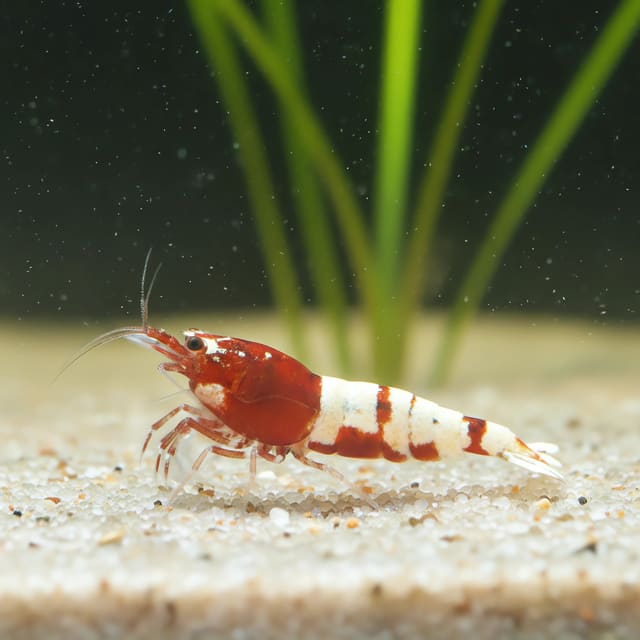
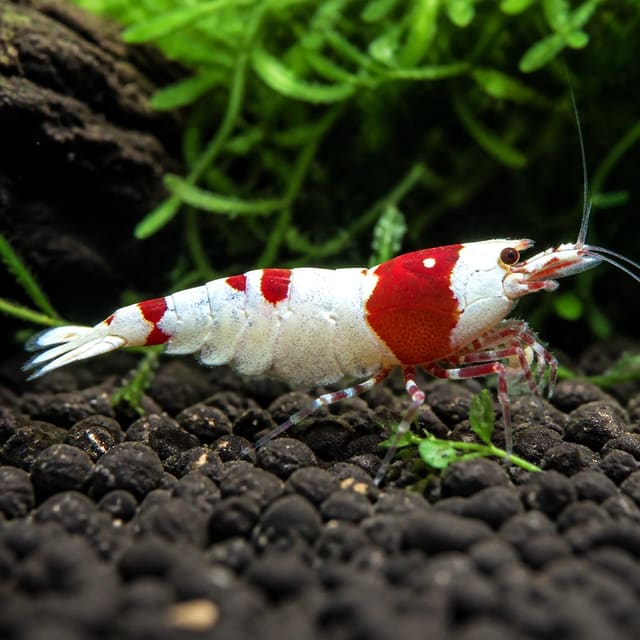
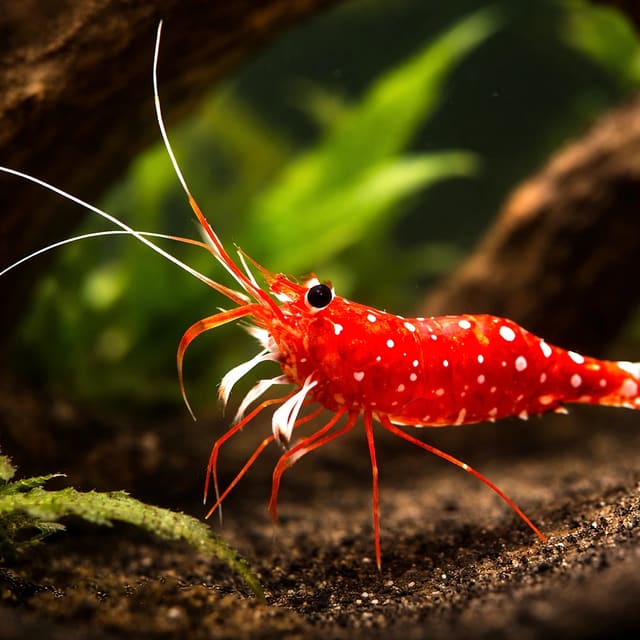
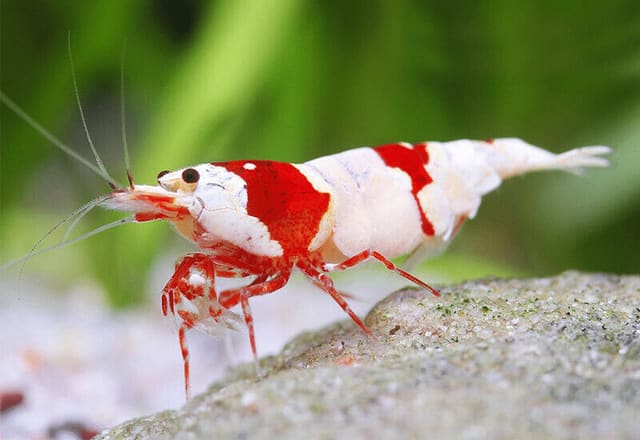
Red Ruby Taiwan Bee Shrimp (Caridina sp.)
20–24°C · pH 6–6.8
£45.99
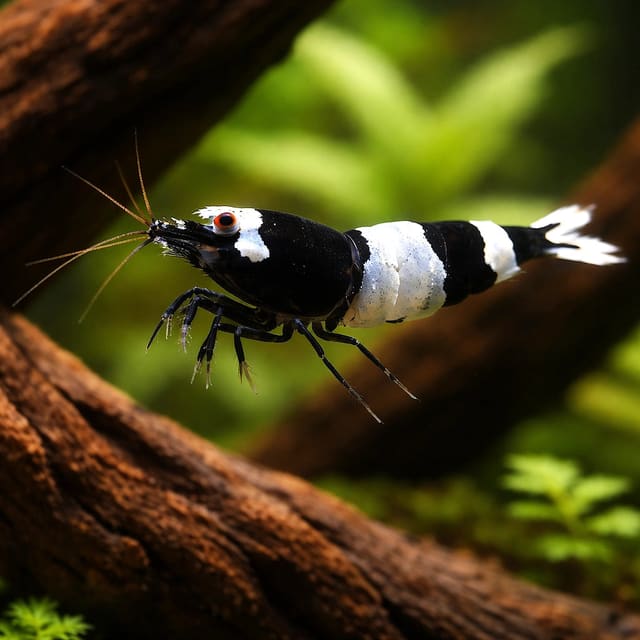
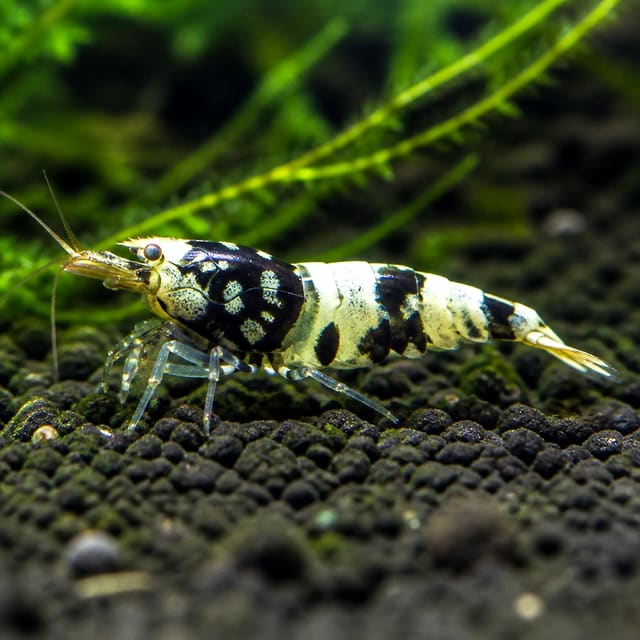
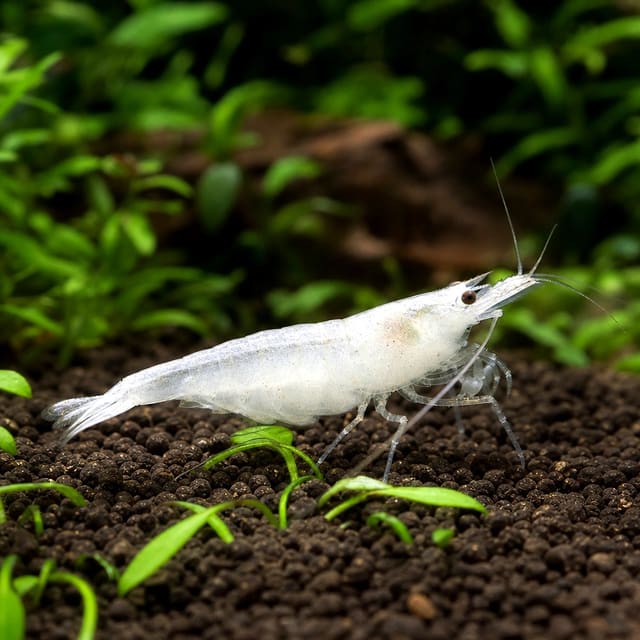
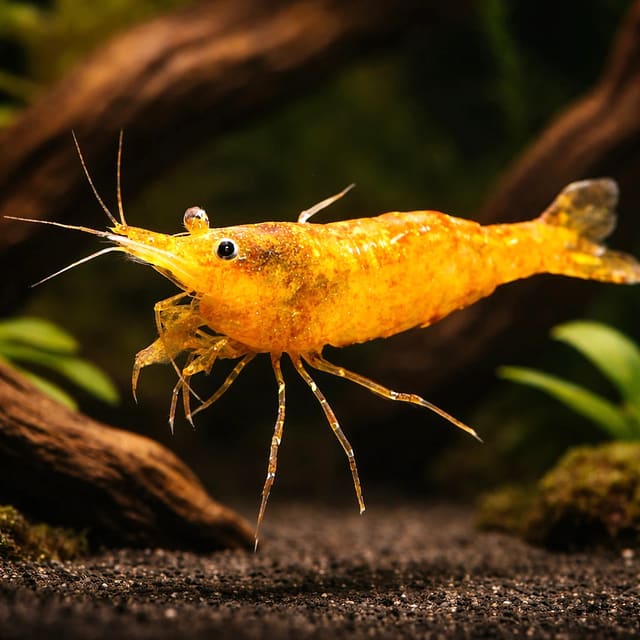
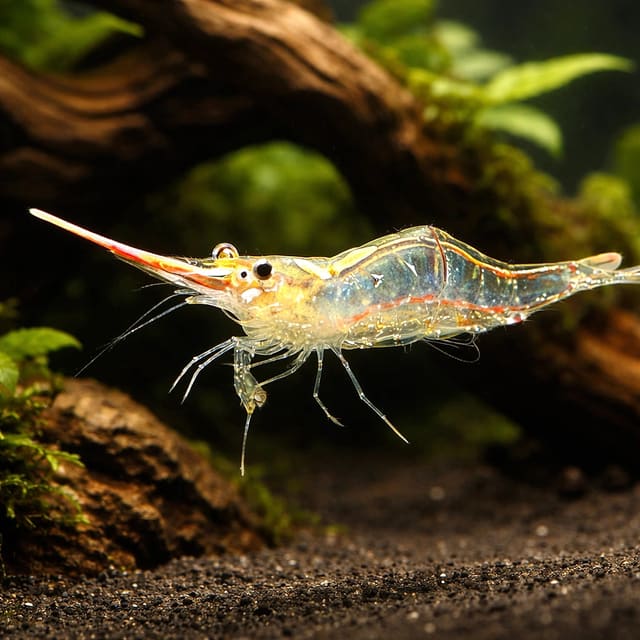
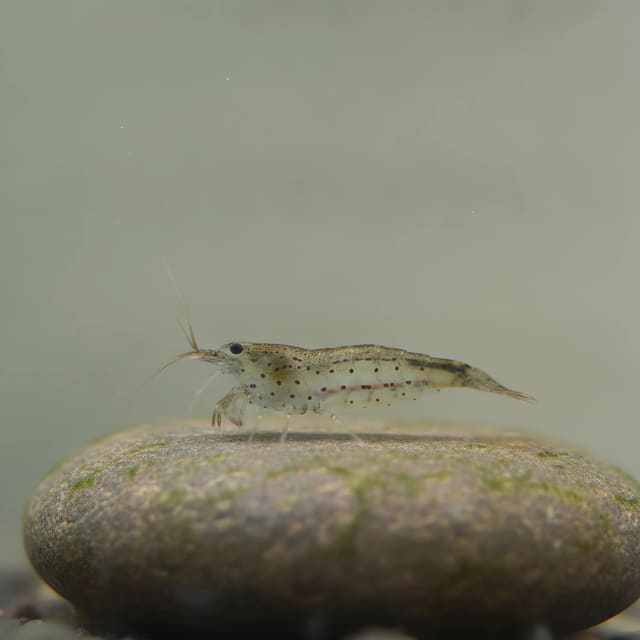
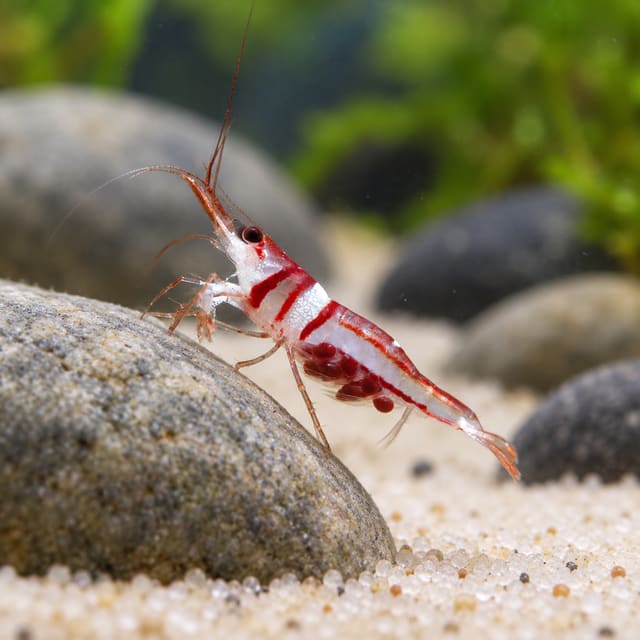
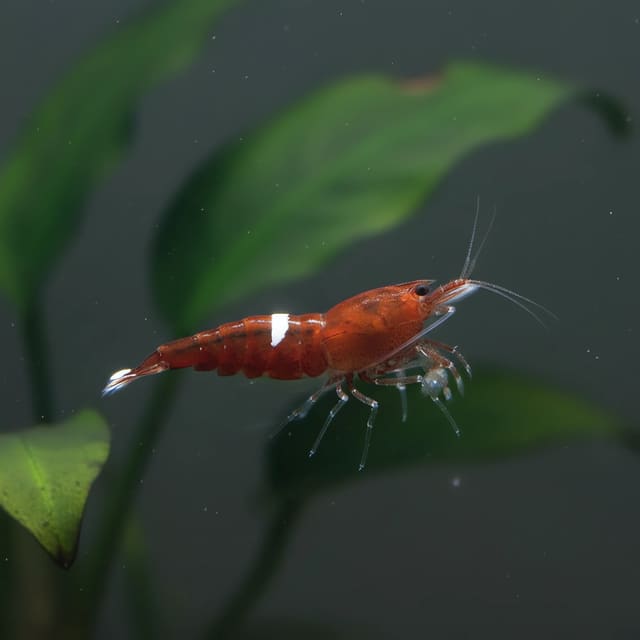
Taiwan Bee Panda Shrimp (Caridina sp.) is a small freshwater atyid shrimp supplied at 1–1.3 cm, best suited to a mature, stable aquarium with careful water-quality control and peaceful company. One purchase supplies one shrimp; sex is not guaranteed.
Water requirements for this listing are not yet confirmed. General care ranges are not a species-specific recommendation. Check temperature, pH and hardness needs with us before ordering.
Caridina sp.
Choose a quantity for your aquarium. Discount thresholds are pricing offers, not a stocking recommendation.
Taiwan Bee Panda Shrimp (Caridina sp.) is a small freshwater atyid shrimp supplied at 1–1.3 cm, best suited to a mature, stable aquarium with careful water-quality control and peaceful company. One purchase supplies one shrimp; sex is not guaranteed.
Water requirements for this listing are not yet confirmed. General care ranges are not a species-specific recommendation. Check temperature, pH and hardness needs with us before ordering.
Taiwan Bee Panda Shrimp (Caridina sp.) is a small freshwater shrimp chosen for a dedicated shrimp aquarium or a carefully planned peaceful community. One purchase supplies one live shrimp, dispatched at approximately 1–1.3 cm. That is the size supplied, not a promise about eventual adult length. No sex is guaranteed for this purchase.
The supplier identity is Caridina “bee panda Taiwan”. The trade name is useful for recognising the animal being offered, but it does not resolve the animal to species. The exact species has not been identified, so the care advice here follows the genus Caridina and its care group. The World Register of Marine Species records Caridina as an accepted genus in the family Atyidae. This honest genus-level label prevents a trade form from being presented as a species that the records do not establish.
The genus Caridina contains freshwater shrimp found across tropical and subtropical parts of Asia, Oceania and Africa. That wide natural range belongs to the genus, not automatically to this particular trade form. In the aquarium, the useful buying decision is therefore based on the exact offer, the shrimp’s small dispatch size and well-scoped freshwater-shrimp guidance rather than on an unfounded locality or species biography.
| Suits | A keeper with a mature, filtered aquarium who can test water regularly, make measured changes and use only invertebrate-safe treatments. |
|---|---|
| Needs care with | New aquariums, sudden parameter changes, copper-containing products, overfeeding and fish large enough to eat a small shrimp. |
| Sold unit | One live shrimp per purchase, supplied at approximately 1–1.3 cm. |
| Identity | Taiwan Bee Panda trade form; scientific identity retained honestly as Caridina sp. |
Sex is guaranteed only when the selected option explicitly states male or female. This Taiwan Bee Panda Shrimp listing has no sex-guaranteed option.
The safest home is not defined by a decorative style. It is defined by biological maturity, dependable filtration, measurable water quality, cover and tank mates that cannot treat a 1–1.3 cm shrimp as food. A planted shrimp aquarium can work well because leaves, wood, stone and other textured surfaces create grazing area and shelter, but plants do not replace a cycled filter or regular testing.
Freshwater shrimp are small, yet they benefit from generous margins. The OATA freshwater-invertebrate guidance gives at least 10 litres for a group of small freshwater shrimp or snails as broad group advice and explains that larger aquariums are more stable. Treat 10 litres as a group-level floor, not as an assurance that any tiny container is suitable for this unresolved Caridina. More water volume usually gives the keeper more time to notice and correct a problem before it becomes severe.
If you are planning your first shrimp aquarium, the freshwater shrimp keeping guide explains the preparation sequence in a practical order. For other freshwater shrimp available from the shop, browse the shrimp and crustacean collection. Those links are for setup and comparison; another shrimp listing should not be treated as proof that two animals share identical needs.
Choose this shrimp because you can provide a stable shrimp-appropriate aquarium, not simply because its trade pattern catches the eye. Check the aquarium’s measured water, the age and performance of the filter, the safety of every planned treatment and the adult size of every companion. Prepare food, conditioner, tests and a shrimp-safe filter intake before ordering.
One small shrimp creates little immediate visual impact, but its welfare still depends on the entire system. A keeper who can read trends, keep maintenance consistent and resist abrupt corrections is in a stronger position than one relying on a tiny nominal aquarium and last-minute chemical fixes.
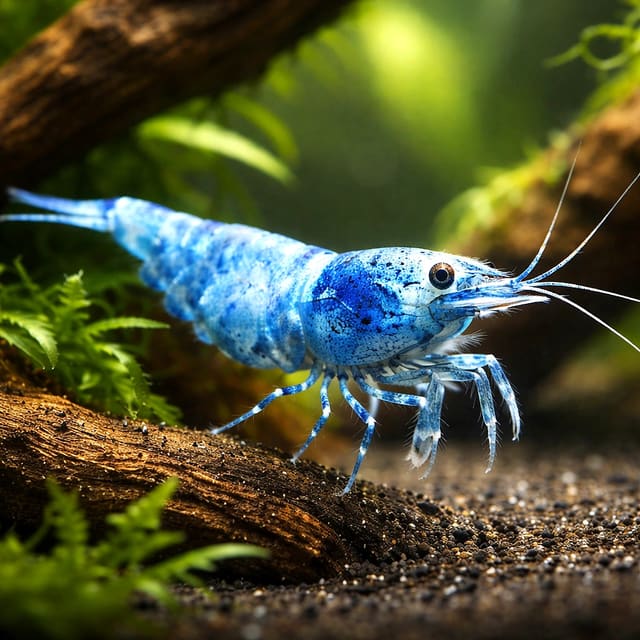
Gallery images have been digitally enhanced to improve image quality. Natural colour, pattern, size and maturity can vary between live animals.
Successful shrimp keeping starts before the animal arrives. A filter needs time to develop the bacteria that process ammonia into nitrite and then nitrate. A clear-looking aquarium can still be biologically immature, so test results matter more than appearance. Add this shrimp only after the aquarium is established, the filter is working reliably and both ammonia and nitrite read zero.
OATA’s freshwater shrimp and snail care sheet gives a broad group range of 17–27°C, pH 6.5–8.0, general hardness 4–18°dH and carbonate hardness 3–15°dKH. These are general values for freshwater shrimp and snails, not a species-specific optimum for Taiwan Bee Panda Shrimp. Because the exact species is unresolved, use the figures as a screening envelope and prioritise a stable aquarium over moving rapidly around that wide range.
| Temperature | 17–27°C under broad freshwater-shrimp group guidance; avoid rapid swings. |
|---|---|
| pH | 6.5–8.0 under the same group guidance; test source water as well as the aquarium. |
| General hardness | 4–18°dH as group guidance, with changes made gradually. |
| Carbonate hardness | 3–15°dKH as group guidance; this affects buffering and pH stability. |
| Ammonia and nitrite | Zero mg/l. |
| Nitrate | Keep it from rising more than 20 mg/l above the normal level in the tap water used for changes. |
A range is not a target to chase. If a shrimp is settled in clean, stable water within the appropriate guidance, avoid changing temperature, pH or hardness simply to reach a fashionable midpoint. Rapid adjustment can be more stressful than a steady value. Measure your tap water, prepared replacement water and aquarium before deciding whether a change is necessary.
The aquarium water-chemistry guide explains what each test measures, while the water parameter matcher can help compare your readings with the stated guidance. Record results with dates. A simple notebook makes trends visible: a rising nitrate reading, falling carbonate hardness or warming summer aquarium is easier to manage when noticed early.
The RSPCA explains why a working biological filter is essential: animals produce ammonia, beneficial bacteria convert it to nitrite and then to the safer nitrate. Shrimp add less waste than many fish, but this does not make an uncycled aquarium safe. Their small size and sensitivity make dependable filtration and careful stocking especially important.
Choose filtration that maintains water quality without trapping the shrimp. Cover intake openings with a shrimp-safe guard or fine sponge where appropriate, and check the guard for reduced flow. A guard is useful only while it remains clean enough for the filter to work. If flow drops, rinse the guard gently in removed aquarium water.
Only increase livestock gradually. Every addition increases feeding and waste, and the bacterial population needs time to respond. An apparently spacious aquarium can still suffer an ammonia or nitrite rise if it is stocked too quickly. Test after additions and be ready to pause further stocking if the readings or animal behaviour change.
OATA recommends gravel or sand and plenty of shelter, ideally including live plants. For a small shrimp, fine-scale structure matters: moss, plant leaves, wood and inert rock provide surfaces to explore and places to withdraw. Leave open areas as well, so uneaten food and debris can be seen and removed. Avoid unstable piles or sharp decorations that make maintenance difficult.
Plants can support a natural-looking aquarium and create grazing surfaces, but they do not eliminate the need to feed or test water. New plants, rocks and wood should be aquarium-safe and free from garden chemicals. Rinse new items appropriately before use. If a plant treatment, snail treatment, fertiliser or medication is considered, check the full product instructions for invertebrate safety before it enters the tank.
Freshwater shrimp are extremely sensitive to copper. The OATA sheet warns that even low levels can kill freshwater shrimp and snails. Use only treatments explicitly stated to be safe for invertebrates at the intended dose. Do not assume that a product is harmless because fish tolerate it. Check conditioners, fertilisers, medications and algae treatments, and keep dosing equipment clean and clearly labelled.
If treatment is required for another animal in a community aquarium, confirm that the treatment is safe for shrimp before use. Moving a shrimp impulsively into unprepared water creates a second risk, so plan treatment and isolation facilities before they are needed. Never mix products unless their manufacturers explicitly allow it.
OATA describes freshwater shrimp and snails generally as grazers that feed on algae, with algae wafers or commercial shrimp pellets used as supplements. For this unresolved Caridina, use a reputable complete shrimp food as the controllable part of the diet and regard visible natural grazing as useful background feeding, not proof that no food is needed.
The group sheet advises feeding freshwater shrimp and snails two or three times a week, leaving pellets or wafers for at least 30 minutes so they can feed, and avoiding excess. Begin with a very small portion. Watch whether the shrimp finds and works on the food. Remove obvious remains before they decay. The correct portion is the amount the animals can use without leaving pollution behind; it may be smaller than expected.
Do not add extra food merely because the shrimp spends time grazing. Grazing is normal behaviour. Body condition, activity, the amount of food left after 30 minutes and water-test trends are more useful than a single moment at the feeding dish. If food repeatedly remains, reduce the next portion rather than adding a different food on top.
Spread feeding locations only when necessary to give all shrimp access, and keep them visible enough to monitor. A hidden pile behind wood can break down unnoticed. When fish share the aquarium, remember that fish food also contributes to the total waste load; shrimp should not become the excuse for leaving surplus food in the tank.
Change 25% of the water at least once every week, as OATA recommends for freshwater shrimp and snails. Test ammonia and nitrite at least weekly as well. Treat replacement tap water with a suitable conditioner to remove chlorine or chloramine, and bring it close to the aquarium’s established temperature and chemistry before adding it gradually.
Use a siphon carefully around small livestock. Check buckets, hoses and removed plants before discarding water. Clean enough of the substrate to prevent waste accumulation while retaining useful grazing surfaces and avoiding a wholesale disturbance of the aquarium. A predictable, measured routine is preferable to occasional drastic cleaning.
Inspect the filter for blockages during maintenance. When media needs cleaning, rinse it lightly in water removed from the aquarium. Do not run biological filter media under the tap, because chlorine or chloramine can damage the bacteria that keep ammonia and nitrite under control. Rinse it lightly in removed aquarium water.
Top-ups replace evaporated water but do not remove nitrate or dissolved waste. Keep top-ups and partial water changes conceptually separate. If evaporation is substantial, test hardness and conductivity trends where available, since minerals remain behind as water evaporates.
Use a short daily check to learn what normal looks like. Note activity, grazing, posture, colour, intact antennae and limbs, and whether the shrimp responds to food. OATA recommends watching for unusual inactivity or restlessness, darker or paler colour, altered breathing behaviour, damage to the exoskeleton, loss of appendages, swelling and reduced feeding.
A single hiding shrimp is not automatically an emergency, especially around moulting, but a broad change across several animals deserves prompt water testing. Test first for ammonia, nitrite, nitrate, temperature and pH, then examine recent maintenance, additions and dosing. Correct measured problems carefully rather than adding medication on guesswork.
Plan to be at the delivery address when livestock arrives and read the delivery and Live Arrival Guarantee policy. Inspect the parcel on the day it arrives. For a Live Arrival Guarantee claim, email hello@tropicalfishco.co.uk on the day of delivery with your order number, the affected animals and quantities, and clear photos of the problem and packaging. An unboxing video is optional. Do not delay necessary animal care to film or wait for our reply. Our team reviews the evidence under the current claim terms.
Follow the store’s arrival instructions and float the sealed bag for 20–30 minutes before release. Acclimatise slowly, avoid pouring transport water into the aquarium, and watch the shrimp closely after introduction. Keep feeding modest while it settles. The useful first-week checks are activity, posture, colour, appetite, successful access to shelter and stable water-test results.
Test results are most useful as a sequence. If pH or hardness moves, compare the latest reading with the previous few entries and with the replacement water. Check whether a large top-up, a change of water source, a new decoration or an altered maintenance routine coincided with the movement. This gives you a practical cause to investigate instead of reacting to one isolated number.
If ammonia or nitrite is detected, treat the result as a water-quality problem that needs immediate attention. Pause feeding, confirm the test, check the filter is running and look for decaying food or other waste. Make an appropriate conditioned water change and continue testing. Avoid a sudden series of unrelated chemical adjustments, because each extra variable makes the shrimp’s environment harder to stabilise.
Nitrate trends need context from the tap water used for changes. OATA’s ceiling is framed as no more than 20 mg/l above the normal tap-water level. Record both readings so that the comparison remains meaningful. If the difference grows, review feeding, stocking, dead plant material, substrate debris and the effectiveness of the regular water-change routine.
The broad 17–27°C group range is wide enough to cover different freshwater shrimp, but it should not be read as permission for fast daily movement from one end to the other. Place the aquarium away from direct sun, radiators and cold draughts. Check temperature at the warmest part of a summer day and again after a cold night rather than relying on a single convenient reading.
When the room warms, protect oxygenation and water quality as well as watching the thermometer. Warm water holds less oxygen, while uneaten food and waste still demand oxygen as they break down. Maintain filter flow, remove surplus food and avoid overcrowding. Any cooling measure should be gradual and controlled; an abrupt temperature correction can create its own stress.
Use dedicated buckets and tools for the shrimp aquarium where practical. Residue from a treatment used in another tank can matter to an invertebrate even when the equipment looks clean. Label maintenance tools, rinse hands thoroughly and keep household sprays, soap and cleaning chemicals away from open aquarium water.
Before adding new livestock or décor, consider what else may arrive with it: treatment residues, unfamiliar water, damaged plant material or extra organic waste. Prepare additions separately, inspect them and introduce them in a way that does not destabilise the aquarium. The aim is not sterility; it is avoiding sudden, preventable changes to a small ecosystem.
During the first week, compare behaviour at similar times each day. Note where the shrimp grazes, whether it reaches food, how often it stays hidden and whether fish approach it. A short, consistent observation is more useful than repeatedly disturbing the aquarium to search for it.
Continue the normal testing schedule and add an extra test if behaviour changes. Resist the temptation to feed heavily to make the animal appear. Food left in hidden areas can worsen the very water-quality issue you are trying to diagnose. Offer a modest portion at a visible feeding point, allow enough time for the shrimp to approach, and remove what remains.
Taiwan Bee Panda Shrimp are small enough to be vulnerable to many fish. OATA’s freshwater-invertebrate guidance gives the central rule plainly: do not mix freshwater shrimp with fish that can fit them in their mouth or with species known to be predatory. A fish described as peaceful may still eat a shrimp small enough to swallow, so body size and feeding behaviour matter as much as temperament labels.
The simplest plan is a mature shrimp-focused aquarium with cover, grazing surfaces and stable filtration. This avoids the uncertainty created by predatory fish and makes feeding, moulting and population observation easier. Peaceful snails and other invertebrates may be considered only when their water, treatment and feeding needs are genuinely compatible.
Assess any fish at its adult size, not its shop size. Consider mouth size, hunting behaviour, activity level and the chance that a shrimp will be exposed after moulting. Dense cover can reduce encounters but cannot turn a predator into a safe companion. If the shrimp’s safety depends entirely on never leaving a hiding place, the combination is a poor choice.
A calm-looking fish may investigate moving antennae or pick at a newly moulted shrimp. Bottom-feeding fish can also compete at feeding sites even when they do not hunt shrimp deliberately. Watch whether the shrimp can reach food and move between shelters without repeated disturbance.
| Suitable direction | A shrimp-focused aquarium, or a carefully researched peaceful community where no companion can swallow or prey on a small shrimp. |
|---|---|
| Caution | Any fish community, especially active bottom dwellers or animals that monopolise food. |
| Avoid | Predatory species and fish large enough to fit the shrimp in their mouth. |
OATA describes shrimp species as usually social. Plan for a group rather than treating a solitary specimen as the ideal long-term arrangement, but add livestock gradually so the filter can adjust. The appropriate group count depends on usable aquarium space, maturity, filtration and the other animals present. A fixed head count would be misleading for an unresolved species and an unknown final community.
When adding to an existing shrimp group, compare water requirements and treatment sensitivity rather than assuming all shrimp are interchangeable. Different trade forms can have different husbandry priorities, and mixing similar-looking forms may also matter to keepers who want to maintain a particular colour line. This listing makes no breeding or lineage guarantee.
Shrimp do not need territories in the same way as cichlids, but they do need enough structure and feeding access to avoid continual displacement. Create several routes through plants, wood or stone. Place food where it can be monitored and where stronger or faster animals cannot monopolise every portion.
If a new companion causes the shrimp to disappear continuously, miss food or show a broad change in activity, reassess the combination and test the water. Do not wait for visible injury before acting. A compatibility decision should be judged by whether the shrimp can carry out normal behaviour, not merely by the absence of obvious attacks.
It is a freshwater atyid shrimp sold under the Taiwan Bee Panda trade name. The exact species has not been resolved, so the scientific label remains Caridina sp. rather than an unfounded species name.
Yes. Add it only to an established, filtered aquarium with zero ammonia and zero nitrite. Biological maturity, stable readings and an invertebrate-safe maintenance routine are more important than how long the tank has looked clear.
OATA’s broad guidance for freshwater shrimp and snails is 17–27°C, pH 6.5–8.0, 4–18°dH and 3–15°dKH. Those are group-level values rather than a species-specific optimum, so keep suitable readings stable and avoid rapid adjustment.
Shrimp are generally social, so plan a group and add animals gradually. The suitable count depends on aquarium volume, maturity, filtration and other livestock; provide enough grazing area, shelter and feeding access for the group.
It is best for a keeper who can maintain a mature aquarium, test water consistently and avoid copper or other invertebrate-unsafe treatments. The store’s care assessment is intermediate because stability and product safety matter greatly for small shrimp.
Offer a reputable shrimp food such as an algae wafer or commercial shrimp pellet two or three times a week under OATA’s group guidance. Leave it for at least 30 minutes, then remove obvious remains and reduce future portions if food is repeatedly left.
Only choose fish that cannot swallow or prey on a small shrimp. A peaceful label alone is insufficient: compare adult mouth size, feeding behaviour and activity, and remember that a newly moulted shrimp is particularly vulnerable.
Freshwater shrimp are generally managed as social invertebrates rather than territorial community fish. Give the group several feeding and shelter areas, then watch that every animal can graze and feed without continual displacement.
Tropical Fish Co hand-packs live orders in oxygenated bags inside insulated boxes, using heat packs when weather requires, and sends them by tracked licensed live-animal courier. Be present to receive and inspect the parcel the same day. For a Live Arrival Guarantee claim, email hello@tropicalfishco.co.uk on the day of delivery with your order number, the affected animals and quantities, and clear photos of the problem and packaging. An unboxing video is optional. Do not delay necessary animal care to film or wait for our reply. Our team reviews the evidence under the current claim terms.
This listing keeps offer facts separate from biological and group-care guidance. Taxonomic identity remains at genus level because the trade name does not establish a species.
The numerical water guidance is deliberately labelled as broad group advice. It is not used to manufacture a species-level optimum or adult length for this unresolved Caridina. The delivery policy supports packing, acclimatisation and conditional Live Arrival Guarantee wording only.
No reviews for this item yet. Bought one? Honest reviews only, good or bad.
What customers say about ordering from us
Easy website plenty of info on fish your buying great to pick a time slot
TRACEY DURRANT · 7 Oct 2026
Got some lovely fish thank you
Kevin Mackie · 7 Oct 2026
Reviews of our shop, collected by Judge.me, an independent third-party review collector. Newest first.